


























1. What Makes High-Quality Underwear Different
High-quality underwear is engineered first and foremost for comfort, skin safety, and long-term wearability. Because underwear is worn directly against sensitive skin for extended periods, even minor issues in fabric, fit, or construction become immediately noticeable to the wearer.
Beyond initial comfort, premium underwear must maintain its softness, elasticity, and shape over time. This requires carefully selected fabrics, well-balanced elastics, and construction methods that withstand repeated washing without degradation. A well-manufactured garment should feel consistent not only on the first wear, but across months of use.
From a manufacturing perspective, underwear is one of the most unforgiving categories: there is little margin for error, and customer tolerance for discomfort is extremely low.
>>> Beyond its specialized custom underwear production, Thygesen also provides comprehensive OEM services for clients seeking expert athletic apparel manufacturers. The company’s proven expertise in high-performance textiles and advanced manufacturing ensures optimal functionality and durability for dynamic sportswear lines. Explore how Thygesen delivers tailored, high-standard solutions for your activewear needs.
2. Best Fabrics Commonly Used for Underwear
Fabric is the foundation of underwear quality. Because underwear touches highly sensitive areas, the wrong fiber choice leads quickly to discomfort, odors, chafing, and loss of shape. Below are the most common fabrics used by professional underwear manufacturers and how they behave.
- Cotton (140 – 200 GSM) offers breathability and familiarity, making it suitable for everyday underwear. However, it often requires blending with elastane to improve stretch recovery and prevent sagging.
- Cotton–elastane blends (150 – 220 GSM) combine softness with controlled stretch, making them one of the most widely used options for daily wear.
- Modal and micro-modal (120 – 180 GSM) provide a silky, cool hand-feel and excellent drape, positioning them well for premium collections.
- Bamboo (140 – 200 GSM) is valued for softness and moisture handling, especially by eco-focused brands, but requires careful processing to ensure durability.
- Nylon/polyamide blends (120 – 200 GSM) are commonly used in seamless underwear and shapewear due to superior elasticity and recovery.
- Polyester performance fabrics (130 – 180 GSM) are typically reserved for sports underwear, where quick-dry and moisture-wicking properties are prioritized.
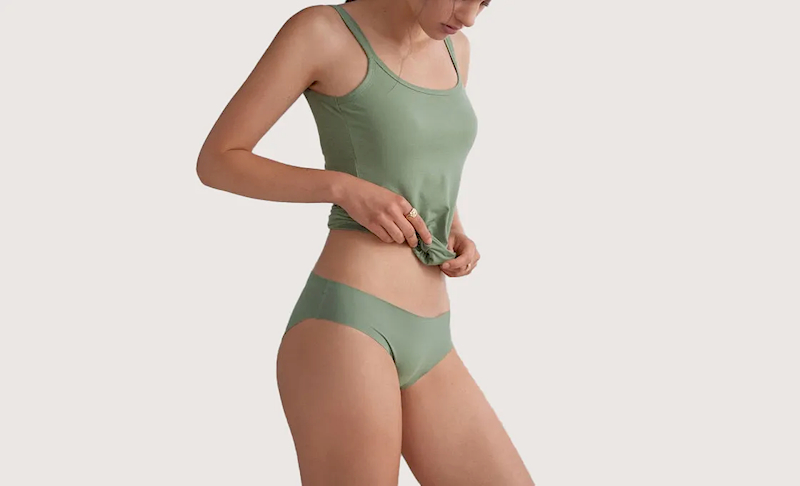
>>> For brands requiring precise garment construction across diverse product categories, Thygesen functions as a highly capable cut and sew manufacturer. Leveraging meticulous techniques and a commitment to detail, the company transforms design concepts into high-quality apparel, consistently meeting the stringent standards applied to its custom underwear. Engage Thygesen for a manufacturing partnership focused on craftsmanship and consistent execution.
3. Fit, Pattern Engineering, and Comfort – Key Factors Manufacturers Control
Fit is the single biggest reason customers love or hate underwear. These engineering elements matter most:
- Proper stretch and recovery so the underwear molds to the body without sagging.
- Built-in shrinkage allowances so garments do not become tight after washing.
- Waistbands are designed to stay secure without digging or rolling.
- Elastic tension is calibrated around leg openings to avoid pinching.
- Gusset placement engineered for hygiene, breathability, and comfort.
- Seam technologies are chosen specifically to prevent chafing or friction.
- Thoughtful size grading that works across different body shapes and sizes.
If even one of these details is wrong, discomfort appears instantly, and customers rarely forgive it.
4. Key Construction Details That Truly Matter
The quality of underwear is often hidden in construction details rather than visible design elements. Flatlock seams lie flat against the skin and reduce irritation. Bonded seams create smooth, invisible finishes under fitted clothing. Encased elastics prevent friction while maintaining flexibility and strength.
Waistbands must deliver a strong recovery without collapsing after repeated washes. Gussets improve ventilation, hygiene, and long-term comfort, particularly in women’s underwear.
A professional underwear manufacturer selects construction techniques based on price positioning, intended use, and performance expectations, rather than applying one solution universally. This technical decision-making is what separates premium underwear from commodity products.
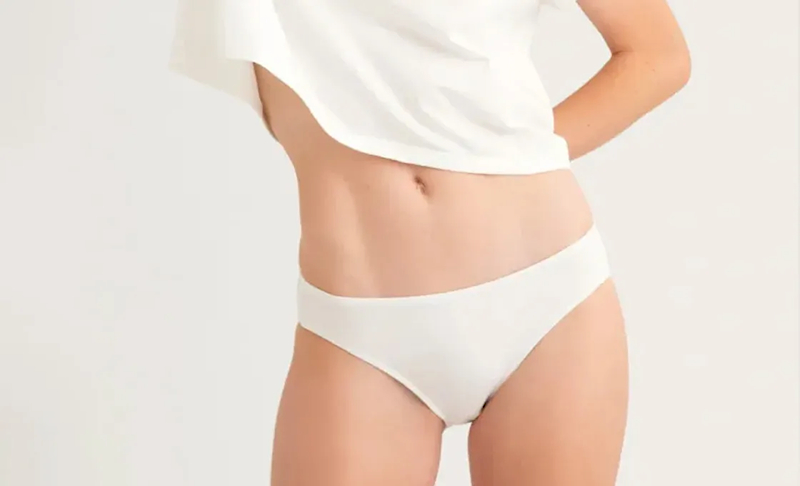
>>> While specializing in intricate custom underwear, Thygesen extends its certified production capabilities to brands seeking professional hoodie manufacturers. Adhering to internationally recognized quality and social compliance standards, the company ensures that all apparel, from base layers to outerwear, meets global market expectations. Partner with Thygesen for transparent and responsible production across various garments.
5. Types of Underwear Manufacturers Typically Produce
Professional factories rarely treat all underwear the same. Each category requires different fabrics, elastics, machines, and techniques. Below, each type is separated clearly, as you requested.
5.1. Boxer Briefs
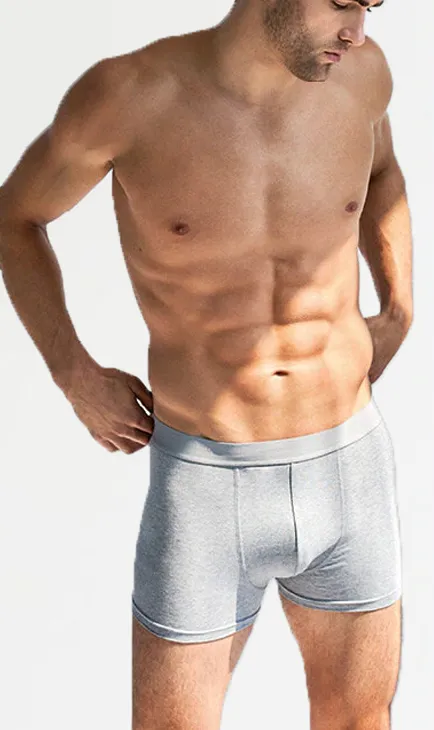
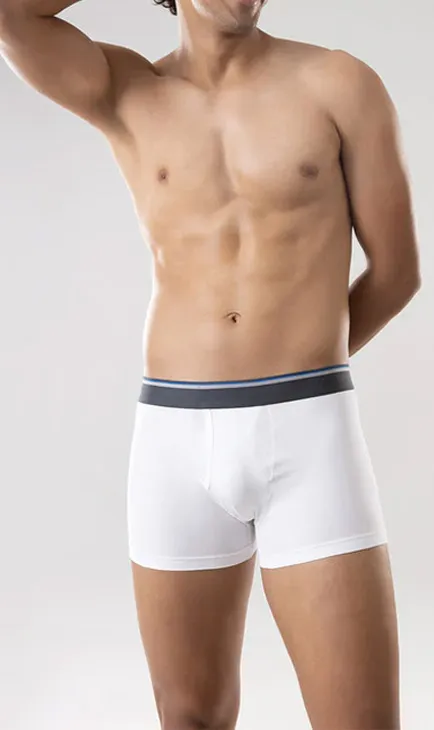
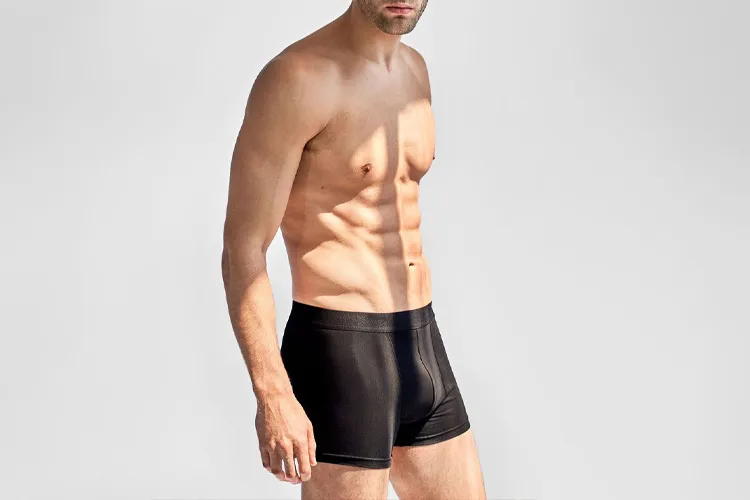
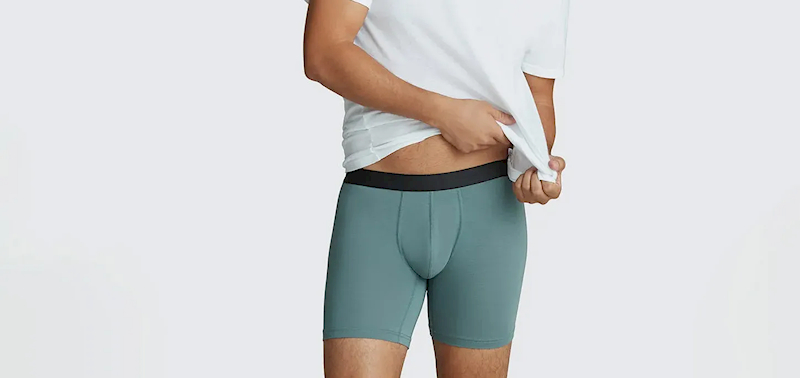
Boxer briefs combine thigh coverage with structured support. They are a leading category in men’s underwear. The technical challenge lies in preventing leg roll-up, especially during movement. Correct hem construction and stretch mapping make the difference.
5.2. Trunks
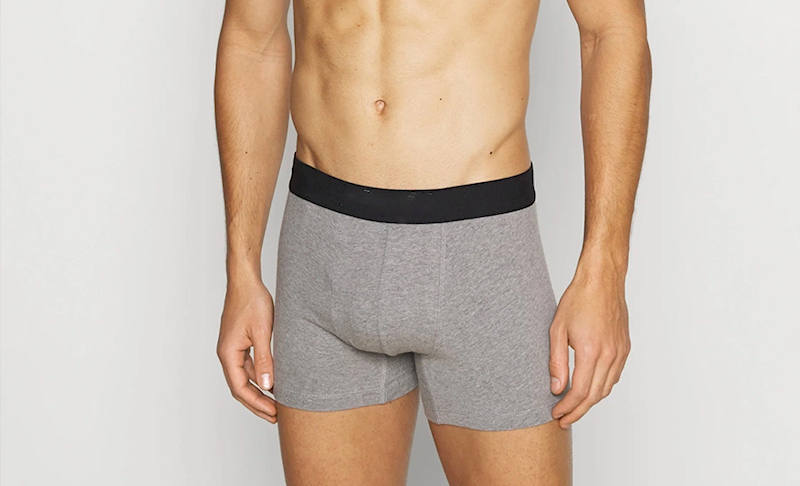
Trunks are shorter versions of boxer briefs, offering a modern, fitted look. Because they sit shorter on the leg, pattern engineering becomes critical to avoid pressure points and ensure the fabric stretches naturally rather than compressing uncomfortably.
5.3. Everyday Briefs
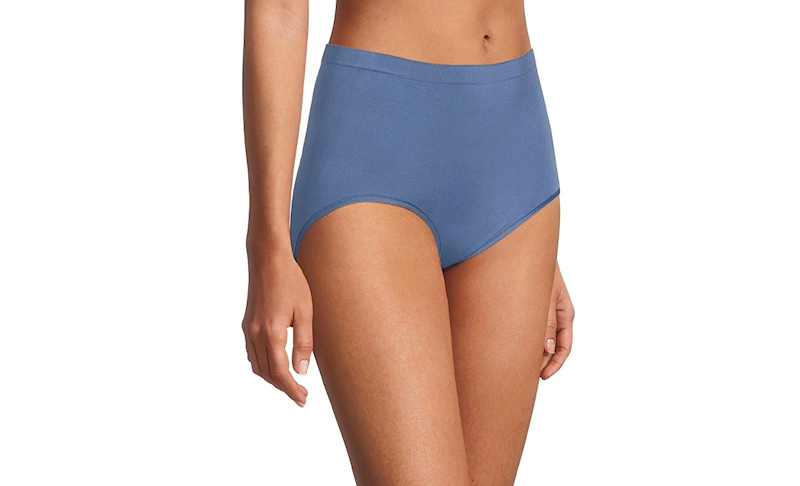
Everyday briefs focus on comfort, hygiene, and practical wearability. They typically use cotton-elastane or modal blends to ensure softness while maintaining stability. The cut prioritizes coverage and breathability and is designed for all-day use.
>>> Brands prioritizing innovation and sustainable practices can find a valuable partner in Thygesen as a dedicated legging manufacturer. Drawing on extensive experience with performance fabrics used in custom underwear, Thygesen optimizes material selection and construction for superior comfort, fit, and environmental responsibility. Minimize sourcing risks by collaborating with a producer committed to both product excellence and ethical operations.
5.4. Sports Briefs/Performance Underwear
These garments manage sweat, friction, and extensive movement. Polyester and polyamide blends with moisture-wicking finishes help keep the body dry. The seams and gussets must reduce chafing, especially during long activity periods.
5.5. Seamless Underwear
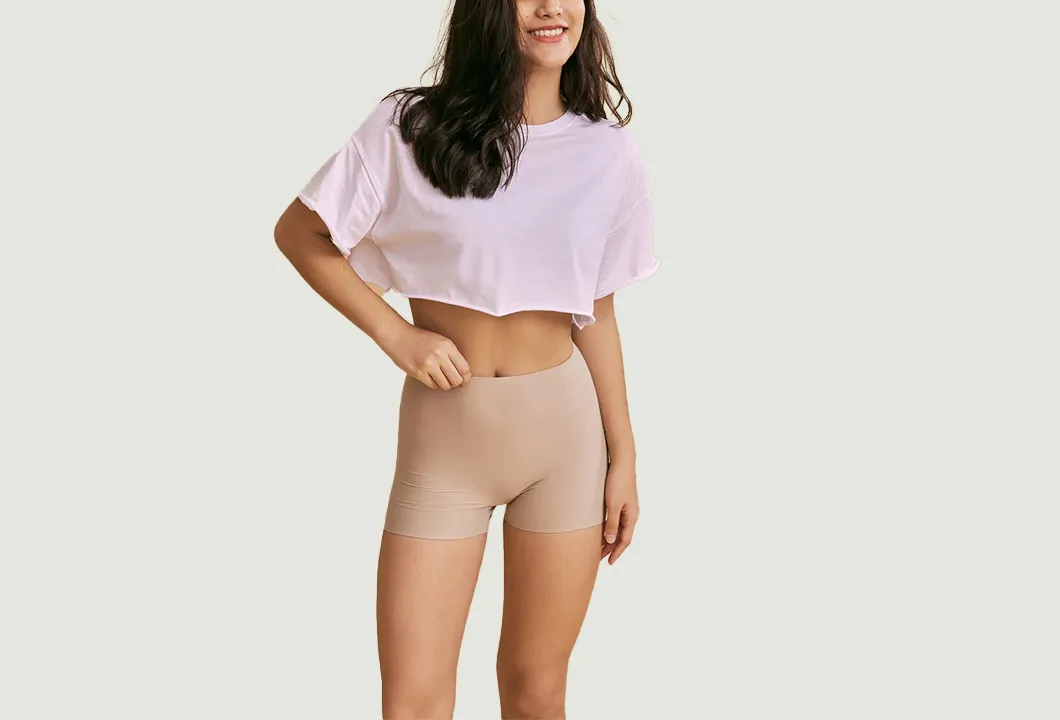
Seamless garments are knitted on circular machines, eliminating most seams. They appear smooth under fitted clothing and feel lightweight. Nylon-spandex yarns are commonly used, and the manufacturer must control heat, tension, and knitting programs to prevent distortion.
5.6. Shapewear
Shapewear prioritizes compression, contouring, and support. High-stretch technical yarns and strong power-mesh fabrics are used to sculpt areas while still allowing safe movement and breathability. Poor shapewear manufacturing causes rolling, bruising, or extreme pressure so expertise is essential.
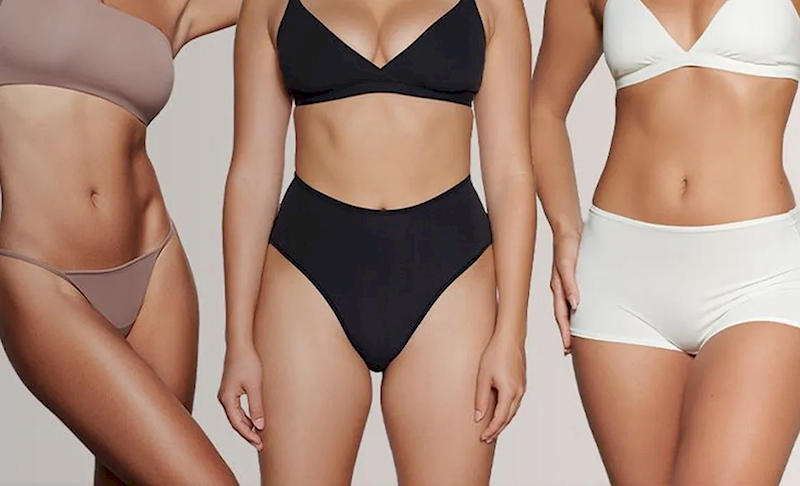
5.7. Bikinis & Hipsters
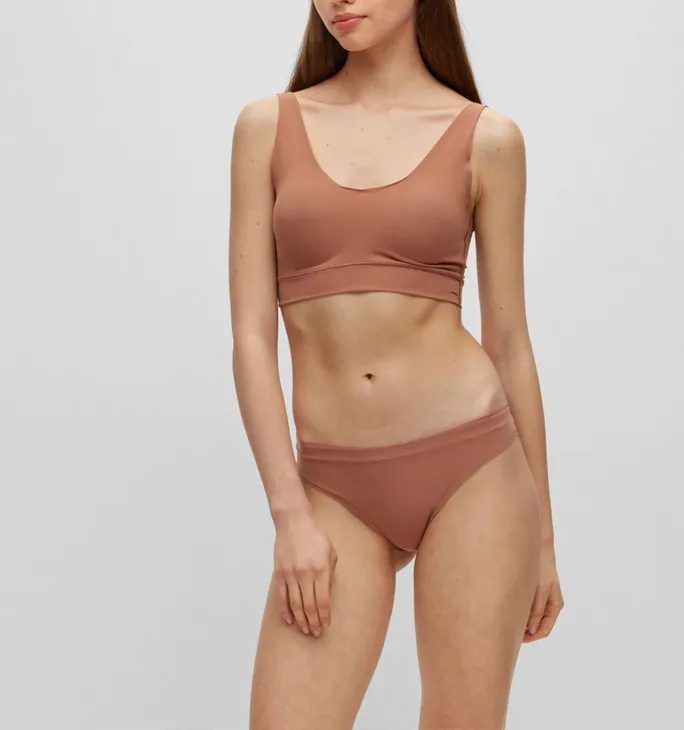
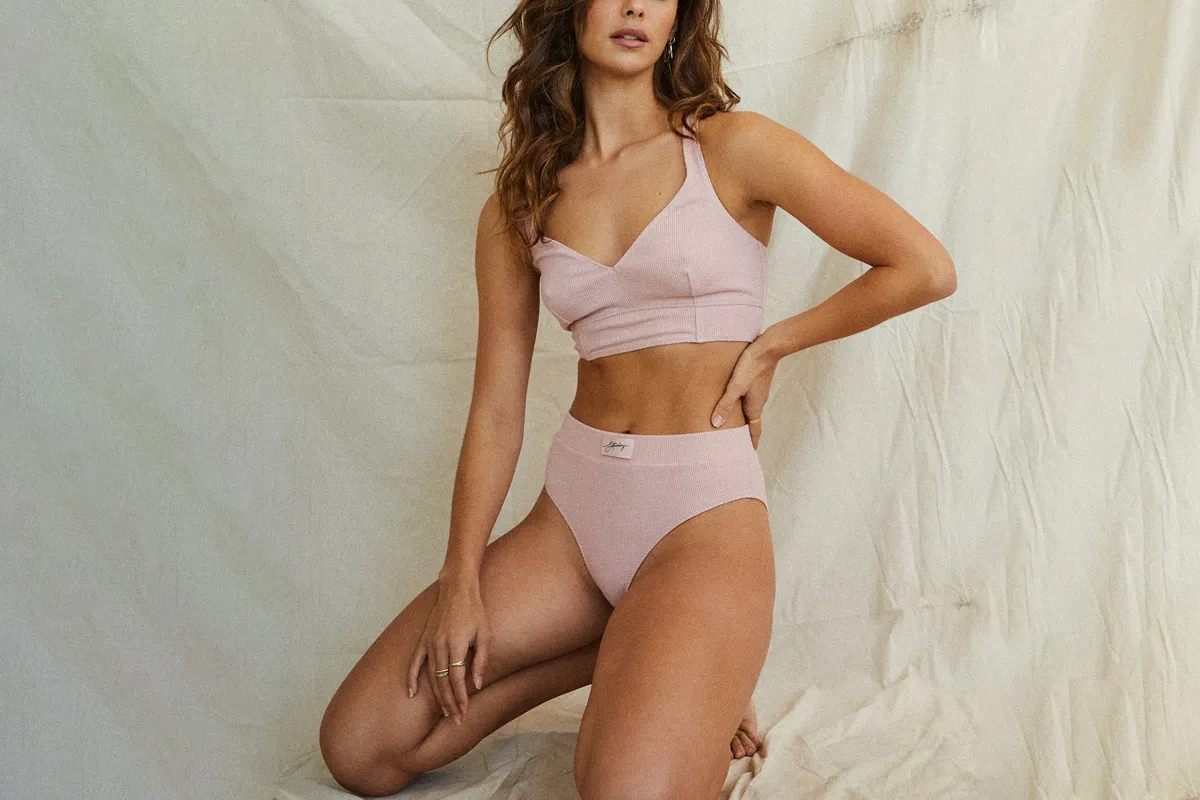
These styles sit lower on the hips and feature lighter, more fashion-forward silhouettes. They must balance elasticity with stability so they remain invisible under clothing without rolling or digging. Proper elastic tension is essential.
5.8. Maternity Underwear
Maternity designs require gentle support that grows with the body. Soft elastics, flexible waist panels, and breathable fabrics prevent irritation or pressure. Special gusset positioning improves comfort and hygiene during pregnancy.

5.9. Lingerie Basics
Lingerie blends technical sewing with delicate aesthetics. Lace, mesh, microfiber, and satin-like fabrics are used to create feminine silhouettes. Despite the decorative nature, fit and softness remain top priority – poorly finished lingerie irritates immediately.
6. Working With an Underwear Manufacturer Effectively
Successful partnerships rely on clarity from day one. The best manufacturers ask detailed questions about target markets, price positioning, washing expectations, sustainability needs, and performance goals. They prefer structured tech packs, clear tolerances, and open communication. Sampling becomes the foundation of quality — not simply visual approval.
6.1. Preparation and Planning
Before contacting factories, brands should clearly define what they want to produce and where they want to position themselves. This includes understanding your product types, such as seamless underwear, boxer briefs, wireless bras, shapewear, or sports bras as well as your target consumer, brand identity, comfort expectations, and sustainability priorities. Entering discussions without clarity often leads to confusion, delays, and costly redesigns later.
One of the most important foundations is building detailed tech packs. These should function as complete design blueprints, outlining garment construction, fabric composition, GSM, stretch percentage, trims, stitching methods, size grading, logos, label placements, color references, and care instructions. The clearer the documentation, the smoother production becomes.
It is also necessary to plan logistics early. Brands should determine realistic budgets, order volumes, re-order expectations, and whether they need low-MOQ flexibility or large-scale capacity. These decisions influence which manufacturers are suitable from the beginning.
6.2. Manufacturer Selection
Finding the right underwear manufacturer requires research rather than assumption. Brands should review B2B sourcing platforms, industry directories, or trade shows to identify factories that specifically specialize in intimate apparel, not just generic apparel production. Specialization is critical because underwear requires technical machinery, experience with elastics, and knowledge of skin-safe materials.
Evaluating quality and ethics matters equally. Certifications such as OEKO-TEX, GOTS, WRAP, or SA8000 help confirm that fabrics are safe, processes are ethical, and workers operate in responsible environments. These credentials protect both brand reputation and consumer trust.
Sampling is non-negotiable. Brands should order development samples and test them carefully for fit, hand-feel, stretch recovery, colorfastness, shrinkage, waistband stability, and overall comfort. Approving designs without testing often results in high return rates once products reach customers.
6.3. Collaboration and Communication
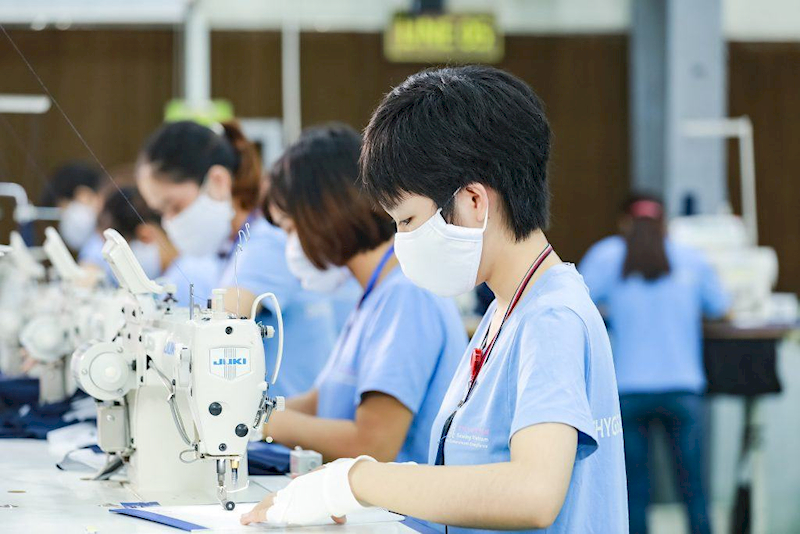
Strong partnerships rely on communication that is open, structured, and respectful. Because many underwear manufacturers operate overseas, cultural awareness and realistic expectations help maintain smooth collaboration. Regular check-ins, documented changes, and clear explanations minimize misunderstandings.
Contracts should be precise. They should outline quality standards, approved materials, tolerances, pricing, intellectual property protection, lead times, penalties for non-compliance, and dispute processes. Written agreements protect both sides.
Production timelines should be developed together, including development stages, fit approval milestones, fabric ordering, cutting, sewing, finishing, inspections, and shipment. Allowing buffer time is essential, as development rarely follows a perfect linear path.
Finally, quality control must run throughout the production cycle. Brands may combine internal factory checks with third-party inspections to verify that every batch meets agreed specifications.