
Custom Hoodies Manufacturing
Expert Craftsmanship: Attention to Detail
Thygesen Texile Vietnam
High Quality Hoodie and Sweatshirt Manufacturer

Why Choose Thygesen as Your Hoodie Manufacturing Partner?
Meticulous Fabric Selection with Reliable Suppliers

High-Technology
Hoodies Manufacturing Service
Extensive Customization Options
to Match Your Requirements
Achieving Excellence with
Multiple Sustainable Certifications
Professional Customer Service
Ensuring Your Satisfaction
We Bring All Your Hoodies Designs To Life with Passion and Care

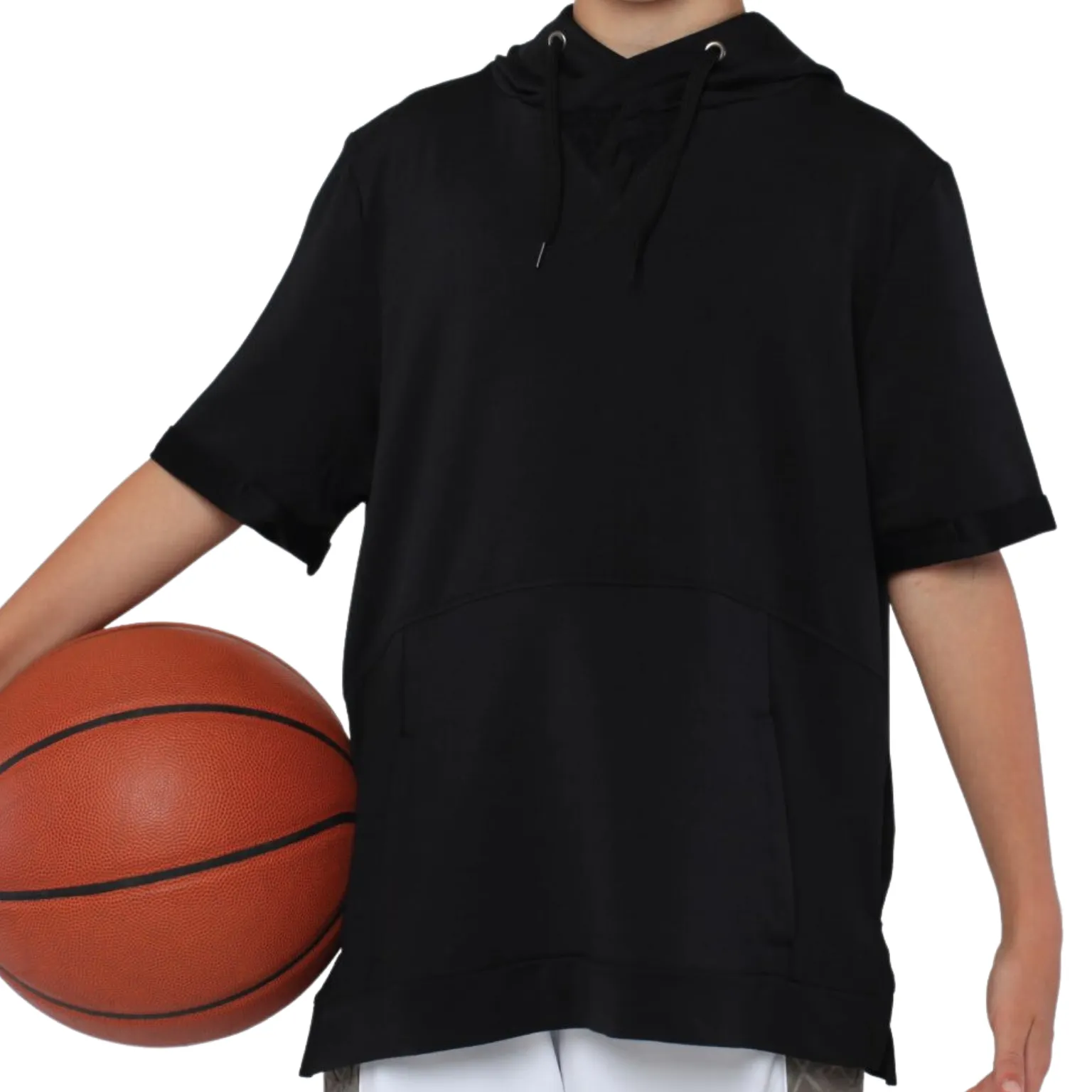
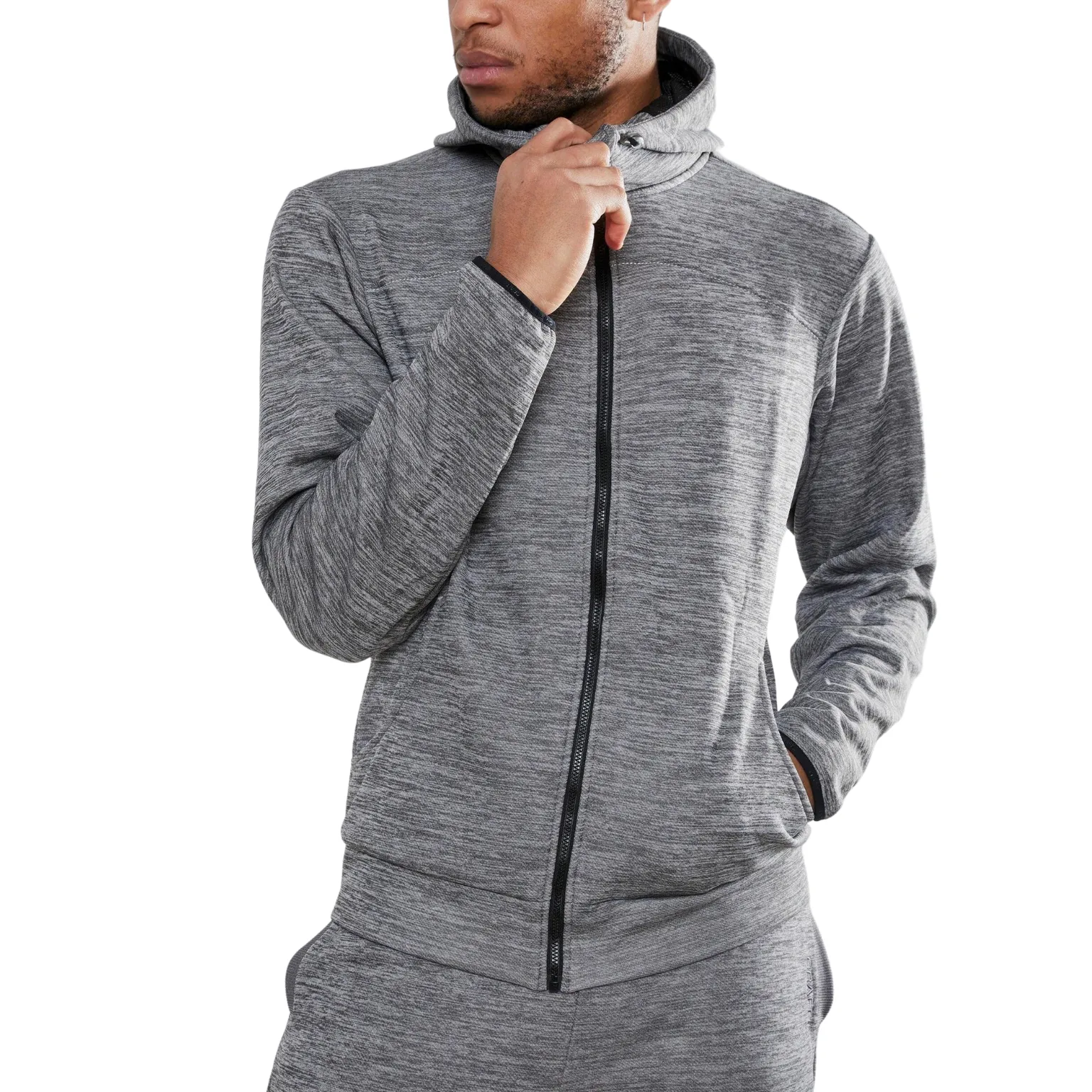
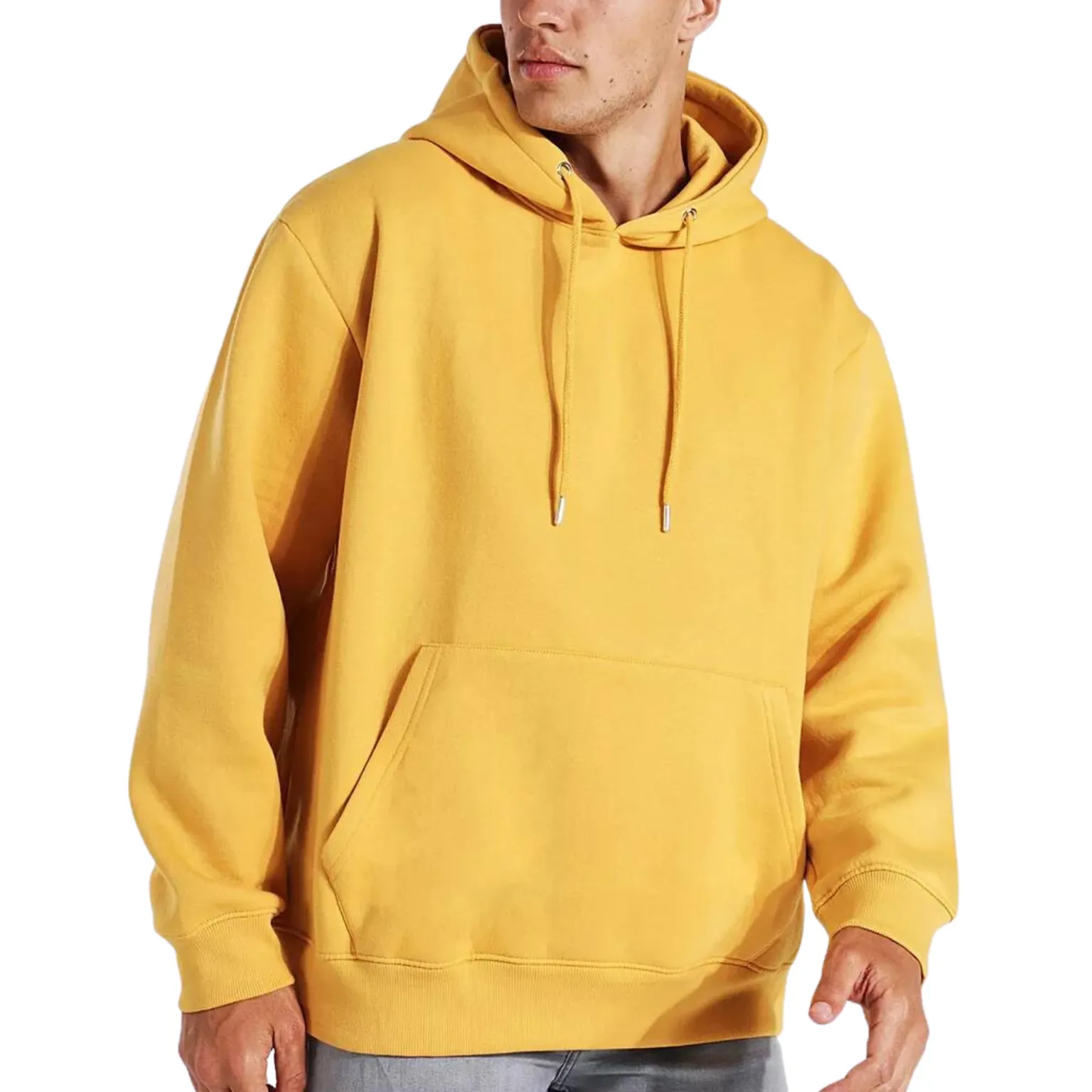
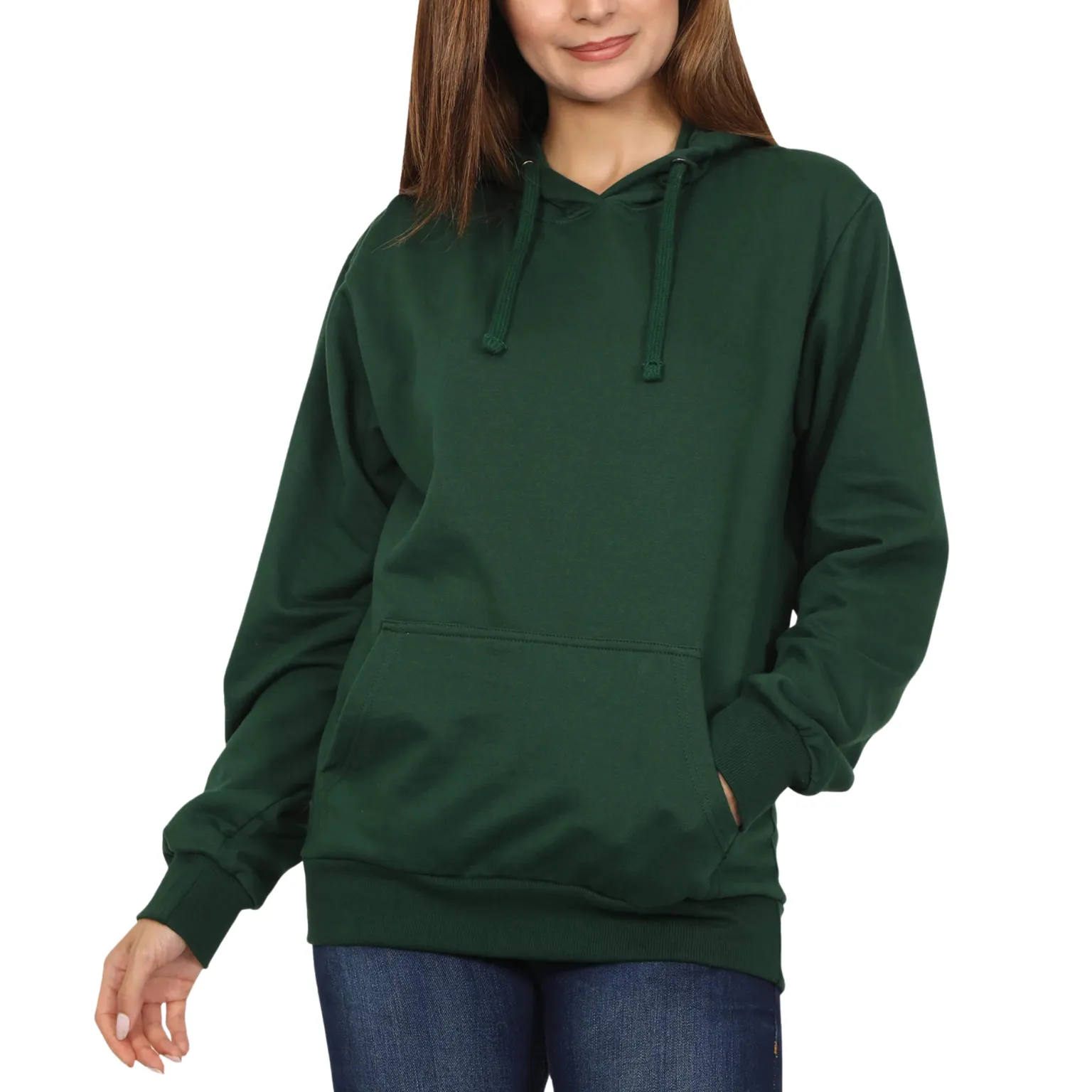
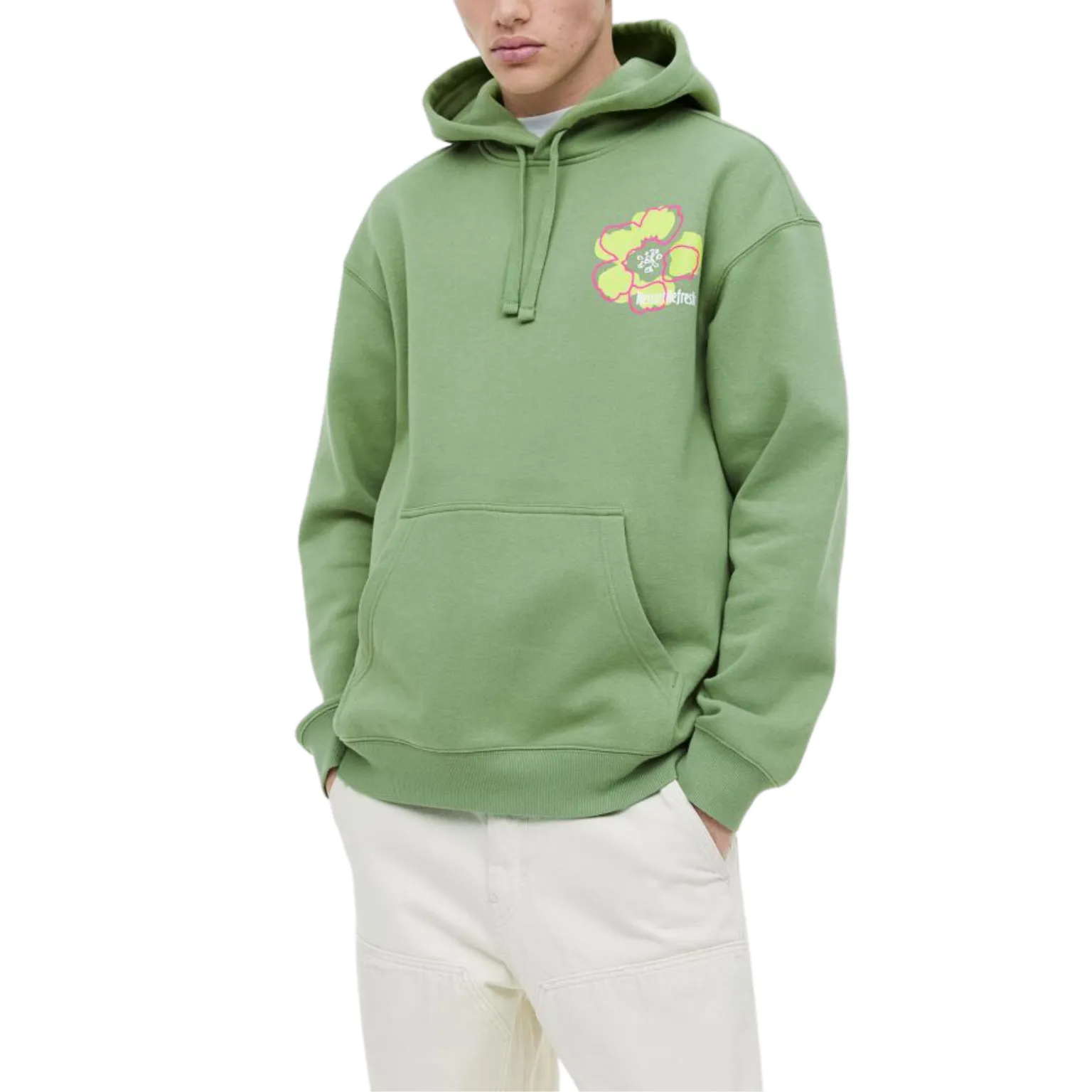
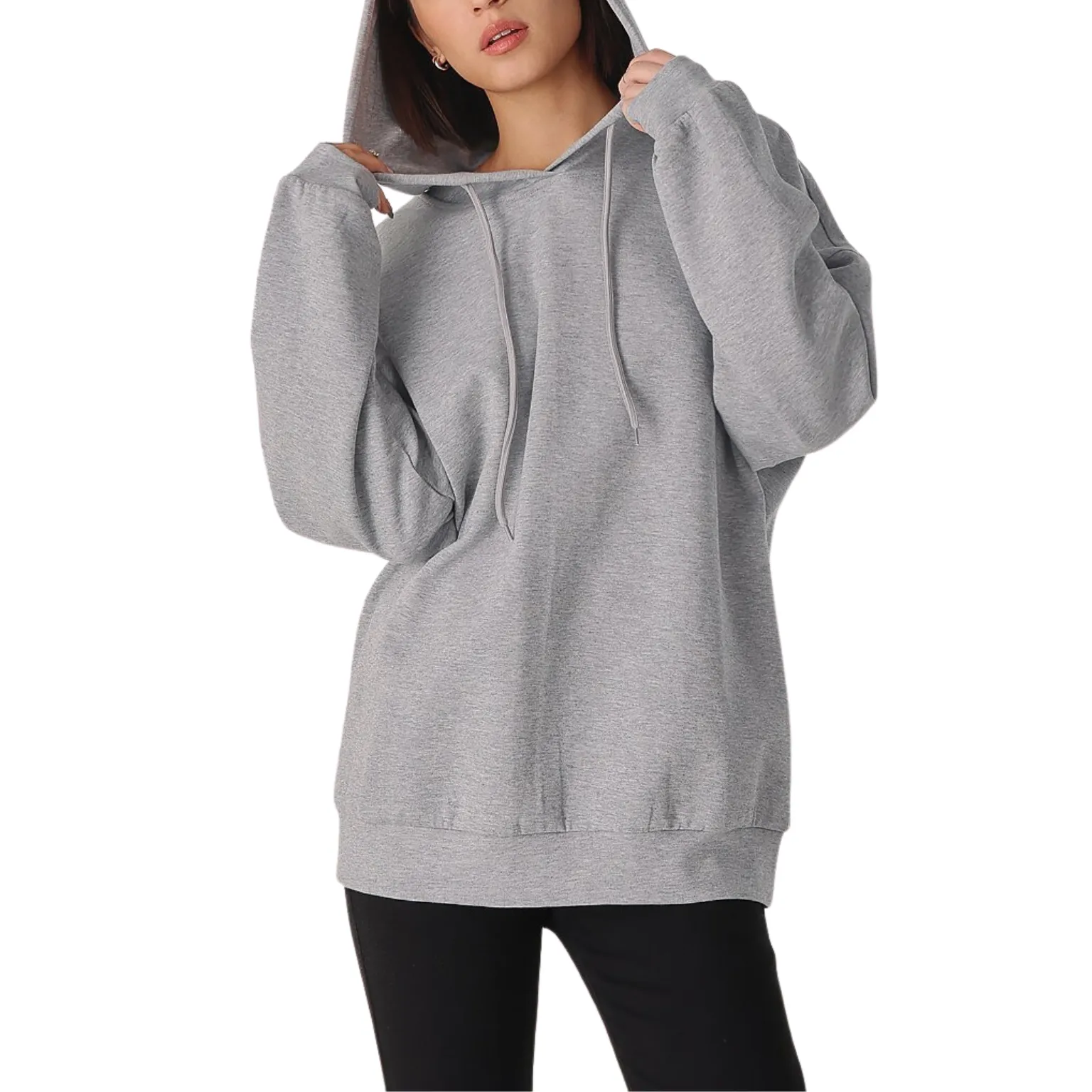
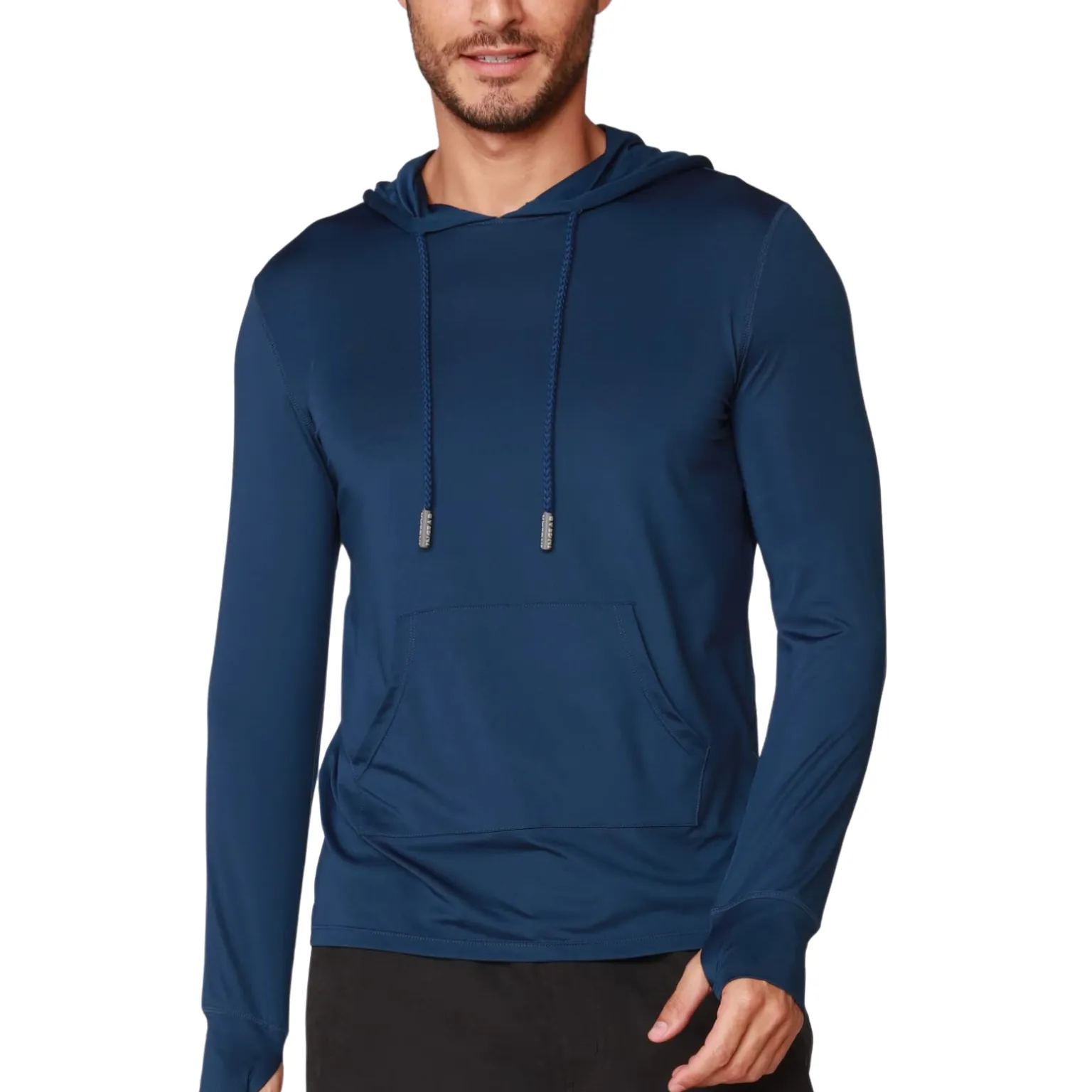
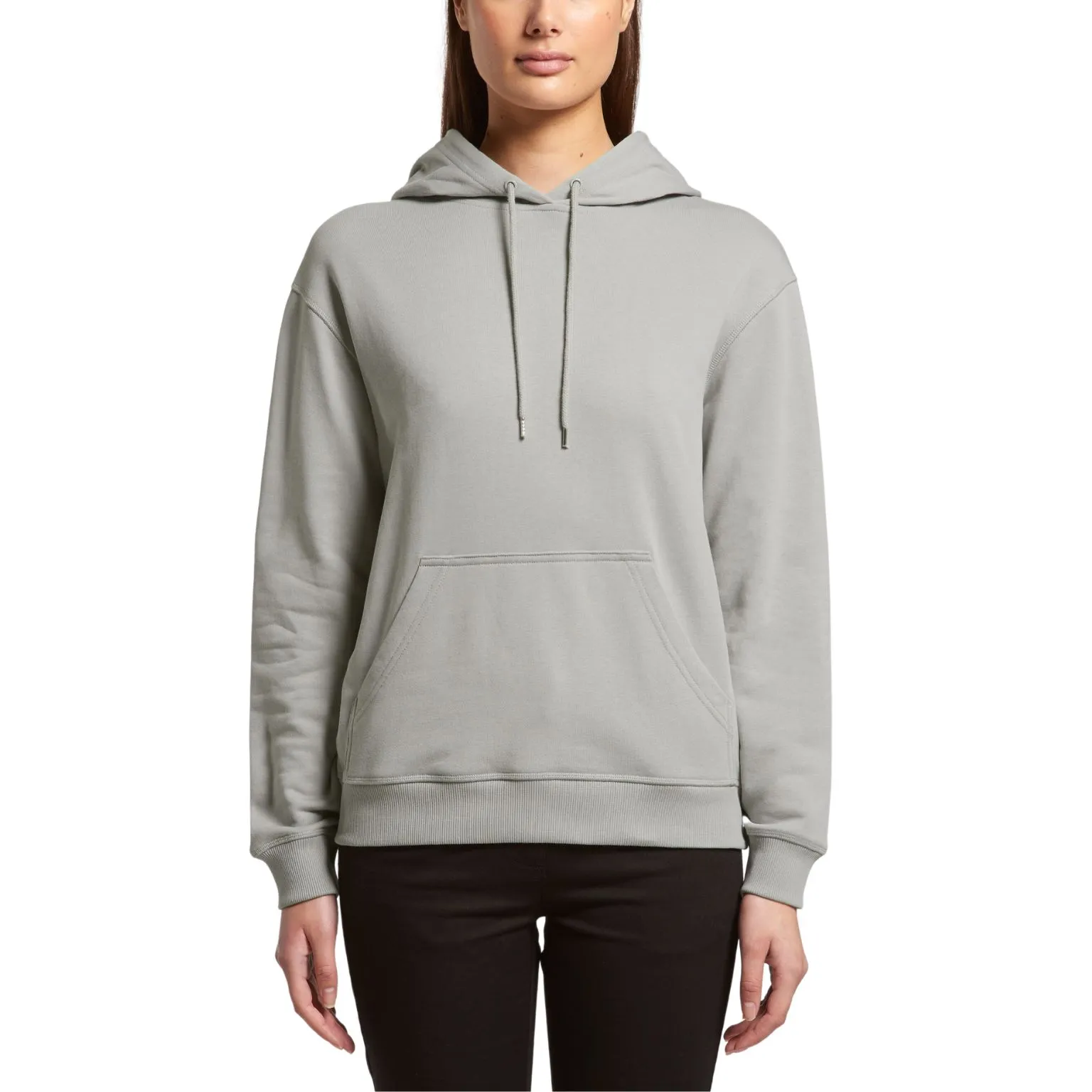














How Are Our OEM/ODM Solutions Different?
| Thygesen (FOB) | Traditional Clothing Manufacturer (CM) | |
|---|---|---|
| Full Package Service (From fabric sourcing to production and shipping) | ||
| Technical Design Assistance | ||
| Custom Labels, Hang Tags, Packaging | ||
| Cost Effective For Large Orders | ||
| Quality Assurance | ||
| Compliance & Global Certifications | ||
| Wide Network of Trusted Suppliers Both Local and Global | ||
| English Proficiency |
Our Process Setup is Optimized for Mass Production

Step 1
Handle Customer’s Inquiry
Send us an inquiry and share more details about your projects, and our dedicated team will handle it.

Step 2
Make Quotation
If your project is suitable for our standard MOQ and production, then we offer an initial quotation based on the techpack, selected fabric quality, and quantity.
Step 3
Sample Development
After the customer’s approval of the quotation, we proceed with sample development to confirm quality before starting bulk production.

Step 4
Bulk Production
Following order confirmation and a deposit, we initiate bulk production with all specifications carefully followed.

Step 5
Quality Control
We follow strictly our QC procedures, ensuring 100% end-line inspections. We also apply AQL 2.5 for final inspections. Third-party QC is always welcome.
Step 6
Packaging & Shipping
Once the quality is confirmed, the finished products are carefully packaged and shipped in bulk to your warehouse.
Custom Hoodies Manufacturers: Buyer's Guide for All Fashion Brands
This guide below provides essential insights for brands looking to work with a hoodie manufacturer, covering everything from fabric selection and design considerations to production, quality control, and effective collaboration strategies to ensure high-quality, on-brand hoodies.
1. Common fabrics used for hoodies
1.1. Fleece
Fleece is a staple fabric for hoodies designed for warmth and insulation. It typically features a brushed inner surface that traps heat and feels soft against the skin, making it ideal for winter, lifestyle, and heavyweight streetwear hoodies.
Fabric weight and finishing quality are critical. Heavier fleece offers a more structured, premium feel, while lighter fleece (often around 180–280 GSM) provides better breathability and flexibility.
For brushed fabrics (like fleece), brushing makes the fabric softer and warmer, but poor finishing can increase pilling. Working with an experienced manufacturer helps control pilling through proper yarn selection, finishing, and durability testing before mass production.
1.2. French Terry
French terry has a smooth outside and looped inside, making it lighter and more breathable than fleece. It absorbs moisture well and provides comfortable stretch, which is why it’s popular for everyday hoodies, athleisure, and warmer climates.
1.3. Cotton/Polyester Blends
Blends such as 80/20, 70/30, or 60/40 combine the softness and breathability of cotton with the durability and quick-drying properties of polyester. These fabrics hold their shape better, resist shrinking, and are cost-effective – a practical option for large-scale hoodie manufacturing.
1.4. 4-Way Stretch
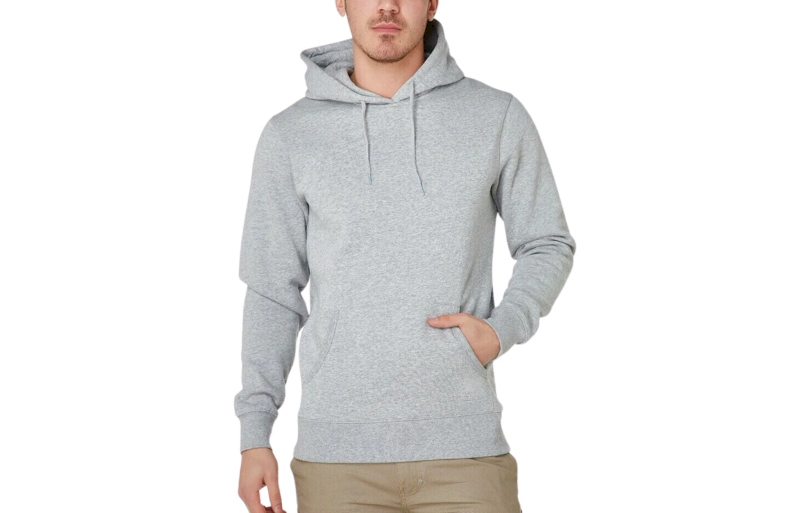
Elasticity directly affects fit, comfort, and longevity. Even a small amount of stretch (around 3–5% elastane) improves mobility, recovery, and resistance to sagging after repeated wear and washing. For performance-oriented or athleisure styles, fabrics with 4-way stretch support a full range of motion, while more stable knits help maintain shape in structured, casual silhouettes
1.5. French Terry
French terry is a knit fabric with a smooth outer surface and looped interior, making it lighter and more breathable than fleece. It absorbs moisture well and provides comfortable stretch, which supports movement without overheating.
This fabric is commonly used for athleisure, everyday hoodies, and collections designed for warmer climates or year-round wear. Compared to fleece, French terry creates a cleaner silhouette with less bulk.
1.6. Jersey Knit
Jersey knit fabrics are soft, stretchy, and breathable, offering a lightweight and comfortable option for hoodies. They are often used in loungewear or casual collections where comfort and flexibility are prioritized over structure and insulation.
Because jersey knits are lighter and less structured, they are best suited for relaxed designs rather than heavy or cold-weather hoodies.
1.7. Nylon
Nylon is a lightweight yet tough synthetic fiber commonly used in performance or athletic hoodies. It offers strong abrasion resistance and water resistance, making it suitable for outdoor or sport-oriented designs.
Nylon hoodies are typically blended with spandex to improve comfort and flexibility, as pure nylon fabrics can feel stiff without stretch.
1.8. Spandex (Lycra / Elastane)
Spandex is rarely used alone but is added in small percentages to improve stretch, mobility, and shape retention. Even a low elastane content significantly enhances comfort and helps prevent sagging or deformation after repeated wear and washing.
Spandex is most commonly found in athleisure, performance, and activewear hoodies where freedom of movement is essential.
1.9. Bamboo
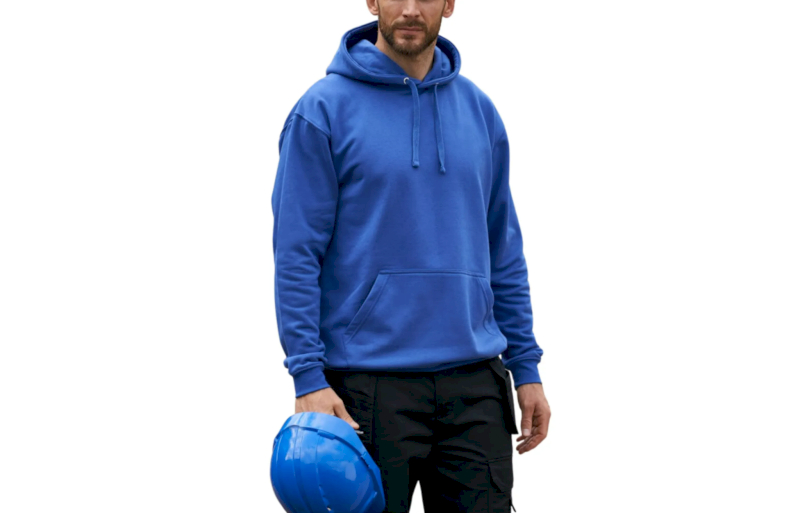
Bamboo fabrics are known for their softness, breathability, and smooth hand-feel, making them attractive for premium or eco-positioned hoodie collections. They are often chosen for comfort-focused designs and consumers with sensitive skin.
However, bamboo fabrics require careful quality control during dyeing and finishing to ensure consistent color and durability, particularly in bulk production.
1.10. Wool
Wool provides natural warmth and insulation, making it suitable for premium or cold-weather hoodies. It offers good thermal regulation and performance in cooler conditions.
Wool hoodies are typically produced as blends to improve softness, durability, and ease of care, as pure wool requires stricter handling and higher production costs.
2. Key design and construction considerations for hoodies
When creating a hoodie, understanding key design and construction elements is essential to ensure comfort, durability, and a finished product that aligns with your brand’s style and target audience.
2.1. Design Features
The components of the hoodie need careful engineering to maximize function and longevity.
2.1.1. The Hood
- Size and Drape: A larger hood creates a cozy, oversized streetwear look and accommodates layering, while a smaller, more fitted hood delivers a clean, functional style suitable for activewear.
- Lining: Lining is equally important: using a single jersey or a lighter version of the main fabric prevents excess weight and reduces the risk of neckline sagging. For premium collections, adding a double-layer hood can enhance structure and insulation without compromising comfort.
2.1.2. Pockets
- Style: Pocket design strongly influences both functionality and overall look. A classic kangaroo pocket, which is a single large pocket across the front, provides a casual, sporty aesthetic and is ideal for everyday wear. Side-seam pockets, on the other hand, deliver a cleaner, more premium appearance often seen in minimalist or elevated collections. The choice should align with the brand identity and target consumer.
- Construction: Strong construction is essential for durability and performance. Pockets must be firmly stitched and securely attached to the body of the garment to withstand daily use. Reinforcing high-stress areas, especially at pocket openings, with bar tacks or additional stitching significantly reduces the risk of tearing over time and extends the product’s lifespan.
2.1.3. Drawstrings & Hardware
- Aesthetics: The material, shape, and thickness of the drawstring should align with the overall style and purpose of the hoodie. Flat cotton cords create a classic or vintage look, while round polyester cords offer a sportier, performance-oriented feel. High-quality aglets made from metal or durable plastic not only prevent fraying but also enhance the product’s perceived value and finish.
- Grommets/Eyelets: The openings for the drawstrings must be reinforced to ensure durability and longevity. Using strong metal grommets or carefully stitched buttonholes prevents the fabric from stretching or tearing and ensures the hardware stays secure even after repeated washing and wear. This detail also adds a premium touch and improves the garment’s overall construction quality.
2.1.4. Zippers
Heavier fabrics work best with metal zippers, while lighter fabrics suit nylon coil zippers for smooth operation. Consider the type of zipper, such as single or double-slider, and ensure the puller is sturdy and functional, possibly with branded detailing. Reinforce the fabric around the zipper and, if needed, add a fabric backing to prevent snagging or wear over time.
Beyond zipper selection, proper handling during construction is essential to ensure long-term performance. At Thygesen Textile Vietnam, zipper areas are reinforced with precise stitching and controlled seam tension to prevent fabric distortion, tearing, or waviness over time. Where needed, a fabric backing or zipper tape support is added behind the zipper to reduce snagging, protect the inner layer, and improve wearer comfort. These details, combined with durability testing during sample development, help ensure that zippers maintain smooth functionality and structural integrity throughout repeated wear and washing.
2.2. Fit & Style
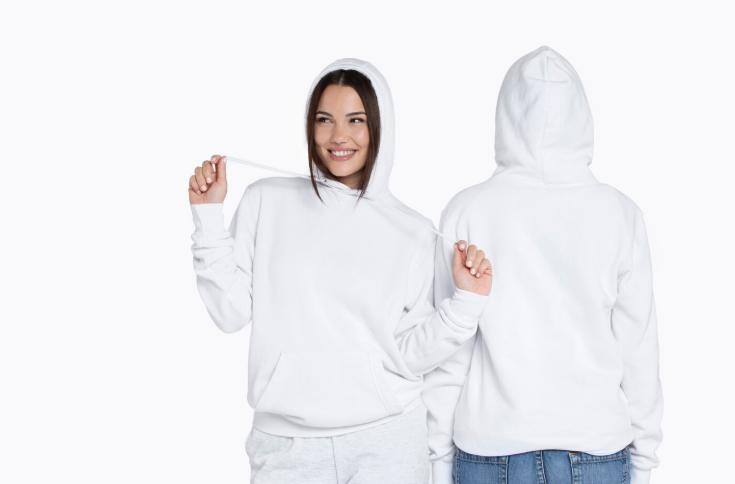
The cut of the hoodie defines its category whether it’s for performance or fashion.
2.2.1 Overall Silhouette
- Oversized/Relaxed Fit: An oversized or relaxed fit offers a loose, comfortable feel with extra room in the shoulders, chest, and body. This style suits streetwear, layering, and casual lifestyles, and appeals to younger demographics or those seeking a laid-back look.
- Regular Fit: Regular fit hoodies provide balanced proportions, not too tight or loose, offering comfort and versatility. They are suitable for most body types and age groups, making them a safe choice for mass-market or everyday hoodies.
- Slim Fit: Slim fit hoodies are more tailored and closer to the body, highlighting the wearer’s shape. They work well for athleisure or fashion-forward styles and are preferred by those who want a sleek, fitted appearance.
2.2.2. Sleeve and Body Length
Sleeve and body length affect comfort, proportion, and functionality. Longer sleeves and bodies offer a relaxed, layered look, while shorter or tapered designs enhance mobility and create a sleeker silhouette. Brands should align measurements with the target demographic’s height and activities, and test prototypes to ensure proper drape, movement, and shape retention.
2.2.3. Cuff and Hem Ribbing
Cuffs and hems ensure fit, durability, and appearance. Use 1×1 or 2×2 rib knits with 3–5% elastane for good stretch and recovery. Thicker ribbing gives a structured, premium feel, while lighter ribbing suits casual styles. Reinforce stitching and test over multiple washes to maintain shape and longevity.
2.2.4. Customization Options
Basic hoodies often share similar styles and structures, but you can customize certain elements to create a unique identity for your brand.
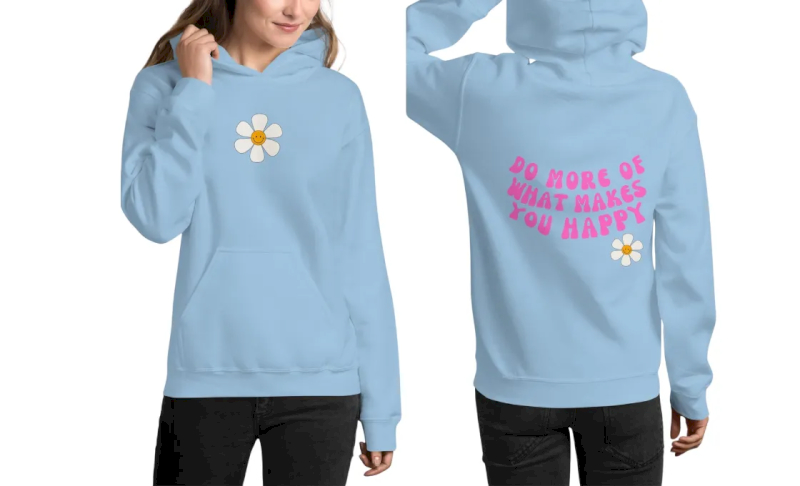
- Prints and Embroidery: Brands should consider placement, scale, stitch type, and thread quality to balance aesthetics with durability. For product development, testing different techniques such as puff embroidery, jacquard, or sublimation prints can help determine which approach aligns with the target market and price positioning. Subtle branding may appeal to premium consumers, while bold graphics work for streetwear or lifestyle collections.
- Color: While standard fabric colors are readily available, creating a unique brand signature often requires custom dyeing or blending techniques, such as heather mixes or tie-dye effects. During R&D, it is important to test colorfastness, shade consistency, and compatibility across all components, including main fabric, ribbing, drawstrings, and thread, to ensure the final product meets quality standards and maintains a cohesive brand aesthetic.
- Branding (Labels & Tagging): Custom woven or printed labels, branded hangtags, and care tags help distinguish your products and add a professional touch. Placement, durability, and material choice ensure that labels and tags remain intact and complement the overall look of the hoodie.
3. Popular Hoodie Styles For Production
Understanding common hoodie styles helps brands define their product range more clearly and select constructions that align with their target market, pricing strategy, and intended use. Different hoodie styles vary not only in appearance but also in production complexity, hardware requirements, and fabric suitability.
3.1. By Closure Style
Different closure constructions influence layering flexibility, temperature control, production complexity, and long-term durability. Choosing the right closure style helps brands align design intent with practical use and manufacturing considerations.
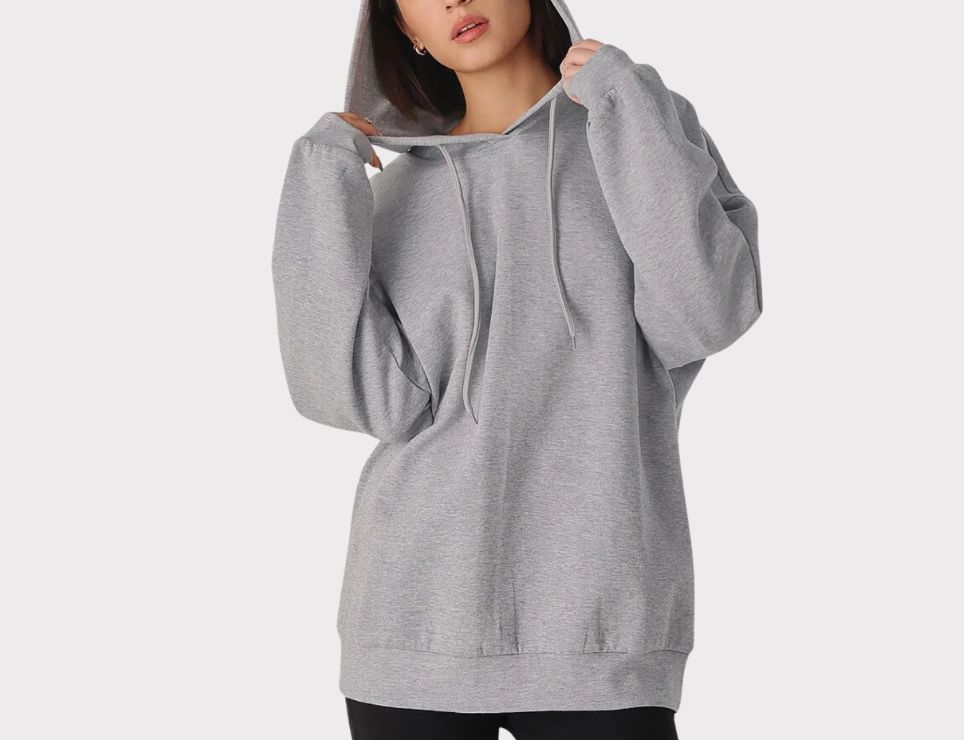
- Pullover Hoodie: The pullover hoodie is the most classic and widely produced style. It has no front opening and is designed to be pulled over the head, typically featuring a large kangaroo pocket at the front. This construction offers a clean, casual look and is commonly used for lifestyle, streetwear, and everyday collections due to its simplicity and comfort.
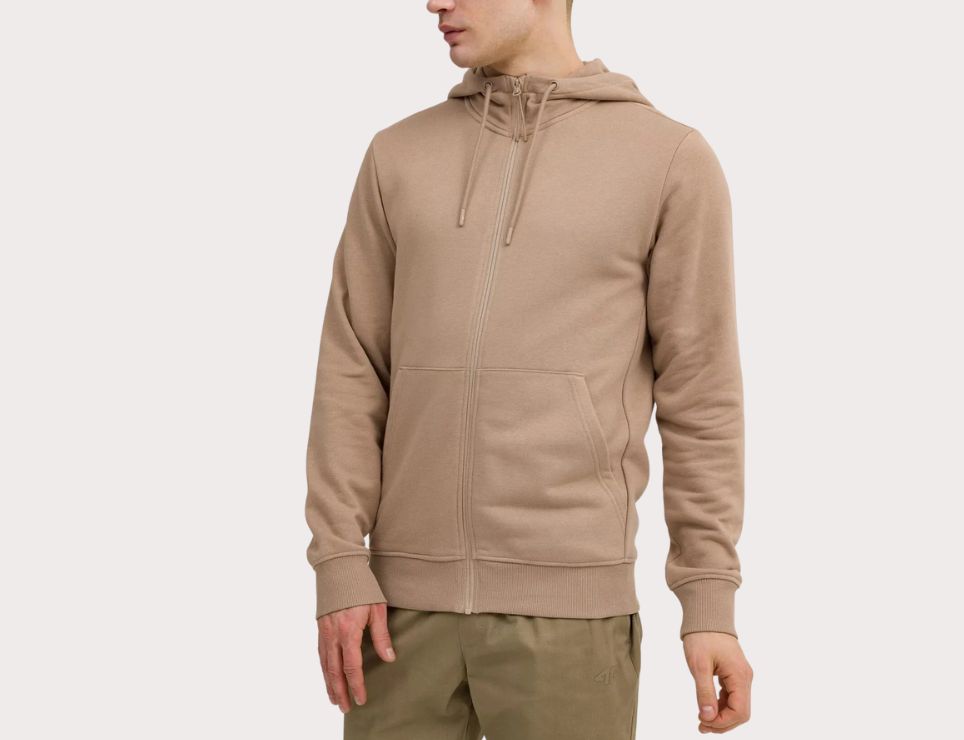
- Zip-Up Hoodie: Zip-up hoodies feature a full-length zipper at the front, providing greater flexibility for layering and temperature control. This style is popular across lifestyle, athleisure, and functional wear, but requires careful attention to zipper quality, reinforcement, and alignment to ensure durability and smooth operation during wear.
- Half-Zip / Quarter-Zip Hoodie: Half-zip and quarter-zip hoodies include a zipper that extends only partway down the chest. This design creates a more structured or refined aesthetic while still allowing ventilation and ease of wear. These styles are often seen in athleisure, golf, or smart-casual collections and require precise zipper placement and reinforcement for a clean finish.
- Button-Up Hoodie: Button-up hoodies are a less common variation that use buttons instead of zippers for the front opening. This style offers a distinctive look and can be used to differentiate a collection, though it typically involves additional construction considerations related to button strength, placement, and long-term durability.
3.2. By Fit and Silhouette
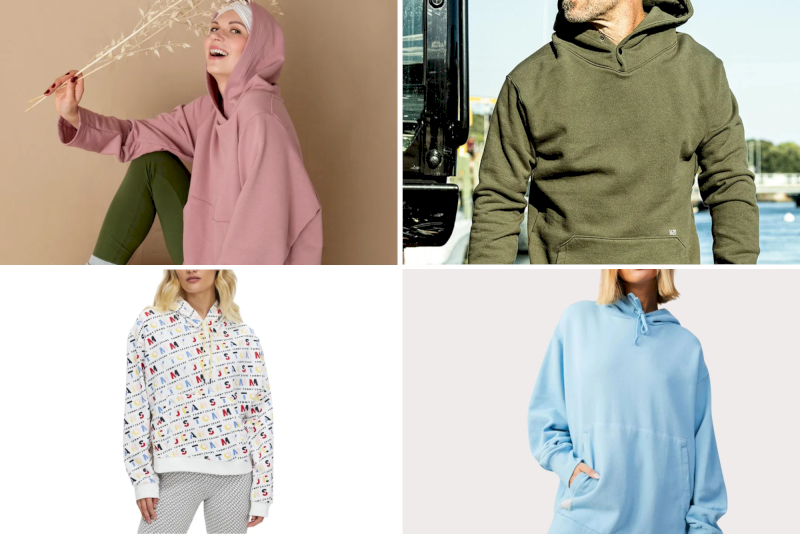
The fit and silhouette of a hoodie play a major role in how it is perceived by consumers and how it performs in daily wear. Proportions, length, and volume affect comfort, styling versatility, and target market appeal. Selecting the right silhouette helps brands position their hoodies clearly, whether for streetwear, athleisure, or everyday casual use.
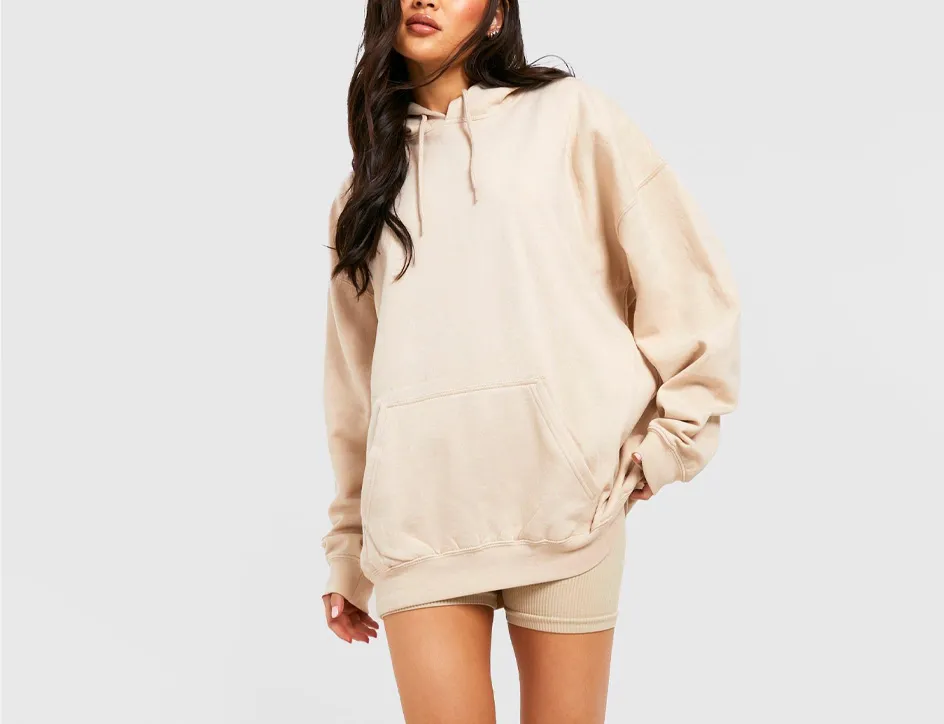
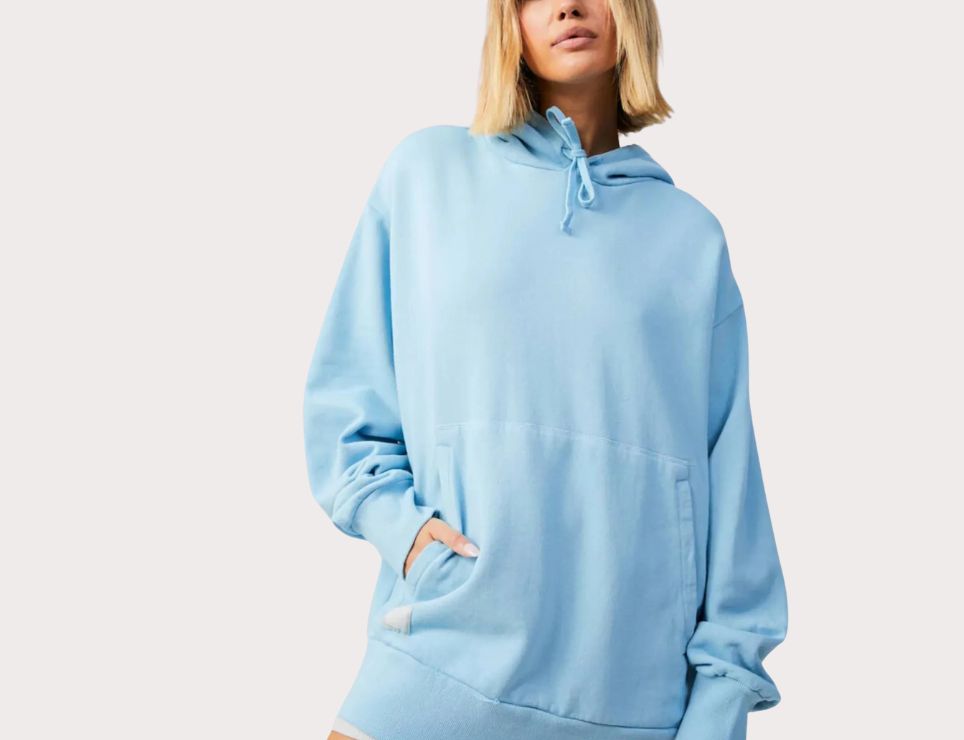
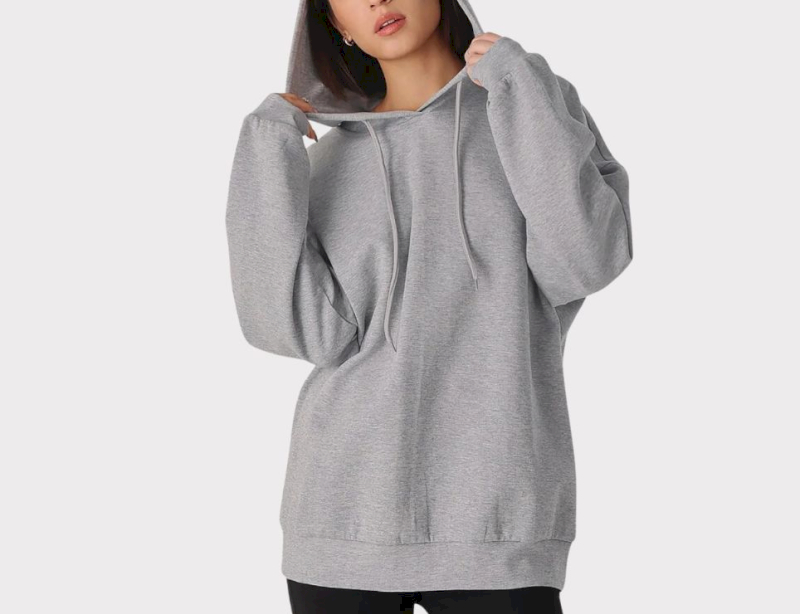
- Oversized Hoodie: Oversized hoodies are characterized by a loose, relaxed fit with dropped shoulders and extra volume through the body. This silhouette remains a strong trend, particularly in streetwear and casual fashion, and appeals to consumers seeking comfort, layering potential, and a laid-back aesthetic.
- Cropped Hoodie: Cropped hoodies feature a shorter body length, often ending above the waist. This style is commonly paired with high-waisted bottoms and is popular in fashion-forward, athleisure, and women’s collections. Pattern balance and proportion are especially important to ensure the garment maintains a flattering shape.
- Slim-Fit Hoodie: Slim-fit hoodies are designed to sit closer to the body, creating a more streamlined and athletic appearance. This silhouette is often used in performance-inspired or minimalist collections and requires precise pattern engineering to maintain comfort without restricting movement.
- Longline / Tunic Hoodie: Longline or tunic hoodies extend below the hips or toward the thighs, offering additional coverage and a distinctive silhouette. This style works well for layering and casual wear and requires careful attention to length proportions and fabric drape to avoid distortion over time.
Hoodie Trends That Brands Should Know About
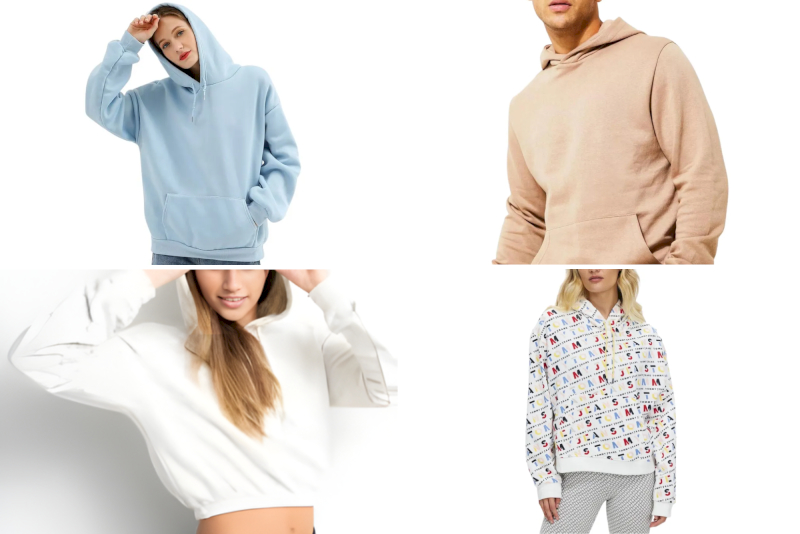
Understanding current hoodie trends can help brands stay relevant and appeal to their target audience.
Commitment to Sustainability
This trend highlights the use of eco-friendly materials such as GOTS-certified organic cotton and GRS-certified recycled polyester made from plastic bottles.
Beyond materials, ethical production is key, with brands partnering with certified manufacturers under standards like WRAP or SA 8000 to ensure fair labor practices and reduce waste and water consumption.
Minimalist Aesthetics
Many brands are embracing a minimalist approach, focusing on high-quality fabrics, refined tailoring, and clean silhouettes rather than bold logos or graphic prints. This style often features neutral and versatile color palettes such as cream, charcoal, black, and navy, which appeal to consumers seeking timeless, understated pieces.

Gender fluid styles
These styles avoid traditionally gendered silhouettes or details, favoring straight cuts, relaxed fits, and adaptable designs that suit a wide range of body types.
4. Process of Creating A Hoodie Clothing Line
Launching a hoodie collection involves a series of strategic steps, from concept development to final production.
4.1. Define Your Brand Identity
Before you design anything, you need a clear vision. Hoodies are a crowded market, so your brand needs to stand out.
Start by identifying your target audience: are you designing for skateboarders, gym enthusiasts, or high-end streetwear lovers?
Next, establish your brand’s story by defining the message you want to convey, your aesthetic, values such as sustainability, and brand voice will shape every aspect of the collection.
Finally, create a cohesive visual identity by designing a logo, selecting a signature color palette, and defining font styles. Consistency across products and marketing ensures that your collection resonates with consumers, builds brand recognition, and stands out in a crowded market.
4.2. Design Your First Collection
Once your brand identity is defined, the next step is to design your first hoodie collection.
Start by sketching your concepts and creating detailed tech packs for each style. Tech packs should include specifications such as fabric type, weight, color codes, stitching details, hardware, sizing, and measurements. If you don’t have the expertise to create a full tech pack, at minimum prepare precise hand-drawn sketches or detailed reference images to clearly communicate your design ideas to manufacturers.
Even for a simple hoodie, complete documentation ensures clarity and consistency throughout the production process, reducing errors and miscommunication.
4.3. Find a Manufacturer
Finding the right manufacturer is one of the most critical steps in bringing your hoodie collection to life, as they become your partner in turning your designs into finished products. You can search online, attend trade shows, or look at which manufacturers similar brands use to get a sense of reliable options.
Decide on your manufacturing model. You can choose a full-package service, where the manufacturer handles everything from sourcing materials to final production, an ODM model, or a cut-and-sew approach. Look for manufacturers that can complement your in-house capabilities, such as assisting with pattern adjustments, ensuring consistent quality in bulk production, or providing expertise in fabric selection. Full-package manufacturers are often preferable for simplifying the supply chain and streamlining production.
Check the manufacturer’s minimum order quantities (MOQs) to ensure they align with your budget. Many large-scale manufacturers may not accept small orders due to production efficiency, so finding a partner whose MOQ fits your initial launch plan is essential.

4.4. Create and Approve a Sample
Creating and approving samples is a crucial step to evaluate the manufacturer’s craftsmanship and make necessary adjustments before full-scale production. Confirm the cost of producing samples and whether it can be deducted from your bulk order, as well as the expected timeline and the number of sample iterations included. Ensure that the sample design and construction are feasible for mass production.
Discuss the fitting process, especially if you are working remotely, to decide whether to review samples via detailed photos, video calls, or by shipping physical prototypes. This step helps prevent costly errors and ensures the final product meets your quality and design standards.
4.5. Bulk Production and Quality Control
Bulk production takes place at the manufacturer’s facility, which can make oversight challenging. It is essential to implement strict quality control procedures at every stage, including fabric inspection, in-line checks during production, final product inspection, and, if needed, third-party audits or AQL (Acceptable Quality Level) testing.
Even when working with a reputable manufacturer, defects can occur, so it is important to agree in advance on acceptable defect rates and policies for handling issues, returns, or rework. Maintain regular communication and closely follow up with the manufacturer to stay updated on production progress, address any issues promptly, and ensure all details.
4.6. Marketing and Sales
Once your hoodies are ready, the focus shifts to marketing and sales. Develop a strategy that highlights your brand identity, unique design elements, and key selling points such as sustainability, fit, or premium materials.
Choose the right channels to reach your target audience, whether through e-commerce platforms, social media, retail partnerships, or pop-up events. Strong product photography, engaging storytelling, and consistent branding across all touchpoints will help attract customers and drive sales, turning your hoodie collection into a successful launch.
5. Important Tips to Work with A Hoodie Manufacturer Effectively
Building a strong relationship with your manufacturer is key to ensuring smooth production, consistent quality, and timely delivery.
5.1. Checking Your Manufacturing Partner
- Evaluate Their Supply Chain: A strong manufacturer has a robust supplier network and can offer consultation on best practices, fabric alternatives, and production efficiencies.
- Prioritize Value Over Cost: Do not make price the sole priority. The cheapest quote often leads to inconsistent quality, delays, and costly rework. Focus on finding the best balance of value, quality, and reliability.
- Pay Attention on Responsiveness and Honesty: Observe how they respond to questions and potential issues. Manufacturers who provide realistic answers, acknowledge risks, and communicate transparently are preferable. Avoid partners who overpromise, offer too-good-to-be-true guarantees, or fail to highlight possible challenges in production.
5.2. Communicate Your Vision Clearly
Clarity is the single biggest factor in preventing costly mistakes and production delays.
- Provide Detailed Documentation: Supply a comprehensive tech pack that includes exact specifications for stitching, color, fit measurements, grading, and material composition. This ensures the manufacturer fully understands your design and quality expectations.
- Be Specific About Expectations: The more precise you are about details such as order quantity, quality expectations, and brand vision, the more accurate the initial quotation will be and the lower the risk of errors during sampling and production. Clear communication upfront helps streamline the process and prevents misunderstandings.

5.3. Optimize Communication and Logistics
Effective logistics and communication minimize misunderstandings and bottlenecks.
- Establish Clear Communication Protocols: If your manufacturer is overseas, ensure the project team has reliable communication channels such as email or video calls, and confirm a shared language proficiency, often English, to prevent critical information from being misinterpreted.
- Define Logistics Methods: Agree on the most efficient way to handle physical items, including sending fit samples, approving pre-production samples, and shipping the final bulk order. Decide on shipping methods such as air freight or sea freight, and clarify terms like DDP or FOB to ensure smooth delivery and cost transparency.
5.5. Verify Financial Stability and Reliability
Ensure the manufacturer is financially stable. A solid financial foundation indicates they can manage large raw material purchases, absorb minor delays or issues, and, most importantly, have the resources to handle major problems such as high defect rates or recalls during or after production. Working with a financially reliable partner reduces risk and helps ensure your hoodie production runs smoothly.
6. Hoodie Production Costs and What Influences Them
Hoodie production costs are influenced by a combination of materials, labor, and finishing details. Understanding how these cost components are distributed helps brands make informed decisions during design and sourcing, and allows them to balance quality, pricing, and scalability more effectively.
Fabric typically represents the largest portion of a hoodie’s total cost, accounting for around 50% of production expenses. The type of fabric selected has a significant impact on both price and performance. Common options include cotton–polyester blends, which are widely used due to their balance of comfort, durability, and cost efficiency, and organic or sustainable fabrics, which require certified sourcing and traceability and therefore carry a premium compared to conventional materials.
Labor usually makes up approximately 30% of the total hoodie cost, and this component varies considerably depending on the manufacturing location. Production in Asia such as Vietnam, China, or Bangladesh typically offers a more cost-efficient balance between skilled labor and production scale.
Trims and accessories account for the remaining 20% of production costs and include components such as zippers, drawstrings, eyelets, ribbing, labels, and packaging. While these elements may seem secondary compared to fabric, their quality and specification directly affect durability, appearance, and perceived value. Premium hardware, custom branding, or reinforced trims can increase costs but also elevate the overall quality and lifespan of the hoodie.
FAQs
What materials does Thygesen use in producing hoodie?
We use a variety of high-quality materials in hoodie and sweatshirt production, including cotton, polyester, cotton-polyester blends, organic cotton, recycled fabrics, fleece, and spandex/elastane, offering comfort, durability, and sustainability for every hoodie we create.
What is Thygesen's MOQ (Minimum Order Quantity) in Hoodie manufacturing?
Our MOQ is 3,000 pieces, with a minimum color quantity (MCQ) of 1,000 pieces.
What customization options are available when manufacturing Hoodies with Thygesen?
We provide extensive customization options, such as design, fabric selection & sourcing, colors, sizes, prints, labels, hangtags, and packaging, based on the specific requirements of each customer’s project.
Does Thygesen offer eco-friendly or sustainable materials?
Yes, we source sustainable and eco-friendly materials from our trusted local and global partners, including suppliers from China, Japan, India, and Korea and more.
How does Thygesen ensure the quality of each Hoodie produced?
We follow a strict quality control process, including AQL standards, in-line inspections, final checks, color fastness testing, and measurement checks. These steps help detect and address any errors, ensuring every product meets our high-quality standards.
Our Clients Say



Start Your Production with Thygesen Vietnam