
Custom Activewear Tank Tops Manufacturing
Comfortable for Wearers - Gentle on the Planet.
Partner With UsSimplify Your Functional Tank Tops Manufacturing Process
Understanding Functional Needs: Custom Leggings for Specific Purpose
Trust us for timely delivery, consistent quality and cost-effective solutions!
Thygesen offers transparent processes and meticulous attention to detail as one of the premier cut and sew manufacturers. This commitment provides brands with full visibility into their production, minimizing sourcing risks and ensuring precise garment construction. Brands benefit from a partner dedicated to delivering excellence and peace of mind through every stage.
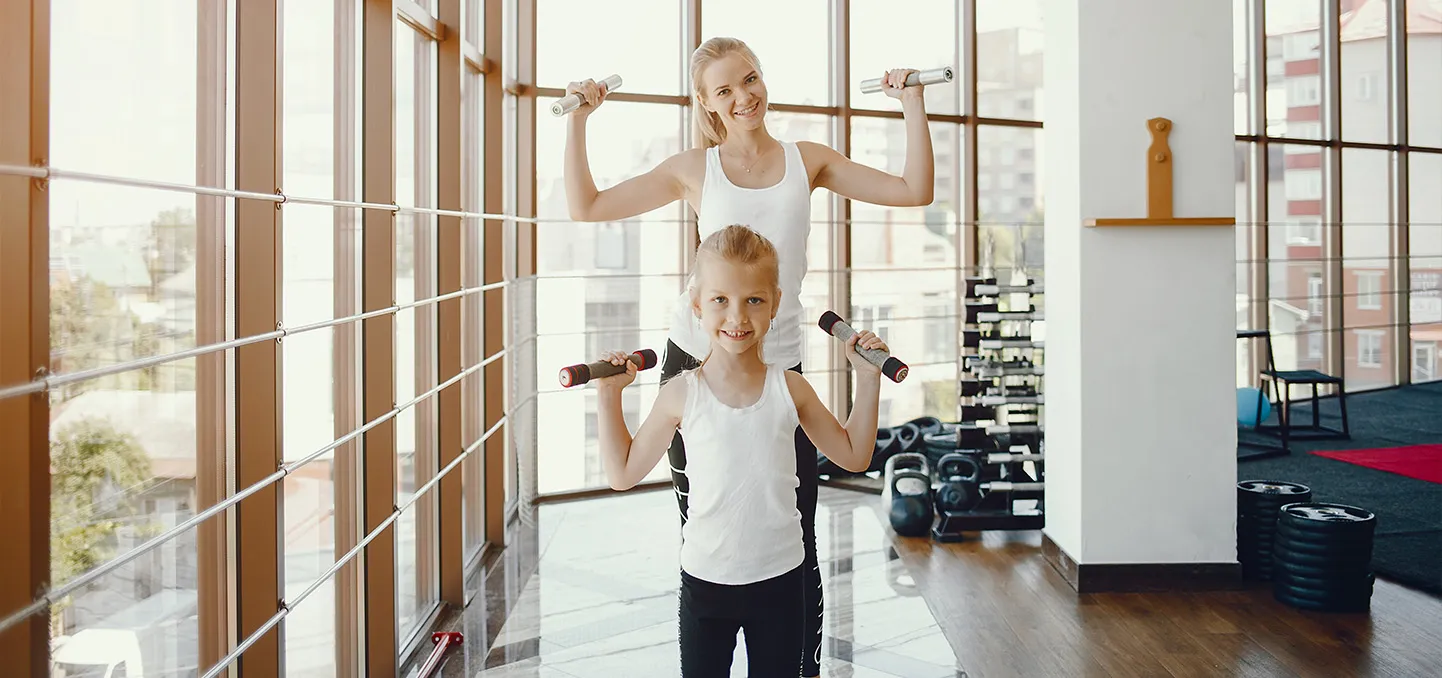
Why Choose Thygesen as Your Tank Tops Manufacturing Partner?
We Provide Your Business with
Full Package Service

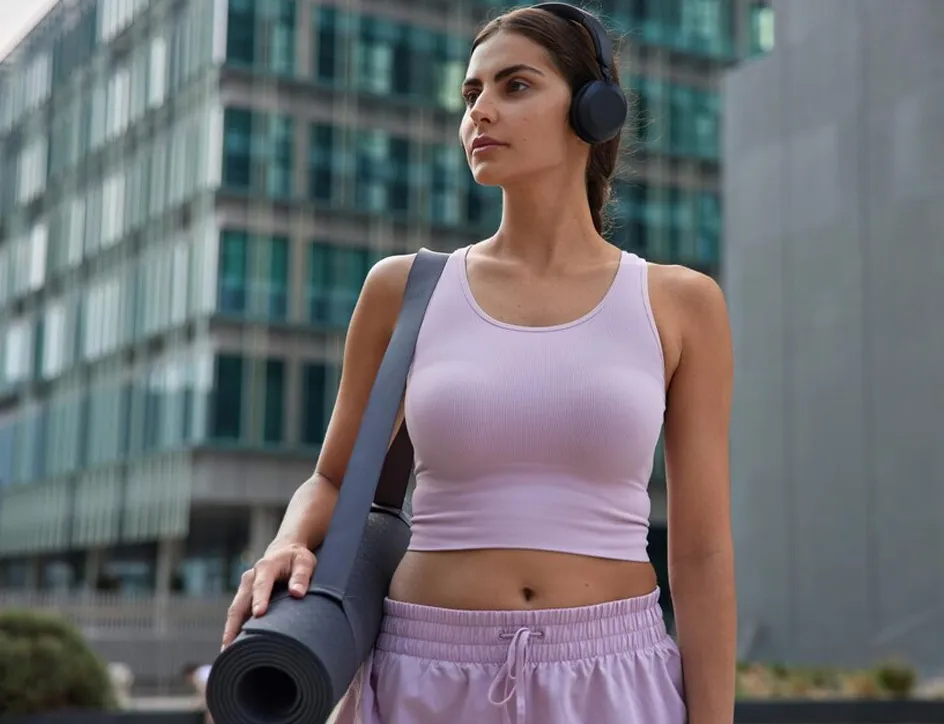
We Offer Customization to
Tailor Products to Your Needs
We Maintain
Strict Quality Control
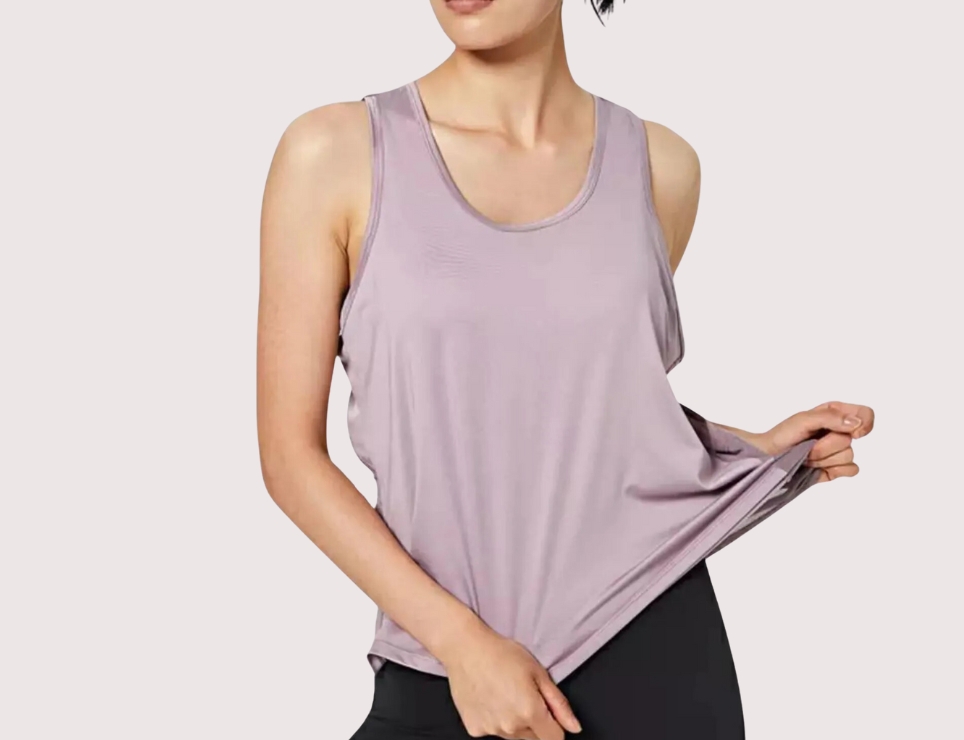
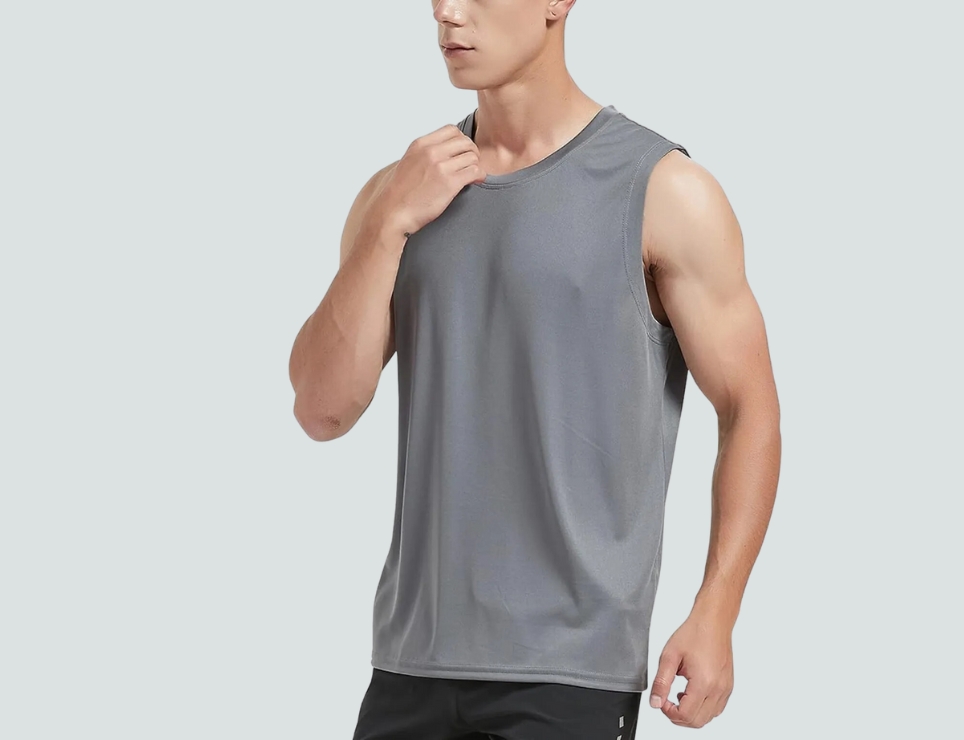
We Utilize
Sustainable Manufacturing Practices
We Provide
A Convenient Ordering Process
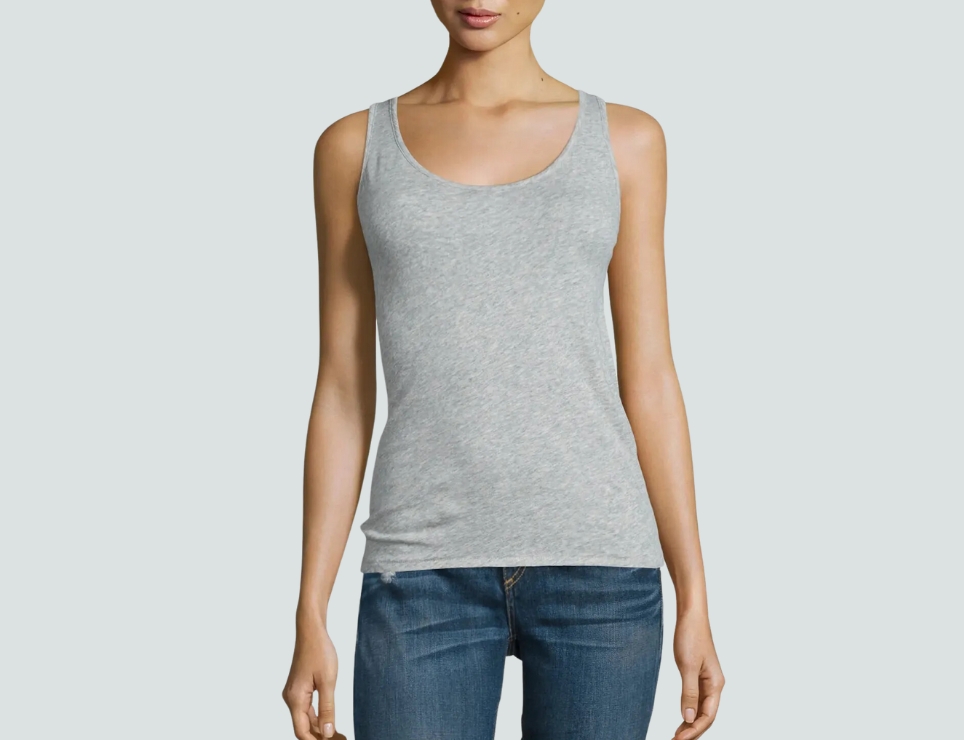
We Bring All Your Tank Top Designs To Life with Passion and Care


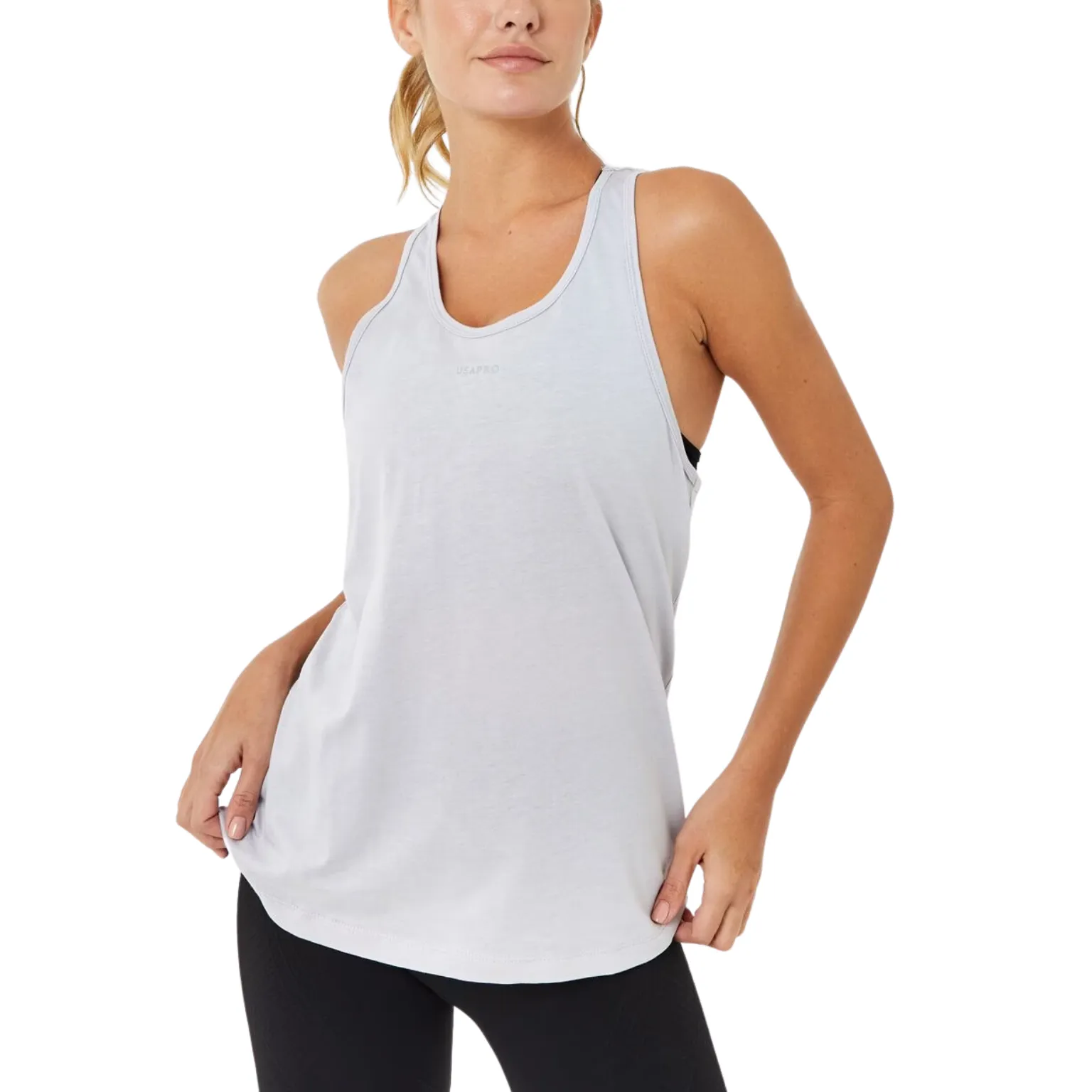
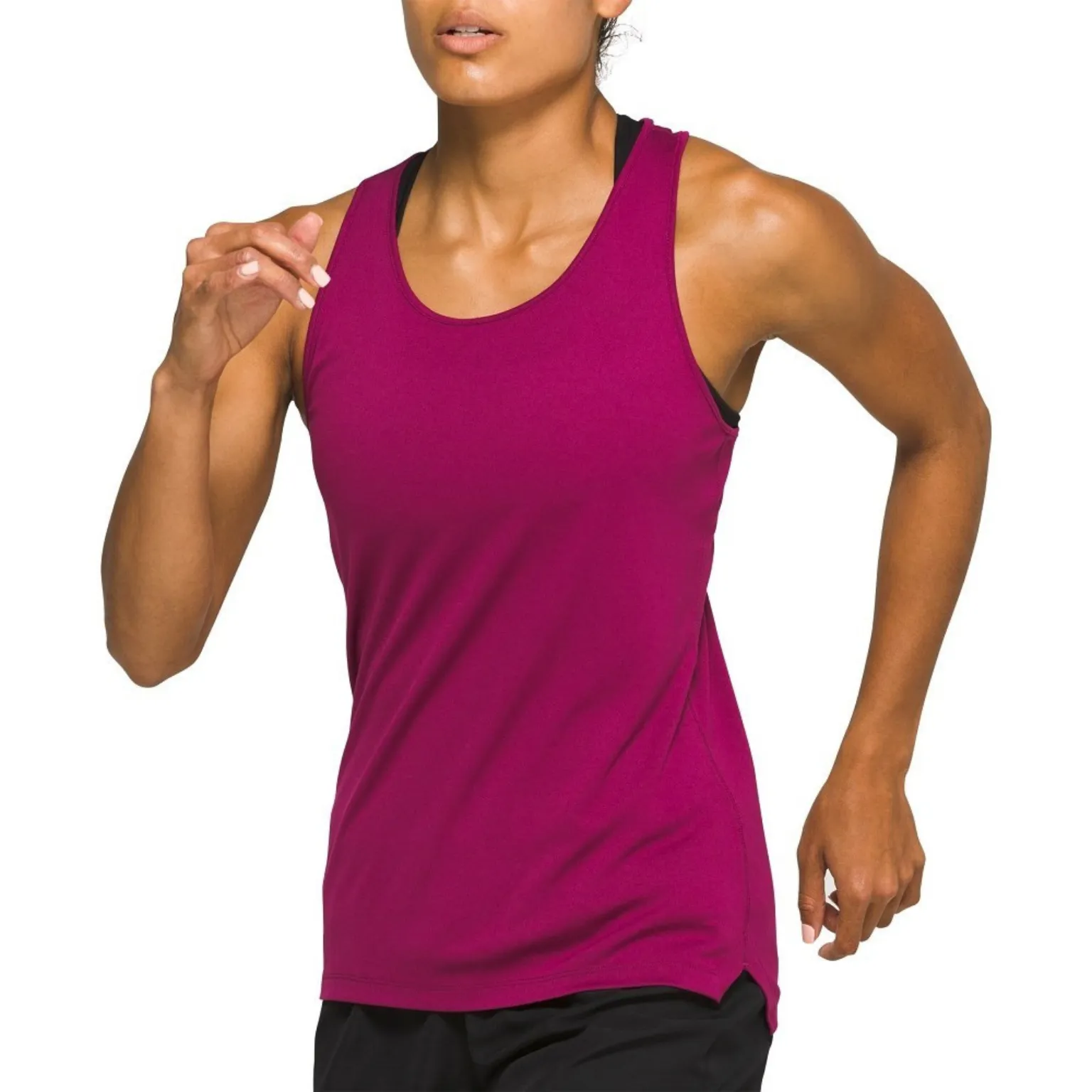
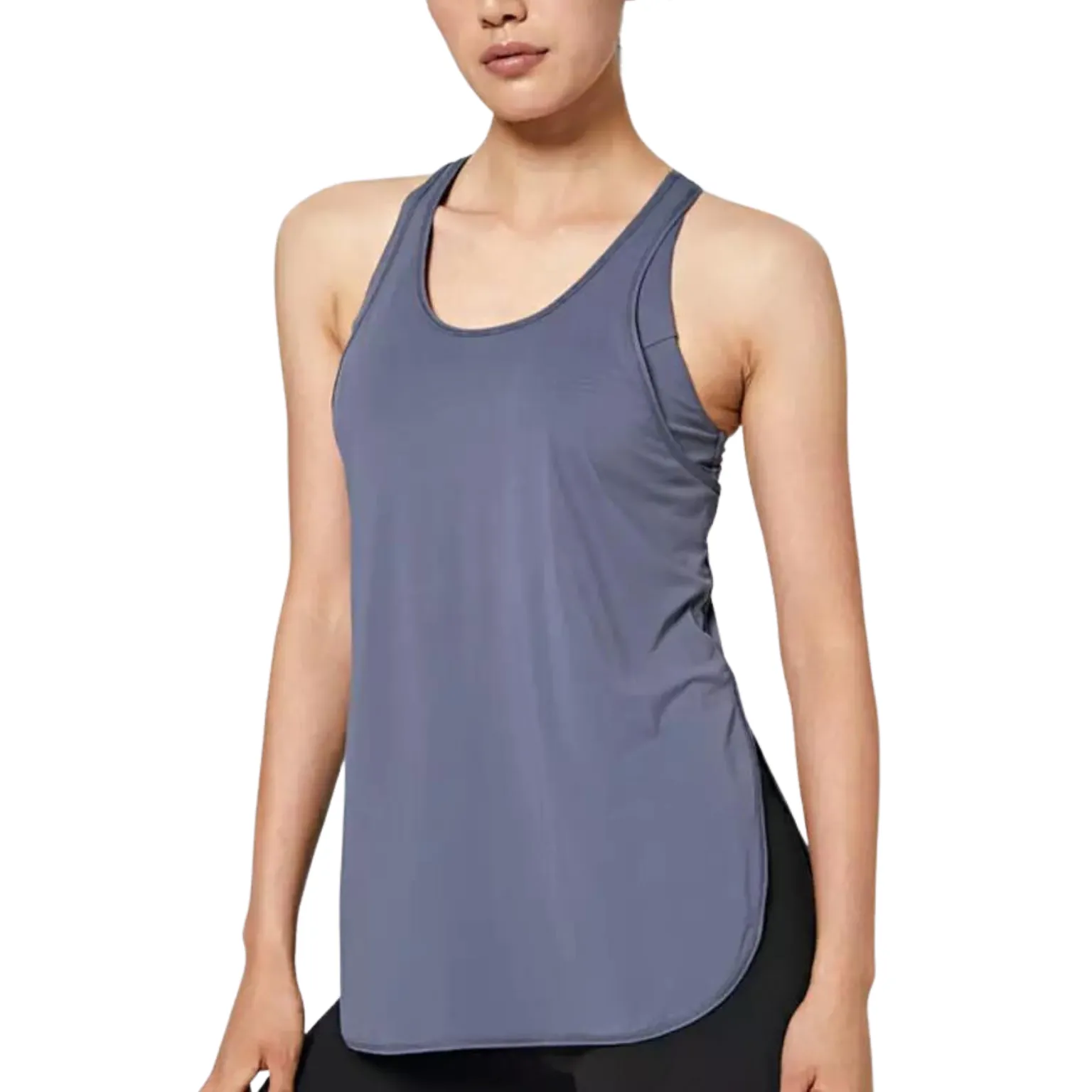









How Are Our OEM/ODM Solutions Different?
| Thygesen (FOB) | Traditional Clothing Manufacturer (CM) | |
|---|---|---|
| Full Package Service (From fabric sourcing to production and shipping) | ||
| Technical Design Assistance | ||
| Custom Labels, Hang Tags, Packaging | ||
| Cost Effective For Large Orders | ||
| Quality Assurance | ||
| Compliance & Global Certifications | ||
| Wide Network of Trusted Suppliers Both Local and Global | ||
| English Proficiency |
Our Process Setup is Optimized for Mass Production

Step 1
Handle Customer’s Inquiry
Send us an inquiry and share more details about your projects, and our dedicated team will handle it.
Step 2
Make Quotation
If your project is suitable for our standard MOQ and production, then we offer an initial quotation based on the techpack, selected fabric quality, and quantity.
Step 3
Sample Development
After the customer’s approval of the quotation, we proceed with sample development to confirm quality before starting bulk production.
Step 4
Bulk Production
Following order confirmation and a deposit, we initiate bulk production with all specifications carefully followed.
Step 5
Quality Control
We follow strictly our QC procedures, ensuring 100% end-line inspections. We also apply AQL 2.5 for final inspections. Third-party QC is always welcome.
Step 6
Packaging & Shipping
Once the quality is confirmed, the finished products are carefully packaged and shipped in bulk to your warehouse.
Tank Top Manufacturer: Buyer's Guide for All Fashion Brands
Choosing the right tank top manufacturer is a crucial step that impacts your product quality, production efficiency, and overall brand success. Understanding the manufacturing process and related factors will help you make better decisions and build a reliable partnership.
1. Common Fabrics Used for Tank Top Manufacturing and Their Ideal Applications
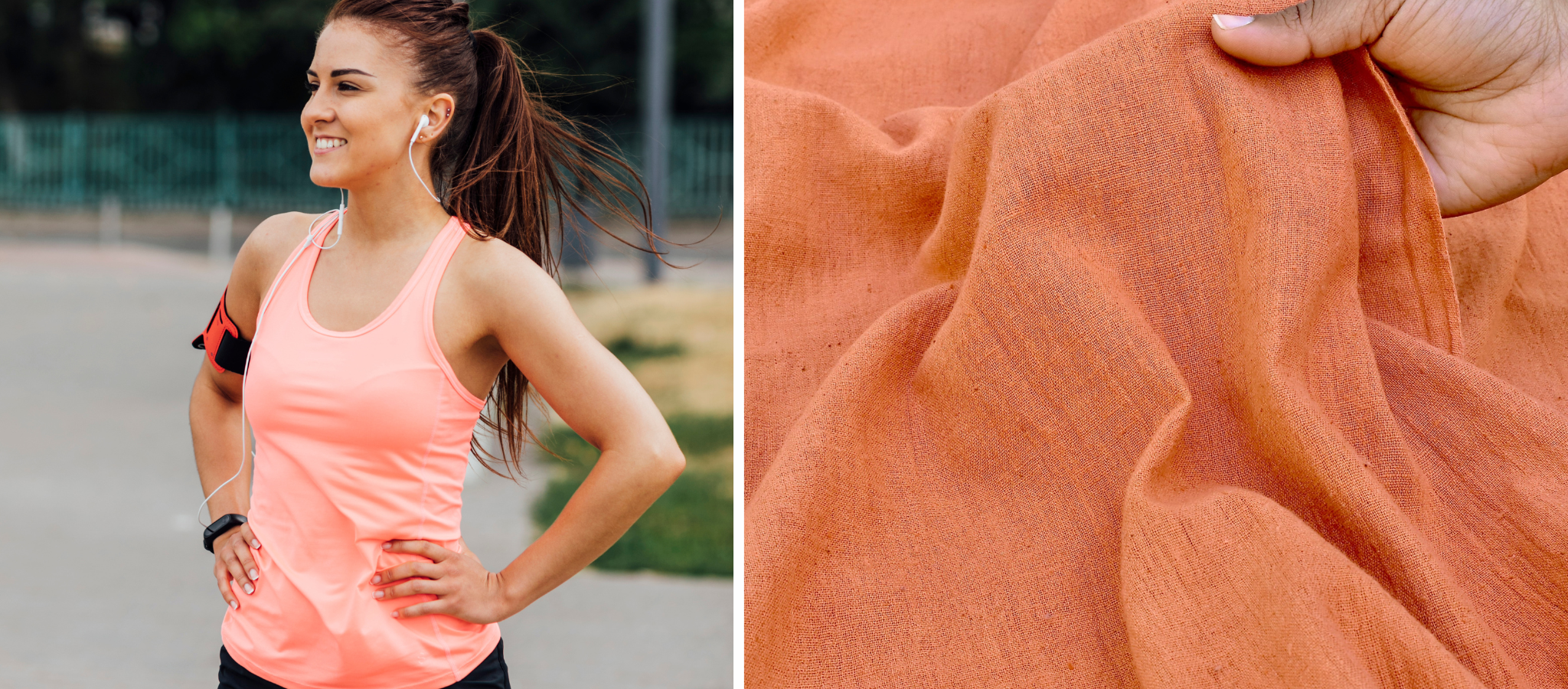
Choosing the right fabric is essential to ensure comfort, function, and style in tank top production. Here are the most common materials and their ideal uses:
Common Fabrics Used for Tank Tops:
- Cotton: Soft, breathable, and comfortable – ideal for everyday wear and casual styles.
- Cotton-Spandex / Cotton-Elastane: Adds stretch and shape retention – perfect for fitted or active styles.
- Polyester: Durable, lightweight, and quick-drying – great for sports and performance wear.
- Polyester-Spandex: Combines stretch with moisture-wicking properties – ideal for active and workout tank tops.
- Viscose / Rayon: Smooth, drapey, and breathable – suitable for fashion-forward or summer styles.
- Nylon-Spandex: Strong, stretchy, and moisture-wicking – often used for performance or athletic tank tops.
Typical Fabric Compositions: 100% Cotton; 95% Cotton/5% Spandex (or Elastane); 100% Polyester; 90–95% Polyester/5–10% Spandex; 100% Viscose (or Rayon); 88–92% Nylon/8–12% Spandex.
2. The Production of Making Active Bras: Sample and Bulk Production
Producing active bras involves a detailed process to ensure perfect fit, support, and performance. It typically includes two main stages: sample development and bulk production.
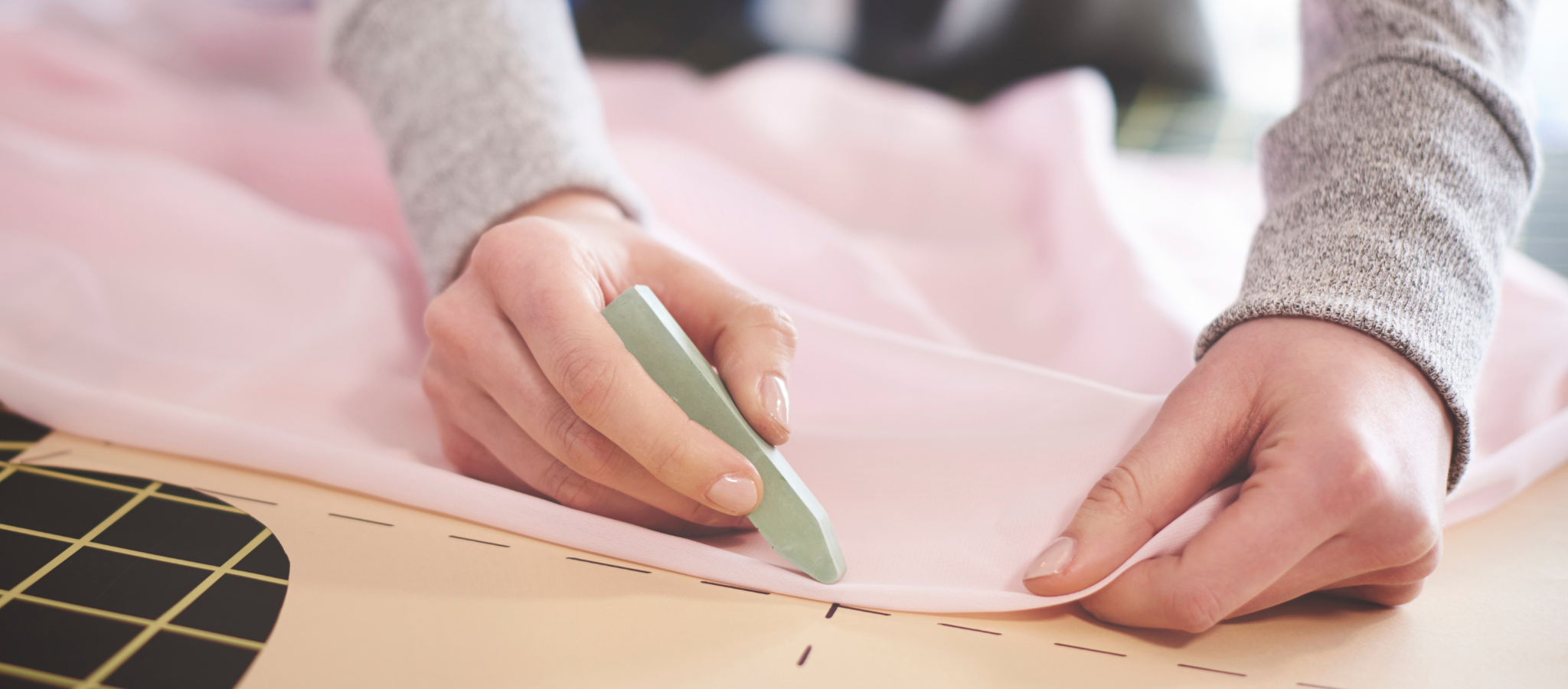
2.1. The Sample Process
Sample making process typically involves three key steps: Research, Sample Making, and Fitting Test, which together form an iterative cycle.
- Research: After receiving the initial concept, tech pack, or design inputs from the brand, the manufacturer begins the research phase to provide technical consultation. This includes studying and recommending the most suitable fabrics, pattern structures, construction methods, and functional details (such as support levels, strap types, or breathability features) to ensure the design is both practical and high-performing.
- Sample Making: Based on the research results, the development team creates the first prototype. This includes pattern development, fabric cutting, sewing, and assembling the active bra according to the agreed specifications, turning the concept into a physical sample.
- Fitting Test: The sample is then tested on real fit models or mannequins to assess comfort, support, size accuracy, and overall performance. Detailed feedback from this stage helps identify areas for improvement.
This creates a continuous development loop: if the fitting test reveals issues, the manufacturer returns to the research stage to explore better solutions, then produces a revised sample and tests again. This cycle of research – sample making – fitting test repeats until the prototype meets all quality, fit, and performance standards. Ideally, this refinement process takes about 2–3 rounds before the final sample is approved for bulk production.
2.1.1. Types of Samples
There are several types of samples in tank top development, and the most common ones are listed below:
- Proto Sample (Prototype): The very first physical version created to test the overall design concept, construction feasibility, and basic functionality.
- Fit Sample: Developed to evaluate and perfect the bra’s fit on a real model, ensuring comfort, support, and sizing accuracy.
- Pre-Production Sample (PP Sample): A finalized prototype made using the exact materials, trims, and construction methods intended for the final product. This is a critical checkpoint for brand approval before mass production.
- Shipment Sample: A sample pulled from the actual production run to verify that the quality, fit, and finish meet the approved standards before the batch is shipped.
2.2. Bulk Production
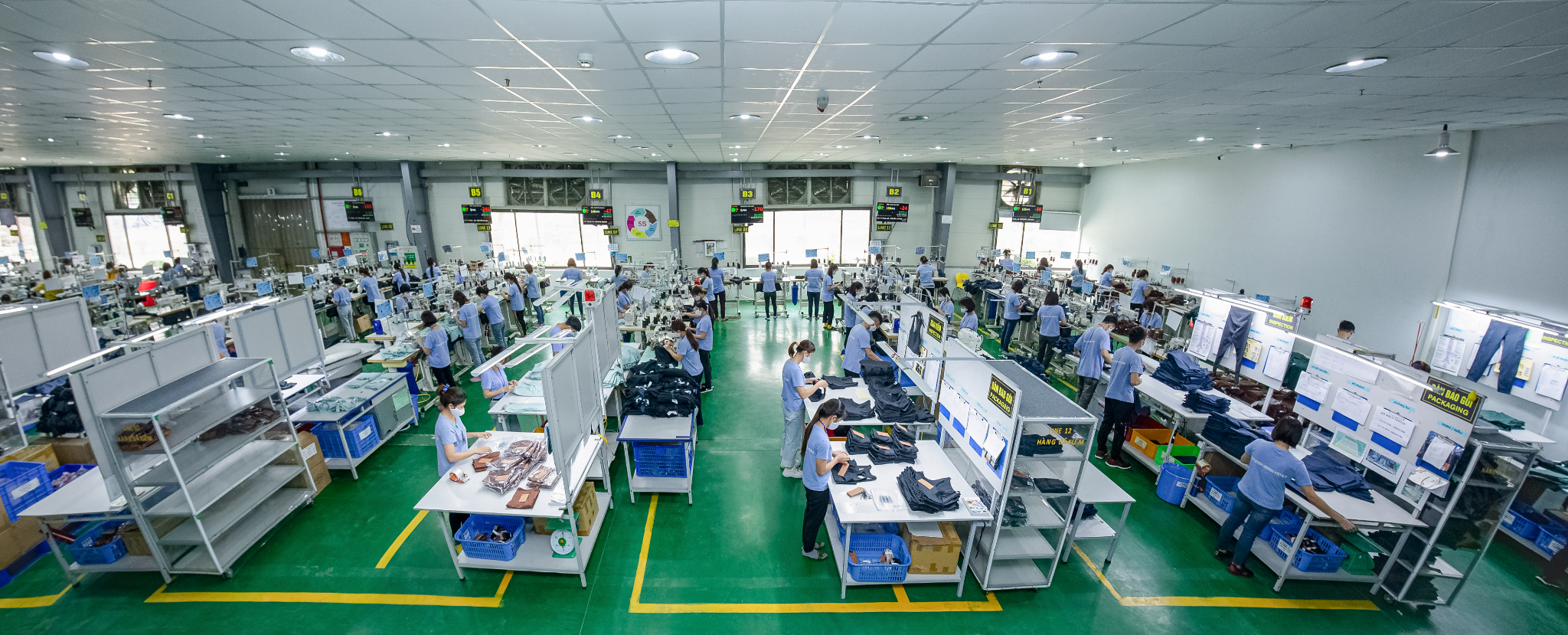
When moving into bulk production, the primary focus is on consistent quality across all units. Every step, from fabric inspection, cutting, and sewing to finishing and packaging requires strict quality control, because a single mistake in any stage can result in hundreds or even thousands of defective products.
Once the pre-production sample is approved, the process shifts to bulk production:
- Fabric Inspection: All fabrics and trims are carefully checked for defects, color consistency, and quality standards before production begins.
- Cutting: Patterns are laid out on the fabric, and pieces are precisely cut to the required shapes and sizes.
- Sewing: The cut pieces are assembled according to the construction specifications, with close attention to stitching quality, seam strength, and overall durability.
- Quality Checking: Throughout the production process, each garment undergoes thorough inspections to detect and correct any defects. This includes checking surface texture, stitching accuracy, seam quality, stretchability, and verifying measurements to ensure consistent fit and performance.
- Finishing: Additional details such as trims, labels, and elastic adjustments are added, ensuring the product meets both design and functional standards.
- Pressing and Folding: Finished bras are carefully pressed to remove wrinkles and folded neatly for presentation and packaging.
- Packaging & Shipping: Each garment is carefully packed to ensure protection from dust, moisture, or damage during storage and transportation. Once packed, the cartons are securely sealed and prepared for shipment, safeguarding the products’ pristine condition till their destination.
2.3. The Crucial Link Between Sampling and Bulk Production
The sample process is the bridge between design ideas and mass production. While a sample may look perfect, producing it in large quantities can still create problems if key details are not considered.
Key points to keep in mind:
- Testing the Manufacturer: Sampling checks whether the manufacturer can handle the fabric, sewing techniques, and construction details consistently at scale.
- Improving Through Iteration: Usually, 2–3 rounds of samples help refine patterns, materials, and sewing methods so the final production matches the approved sample.
- Finding Potential Issues Early: Problems like stitching errors, fabric handling challenges, or assembly mistakes can be spotted in samples before mass production.
- Planning for Bulk Production: The sample process helps determine the most reliable and efficient way to produce the design in large quantities. This includes identifying the best sewing methods, construction techniques, material handling, and assembly steps that can be consistently applied in bulk production without compromising quality.
3. Types of Tank Top Manufacturers on the Market
Below are the most common types of tank top manufacturers you should consider when choosing the right partner for your brand:
3.1. OEM (Original Equipment Manufacturer)
OEM manufacturers produce tank tops based on your design and technical specifications. You provide the design, and optionally the fabrics and trims. Depending on your needs, the manufacturer may also advise on sourcing and help you select suitable materials. This option is ideal for brands with a clear design vision that want guidance on production while retaining control over the final product.
3.2. ODM (Original Design Manufacturer)
ODM manufacturers offer pre-existing designs from their catalog that can be customized with your brand’s logo, colors, or minor modifications. This approach is faster and easier than OEM since the base design already exists. It is suitable for brands that want ready-made designs with some branding flexibility without requiring fully custom construction. Many China clothing manufacturers excel in this ODM model, offering extensive catalogs for brands to choose from.
3.3. Full-Service Customization
Full-service customization manufacturers provide a comprehensive solution, including design consultation, fabric sourcing, and production. They also offer additional services such as screen or digital printing, embroidery, custom tags and packaging, and even handle logistics. This option is ideal for brands seeking a turnkey solution without the need to manage multiple suppliers or production steps, so they can be focused on marketing and sales. A manufacturer with diverse expertise can often serve as both a leading t-shirt manufacturer and a hoodie manufacturer, providing a consistent look and feel across a brand’s entire collection.
3.4. Cut and Sew
Cut and sew manufacturing is a garment production process where fabrics are cut into pattern pieces and then sewn together to create finished garments based on the client’s specifications. Unlike full-package manufacturers, which manage the entire production process from sourcing materials to finishing and packaging, cut and sew manufacturers focus mainly on the cutting and sewing stages. This approach is ideal for those who already provide their own fabrics and materials or want to oversee specific steps closely.
4. Things to Consider When Working with a Tank Top Manufacturer
Below are several key factors brands should consider to ensure a smooth production process and high-quality results:
- Minimum Order Quantity: Each manufacturer sets its own MOQ, usually based on their fabric suppliers’ requirements and the complexity of the product to ensure efficient production. It is important to choose a manufacturer whose MOQ aligns with your brand’s needs, allowing you to produce cost-effectively without overcommitting or facing delays.
- Product and Technical Expertise: Choosing a manufacturer with experience in the specific type of tank top you plan to produce is crucial. They should be able to advise on fabrics, design details, and any necessary adjustments to achieve the desired fit and specifications. For example, a manufacturer focused on woven fashion garments may lack the expertise to optimize production for knit tank tops. Similarly, if you plan to expand your line, verifying their capability as a custom legging manufacturer or a streetwear manufacturer can be beneficial for future growth.
- Sustainable and Ethical Practices: Sustainability and ethical production are no longer optional. Select manufacturers that follow environmentally responsible processes and maintain safe, fair working conditions. Certifications such as SA8000 and WRAP can provide confidence that the factory adheres to recognized social and ethical standards.
- Communication: When working with a tank top manufacturer far away, it’s important to establish clear communication channels for discussing sample fits, production progress, and meeting updates to keep the process running smoothly. Transparent, honest, and efficient communication is key, from clearly defined contract terms and full visibility into the supply chain and subcontractors to openness about capabilities and any potential challenges. Both sides should share a common working language and have a solid understanding of the industry to discuss technical details accurately and make well-informed decisions together.

> Thygesen provides comprehensive support for brands seeking a dedicated athletic clothing manufacturer. The company ensures product consistency and performance for diverse collections, from initial concept to final delivery. This approach fosters enduring collaborations that drive mutual success in the competitive apparel market.
FAQs
What types of fabrics does Thygesen suggest for tank top manufacturing?
Thygesen recommends a variety of fabrics, including cotton, polyester, spandex blends, bamboo, and organic materials, tailored to the style and functionality required for tank tops.
Can customers order small quantities of tank tops from Thygesen?
Our minimum order quantity (MOQ) is 3,000 pieces, as we specialize in mass production.
Does Thygesen offer logistical services for tank top manufacturing?
Yes, we provide comprehensive logistical support, including air and sea shipping, with DPP or FOB options available.
What social and environmental certifications does Thygesen hold for its tank top manufacturing?
We are certified with SA8000, Better Work, WRAP, GOTS, and Oeko-Tex, FSC reflecting our commitment to social responsibility and environmental sustainability.
Our Clients Say


Start Your Production with Thygesen Vietnam