Whether you’re launching a basics collection or expanding a casualwear brand, choosing the right T-shirt manufacturer goes beyond just cutting and sewing; it means partnering with factories that understand the full process of delivering consistent quality at scale. Explore the top T-shirt manufacturers below to find the right partner for your brand.
1. 4 Main Types of T-Shirt Manufacturers
T-shirt manufacturers can be grouped into several main types. Each type offers different benefits and suits different business models.
1.1. OEM T-Shirt Manufacturers
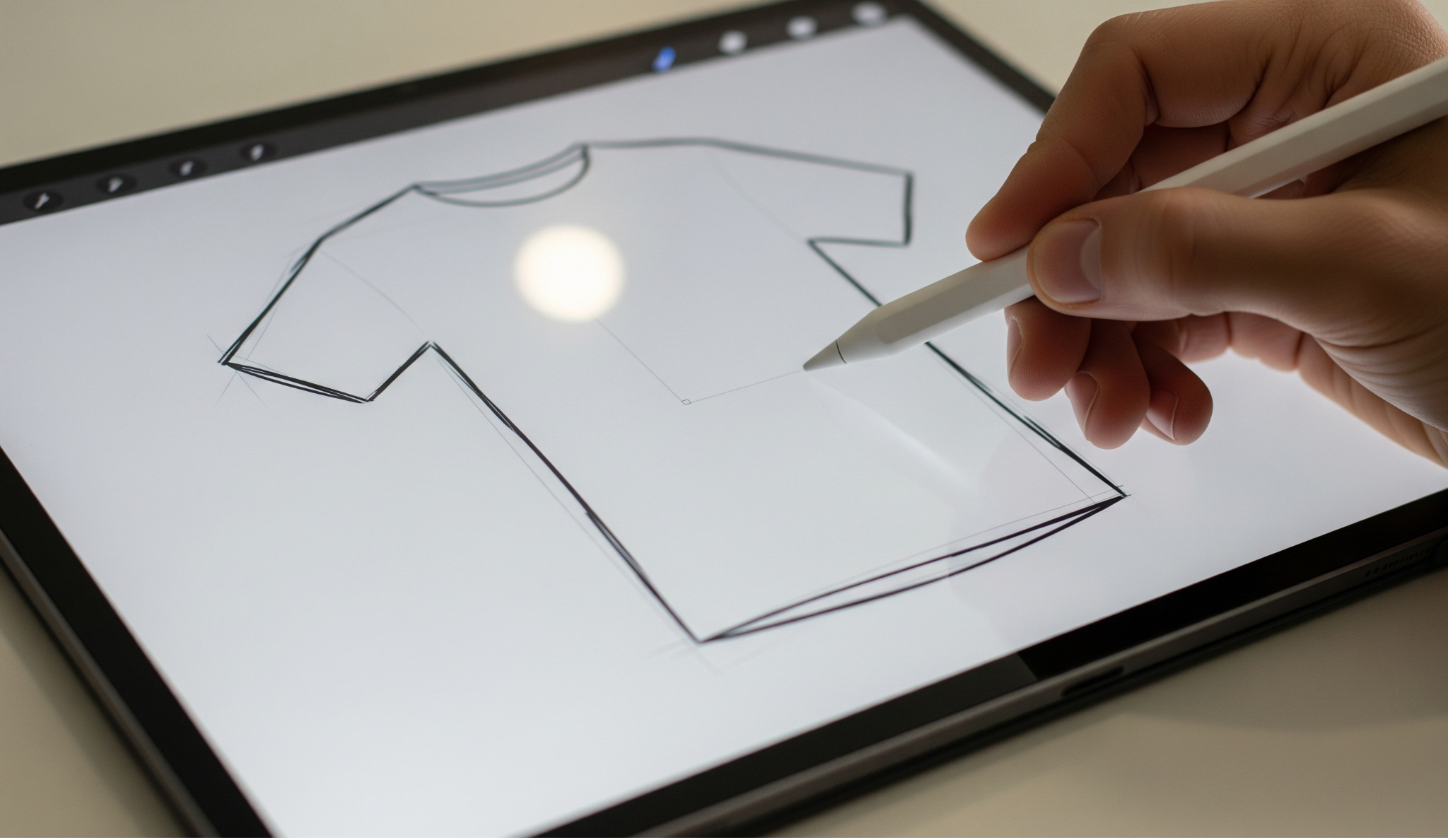
OEM (Original Equipment Manufacturer) T-shirt manufacturers are factories that produce garments based on the designs, tech packs, fabrics, or ideas provided by the client. Instead of offering pre-made styles, they turn your concept into an actual product.
The biggest advantage of working with OEM manufacturers is the control over design. You can decide on fabrics, colors, fit, labeling, and packaging. This allows your brand to create truly unique T-shirts that stand out from generic, mass-produced options.
Another benefit is scalability. Once the design and production process are finalized, OEM partners can produce large volumes while maintaining consistency and quality. They also bring professional expertise, helping you translate your creative vision into a technically accurate and market-ready product.
OEM manufacturing is ideal for fashion brands looking to launch exclusive collections. It’s also a common choice for established brands expanding into their own signature T-shirt lines.
This manufacturing method is suitable for brands looking to build a distinctive hoodie collection. See more information about manufacturers: hoodie manufacturers
1.2. ODM T-Shirt Manufacturers
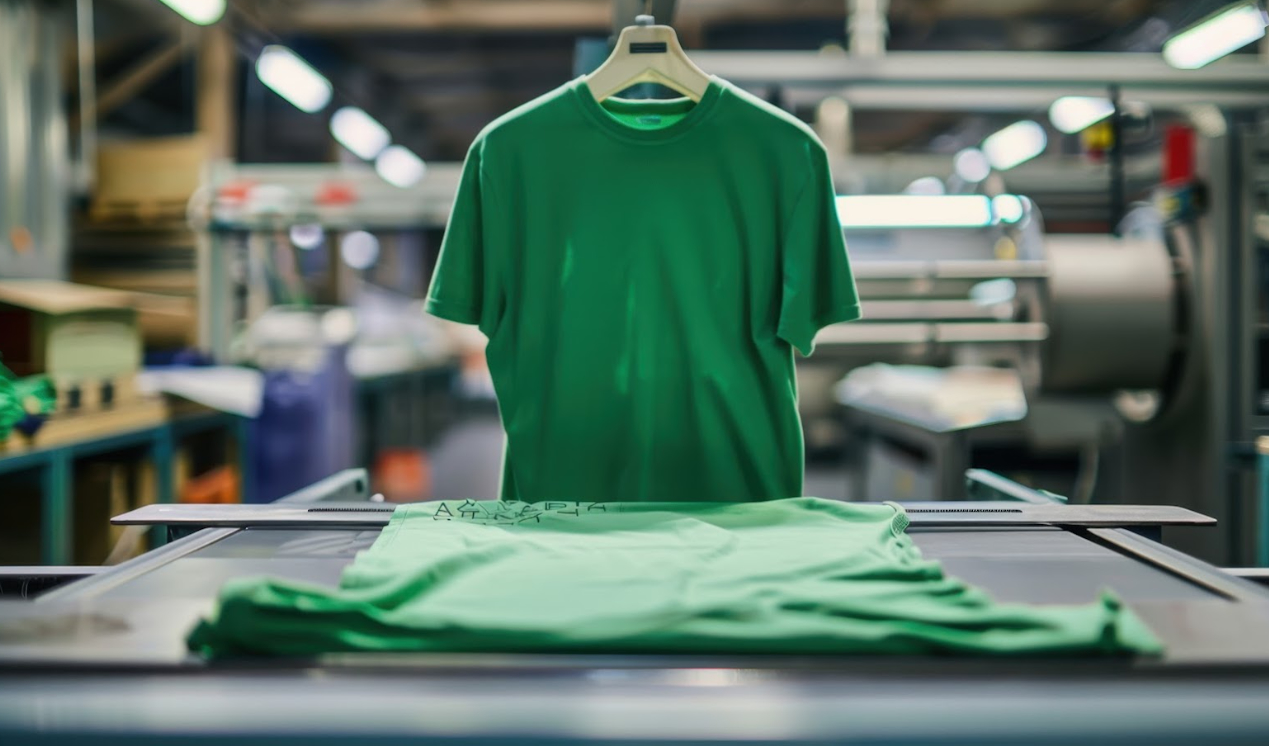
ODM (Original Design Manufacturer) T-shirt manufacturers are companies that not only produce garments but also offer their own in-house designs. Instead of starting from scratch with a tech pack, you can select from their pre-developed styles and customize them to fit your brand.
The key advantage of ODM is speed and convenience. Since the manufacturer already has ready-made patterns and prototypes, you save significant time in product development. This makes ODM an attractive option for brands that want to launch quickly or test new products without heavy upfront investment, a common scenario for a budding streetwear clothing manufacturer.
Besides, it helps to lower development cost. You don’t need to hire a design team or spend resources on building detailed tech packs, as the ODM provides the base designs. Many factories also allow you to make small adjustments such as fabric, color, or logo while keeping the core structure intact.
However, there are some disadvantages. Because the design originates from the manufacturer, your product may be less unique compared to a fully custom OEM design. There can also be limitations in customization, especially if the ODM has fixed production processes. For brands looking for complete creative control and exclusivity, these constraints may be a drawback.
ODM manufacturing is best suited for startups or small businesses with limited design resources, retailers who want to add T-shirts under a private label, and brands exploring new product lines without committing to full-scale design development.
1.3.CMT T-Shirt Manufacturers
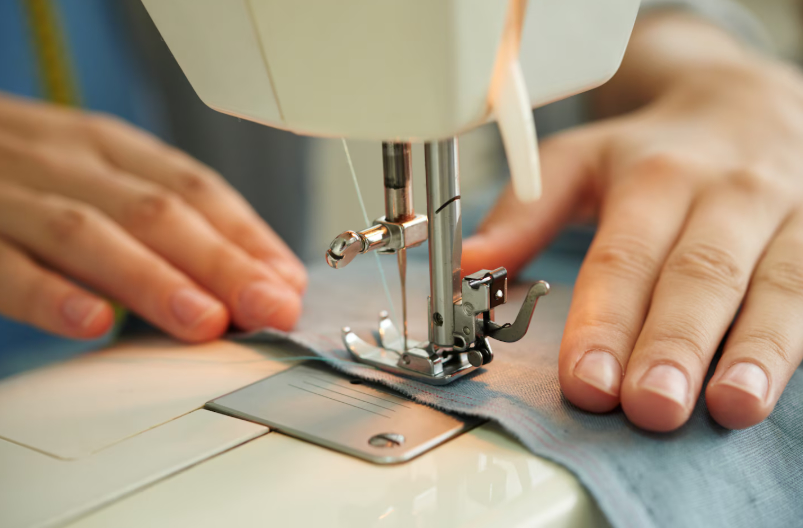
CMT (Cut, Make, Trim) T-shirt manufacturers are factories that provide basic production services: they cut the fabric, sew the pieces together, and add trims such as labels or buttons. Unlike OEM or ODM, CMT factories do not provide design, fabric sourcing, or pattern development, all materials and designs are supplied by the brand.
The main advantage of CMT manufacturing is full control over materials and design. Brands can source their own fabrics, control the quality of trims, and maintain complete oversight of the product development process. This makes it easier to implement specific quality standards and unique features.
CMT is also cost-effective for brands that already have in-house design teams or existing patterns, because the factory charges mainly for labor and basic production services.
However, there are some disadvantages. Since the factory does not provide fabric or patterns, the brand must handle sourcing, tech packs, and production planning themselves, which requires more time and expertise. It may also involve higher coordination effort compared to ODM, especially for new or inexperienced brands.
CMT manufacturing is best suited for brands with established designs and materials, and fashion labels with in-house development teams.
1.4. Full-Package Custom T-Shirt Manufacturers
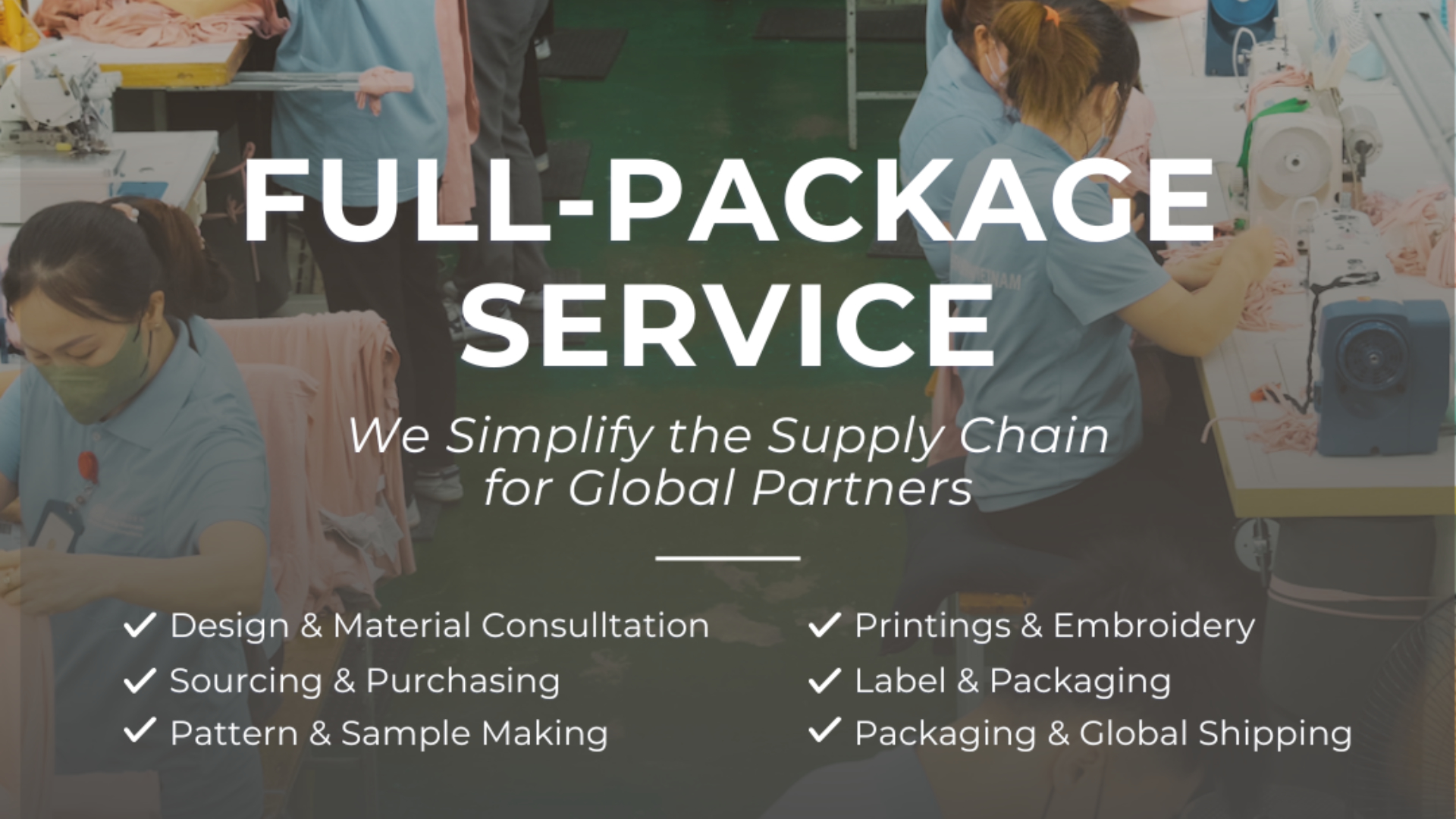
Full-Package Custom (FPP) T-shirt manufacturers are factories that provide end-to-end services. They handle everything from design consultation, fabric sourcing, pattern making, sampling, production, to labeling and packaging. Essentially, they take care of the entire production process so that the brand can focus on marketing and sales.
The biggest advantage of FPP manufacturing is convenience and efficiency. Brands don’t need to manage multiple suppliers or coordinate different stages of production. FPP factories also often offer expert guidance on design, fabric choice, and trends, which is particularly helpful for startups or brands entering new product categories.
Another benefit is reduced risk and improved quality control. Since the manufacturer oversees every step, it is easier to ensure consistency across samples and bulk production. Many FPP factories also have established relationships with high-quality material suppliers, which can save time and cost for the brand.
Full-package services usually come at a higher cost, as the factory charges for both materials and management of the entire production process. However, when considering the long-term benefits, such as time savings, reduced risk, consistent quality, and expert guidance, these services can actually be more cost-effective and valuable for brands looking to scale efficiently and simplify their supply chain.
2. 6 Best T-Shirt Manufacturers
Here are six of the best T-shirt manufacturers to consider for quality, reliability, and customization options:
2.1. Thygesen Textile Vietnam
- Founded: 1931
- Headquarters: 9th Floor, Vinafor Building, 127 Lo Duc Street, Hanoi, Vietnam
- Featured Customers: Calvin Klein, Tommy Hilfiger, Fjällräven, DKNY, Girlfriend Collective, Boody
- Certifications: SA8000, OEKO-TEX® Standard 100, WRAP, ISO 9001, GOTS
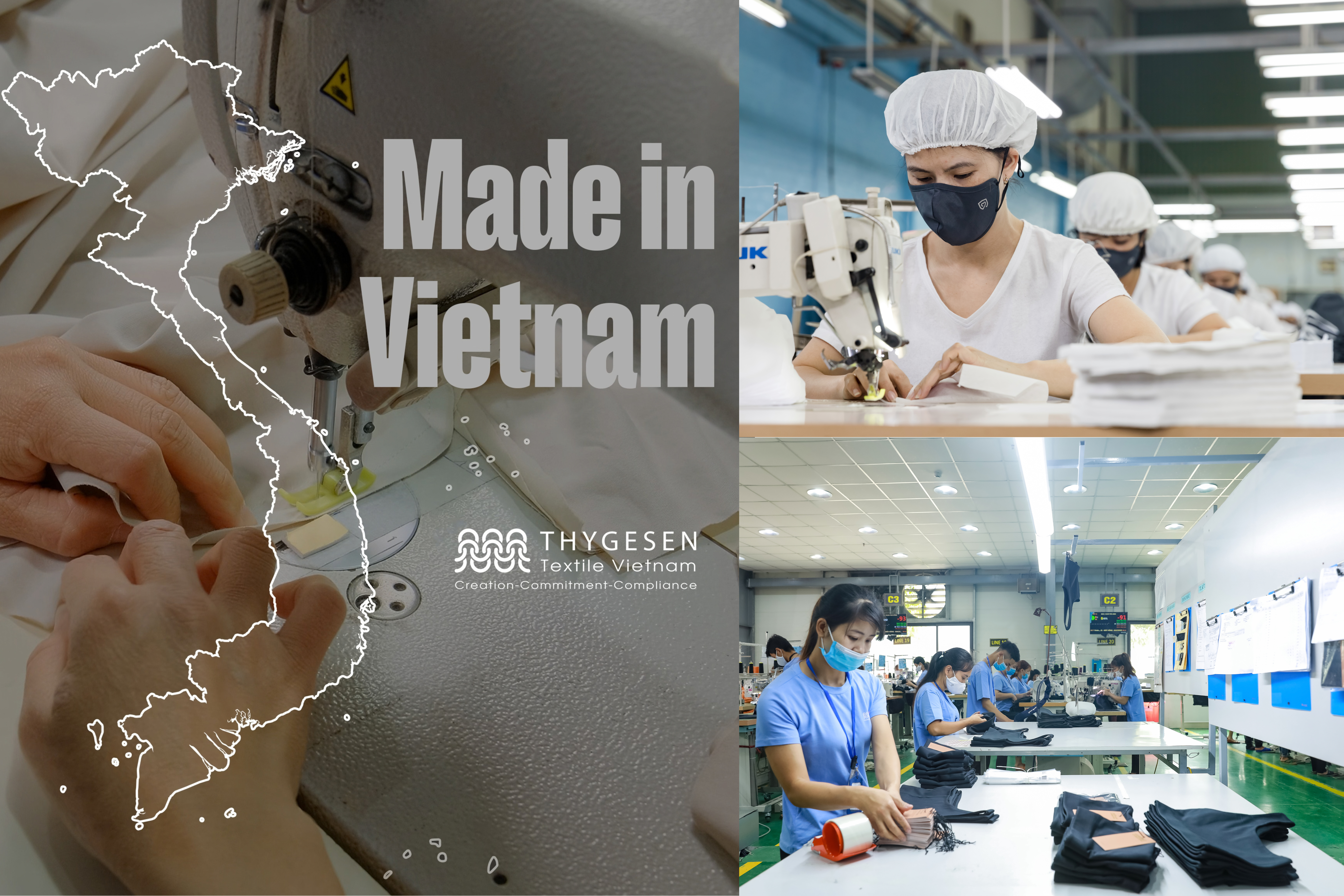
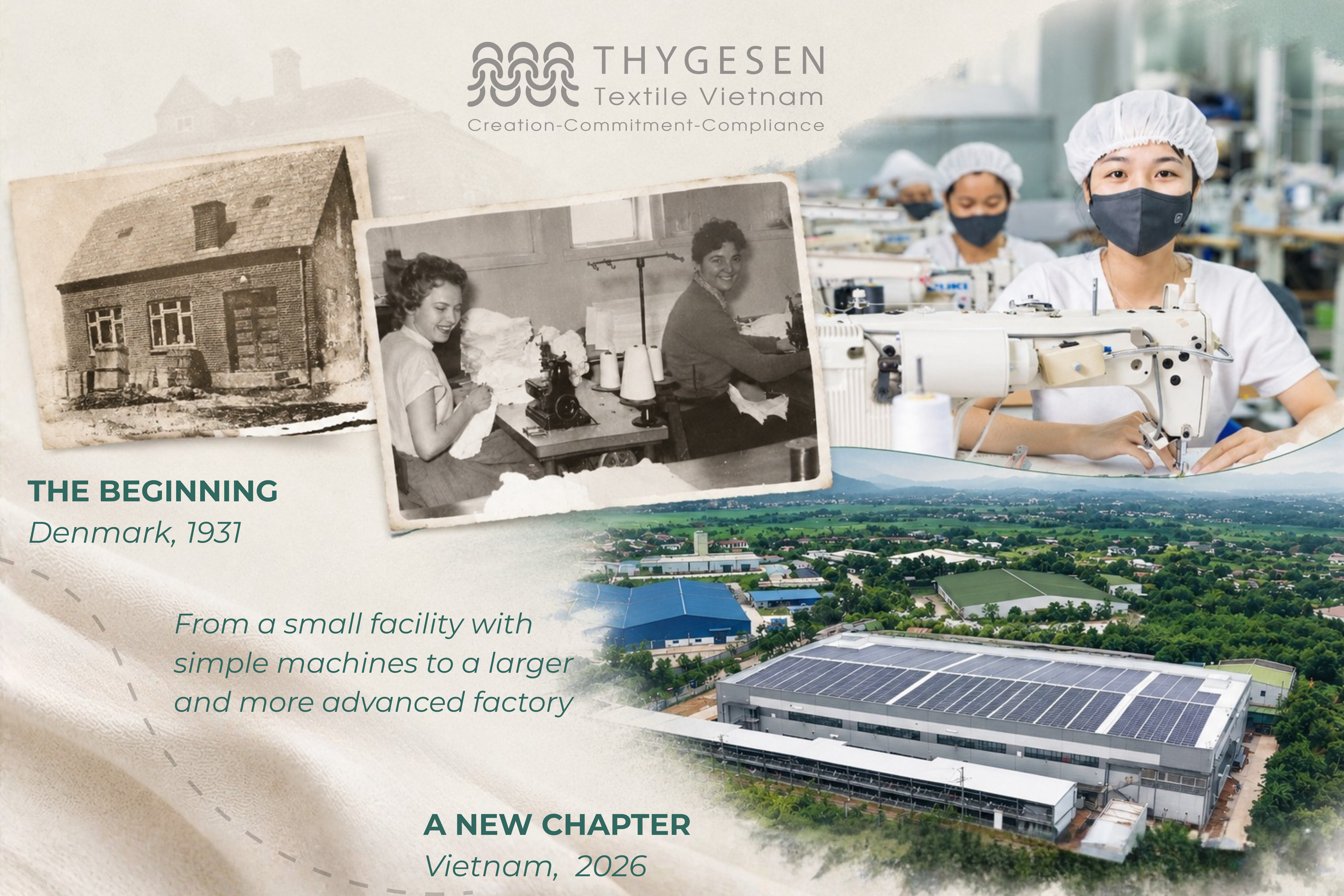
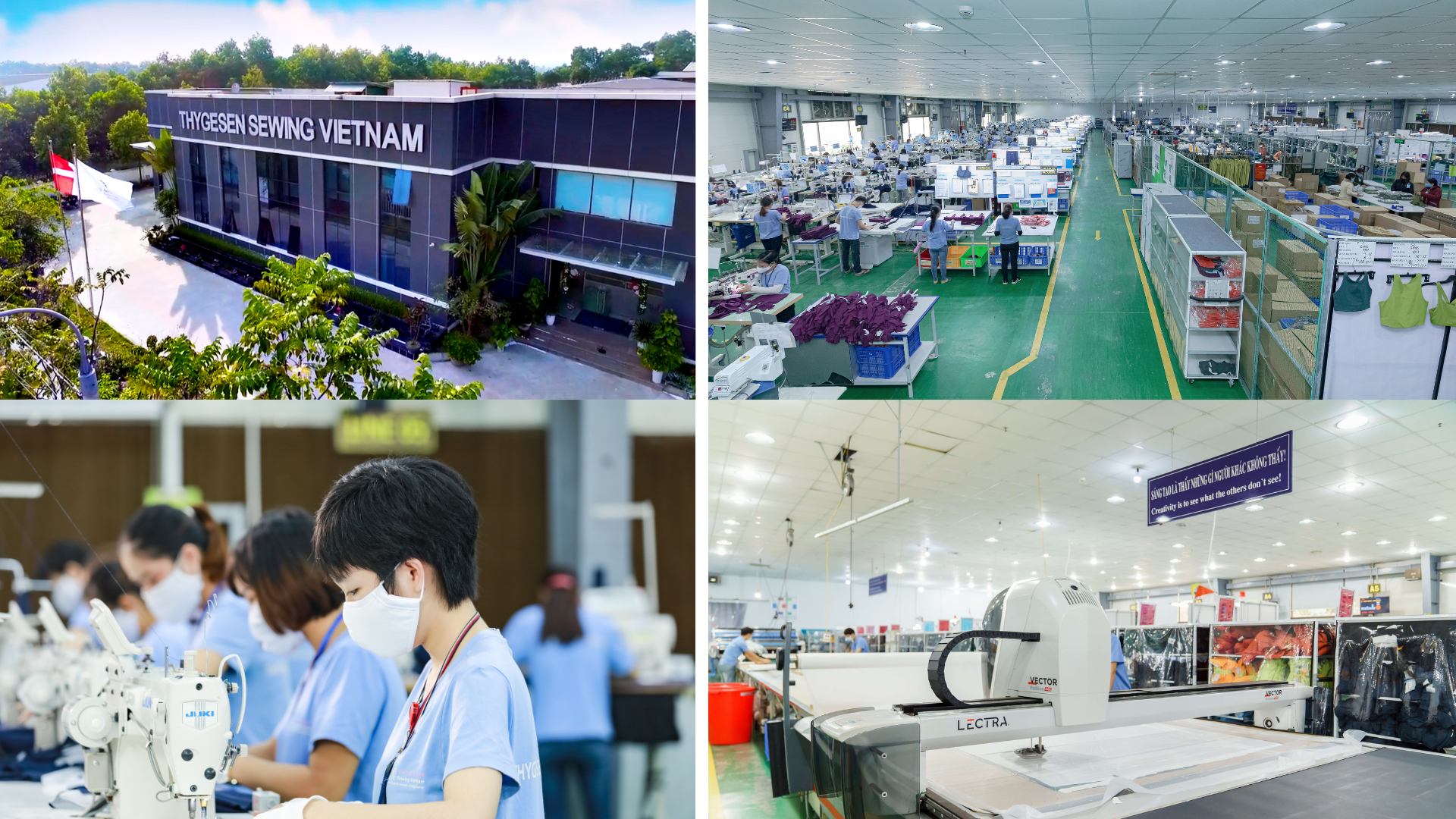
With over 90 years of experience, Thygesen Textile Vietnam is a reliable partner for brands seeking high-quality T-shirt manufacturing with full-package service. Operating an SA8000 & WRAP-certified factory with a capacity of 10 million units per year, we serve global clients with scalable and ethical production.
For brands seeking a trusted t shirt manufacturer in vietnam that combines decades of expertise with ethical and sustainable practices, Thygesen Textile Vietnam stands as a premier choice.
Backed by strong R&D and end-to-end support, we deliver a complete OEM/ODM solution, managing everything from sourcing to delivery. This not only simplifies your supply chain but also improves efficiency, especially for international brands.
Besides T-shirt manufacturing, we are also athletic clothing manufacturers. We also offer advanced printing techniques, including screen printing, digital printing, sublimation, and heat transfer, ensuring every design is crisp, vibrant, and long-lasting. Our team also provides extensive customization options, from fabric selection to technical adjustments like collars, cuffs, embroidery, and packaging to help your product reflect your brand identity.
Thygesen also places a strong emphasis on sustainable and ethical manufacturing, ensuring fair labor practices and environmentally conscious operations. This commitment is reflected in the company’s globally recognized certifications, which validate its efforts to uphold social responsibility and eco-friendly production standards throughout the entire supply chain.
2.2. TNG
- Founded: 1979
- Headquarters: 434/1 Bac Kan – Thai Nguyen City – Thai Nguyen
- Featured Customers: Decathlon, Columbia, TCP, Nike, Adidas, SportMaster
- Certifications: GRS, WRAP
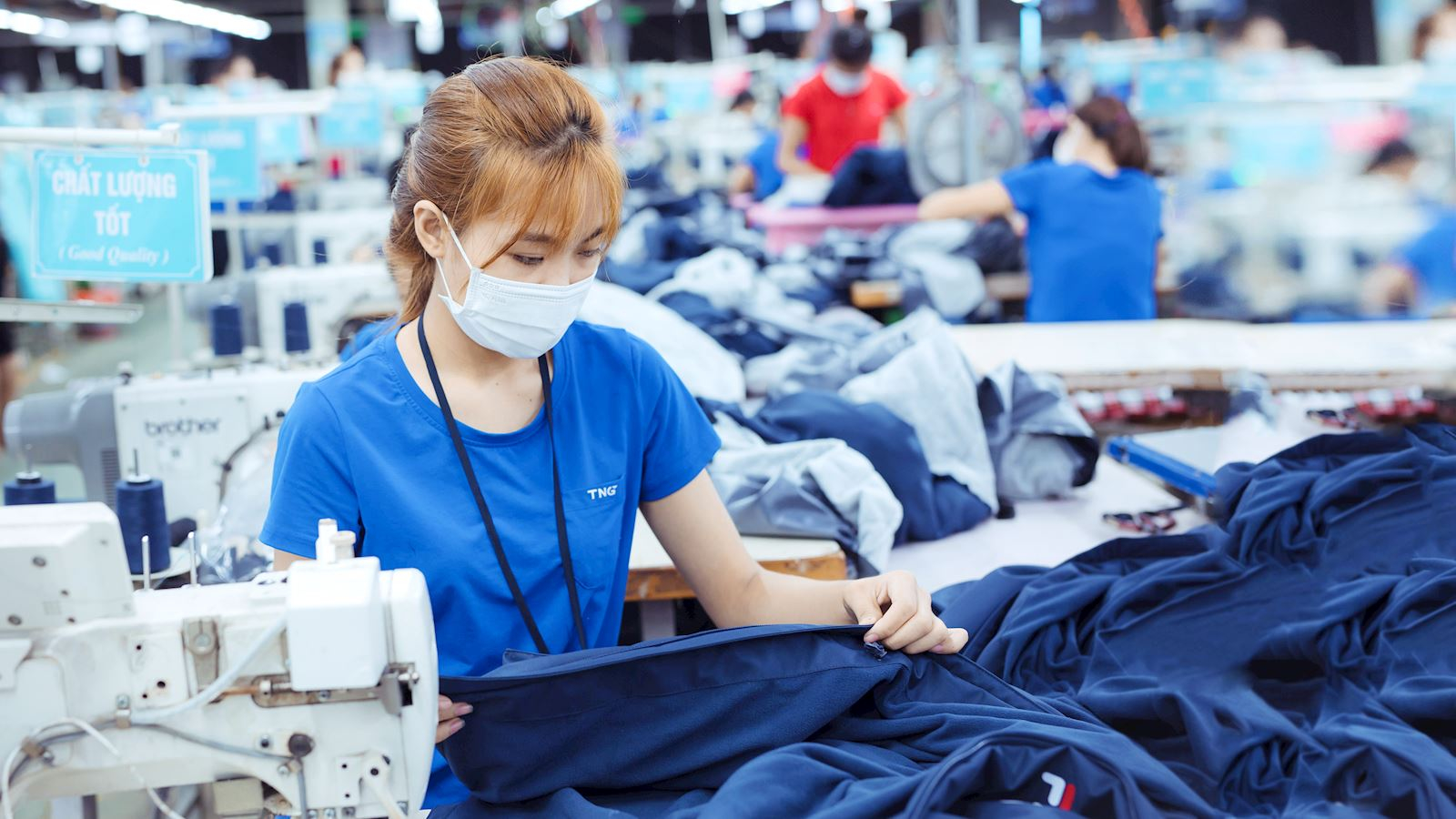
With over 44 years of experience in the garment industry, TNG brings strong technical expertise and an industrial mindset to every project. Backed by a creative and professional management team, TNG ensures efficient execution from development to delivery.
The company has a wide network of reliable suppliers and strategic partners, offering competitive pricing and fast, on-time production. TNG also maintains full independence in product development, order management, manufacturing, and logistics, providing clients with a seamless and responsive production process.
2.3. Shahi Exports
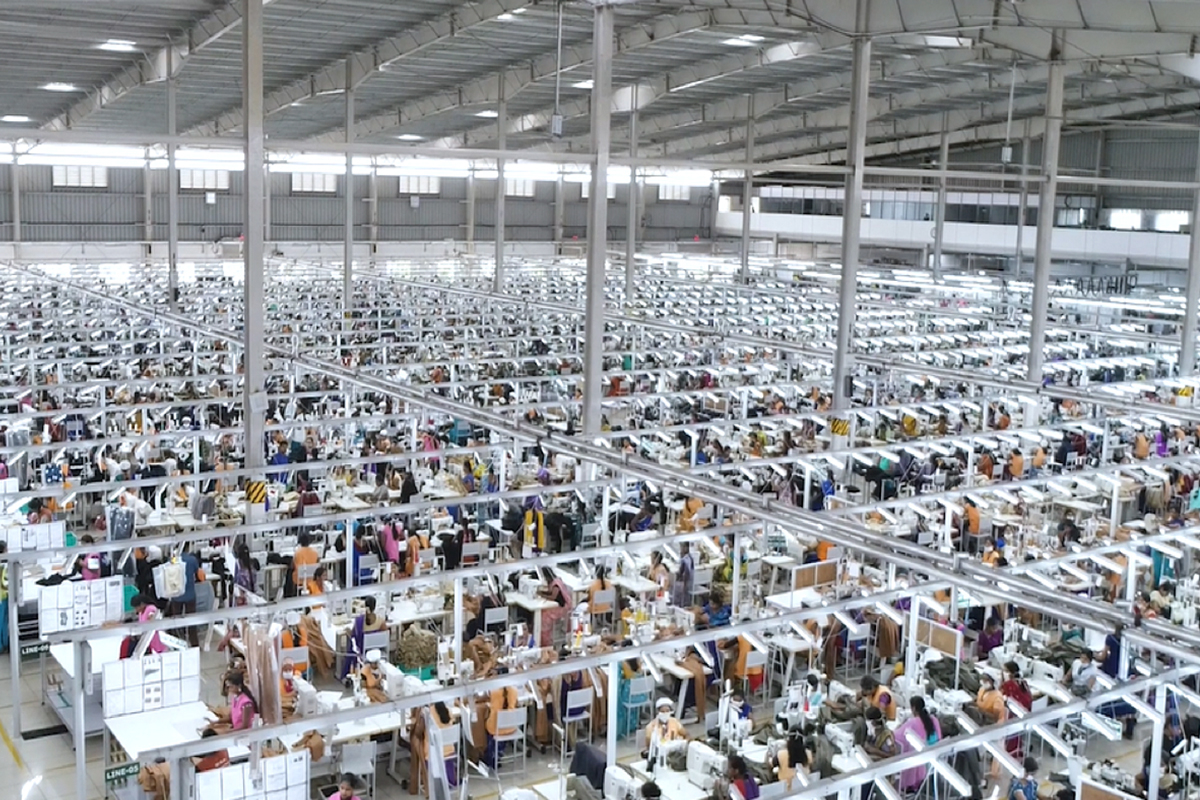
Shahi Exports, founded in 1974, is India’s largest apparel manufacturer. With over 50 factories and 3 processing mills across 8 states. The company is known for its design-driven innovation, vertical operations, and a strong commitment to social and environmental responsibility, making it a trusted partner for leading global fashion brands.
2.4. Too Fabric
Headquarters: Istanbul, Turkey
Certifications: OEKO-TEX Standard 100, GOTS
Too Fabric is a custom clothing manufacturer based in Istanbul, Turkey, offering full-package production services including cutting, printing, embroidery, sewing, ironing, packaging, and quality control.
Specializing in T-shirt manufacturing, Too Fabric handles large-volume orders with competitive pricing, without compromising on sustainability or quality. Their T-shirts are customizable, eco-friendly, and crafted under rigorous quality control to ensure durability, comfort, and style, making them a trusted partner for fashion, promotional, and workwear brands.
2.5. Affix Apparel
Headquarters: 7190 W Sunset Blvd #74D Los Angeles, CA 90046
Certifications: OEKO-TEX, TRU Pima Cotton, Sedex SMETA 4-Pillar, USDA Organic, GOTS, ISO 9001:2015
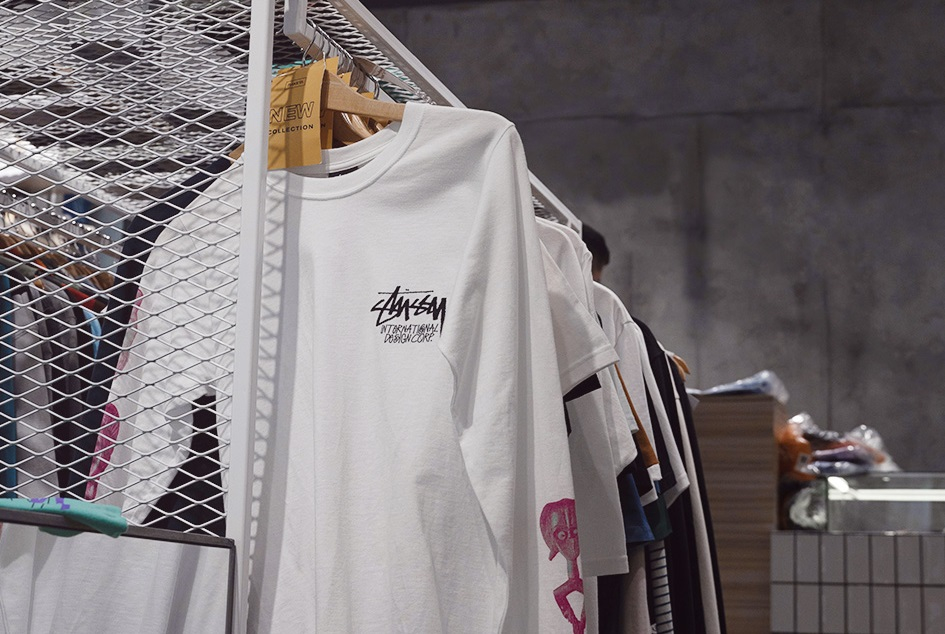
Affix Apparel is a U.S.-based custom T-shirt manufacturer known for delivering consistent quality and fast lead times. The company supports fashion brands with full-service apparel manufacturing from initial design to final packaging tailored for both small-batch and bulk orders. Whether clients need sustainable fabrics or high-performance cotton blends like Pima, Affix provides flexible options to meet branding goals.
2.6. Zega Apparel
Founded: 2010s
Headquarters: Karachi, Pakistan (Registered in Sheridan, Wyoming, USA)
Zega Apparel is a U.S.-based T-shirt manufacturer known for offering comprehensive customization and complete in-house services. From fabric selection, printing to final production, every order starts from scratch, tailored to the client’s specifications. T
Their experienced team ensures seamless execution across all styles, whether you’re producing basics, oversized tees, or fashion-forward cuts. With a transparent workflow and hands-on customer support, Zega Apparel is a trusted partner for brands seeking flexibility, quality, and creative control in T-shirt manufacturing.
3. Key Considerations for T-Shirt Manufacturers
Before choosing a T-shirt manufacturer, consider these key factors to ensure quality, efficiency, and brand alignment:
- Fabric Expertise & Sourcing: A reliable T-shirt manufacturer should have deep knowledge of fabric characteristics. They should be able to advise you on suitable fabric options based on your product goals (e.g., comfort vs. structure, premium vs. budget). Additionally, the ability to source materials from various markets, such as Vietnam, China, India, etc., gives your brand flexibility in price, quality, and lead time.
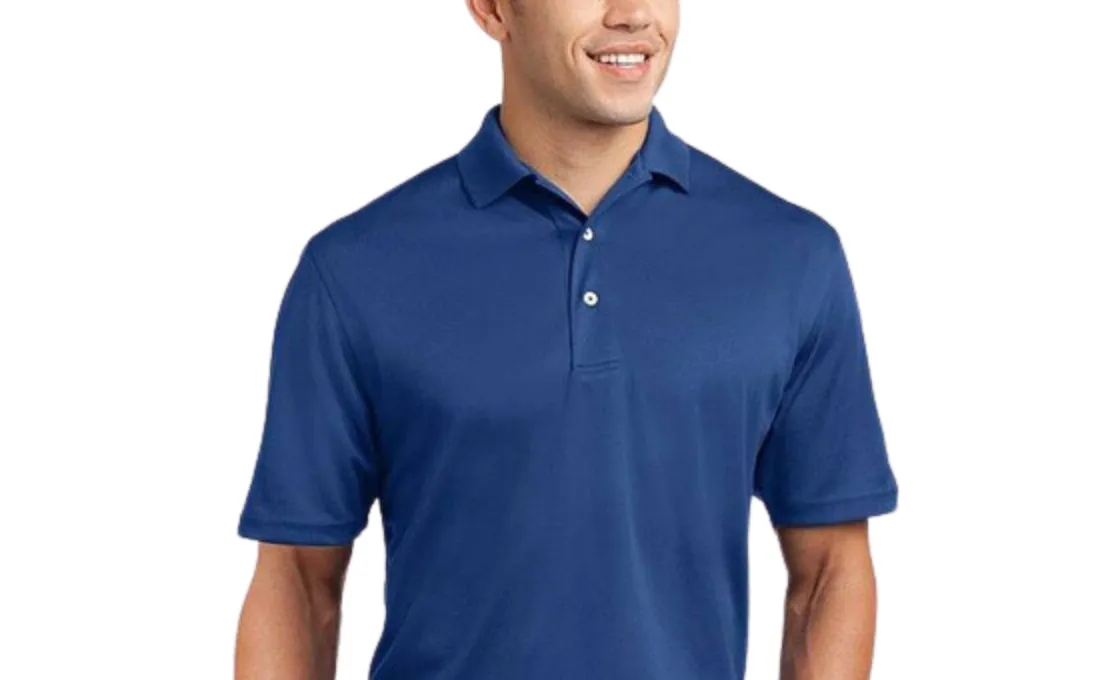
- Printing & Customization Capabilities: For a T-shirt, the print or logo placement can mean a lot. Whether it’s a bold graphic, subtle branding, or minimalist artwork, high-quality printing brings your design to life. A reliable manufacturer should offer various techniques like screen printing, DTG, sublimation, or heat transfer, depending on your needs. Look for added customization options such as embroidery, branded labels, and eco-friendly finishes that help reinforce your brand identity. Brands requiring specialized garments such as custom polo shirts will appreciate working with a Professional zipper polo shirts manufacturer who can flawlessly execute intricate design details and ensure superior product quality.
- Quality Control & Lead Time Reliability: Consistent quality is non-negotiable for T-shirt brands, especially when producing at scale, with orders reaching tens or hundreds of thousands of pieces. A reliable manufacturer should implement strict quality control at every stage: fabric inspection, in-line sewing checks, and final inspections based on AQL standards or full checks. Lead time is just as crucial, ask about their average turnaround, flexibility for urgent orders, and how they manage unexpected delays
- Ethical Considerations: If your brand emphasizes sustainability or social responsibility, verify if the factory is certified (e.g., WRAP, OEKO-TEX, GOTS) and follows fair labor practices. Transparency in sourcing and production builds long-term trust with both partners and customers.
Brands requiring flexible production capacity for specialized products can find a valuable partner in a dedicated legging manufacturer. Thygesen supports both startups and large corporations with adaptable MOQs and a responsive approach to unique product specifications. Thygesen’s material expertise ensures the selection of optimal fabrics for functionality and performance in all casualwear and activewear lines.
4. FAQs
What information do I need to prepare before contacting a T-shirt manufacturer?
Before contacting a T-shirt manufacturer, it’s helpful to prepare as much detailed information as possible about your project. Ideally, you should include tech packs, estimated order quantity, fabric preferences, color options, size ranges, and any specific requirements. Providing these details allows the manufacturer to give you an accurate quotation and quickly assess if they can support your production needs.
If you don’t have a tech pack yet, don’t worry! You can still share your brand ideas, sketches or reference images of your design. An experienced technical design team can then review your materials, create the necessary specifications, and guide you through the production process.
What is the usual Minimum Order Quantity (MOQ)?
In the textile industry, MOQ is set to ensure production efficiency and cost-effectiveness. It is usually determined by two main factors: the material MOQ from suppliers (e.g., fabric production or dye batches) and the production efficiency based on the factory’s workflow.
As a result, MOQ varies depending on the factory scale and its material suppliers. For example, at Thygesen Textile Vietnam, a bulk T-shirt manufacturer, the typical MOQ is around 3,000 pieces per order to ensure smooth production.
What is the typical T-shirt manufacturing process and how long does it take?
The typical T-shirt manufacturing process includes both development and production stages. It starts with handling the inquiry and providing an initial quotation based on your tech pack, selected fabric, and order quantity.
Once the price is approved, the sample development begins. After the sample is finalized, the price is reviewed if there are any changes, followed by order confirmation, deposit payment, and bulk production. Shipping is arranged once production is complete.
Normally, the standard lead time for bulk production is 30-45 days after all fabric and trims have arrived.
In conclusion, choosing the right T-shirt manufacturer plays a key role in product quality, brand image, and long-term growth. Thygesen offers full-package OEM/ODM services, sustainable production, and proven experience delivering high-quality T-shirts to global brands. Visit thygesenapparel.com or send your inquiry to sale@thygesen.com.vn to get started.