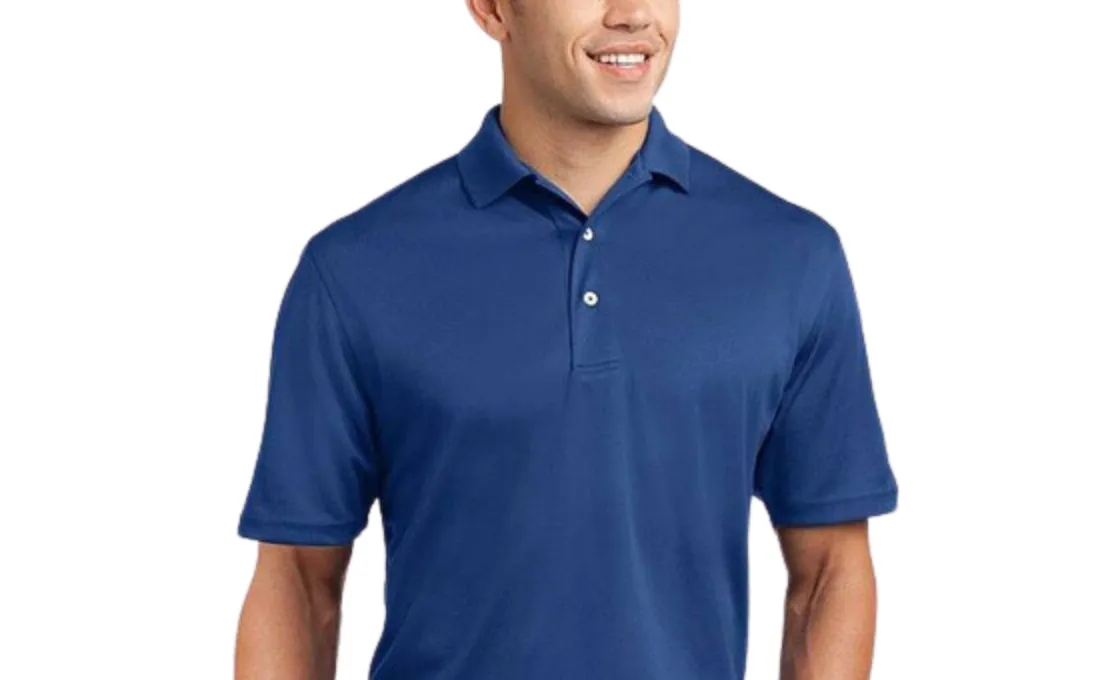
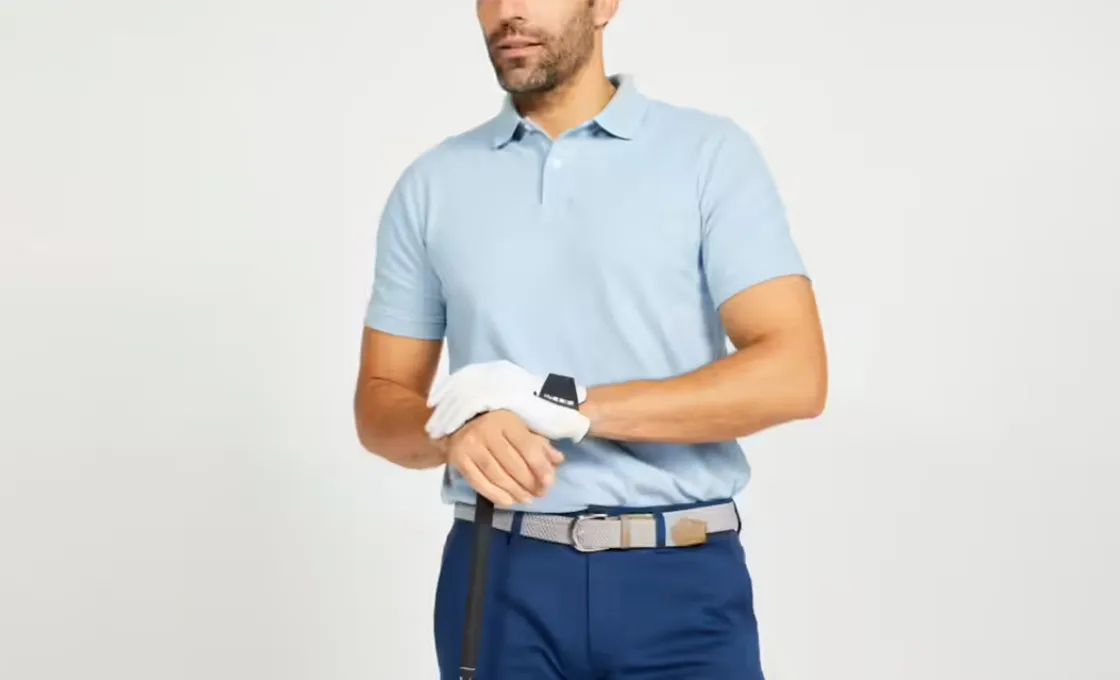
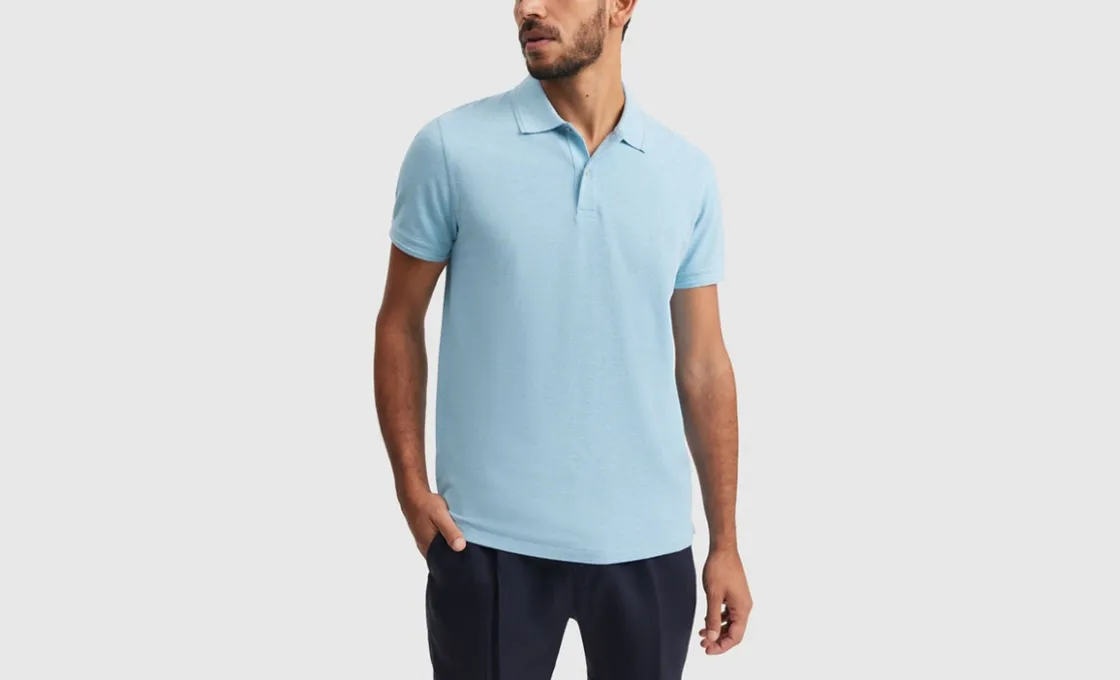
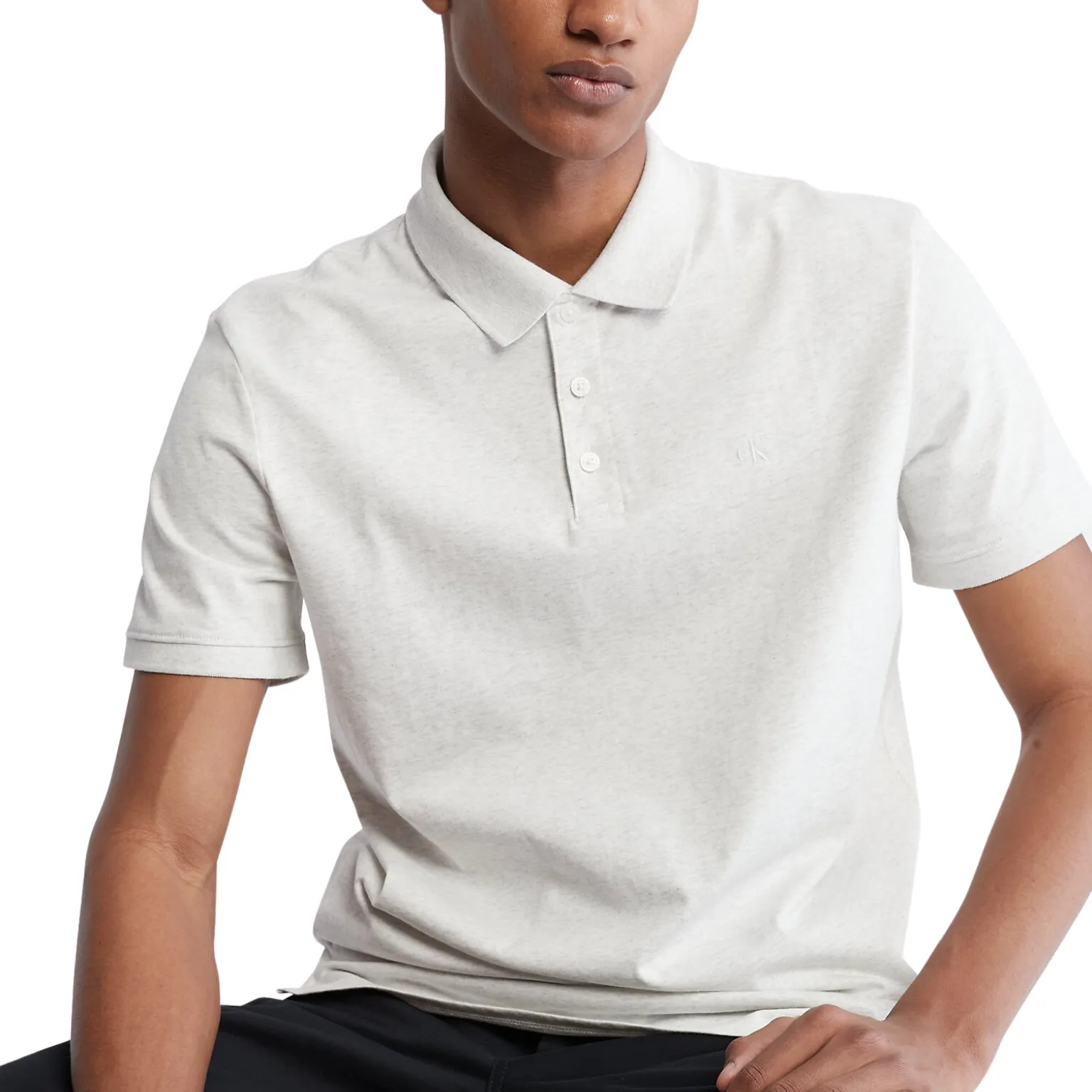
If you’ve ever worn a classic polo shirt, you’ve likely experienced piqué without even noticing it. When people ask what is pique fabric, they’re usually referring to that subtly textured knit that feels breathable yet structured. Before getting into technical details, let’s start with the basics and understand why this fabric remains a staple in modern fashion.
>>> Brands aiming to differentiate their collections with unique fabric textures and superior construction can explore Thygesen’s specialized services. Thygesen assists fashion labels in bringing innovative designs to market, making it an ideal streetwear clothing manufacturer for sophisticated apparel. The focus remains on quality and meeting the distinct demands of modern consumers.
1. What Is Piqué Fabric?
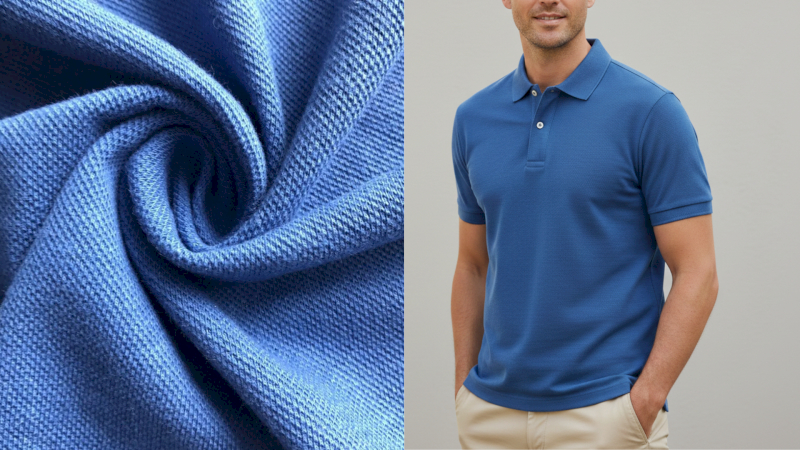
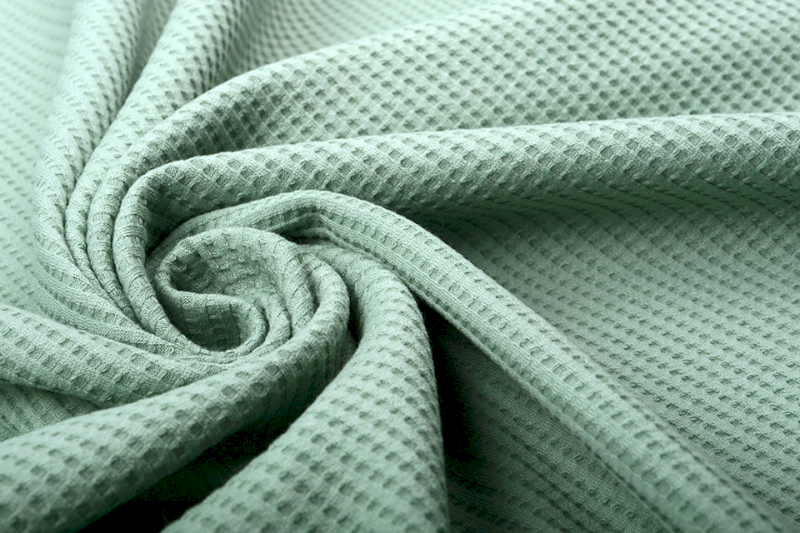
Piqué fabric is a type of knitted textile recognized by its raised, textured surface, typically appearing in waffle, honeycomb, or subtle rib patterns. This texture is created through a specific knit structure rather than surface finishing, giving the fabric a distinctive look and feel. Compared to flat jersey knits, piqué has more body and structure while still remaining comfortable to wear.
Thanks to its construction, piqué fabric allows better air circulation and moisture management, helping garments feel cooler throughout the day. It also holds its shape well and resists looking limp after repeated wear. For these reasons, piqué fabric is widely used in polo shirts, as well as casualwear, uniforms, and sportswear that require a clean appearance combined with everyday comfort.
>>> For brands seeking a manufacturing partner capable of consistently delivering garments with specific fabrications like pique, Thygesen upholds stringent ISO-based quality management systems. Thygesen provides comprehensive support as a dedicated t shirt manufacturer, ensuring material excellence and compliance for enduring partnerships. This approach minimizes sourcing risks for discerning clients.
2. Key Benefits of Piqué Fabric
Piqué fabric is valued not only for its distinctive texture but also for its well-balanced performance in everyday wear. Thanks to its knit structure and fiber blends, it offers a combination of comfort, durability, and refined appearance that makes it especially popular in polo shirts and functional fashion.
Key benefits of piqué fabric include:
- Breathable and moisture-absorbing: The honeycomb-like knit structure allows maximum airflow, helping moisture evaporate quickly and keeping the wearer cool and dry.
>>> For a deeper dive into materials that excel in performance and comfort, explore All You Need to Know About Moisture Wicking Fabrics – Thygesen Textile Vietnam.
- Durable with good shape retention: Often made from cotton or cotton-polyester blends, piqué fabric resists stretching, shrinking, and deformation, maintaining its form even after repeated washing.
- Refined and stylish appearance: The characteristic bird-eye or textured surface gives garments a clean, polished look, making piqué ideal for smart-casual and polo styles.
- Wrinkle-resistant and easy to care for: Piqué fabric tends to wrinkle less than flat knits, saving ironing time and allowing for easy machine washing and maintenance.
- Good stretch and flexibility: When blended with spandex, piqué offers added elasticity, ensuring comfort and freedom of movement during daily activities.
- Skin-friendly and antibacterial options: Certain piqué variations, such as Piqué Café, provide antibacterial and odor-resistant properties while remaining gentle and safe for the skin.

>>> Developing functional and comfortable athletic garments, potentially utilizing fabrics like pique for breathability and texture, requires a deep understanding of material properties and advanced manufacturing techniques. Thygesen focuses on materials that enhance performance and durability, aligning with the standards expected from discerning athletic apparel manufacturers. Thygesen supports brands in creating apparel that meets both performance metrics and sustainability goals.
2. How Piqué Fabric Is Made
The production process of piqué fabric generally involves the following steps:
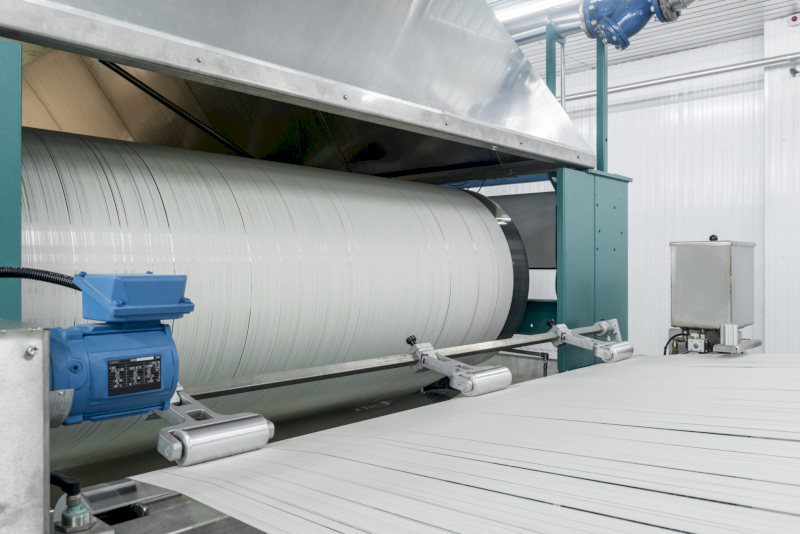
- Yarn selection and preparation: Piqué fabric is commonly made from cotton, polyester, or blended yarns as well as 100% cotton options. The yarns are carefully spun and prepared to ensure strength, consistency, and even texture.
- Specialized knitting process: The fabric is knitted on circular or double-knit machines using a specific stitch formation. Alternating tight and loose stitches create the fabric’s distinctive raised patterns, such as bird-eye or honeycomb textures.
- Dyeing and finishing: After knitting, the fabric undergoes dyeing sometimes in separate stages for cotton and polyester fibers to achieve rich, even color effects. Finishing treatments are then applied to enhance softness, durability, shape stability, and moisture absorption.
- Quality inspection: The finished fabric is thoroughly inspected to ensure uniform texture, color consistency, and performance standards before being approved for garment production.
>>>Customizing apparel items like hoodies with specific textures or fabric blends, potentially incorporating a unique pique for differentiation, demands a manufacturing partner with flexible OEM capabilities. Thygesen ensures full supply chain transparency throughout the production process, from material sourcing to final delivery. This makes Thygesen a capable hoodie manufacturer for brands seeking distinctive product development and controlled production.
4. Common Types of Piqué Fabric and Its Common Applications
Piqué fabric comes in a variety of types, each offering unique characteristics in terms of texture, breathability, durability, and appearance. Choosing the right type depends on the garment’s purpose, whether it’s for premium polo shirts, uniforms, or high-performance sportswear.
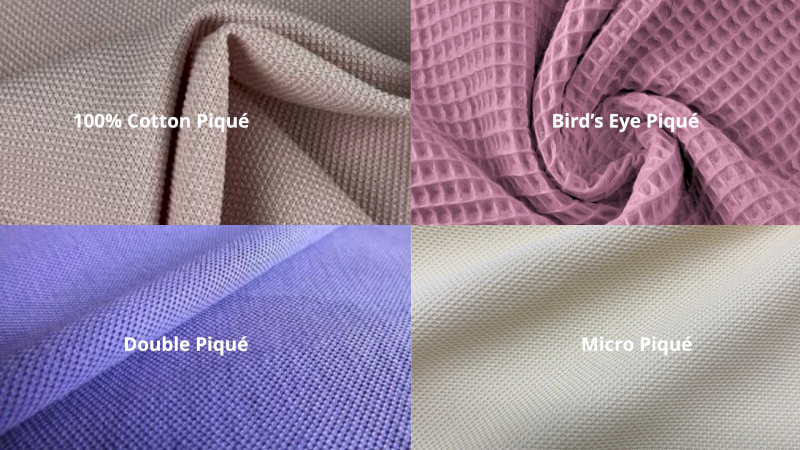
- 100% Cotton Piqué: Made entirely from natural cotton fibers, this fabric is soft, breathable, and highly moisture-absorbing. Its luxurious hand feel and comfort make it ideal for premium polo shirts, high-end casual polos, kids’ polos, and light summer tops where softness and natural breathability are priorities.
- Polyester Piqué (Piqué Poly): Typically composed of 95-100% polyester with a small percentage of spandex (about 5%), this fabric is durable, wrinkle-resistant, quick-drying, and available in a wide range of colors. It is widely used for corporate uniforms, school uniforms, sports team apparel, promotional polos, and cost-effective casualwear.
- CVC/TC Piqué (Cotton-Poly Blends): A combination of cotton and polyester (commonly 65/35 or 35/65), offering the breathability of cotton with the strength and durability of polyester. Often slightly stretchy, it works well for everyday polo shirts, workwear polos, casual t-shirts, and performance casualwear that need both comfort and long-lasting shape.
- Bird’s Eye Piqué: Knitted with a special technique that forms small “eye-like” holes in the surface, enhancing airflow and moisture absorption. Its distinctive texture makes it perfect for classic polo shirts, school uniforms, corporate polos, and premium sportswear where both style and ventilation are important.
- Double Piqué: A thicker, double-layered piqué with excellent durability and structure. Best suited for structured polos, heavyweight sportswear, outer layers, and premium fashion polos that require a crisp appearance and extra resilience.
- Micro Piqué: Features a fine, smooth surface using thin yarns. It is often used for high-end sportswear items such as golf shirts, tennis tops, athletic polos, and luxury performance wear, where softness, lightweight feel, and technical performance are essential.
5. Key Considerations When Producing Piqué Garments
When producing piqué garments, brands need to be mindful of some key considerations to ensure the final products meet quality, comfort, and style expectations:
- Choose the right piqué type for the product line: Brands should select fabric (cotton, poly, blend, bird’s eye, double, micro) based on target audience, intended use, and price positioning. The wrong type can affect comfort, look, or durability.
- Confirm fabric consistency from the manufacturer: Ensure the manufacturer can deliver consistent texture, color, and weight across all production batches, so garments maintain a uniform premium feel.
>>> Understanding what is gsm in fabric is crucial for ensuring uniform weight and overall quality across different production batches, particularly when aiming for a premium feel.
- Plan for garment fit and drape: Piqué has a specific structure and weight, so brands should work with manufacturers to adjust patterns, sizing, and ease for a comfortable fit without compromising the fabric’s texture.
- Consider finishing and care properties: Brands should clarify with manufacturers about shrinkage, colorfastness, wrinkle resistance, and softening treatments, especially for high-volume or export products.
- Set quality checkpoints: Establish inspection points for stitching, seams, and overall garment appearance to ensure piqué garments meet brand standards and customer expectations before full-scale production.
7. Thygesen Textile Vietnam: Your Trusted Partner in Piqué Fabric Sourcing & Garment Manufacturing
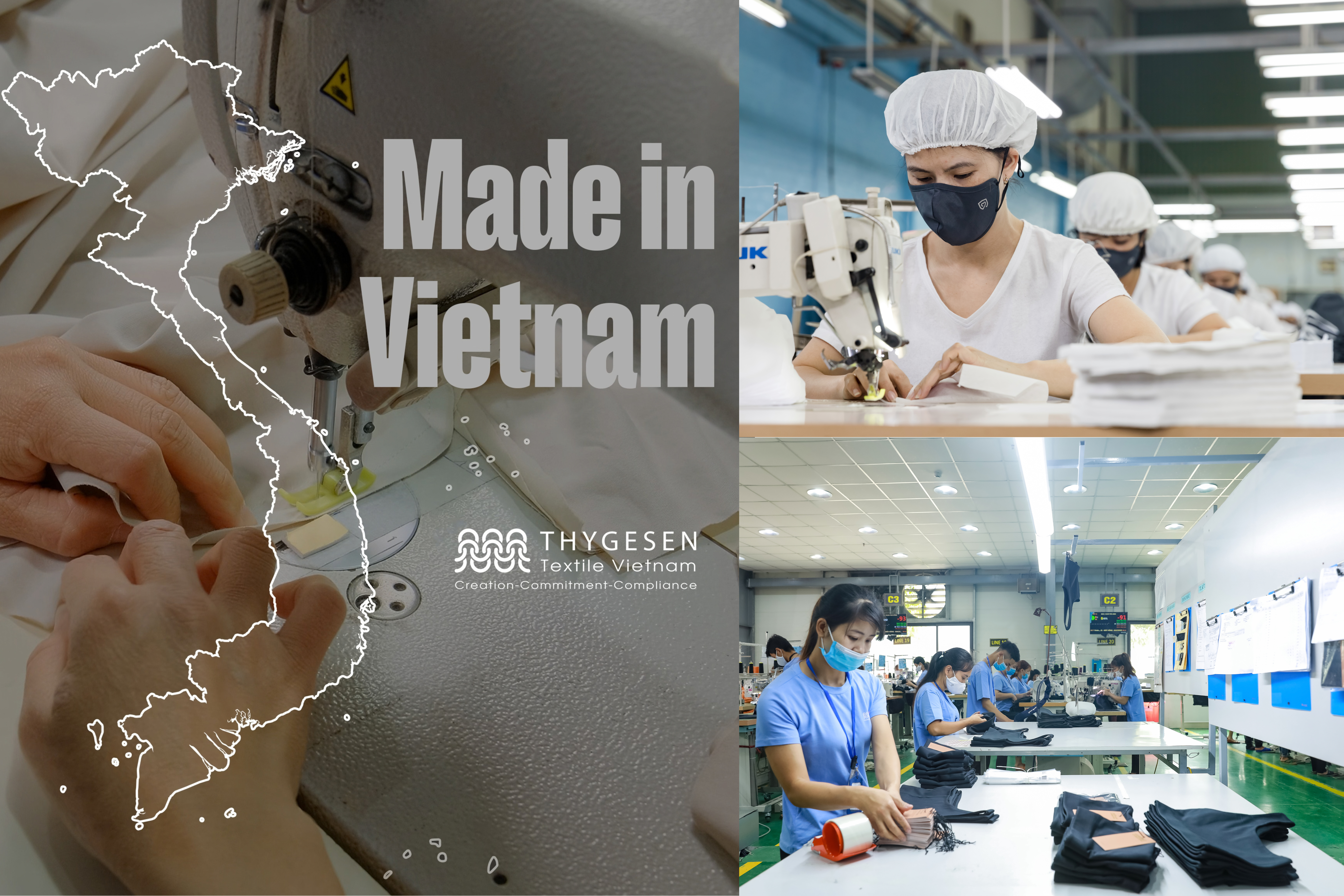
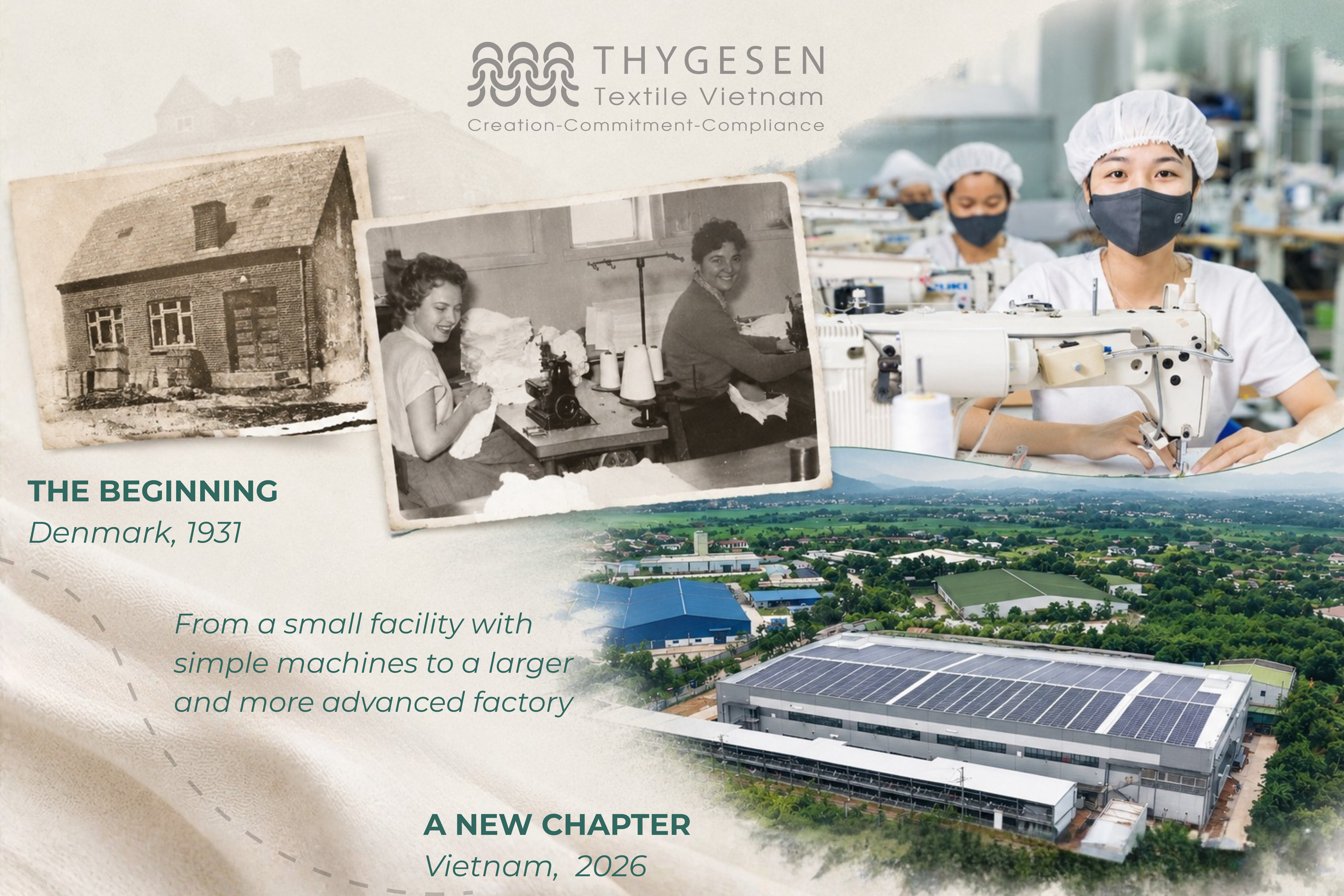
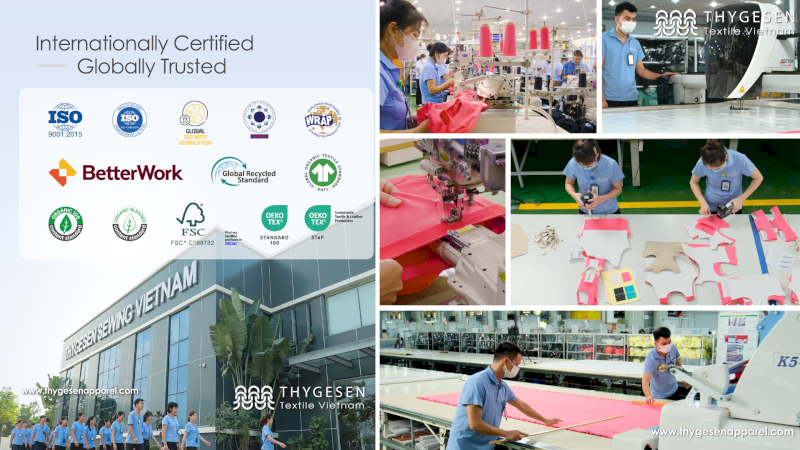
Thygesen Textile Vietnam is an ethical apparel manufacturer in Vietnam. We have partnered with brands like Tommy Hilfiger, DKNY, Calvin Klein, and Fjällräven. Our facilities are certified to global standards such as ISO 9001, SA 8000, WRAP, GOTS, OEKO-TEX, and FSC, ensuring safe, compliant, and responsible production.
- Flexible Piqué Fabric Sourcing: We source and purchase pique fabric for you with our trusted fabric suppliers in Vietnam and globally, meeting your specific requirements. Whether you need certified materials or want to develop custom piqué fabrics, our in-house R&D team can provide expert guidance.
- Experience Across Polo and Uniform Categories: Piqué is the most common fabric for polo shirts. We have experience of polos manufacturing from casual to activewear with various styles, cuts, collars, and integrating printed or embroidered designs.
>>> To further enhance performance and comfort in athletic apparel, it’s essential to understand what is activewear fabric and how different types can contribute to optimal garment functionality.
- End-to-End Manufacturing Support: From fabric selection and sampling to production, labeling, packaging, quality control, and shipping, we cover it all. his allows your team to focus on marketing and brand growth while we handle the manufacturing process, ensuring timely delivery and consistent quality.
In conclusion, piqué fabric is durable, breathable, and flexible, making it ideal for polo shirts, sportswear, and casual apparel. As a trusted piqué clothing manufacturer, Thygesen Textile Vietnam offers reliable sourcing, expert development, and end-to-end manufacturing solutions. Learn more at thygesenapparel.com or contact us via email at sale@thygesen.com.vn.