Understanding what nylon fabric is is essential for brands, manufacturers, and designers seeking durable, versatile, and high-performance textiles. This guide dives into nylon’s technical characteristics, practical advantages, and its wide range of applications, providing valuable insights for informed sourcing and product development.
1. What Is Nylon Fabric?
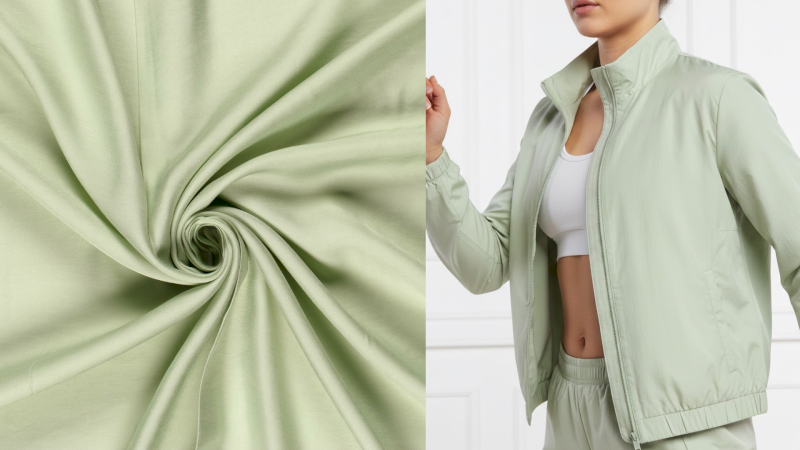
Nylon fabric is a synthetic textile made from polyamide fibers, originally developed as one of the first man-made fibers. It is engineered for durability, elasticity, and resistance to wear. Compared to natural fibers, nylon is lightweight yet extremely strong, making it suitable for garments that require frequent movement, stretch, and repeated washing.
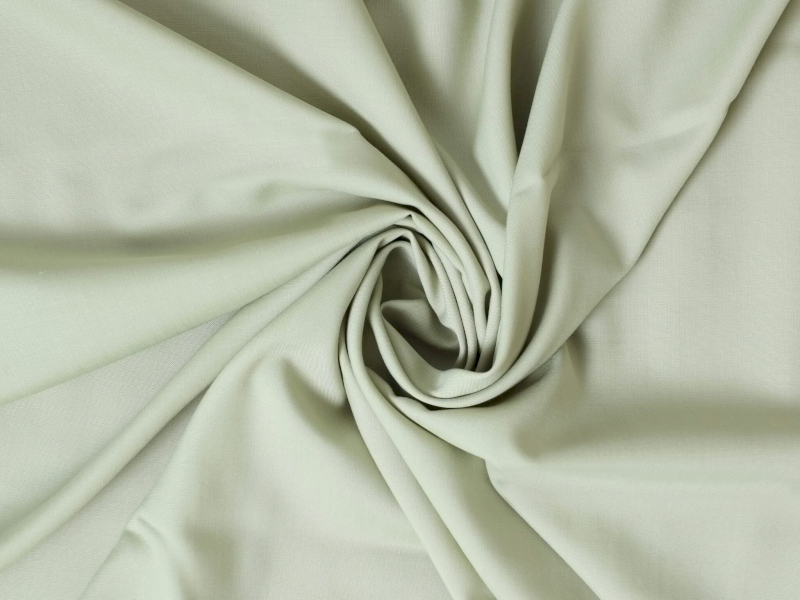
Nylon fabrics are commonly smooth, fine, and flexible. Depending on yarn type and knit structure, they can range from soft and silky to firm and compressive. Most nylon fabrics used in apparel are knitted rather than woven, allowing for stretch and comfort, especially when blended with elastane (spandex).
When considering materials for warmth and softness in apparel, it is also useful to understand what is fleece fabric and its unique properties.
To appreciate the full spectrum of textile construction, a deeper dive into what is a woven fabric provides crucial context for material selection in garment manufacturing.
2. How Nylon Fabric Is Made
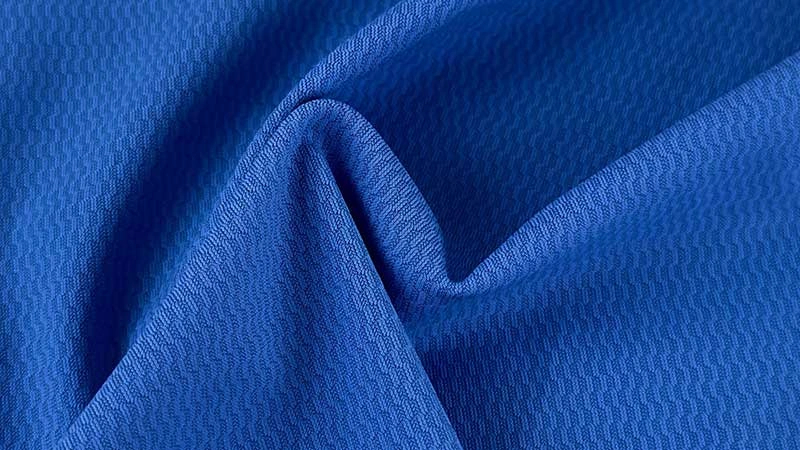
Ever wondered how nylon fabric is made? The process may sound technical, but it can be broken down into a few simple steps that turn chemical polymers into the versatile fabric we use every day.
- Polymerization (Creating the Polymer): Adipic acid and hexamethylene diamine are combined to make a nylon “salt,” which is then heated under high pressure. This forms long chains of molecules that give nylon its strength.
- Extrusion (Forming Fibers): The molten nylon is pushed through a device called a spinneret, which has tiny holes, creating long, thin threads.
- Cooling and Solidification: The threads are cooled with air and solidify immediately as they exit the spinneret, keeping their shape and structure.
- Drawing (Strengthening the Fibers): The threads are stretched several times their original length. This aligns the molecules, making the fibers stronger and more elastic.
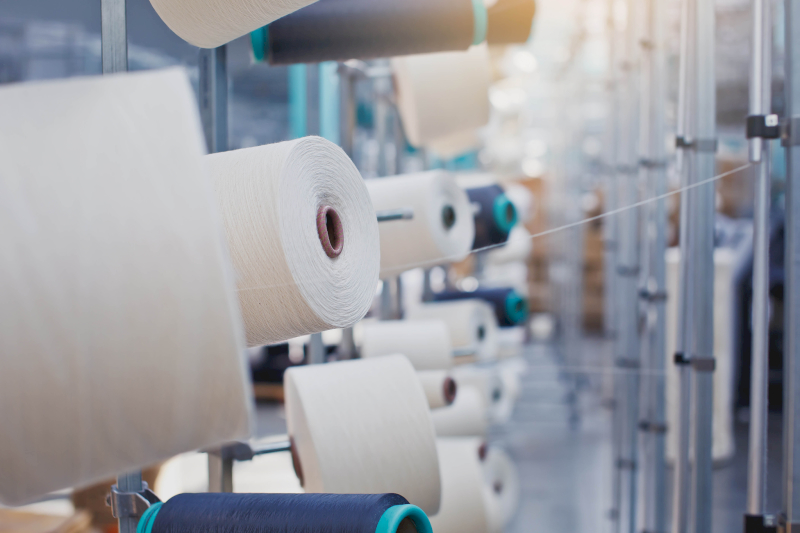
- Spinning and Finishing: The fibers are wound onto bobbins and spun into yarn. Finally, the yarn is knitted or woven into fabric, and may be dyed, heat-treated, or treated for water resistance.
3. Key Benefits of Nylon Fabric
Nylon fabric is not just lightweight, it offers a range of benefits that make it one of the most versatile and widely used materials in fashion, sportswear, and industrial products. Here are the key advantages that set nylon apart:
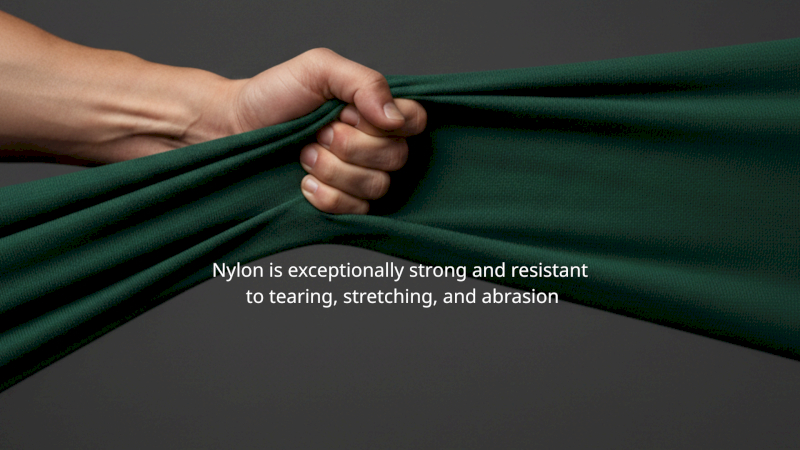
- Durability and Strength: Nylon is exceptionally strong and resistant to tearing, stretching, and abrasion. This makes it ideal for garments and gear that face heavy use, such as jackets and activewear. Its durability ensures that products last longer, even with frequent wear or washing.
- Lightweight and Comfortable: Despite its strength, nylon is lightweight and smooth, making it comfortable to wear. It drapes well over the body and doesn’t feel bulky, which is why it’s often used in outerwear and sports clothing. Its lightness also makes it perfect for travel-friendly fabrics.
- Elasticity and Shape Retention: Nylon fibers can stretch and return to their original shape without losing strength. This elasticity allows clothing to move with the wearer, providing flexibility and freedom of movement. It also helps garments maintain their shape over time, avoiding sagging or deformation.
- Quick-Drying and Moisture Resistant: Nylon absorbs very little water and dries quickly, making it ideal for activewear and outdoor gear. This feature helps keep the wearer comfortable during exercise or in wet conditions. Additionally, it resists mold and mildew, making it suitable for humid environments.
- Easy Care and Low Maintenance: Nylon fabrics are easy to clean and resist wrinkles, shrinking, and fading. They can often be machine-washed and require minimal ironing. This makes nylon a practical choice for everyday wear and high-performance garments.
4. Common Types of Nylon Fabric
Nylon comes in many different types, each designed for specific purposes and performance needs. From high-strength sportswear to soft, everyday fabrics, here are the most common types of nylon you’ll encounter:
- Nylon 6,6 – The Performance King: This is the “gold standard” for high-performance activewear. It’s extremely durable, heat-resistant, and has excellent elasticity. Leggings or compression wear with a smooth, sleek finish are often made from Nylon 6,6.
- Supplex® Nylon – The Cotton-Feel: Supplex combines the strength and stretch of nylon with a soft, breathable texture like cotton. It’s perfect for those who want comfort without sacrificing durability. Ideal for soft-touch tops and pants that resist sagging or pilling.
- Tactel® Nylon – The Lightweight: Known for being ultra-light and silky, Tactel dries up to 8 times faster than cotton. It’s commonly used in linings, sports underwear, and lightweight running shirts. The fabric feels gentle and comfortable directly against the skin.
- Ripstop Nylon – The Tough Shield: Recognizable by its small square pattern, Ripstop nylon has reinforced threads woven in to prevent tears from spreading. It doesn’t stretch like leggings but is extremely durable. Popular for windbreakers, running shorts, and outdoor gear.
- Econyl® – The Sustainable Nylon: Made entirely from recycled materials such as ocean waste and old carpets, Econyl offers the same performance as regular nylon. It’s strong, versatile, and eco-friendly, making it a top choice for sustainable fashion and conscious brands.
While exploring these nylon varieties, you might also find it insightful to delve into What is Pique Fabric? A Complete Guide to Its Benefits, and Applications in Fashion to broaden your textile knowledge.
5. Common Applications of Nylon in the Fashion Industry
Nylon is widely used across different fashion categories thanks to its durability, flexibility, and lightweight performance. Depending on the product’s function, nylon may be used alone or blended with other fibers to enhance stretch, comfort, and wearability.
Thanks to its durability, stretch, and lightweight performance, nylon is widely used across many fashion categories. Depending on the product function, it can be used on its own or blended with other fibers to achieve the right balance of comfort and performance.
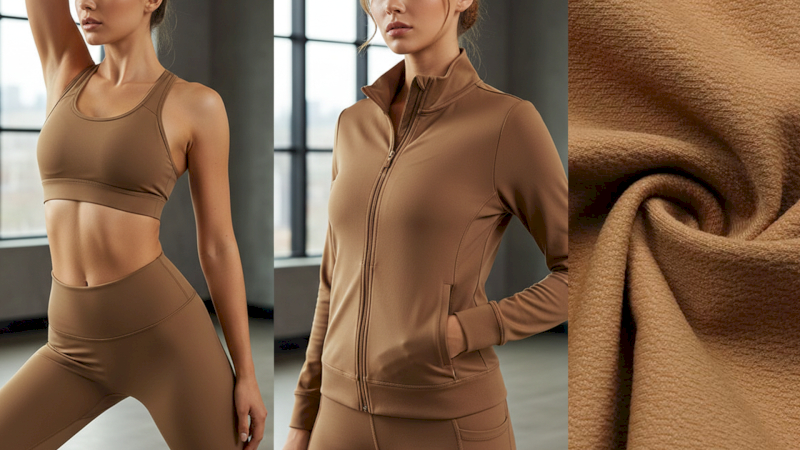
- Activewear & Sportswear: Common items include leggings, sports bras, compression tops, and cycling shorts. Nylon is almost always blended with spandex, typically 70-85% nylon and 15-30% spandex. Nylon provides strength and moisture resistance, while spandex adds stretch, recovery, and compression for active movement.
- Underwear & Intimates: Nylon is widely used for briefs, bras, seamless underwear, and shapewear. Fabrics usually contain 80-90% nylon blended with 10-20% spandex for a smooth, soft, and flexible feel. This blend ensures close-to-body comfort without losing shape.
- Swimwear: Typical products include bikinis, one-piece swimsuits, and rash guards. Nylon is commonly blended with spandex at 75-85% nylon and 15-25% spandex. This combination offers stretch, quick drying, and good shape retention in water.
- Outerwear: Nylon is used in windbreakers, lightweight jackets, and outer shells. It is often 100% nylon or blended with polyester for added structure. The fabric is valued for being lightweight, wind-resistant, and suitable for water-repellent finishes.
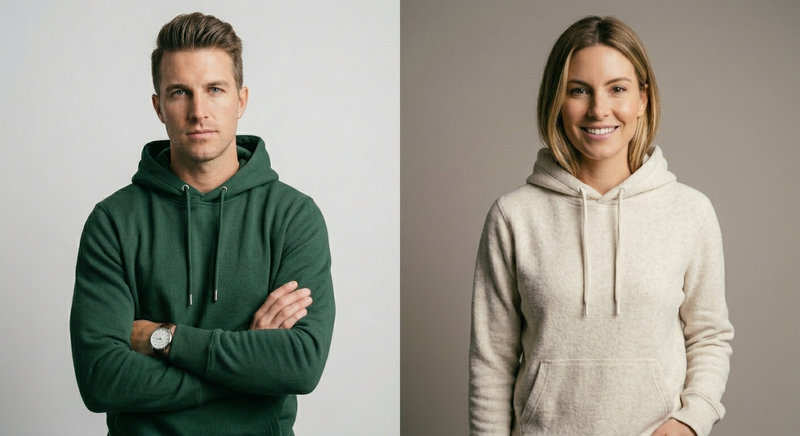
- Athleisure & Lifestyle Apparel: Common items include joggers, casual tops, hoodies, and travel wear. Fabrics typically use 60-80% nylon blended with spandex or polyester. Nylon adds durability and a clean look, while blended fibers improve comfort and everyday wearability. Brands developing nylon-blend hoodies can benefit from partnering with an experienced hoodie manufacturer who understands how to balance stretch, durability, and comfort in athleisure fabrics.
Because nylon is widely used in performance apparel such as sports bras, compression tops, cycling shorts, and leggings, selecting a manufacturer with experience in technical fabrics is essential. Explore our lists of trusted athletic clothing manufacturers and legging manufacturer options to find suitable production partners for your activewear collection.
6. Key Considerations When Producing Nylon Garments
When producing nylon garments, there are several important factors to keep in mind to ensure quality, comfort, and durability. From heat sensitivity to elasticity and finishing, understanding these key considerations can help prevent common issues and deliver the best-performing nylon products:
- Heat Sensitivity: Nylon is very sensitive to heat and can warp or develop shiny spots if exposed to high temperatures. When applying heat transfers or ironing, keep the temperature carefully controlled (usually below 150°C). Excessive heat can permanently damage the fibers or leave unsightly marks.
- Dye Migration & Color Fastness: Nylon holds color well but can pick up dye from other fabrics during washing or storage. Always test color fastness, especially when combining contrasting colors like black and white, to prevent color bleeding.
- Spandex Ratio: For activewear, nylon is often blended with spandex for stretch and compression. The ideal mix is usually 75-80% nylon and 20-25% spandex. Too little spandex reduces elasticity and comfort, while too much can make the fabric lose shape after a few washes.
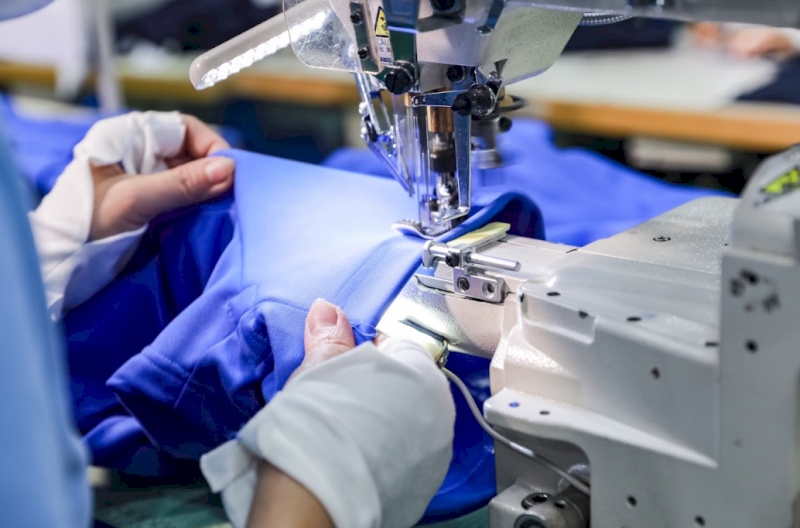
- Seam Construction: Stretchy nylon requires special sewing techniques to prevent seams from breaking during movement. Flatlock or ActiveSeam stitching is recommended, as it stretches with the fabric and lays flat against the skin, avoiding irritation.
- Static Electricity: Nylon tends to generate static, especially in dry conditions, causing fabric to cling to the body or attract dust. Applying an anti-static finish during manufacturing helps the garment drape naturally and feel comfortable against the skin.
7. Thygesen Textile Vietnam: Your Trusted Partner in Nylon Fabric Sourcing & Garment Manufacturing
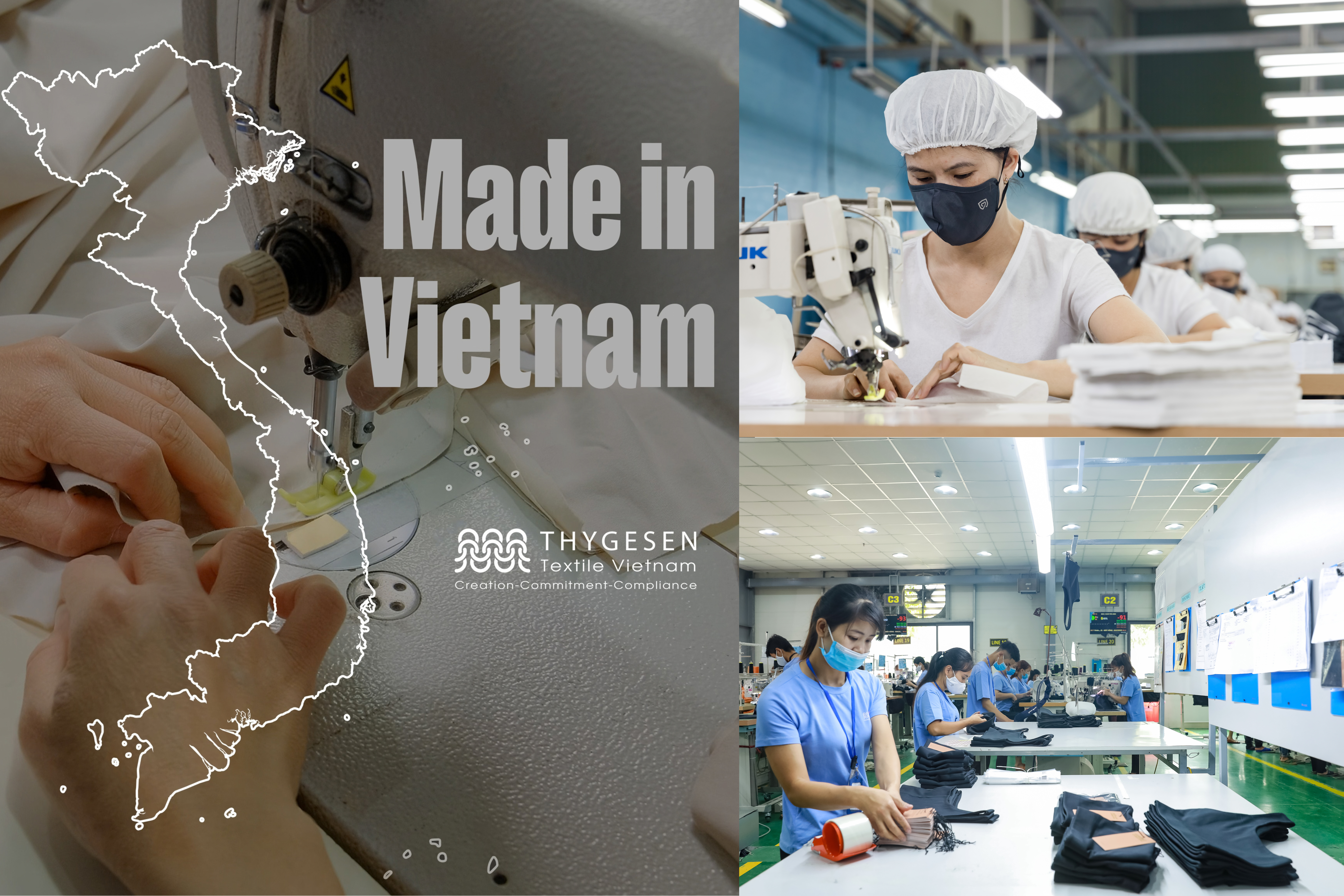
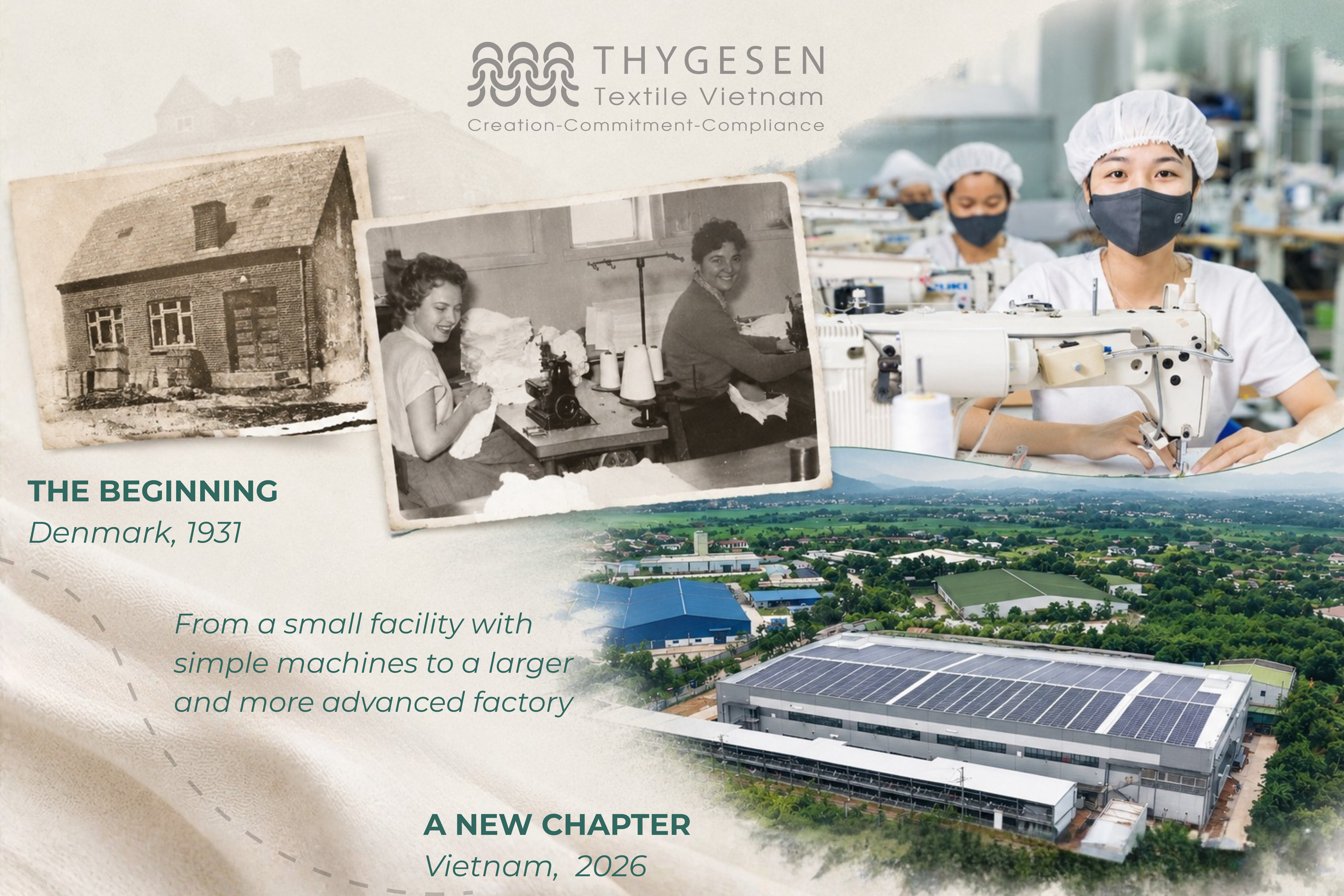
Thygesen Textile Vietnam is an ethical apparel manufacturing partner, delivering high-standard and sustainable textile solutions that consistently meet strict quality and environmental requirements. With over 90 years of experience in the textile industry, we have partnered with leading global brands such as Tommy Hilfiger, DKNY, Calvin Klein, Fjällräven, Girlfriend Collective, Ninepine, and Boody.
We manufacture a wide range of garments made from nylon and recycled nylon, including activewear, leggings, sports bras, swimwear, underwear, outerwear, and athleisure apparel. With extensive hands-on experience in working with nylon-based fabrics, we understand how to optimize design, fabric selection, pattern engineering, and finishing processes. From prototype development to bulk production, we support brands in achieving the best results in fit, performance, durability, and scalable manufacturing efficiency.
Beyond cutting and sewing, Thygesen provides full-package manufacturing services, including fabric sourcing from our trusted suppliers in Vietnam and key global markets such as China, Taiwan, Japan, India, and the EU. Upon request, we can also source fabrics with required certifications such as: GRS, OEKO-TEX® Standard 100 to meet brand-specific sustainability and compliance standards.
In conclusion, nylon fabric stands out for its durability, flexibility, and versatility, making it a key material across activewear, swimwear, underwear, outerwear, and everyday apparel. As a trusted nylon clothing manufacturer, Thygesen Textile Vietnam brings decades of expertise supporting brands from every step. Contact us at sale@thygesen.com.vn or visit thygesenapparel.com to explore collaboration opportunities.