

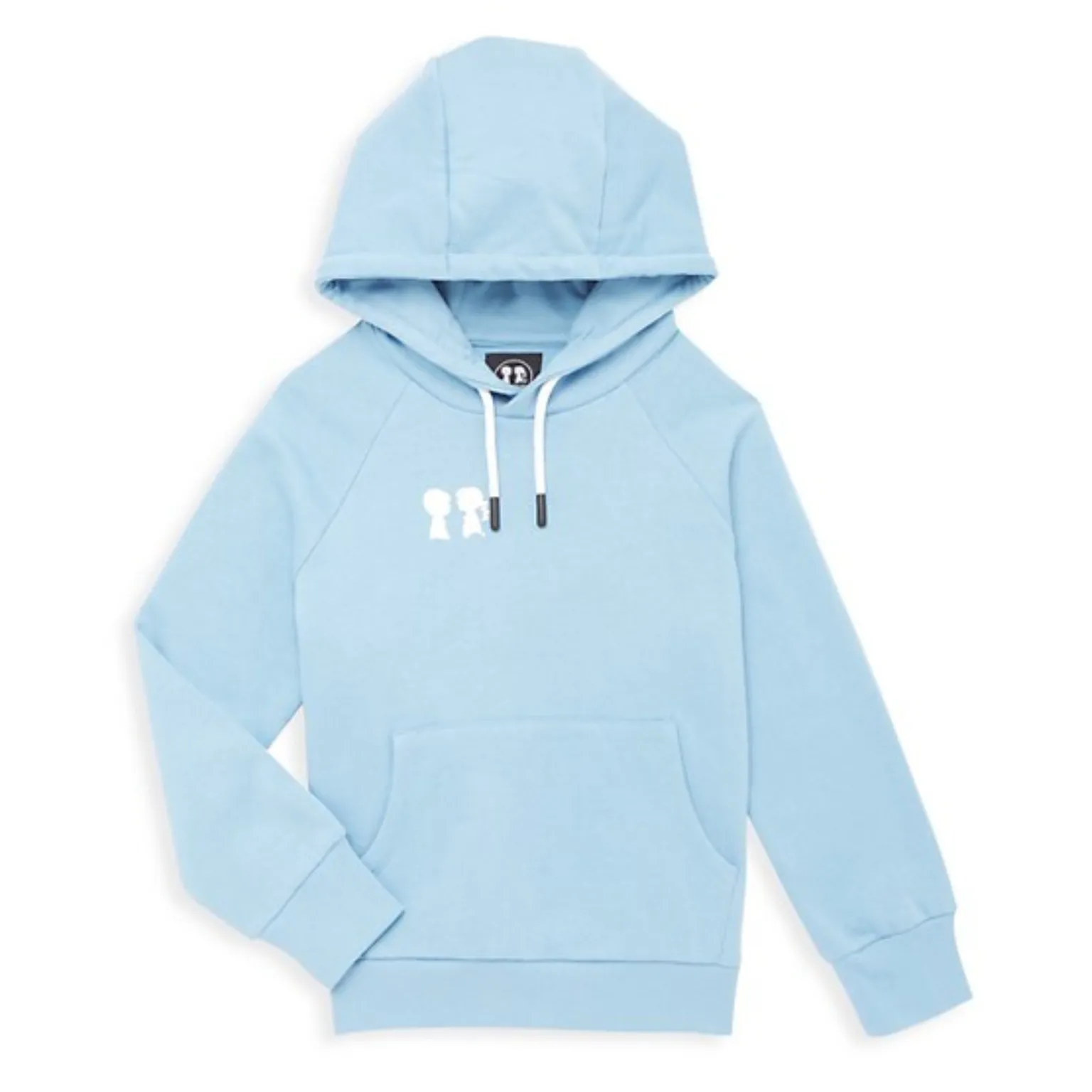
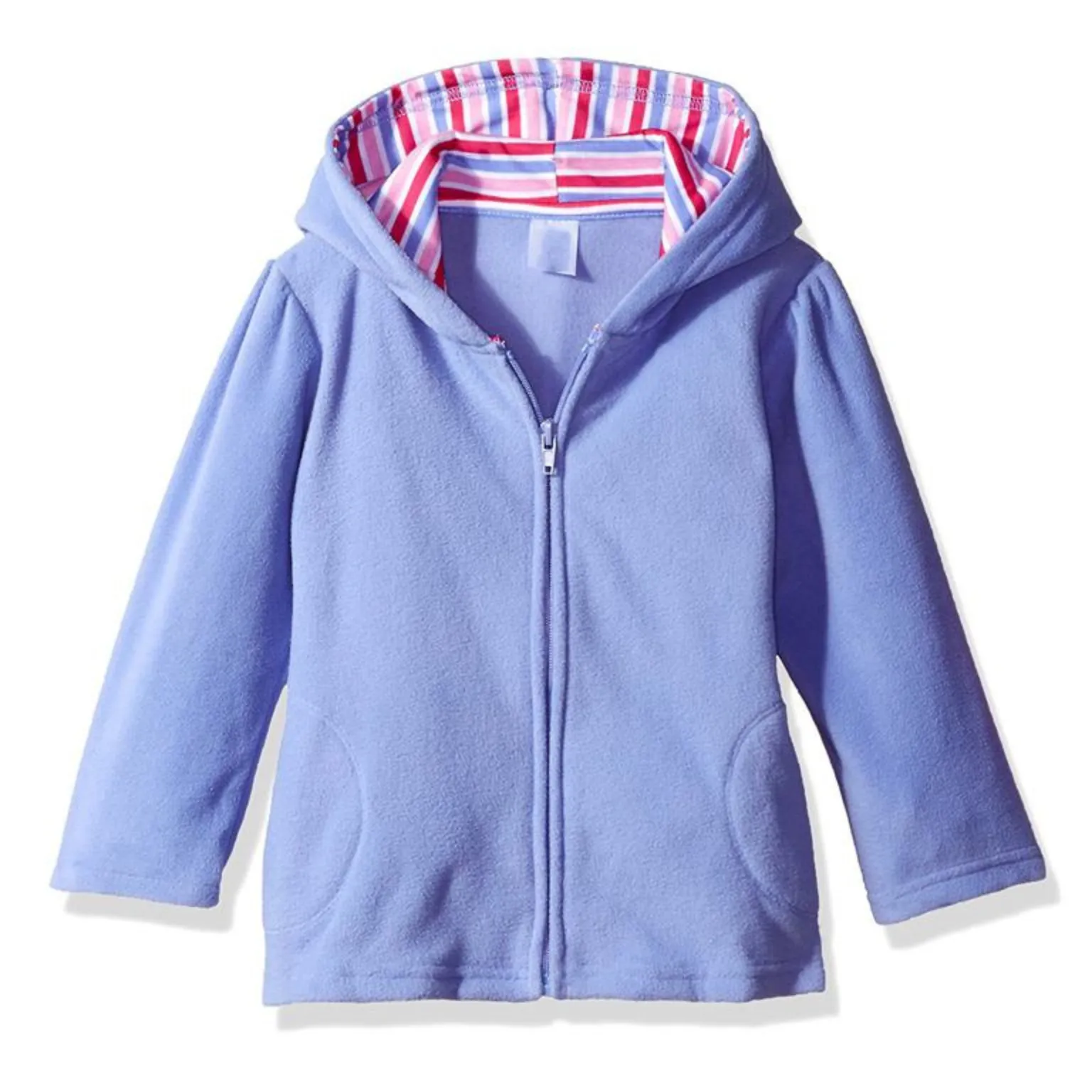
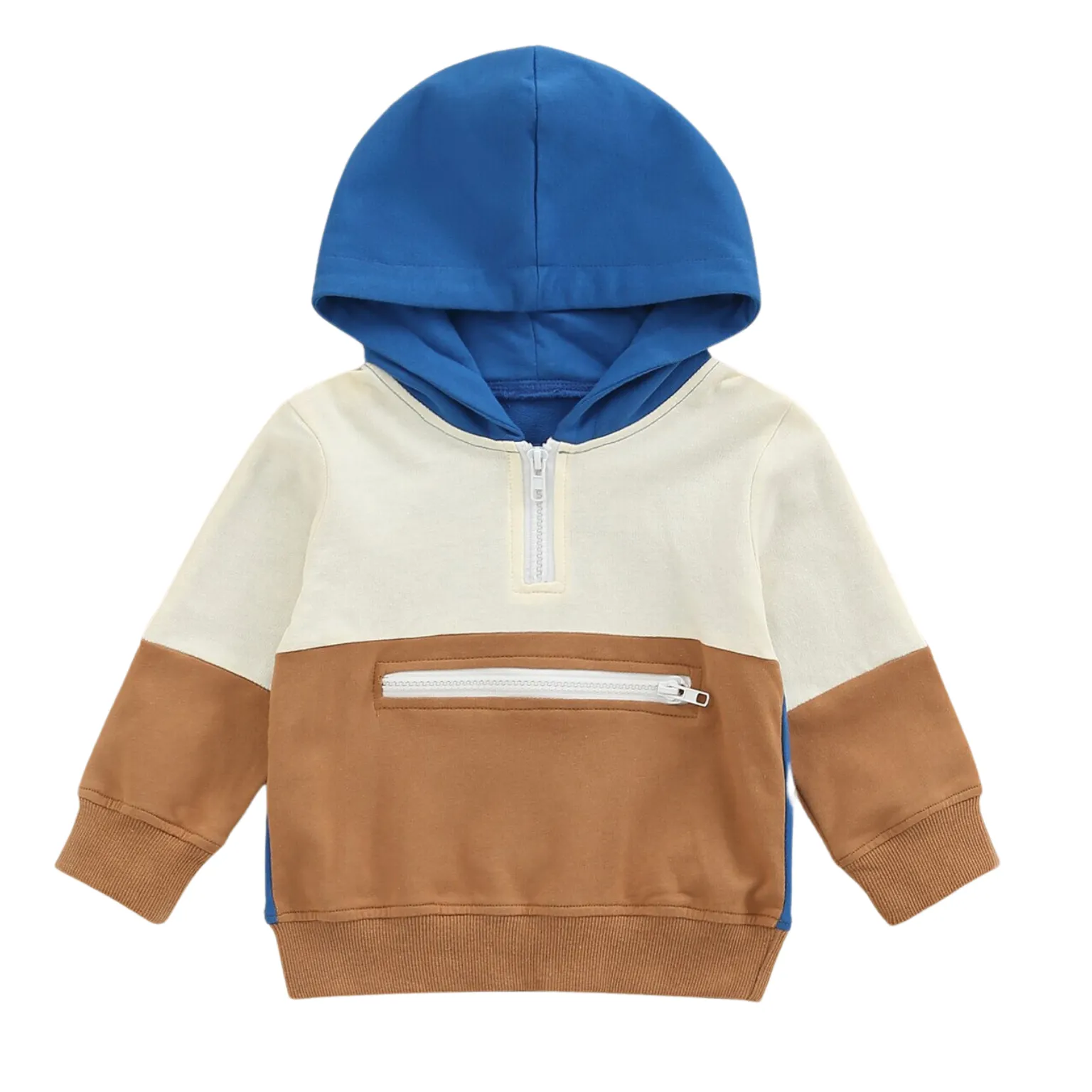
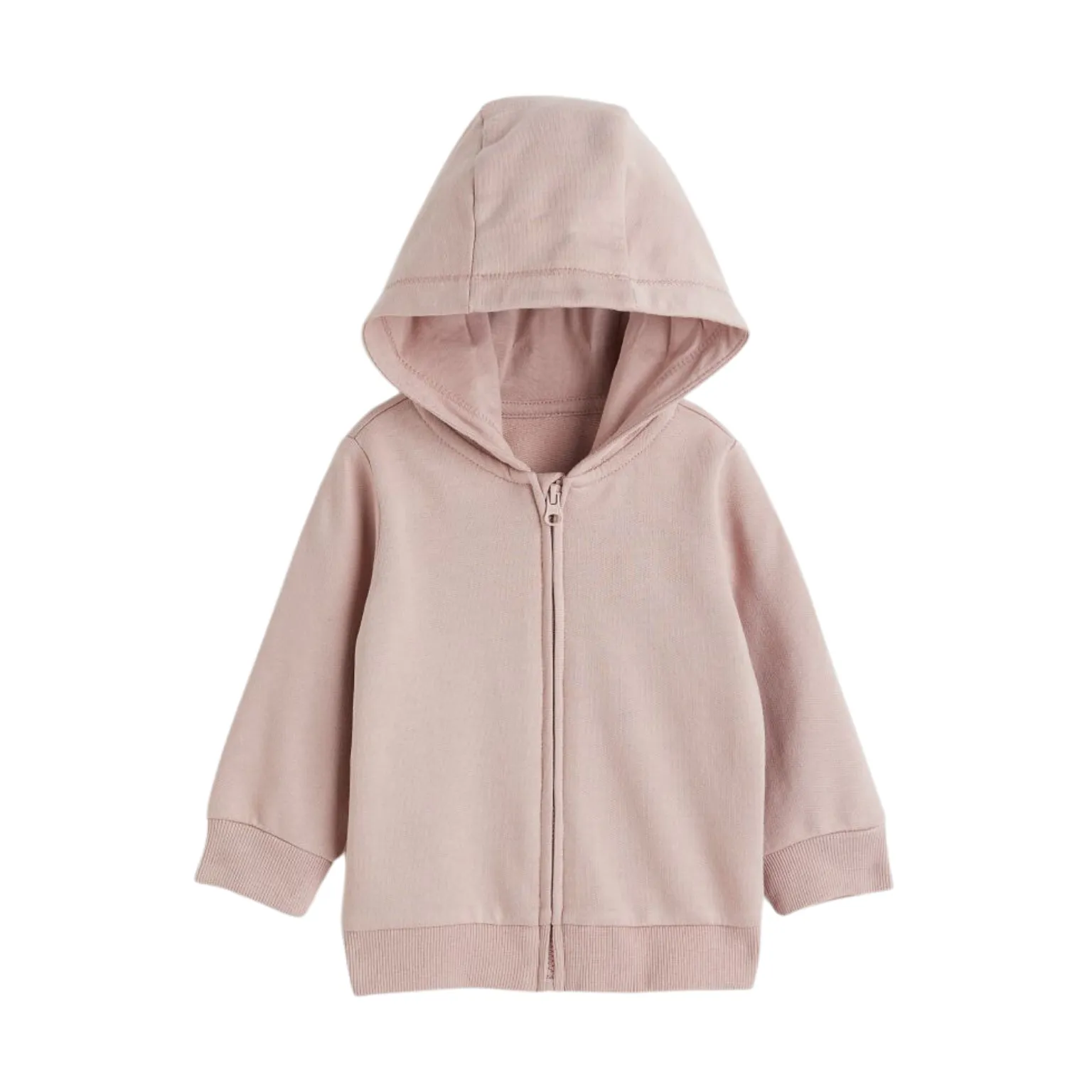
In this guide, we share insights from our experience in the clothing industry, covering popular fabric choices, production processes, and sourcing strategies to help you create high-quality, safe, and stylish kids hoodies.
1. Common Fabrics Used in Kids Hoodie Manufacturing
Fabric choice directly affects comfort, warmth, safety, and wash durability. Because kids’ hoodies are worn frequently and washed often, fabric stability is critical.
1.1 Cotton & Cotton Fleece
Why it’s used: Cotton and cotton fleece are considered the “gold standard” for kids’ hoodies because they are exceptionally soft, breathable, and gentle on sensitive skin. Fleece provides a brushed, plush interior that traps warmth without adding excessive weight, keeping children cozy in cooler weather.
Features:
- Soft and hypoallergenic, ideal for sensitive skin
- Breathable and moisture-absorbent, helping regulate body temperature
- Brushed interior (fleece) enhances warmth and comfort
Blends:
- Sometimes blended with polyester for durability and shape retention
- Common ratios: 80% cotton/ 20% polyester or 70% cotton/ 30% polyester
1.2 Cotton/Polyester Blends
Why it’s used: Blending cotton with polyester combines the comfort of natural fibers with the strength and easy-care benefits of synthetics. This makes hoodies suitable for everyday wear, especially for active children who need clothing that can withstand frequent washing and rough use.
Features:
- Reduced shrinkage compared to pure cotton
- Quick-drying and wrinkle-resistant
- Maintains shape and color even after multiple washes
Blends:
- Popular blends include 60% cotton/ 40% polyester, which provides a soft, breathable feel while improving durability and minimizing shrinkage.
- Another common ratio is 80% cotton/ 20% polyester, prioritizing cotton’s natural softness while still benefiting from polyester’s wrinkle resistance and color retention.
- These blends allow manufacturers to balance comfort and longevity, ensuring kids’ hoodies remain cozy and wearable for longer.
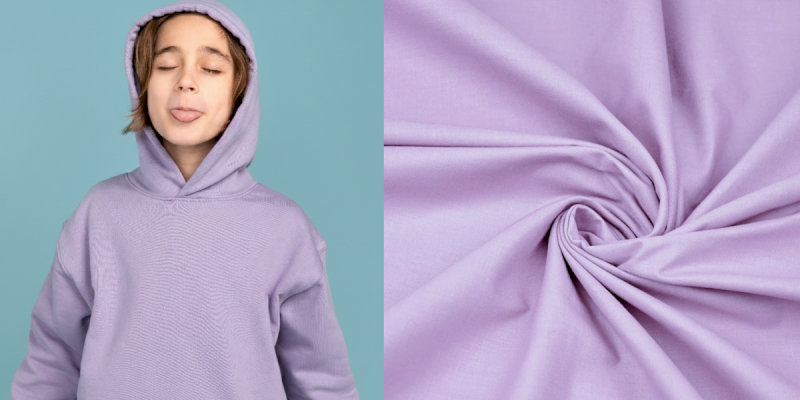
1.3 Fleece Fabrics
Why it’s used: French terry is a versatile option with a smooth outer surface and looped inner texture, offering moderate warmth without being too heavy. It’s ideal for transitional seasons or for hoodies that can be layered under jackets.
Features:
- Medium weight, lightweight enough for year-round use
- Soft, absorbent loops keep kids comfortable during mild activity
- Durable and retains shape after repeated washes
Blends:
- Typically, French terry is 100% cotton for natural softness, especially in casual hoodies.
- For added durability and easier maintenance, it can be blended with polyester, for instance 85% cotton/ 15% polyester, which enhances color retention, reduces shrinkage, and allows the hoodie to hold its shape without compromising the soft feel of cotton.
- These blends are particularly useful for kids’ activewear, ensuring long-lasting comfort and performance
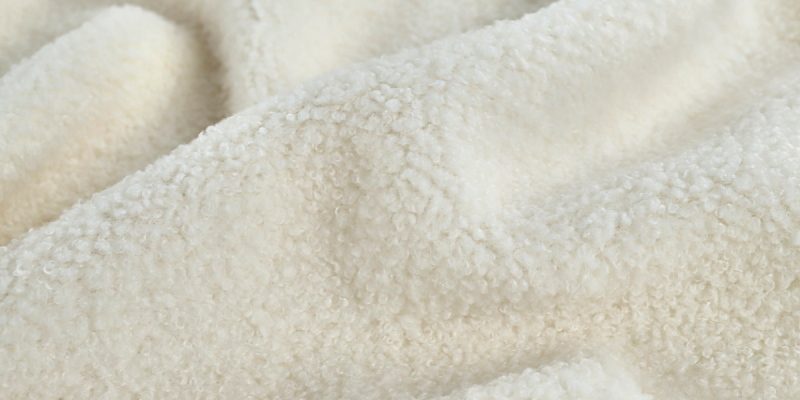
1.4. Polyester & Performance Fabrics
Why it’s used: Polyester or technical performance fabrics are common for athletic or outdoor hoodies. They are strong, lightweight, and resistant to shrinking and fading, making them ideal for kids’ hoodies that need to endure frequent use.
Features:
- Lightweight and warm without bulk
- Moisture-wicking and quick-drying
- Excellent color retention and resistance to wear
Blends:
- Polyester is often blended with cotton to improve softness while retaining durability, e.g., 65% polyester/ 35% cotton. This provides a smooth hand-feel without sacrificing strength or wash performance.
- For performance-focused hoodies, pure 100% polyester may be used to maximize color retention, moisture-wicking ability, and resistance to stretching or shrinking.
- These blends or pure polyester fabrics are ideal for sporty kids’ hoodies where durability and performance are priorities.
1.5. Organic & Sustainable Fabrics
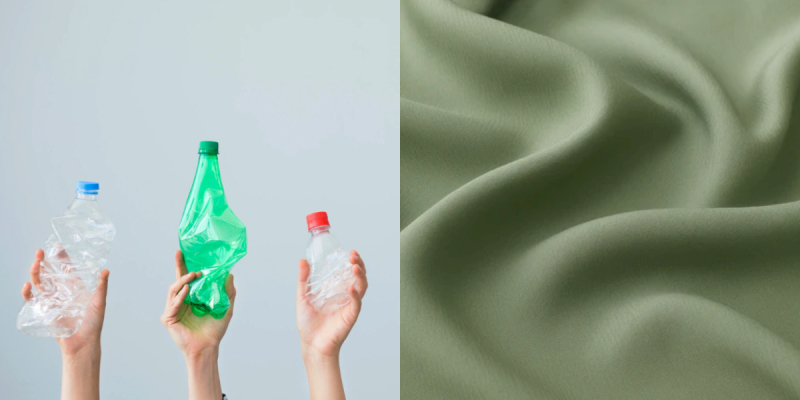
Why it’s used: Eco-friendly options like organic cotton and recycled polyester (rPET) are increasingly popular for children’s clothing. Parents and brands look for materials that are safe for sensitive skin and have a lower environmental impact.
Features:
- Organic cotton is grown without harmful chemicals, soft, breathable, and hypoallergenic
- Recycled polyester (rPET) repurposes plastic waste into durable fibers, maintaining softness and performance
- Both options meet sustainability goals without compromising on comfort or longevity
Blends:
- Organic cotton hoodies are often made 90-100% organic cotton for maximum softness and safety.
- rPET is commonly blended with cotton, e.g., 60-70% rPET / 30-40% cotton, to balance eco-consciousness with softness and wearability.
- These blends combine the performance and durability of recycled fibers with the comfort and natural feel of cotton, creating hoodies that are both child-friendly and environmentally responsible.
2. Safety & Compliance in Kids Hoodie Production
Safety is non-negotiable in children’s apparel. Here are 5 concise and high-value points regarding safety & compliance in kids’ hoodie production:
- No Neck Drawstrings: To prevent strangulation risks, professional manufacturers avoid drawstrings in the hood or neck area for children under 12. Instead, they use elasticized openings or snap buttons that comply with global safety standards like CPSC or CEN.
- Small Parts & Choking Hazards: All attachments such as buttons, zipper pulls, and decorative sequins must undergo rigorous “pull tests” to ensure they won’t snap off. A single loose bead can become a fatal choking hazard for a curious toddler.
- Chemical-Free Fabrics: Kids have sensitive skin, so fabrics must be tested for harmful substances like Lead, Phthalates, and Formaldehyde. Partnering with a factory that provides OEKO-TEX Standard 100 certification ensures the dye and prints are non-toxic.
- Needle Detection Protocols: Leading factories use 100% metal detection machines for every finished hoodie. This process ensures no broken needle fragments or metal shards are left hidden within the thick fleece layers, which could cause serious injury.
- Zipper & Edge Safety: Every zipper must include a “zipper garage” (a fabric chin guard) to prevent painful skin pinches. Additionally, all hardware must be nickel-free and have rounded edges to ensure zero irritation or scratches during active play.
3. Construction & Stitching Durability
High-quality kids’ hoodies must withstand constant movement and frequent washing, making reinforced stitching a top priority. A professional manufacturer will utilize four-needle six-thread (Flatlock) or overlock stitching with safety backups to prevent seams from unraveling under tension.
Critical stress points, such as the armholes, pocket corners, and necklines, should be reinforced with “bar-tack” stitching or stay-tapes to ensure the garment maintains its structural integrity throughout the child’s active daily play.
Beyond basic assembly, the durability of the trim and finishing defines a premium product. High-density ribbing at the cuffs and waistband is essential to prevent “bagging out” or losing elasticity after multiple laundry cycles.
Furthermore, using high-tensile polyester threads instead of standard cotton threads provides superior resistance to abrasion and chemical degradation from detergents. These construction details not only extend the garment’s lifespan but also ensure it can be passed down as a durable “hand-me-down” item.
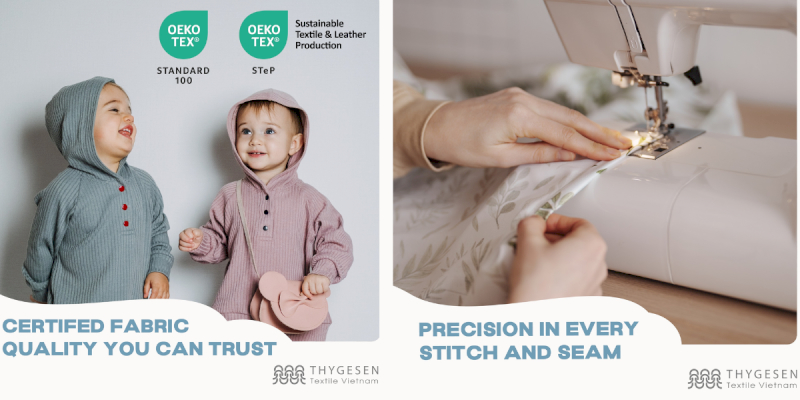
>>> Thygesen stands out among specialized hoodie manufacturers by offering adaptable production capacities, catering to diverse order volumes from emerging brands to established labels. We consistently adheres to stringent international quality and safety standards, providing robust support for brands seeking compliant and sustainable kidswear solutions. This commitment ensures a reliable partnership for scalable custom kids hoodie production.
4. Fit & Pattern Engineering for Kids Hoodies
Designing patterns for kids’ hoodies requires more than just shrinking adult sizes; it demands a deep understanding of child-specific ergonomics. Children have shorter necks, larger heads relative to their bodies, and higher activity levels, so patterns must feature wider neck openings or gussets to ensure the hoodie is easy to pull on and off without distress.
A high-quality manufacturer will use 3D body scanning or standardized growth charts (like ASTM) to engineer “active-fit” patterns that allow for a full range of motion in the arms and shoulders.
Furthermore, precision grading is essential to maintain a consistent silhouette across different age groups, from toddlers to pre-teens. A common mistake is failing to adjust the proportions of the hood and kangaroo pockets, which can become oversized or non-functional if not scaled correctly.
Superior engineering also includes “room-to-grow” features, such as extended ribbed cuffs and side-seam reinforcements, ensuring the garment remains comfortable and durable as the child hits frequent growth spurts
5. Common Types of Kids Hoodies in Production
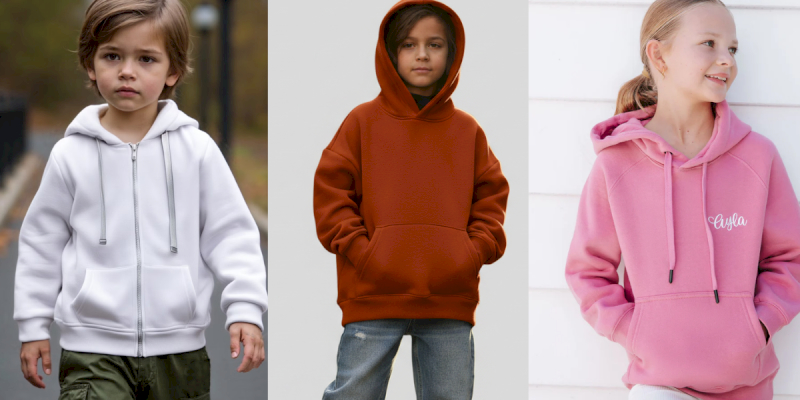
Here are 6 common types of kids’ hoodies currently in mass production, along with their key features:
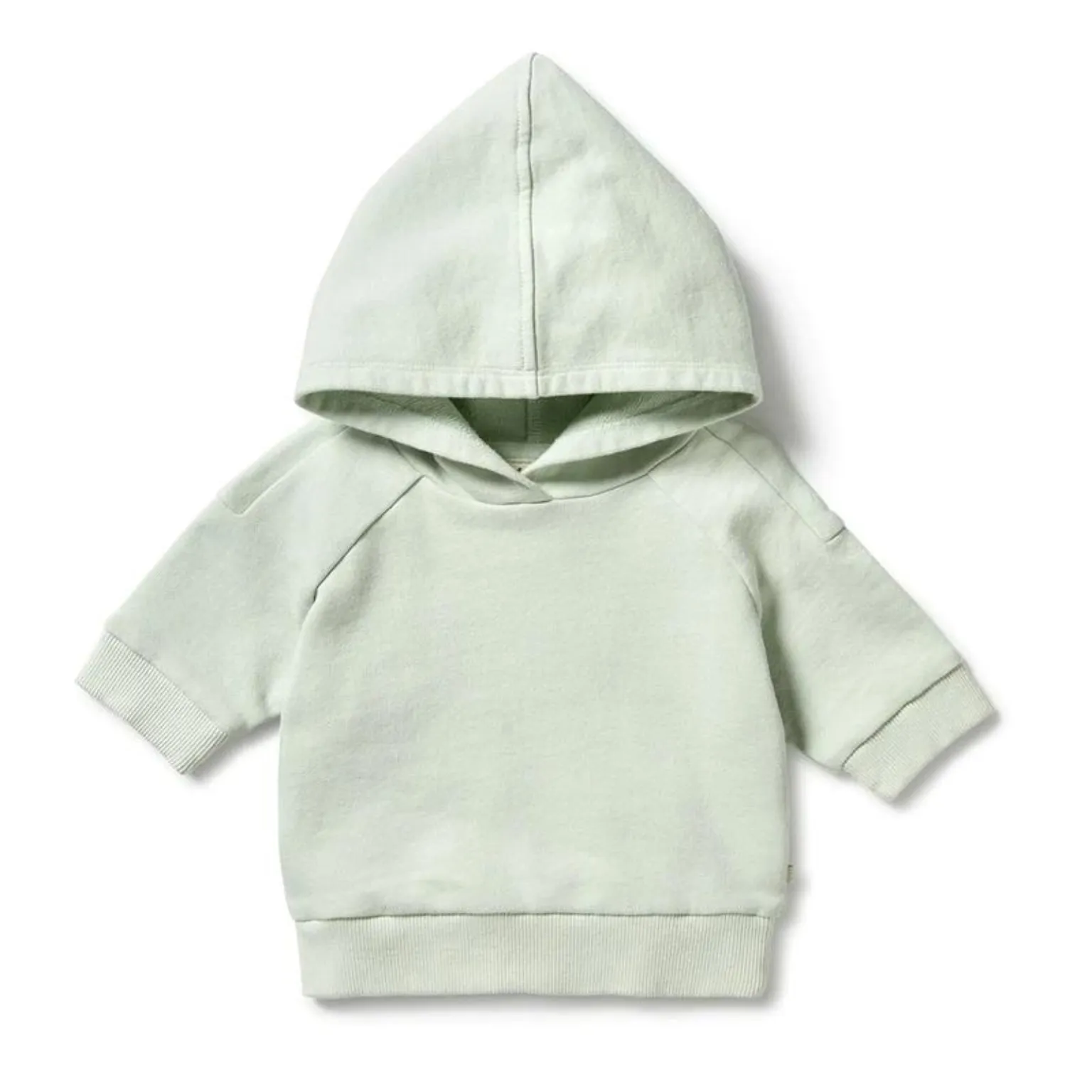
- Classic Pullover Hoodies: These are the industry standard because they are durable, easy to manufacture, and have no zippers to break or scratch. Popular for school-aged kids (5-12 years), they are usually made from Cotton Fleece or French Terry for maximum warmth and comfort.
- Full-Zip Hoodies: Highly popular for toddlers (2-5 years) because the front zipper makes dressing much easier for parents and allows for quick temperature control. These often use Poly-Cotton blends to maintain shape and are perfect for layering during transitional weather.
- Oversized/Drop-Shoulder Hoodies: A huge trend in “Streetwear” for pre-teens (10-14 years) who want a cool, relaxed aesthetic similar to adult fashion. They typically use Heavyweight Brushback Fleece to create a structured, “boxy” look that stays cozy and stylish.
- Raglan Sleeve Hoodies: Common in activewear and sports-themed collections for ages 4-10 because the diagonal seams allow for better arm movement and a sporty look. These are often crafted from Performance Polyester or Spandex-blended fabrics for extra stretch.
- Sherpa-Lined Hoodies: These are “winter essentials” for infants and younger children (0-4 years) due to their exceptional insulation and soft, cloud-like feel. The outer shell is usually Jersey or Flannel, while the inside is lined with Synthetic Sherpa Fur for extra warmth.
- Sublimated Graphic Hoodies: Popular for kids (6-12 years) who love vibrant, all-over prints of cartoons or superheroes that won’t fade or peel. These must be made from 100% Polyester or high-poly blends to ensure the ink bonds perfectly with the fabric fibers.
6. What a Good Kids Hoodie Manufacturer Should Offer
Based on your input and market insights, here are 5 high-value bullets on what a top-tier kids’ hoodie manufacturer should offer to satisfy professional buyers:
- Proactive Fabric R&D & Tech-Driven Comfort: A great partner doesn’t just take orders; they provide expert consultation on high-performance, skin-friendly fabrics like Bamboo, Organic Cotton, and Tencel. They focus on essential “kid-proof” features such as anti-bacterial properties for hygiene, UV protection for outdoor play, and easy-care finishes that withstand frequent industrial washing without losing softness.
- Certified Safety & Global Compliance: Reliability is proven through internationally recognized certifications such as OEKO-TEX Standard 100 for non-toxic dyes and GOTS/GRS for sustainable sourcing. A professional manufacturer ensures every material, from the drawstring-free hoods to the FSC-certified packaging, aligns with strict global safety regulations for children’s apparel.
- Precision Engineering & Structural Durability: Beyond basic sewing, a premium factory emphasizes precision in every stitch, utilizing smooth, irritation-free seams that won’t chaf sensitive skin. They guarantee structural integrity through reinforced stress points and high-quality trims that remain securely attached, ensuring the garment is durable enough to be a “hand-me-down.”
- Strict Needle Detection & Metal-Free Guarantee: Safety is non-negotiable, so a top manufacturer must implement a 100% needle detection protocol using advanced conveyor sensors. This rigorous QC step ensures that no broken needle fragments or microscopic metal shards are ever left embedded in the fabric, providing absolute peace of mind for parents and brands.
- Sustainable & Ethical Supply Chain: Modern buyers look for transparency, so a good partner offers a fully traceable supply chain with FSC, OCS, and GRS certifications. By offering recycled polyester and organic fibers, they help your brand meet the growing consumer demand for “conscious fashion” while maintaining the high aesthetic standards of premium streetwear.
In conclusion, producing high-quality kids hoodies requires careful attention to fabrics, blends, safety standards, fit, and construction. Partner with Thygesen Textile Vietnam for expert kids hoodie manufacturing from fabric selection to production ensuring safe, durable, and stylish hoodies. Don’t hesitate to contact us at sale@thygesen.com.vn for your inquiries.