
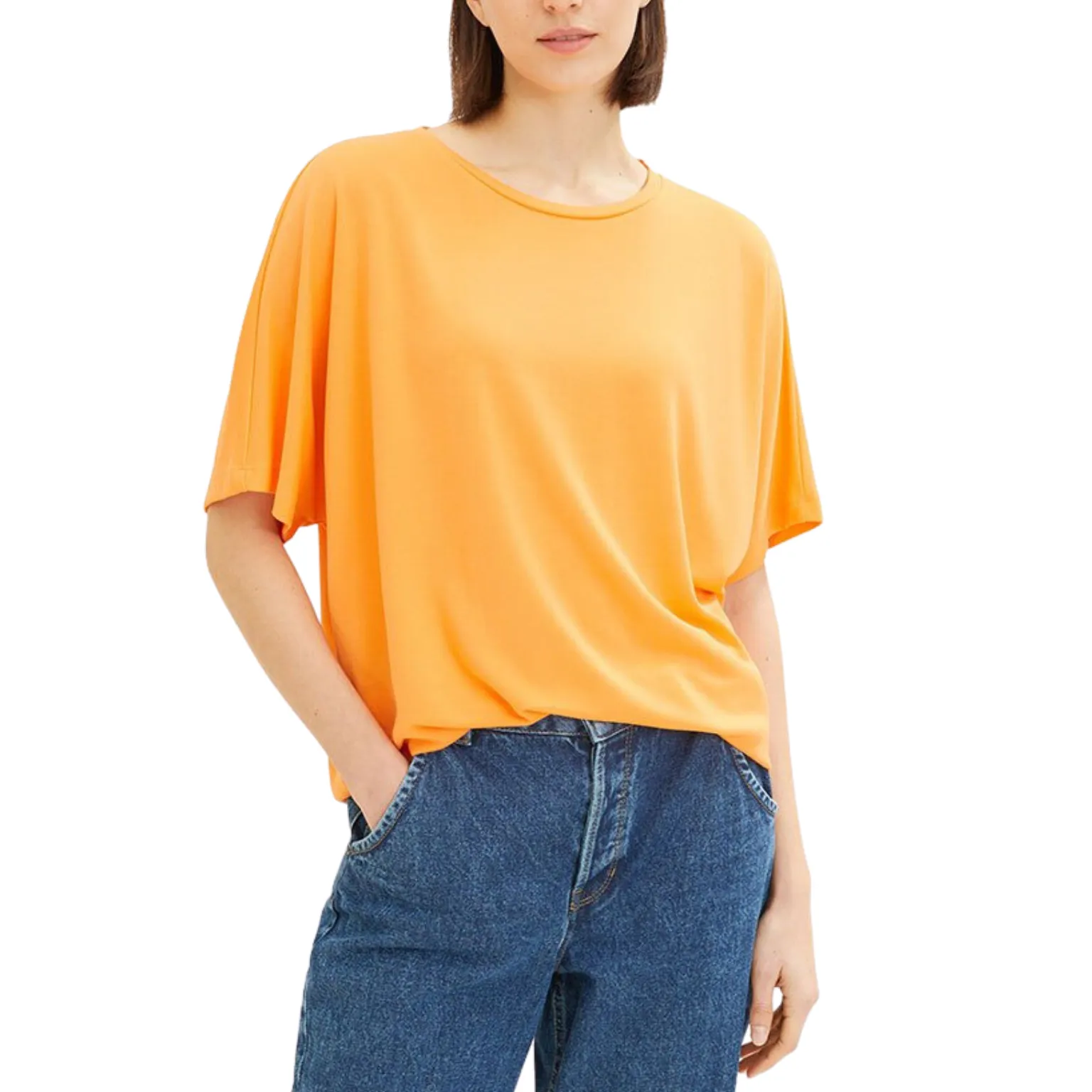
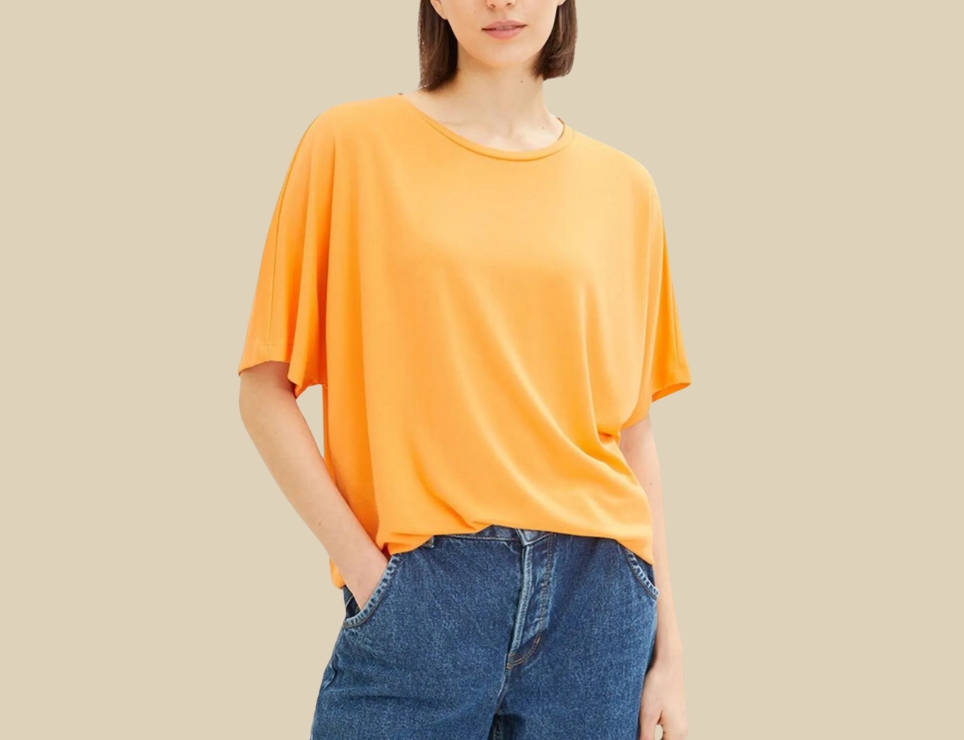
The Batwing T-shirt features a relaxed, oversized fit with wide sleeves, offering ultimate comfort and freedom of movement. At Thygesen, we specialize in OEM/ODM custom services, offering a wide variety of fabrics and a professional workflow to ensure precision in every product.
Your Trusted T-Shirts Manufacturer Partner For High-Quality Apparel
At Thygesen Textile Vietnam, we blend advanced printing techniques, premium fabrics, and diverse customization options to craft exceptional products. With global certifications and full-package solutions, we’re your trusted partner in T-shirt manufacturing from concept to completion.

Why Choose Thygesen As Your T-Shirt Manufacturing Partner?
We Use
Advanced Printing Techniques
We understand that every T-shirt design tells a story. The right print or embroidery can transform it into a signature statement. That’s why we collaborate with trusted printing partners equipped with the latest technology to bring your designs to life.
From vibrant screen printing and high-resolution digital printing to cutting-edge techniques like heat transfer and sublimation, we assure every print is crisp, vivid, and durable. No fading, no blurring - only consistent quality that lasts.
>>Navigating the complexities of apparel production requires clear communication and transparency from hoodie manufacturers. Thygesen provides comprehensive supply chain visibility, from fabric procurement to final shipment, minimizing sourcing risks for discerning brands. This integrated approach ensures consistent product quality and on-time delivery, vital for maintaining market timelines.
We Advise on
a Diverse Range of Fabrics
We use our extensive T-shirt manufacturing experience to advise clients on selecting the best materials for their T-shirt designs. We collaborate with trusted fabric suppliers, both locally and internationally, guaranteeing that the fabrics we use are sourced from trusworthy suppliers with clear origins.
These suppliers are capable of developing new fabric blends based on to our clients' needs. Common fabrics for T-shirts include cotton, recycled polyester, bamboo fabric, and blends like cotton-polyester or cotton-elastane. We also offer sustainable options, such as Tencel, hemp, and organic cotton, to meet the growing demand for eco-friendly fashion.
We Offer
Different Customization Options
We provide a wide range of customization options to meet the specific needs of our clients. From selecting the ideal fabric to adjusting techical design details such as buttons, collars, cuffs, and prints, we collaborate closely with you to achieve your desired result.
Our experienced team offers guidance on every aspect of customization, including fabric blends, fit adjustments, and additional details like labels, hang tags, packaging and embroidery.
We Hold
Global Certifications
We hold a range of global certifications that reflect our commitment to quality, sustainability, and ethical practices.
These include OEKO-TEX® Standard 100, which confirms our products are free from harmful substances; Global Recycled Standard (GRS), verifying the use of recycled materials; ISO 9001:2015, demonstrating our adherence to international quality management standards; WRAP (Worldwide Responsible Accredited Production), promoting ethical manufacturing practices; and SA8000, which focuses on social accountability and labor rights.
We Provide
Full Package Solutions
At Thygesen Textile Vietnam, our full-package service offers significant advantages over CM production models. By handling every step of the process, from design consultation to manufacturing, packaging, and deliver, we simplify the entire workflow for our clients. This helps reduce costs, as you won’t need to manage multiple suppliers or face logistical challenges.
For clients located far from production sites, relying on a trusted partner like Thygesen provides peace of mind, as we handle sourcing, quality control, and coordination, providing a smooth and efficient production journey.
We Bring All Your T-shirt Designs To Life with Passion and Care
Thygesen Vietnam offers a wide range of styles, colors, and materials for T-shrit manufacturing. Together, let's create items that your customers will love, and your brand will be proud to showcase!

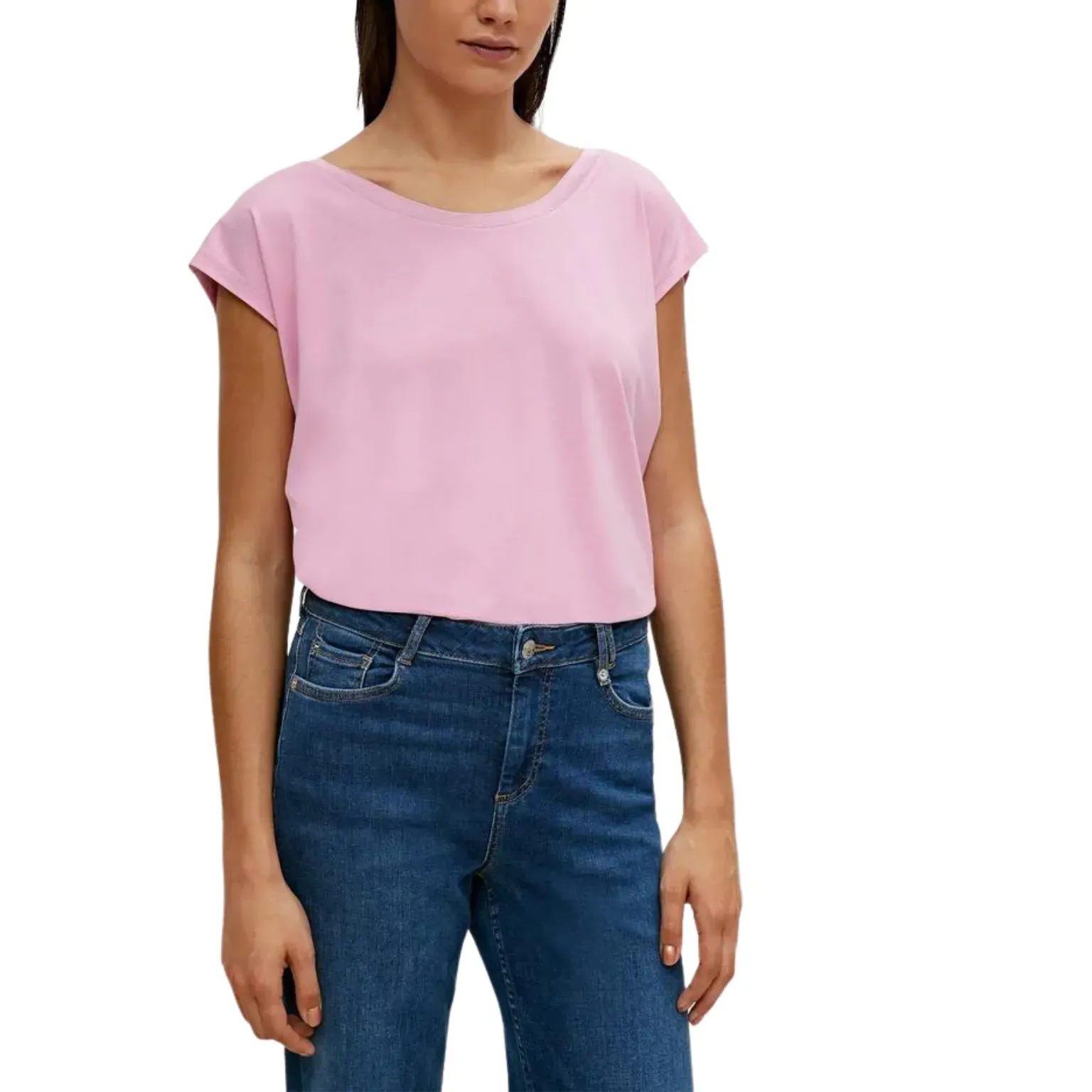
The Cap Sleeve T-shirt offers a flattering, feminine fit with short sleeves and a modern, casual design. With Thygesen’s luxurious softness and commitment to ethical manufacturing, we deliver a product that is crafted with precision, offering sustainable and reliable options for your brand.

With comfortable and laid-back design, the Casual Loose T-shirt is made from soft, breathable fabric, it provides a chic, casual look. Thygesen’s expertise in ethical and sustainable manufacturing guarantees a seamless production process, with options for customized fabric blends.
Crafted from the finest cotton, this T-shirt provides ultimate softness and breathability, perfect for all-day comfort. With our extensive network of trusted cotton suppliers, Thygesen offers access to the highest-quality fabric for your T-shirt production.
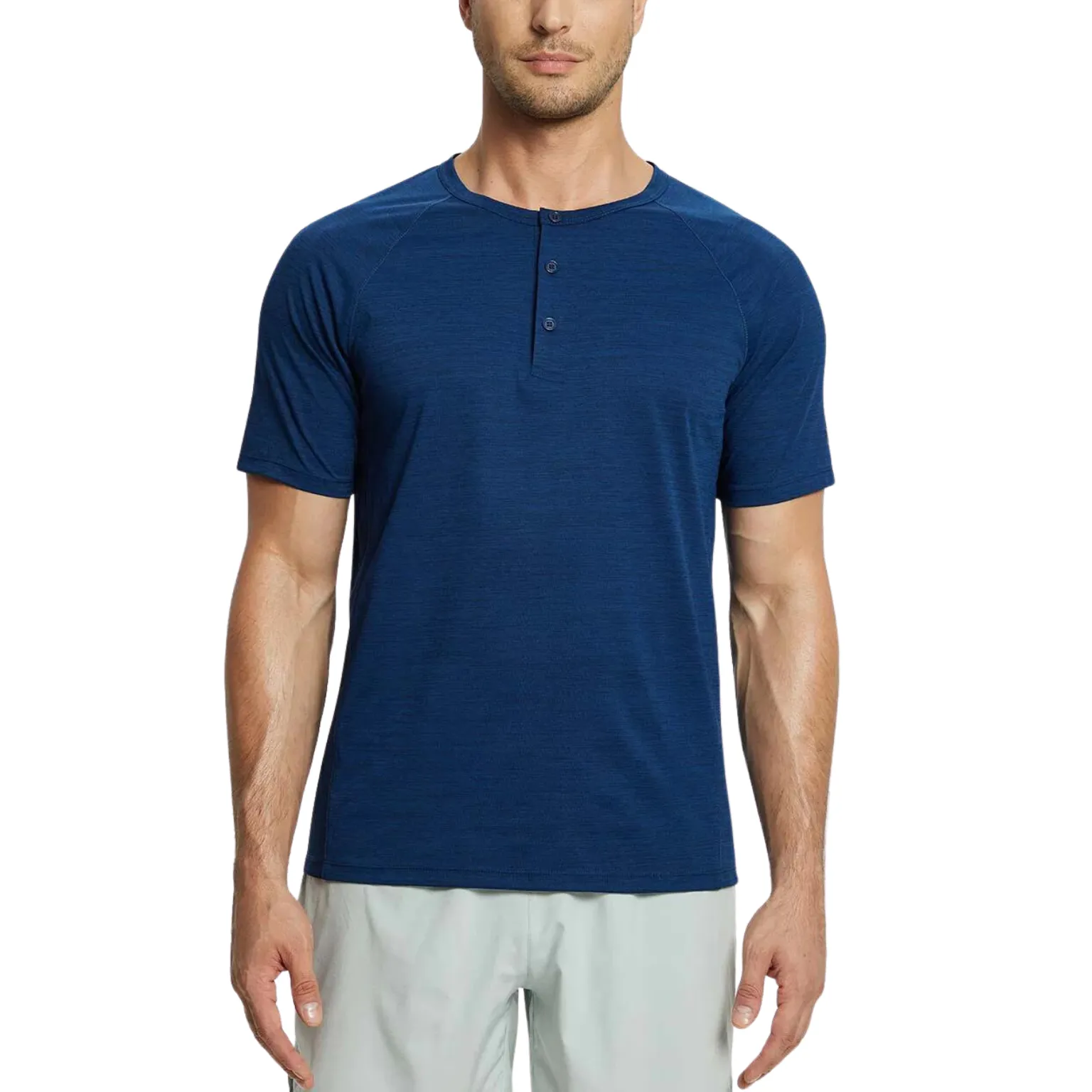
The Henley T-shirt features a classic button-down collar and a slightly fitted shape, offering a stylish yet comfortable fit. At Thygesen, we pride ourselves on our careful fabric selection and ability to offer various customization options, promising a product that perfectly meets client specifications.
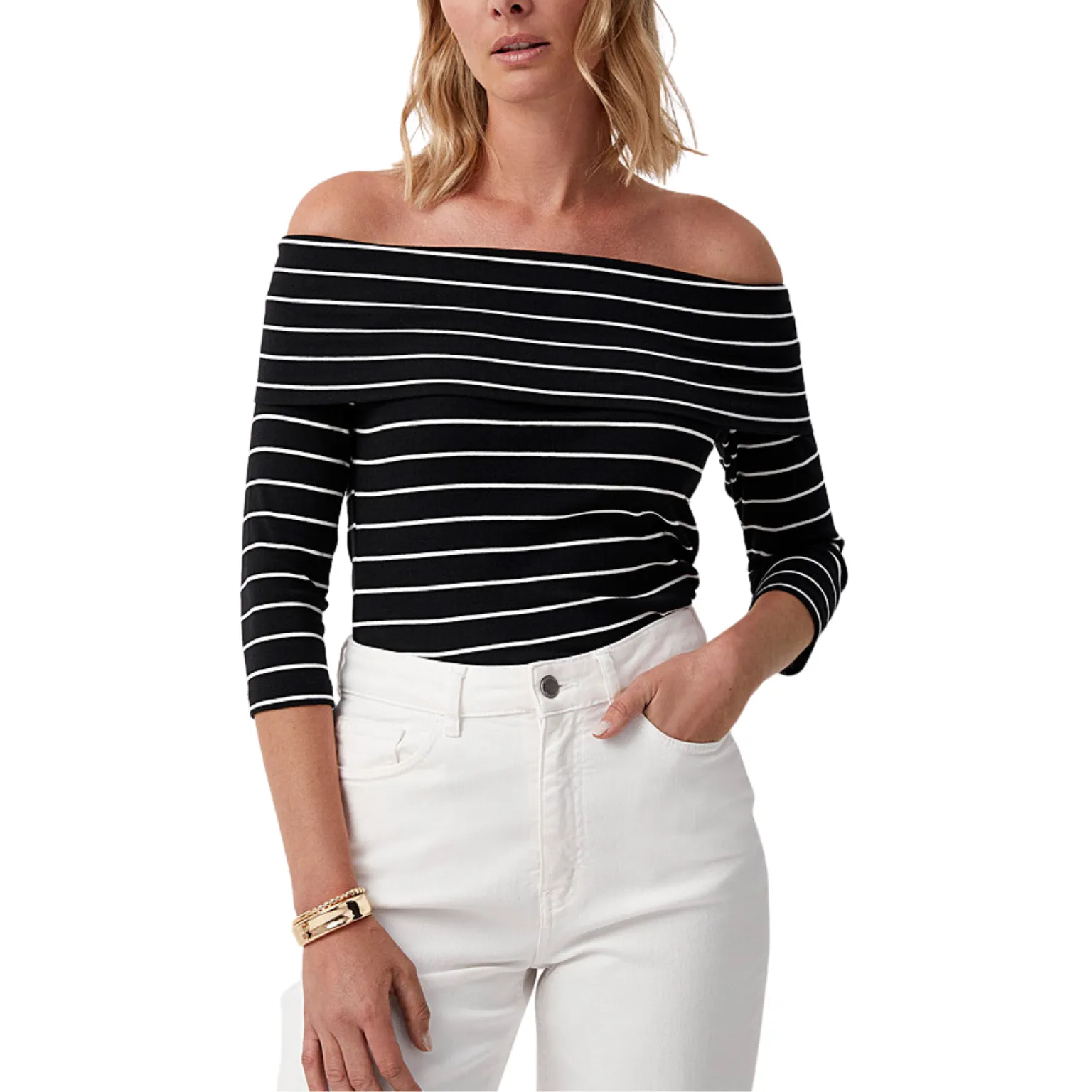
The Off Shoulder T-shirt brings a chic and trendy edge with its relaxed fit and off-shoulder neckline.. At Thygesen, we utilize state-of-the-art machinery and precise techniques to craft each T-shirt, achieving clean, sharp lines and flawless construction for a premium garment that stands out in both quality and comfort.
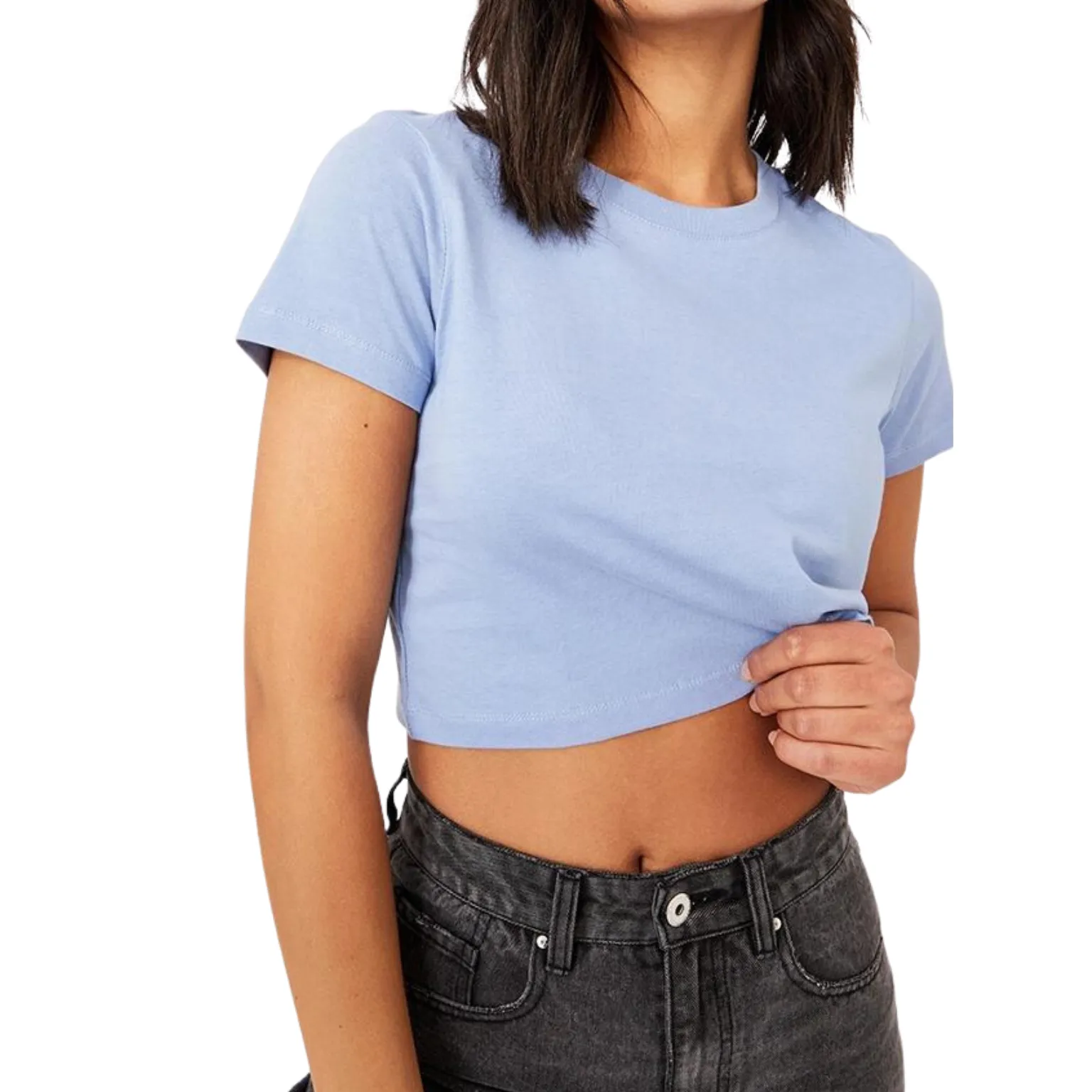
The organic cotton T-shirt is crafted for both comfort and sustainability, made from 100% organic cotton. At Thygesen, we source from certified organic cotton suppliers, prioritizing eco-friendly practices while delivering high-quality products that support a healthier planet.
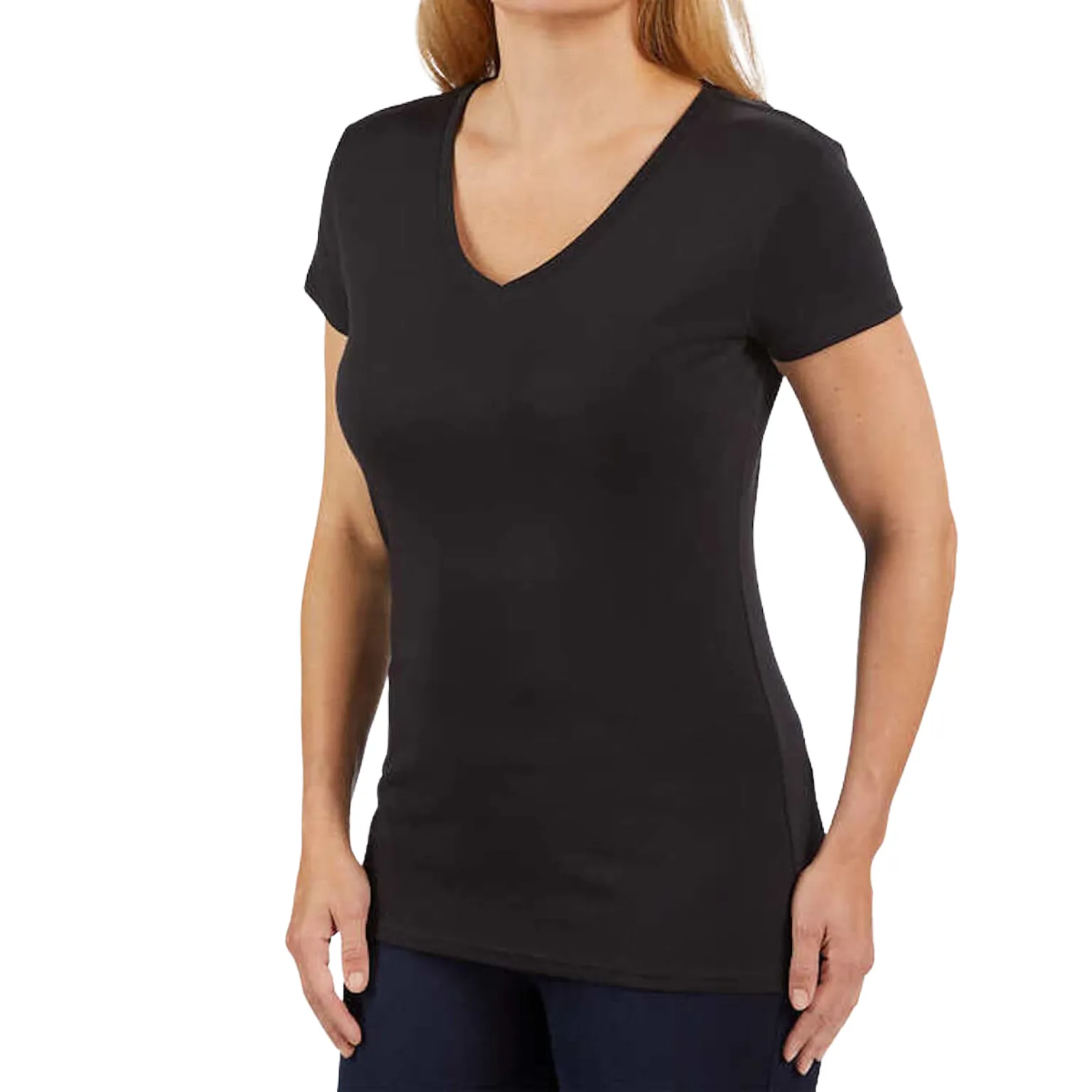
The Pima Cotton T-shirt offers unmatched softness and durability, with a smooth, luxurious feel perfect for everyday wear. Thygesen takes great care in selecting only the finest Pima cotton, thoroughly testing fabrics for durability, shrinkage, and wear resistance before production.
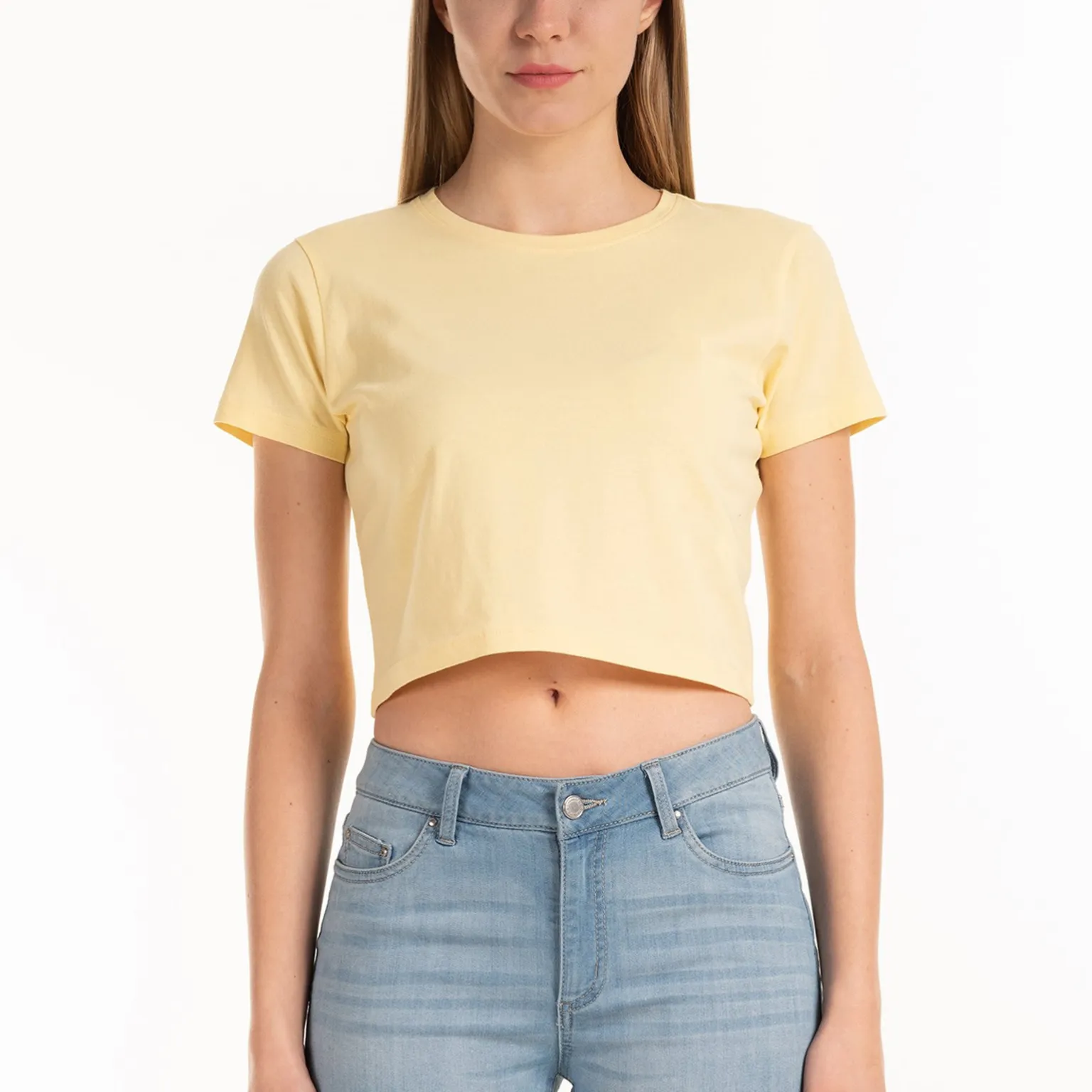
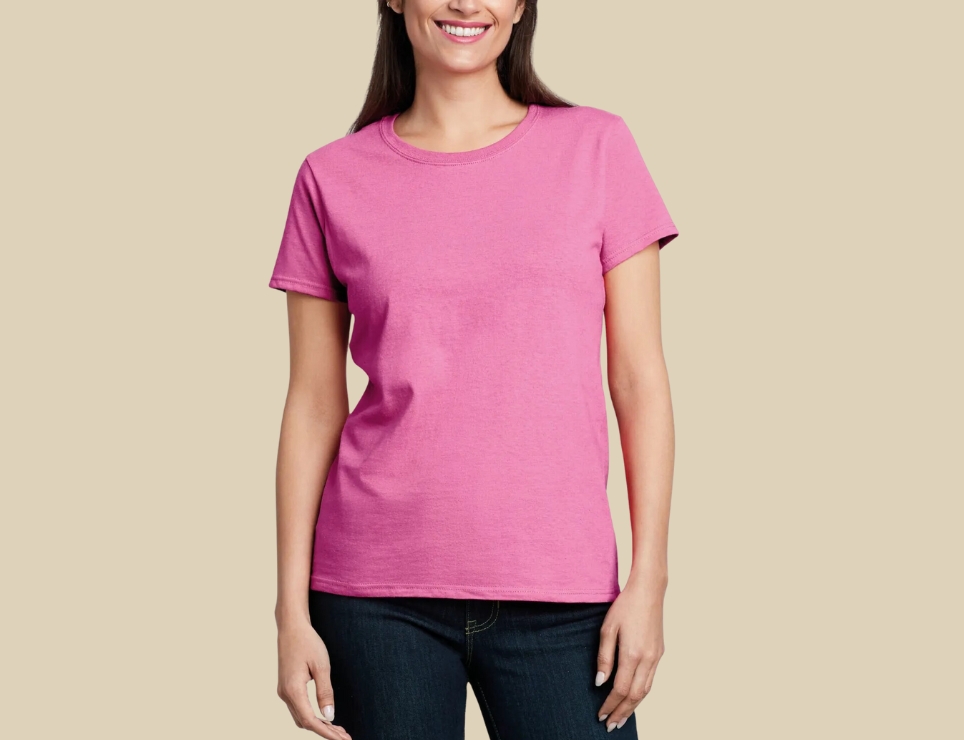
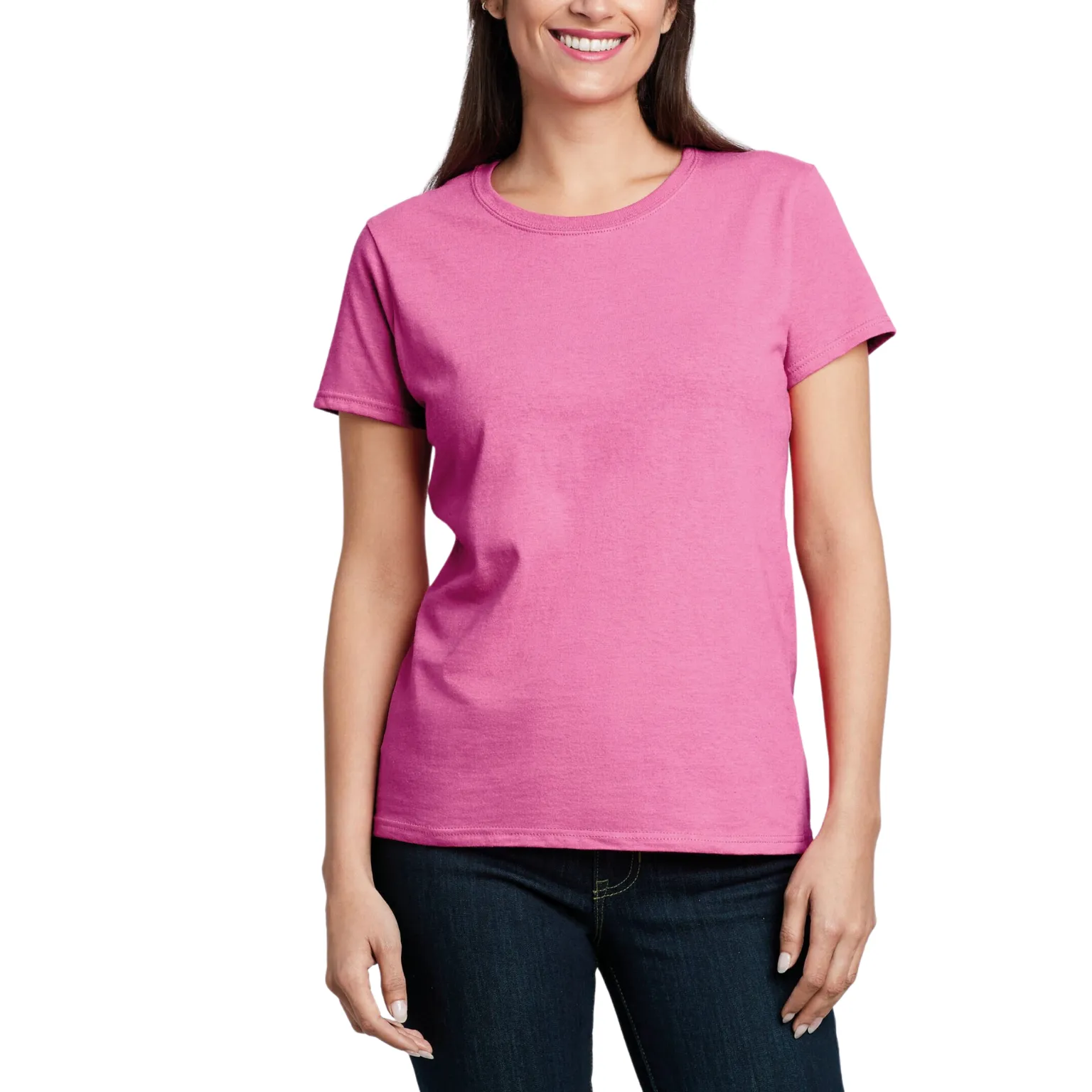
The Plain T-shirt is a timeless wardrobe staple, offering simplicity and versatility in every design. With attention to perfect stitching and high-quality fabrics, Thygesen combines skilled labor with advanced machinery to create precision-crafted garments. We also offer expert advice on selecting the ideal fabric, ensuring durability and comfort.
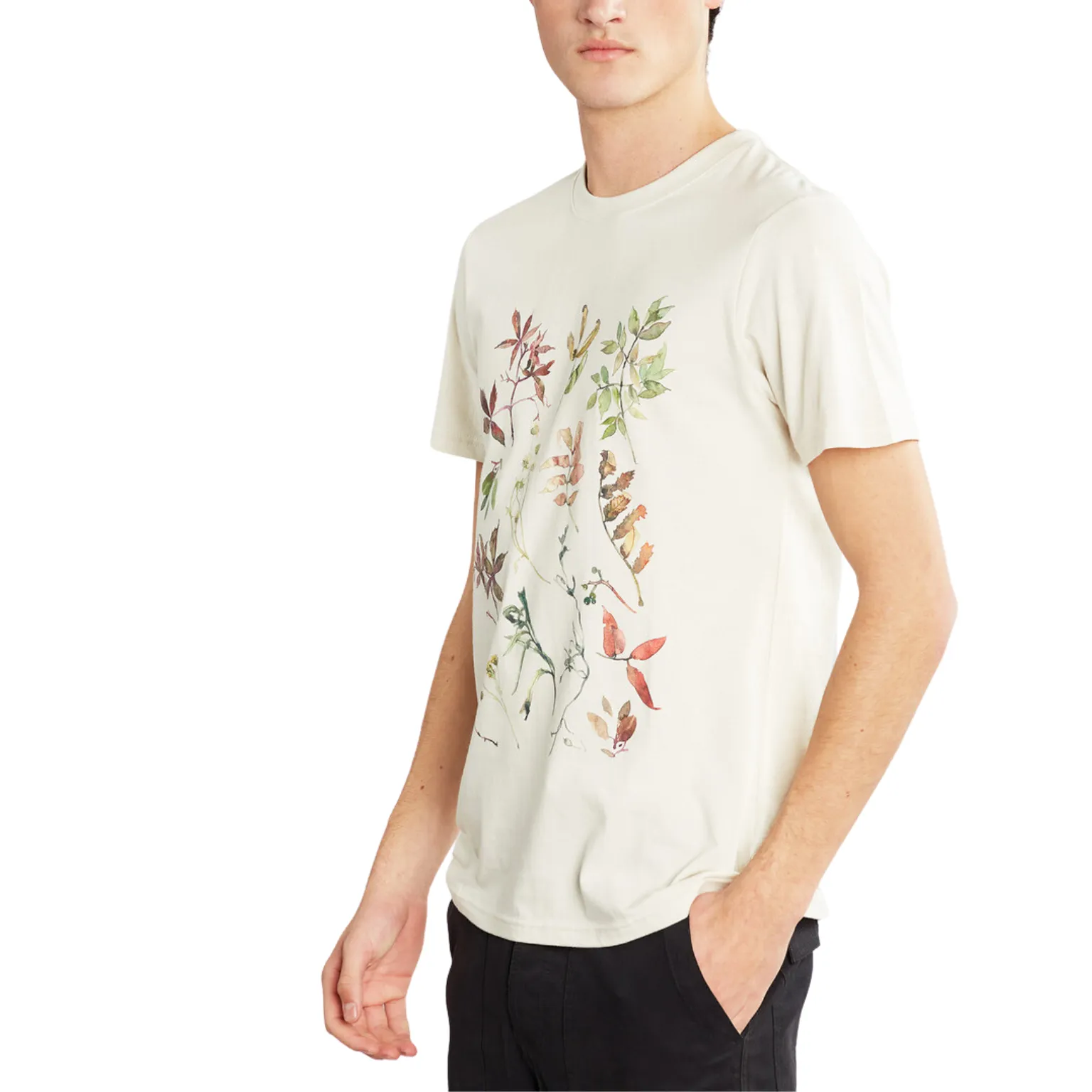
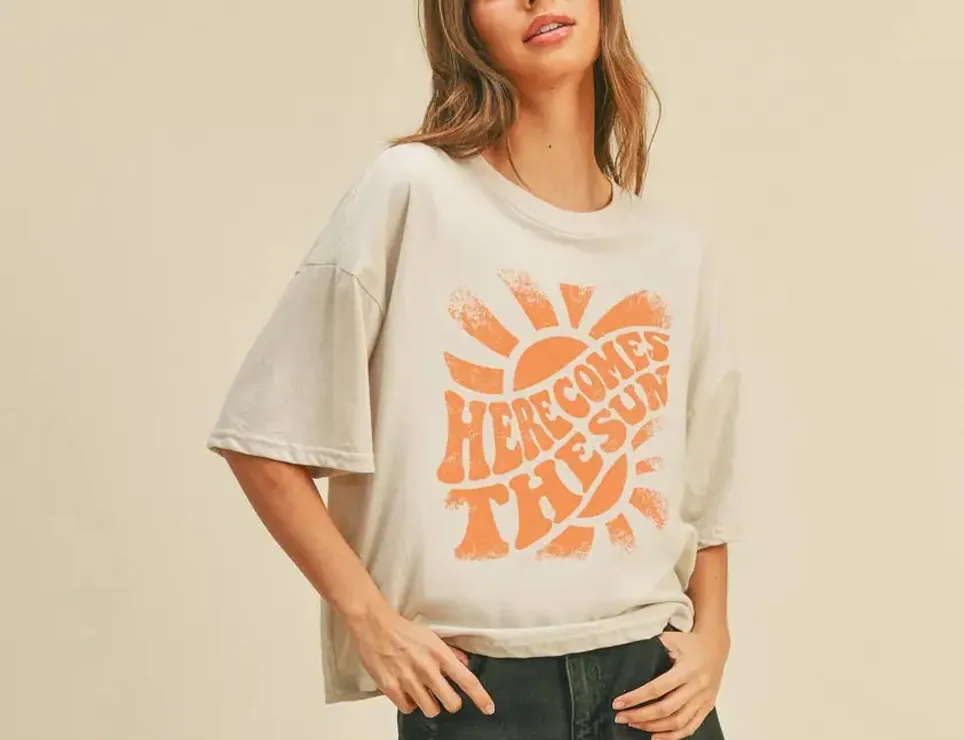
The Printed T-shirt is a great way to showcase your brand’s identity with bold designs and vibrant colors. Thygesen collaborates with trusted printing partners who utilize cutting-edge techniques. These advanced printing methods guarantee that your T-shirts maintain their bold, vivid colors without fading.
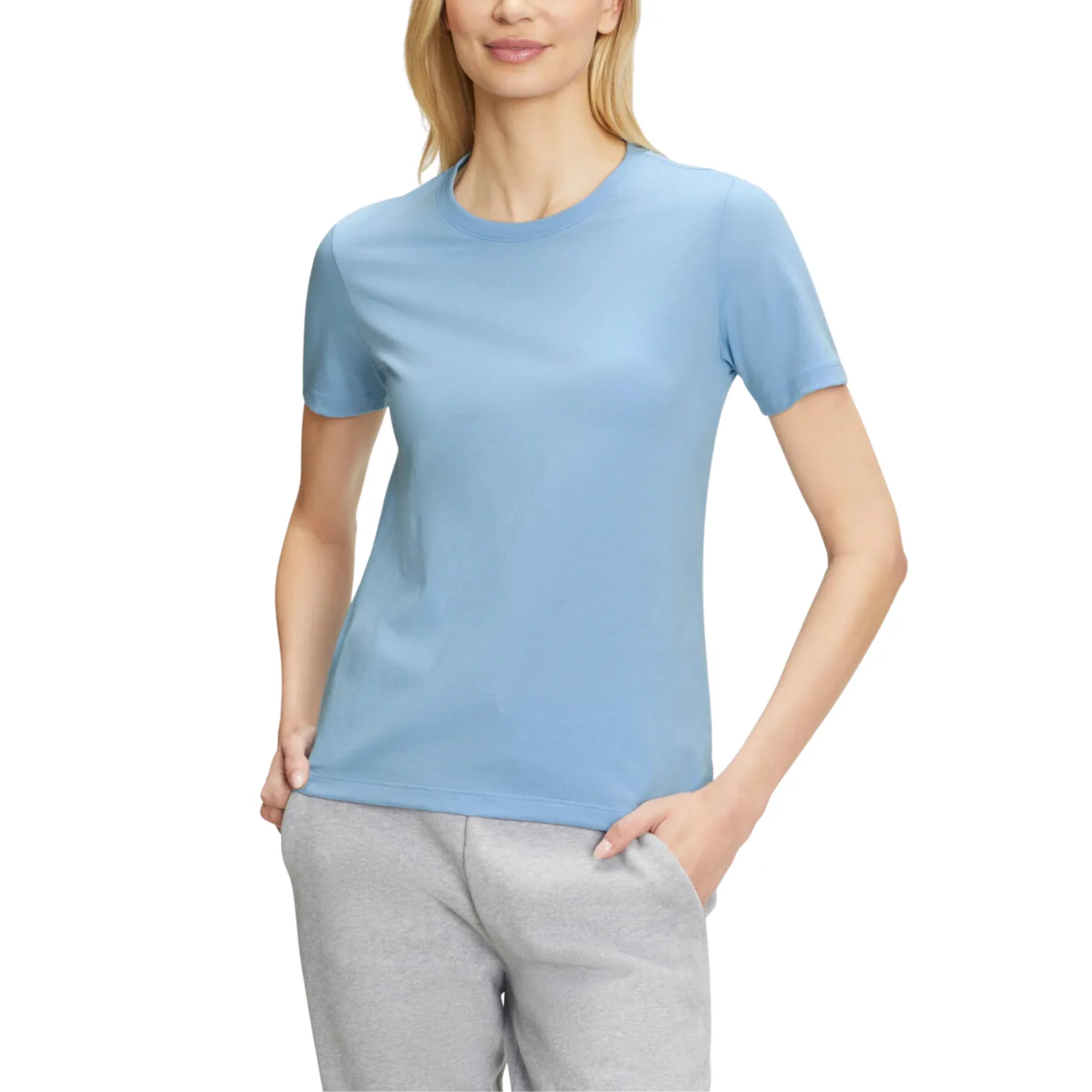
The Round Neck T-shirt offers a clean and simple design, ideal for everyday wear.
We prioritize sustainable manufacturing practices to deliver high-quality products while minimizing our environmental impact. Our eco-conscious approach includes sourcing eco-friendly materials, optimizing production processes to reduce waste, and utilizing energy-efficient technologies.
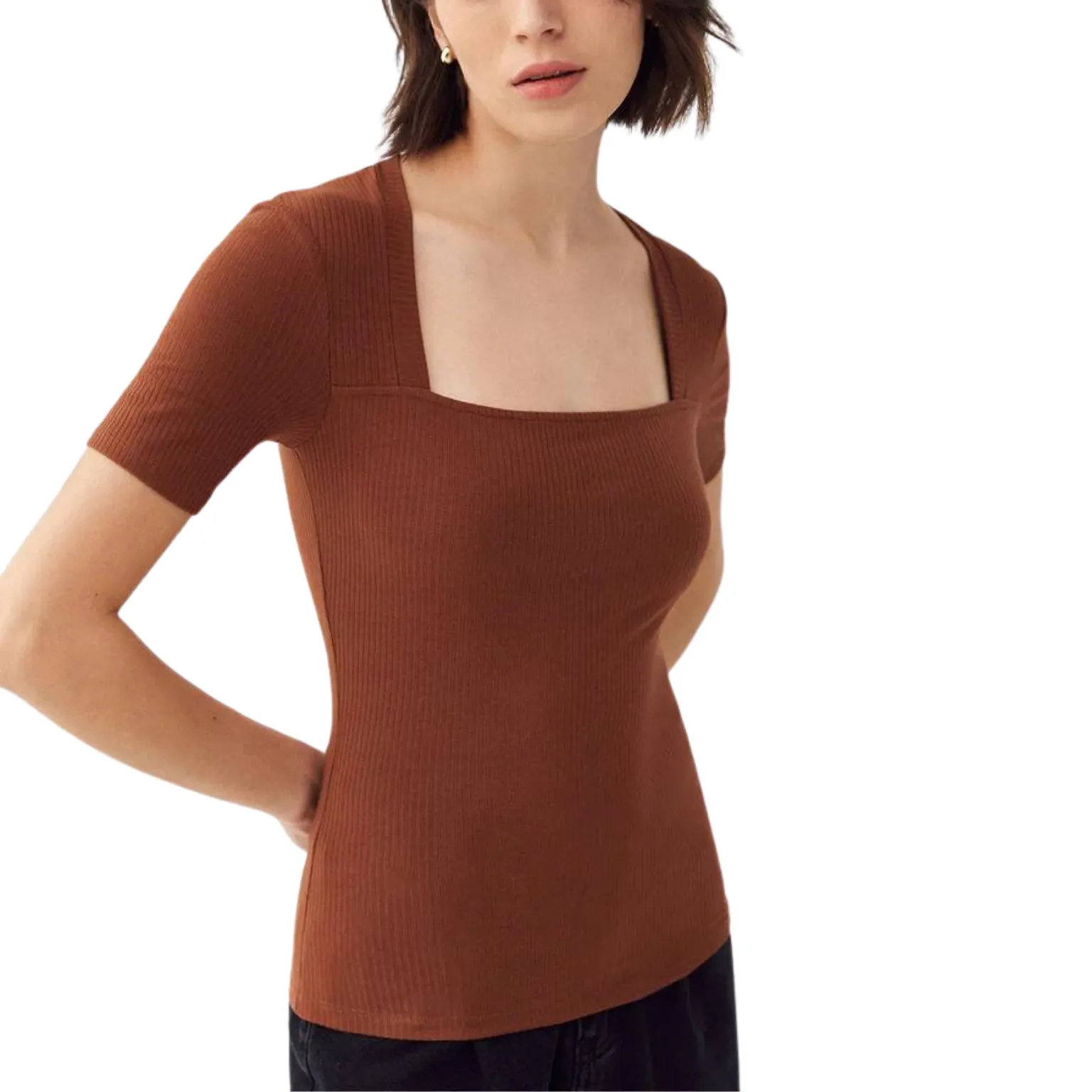
The Square Neck T-shirt offers a modern twist with a flattering neckline, creating a sleek and stylish look.
We collaborate with our clients to understand their preferences, from fabric choice and design to color and size. Every detail is thoughtfully considered to create a final product that meets your exact specifications.
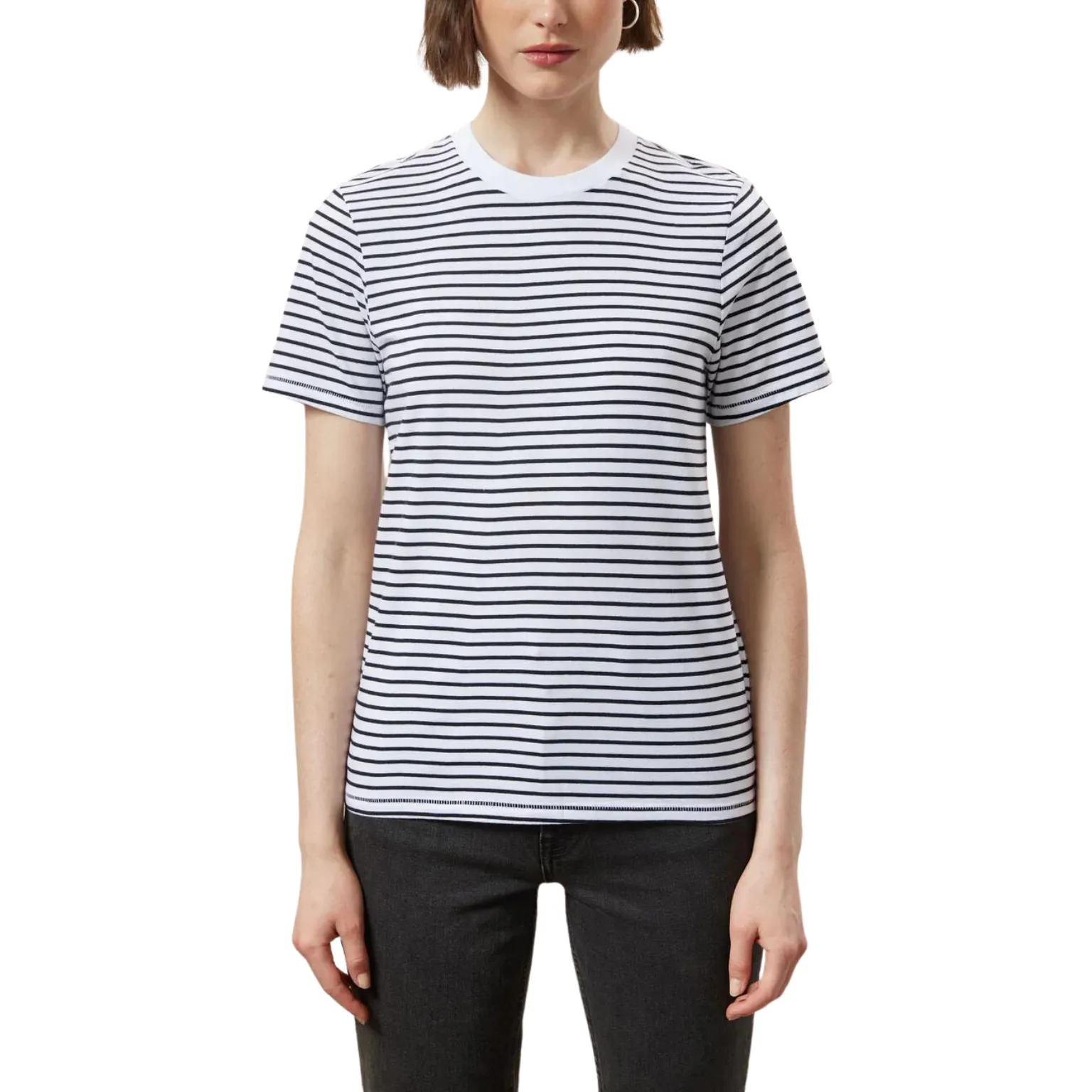
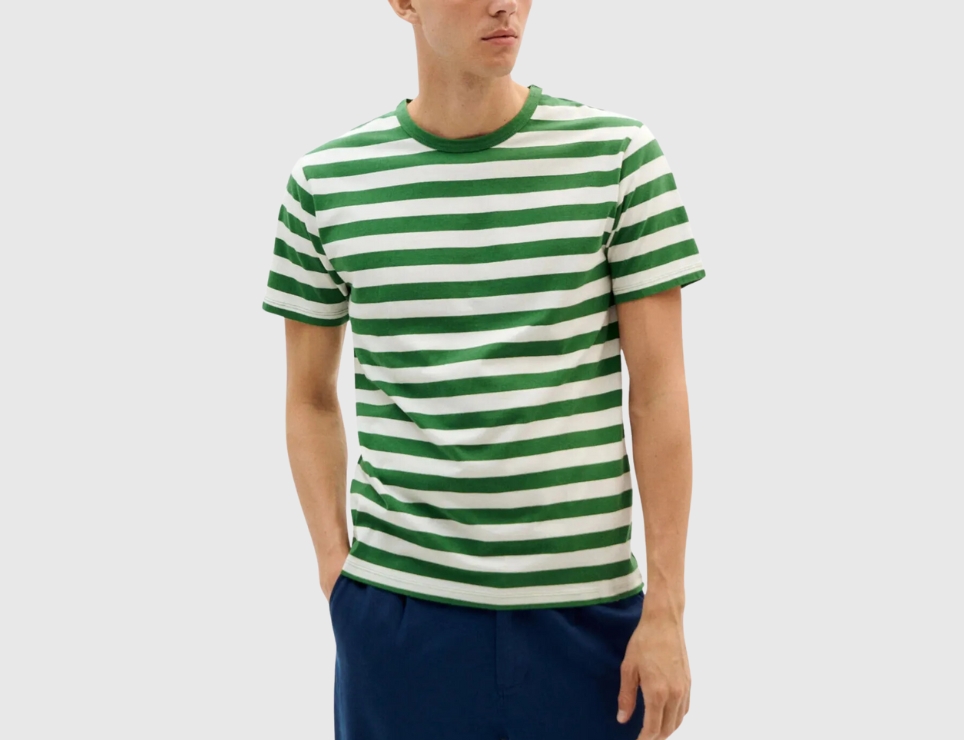
With its vibrant, eye-catching stripes, the Striped T-shirt stands out while offering comfort and style.
We focus on precise craftsmanship and careful fabric selection to maintain the integrity of the stripes. With strict quality control measures, Thygesen guarantees that the final product meets the highest standards of quality and durability.
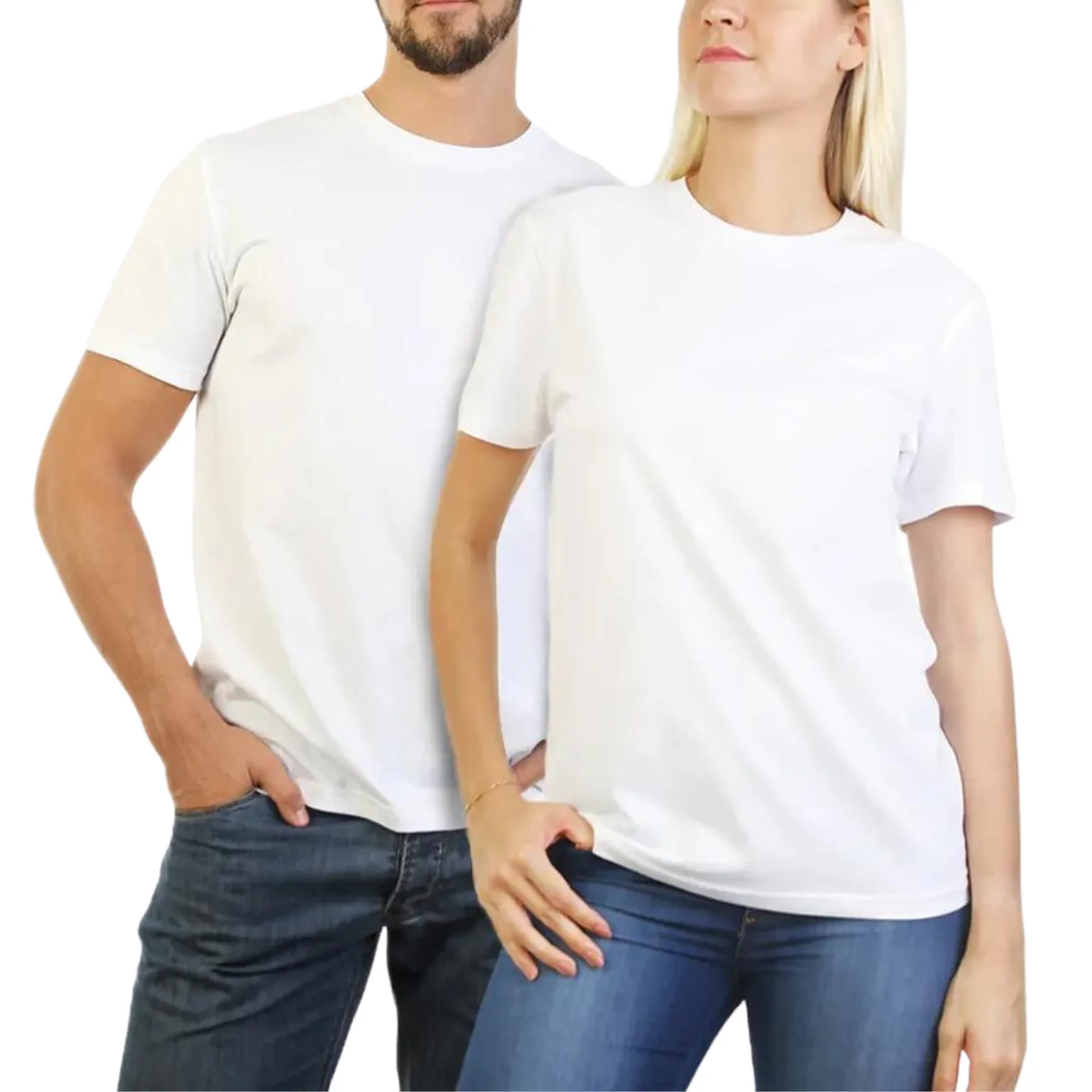
The Unisex T-shirt is crafted for comfort and versatility, making it an ideal choice for all genders. Thygesen provides additional services such as custom labeling, packaging, and shipping, streamlining the entire unisex T-shirt manufacturing process to meet your needs efficiently and effectively.
The V-neck T-shirt is a timeless wardrobe staple, offering a stylish and comfortable fit for a wide range of occasions. Thygesen provides a full-service OEM experience, guiding you through the design process, fabric selection, and color choices. All production is done in our Vietnam-based factory, maintaining high standards of quality and craftsmanship from start to finish.











How Are Our OEM/ODM Solutions Different?
| Thygesen (FOB) | Traditional Clothing Manufacturer (CM) | |
|---|---|---|
| Full Package Service (From fabric sourcing to production and shipping) | ||
| Technical Design Assistance | ||
| Custom Labels, Hang Tags, Packaging | ||
| Cost Effective For Large Orders | ||
| Quality Assurance | ||
| Compliance & Global Certifications | ||
| Wide Network of Trusted Suppliers Both Local and Global | ||
| English Proficiency |
Our Process Setup is Optimized for Mass Production

Step 1
Handle Customer’s Inquiry
Send us an inquiry and share more details about your projects, and our dedicated team will handle it.

Step 2
Make Quotation
If your project is suitable for our standard MOQ and production, then we offer an initial quotation based on the techpack, selected fabric quality, and quantity.
Step 3
Sample Development
After the customer’s approval of the quotation, we proceed with sample development to confirm quality before starting bulk production.
Step 4
Bulk Production
Following order confirmation and a deposit, we initiate bulk production with all specifications carefully followed.
Step 5
Quality Control
We follow strictly our QC procedures, ensuring 100% end-line inspections. We also apply AQL 2.5 for final inspections. Third-party QC is always welcome.
Step 6
Packaging & Shipping
Once the quality is confirmed, the finished products are carefully packaged and shipped in bulk to your warehouse.
Buyer's Guide for All Fashion Brands from an Experienced T-shirt Manufacturer
1. Best Fabrics Commonly Used for T-Shirts
Choosing t-shirt fabric is not simply “cotton vs polyester.” The real difference lies in how the fabric drapes, prints, shrinks, resists pilling, and maintains shape over time. Below are the most widely used options and how they behave in real production.
1.1. 100% Cotton (Recommended: 160 – 220 GSM)
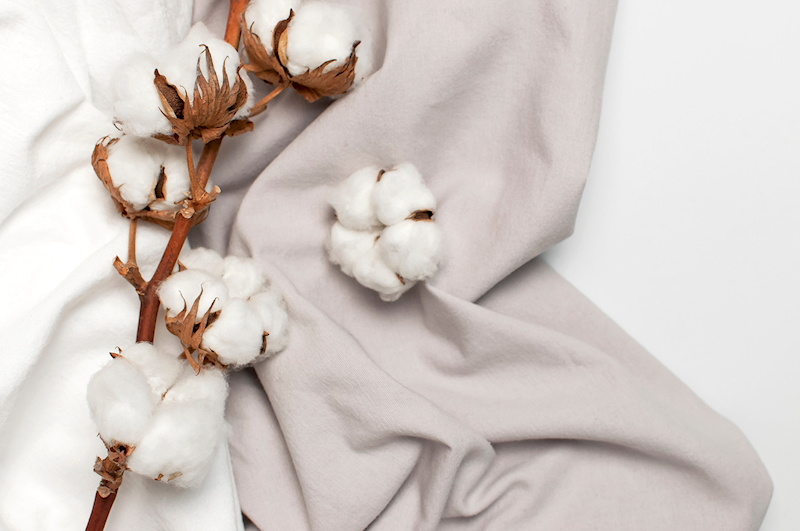
100% cotton is the classic choice for everyday t-shirts because it feels natural, soft, breathable, and comfortable on the skin. It performs well for printing and works across casual, lifestyle, and basic collections. However, cotton can shrink and wrinkle if not properly pre-shrunk and finished, so professional factories test shrinkage and adjust patterns accordingly.
Within cotton, premium variants such as Pima and Supima offer extra softness and durability, while combed cotton removes impurities for a smoother surface, and ringspun cotton creates yarn that is exceptionally soft and long-lasting. When engineered correctly, cotton delivers an authentic, breathable feel while maintaining reasonable shape stability.
1.2. Cotton–Polyester Blends (Recommended: 150 – 200 GSM)
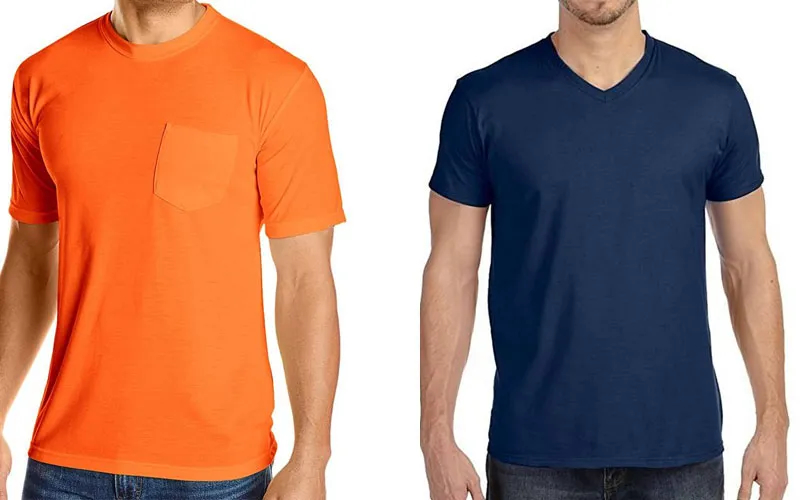
Cotton–polyester blends are widely used for uniforms, workwear, and mass-market everyday tees. Blending polyester with cotton improves shape retention, wrinkle resistance, drying time, and overall durability, while the cotton component preserves comfort. These fabrics shrink less than pure cotton and withstand repeated machine washing more effectively.
When ratios are balanced, blends create dependable garments that remain comfortable and consistent, although excessively high polyester content may reduce the natural hand-feel.
1.3. Polyester (Recommended: 130 – 180 GSM)
Polyester is the preferred option for performance shirts and activewear because it is lightweight, resilient, wrinkle-resistant, and excellent at moisture management. It maintains color vibrancy extremely well and is ideal for sublimation printing.
Unlike cotton, polyester does not easily shrink or lose its shape, making it practical for sports, uniforms, outdoor apparel, and technical collections.
While it may feel less natural than cotton, its durability and quick-dry properties make it indispensable for performance-driven garments.
1.4. Tri-Blends: Cotton/Polyester/Rayon (Recommended: 140 – 180 GSM)
Tri-blends create the soft, vintage-style shirts that drape naturally and feel “broken in” from the first wear. Rayon contributes fluid drape and silk-like softness, polyester helps retain structure, and cotton ensures breathability.
The result is a lightweight, ultra-comfortable tee favored in lifestyle, fashion, and casual collections where comfort and aesthetics are prioritized. Tri-blends are particularly popular for premium casual brands looking for character and softness instead of structure.
1.5. Linen (Recommended: 140 – 200 GSM)
Linen is valued in hot climates for its breathability and naturally cool touch. Although it is strong and durable, it wrinkles easily – a characteristic that many brands intentionally embrace as part of linen’s relaxed aesthetic.
T-shirts made from linen or linen blends appear airy and organic, making them ideal for summer collections and resortwear.
Blending linen with cotton often softens the fabric and reduces excessive creasing while preserving breathability.
1.6. Bamboo/ Rayon/Modal (Recommended: 150 – 200 GSM)
Bamboo, rayon, and modal fabrics offer a luxurious, silky, and smooth texture. They drape beautifully, feel gentle on sensitive skin, and often appeal to eco-conscious consumers when responsibly sourced.
These fabrics tend to wick moisture well and feel noticeably premium. However, they require strict dyeing and finishing controls to ensure strength, color stability, and long-term durability. They work best in premium basics, lounge collections, and garments positioned around comfort and softness.
3. Fit & Pattern Considerations
Proper fit begins long before sewing. Patterns must be engineered to align with fabric stretch, shrinkage behavior, and the intended silhouette.
Fit testing first on mannequins and then on real wearers across different body types reveals issues like twisting seams, collar warping, shoulder collapse, or sleeve distortion. Washing tests are essential to evaluate shrinkage, twisting, and long-term recovery.
Regional sizing differences also matter, since a fit that works in one market may feel tight or oversized in another. Precise pattern engineering ensures consistency in bulk production and reduces returns due to poor fit.
4. Common T-Shirt Types for Production
T-shirts may share a similar silhouette, but different styles require distinct fabric choices, construction methods, and production considerations. Understanding the most common T-shirt types helps brands plan collections more effectively, align design intent with manufacturing realities, and select the right specifications for comfort, durability, and market positioning.
Beyond that, brands need to keep in mind that price ranges of T-shirt manufacturing may vary widely depending on fabric quality, construction, order volume, and target market positioning.
4.1 Basic Crew Neck T-Shirts
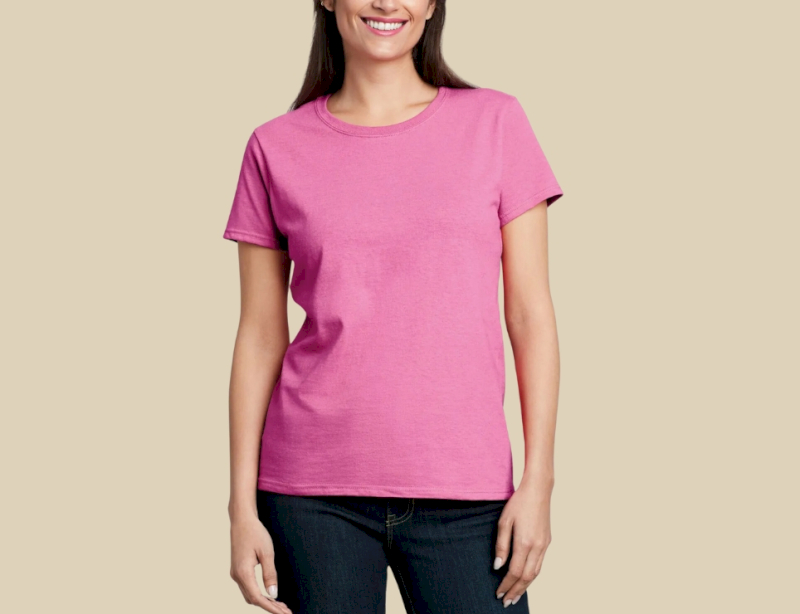
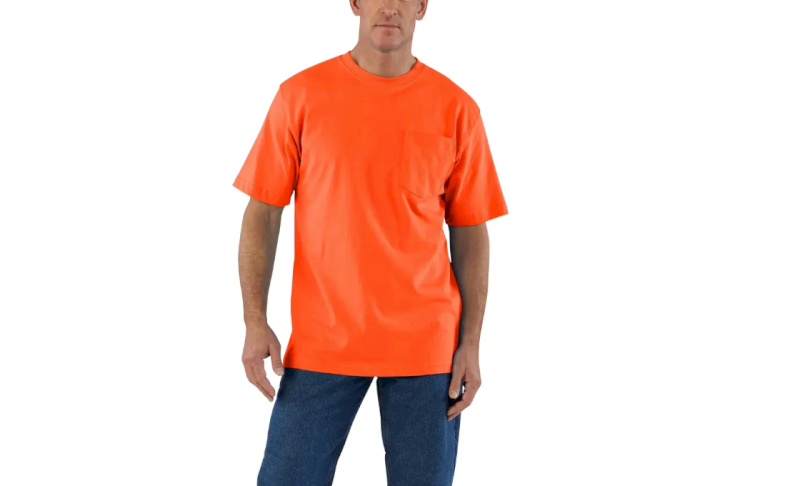
Basic crew neck T-shirts are everyday essentials, typically produced in 160–200 GSM cotton or blends. They are optimized for comfort, durability, and printability, making them suitable for a wide range of brands and price points.
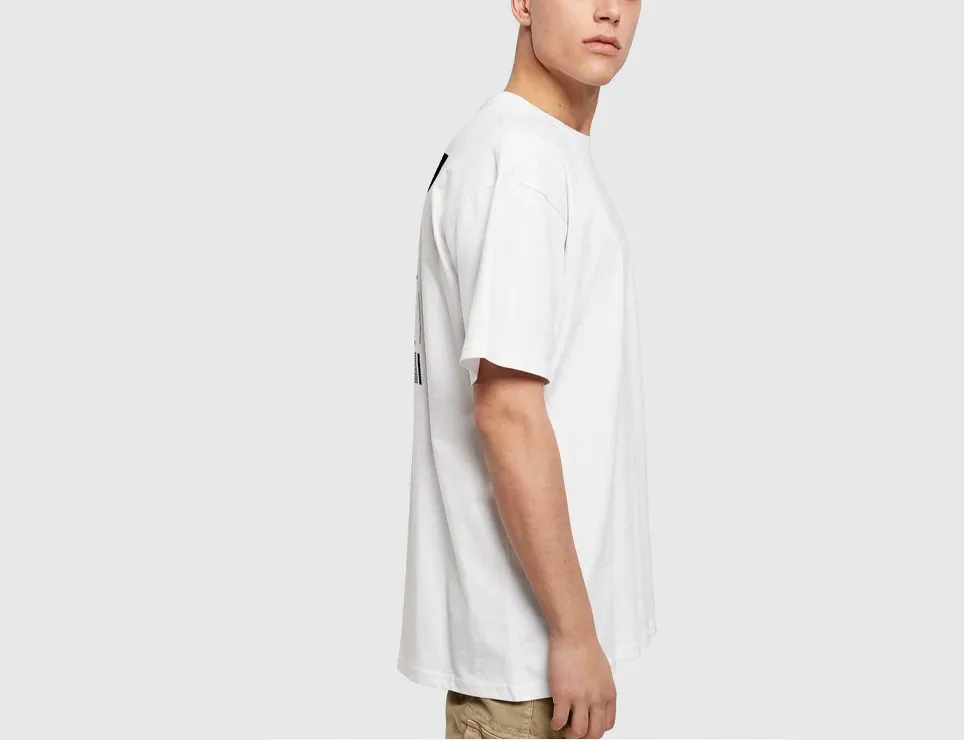
4.2 Heavyweight T-Shirts
Heavyweight T-shirts, usually in the 200–260 GSM range, offer more structure and a premium feel. They are popular in streetwear and fashion collections where fabric presence and durability are part of the brand identity.
4.3 Performance/Sports T-Shirts
Performance T-shirts are designed for movement and moisture control. They typically use polyester or poly-spandex blends with quick-dry and moisture-wicking finishes, making them suitable for sports, training, and outdoor use.
> For brands developing performance wear, finding a capable legging manufacturer that understands nuanced fabric properties and ergonomic design is essential. Thygesen collaborates closely with brands, offering expert OEM services to translate unique design concepts into functional, market-ready garments. This ensures apparel that excels in comfort, fit, and durability for target consumers.
4.4 Polo Shirts
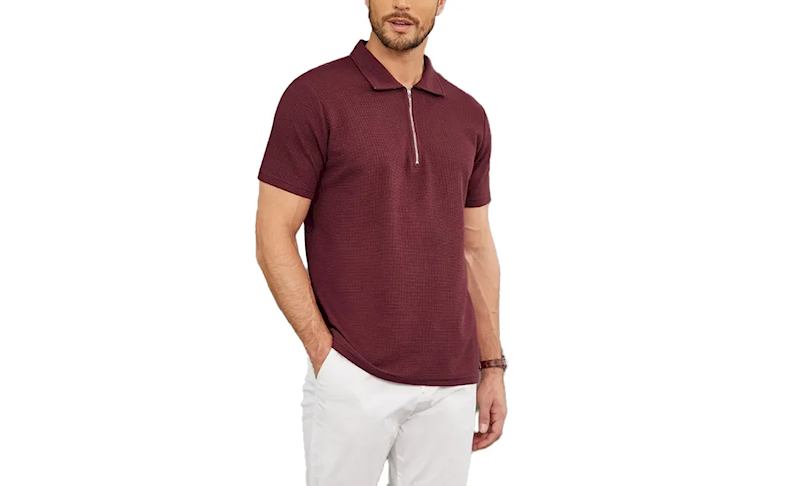
Polo shirts feature collars and rib trims and are often made from pique or structured knits. They are commonly used for corporate wear, uniforms, and smart-casual collections, requiring precise collar construction and durable stitching.
5. Key Considerations When Working With a T-Shirt Manufacturer
Working with the right T-shirt manufacturer is as important as choosing the right fabric or fit. A reliable partner should offer structured quality control, technical guidance, and transparent communication throughout development and production.
5.1 Quality Control Must Be Structured, Not Random
A disciplined manufacturer follows a documented workflow, starting with raw fabric inspection, shrinkage evaluation, and color checks before cutting. During production, in-line inspections detect seam tension issues, skipped stitches, collar distortion, and rib inconsistencies.
Post-production testing should vverify washing behavior, twisting, and colorfastness, while packaging checks ensure correct folding, labeling, and barcoding. Structured quality control reduces defects, minimizes returns, and protects brand trust.
5.2 Work With a Manufacturer Who Advises, Not Just Produces
Factories that only execute instructions leave all risk on the brand. A proactive partner explains when fabrics are unsuitable, suggests better construction methods, highlights printing risks, and helps navigate logistics, import regulations, and compliance requirements.
Their expertise compresses learning curves and prevents expensive production mistakes, especially for developing brands.
5.3 Sustainability and Compliance Are Becoming Standard
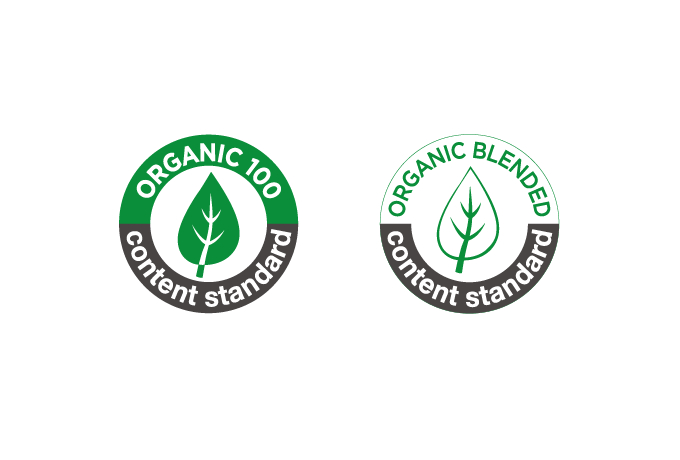
Retailers and consumers increasingly expect transparency. Strong manufacturers understand certifications such as OEKO-TEX for chemical safety, GRS for recycled materials, and WRAP or SA8000 for ethical labor.
Traceability protects both the environment and brand reputation, especially as regulations evolve across major markets.
> For brands requiring a dedicated athletic clothing manufacturer, Thygesen’s expertise spans high-performance fabrics and advanced production techniques. Robust certifications like Oeko-Tex and GOTS underpin the commitment to both garment integrity and responsible sourcing. This ensures durable, functional apparel that aligns with global market demands.
> Choosing cut and sew manufacturers that can adapt to varying production scales is crucial for dynamic fashion brands. Thygesen offers flexible manufacturing solutions, supporting product development from initial design to large-volume production runs. This adaptability fosters long-term partnerships, ensuring consistent product quality and timely delivery for your apparel collections.
FAQs
How long does it take for Thygesen to ship products to the US/Europe?
The shipping time for products to the US and Europe depends on the method chosen. When shipping by sea, it typically takes 30-45 days, depending on the distance and port. If you need faster delivery, shipping by air can take 7-10 days.
What factors influence the cost of T-shirt manufacturing at Thygesen?
Several factors influence the cost of T-shirt manufacturing at Thygesen. These include the type and quality of fabric selected, the complexity of the design, the quantity of the order, and the destination for shipping. Customizations such as prints, embroidery, or unique finishes may also add to the cost.
What is Thygesen's minimum order quantity for T-shirts?
The MOQ for standard T-shirts is 3,000 units per style, with MCQ is 1000.
Does Thygesen offer sustainable or eco-friendly materials for its T-shirts?
Yes, Thygesen is committed to sustainability and offers eco-friendly materials for T-shirt production. We source fabrics from trusted suppliers with certifications such as Oeko-Tex, GRS, and GOTS, guaranteeing they are free from harmful chemicals and produced responsibly.
What quality control measures does Thygesen implement to ensure the quality of its T-shirts?
Thygesen follows a rigorous quality control process to meet high standards. We apply AQL standards, conduct in-line inspections, and perform final checks for quality, color fastness, and sizing. This helps detect and address any issues before shipment.
Our Clients Say



Start Your Production with Thygesen Vietnam