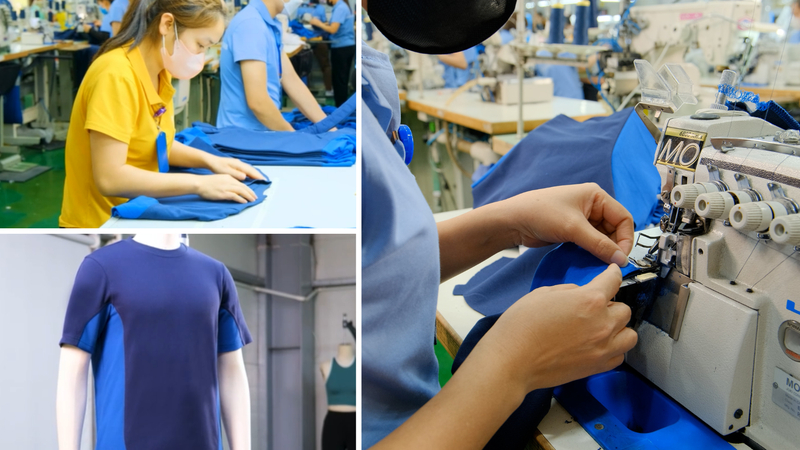
OEM apparel manufacturing is a strategic solution for fashion brands looking to produce high-quality apparel without managing in-house production. Below is an overview of OEM garment production and how to choose the right OEM clothing manufacturer.
1. What Is OEM Clothing Manufacturing?
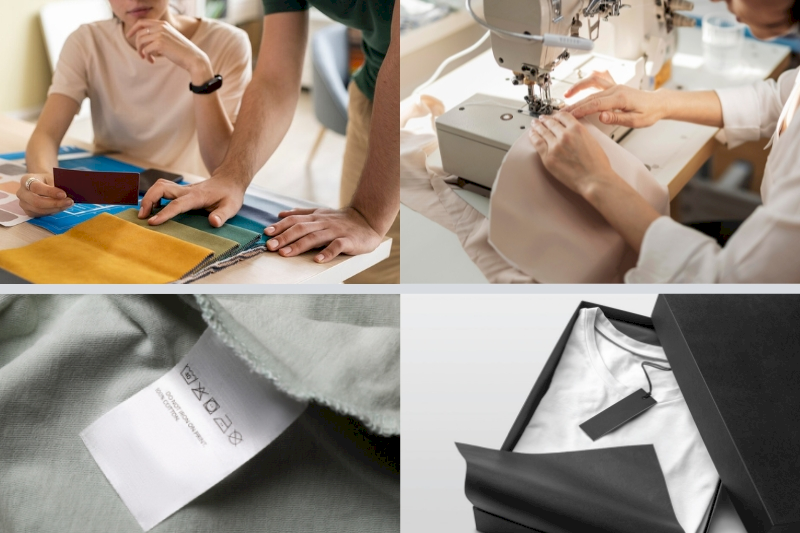
OEM (Original Equipment Manufacturer) clothing production refers to a model where the factory manufactures garments based on the brand’s own designs, technical specifications, and quality requirements. In this setup, the brand retains full creative control while the OEM partner handles material sourcing, production, and delivery. Essentially, the brand provides the idea, and the OEM manufacturer turns that idea into a finished product.
OEM manufacturing is different from ODM or CMT. Unlike ODM, where factories provide ready-made designs for brands to adapt or private-label, OEM requires the brand to develop its own design concept and tech pack. Compared to CMT, where the brand supplies all fabrics and trims, OEM manufacturers typically manage full material sourcing, offering a more complete and scalable production solution.This model is especially suitable for brands that want to maintain their design identity while relying on an experienced partner to manage complex supply chain and production workflows. OEM works particularly well for emerging and established fashion brands looking to scale efficiently, ensure consistent quality, and accelerate time to market without investing in their own manufacturing facilities.
Besides OEM, other manufacturing models include ODM (Original Design Manufacturer) and CMT (Cut, Make, Trim), each offering different levels of involvement in design and production. These will be compared in detail below table:
| Factor | OEM Manufacturing | ODM Manufacturing | CMT Manufacturing |
| Material Sourcing | Clothing manufacturer sources materials based on brand requirements | Clothing manufacturer provides pre-developed materials and designs | Brand is responsible for sourcing materials |
| Design Involvement | Brand provides design, clothing manufacturer follows specifications | Clothing manufacturer provides ready-made designs, brand can make modifications | Brand handles full design, clothing manufacturer only cuts and sews |
| Pattern Making | Clothing manufacturer develops patterns based on brand’s design | Clothing manufacturer creates and provides patterns | Brand provides complete patterns |
| Supply Chain Control | Shared control between brand and clothing manufacturer | Clothing manufacturer manages most of the supply chain | Brand has full control over sourcing and supply chain |
| Customization | Moderate to high, based on brand’s requirements | Limited customization; based on pre-existing designs | No, but follows brand specifications |
| Best for | Brands looking for a full-package service to save time, ensure consistency, and focus on branding & marketing | Brands looking for fast market entry with minimal design effort | Brands with strong design and sourcing capabilities needing production-only services |
2. Benefits and Drawbacks of OEM Clothing Manufacturers
Understanding the advantages and limitations of OEM clothing manufacturing helps brands make informed decisions when outsourcing production. Below are the key benefits and drawbacks to consider.
Benefits of OEM Clothing Manufacturers
OEM clothing manufacturers deliver a range of advantages that empower brands to innovate and thrive in today’s competitive market:
- Cost Efficiency: One of the primary benefits of using an OEM clothing manufacturer is cost efficiency. These manufacturers often have established production facilities and supply chains, which can result in lower production costs for clothing brands. This is where clothing manufacturing cost estimation becomes essential, helping brands accurately forecast expenses and make informed financial decisions. This cost savings can be crucial, especially for startups or smaller brands looking to compete in the market.
- Expertise and Quality: OEM clothing manufacturers typically have specialized knowledge and experience in garment production. This expertise ensures that the clothing produced meets high-quality standards and industry regulations. Brands can benefit from the manufacturer’s skills in selecting materials, cutting, sewing, and quality control.
- Focus on Branding: By outsourcing manufacturing to an OEM, clothing brands can concentrate on their core strengths, such as design, marketing, and sales. This allows them to build a strong brand identity and market their products effectively without the burden of managing production processes.
A reliable OEM apparel manufacturer provides end-to-end services that help brands turn design concepts into high-quality finished products efficiently and consistently. These services ensure product feasibility, optimize production, and maintain quality throughout the entire process.
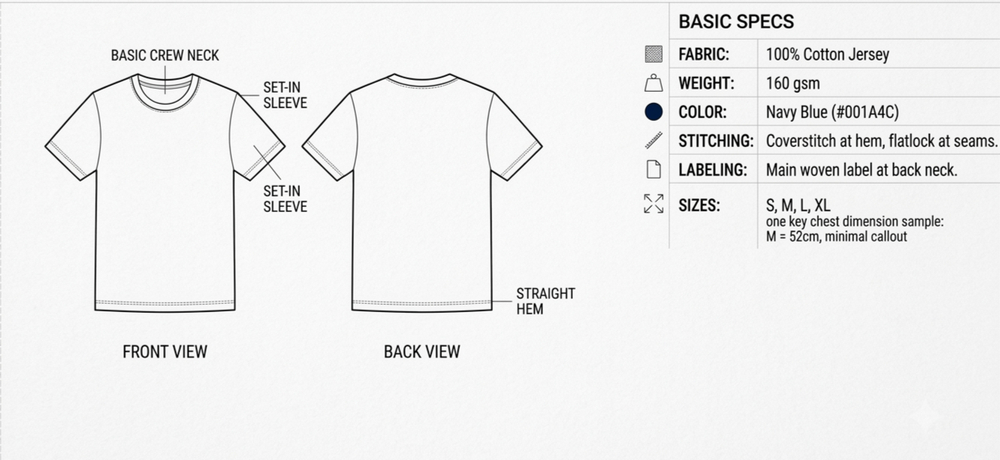
- Production According to Tech Packs and Designs: OEM manufacturers produce garments strictly based on the brand’s tech packs, design files, and construction specifications. The more detailed the tech pack, the more accurately the factory can calculate costs and assess feasibility, leading to clearer pricing and smoother production planning. This includes precise measurements, sewing standards, tolerances, trims, and finishing details to ensure each garment meets the approved design.
- Material Sourcing and Purchasing Support: A strong OEM partner leverages an extensive domestic and international supplier network to source fabrics, trims, and accessories with reliable quality and competitive pricing. They understand origin requirements, customs documentation, and import/export taxes, helping brands secure materials that comply with regulations while optimizing cost and supply chain efficiency.
- Development Services: Samples, Fabric R&D, and Product Engineering: OEM manufacturers provide full development support including prototype samples, fit samples, fabric testing, and technical optimization. Their goal is to ensure the product meets the brand’s design and performance expectations and is optimized for bulk production, minimizing errors and ensuring a smooth transition to mass manufacturing.
- Bulk Production Planning and Lead-Time Management: Experienced OEM teams manage production schedules, allocate capacity, and coordinate workflows while ensuring quality control (QC) at every stage. This guarantees consistency and uniformity across all units and helps brands meet deadlines reliably.
- Packaging, Labeling, and Logistics Support: OEM manufacturers can handle custom packaging, care labels, hangtags, barcodes, and coordinate shipping. Their expertise in customs regulations and tariffs ensures that products move through international borders smoothly, reducing delays and unexpected costs.
With an emphasis on streamlined workflows and comprehensive support, choosing your devoted clothing manufacturer for a seamless experience ensures that every aspect of apparel production, from initial concept to final delivery, is handled with precision and care, minimizing stress for your brand.
If you are searching for a reliable legging manufacturer with strong material sourcing and fit consistency, Thygesen’s OEM model ensures performance, durability, and repeatable quality at scale.
Drawbacks of OEM Clothing Manufacturers
While OEM clothing manufacturers offer many benefits, there are a few considerations that brands should keep in mind:
- Loss of Control: A significant drawback of using OEM manufacturers is the potential loss of control over the production process. Brands may have limited influence over production schedules, quality control, and customization options, which can impact product consistency and brand reputation.
- Intellectual Property Risks: Sharing proprietary designs and technologies with an OEM may expose brands to intellectual property risks. Protecting trade secrets and designs can be challenging when outsourcing production, as manufacturers may replicate or share these ideas.
- Dependency: Relying heavily on an OEM clothing manufacturer can be risky. If the manufacturer faces production problems, changes in management, or decides to end the partnership, the brand may encounter disruptions in its supply chain, potentially affecting product availability and customer satisfaction.

Is clothing industry profitable? This question depends on factors like market demand, production costs, and brand strategy. Read our article for more information!
3. The OEM Clothing Production Process
The OEM clothing production process consists of two main stages: development and production. Each stage requires close collaboration between the brand and the manufacturer to ensure quality, efficiency, and alignment with design expectations.
Stage 1: Development
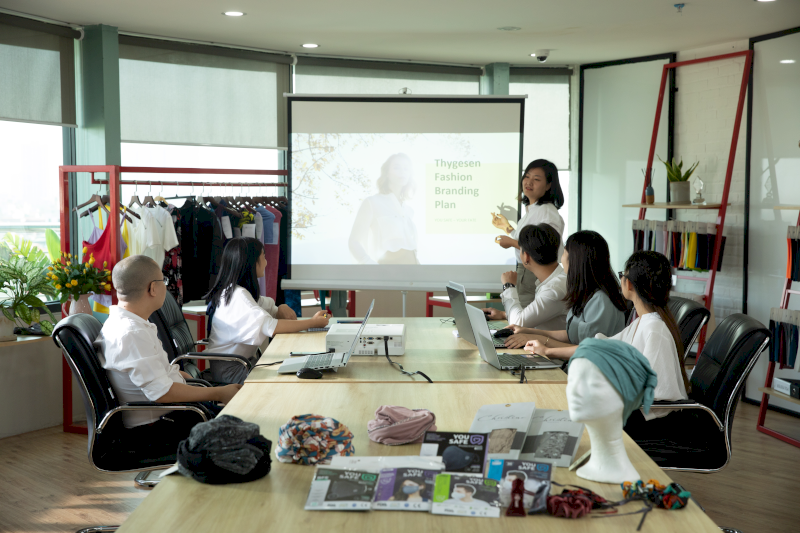
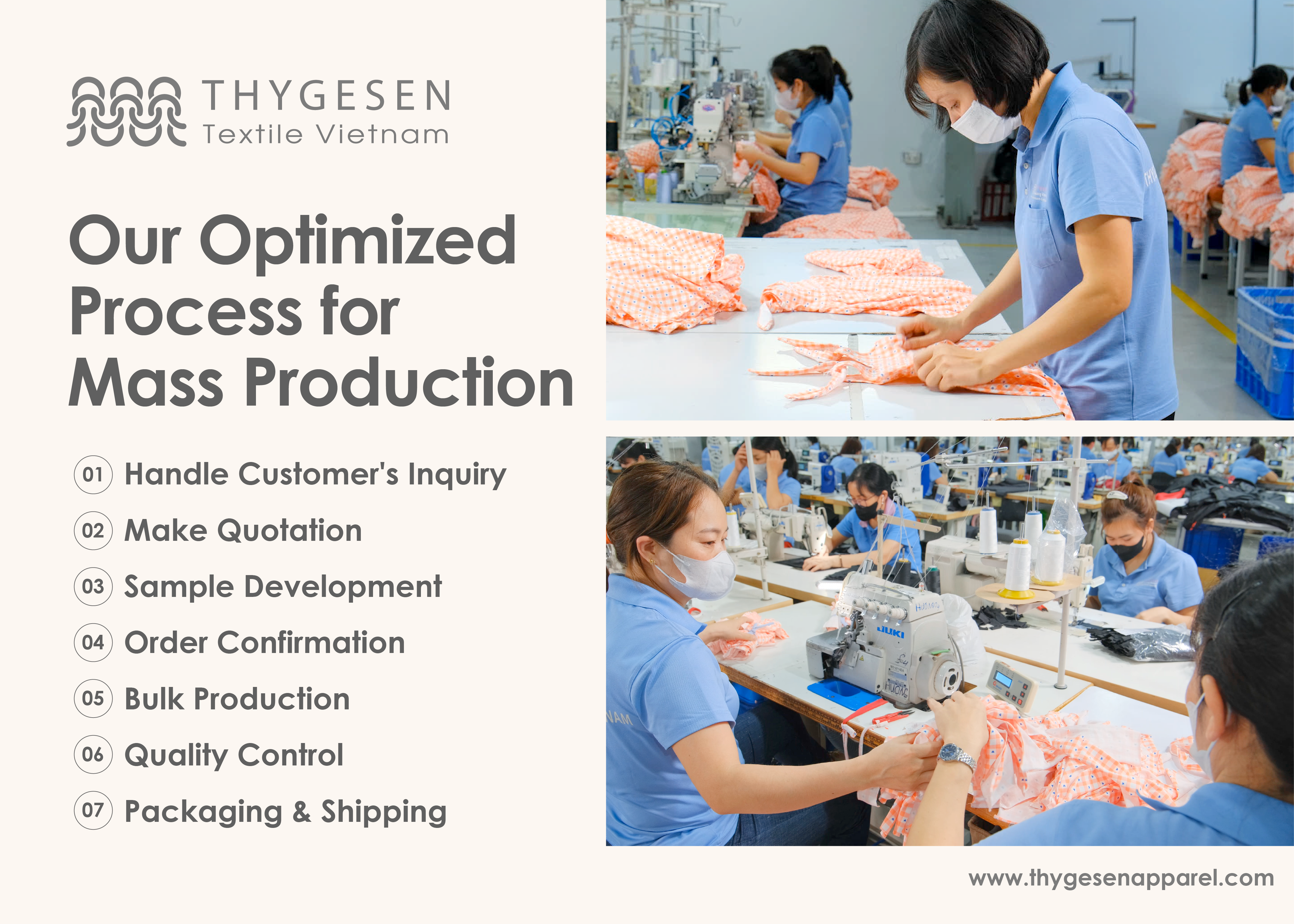
The process begins with the brand submitting an inquiry, including tech packs, design sketches, order quantity, fabric preferences, and other key details. Based on this information, OEM clothing manufacturers will review to see if their production aligns.
Next, the development team will carefully review the tech pack and consult material suppliers before providing a tailored quotation for the project. Once price is approved, a clear timeline for sampling and production is established.
Based on tech packs, design sketches, or brand references, the pattern-making team develops precise patterns for fabric cutting and garment assembly. Experienced sample makers then create the first sample garment that meet the brand’s expectations while ensuring they are suitable for large-scale production.
Once the sample is approved, the brand confirms the order with a Purchase Order (PO), allowing the manufacturer to procure materials and finalize the production schedule.
Stage 2: Production
Once the development phase is completed and all materials are ready, bulk manufacturing begins in factories. Each step, from fabric cutting to stitching and finishing, is carefully managed to maintain precision and uniformity.
After production, garments undergo strict quality control procedures, including 100% end-line inspections and AQL (Acceptable Quality Level) checks to meet industry standards. Brands can also request third-party quality inspections for added assurance.
Once quality checks are completed, the garments are carefully packed, following the brand’s packaging requirements. The finished products are then prepared for shipping with options for transportation by sea or air.
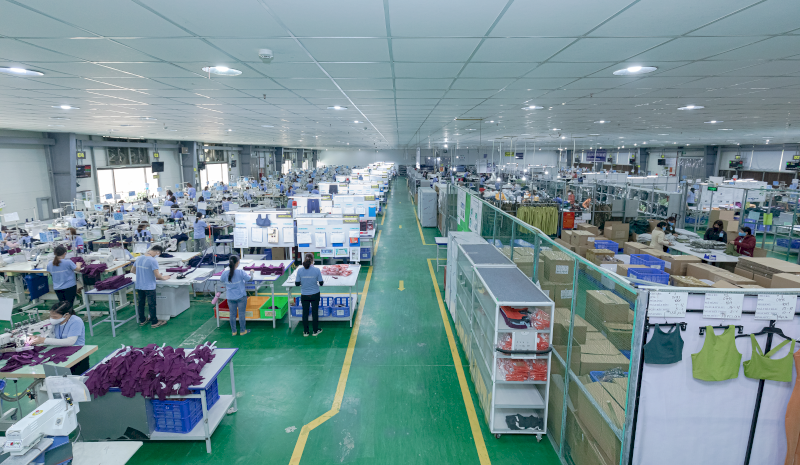
With proven expertise in cut and sew manufacturing, Thygesen helps brands transform approved tech packs into high-quality garments through controlled, scalable OEM production.
4. The OEM Manufacturer’s Role in EU Sustainability Compliance
For brands exporting to the European market, selecting an Original Equipment Manufacturer (OEM) with a strong sustainability compliance record is a mandatory requirement, not just an added benefit.
- Supply Chain Due Diligence (CSDDD): An OEM holding ethical social certifications (such as SA8000 and WRAP) significantly reduces labor and human rights risks in the supply chain. This allows the brand to more easily meet the stringent supply chain due diligence requirements of the EU’s upcoming CSDDD Directive.
- Ensuring Traceability for the DPP: In the OEM model, the manufacturer is responsible for material sourcing. This means the OEM must ensure all materials (fabrics, accessories) are certified and fully traceable (e.g., GRS, GOTS, FSC). This transparency is the cornerstone for the brand to create the Digital Product Passport (DPP) mandated by the EU.
- Waste Management and Product Durability (ESPR): The OEM must implement efficient production processes (such as LEAN Manufacturing) to minimize manufacturing waste. Simultaneously, they must guarantee that the final product offers high durability through strict Quality Control (AQL), directly supporting the product lifespan extension goals of the Ecodesign for Sustainable Products Regulation (ESPR).
5. Common Mistakes to Avoid When Choosing an OEM Partner
Avoiding common mistakes when choosing an OEM partner is key to ensuring quality, timely production, and a strong brand reputation:
- Choosing a Factory Based Solely on Low Pricing: While competitive pricing is important, choosing a manufacturer only for the lowest cost can lead to inconsistent quality, missed deadlines, or poor craftsmanship. The cheapest option often cuts corners on materials, labor, or quality control, which ultimately affects the brand’s reputation and customer satisfaction.
- Not Providing a Proper Tech Pack: A tech pack is the blueprint for your product. Brands that submit incomplete or unclear tech packs often receive inaccurate samples, require multiple revisions, and experience delays in bulk production. Providing a detailed tech pack or at least reference photos is key to ensuring the OEM understands your design, measurements, materials, trims, and finishing requirements.
- Ignoring Communication Efficiency: Slow, unclear, or inconsistent communication, language barriers, can cause misunderstandings, production delays, and quality issues. Efficient communication ensures quick feedback, accurate clarification, and alignment, protecting both your timeline and brand credibility.
- Skipping Certifications and Factory Audits: If your brand emphasizes sustainability, working with factories without proper certifications, audits, or compliance checks can expose you to reputational risks, including accusations of greenwashing. Always verify certifications, production standards, and ethical practices before committing to a long-term partnership.
- Not Asking About Long-Term Scalability: Brands often focus only on the current order, overlooking whether the factory can scale production to meet future growth. Ensuring your OEM partner can accommodate higher volumes, additional SKUs, or seasonal peaks is essential for maintaining a reliable, long-term supply chain.

6. How to Choose the Right OEM Clothing Manufacturer
Below are key factors to consider when choosing the right OEM clothing manufacturer for your brand:
- Define Your Product Requirements: Clearly outline your design, fabric preferences, order quantity, and customization needs to find a manufacturer that meets your expectations.
- Review Manufacturer Capability: Assess their expertise, production capacity, material sourcing, and quality control processes to ensure they align with your brand.
- Compare Costs and Terms: Assess pricing, MOQs, and payment terms across multiple manufacturers while considering quality, production capabilities, and additional services like packaging, printing, embroidery, and logistics support.
- Check Communication and Support: Choose a manufacturer that provides clear communication, regular updates, and responsive customer service throughout the process.
- Visit the Factories: If possible, conduct an on-site visit to gain a clear, firsthand understanding of the facilities, craftsmanship, and working processes of the manufacturer.
By carefully evaluating all these factors, you can effectively find the best clothing production factories that align with your brand’s values, quality standards, and long-term business goals, ensuring a successful partnership.
7. Top 5 Trustworthy OEM Apparel Manufacturers
Here are 5 trusted partners known for their expertise, quality, and consistent delivery.
7.1. Thygesen Textile Vietnam
With over 90 years of textile expertise, Thygesen Textile Vietnam is a trusted partner for brands seeking global-quality apparel production.
We are one of the ethical OEM clothing manufacturers in Vietnam, proudly partnering with global brands such as Tommy Hilfiger, DKNY, Calvin Klein, Fjällräven, Girlfriend Collective, Ninepine, and Boody. to produce high-quality garments. We specialize in manufacturing activewear, casualwear, kidswear, underwear, loungewear, uniforms, and seamless products that meet diverse market demands.
Our dedication to excellence and rigorous quality control measures solidify our reputation as the Best quality garment manufacturer, consistently delivering products that exceed international standards and client expectations.
Every garment is made with care in our SA8000 and WRAP certified factory, offering complete customization options for printing, embroidery, trim, fabric development, hangtags, labels – all for bringing your brand’s vision to life.
Looking for experienced athletic clothing manufacturers that deliver consistent quality and ethical production? Thygesen supports global brands with full-package OEM solutions built for performance and scalability.
7.2. Hung Long Company
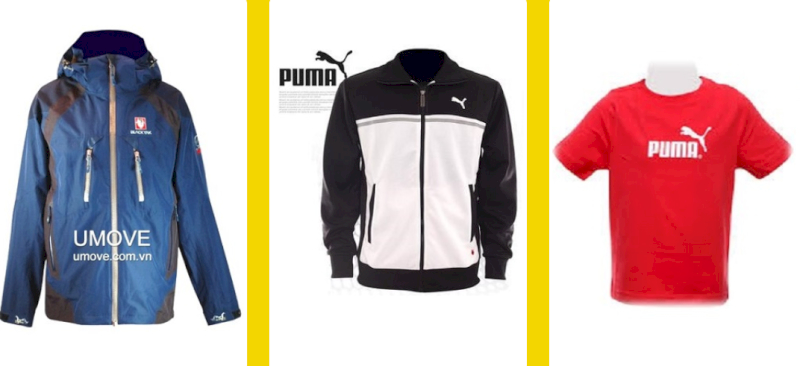
Hung Long was established in 2001 and is based in Vietnam. The company specializes in OEM garment manufacturing, producing a wide range of products including jackets, swimwear, casual wear, trousers, and other apparel items for global brands. Its clients include well-known international retailers and fashion labels such as Puma, Speedo, The North Face, Nike, and Gap etc. Products from Hung Long are exported to major markets including the United States, Japan, South Korea, Canada, and various European countries.
3.3. Crystal International Limited Group
Crystal Group was founded in 1970 and is headquartered in Hong Kong. Over the past decades, it has developed into one of Asia’s largest and most respected apparel manufacturers, operating a multi-country production network with factories across Vietnam, China, Cambodia, Bangladesh, and Sri Lanka.
Crystal Group offers a comprehensive range of apparel manufacturing services through OEM/ODM models and produces garments across multiple categories, including lifestyle wear, denim and jeans, knitwear and sweaters, intimate wear, sportswear and outdoor apparel, and basics like t-shirts.
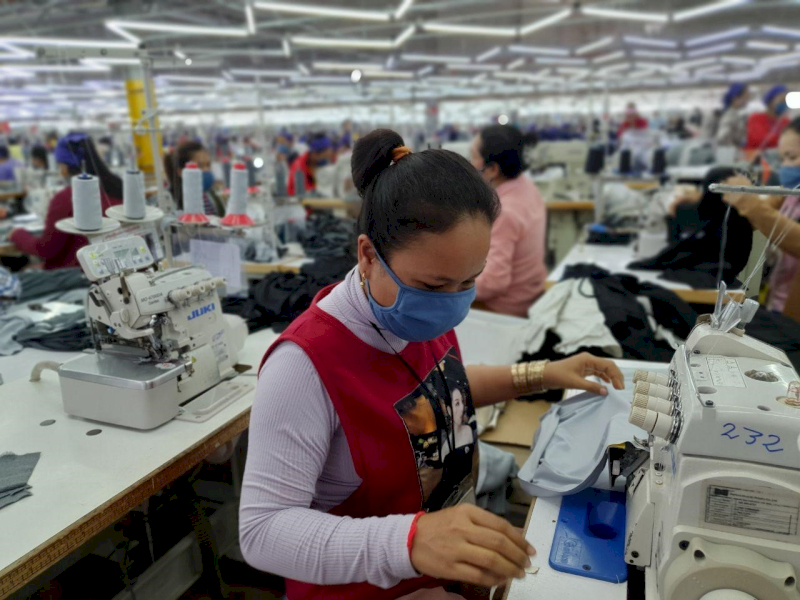
When comparing large-scale t-shirt manufacturers for global distribution, Thygesen stands out with certified factories, strict QC, and decades of textile expertise trusted by international brands.
7.4. Hongyu Apparel
Hongyu Apparel was founded in 2003 and is based in Dongguan (Guangdong), China. Over the past two decades, the company has grown into a major apparel manufacturer offering full‑service OEM/ODM solutions for independent fashion brands and start‑ups around the world. They produce a wide range of garments including T‑shirts, hoodies, swimwear, sleepwear, casual wear, and more, making them a suitable partner for brands looking to offer basics, streetwear, or lifestyle collections.
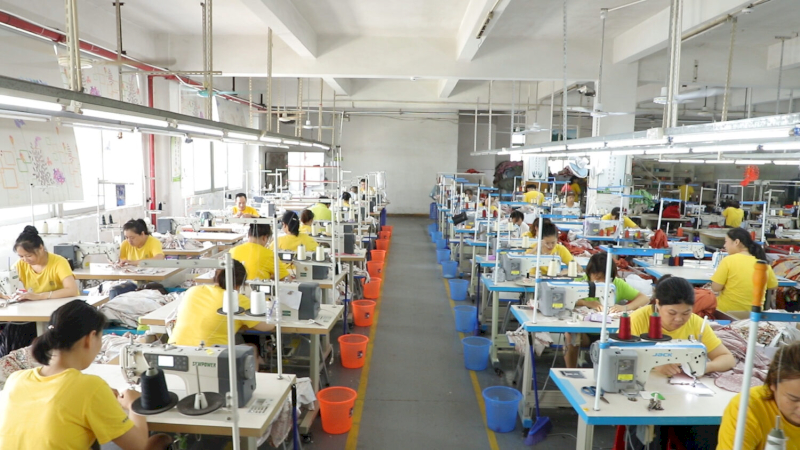
For brands seeking a professional streetwear clothing manufacturer, Thygesen is a helpful option, offering OEM and customized production capabilities with ethical standards, supporting the long-term growth of the brand beyond fleeting trends.
7.5. Senzhou Garment
Senzhou Garment is a clothing manufacturer based in Dongguan, Guangdong, China. The company offers OEM and ODM services, backed by a full supply chain and quality‑control processes to deliver consistent, premium garments.
Senzhou Garment produces a wide range of apparel including hoodies, T‑shirts, jackets, tracksuits, joggers, shorts, trousers and other casual/streetwear items. They offer full‑service manufacturing: from fabric sourcing and development to cut‑and‑sew production, custom logo printing or embroidery, labeling, packaging, and even support for small minimum order quantities (MOQ).
Thygesen Textile Vietnam: Ethical OEM Clothing ManufacturerThygesen is an ethical clothing manufacturer in Vietnam, with over 90 years of experience in the textile industry. As a sustainable activewear manufacturer and trusted hoodie manufacturer, we provide full-package solutions for global fashion brands, primarily in the US, Europe, Australia and Japan.Why Choose Thygesen’s OEM Service?
|
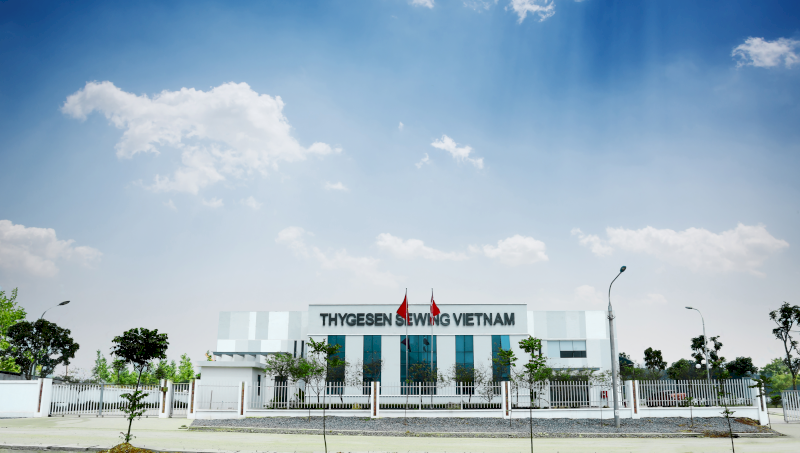
In conclusion, choosing the right OEM clothing manufacturers is ideal for brands looking to scale efficiently, maintain consistent quality, and bring their unique designs to market without managing their own factories. Trusted partners like Thygesen Textile Vietnam offer full customization, ethical production, and decades of expertise to turn your apparel ideas into reality. Visit thygesenapparel.com or email sale@thygesen.com.vn to start your journey with us.