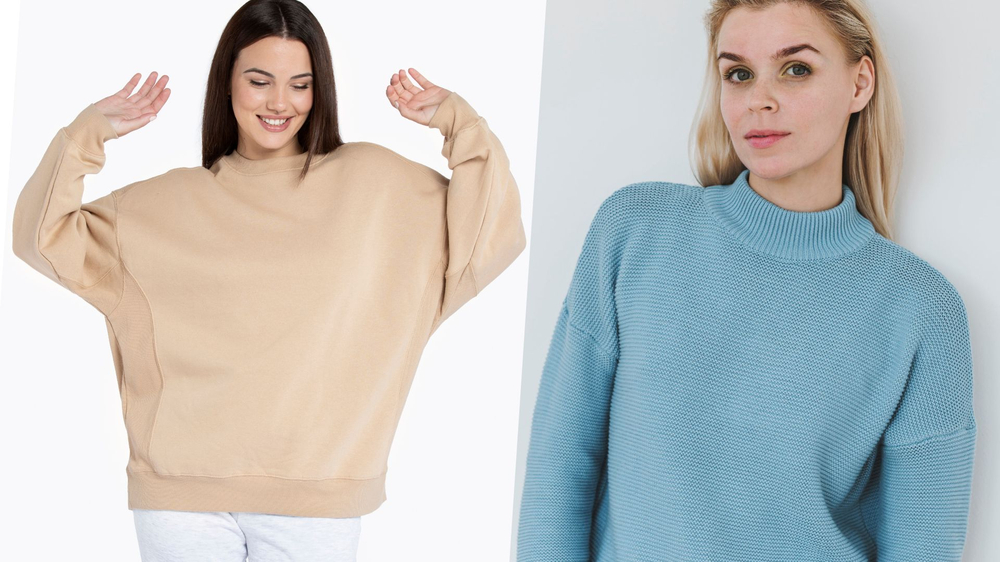
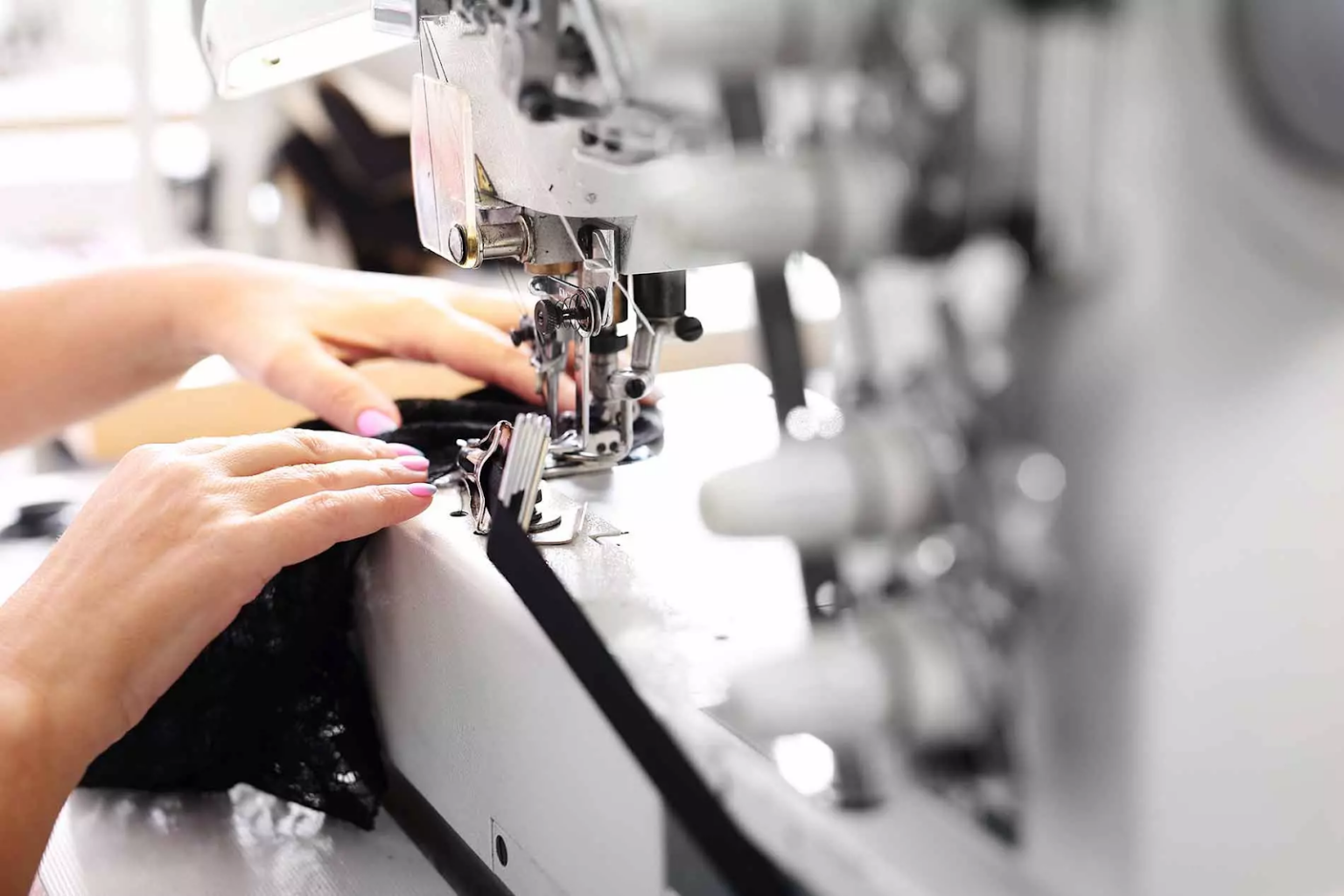
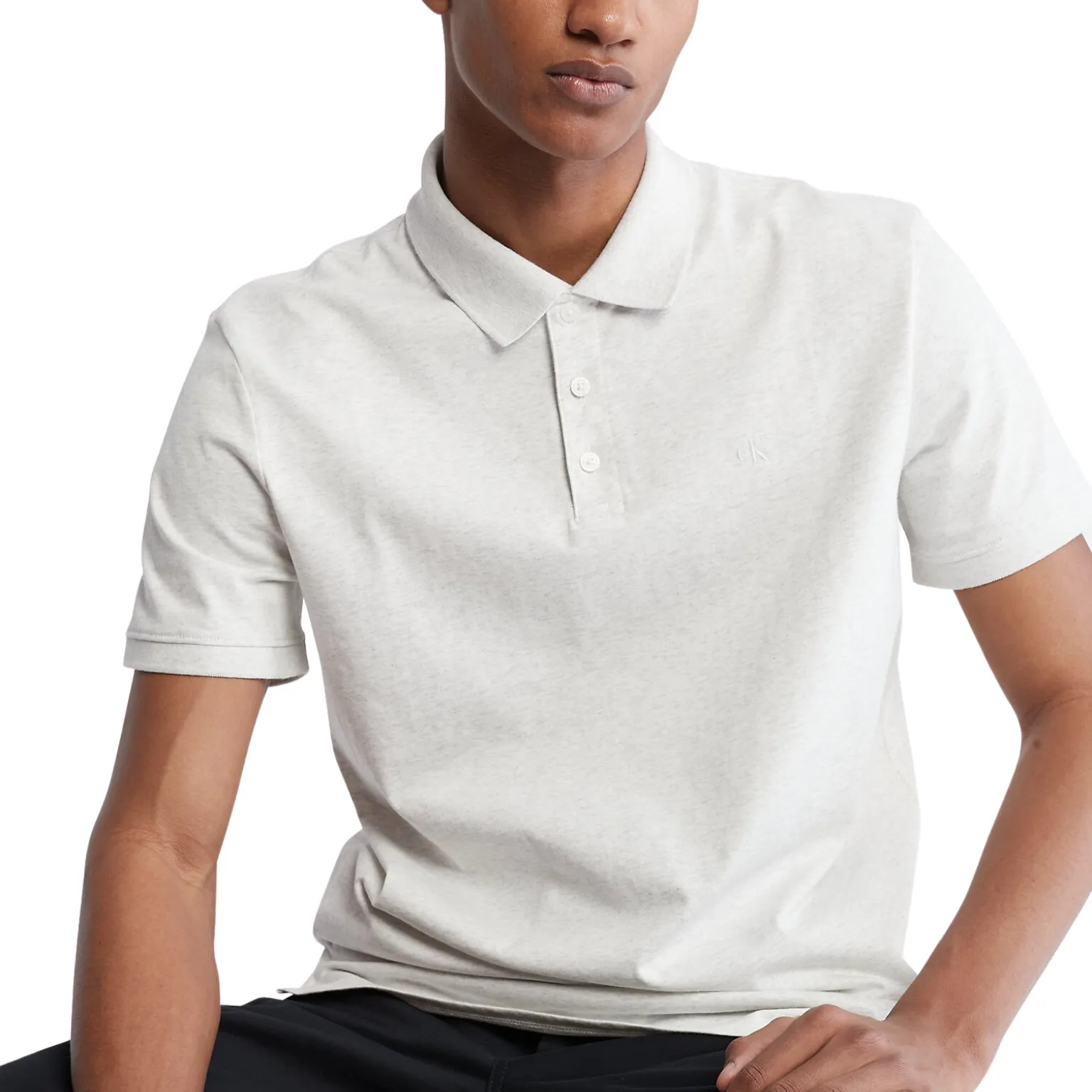
The fashion industry is shaped by changing consumer preferences, evolving technologies, sustainability demands, and global market competition. A SWOT analysis helps fashion businesses identify their strengths and weaknesses, recognize new opportunities, and prepare for potential threats. By understanding these four factors, brands can make more informed decisions, refine their strategies, and build a stronger position in an increasingly competitive market.

A SWOT analysis helps brands assess their strengths and weaknesses, identify growth opportunities, and prepare for potential threats to make more informed business decisions
1. What SWOT analysis means for the fashion industry
SWOT analysis is a strategic framework that helps fashion businesses evaluate their Strengths, Weaknesses, Opportunities, and Threats. It provides a clearer picture of internal capabilities and external market conditions, helping brands make informed decisions about product development, pricing, sourcing, and growth strategies.
In the fashion industry, this analysis is particularly useful because consumer preferences, market trends, production costs, and sustainability expectations continue to evolve. By assessing these four factors, businesses can identify competitive advantages, address operational challenges, explore new market opportunities, and prepare for potential risks.
2. Strengths of the fashion industry
The fashion industry’s strengths extend beyond consistent consumer demand and a large global market. Its diverse product segments, strong brand identities, opportunities for product innovation, and flexible business models give fashion businesses multiple ways to differentiate themselves and compete in the market. The following factors highlight the industry’s key competitive advantages.
2.1. Consistent Consumer Demand and a Large Global Market
Clothing serves both functional and personal needs, making apparel a product category with broad, recurring demand. Consumers purchase clothing for everyday wear, work, sports, special occasions, and changing lifestyles. This creates a substantial addressable market for businesses across different price points and product categories.
According to Grand View Research estimates cited by Jace Apparel, the global apparel market was valued at approximately $1.77 trillion in 2024 and is projected to reach $2.26 trillion by 2030. While market growth varies by region and segment, the industry’s large customer base provides brands with opportunities to develop new products, enter new markets, and build repeat-purchase relationships.
2.2. Diverse Market Segments and Revenue Opportunities
The fashion industry serves consumers with different needs, preferences, and budgets. Luxury fashion, mass-market apparel, sportswear, underwear, casualwear, and children’s clothing each represent distinct market segments with their own purchasing behaviors and competitive dynamics.
This diversity allows businesses to focus on a specific niche or expand into complementary categories as they grow. For example, an established activewear brand may introduce loungewear or everyday basics to reach existing customers on more occasions. For manufacturers, this variety also creates opportunities to develop specialized capabilities and serve brands with different product requirements.
2.3. Flexible Business Models and Global Supply Networks
The fashion industry supports a range of business models, from in-house production and direct-to-consumer sales to outsourced manufacturing, wholesale distribution, and private-label development. This flexibility allows businesses to organize their operations according to their resources, expertise, and growth objectives.
Global sourcing networks also give brands access to different materials, manufacturing capabilities, and production markets. By working with suitable manufacturing partners, fashion businesses can access specialized expertise and expand production without necessarily investing in their own factories. The advantage, however, depends on how effectively they manage quality, lead times, costs, and supplier relationships.

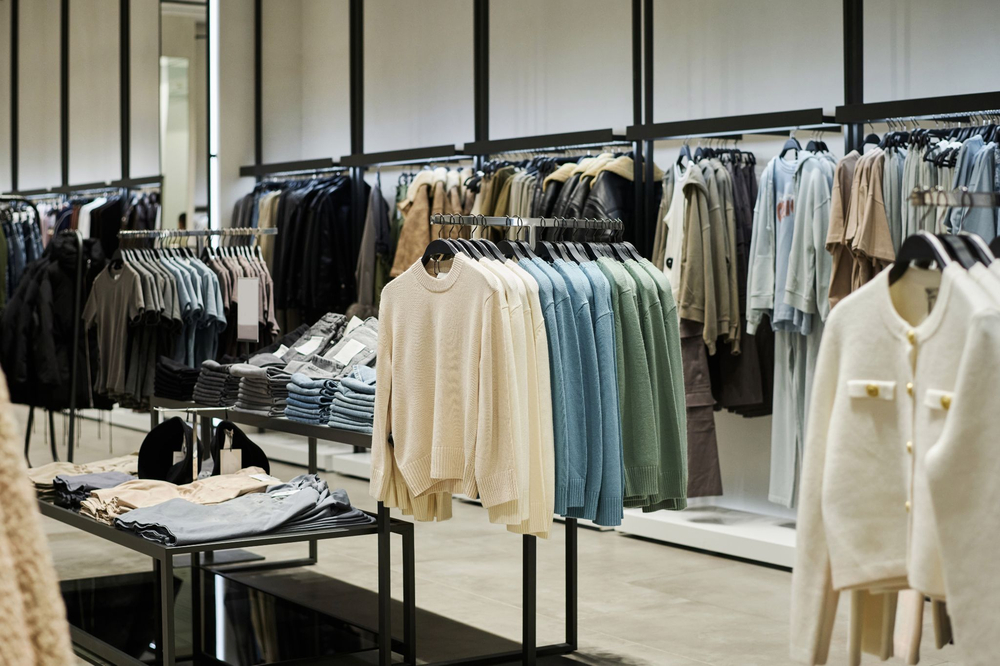
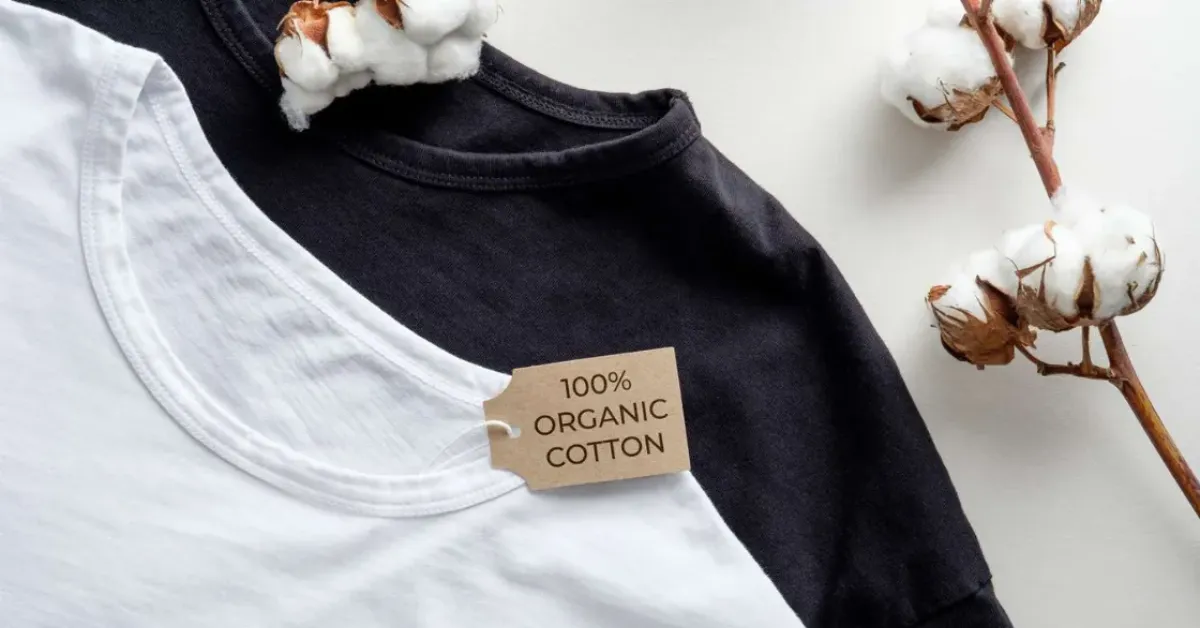
The fashion industry benefits from consistent consumer demand, diverse market segments, strong brand equity, and opportunities for innovation and business growth
3. Weaknesses of the fashion industry
A critical analysis of the fashion industry reveals several key weaknesses that hinder its long-term growth, resilience, and sustainability.
3.1. High Environmental Impact and Sustainability Challenges
One of the most critical weaknesses of the fashion industry is its heavy footprint on the environment. The rapid production cycles, particularly within fast fashion, generate massive amounts of textile waste, high water consumption, and significant carbon emissions. Additionally, the industry relies heavily on non-biodegradable synthetic fibers like polyester and hazardous chemical dyes, making transition toward circularity and sustainable supply chains both complex and costly.
3.2. Supply Chain Vulnerability and Ethical Concerns
The global fashion supply chain is highly fragmented, opaque, and susceptible to disruptions. Outsourcing production to low-cost regions often leads to persistent labor issues, including underpaid workers, poor factory conditions, and inadequate safety standards. This lack of transparency not only exposes brands to reputational damage and legal risks but also leaves operations vulnerable to geopolitical tensions, trade tariffs, and logistics bottlenecks.
3.3. Overproduction and Inventory Risk
Due to highly unpredictable consumer trends and long lead times, forecasting demand accurately remains a major hurdle for fashion brands. This imbalance frequently results in severe overproduction, leading to excessive unsold inventory (deadstock). To clear excess stock, companies are forced to rely on heavy discounting and margin compression, which dilutes brand equity and erodes overall profitability.
3.4. High Market Saturation and Brand Sensitivity
The fashion market is intensely competitive with low barriers to entry, leading to extreme market saturation. Consumers face an overwhelming array of choices and display decreasing brand loyalty, as social media trends shift rapidly. As a result, brands must constantly invest heavily in marketing and product development just to maintain relevance, making customer acquisition and retention increasingly expensive.
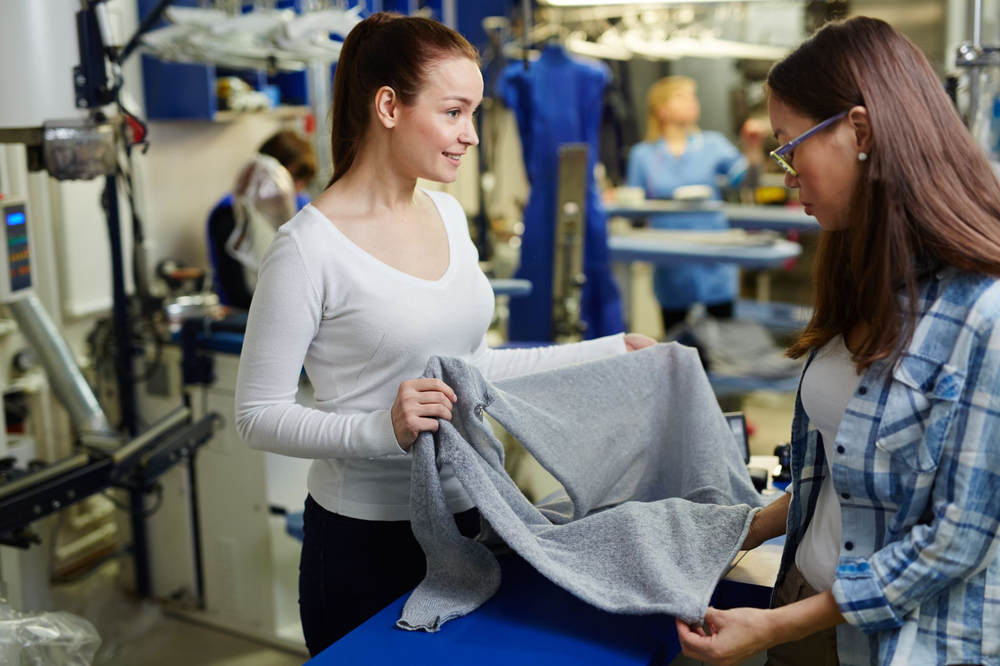
Unpredictable consumer trends and long production lead times make demand forecasting difficult for fashion brands
4. Opportunities in the fashion industry
The fashion industry offers opportunities for growth through digital innovation, changing consumer preferences, emerging markets, and more sustainable production models.
4.1. Growth of E-commerce and Digital Sales Channels
Online shopping allows fashion brands to reach customers beyond their local markets without relying entirely on physical retail stores. E-commerce platforms, social commerce, and direct-to-consumer (DTC) models also give brands more opportunities to test products, understand customer behavior, and build direct relationships with consumers.
4.2. Rising Demand for Sustainable Fashion
Growing interest in environmental responsibility creates opportunities for brands to explore recycled fibers, organic materials, more durable products, and transparent supply chains. Businesses that can demonstrate credible progress on sustainability may strengthen their market position and appeal to customers and retail partners with stricter sourcing requirements.
4.3. Expansion into Niche and Emerging Market Segments
Changing lifestyles create opportunities in specialized categories such as activewear, adaptive clothing, functional apparel, and comfortable everyday wear. Rather than competing directly with established mass-market brands, businesses can target specific customer needs and build a more distinctive market position.
4.4. Personalization and Product Innovation
Advances in digital design, data analytics, and garment technology allow fashion businesses to respond more precisely to customer preferences. From personalized shopping experiences to improved fit and functional fabrics, innovation can help brands differentiate their products, improve customer satisfaction, and identify new revenue opportunities.
4.5. Strategic Partnerships and Global Market Expansion
Brands can expand their product offerings and production capacity by partnering with experienced manufacturers, material suppliers, and distribution networks. For businesses entering new markets or launching new categories, the right partnerships can provide access to specialized expertise and supply chain resources without requiring substantial investment in in-house infrastructure.

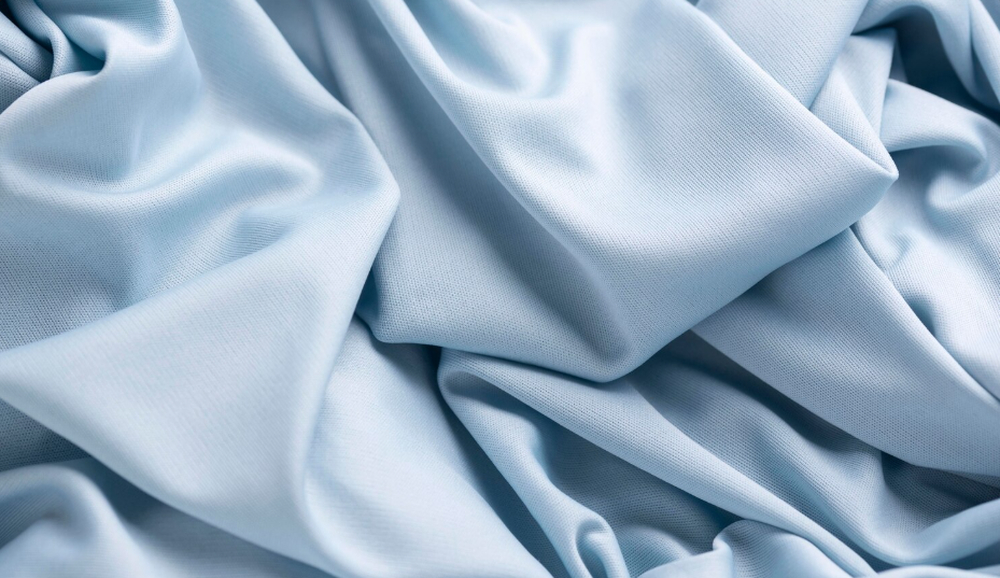
Growing environmental awareness creates opportunities for brands to adopt recycled and organic materials, develop durable products, and improve supply chain transparency
5. Threats facing the fashion industry
The fashion industry faces several external threats that can affect profitability, brand reputation, and long-term growth.
5.1. Price Competition and Margin Pressure
Intense competition from fast-fashion and ultra-fast-fashion retailers puts pressure on brands to lower prices while maintaining product quality. Competing primarily on price can reduce profit margins and limit investment in product development and innovation.
5.2. Environmental and Ethical Concerns
Issues such as textile waste, pollution, excessive resource consumption, and poor labor conditions expose fashion brands to reputational risks. Consumers, business partners, and regulators increasingly expect greater environmental responsibility and ethical production practices.
5.3. Design Copying and Intellectual Property Risks
Fashion designs can be quickly imitated, allowing competitors to capitalize on popular trends without the same investment in design and development. This weakens brand differentiation and makes protecting intellectual property across international markets more challenging.
5.4. Market Saturation and Growing Competition
E-commerce and social media have made it easier for new fashion brands to enter the market. As competition increases, businesses face greater challenges in gaining visibility, attracting customers, and building long-term loyalty.
5.5. Stricter Regulations and Compliance Requirements
International fashion businesses must comply with varying requirements for product safety, labeling, chemical use, labor standards, and sustainability. These regulations can increase testing and documentation costs, while non-compliance may lead to shipment delays, penalties, or restricted market access.
The fashion industry faces growing pressure from intense competition, environmental and ethical concerns, and the challenges of protecting original designs
6. What to do after a SWOT analysis of the fashion industry
| Step | What to do | How a clothing manufacturer can help |
1. Turn SWOT findings into action plans | Identify the most important strengths, weaknesses, opportunities, and threats. Set clear priorities for product development, market expansion, cost management, and sustainability. | Help assess production feasibility, material options, and manufacturing costs to support more informed business decisions. |
2. Improve product and supply chain efficiency | Review product quality, sourcing strategies, production costs, and lead times to improve competitiveness and reduce operational risks. | Support fabric sourcing, sample development, quality control, and bulk production to maintain product consistency and manage costs. |
3. Choose the right manufacturing partner | Evaluate potential partners based on production capabilities, MOQ, quality standards, communication, certifications, and experience serving your target markets. | Provide the technical expertise, production capacity, and relevant documentation needed to meet product specifications and applicable market requirements. |
4. Build a long-term manufacturing partnership | Establish reliable supplier relationships that can support new collections, changing market demands, and future business growth. | Work with a clothing manufacturer that understands industry challenges and opportunities, provides tailored manufacturing solutions, and supports your business goals as the market evolves. |

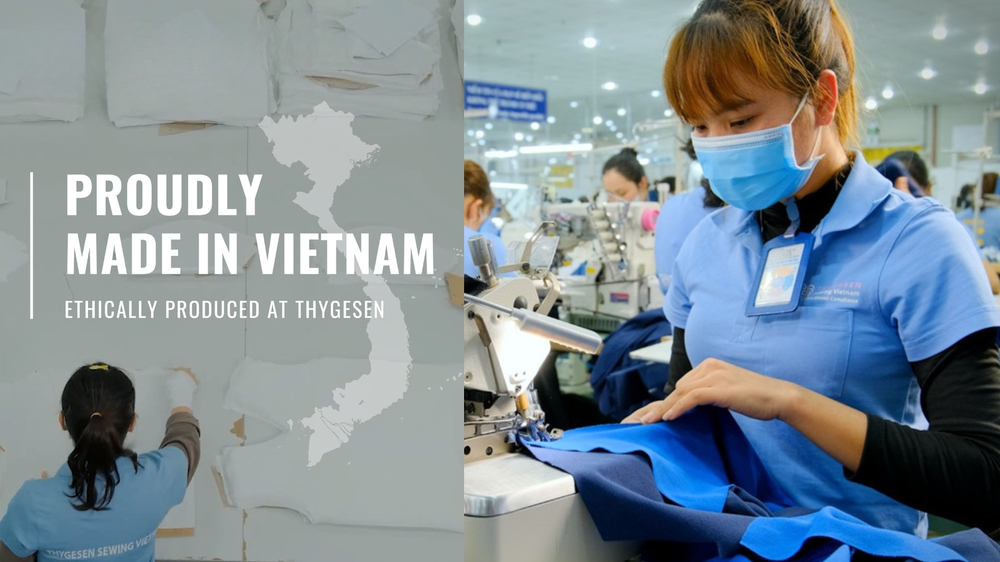
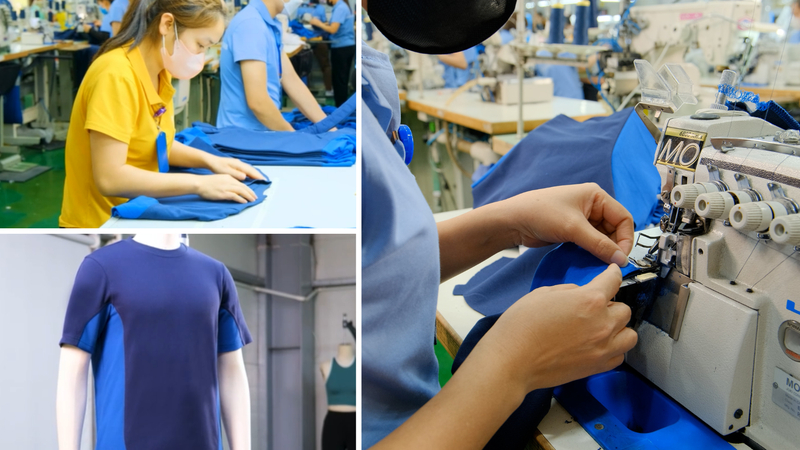
Thygesen Textile Vietnam is an experienced OEM/ODM clothing manufacturer, helping fashion brands turn their ideas into quality products through tailored manufacturing solutions
Understanding the fashion industry’s SWOT analysis is essential for making informed business decisions, but turning these insights into practical strategies requires the right manufacturing partner. At Thygesen Textile Vietnam, we understand the challenges and opportunities shaping the fashion industry and work closely with our clients to identify suitable manufacturing solutions, from material sourcing and product development to quality control and bulk production. With our OEM and ODM capabilities, we help fashion brands address production challenges and build a stronger foundation for long-term growth.
Looking for a clothing manufacturer that understands your business needs? Visit thygesenapparel.com or contact us at sale@thygesen.com.vn to discuss your manufacturing requirements.