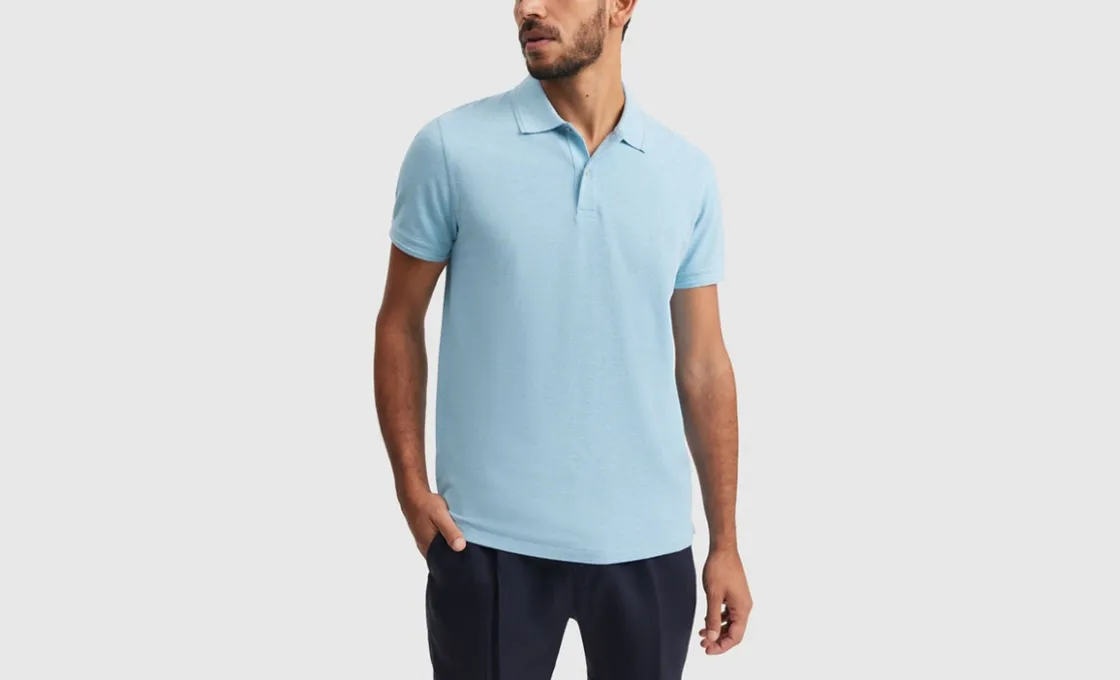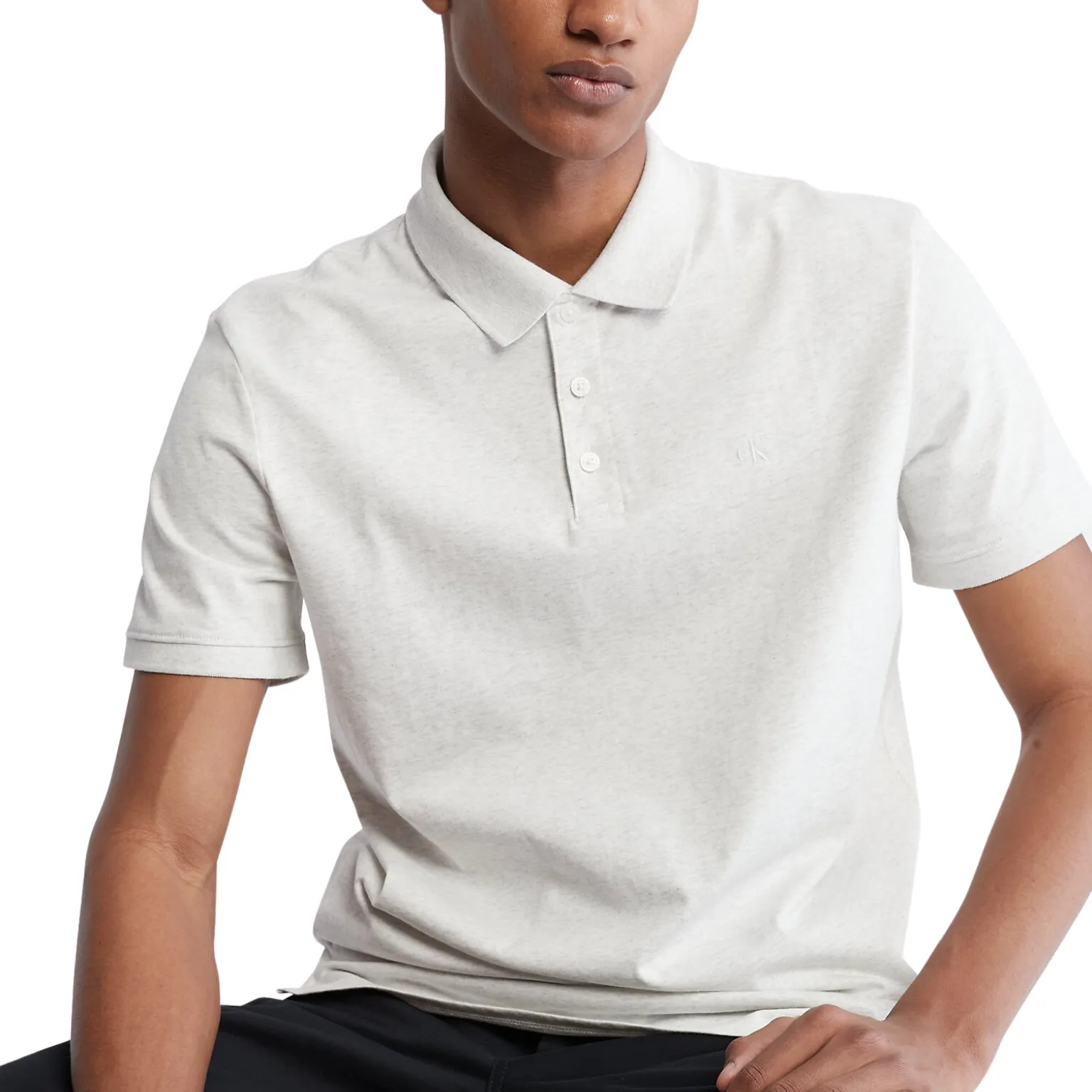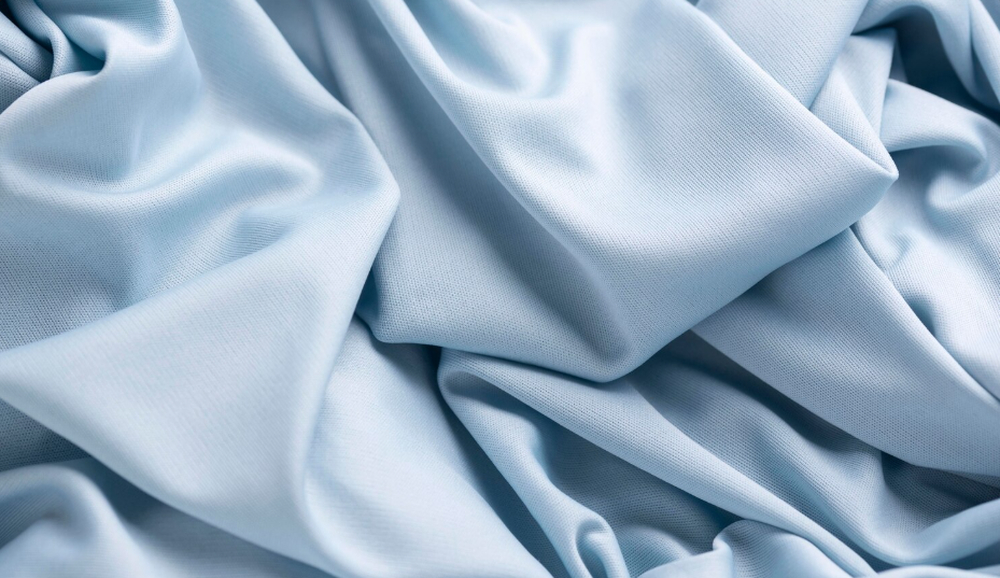
Understanding Tencel properties, production process, and sustainability benefits helps brands make informed material choices for their clothing collections
What is Tencel fabric? Tencel is a soft, breathable fabric known for its smooth texture, moisture management, and comfortable feel against the skin. Made from regenerated cellulose fibers, it is widely used in apparel ranging from everyday basics to activewear and sleepwear.
1. What is Tencel fabric?
Tencel is a brand name owned by Austrian company Lenzing AG for a range of soft, breathable, and eco-friendly semi-synthetic cellulosic fibers, primarily Tencel Lyocell and Tencel Modal
2. Advantages and disadvantages of Tencel fabric
| Criteria | Advantages | Disadvantages |
Softness and Comfort | Soft, smooth, and comfortable against the skin. | May feel less crisp or structured than some other fabrics. |
Breathability and Moisture Absorption | Absorbs moisture well and helps maintain comfort during wear. | Drying time can vary depending on fabric thickness and construction. |
Appearance and Drape | Drapes naturally, creating a smooth and flowing look. | May be less suitable for garments that require a stiff or structured shape. |
Durability and Care | Offers good durability when properly constructed and cared for. | May require more careful washing to maintain its appearance and quality. |
Environmental Impact | Made from wood-based cellulose, with certain production processes designed to reduce environmental impact. | Sustainability depends on sourcing and manufacturing methods. |
Cost | Offers desirable qualities for premium and comfort-focused clothing. | Can be more expensive than some conventional fabric options. |
3. What is Tencel made of and how is it produced?
3.1. Raw materials: wood pulp and forest sourcing
If you wonder what tencel fabric is made from, it begins with natural cellulose harvested from responsibly managed forests. Eucalyptus trees are the primary raw material, alongside beech, spruce, and birch. All wood source materials are certified by reputable forestry organizations like FSC® or PEFC, ensuring compliance with strict anti-deforestation standards.

Sustainably sourced eucalyptus trees used as raw material for Tencel production
3.2. Closed-loop production process
- Step 1 (Harvesting & Pulping): Sustainably harvested wood is processed into purified dissolving wood pulp.
- Step 2 (Dissolving): The pulp is dissolved using a non-toxic organic solvent (NMMO) to form a clear liquid mixture.
- Step 3 (Spinning): The solution is extruded through fine spinneret holes into a dry air gap and coagulated in a liquid bath to create continuous filaments.
- Step 4 (Washing & Cutting): Filaments are thoroughly washed, dried, and cut into staple fibers to be spun into yarn.
- Step 5 (Solvent Recovery): More than 99.8% of the solvent and water used in the process are recycled back into the production loop.
4. Types of Tencel: Lyocell, Modal, and blends
| Feature | TENCEL™ Lyocell | TENCEL™ Modal | Tencel Blends (Cotton, Elastane, Polyester) |
Softness | Smooth and soft | Exceptionally soft and supple | Varies by blend; cotton adds a natural feel, while elastane contributes flexibility |
Strength and Durability | Generally offers good strength | Flexible and durable for everyday wear | Depends on the fiber combination and proportions |
Moisture Management | Good moisture absorption | Good moisture absorption | Cotton can support absorbency, while polyester may improve quick-drying performance |
Stretch and Flexibility | Depends on fabric construction | Soft and flexible | Elastane adds stretch and helps garments fit closer to the body |
Common Uses | Shirts, dresses, activewear, loungewear | Underwear, sleepwear, casualwear | T-shirts, leggings, underwear, and fitted apparel |
5. Common uses and how to care for Tencel fabric
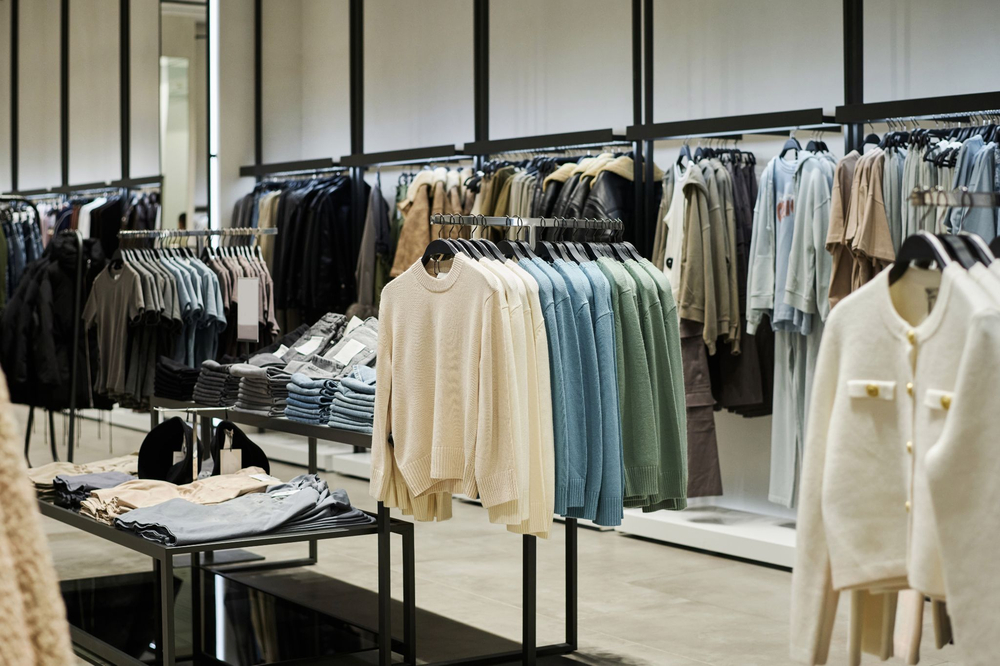
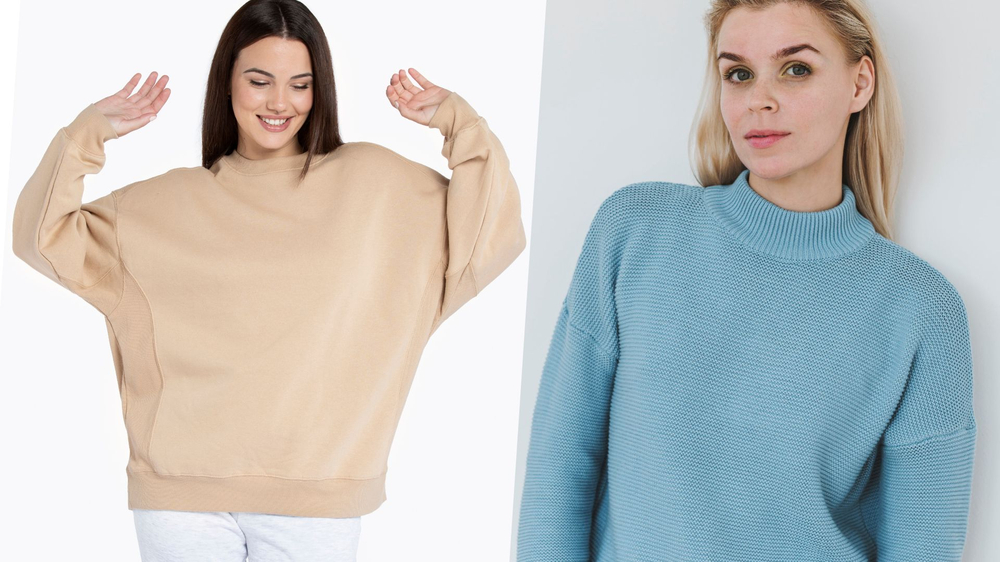
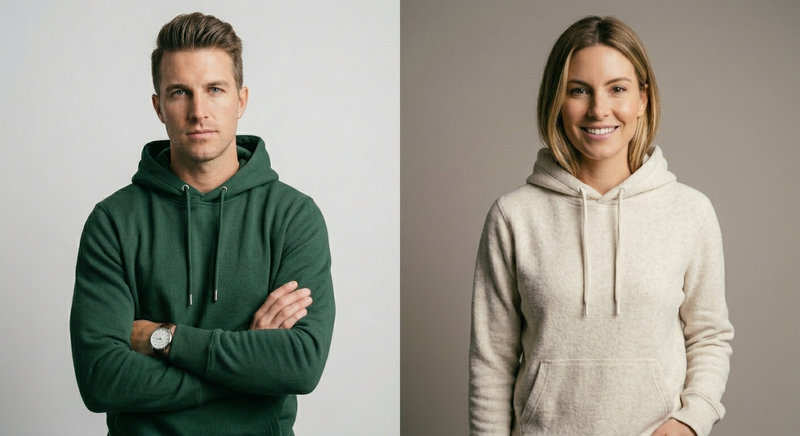
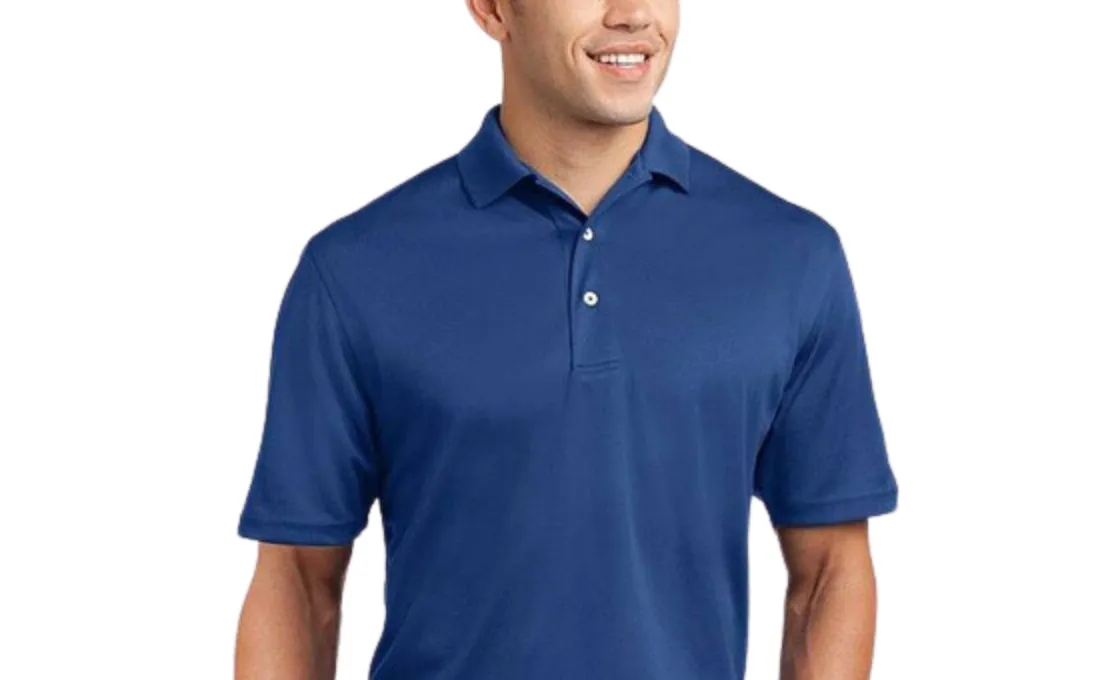
For T-shirts, shirts, and blouses, its smooth surface and lightweight feel provide comfort for everyday wear, while its fluid drape creates a neat, natural silhouette. In dresses, skirts, and lightweight trousers, Tencel helps garments fall gracefully and move naturally with the body. Its soft texture and moisture-absorbing properties also make it suitable for underwear, pajamas, and loungewear, where comfort against the skin is particularly important.
For activewear, Tencel Lyocell can be used in tops, leggings, and sportswear blends to provide a soft feel and help manage moisture during movement. When blended with elastane, it can offer additional stretch and flexibility for fitted garments.
Tencel Modal is also commonly used in underwear, base layers, and lightweight everyday clothing because of its softness and flexibility. Depending on the fiber blend, fabric construction, and finishing, Tencel can therefore meet a variety of needs, from lightweight everyday basics to comfortable clothing designed for rest and movement.
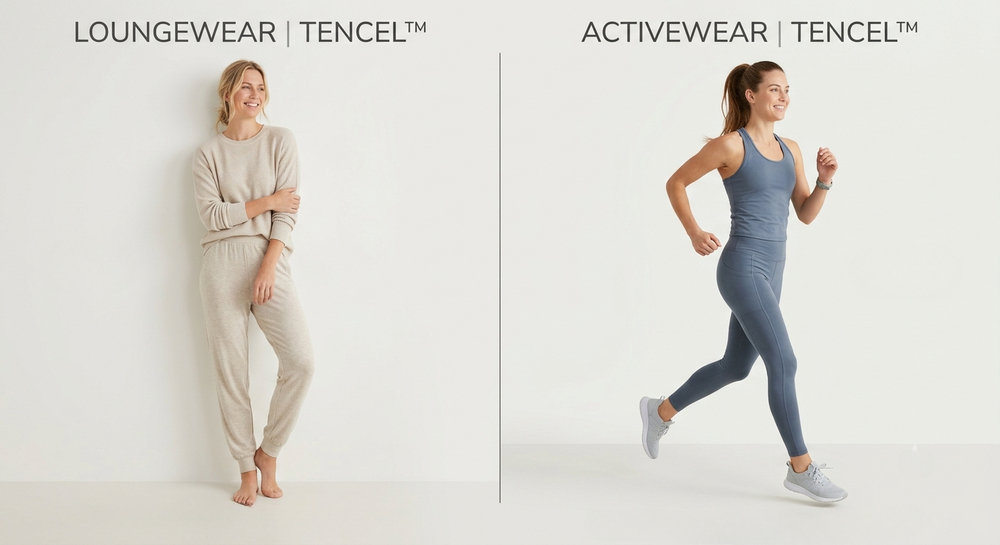
Tencel fabric is hypoallergenic, highly breathable, and gentle on sensitive skin
6. Frequently asked questions about what is tencel fabric (FAQ)
Is Tencel natural, toxic, breathable, and good for skin?
How sustainable is Tencel, and how does it compare to cotton and rayon?
Is Tencel fabric better than cotton?
Is Tencel natural or synthetic?
Does Tencel have microplastics?
Looking for a reliable clothing manufacturing partner for your next Tencel collection? Contact us at sale@thygesen.com.vn or visit thygesenapparel.com for more information.