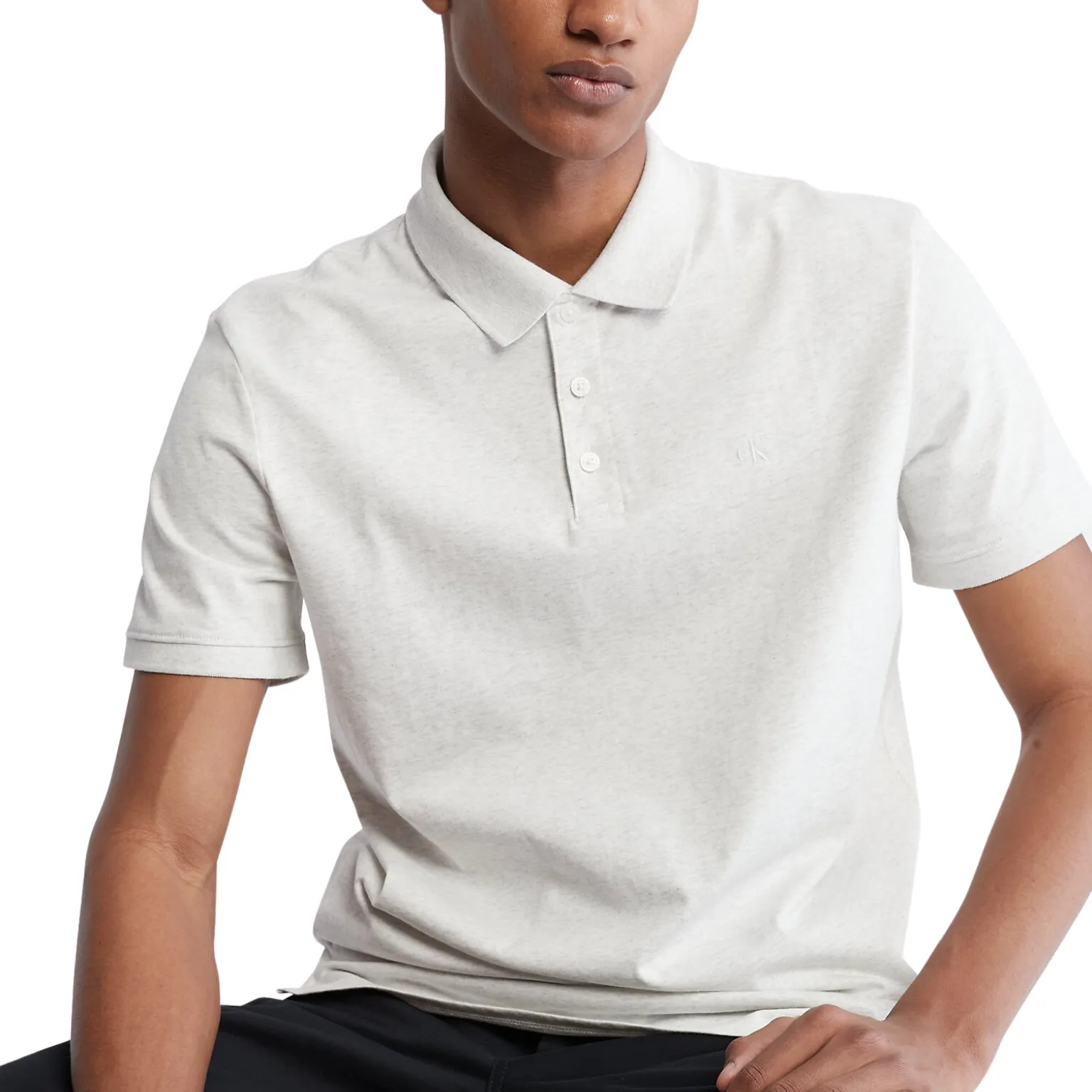
Have you ever picked up two T-shirts, both labelled “100% cotton”, and noticed that one feels thin and airy while the other feels dense, heavy, and structured? The difference usually comes down to fabric weight, measured in GSM. Knowing what is GSM in fabric matters because weight shapes almost everything about a garment: how it drapes, how well it breathes, how warm it feels, how opaque it is, and how long it lasts wash after wash.
No one wants to sweat in a heavy tee in summer or shiver in a flimsy hoodie in winter. For brands, designers, and manufacturers, choosing the wrong GSM can mean the wrong hand feel, higher costs, and unhappy customers. This guide explains what GSM means, how it is measured, which GSM suits each fabric and clothing category, how fiber composition changes the way GSM feels, which other fabric metrics are worth knowing, and how to choose and care for garments of different fabric weights.
Key Takeaways
- What is GSM in fabric: GSM (grams per square meter) is the weight of one square meter of fabric. The higher the GSM, the heavier and denser the fabric; the lower the GSM, the lighter and more breathable it is.
- Why fabric GSM matters: GSM influences comfort, breathability, drape, opacity, durability, warmth, and cost, making it one of the first specifications to lock in when developing a garment.
- Typical ranges: Lightweight fabrics sit below 150 GSM, medium-weight fabrics between 150 and 250 GSM, and heavyweight fabrics above 250 GSM – but the ideal number depends on the fiber, the garment type, and the season.
- Higher is not always better: GSM measures weight, not quality. Fiber quality, yarn, knit or weave structure, and finishing are just as important.
1. What Is GSM in Fabric?
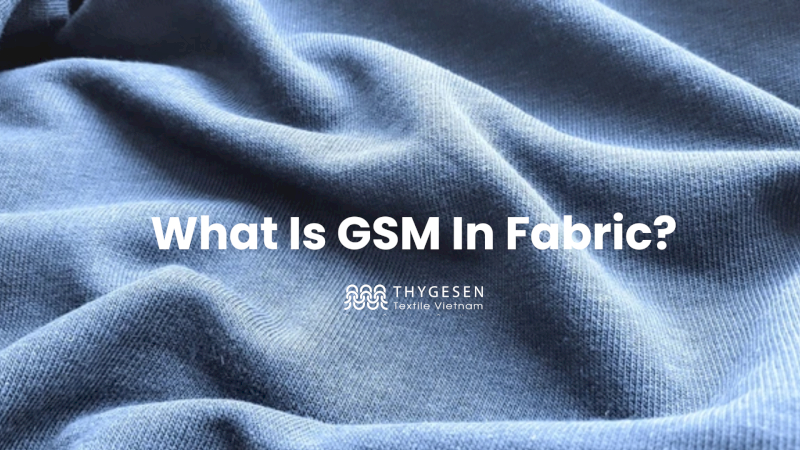
GSM stands for grams per square meter (g/m²) and is the standard unit used to express the weight of a fabric. Simply put, if you cut a piece of fabric measuring 1 meter x 1 meter and put it on a scale, its weight in grams is its GSM. A fabric weighing 180 grams per square meter is a 180 GSM fabric.
GSM tells you whether a fabric is light, medium, or heavy. The higher the GSM, the thicker, denser, and heavier the fabric feels; the lower the GSM, the lighter, thinner, and more breathable it is. For example, lightweight summer T-shirts usually use fabrics of around 120-160 GSM, while hoodies, sweatshirts, and winter garments use fabrics of 280 GSM or more.
GSM is closely linked to fabric density – how tightly the yarns are knitted or woven together. A tighter structure packs more fiber into the same area, which increases the weight and usually improves durability and resistance to wear. This is why GSM is one of the quickest ways to judge how substantial a fabric will be, and why it appears on almost every fabric specification sheet and tech pack.
However, GSM is only one number on a fabric specification. It works best when read together with the fiber composition, yarn, fabric construction, and other measurements covered later in this guide.
The specific GSM of fabrics significantly influences the drape and feel essential for modern streetwear collections. For brands seeking an experienced streetwear clothing manufacturer that prioritizes material integrity and design functionality, Thygesen offers comprehensive OEM solutions. This collaboration ensures your collections achieve the desired balance of comfort, durability, and aesthetic appeal. Understanding the GSM of different materials is crucial for selecting what is activewear fabric, ensuring optimal performance for athletic garments.
2. Why Is Fabric GSM Important?
Fabric weight directly affects how a garment feels, performs, and lasts in real-life use. From breathability and comfort to durability and structure, GSM plays a key role in determining overall product performance – and, for brands, in controlling cost and consistency.
- Comfort & Wearability: Fabric weight directly affects how a garment feels on the body. Lightweight fabrics allow more airflow and feel cooler, making them suitable for warm climates or high-movement activities. Heavier fabrics tend to feel warmer and more substantial, which is desirable for colder conditions or structured garments.
- Breathability & Moisture Management: Lower GSM fabrics generally offer better breathability and faster moisture evaporation, which is especially important for activewear and summer garments. Higher GSM fabrics retain more heat and moisture, making them better suited for low-intensity use or cooler environments. The ability of a fabric to manage moisture is often a key factor, making moisture wicking fabric an essential choice for performance apparel.
- Climate & Seasonality: Fabric GSM should match the season in which a garment will be worn. Light GSM fabrics keep the body cool in hot weather, while heavier GSM fabrics provide warmth and insulation in winter. Mid-weight fabrics work well for transitional seasons and layering.
- Drape & Garment Structure: GSM plays a key role in how a fabric hangs and holds its shape. Lightweight fabrics create a soft, fluid drape, while heavier fabrics provide more structure and firmness. This directly influences pattern design, fit, and the overall silhouette – think of a flowing summer dress versus a boxy heavyweight tee.
- Opacity: Fabric weight influences transparency. Low GSM fabrics can look semi-sheer, especially in white or light colors, while higher GSM fabrics are needed for fully opaque garments such as white T-shirts, leggings, and underwear.
- Durability: Heavier fabrics often have higher resistance to wear, abrasion, pilling, and repeated washing. Lightweight fabrics can still be durable when well constructed, but GSM is an important indicator of how long a garment will keep its appearance and performance.
- Intended Use & Performance Requirements: Different activities place different demands on fabric weight. High-intensity sports typically require lighter fabrics for mobility and ventilation, while casual wear, uniforms, or outerwear benefit from heavier fabrics that offer stability and protection.
- Cost & Consistency: Higher GSM fabrics use more raw material, which increases the price per meter and the final garment cost. Specifying a clear GSM (with an agreed tolerance) also helps brands keep every production batch consistent in look and feel.

In athletic apparel, precise GSM selection is critical for optimizing moisture management, flexibility, and garment durability under strenuous conditions. As one of the dedicated athletic clothing manufacturers, Thygesen incorporates advanced fabric technologies and rigorous quality controls to meet these specific performance requirements. Thygesen’s production processes adhere to international standards, ensuring functional and safe garments.
3. How to Measure GSM in Fabric?
GSM in fabric is measured by weighing a precisely sized fabric sample and converting that weight to grams per square meter. Because GSM can vary slightly across a fabric roll and between production batches, manufacturers measure it the same way every time so that results can be compared reliably.
Standard Method: Using a GSM Cutter
- Condition the fabric: Leave the sample in a standard atmosphere (typically around 20°C and 65% relative humidity) for several hours, as moisture in the fibers can change the weight.
- Cut the sample: Use a GSM cutter – a circular die cutter that cuts a sample of exactly 100 cm² – on a flat cutting pad, away from the fabric edges.
- Weigh the sample: Place the sample on a precision electronic balance.
- Calculate GSM: Because 100 cm² is 1/100 of a square meter, multiply the weight by 100. A sample weighing 1.8 g equals 180 GSM.
- Repeat and average: Test several samples from different areas of the roll and take the average for an accurate result.
Quick Method Without a GSM Cutter
If you don’t have a GSM cutter, cut a square of exactly 10 cm x 10 cm (100 cm²), weigh it on a digital scale, and multiply the weight by 100. For larger samples, use the formula: GSM = weight of sample (g) ÷ area of sample (m²). This is less precise than a lab test but useful for quick checks on swatches or finished garments.
Converting GSM to oz/yd²
Many US suppliers and denim mills list fabric weight in ounces per square yard. The conversion is simple: 1 oz/yd² ≈ 33.9 GSM. To convert oz/yd² to GSM, multiply by 33.906; to convert GSM to oz/yd², divide by 33.906.
| GSM | oz/yd² (approx.) |
| 100 | 2.95 |
| 150 | 4.42 |
| 180 | 5.31 |
| 200 | 5.90 |
| 250 | 7.37 |
| 300 | 8.85 |
| 350 | 10.32 |
| 400 | 11.80 |
The chosen GSM for a t-shirt dictates its weight, breathability, and overall hand-feel, directly affecting consumer satisfaction and product longevity. Brands requiring a specialized t shirt manufacturer with extensive material knowledge can collaborate with Thygesen to optimize fabric choices for various market segments. Thygesen provides scalable production capabilities while maintaining consistent material standards.
4. Fabric GSM Categories: Lightweight, Medium-weight, and Heavyweight
Most fabrics fall into one of three weight categories. These ranges are a helpful starting point before narrowing down the exact GSM for a specific product:
| Weight Category | GSM Range | Feel & Characteristics | Typical Garments |
| Lightweight | Below 150 GSM | Thin, airy, soft drape, quick-drying, may be semi-sheer | Summer T-shirts, blouses, scarves, underwear, base layers, training tops |
| Medium-weight | 150-250 GSM | Balanced breathability, comfort, and durability; good opacity | Everyday T-shirts, polo shirts, leggings, dresses, pajamas, kidswear |
| Heavyweight | 250 GSM and above | Thick, warm, structured, highly durable | Hoodies, sweatshirts, chinos, denim, jackets, workwear |
Keep in mind that these categories are not fixed rules. A 200 GSM cotton T-shirt and a 200 GSM polyester-cotton T-shirt can feel different, because fiber composition changes how the same weight looks and performs.
5. Fabric GSM Ranges by Clothing Category
Each product type is typically developed within a specific GSM range to balance comfort, durability, breathability, and structure. The table below breaks down typical GSM ranges by clothing category, linking each GSM level to its most common applications while also highlighting widely used fabric types and blends.
| Clothing Category | Typical GSM Range (by use case) | Common Fabric Types & Blends |
| Activewear | 120-160 GSM: Lightweight training tops, base layers, high-breathability performance wear | Recycled polyester, polyester-spandex, nylon-spandex |
| 180-250 GSM: Standard leggings, fitted active tops, all-season activewear | Interlock knit, double knit, poly-elastane blends | |
| 280-350+ GSM: Cold-weather activewear, compression and supportive garments | Nylon-spandex, high-density performance knits | |
| Underwear & Intimates | 100-150 GSM: “Barely-there,” sheer, or seamless underwear | Cotton jersey, modal, bamboo viscose, microfiber |
| 150-180 GSM: Standard everyday underwear with better opacity and durability | Cotton-elastane, modal-elastane, bamboo-spandex | |
| T-Shirts & Casual Tops | 120-160 GSM: Lightweight summer T-shirts and breathable casual tops | Cotton single jersey, cotton-poly blends |
| 160-200 GSM: Versatile everyday basics with balanced comfort and durability | Combed cotton, organic cotton, cotton-modal | |
| 200-300 GSM: Premium, heavyweight, oversized, or winter T-shirt styles | Heavy jersey cotton, cotton-elastane | |
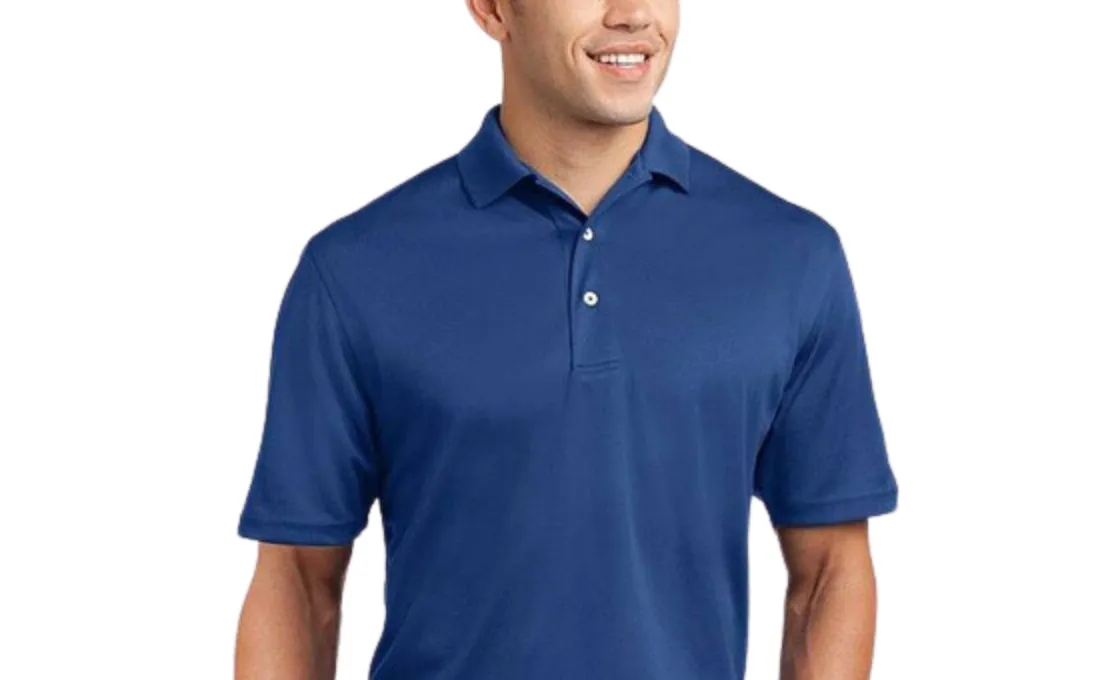
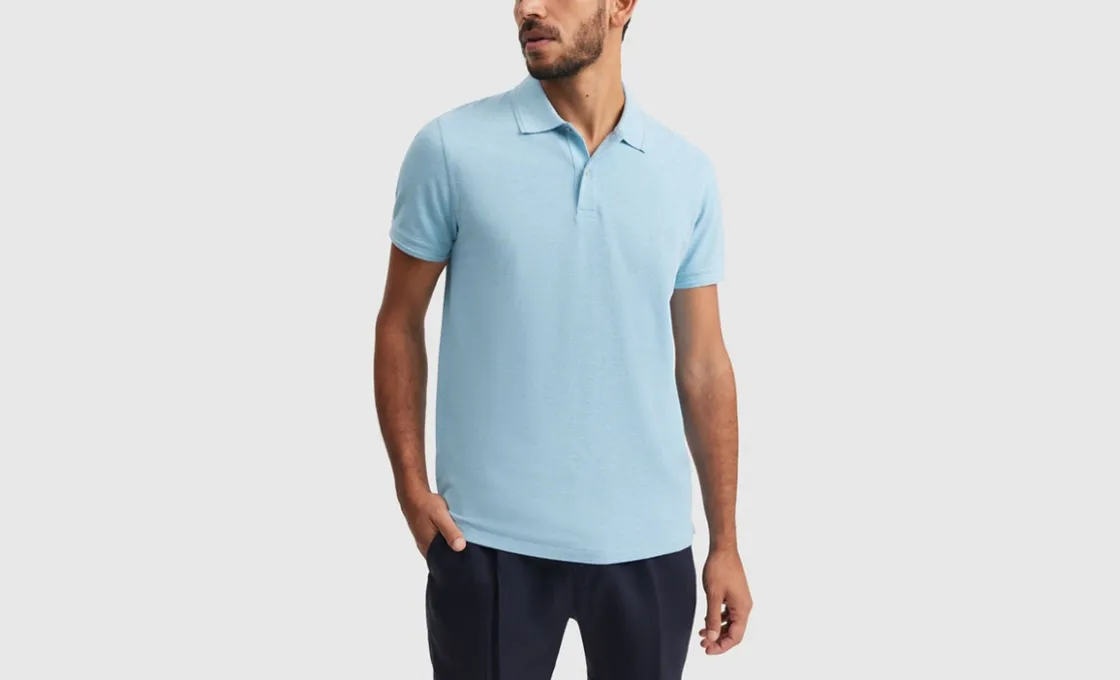
| Polo Shirts & Uniforms | 180-240 GSM: Polo shirts, corporate and school uniform tops | Cotton piqué, cotton-poly piqué, performance polyester |
| Kidswear | 140-200 GSM: Soft, breathable everyday tops, bodysuits, and sets | Cotton jersey, organic cotton, cotton-elastane, interlock |
| Loungewear & Sleepwear | 120-160 GSM: Summer sleepwear, hot climates, airy and breathable lounge styles | Cotton jersey, bamboo viscose, modal |
| 170-220 GSM: Year-round pajamas and standard cotton sleep sets | Cotton interlock, cotton-modal blends | |
| 220-300+ GSM: Winter sleepwear, thermal sets, cozy lounge pieces | Brushed cotton, thermal knits | |
| Pants & Chinos | 250-300 GSM: Classic all-season chinos and casual trousers | Cotton twill, cotton-elastane twill |
| 350-450 GSM: Winter chinos and heavier workwear pants | Heavy cotton twill, brushed twill, canvas | |
| Sweatshirts & Hoodies | 280-400+ GSM: Fleece sweatshirts, hoodies, and cold-weather casualwear | Cotton fleece, French terry, cotton-poly blends |
| Jackets & Outerwear | 350+ GSM: Jackets, coats, and structured outer layers | Wool blends, heavy fleece, denim, canvas |
To delve deeper into the specific characteristics and optimal uses of materials for various garments, you can explore resources like Hoodie Fabric Types: A Manufacturer’s Guide to Material Selection – Thygesen Textile Vietnam.
6. GSM by Fabric Type and How Fiber Composition Interacts With GSM
The same GSM number can mean very different things depending on the fiber and construction. The table below shows typical GSM ranges for common apparel fabrics and how each one behaves. Actual values vary by supplier, yarn, and finishing.
| Fabric Type | Typical GSM Range | How It Behaves at Its Weight |
| Cotton single jersey | 120-220 GSM | Soft and breathable; the benchmark fabric for T-shirts and basics |
| Cotton interlock | 180-260 GSM | Double-knit structure, smooth on both sides, more stable and opaque than jersey |
| Piqué | 180-240 GSM | Textured, breathable, holds its shape well for polos and uniforms |
| French terry | 220-350 GSM | Looped back, absorbent, lighter alternative to fleece for sweatshirts |
| Fleece (brushed) | 250-400+ GSM | Brushed inside to trap air; warm and cozy for hoodies and winter wear |
| Linen | 110-220 GSM | Airy and cool; even heavier linen feels cooler than cotton of the same GSM |
| Merino wool jersey | 120-260 GSM | Warmer than cotton at the same GSM; lightweight merino still insulates well |
| Polyester / recycled polyester knits | 100-200 GSM | Lightweight, quick-drying, and durable even at low GSM |
| Nylon-spandex | 180-300 GSM | Stretchy, supportive, and squat-proof at higher GSM for leggings and swimwear |
| Modal / bamboo viscose jersey | 140-220 GSM | Silky, fluid drape; feels lighter than cotton of the same weight |
| Denim | 270-500+ GSM (about 8-15 oz) | Structured and durable; usually specified in oz/yd² |
How Fiber Composition Interacts With GSM
Imagine two T-shirts, both at 150 GSM. They weigh exactly the same per square meter, yet one may feel cool and crisp while the other feels warm and soft. The reason is the fiber. Each fiber has its own density, structure, and ability to trap air or move moisture, so the same GSM delivers a different result:
- Cotton: The benchmark for comparison. Cotton is soft, breathable, and absorbent, and its feel changes fairly predictably with GSM – light cotton feels airy, heavy cotton feels dense and substantial.
- Wool and merino: Wool fibers are crimped and trap air, so a 150 GSM wool fabric is noticeably warmer than a 150 GSM cotton fabric. Lightweight merino below 150 GSM can match the warmth of a much heavier cotton while staying breathable.
- Linen: Linen fibers are stiff, hollow, and highly breathable. Even a heavier linen shirt usually feels cooler than a 150 GSM cotton tee, which is why linen can be worn at higher GSM in hot weather.
- Polyester and nylon: Synthetic fibers are denser and smoother than cotton, so a synthetic fabric can look thinner at the same GSM. They absorb little water, dry quickly, and stay strong and durable even at low GSM, which makes them popular for lightweight activewear.
- Viscose, modal, and bamboo: These regenerated cellulose fibers are heavier and more fluid than cotton, creating a silky drape that feels lighter and cooler on the body than its GSM suggests.
- Blends: Blends combine the strengths of each fiber. A cotton-polyester blend is more wrinkle-resistant and durable than pure cotton at the same GSM, while adding elastane increases stretch and recovery. Because elastane makes the fabric contract after knitting, stretch fabrics often end up with a higher GSM than the same fabric without elastane.
The key lesson: only compare GSM within the same fabric family. A GSM number tells you how much fabric there is, while the fiber composition tells you how that fabric will behave.
Why Fabrics With the Same GSM Can Feel Different
GSM measures weight only. Two fabrics at 180 GSM can feel completely different because of:
- Fiber type: Wool traps more heat than cotton at the same weight, linen stays cooler, and synthetic fibers are denser, so a polyester fabric may look thinner than a cotton fabric of the same GSM.
- Fiber quality: Long-staple fibers such as Pima or Supima cotton feel smoother and pill less than short-staple fibers at the same GSM.
- Yarn thickness: Finer yarns packed tightly create a smooth, dense fabric, while thicker yarns create a coarser, bulkier feel.
- Knit or weave structure: Jersey, interlock, rib, piqué, twill, and plain weave all change stretch, breathability, and drape.
- Finishing: Brushing, peaching, enzyme washing, or mercerization change the hand feel without changing much weight, while heavy sizing or softeners can add weight that washes out later.
7. Other Important Fabric Metrics Beyond GSM
GSM is the most universal fabric weight measurement for everyday apparel, but it doesn’t tell the whole story. Depending on the product, market, and production stage, these other metrics help brands and manufacturers describe a fabric more precisely:
| Metric | What It Measures | Why It Matters |
| Ounces per square yard (oz/yd²) | Weight of one square yard of fabric – the imperial equivalent of GSM (1 oz/yd² ≈ 33.9 GSM) | Standard in the US market and for denim, canvas, and other heavy fabrics |
| Yarn count – Cotton count (Ne) | Number of 840-yard hanks of yarn per pound, written as “30s” or “40s” | A higher count means a finer, lighter yarn, which gives a smoother and softer fabric |
| Yarn count – Tex | Weight in grams of 1,000 meters of yarn | A lower Tex means a finer yarn; widely used in technical specifications |
| Yarn count – Denier | Weight in grams of 9,000 meters of filament yarn | Common for nylon, polyester, and hosiery; a lower denier means a sheerer, lighter yarn |
| Fabric thickness (mm or mils) | Physical thickness of the fabric, measured with a thickness gauge | Thickness and weight don’t always match; critical for protective and technical apparel |
| Weight per linear yard/meter | Weight of one running yard or meter of fabric at its full roll width | Used in bulk fabric buying and commercial transactions |
| Fabric yield | Meters or yards of fabric per kilogram or pound (the inverse of weight) | Helps forecast how many garments can be cut from a given amount of fabric and estimate costs |
| Bulk density | Mass of material, including air spaces, divided by its volume | Rare in everyday apparel but key for insulation, wadding, and batting in winter jackets |
| Thread count | Number of threads per square inch of woven fabric | Mainly used for woven cotton bed sheets and shirting |
| Momme | Silk-specific weight unit (1 momme ≈ 4.34 GSM) | The standard way to describe silk garments and silk bedding |
Beyond these numbers, a few other factors also shape how a fabric performs:
- Knit or weave structure: Jersey, rib, interlock, piqué, plain, twill, and satin each change breathability, stretch, and drape.
- Fiber quality: Long-staple cotton such as Pima or Supima is smoother and more durable than standard short-staple cotton at the same GSM.
- Finishes and treatments: Water-repellent, anti-wrinkle, anti-pilling, or brushed finishes change performance regardless of GSM.
- Sustainability and certifications: Certifications such as OEKO-TEX® or GOTS, along with sourcing and production practices, matter increasingly to both brands and consumers.
8. Choosing the Right Fabric Weight for Your Wardrobe
Understanding fabric GSM helps you build a wardrobe – or a product range – that works in every season, instead of ending up with pieces that are always too hot or too thin. Here are the main factors to consider.
Climate
- Hot, humid summers: Choose lightweight fabrics of around 100-150 GSM in cotton or linen for maximum breathability. Linen can be worn at a slightly higher GSM than cotton because it naturally feels cooler.
- Moderate temperatures: Mid-weight fabrics of 150-200 GSM are a reliable year-round staple and can be layered as the seasons change.
- Cold winters: Heavier fabrics of 200+ GSM for tops and 300+ GSM for sweatshirts and outer layers provide the insulation needed to stay warm.
Lifestyle
- Frequent travelers: Light to mid-weight fabrics pack easily, take up less space, and dry faster after washing.
- Athletes and gym-goers: Lightweight to mid-weight performance fabrics, ideally made with recycled synthetics, balance breathability, moisture-wicking, and durability during intense training.
- Outdoor enthusiasts and workers: Durability and protection matter most, so higher GSM rugged fabrics such as denim, canvas, or heavy twill are a better fit.
- Office and everyday wear: Mid-weight fabrics offer a neat, opaque look and hold their shape through a full day of wear.
Personal Body Temperature
Everyone regulates heat differently. If you tend to feel cold, heavier fabrics or warmer fibers such as wool will keep you more comfortable. If you sweat easily or run hot, lighter GSM fabrics and breathable fibers such as linen, cotton, or TENCEL™ Lyocell are a better choice. Layering garments of different weights is one of the easiest ways to adjust to changing temperatures throughout the day.
Practical Tips for Shopping by GSM
- Check the label or product description: Many brands now list GSM, especially online.
- Ask for the GSM: If it isn’t listed, ask the retailer or supplier directly.
- Find your comfort zone: For example, if you like 160-180 GSM T-shirts, use that range as your reference when buying new ones.
- Feel the fabric in person: Comparing fabrics of different weights by hand is the fastest way to understand what each GSM really feels like.
9. Things to Consider When Deciding GSM in Fabrics
When deciding on the right GSM for a fabric, several key factors determine how the finished garment will perform in terms of comfort, durability, and overall functionality. Here are the main considerations:
- End Use and Application: The intended use of the fabric is the primary factor in choosing GSM. Lightweight fabrics (<150 GSM) are ideal for breezy summer shirts, delicate blouses, scarves, and underwear. Medium-weight fabrics (150-250 GSM) suit everyday T-shirts, casual shirts, dresses, and leggings. Heavyweight fabrics (250+ GSM) are best for hoodies, chinos, denim, jackets, and winter coats.
- Seasonality and Climate: GSM should be selected based on the environment where the garment will be worn. Low GSM (100-150) works best for warm climates and summer wear for breathability and sweat-wicking. High GSM (200+ for tops, 350+ for outerwear) is necessary in cold climates to provide insulation. Mid-weight fabrics (150-200 GSM) are ideal for transitional seasons and layering.
- Desired Durability and Structure: Higher GSM generally results in a denser, stronger fabric that resists tearing, pilling, and wear, suitable for garments that need to hold a specific shape, like structured blazers or sturdy workwear. Lower GSM fabrics are softer and lighter but less suitable for high-abrasion applications.
- Fabric Hand Feel and Drape: Low-GSM fabrics drape loosely and feel soft and light, while high-GSM fabrics provide more structure and a stiffer, more tailored feel. The choice of GSM directly affects the comfort and movement of the garment.
- Opacity: Lightweight fabrics with low GSM are often semi-sheer, while higher GSM fabrics are necessary to create opaque garments such as white T-shirts, leggings, or dresses.
- Cost and Manufacturing: Higher GSM fabrics typically use more raw material, increasing cost per meter or yard. They may also require different handling during production compared to lightweight fabrics, affecting sewing, cutting, and overall manufacturing efficiency.
The GSM of fabric profoundly influences a hoodie’s warmth, comfort, and structural integrity, impacting its performance and lifespan. Brands seeking a long-term partnership with a hoodie manufacturer that emphasizes material excellence and garment longevity will find Thygesen a capable collaborator. Thygesen supports precise material sourcing and development to ensure each hoodie delivers consistent quality and consumer satisfaction.
10. Caring for Garments Based on Fabric Weight
Fabric weight also affects how a garment should be washed, dried, and stored. Following the right care routine helps both lightweight and heavyweight garments keep their shape, color, and GSM for longer.
| Care Step | Lightweight Fabrics (Low GSM) | Heavyweight Fabrics (High GSM) |
| Washing | Use a gentle or short cycle in cold water to protect shape and color; a laundry bag helps prevent snagging | Usually fine on a regular machine cycle; turn inside out to reduce pilling and fading |
| Drying | Air-dry flat or on a hanger to prevent shrinkage and wrinkles | Often tolerates low-heat tumble drying, but air-drying keeps the shape longer; allow extra drying time |
| Ironing & Steaming | Wrinkles easily (especially linen) but responds well to low-temperature steaming or ironing | More wrinkle-resistant, but creases can be stubborn and need higher heat or steam |
| Storage | Can be hung or folded; keep away from rough surfaces that may snag | Fold heavy knits such as hoodies and sweatshirts to avoid stretching the shoulders on hangers |
Shrinkage depends more on fiber type and pre-treatment than on weight – both light and heavy cotton garments can shrink if washed too hot. Always follow the care label. From a sustainability perspective, well-made heavier garments often last longer and need replacing less often, but they also use more raw material, water, and energy to produce, so the best choice is a GSM that truly matches how the garment will be used.
11. Common Mistakes When Choosing Fabric GSM
| Mistake | Why It’s a Problem | What to Do Instead |
| Assuming higher GSM always means better quality | A heavy fabric can still use low-quality, short fibers and may feel too hot | Match GSM to the garment and season, then check fiber quality separately |
| Comparing GSM across different fabric types | 180 GSM linen, cotton, and polyester look and feel very different | Compare GSM only within the same fabric family and construction |
| Using heavyweight fabrics for summer products | High GSM traps heat and slows moisture evaporation | Use 100-160 GSM for summer tops and activewear |
| Choosing GSM too low for light colors or leggings | The garment may look see-through when worn or stretched | Test opacity on the stretched fabric before approving the GSM |
| Specifying GSM without tolerance or finishing stage | GSM can change after dyeing, washing, and finishing, leading to inconsistent bulk | State the finished GSM with an agreed tolerance (often around ±5%) and request test reports |
Before bulk production, always approve a physical swatch or sample, compare it with your reference garment, and keep the approved GSM in your tech pack so every batch matches the original standard.
12. Thygesen Textile Vietnam – Fabric Selection Consultant and Sourcing
Thygesen Textile Vietnam is a full-package apparel manufacturer based in Vietnam with over 90 years of experience in the textile industry. We serve renowned global fashion and kidswear brands, including Tommy Hilfiger, DKNY, Calvin Klein, Fjällräven, Girlfriend Collective, Ninepine, Boody. With decades of expertise, Thygesen specializes in high-quality production across multiple categories, such as activewear, underwear, loungewear, fashionwear, kidswear, uniforms, and more.
We provide professional consultation not only on fabric GSM but also on other critical fabric properties, including hand feel, drape, opacity, durability, stretch, and breathability. This guidance ensures that each fabric is well suited to the intended garment category, whether it’s lightweight summer T-shirts, mid-weight activewear, or heavyweight hoodies. With Thygesen’s expertise, brands can confidently choose fabrics that deliver both comfort and performance.
Beyond cutting and sewing, we can source, develop, or customize fabrics according to client specifications through our wide supplier network in Vietnam and abroad, including Japan, Korea, China, Taiwan, and the EU.
Frequently Asked Questions About GSM in Fabric
Does a higher GSM mean better quality?
Not necessarily. GSM only measures weight, not quality. A high-GSM fabric is thicker and heavier, which is great for hoodies, but a low-GSM fabric can be high-quality if it uses premium fibers like Pima cotton for a soft, breathable summer shirt.
Are lightweight fabrics always of poor quality?
No. Low GSM simply means a lighter fabric, not a weaker one. Silk, lyocell, fine long-staple cotton, and well-constructed nylon or polyester knits are naturally lightweight yet strong and long-lasting. Quality depends on the fiber, yarn, construction, and finishing, not on weight alone.
What is a good GSM for fabric?
There is no single “good” GSM – it depends on the garment and season. As a general guide, 100-150 GSM suits summer tops, underwear, and base layers; 150-250 GSM suits everyday T-shirts, polos, leggings, and dresses; and 250 GSM and above suits hoodies, sweatshirts, chinos, denim, and outerwear.
What is a good GSM for a T-shirt?
Around 120-160 GSM suits lightweight summer T-shirts, 160-200 GSM is the sweet spot for everyday basics, and 200-300 GSM is used for premium heavyweight or oversized tees.
Which is better, 180 GSM or 200 GSM?
Neither is better in every case. A 180 GSM fabric is slightly lighter and more breathable, making it a good everyday or warm-weather T-shirt weight. A 200 GSM fabric feels more substantial, more opaque, and holds its shape better, which suits premium basics, relaxed fits, and cooler seasons. Choose based on the look, feel, and climate you are designing for.
Is 300 GSM fabric good?
Yes, for the right product. 300 GSM is a heavyweight fabric that works well for sweatshirts, hoodies, heavyweight or oversized T-shirts, chinos, and cold-weather garments. It would feel too warm and heavy for summer tops or activewear.
Is 400 GSM heavy?
Yes. 400 GSM is a very heavy fabric, typically used for thick fleece hoodies, winter sweatshirts, heavy chinos, and outerwear. It offers excellent warmth, structure, and durability but is not suitable for warm climates or high-intensity activities.
Why do two fabrics at the same GSM feel completely different?
Because GSM only measures weight. Fiber type and quality (for example, long-staple vs short-staple cotton), yarn thickness, knit or weave tightness, blend composition, and finishing processes such as brushing, washing, or mercerization all change how a fabric feels. That’s why two T-shirts – or two bed sheets – with the same GSM can feel completely different in hand feel, warmth, and drape.
Is GSM the only factor that determines how warm a garment is?
No. Fiber type, fabric construction, and finishing also matter. Wool and brushed fleece trap heat more effectively than a smooth cotton jersey of the same GSM.
Does GSM change after washing?
It can. GSM often increases slightly after the first wash because natural fibers like cotton shrink, making the fabric more compact. It can also drop if heavy sizing or softeners from finishing wash out, which is why brands should specify GSM after washing and finishing.
Does a higher GSM mean the fabric is more expensive?
Not always. While heavier fabrics use more raw material, price is mostly driven by fiber quality and construction. A very light, finely woven silk or high-tech performance fabric can be much more expensive than a basic heavyweight polyester.
How do you convert GSM to oz?
Divide the GSM by 33.906 to get ounces per square yard. For example, 200 GSM is about 5.9 oz/yd², and 300 GSM is about 8.85 oz/yd².
In conclusion, understanding what is GSM in fabric helps you predict how a garment will feel, breathe, drape, and last before it is even made. Fabric GSM is a powerful starting point, but the best results come from matching it with the right fiber, construction, and finishing for each product and season. For expert guidance on fabric selection, sourcing, custom fabric development, and apparel manufacturing, contact Thygesen Textile Vietnam at thygesenapparel.com or email us at sale@thygesen.com.vn.