




















1. Key Insights from The Activewear Manufacturer
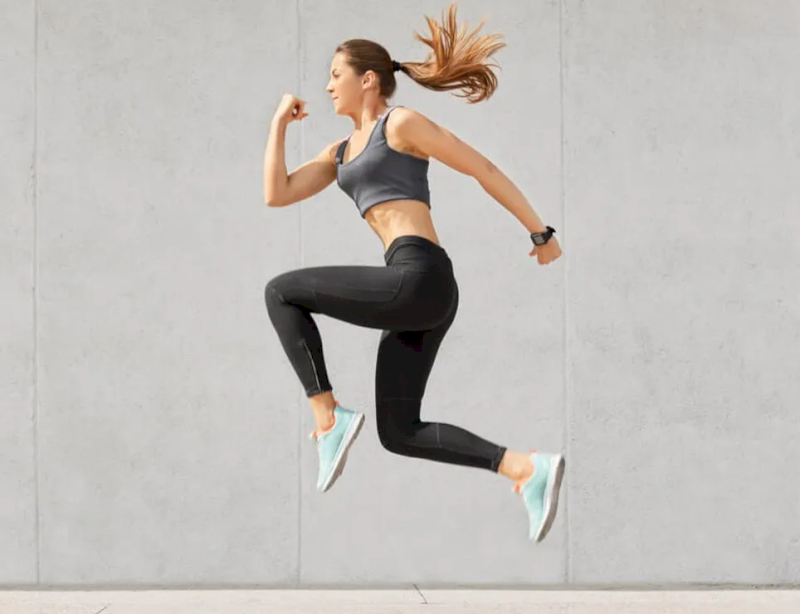
Activewear often appears simple at first glance. Stretch fabrics, fitted silhouettes, sporty finishes. But from the perspective of an experienced manufacturer, activewear is one of the most technically demanding categories in apparel.
Each garment must stretch repeatedly without losing shape, manage heat and moisture while staying breathable, remain opaque when the body moves, avoid irritation, and continue performing after many wash cycles.
A single weak decision in fabric, pattern, sewing construction, or finishing can damage performance instantly.
2. Why Many Brands Choose Thygesen for Activewear
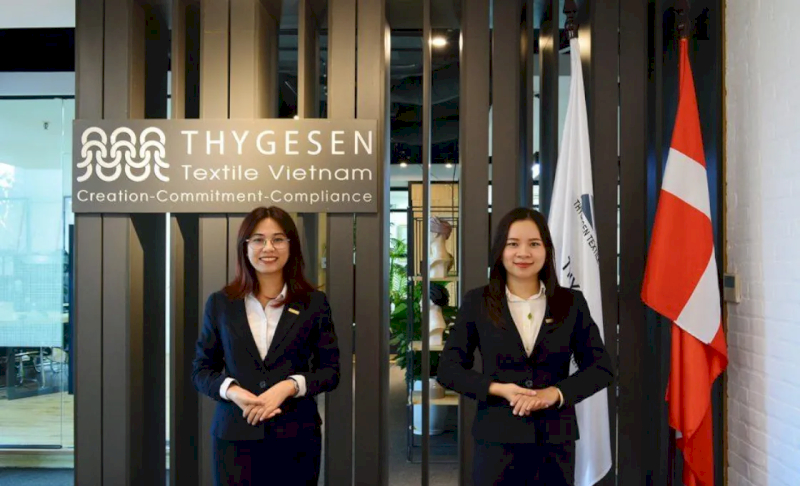
Brands come to Thygesen because they want more than just production capacity. They want guidance grounded in real factory experience.
We understand why fabrics pill or collapse, why seams pop in bulk production, why waistbands fail after washing, and why fit must be validated during movement rather than measured only on mannequins.
Over time, we have developed strong supplier relationships, transparent quality systems, and development workflows designed to manage risk and ensure consistency. Delivering garments is not enough for us; they must perform, feel right, and last.
3. A Manufacturer’s Perspective: What Brands Often Overlook
Many brands begin activewear development with purely visual ambitions. They want sleek silhouettes, compression, and stretch. Performance problems typically appear later. Fabrics may become transparent during squats. Garments may trap heat. Seams may break under stress. Waistbands may lose elasticity after washing. Sometimes prototypes appear flawless, yet bulk production exposes inconsistencies the brand did not anticipate.
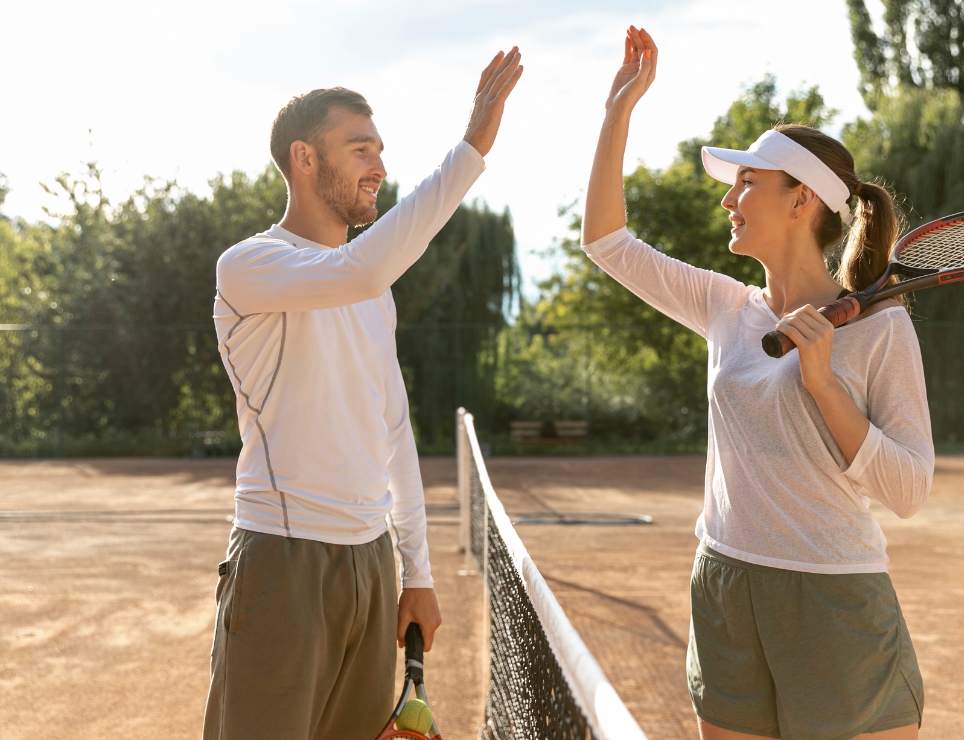
Thygesen always begins with clarity. We discuss exactly how the garment will be used, whether for yoga, training, running, cycling, tennis, studio movement, or casual athleisure.
We define expected compression levels, climate conditions, comfort preferences, durability targets, and price frameworks. Only once the purpose is defined do we recommend materials, blends, construction strategies, and finishing techniques. Function shapes design, not the other way around.
4. Fabrics for Activewear Clothing Manufacturing
Fabric determines nearly everything about how activewear performs. It dictates breathability, support, softness, durability, and comfort over time.
4.1. The Core Synthetic Fibers
- Polyester remains a core foundation of performance apparel. It maintains structure, resists shrinking and wrinkling, holds color extremely well, and dries much faster than natural fibers. These properties make it ideal for training apparel, running garments, and performance tops.
- Nylon delivers a smoother, more premium hand-feel with excellent abrasion resistance. It molds well to the body, which is why it is frequently used in leggings, yoga wear, cycling garments, and fitted tops.
- Spandex defines elasticity. It controls stretch capacity and, more importantly, recovery. It is rarely used alone and is typically blended into other fabrics.
4.2. Fabric Blends and Optimization
- Polyester blended with spandex creates fabrics intended for high-performance training. Polyester provides strength and moisture control while spandex delivers flexibility and recovery. These blends must be carefully tested for transparency during movement, seam resilience, and long-term shape retention.
- Nylon blended with spandex produces soft, sleek, premium-feeling fabrics. They are favored for yoga collections, leggings, and body-contouring garments. Because elasticity is strong, pattern engineering must be precise so garments do not lose shape around knees, seat areas, or waistbands.
- Cotton combined with spandex creates comfort-driven athleisure garments. These blends offer breathability and familiarity with added stretch. Since cotton absorbs more moisture than synthetic fibers, they are generally better suited for low-sweat environments or lifestyle wear rather than intense workouts.
4.3. Sustainable and Recycled Performance Fabrics
- Recycled polyester replicates much of the performance of virgin polyester while reducing environmental impact. Produced from post-consumer plastics, it still requires systematic testing to validate durability and consistency. Certification remains essential to ensure traceability and credibility.
- Recycled nylon is sourced from waste such as fishing nets and industrial remnants. It maintains premium softness and resilience but may vary in consistency depending on origin. Rigorous testing confirms suitability before large-scale adoption.
- Blends containing bamboo or Tencel offer naturally soft, cool, and breathable characteristics. They are often paired with synthetics to enhance durability.
5. Production Technologies at Thygesen
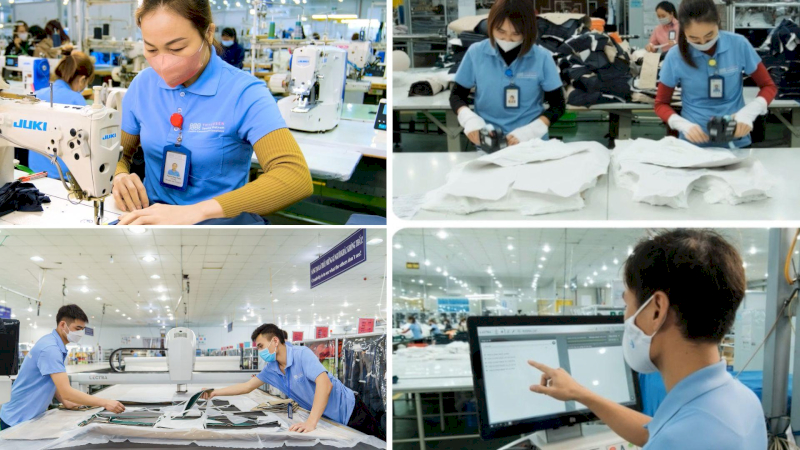
In activewear clothing manufacturing, fabric selection alone does not determine performance. How those fabrics are engineered, sewn, and finished ultimately defines how a garment stretches, recovers, manages moisture, and withstands repeated wear and washing. Production technologies play a critical role in translating material potential into real-world performance. At Thygesen, these technologies are applied systematically to control comfort, durability, and consistency across every stage of activewear production.
5.1. Fabric Performance Technologies
Fabric structures are engineered to move moisture away from the skin and support faster drying during wear. Performance is evaluated under repeated wash and wear cycles rather than initial surface feel alone.
Stretch performance is achieved through fabric structure and elastane integration, allowing movement in multiple directions. Recovery testing ensures garments return to shape after extended use.
Compression levels are controlled through knit density and yarn selection rather than relying solely on fiber content. This allows targeted support without excessive restriction.
5.2. Sewing and Garment Engineering Technologies
Seamless knitting reduces friction points and improves comfort during movement. This technology is a key strength in Thygesen’s activewear manufacturing, particularly for fitted and performance-driven garments.
While flatlock construction creates smooth, low-profile seams that sit flat against the body. Commonly used in activewear to reduce chafing and improve long-wear comfort.
Bonded seams create lightweight, clean edges while minimizing bulk. Reinforced waistbands and stress zones improve garment stability without causing discomfort.
High-stress zones are tested and adjusted before mass production to prevent seam failure or distortion during wear.
5.3. Finishing Technologies
Finishing technologies complete the performance system by enhancing durability, comfort, and wear longevity without undermining the fabric and construction work completed earlier. Anti-microbial and anti-odor finishes support freshness during repeated use, particularly in garments designed for high-sweat environments. These treatments are selected carefully to remain effective while meeting safety and compliance standards.
UV-protective finishes are applied where outdoor use is expected, working alongside fabric density and construction rather than acting as a standalone solution. Anti-pilling finishes help preserve surface appearance in areas subject to friction, while soft-touch treatments improve next-to-skin comfort without affecting stretch or recovery. At this final stage, every finishing decision is evaluated in relation to fabric and construction choices, ensuring the garment performs as a cohesive whole rather than as a collection of isolated features.
6. Activewear Production Line at Thygesen
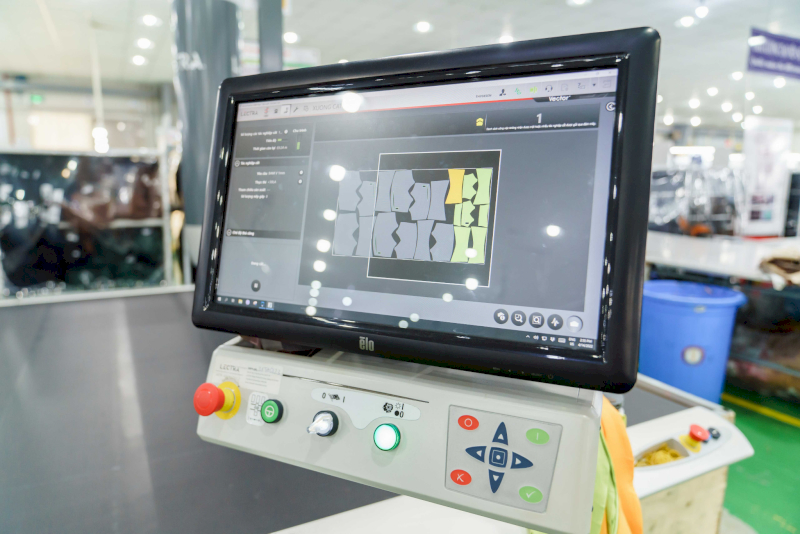
At Thygesen, activewear is organized into clear functional groups rather than isolated product names. This approach allows our development team to focus on movement, coverage, and performance requirements instead of simply replicating designs. Structuring collections into tops, bottoms, and one-piece garments helps us control fit, select appropriate fabrics, and ensure consistency across the entire range.
6.1. Tops
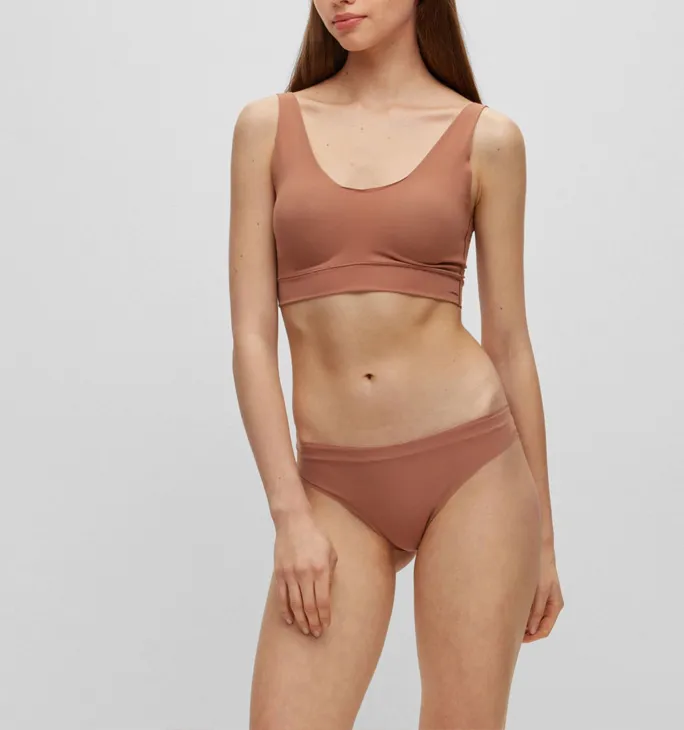
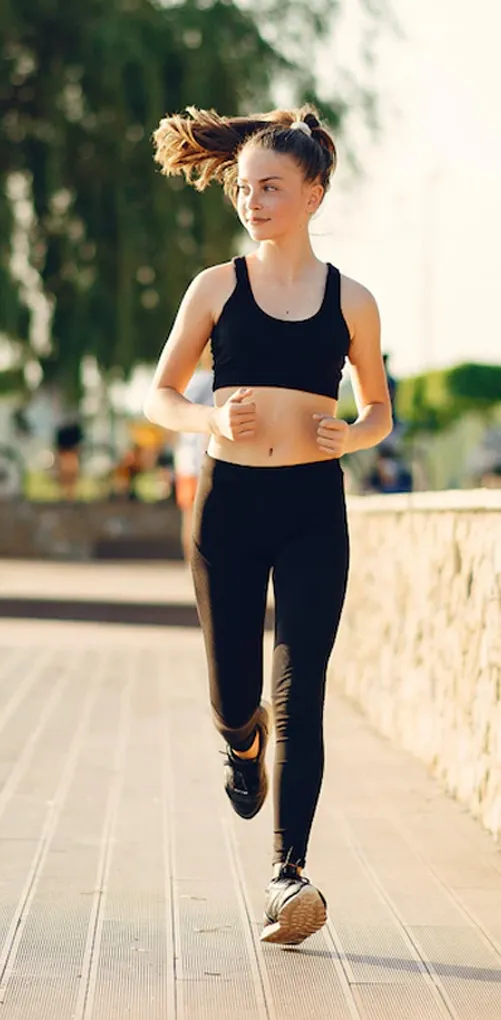
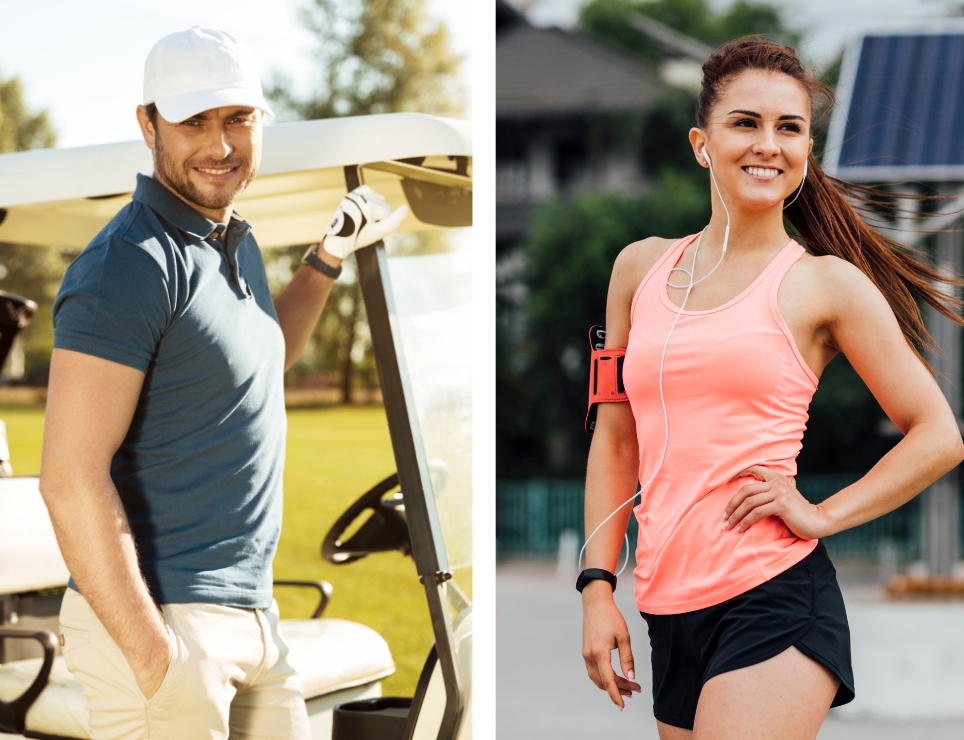
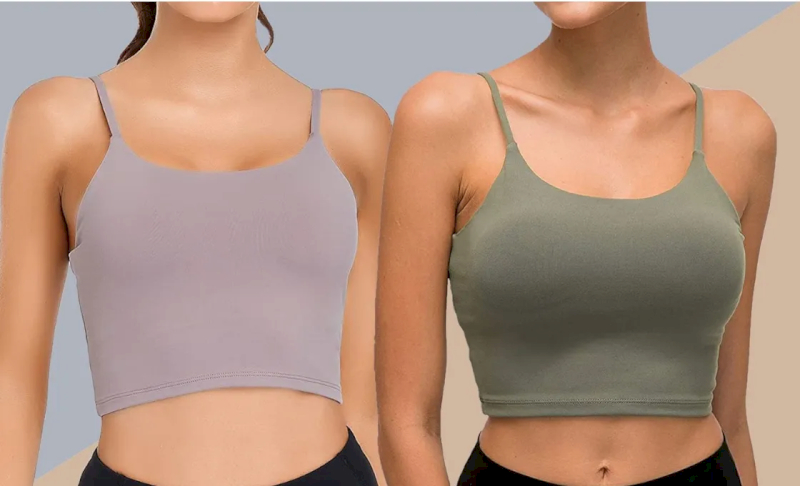
Tops include sports bras, tank tops, training T-shirts, performance long sleeves, crop tops, and lightweight layering pieces. Each category requires a precise balance between breathability, stretch, and support. For instance, a running shirt must manage heat and moisture efficiently, while a sports bra must deliver structured support without creating pressure points.
6.2. Bottoms
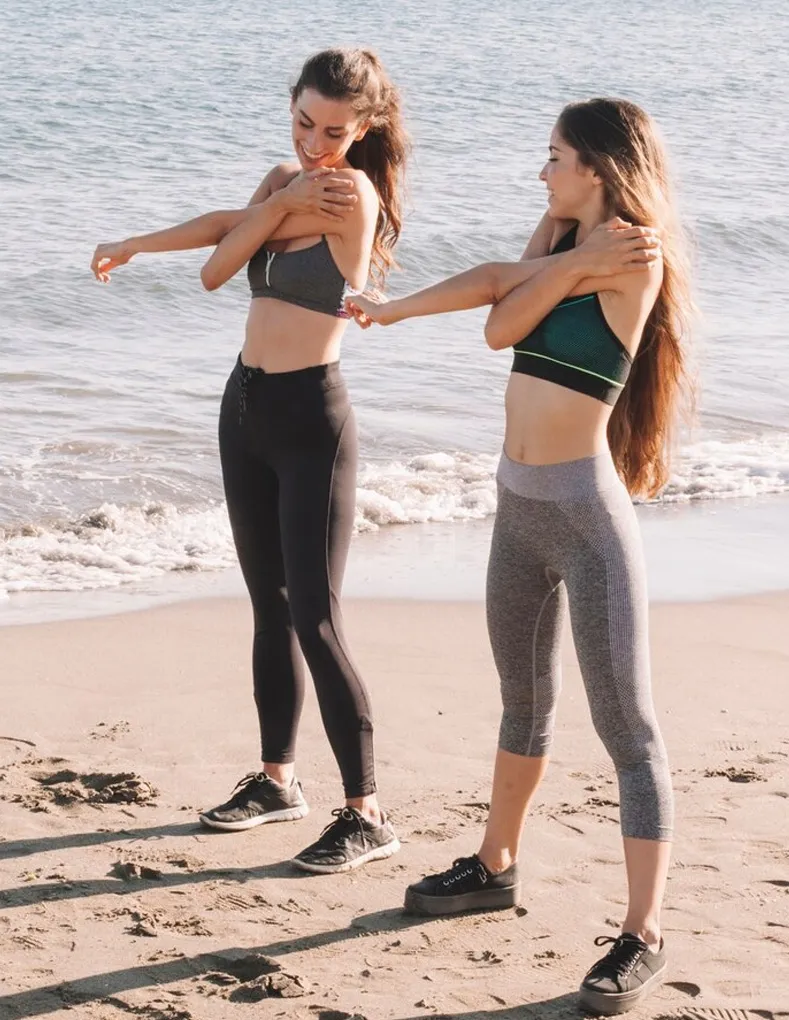
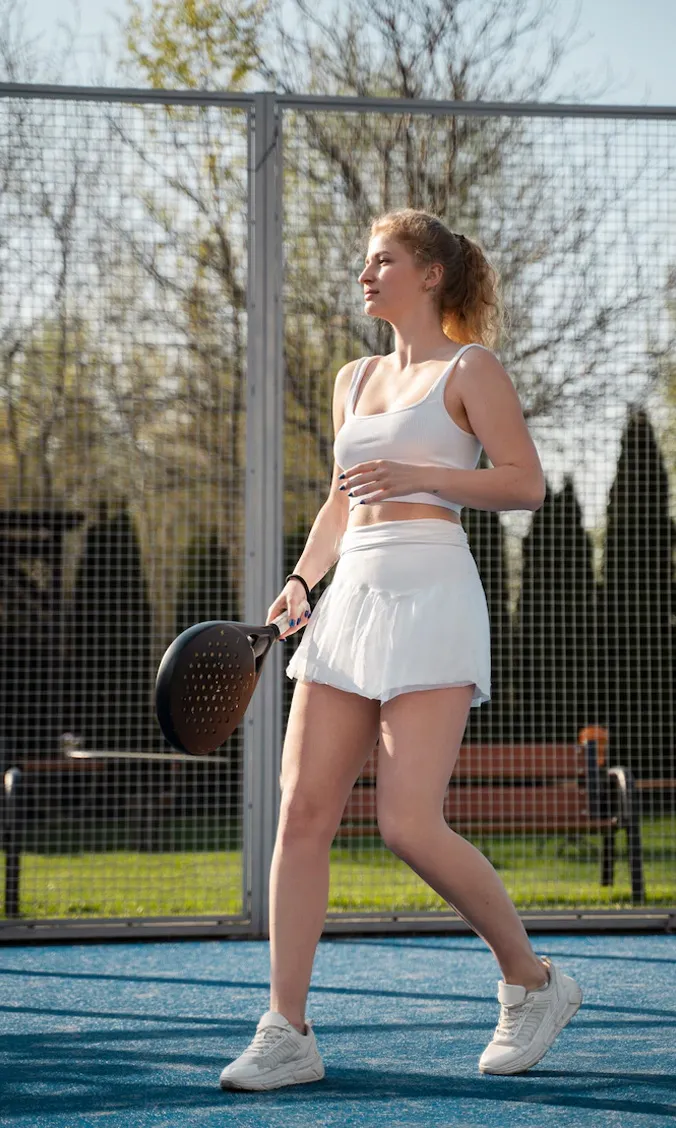
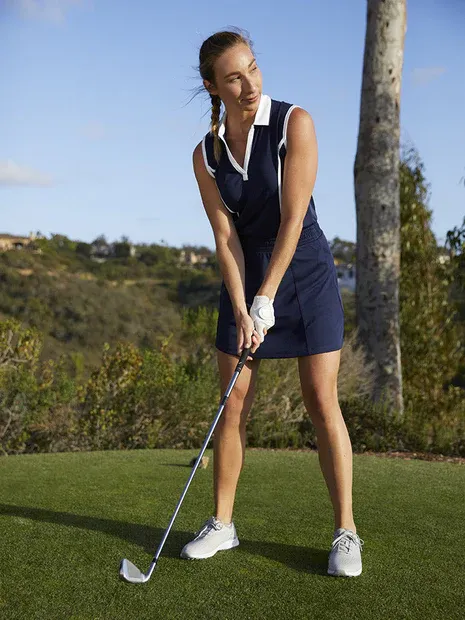
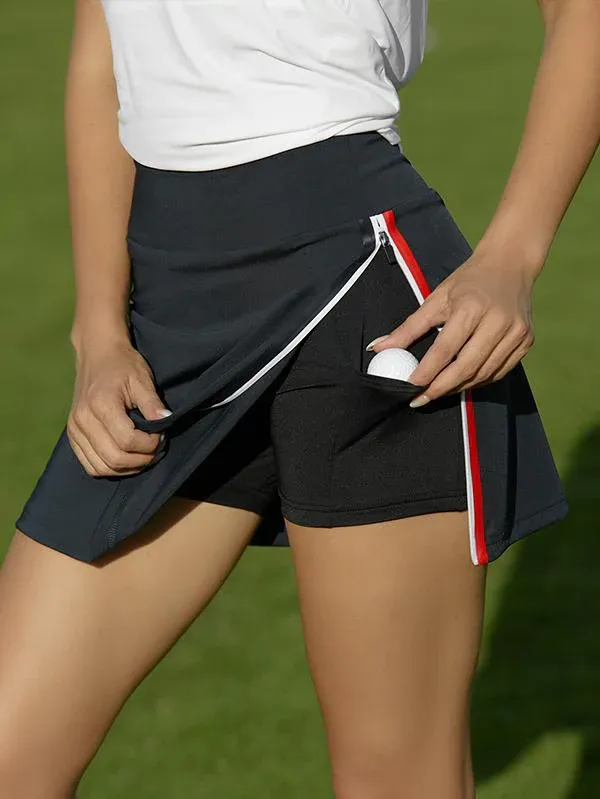
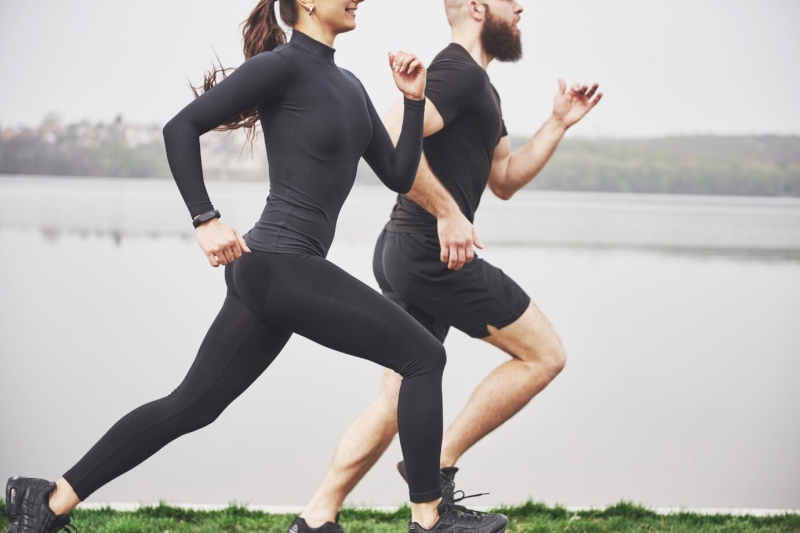
Bottoms are typically the most technically demanding category. This group includes leggings, yoga pants, biker shorts, training shorts, joggers, and skorts. Because bottoms experience the greatest amount of stretching and friction, they must maintain opacity under movement, resist pilling, and recover repeatedly without losing shape. Waistband engineering becomes especially critical, as garments must stay secure without rolling or compressing uncomfortably.
6.3. One-Pieces
One-piece garments such as jumpsuits, unitards, and performance dresses are increasingly popular in athleisure and studio wear. These garments demand an integrated approach, because fit must be balanced from shoulder to hem. If proportions are misaligned, tension gathers in the wrong areas, causing restriction or pulling.
7. Working With an Activewear Manufacturer
Strong activewear development begins with structured sampling. Thygesen moves carefully from fabric approval to fit sampling and then to pre-production sampling, continuously testing stretch performance, durability, washing behavior, seam strength, and transparency during motion.
Only after performance requirements are met do we proceed to bulk production, at which point tolerances, reject guidelines, packaging expectations, and labeling instructions are aligned clearly. Pricing remains transparent and is always connected to fabric technology, complexity, finishing needs, and compliance testing.
Trustworthy manufacturers demonstrate reliability through process, not only through quotations. They can explain their systems, share documentation, maintain realistic timelines, and show relevant category expertise.
8. Why Vietnam Is a Strong Destination for Activewear Manufacturing
Vietnam has evolved into a leading global hub for activewear production due to a skilled workforce, competitive cost structure, attention to sewing detail, strong environmental frameworks, strategic logistics, and increasing investment in sustainability. For brands seeking long-term, scalable, and technically capable partnerships, Vietnam offers a compelling manufacturing landscape.