
A Reliable Custom Pajamas Manufacturer That Redefines Comfort
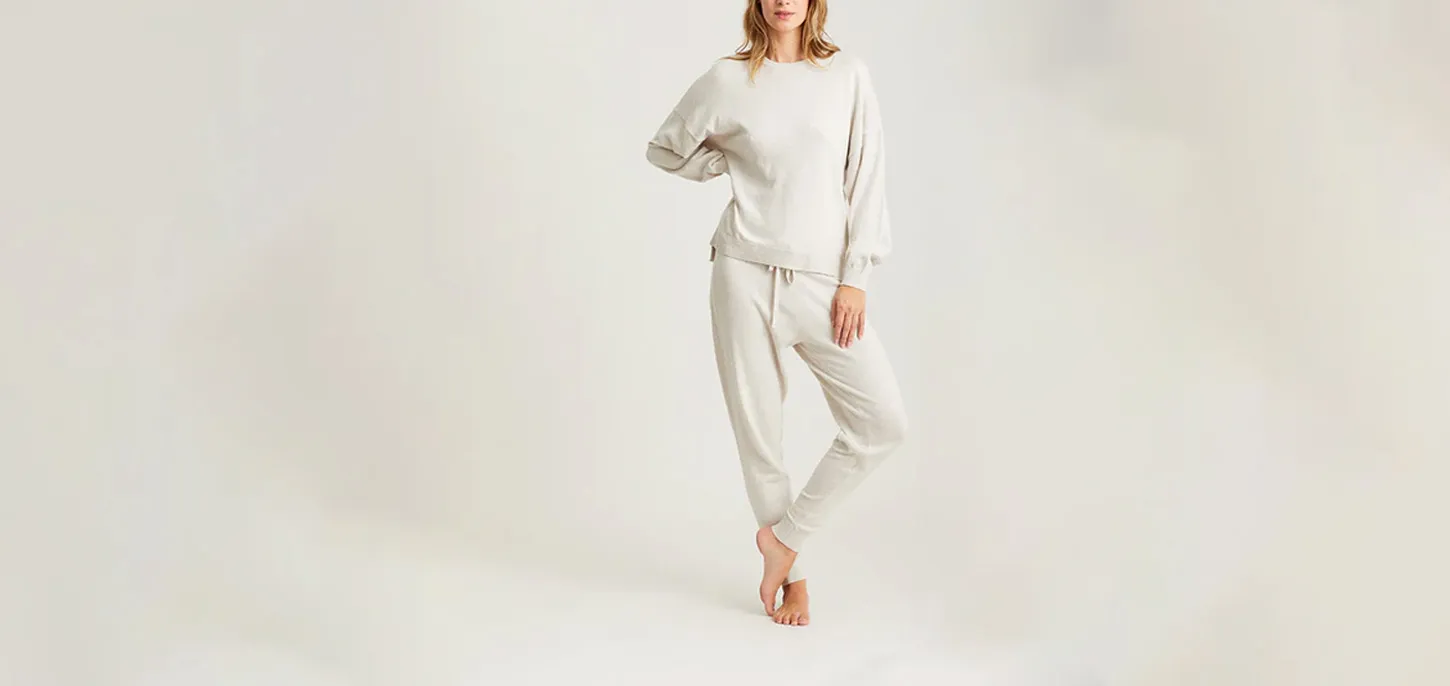
Why Choose Thygesen As Your Pajamas Manufacturing Partner?
We Focus On High-Quality and
Sustainable Fabrics
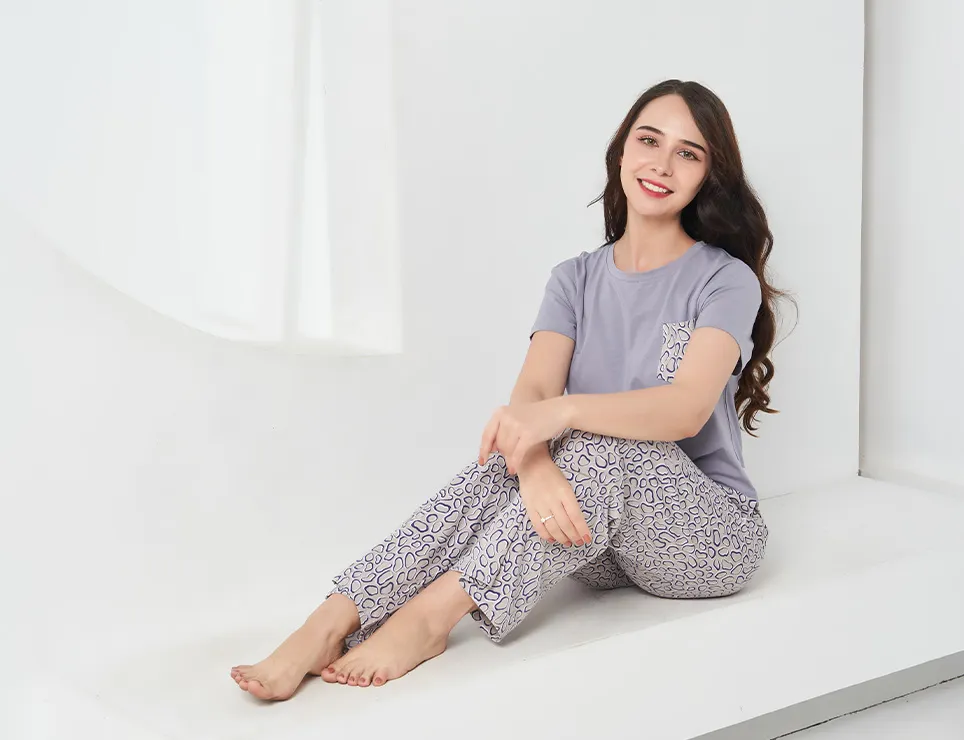
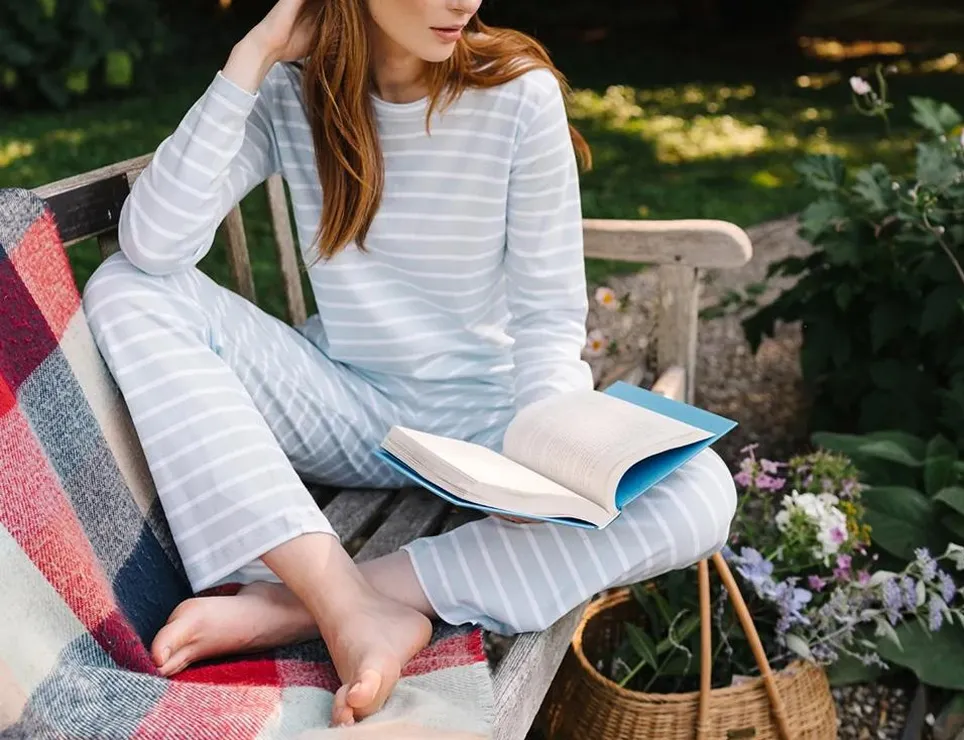
We Take Customization
To The Next Level
We Specialize In Bulk Production Without Sacrificing Quality
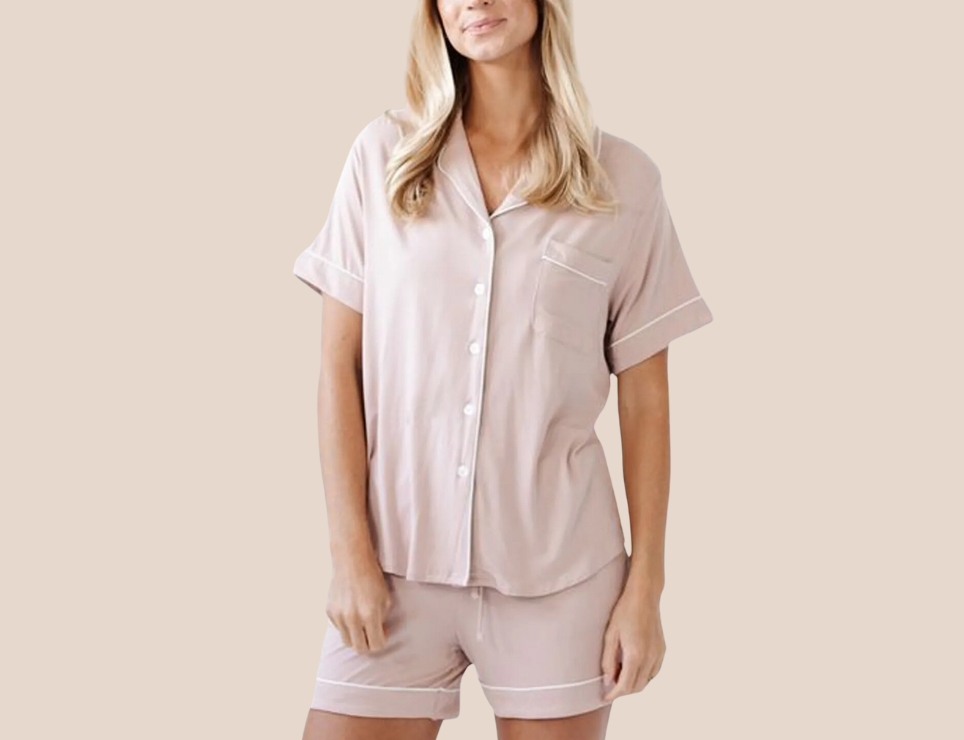
Our Skilled Labor Craft Pajamas
With Precision
We Are With You
Every Step Of Way
We Bring All Your Pajamas Designs To Life with Passion and Care


















How Are Our OEM/ODM Solutions Different?
| Thygesen (FOB) | Traditional Clothing Manufacturer (CM) | |
|---|---|---|
| Full Package Service (From fabric sourcing to production and shipping) | ||
| Technical Design Assistance | ||
| Custom Labels, Hang Tags, Packaging | ||
| Cost Effective For Large Orders | ||
| Quality Assurance | ||
| Compliance & Global Certifications | ||
| Wide Network of Trusted Suppliers Both Local and Global | ||
| English Proficiency |
Our Process Setup is Optimized for Mass Production

Step 1
Handle Customer’s Inquiry
Send us an inquiry and share more details about your projects, and our dedicated team will handle it.
Step 2
Make Quotation
If your project is suitable for our standard MOQ and production, then we offer an initial quotation based on the techpack, selected fabric quality, and quantity.
Step 3
Sample Development
After the customer’s approval of the quotation, we proceed with sample development to confirm quality before starting bulk production.
Step 4
Bulk Production
Following order confirmation and a deposit, we initiate bulk production with all specifications carefully followed.
Step 5
Quality Control
We follow strictly our QC procedures, ensuring 100% end-line inspections. We also apply AQL 2.5 for final inspections. Third-party QC is always welcome.
Step 6
Packaging & Shipping
Once the quality is confirmed, the finished products are carefully packaged and shipped in bulk to your warehouse.
Custom Pajama Manufacturers: Buyer's Guide for All Fashion Brands
For fashion brands aiming to offer high-quality, comfortable, and on-trend sleepwear, selecting the right pajama manufacturer is essential. This guide explores the fabrics most commonly used for pajamas, key comfort considerations, current industry trends, and why working with a certified manufacturer can give your brand a competitive edge.
1. Common Fabrics Used for Pajama
When it comes to sleepwear, fabric selection plays a vital role in comfort, breathability, and overall wearing experience. Below are the most common fabrics used for pajamas and their key characteristics:
- Cotton: Soft, breathable, and moisture-absorbent – ideal for year-round comfort.
- Modal: Smooth and lightweight with excellent breathability and color retention.
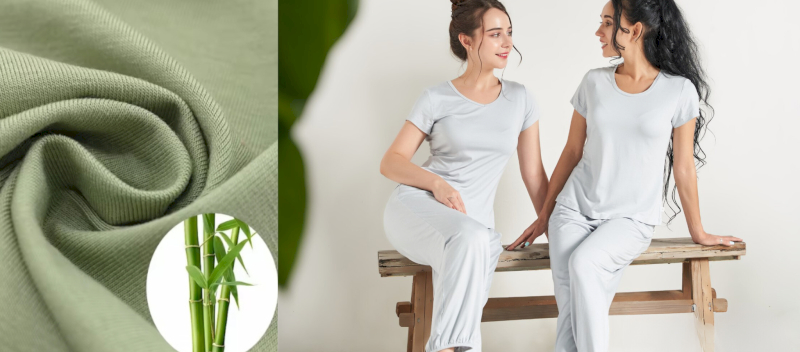
- Bamboo: Naturally antibacterial, moisture-wicking, and gentle on sensitive skin.
- Viscose/Rayon: Soft with a silky touch and good drape, offering a luxurious feel.
- Polyester blends: Durable, wrinkle-resistant, and easy to care for – often used in mixed fabrics to improve strength and longevity.
- Silk: Luxurious, temperature-regulating, and smooth against the skin, perfect for premium collections.
- Flannel: Warm, cozy, and soft – suitable for cold-weather pajamas.
- Jersey knit: Stretchy, breathable, and lightweight, offering maximum comfort for lounging and sleeping.
2. Pajama Comfort: Key Factors Besides Fabric
Beyond fabric selection, several factors determine the overall comfort of pajamas. Key considerations for fashion brands include:
- Fit & Ease of Movement: Pajamas should allow natural movement without feeling tight. Proper sizing and pattern design ensure comfort during sleep and lounging.
- Weight & Drape of Fabric: Fabric thickness and drape affect how the garment feels on the body. Lightweight fabrics suit warmer seasons, while heavier fabrics provide coziness in colder weather.
- Seam & Stitching Quality: Smooth, well-constructed seams prevent irritation, and reinforced stitching maintains shape after repeated washing.
- Elastic & Waistband Comfort: Waistbands and elastics should be secure yet gentle, avoiding discomfort during long wear.
- Breathability & Moisture Management: Breathable fabrics that wick moisture keep the wearer comfortable, especially in warmer climates.
- Temperature Appropriateness: Design and fabric choice must match the intended season, balancing thermal comfort with style.
3. Common Pajama Production Lines
3.1. Kid Pajamas
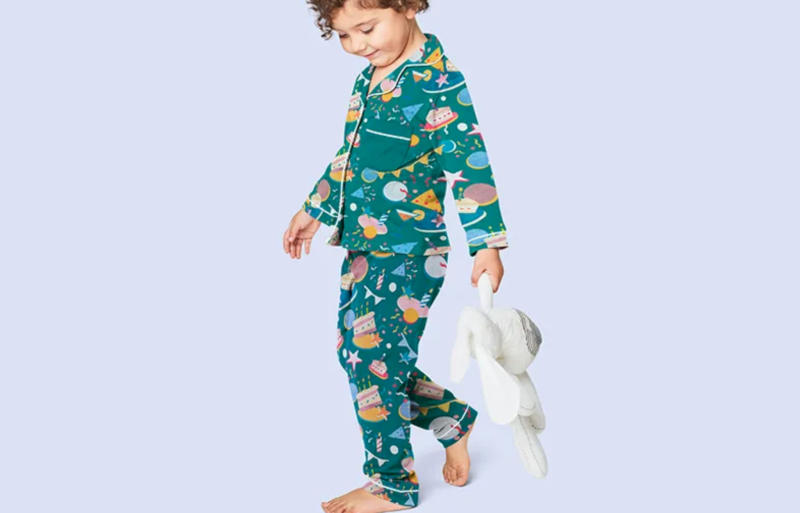
Thygesen Textile Vietnam is an OEKO-TEX certified manufacturer that produces children’s pajamas, including rompers, short-sleeve sets, and long-sleeve winter pajamas, using soft, skin-friendly fabrics such as organic cotton, bamboo viscose, and cotton-spandex blends.
Every order goes through our standardized process, including quotation, sampling, and bulk production – with strict QC, 100% end-line inspection, and AQL 2.5 at final check. Fabrics are treated for shrink control and anti-pilling, while flatlock seams and tag-free labels help ensure comfort and durability.
3.2. Women’s Pajamas
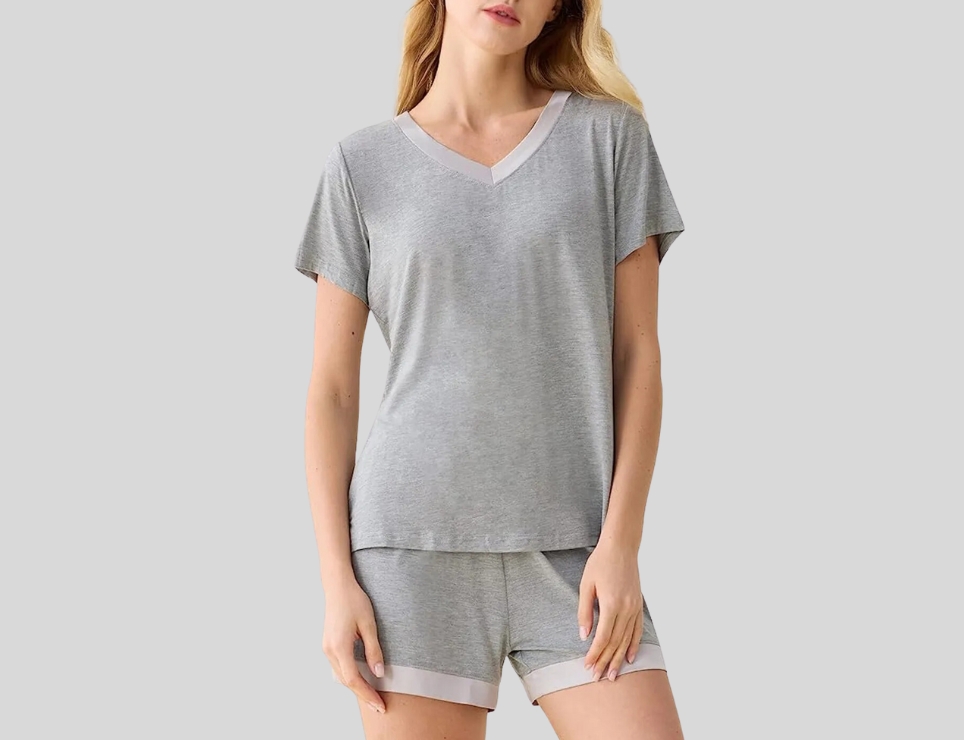
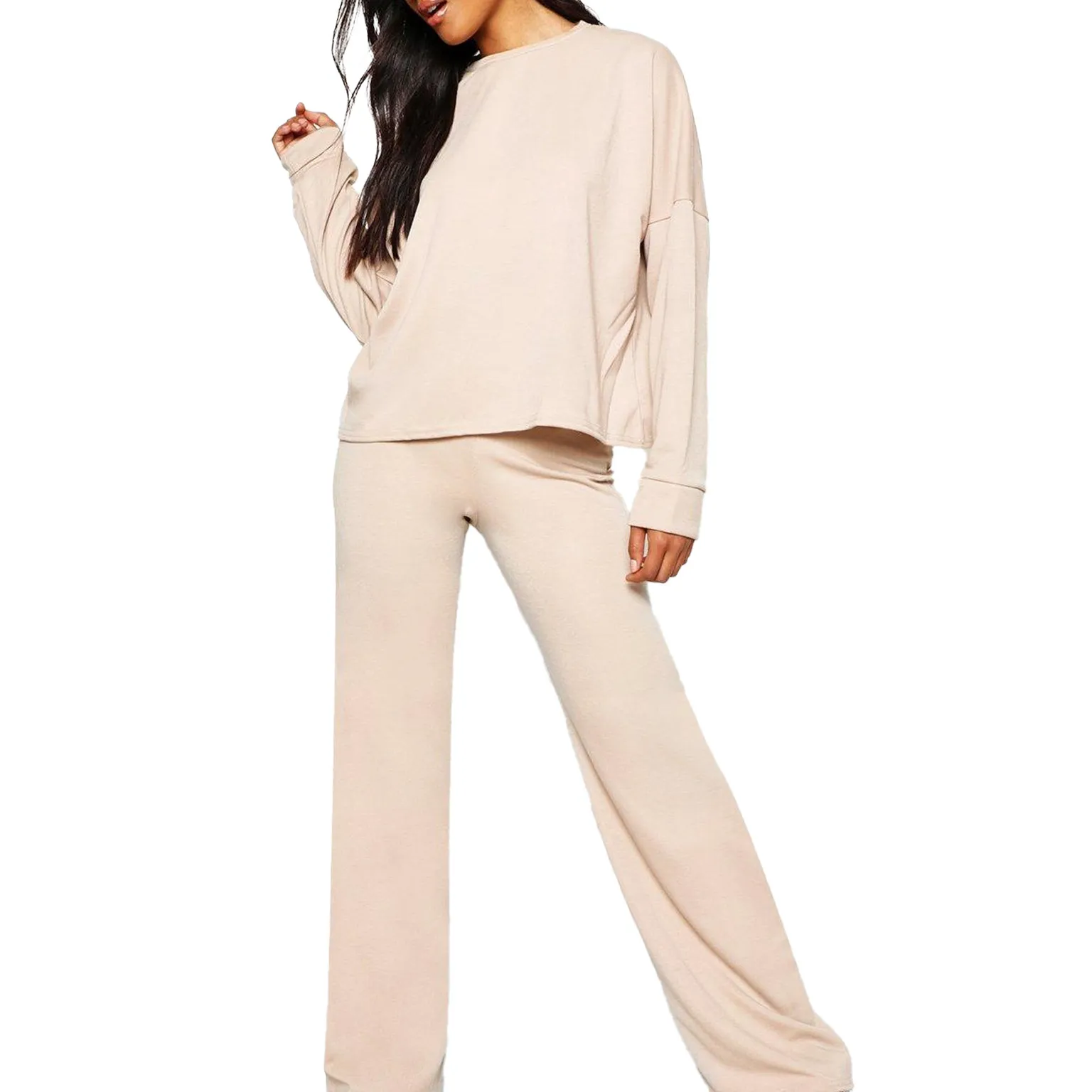
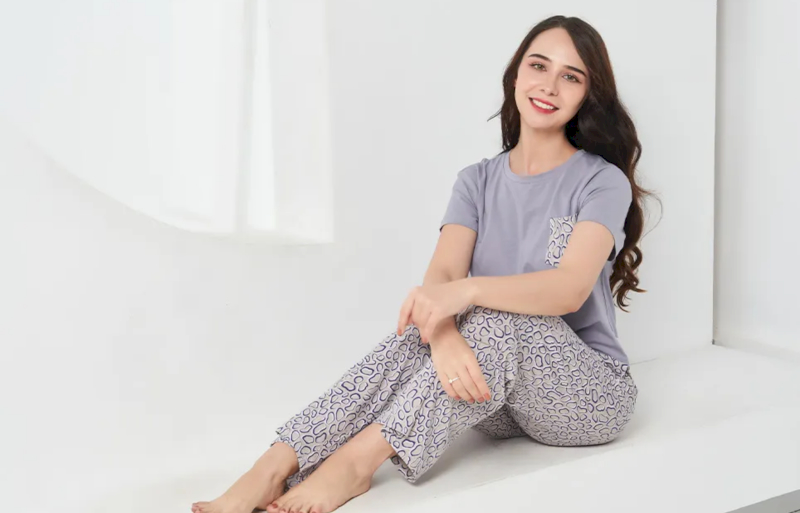
For women, we manufacture floral sets, long-sleeve pajama sets, hooded lounge pajamas, and lightweight summer sleepwear. Materials such as bamboo, modal, lyocell, rib knit, and soft cotton jersey are selected for softness, breathability, and drape.
3.3. Men’s Pajamas
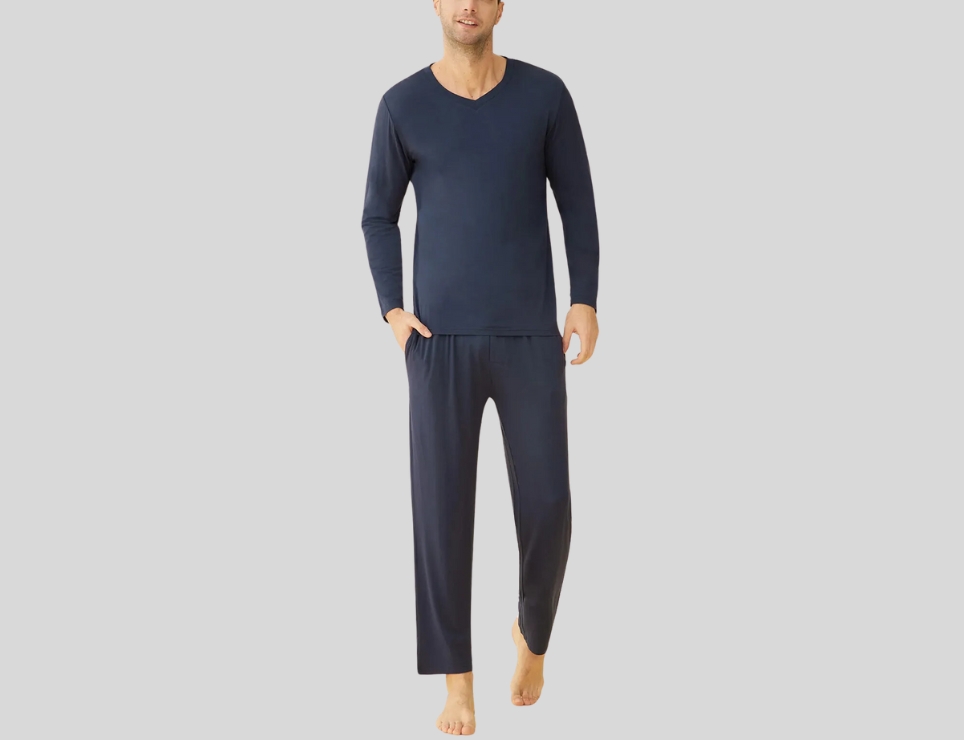
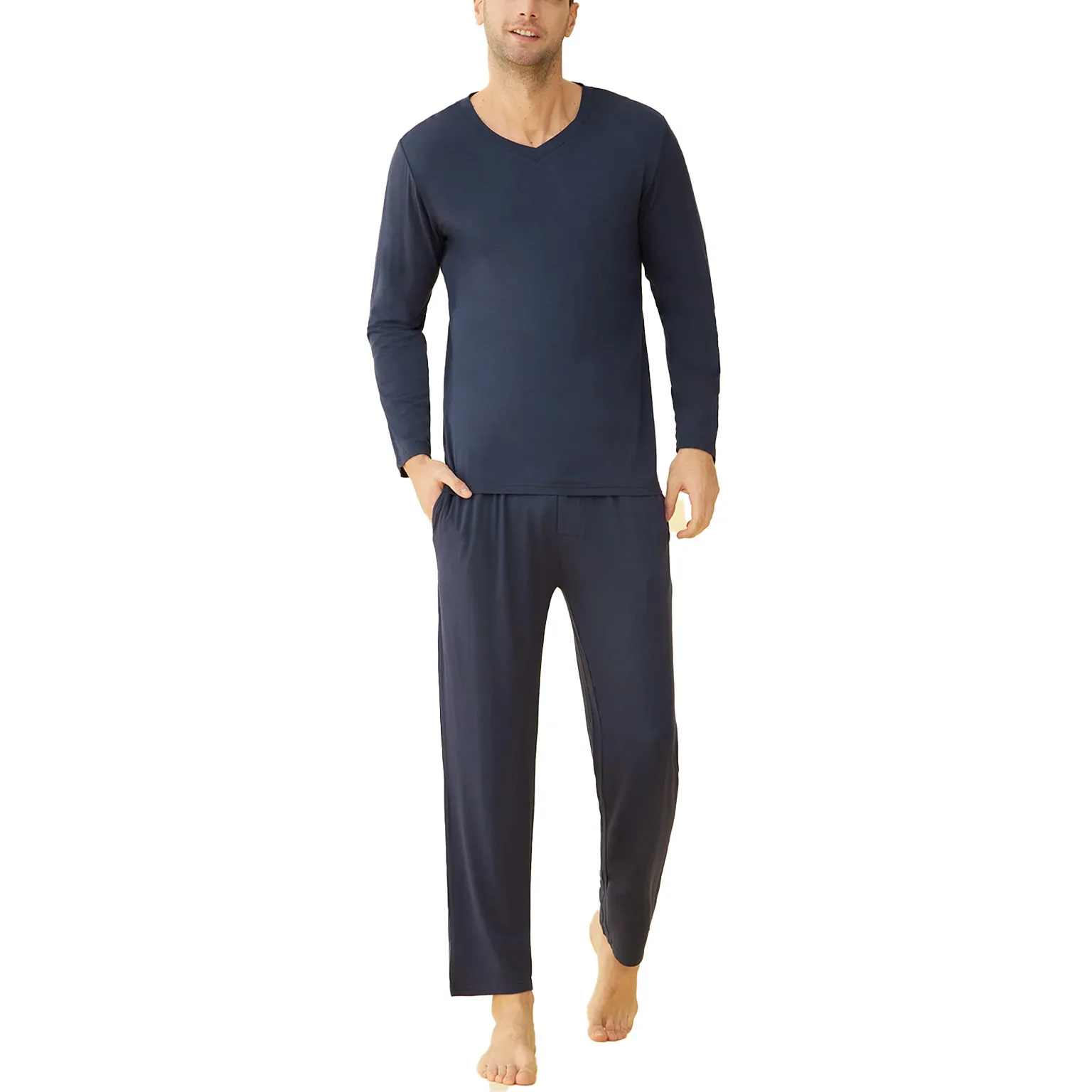
Our men’s pajama capabilities include crew-neck sets, striped pajamas, hooded lounge pajamas, and short-sleeve or long-sleeve sets. We typically use cotton, cotton-poly blends, bamboo blends, waffle knit, and brushed fabrics for comfort and warmth balance.
4. Trends in Pajama Manufacturing
Based on current market trends and consumer demand, here are the 3 Major Trends in Pajama and Sleepwear Manufacturing that brands and buyers should focus on:
4.1. The Sustainability Priority
Sustainable fabrics should ideally carry certifications such as GOTS (Global Organic Textile Standard), OEKO-TEX Standard 100 (that is particularly important for skin-contact garments, including children’s pajamas.), OCS (Organic Content Standard), and GRS (Global Recycled Standard), which confirm organic content, absence of harmful chemicals, and recycled material content.
Brands should also choose pajamas manufacturers that follow ethical labor practices, such as WRAP (Worldwide Responsible Accredited Production), which ensures compliance with lawful, humane, and ethical manufacturing standards.
4.2. The Blurring of Loungewear and Daywear
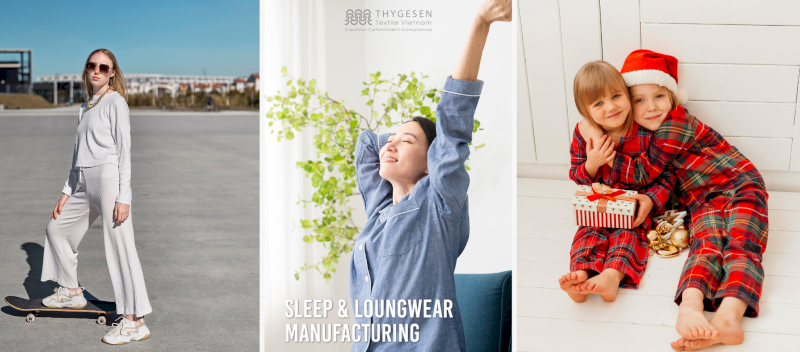
Pajamas and loungewear are no longer limited to indoor use, many customers now expect these pieces to be suitable for casual outings, work-from-home settings, or social activities. This trend encourages brands to rethink traditional sleepwear designs.
For example, soft jersey sets or bamboo knit pajamas are worn as casual outfits for coffee runs, remote meetings, or weekend errands.
4.3. Matching Family & Group Sets (Year-Round Demand)
Consumers increasingly seek coordinated sleepwear for holidays like Christmas, special occasions, photoshoots, or simply for at-home bonding. This trend extends beyond traditional seasonal spikes, creating consistent demand throughout the year.
Brands are responding by offering a variety of sizes for adults, children, and even infants, ensuring cohesive designs that appeal to different age groups. Popular materials include soft cotton, bamboo blends, and jersey knits, chosen for comfort, durability, and ease of care.
4. Cut and Sew vs. Full Package Custom Pajama Manufacturer
Cut and sew and full package are two common models in pajama manufacturing, and understanding them helps you choose the approach that best fits your brand.
4.1. Cut and Sew Pajama Manufacturer
A cut and sew pajama manufacturer is a factory that specializes in producing pajamas where the brand typically provides the fabric, patterns, and design specifications. These manufacturers handle cutting, stitching, and assembling garments but may not manage sourcing, trims, or additional services.
Pros:
- Greater control over materials and construction: Brands can supply their own fabrics and trims, allowing precise oversight of quality and design details.
- Cost management for smaller runs: Handling sourcing independently can reduce unnecessary markups and optimize budgets for limited or niche collections.
- Flexible production adjustments: Focused operations make it easier to implement design changes or sample modifications with shorter lead times.
Cons:
- Brand-managed sourcing: Brands must handle fabrics, trims, and accessories themselves, requiring reliable supplier networks and additional time and effort.
- Higher complexity for large volumes: Separating sourcing and manufacturing can increase costs and complicate logistics.
- Coordination challenges: Managing multiple suppliers and factories raises the risk of delays, miscommunication, and inconsistent quality.
Best suited for:
- Companies that already have strong networks for sourcing fabrics and trims.
- Businesses that require full control over the design, fit, and material selection.
4.2. Full Package Pajama Manufacturer
Full Package Manufacturing, sometimes called end-to-end production, is the most comprehensive model in apparel manufacturing. In this approach, the manufacturer handles every stage of production, including design consultation, fabric sourcing, sample development, bulk production, prints, embroidery, packaging, and shipping. In other words, the brand only needs to provide its requirements, and the entire process is managed under one roof, from concept to the finished product ready for market.
Pros:
- Simplified supply chain: The manufacturer handles all stages, reducing coordination complexity for the brand.
- Focus on marketing and brand growth: Brands can be more focused on design strategy, promotion, and customer engagement instead of production management.
- Consistent quality: Everything being managed under one roof helps maintain consistent standards from materials to final product.
- Time efficiency: Streamlined processes enable faster sample approval, production, and delivery, particularly beneficial for seasonal or high-volume collections.
- Reduced operational risk: With one partner handling all stages, the likelihood of delays or miscommunication between multiple suppliers is minimized.
Cons:
- Higher costs compared to cut and sew: Full-package services can be more expensive, but the convenience and reduced workload often justify the investment.
- Less direct control over materials: Brands rely on the manufacturer’s sourcing, but experienced manufacturers typically maintain high-quality standards and provide appropriate guidance.
- Single partner dependency: Relying heavily on one manufacturer can pose risks if there are production delays or quality issues. Working with one manufacturer creates reliance, so choosing a trustworthy, capable, and responsible production partner is essential.
Best suited for:
- Brands that want less hassle: The manufacturer handles everything from sourcing fabrics to packaging, so the brand can focus on other priorities.
- Brands with large or seasonal orders: Ensures consistent quality and smooth production for big volumes.
- Brands that need fast turnaround: Streamlined processes help speed up sampling, production, and delivery.
- Brands making complex or premium collections: Ideal when designs involve multiple fabrics, prints, embroidery, or special packaging, without managing several suppliers.
5. The Process of Working With A Pajama Manufacturer
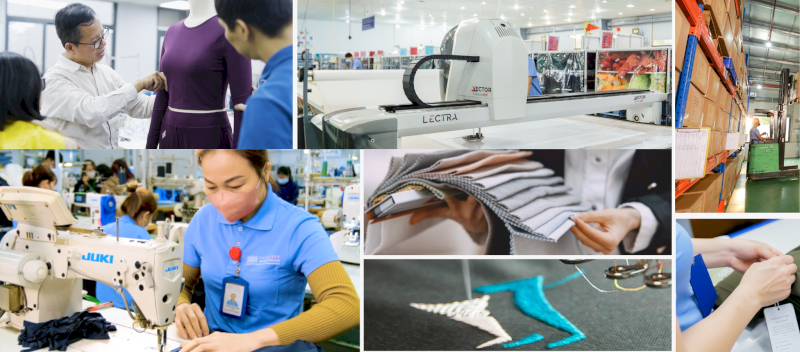
Working with a manufacturer is simple and structured. Our process is designed for large-scale production while still staying flexible to each brand’s requirements. Once you share your project brief, our team supports you from sampling all the way to bulk production and shipping.
Step 1: Handle Customer’s Inquiry
The process begins when customers submit an inquiry and share details about their project. This includes product type, target market, estimated order quantity, and any initial design or technical requirements. Our dedicated team reviews the information to understand feasibility, timelines, and production expectations before moving forward.
Step 2: Make Quotation
If the project aligns with our standard MOQs and production capabilities, we provide an initial quotation. This quotation is based on the tech pack or reference designs, selected fabric quality, construction details, trims, and order quantity. At this stage, we may also suggest alternative materials or construction options to optimize cost, performance, or lead time.
Step 3: Sample Development
After the quotation is approved, we proceed with sample development. This stage is critical for confirming fabric selection, fit, construction quality, and overall product performance. Samples allow both sides to review details, make adjustments if needed, and ensure the product meets expectations before committing to bulk production.
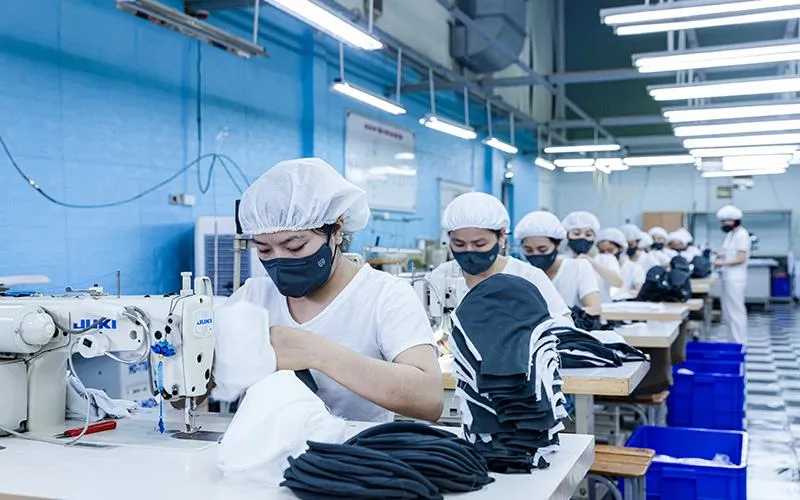
Step 4: Bulk Production
Once the sample is approved and the order is confirmed with a deposit, bulk production begins. All specifications agreed during the sampling stage are carefully followed, including fabric, measurements, stitching, and finishing details. Production is carried out according to planned timelines to ensure consistency and efficiency at scale.
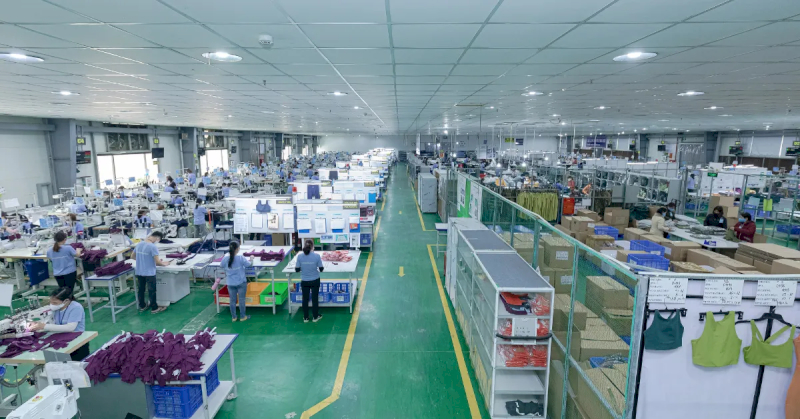
Step 5: Quality Control
Quality control is integrated throughout the production process. We conduct 100% end-line inspections and apply AQL 2.5 standards for final inspections to ensure products meet agreed quality requirements. Third-party inspections are always welcome, providing additional assurance before shipment.
Step 6: Packaging & Shipping
After quality approval, finished products are carefully packaged according to customer requirements. Goods are then shipped in bulk to the customer’s designated warehouse using the agreed shipping method. Proper packaging and handling help ensure products arrive in good condition and ready for distribution.
6. Why You Should Partner With A Certified Pajama Manufacturer
Partnering with a certified manufacturer ensures credibility, quality, and peace of mind for your brand.
6.1. Benefits for Brands
In the apparel industry, certifications serve as a trusted benchmark of quality, safety, and ethical practices. They are issued by recognized organizations after thorough audits and assessments.
Obtaining a certification is not easy. Manufacturers must meet strict standards in areas such as labor practices, environmental management, material safety, and production processes. Audits often include on-site inspections, documentation checks, and ongoing compliance monitoring.
Because of the rigorous requirements, only manufacturers that consistently uphold high standards can earn these certifications. This means that a certified manufacturer is not just claiming quality, they have proven it through an independent verification process.
For brands, partnering with a certified manufacturer provides a guarantee of credibility and reliability. It ensures that the production process aligns with industry best practices, reduces risk, and signals to consumers that the brand values safety, sustainability, and ethical production.
6.2. Popular Key Certifications for Pajama Manufacturers
Below are some key certifications for pajama manufacturers that ensure quality, safety, and ethical production standards:
- SA8000 & WRAP: Ensures ethical labor practices and safe working conditions.
- ISO 9001:2015: Confirms consistent quality management systems in manufacturing.
- GRS (Global Recycled Standard): Verifies recycled content and responsible production.
- GOTS (Global Organic Textile Standard): Certifies organic fibers and environmentally responsible processing.
- OEKO-TEX STANDARD 100: Confirms textiles are free from harmful substances, safe for skin contact.
- FSC (Forest Stewardship Council): Ensures responsibly sourced materials, typically for packaging.
- OCS (Organic Content Standard): Verifies the organic content of fibers throughout the supply chain.
FAQs
Does Thygesen have printing and embroiery services for pajamas?
Yes, we collaborate with trusted subcontractors who specialize in custom printing and embroidery, and we utilize advanced technologies to ensure high-quality results.
What factors that influence your pricing for pajama manufacturing?
The pricing depends on factors such as the complexity of the design, the type of fabric, order quantity, shipping costs, and any customization required for packaging, labels, and tags.
How can brands assess the quality of Thygesen's craftsmanship and fabrics remotely?
Brands can request fabric swatches, receive updates via email, schedule video calls, arrange live fittings, and receive detailed reports to evaluate the quality of Thygesen’s craftsmanship and fabrics from far distance.
Is sustainable pajamas fabric generally more expensive than ordinary fabric?
Yes, sustainable fabrics can be more expensive due to the higher costs of sourcing eco-friendly materials and the production methods involved. However, at Thygesen, we work with trusted partners to negotiate favorable prices for you. Additionally, using sustainable fabrics can enhance your brand’s image and contribute to its overall sustainability goals.

Start Your Production with Thygesen Vietnam