
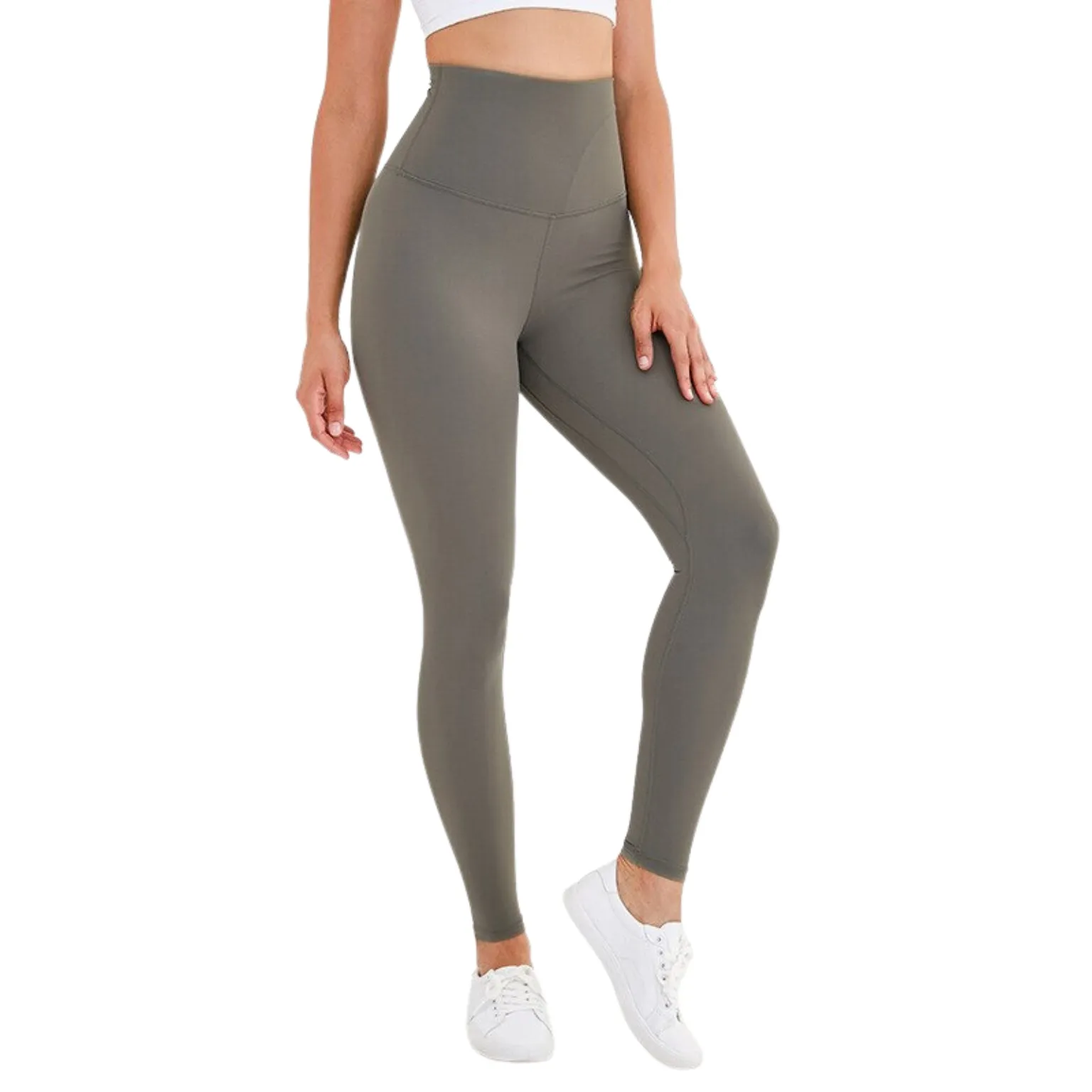
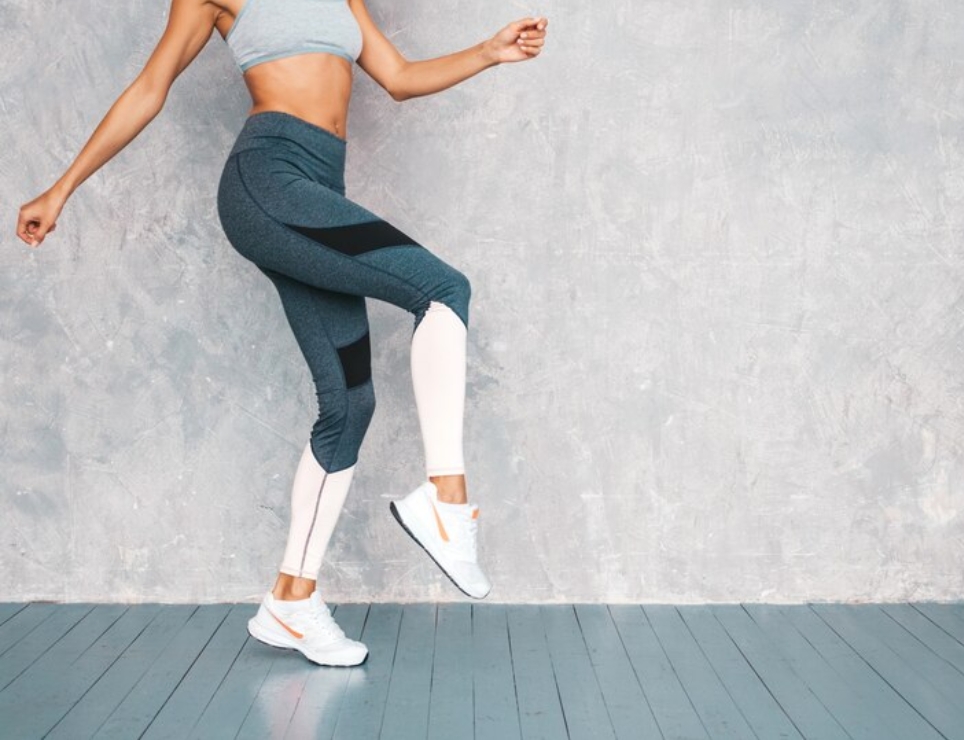
These athletic leggings are designed for high-performance, providing optimal comfort and flexibility during workouts. Thygesen offers OEM services for customized athletic leggings tailored to your brand’s specific needs
Custom Activewear Leggings Manufacturing
Comfortable for Wearers - Gentle on the Planet.
Partner With UsThygesen Textile Vietnam
Your Trusted Leggings Manufacturer For Custom Specific Purposes
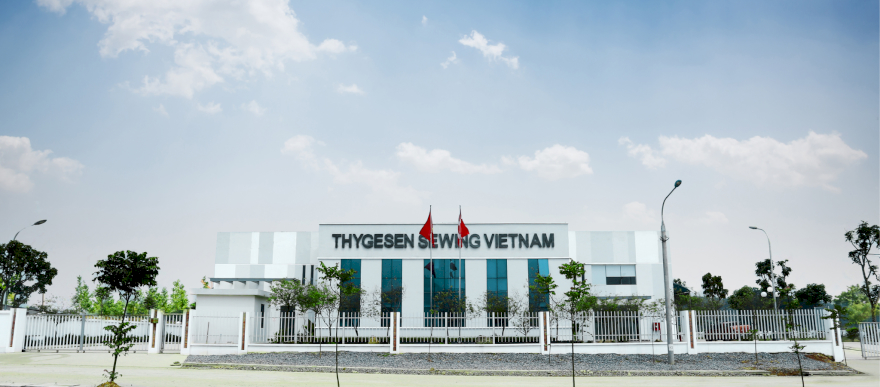
Thygesen Textile Vietnam is your reliable leggings manufacturer in Vietnam, offering customized solutions tailored to your needs with an extensive selection of high-quality fabrics. Committed to ethical and sustainable manufacturing, we deliver exceptional products that align with your brand's values and vision.
Why Choose Thygesen as Your Leggings Manufacturing Partner?
Extensive Selection of
High-Quality Fabrics
Thygesen suggests a variety of fabric options based on our clients' needs. These include high-stretch materials like spandex and elastane for flexibility, durable and soft-touch fabrics such as nylon and polyester, and moisture-wicking, quick-drying fabrics like bamboo viscose and Tencel.
All these fabrics are sourced from reliable, long-term suppliers, both local and international. As a leggings manufacturer, we work closely with our clients to recommend the best fabric choices that ensure comfort, durability, and a superior fit for the end consumer.
Tailored To Your Needs with
Innovative & Customized Solutions
We provide a range of customized solutions to meet the unique needs of each client, including custom fabric blends and high-performance materials ideal for yoga, gym wear, and sports apparel. Clients can personalize sizes, colors, designs, and custom features like waistbands and stitching.
Additionally, we offer advanced print technologies, including sublimation, digital printing, 3D printing, and embroidery, allowing for full brand customization and ensuring our products align with the latest trends and customer expectations.
Discover A New Standard of Comfort
Our Seamless Technology
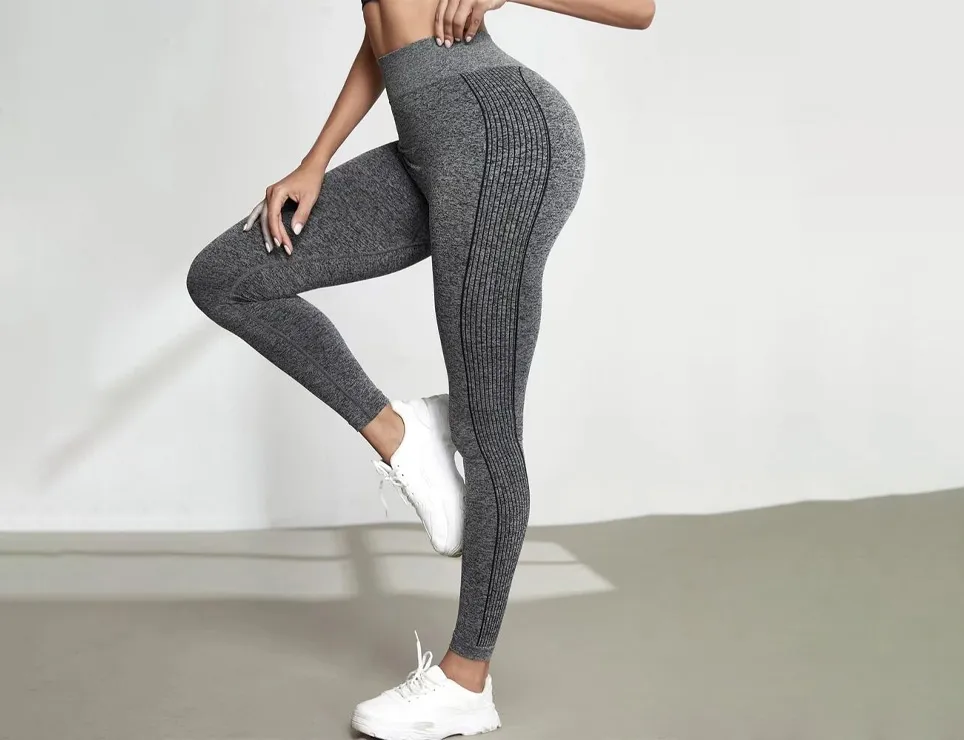
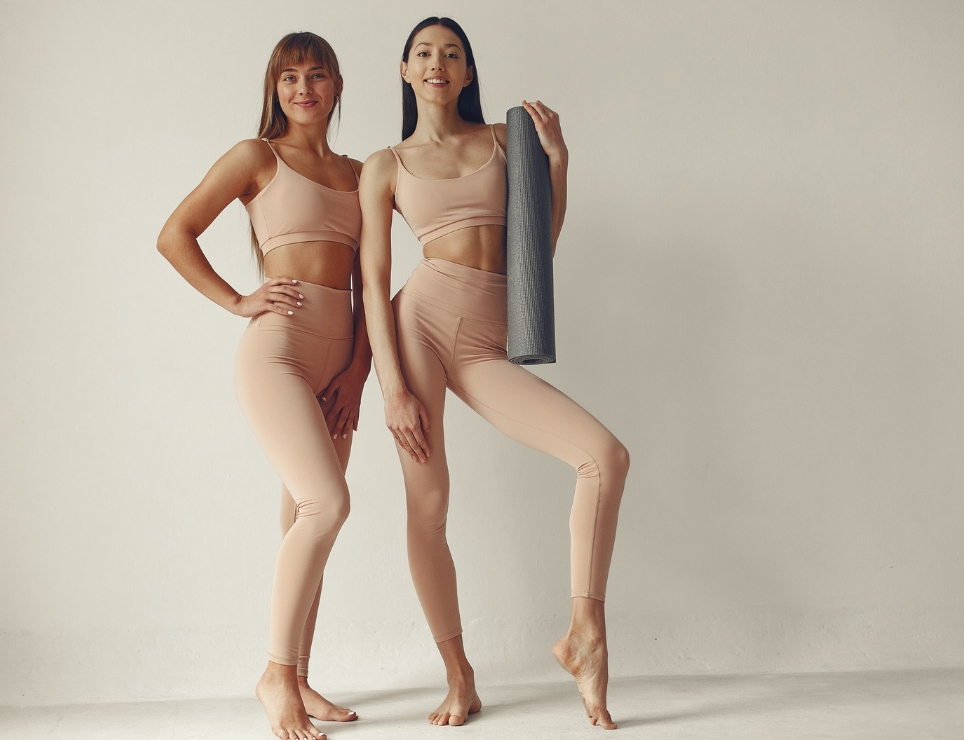
At Thygesen, we are dedicated to meeting the increasing demand for seamless leggings from activewear brands. Using advanced Santoni machines, we produce seamless leggings that that offer superior comfort and durability.
Our modern supply chain, equipped with state-of-the-art machinery, enables us to produce 170,000-250,000 pieces per month. This showcases not only our efficiency but also highlights our dedication to meeting the growing demands of our customers while upholding the highest standards of quality.
Our Commitment to
Ethical & Sustainable Manufacturing
For leggings manufacturing, Thygesen focuses on reducing waste and minimizing environmental impact, adhering to waste disposal regulations and applying LEAN and Kaizen principles for efficiency.
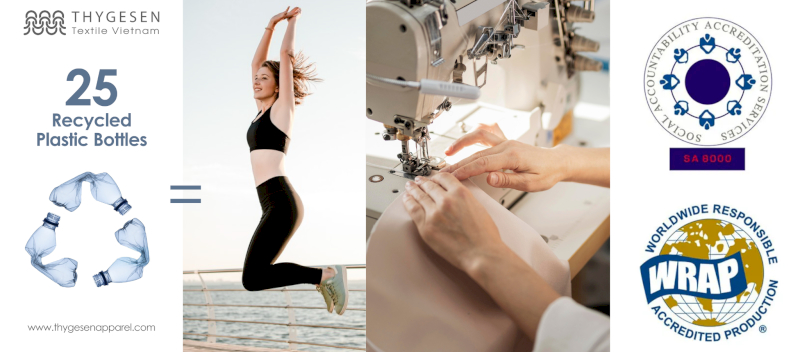
Moreover, we provide a safe, healthy workplace where all employees thrive, ensuring fair wages and compliance with labor laws. Our commitment to ethical operations is reflected in certifications from SA 8000, Better Work, and WRAP.
Effective Communication
Throughout The Entire Process
We prioritize clear and transparent communication throughout the entire production process. We understand that for international brands, timely updates and effective remote progress tracking are essential. We make sure that you stay informed by providing regular updates through emails, video calls, and detailed progress reports.
Our team remains responsive to any inquiries or concerns, keeping you informed on fabric selection, design specifications, production timelines, and any adjustments needed.
We Bring All Your Leggings Designs To Life with Passion and Care
Take your activewear brand to the next level with top-notch leggings from Thygesen Vietnam. Contact us today to discuss your requirements, request a quote or start the collaboration process. Together, let's create leggings that your customers will love, and your brand will be proud to showcase!

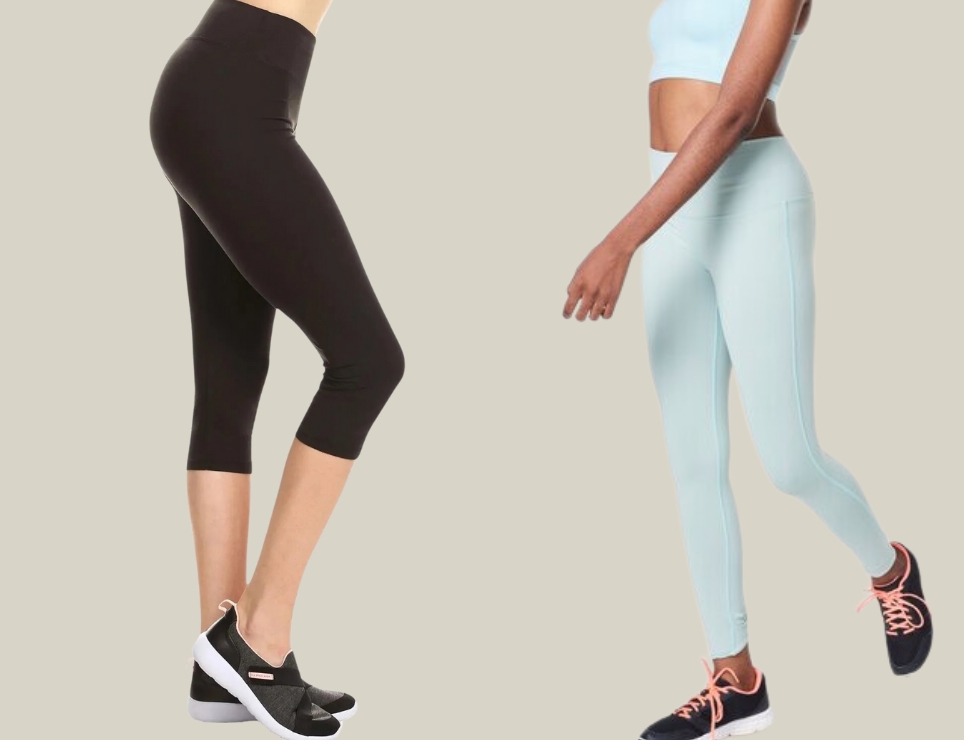
Crafted for comfort and style, capri leggings offer a perfect fit with high-quality materials. Thygesen guarantees cost-effective solutions while maintaining the best quality and performance for capri leggings.
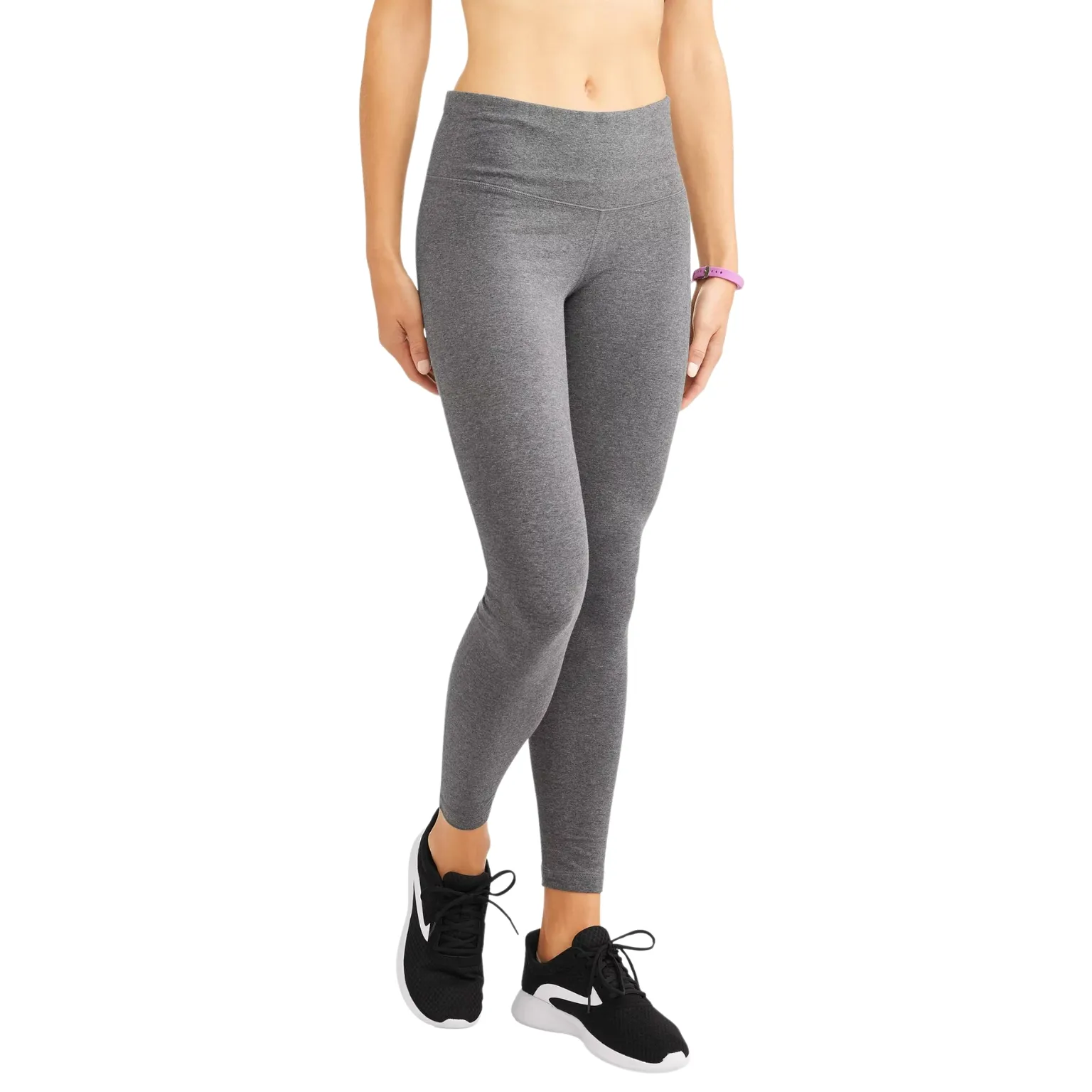
Crafted from premium cotton, these leggings offer softness and comfort for everyday wear. At Thygesen, we source high-quality cotton from trusted suppliers to ensure durability and sustainability.
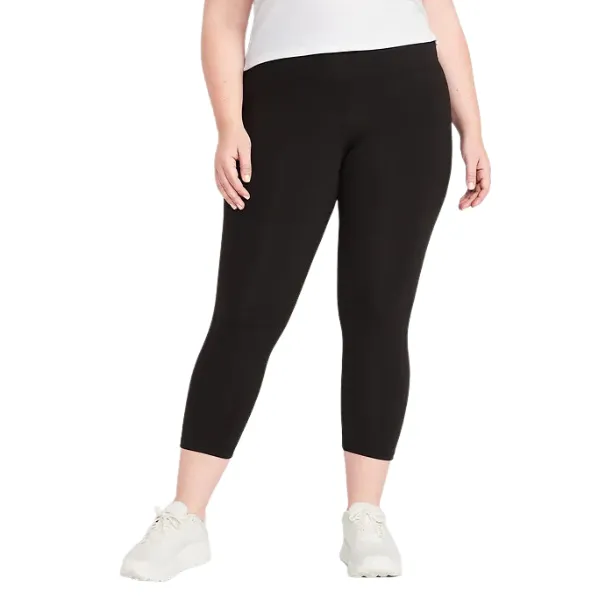
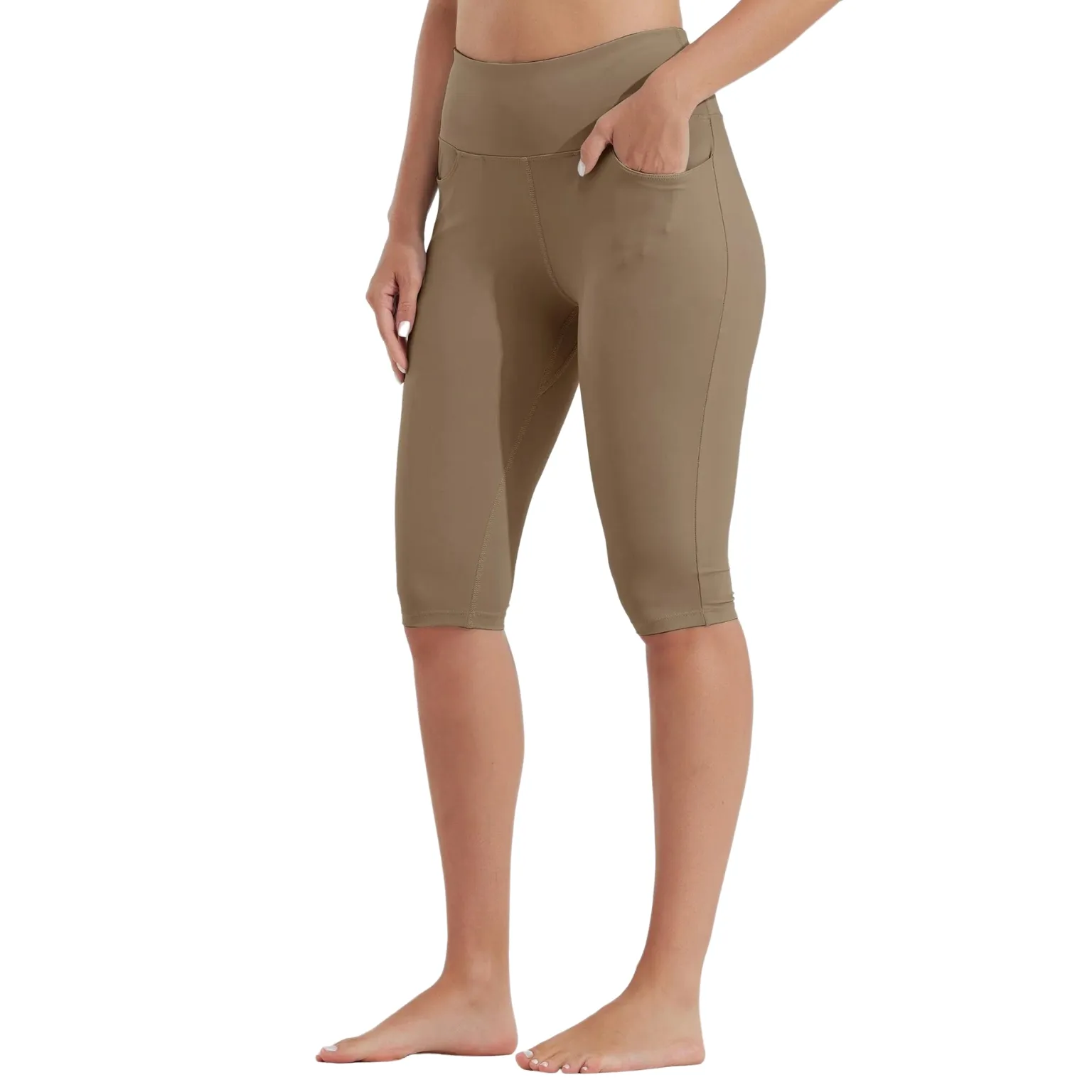
Cropped leggings provide a sleek, modern look with breathable and stretchy fabrics. Thygesen produces durable, high-quality leggings tailored to your brand’s needs, ensuring a premium finish.
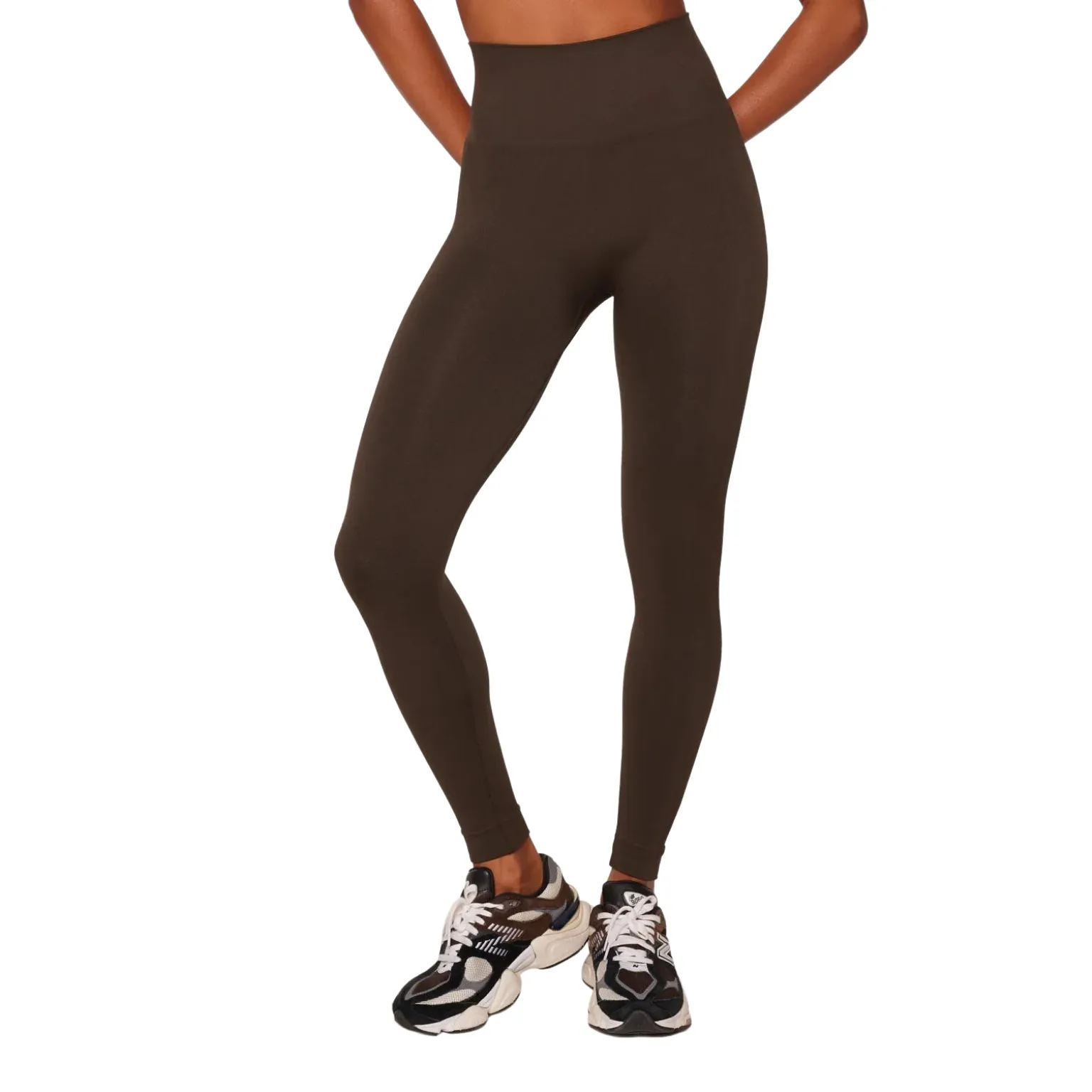
The fitness leggings is built with moisture-wicking, quick-drying fabric, perfect for high-intensity training. Thygesen provides full-package services, handling everything from technical design to fitness leggings production.
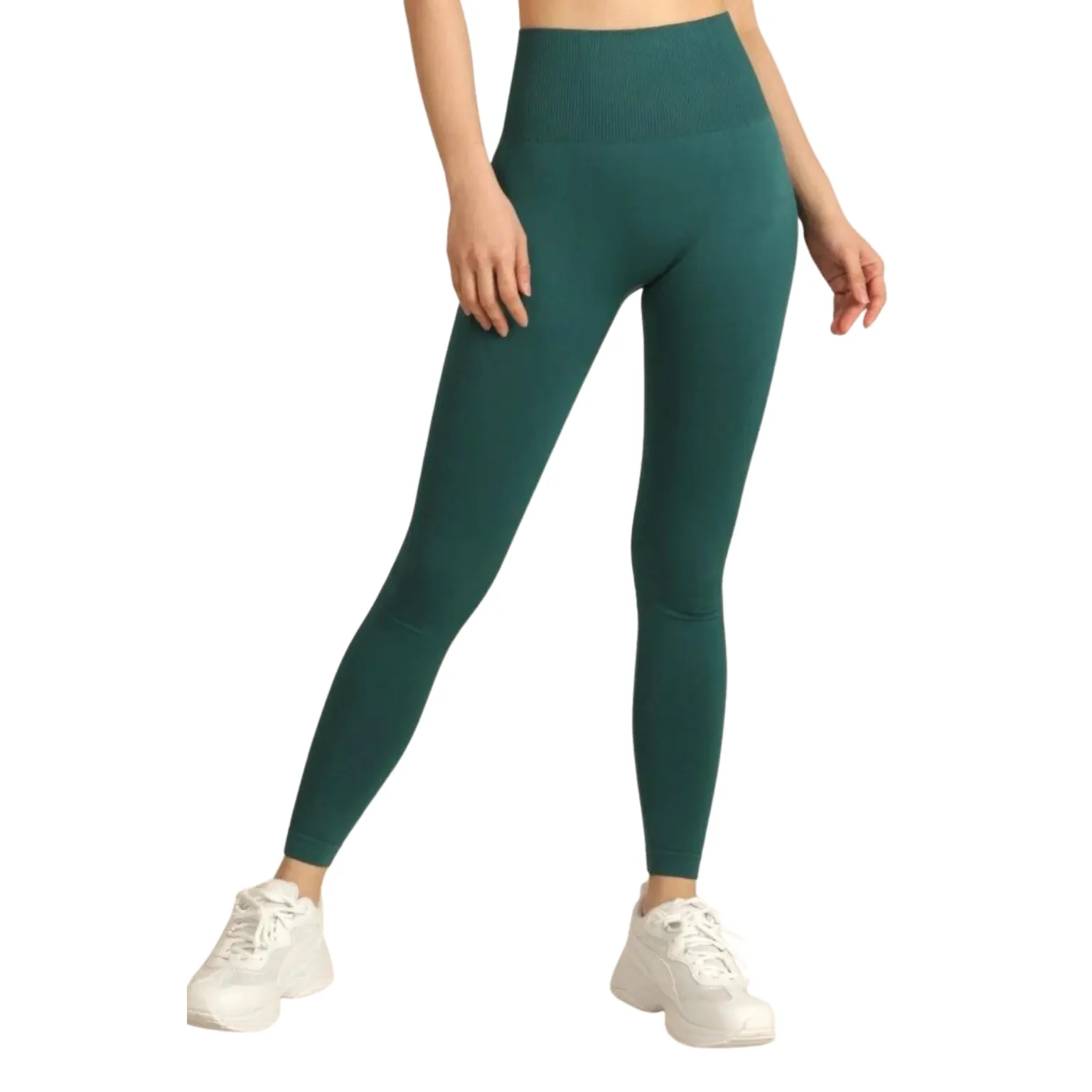
Ideal for intense workouts, gym leggings combine comfort and performance with moisture-wicking fabrics. Thygesen prioritizes fast turnaround times and timely delivery for gym leggings production.
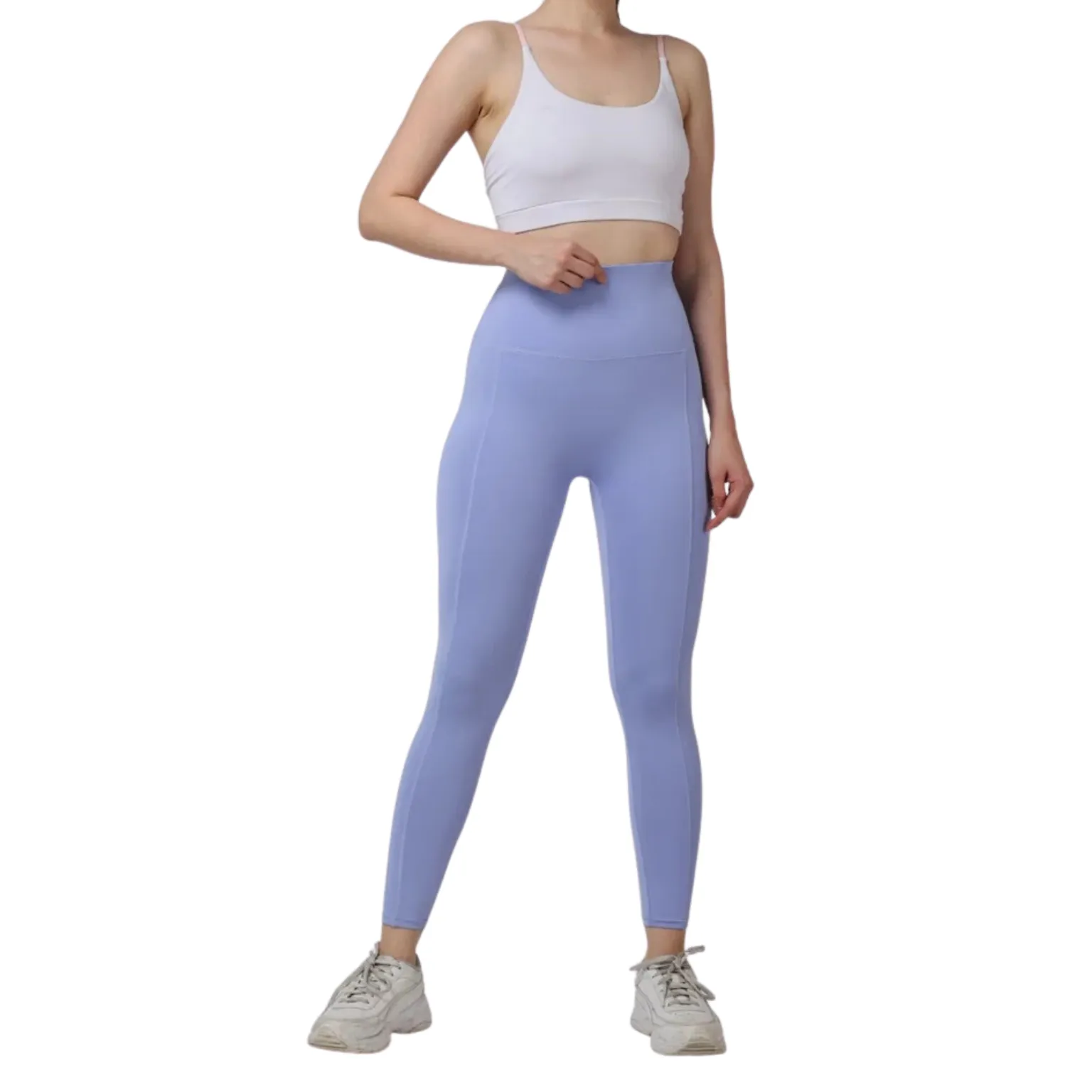
High stretch leggings are crafted for flexibility and comfort, ensuring a perfect fit for active lifestyles. Our skilled artisans meticulously craft each pair with precision, ensuring durability and a flawless finish.
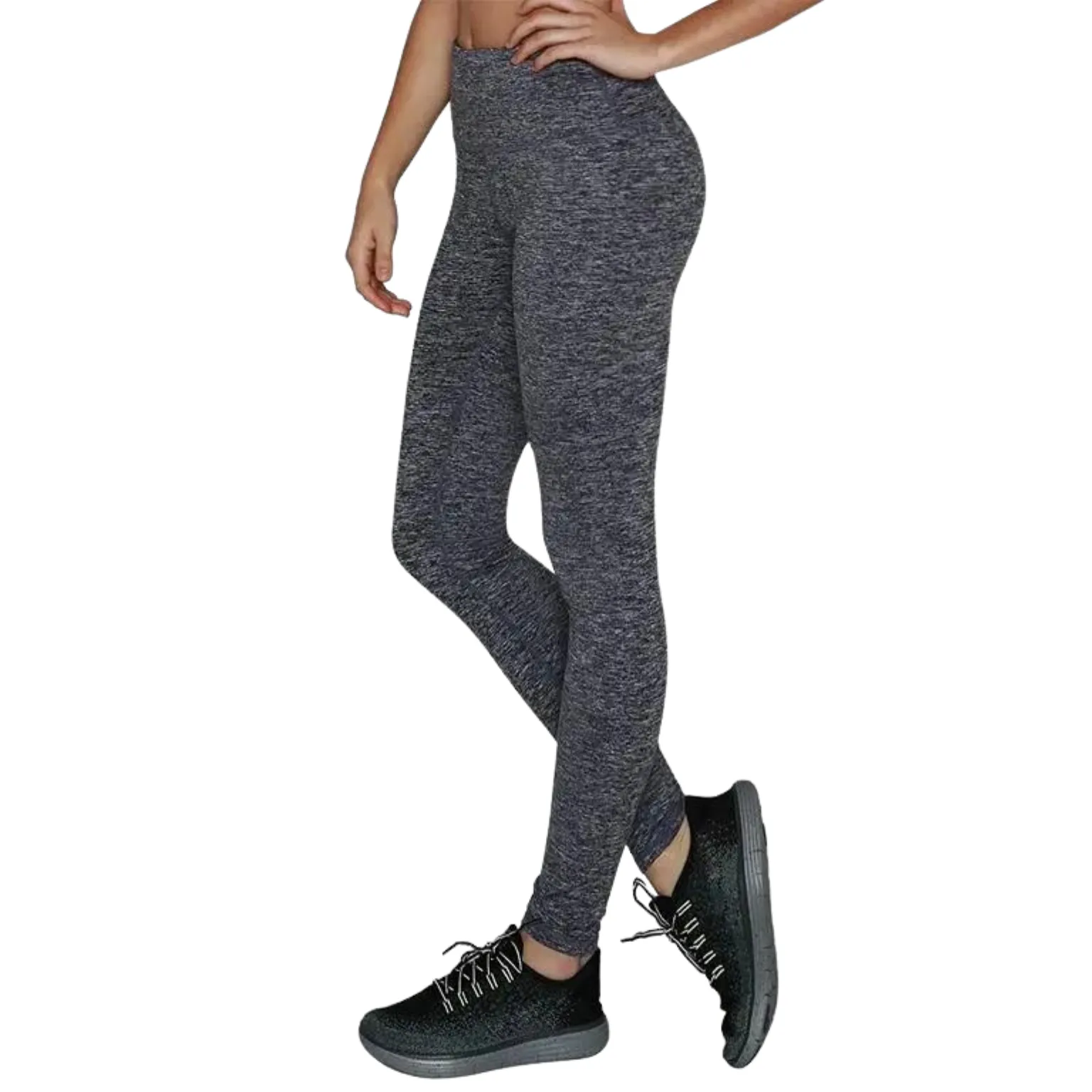
Designed to provide support and comfort these leggings are perfect for active lifestyles. Thygesen uses advanced technology to create leggings that offer a flawless fit and superior quality.
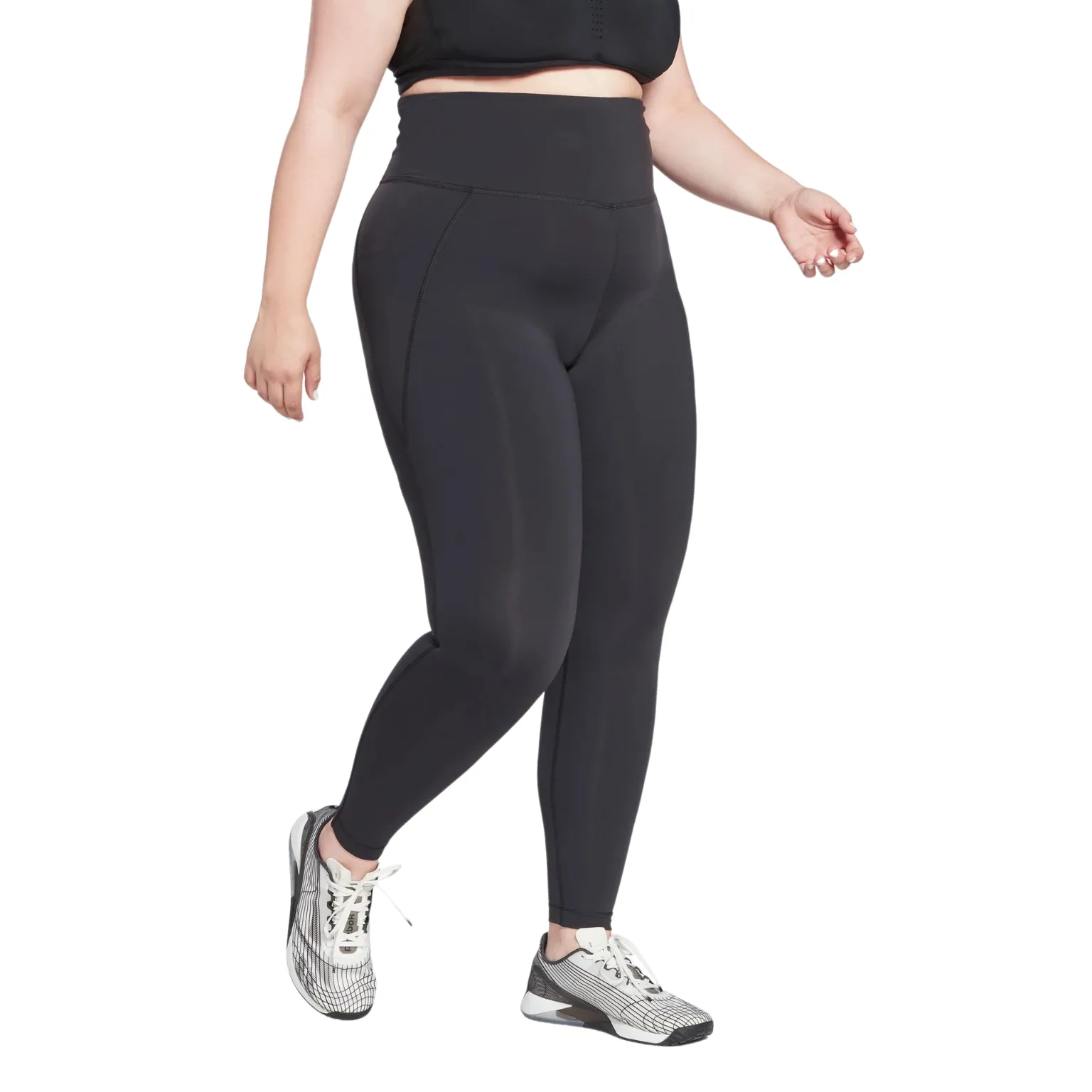
These leggings offer support and a flattering silhouette for all body types. At Thygesen factory, we implement strict quality control to guarantee a perfect fit and premium quality for every piece.
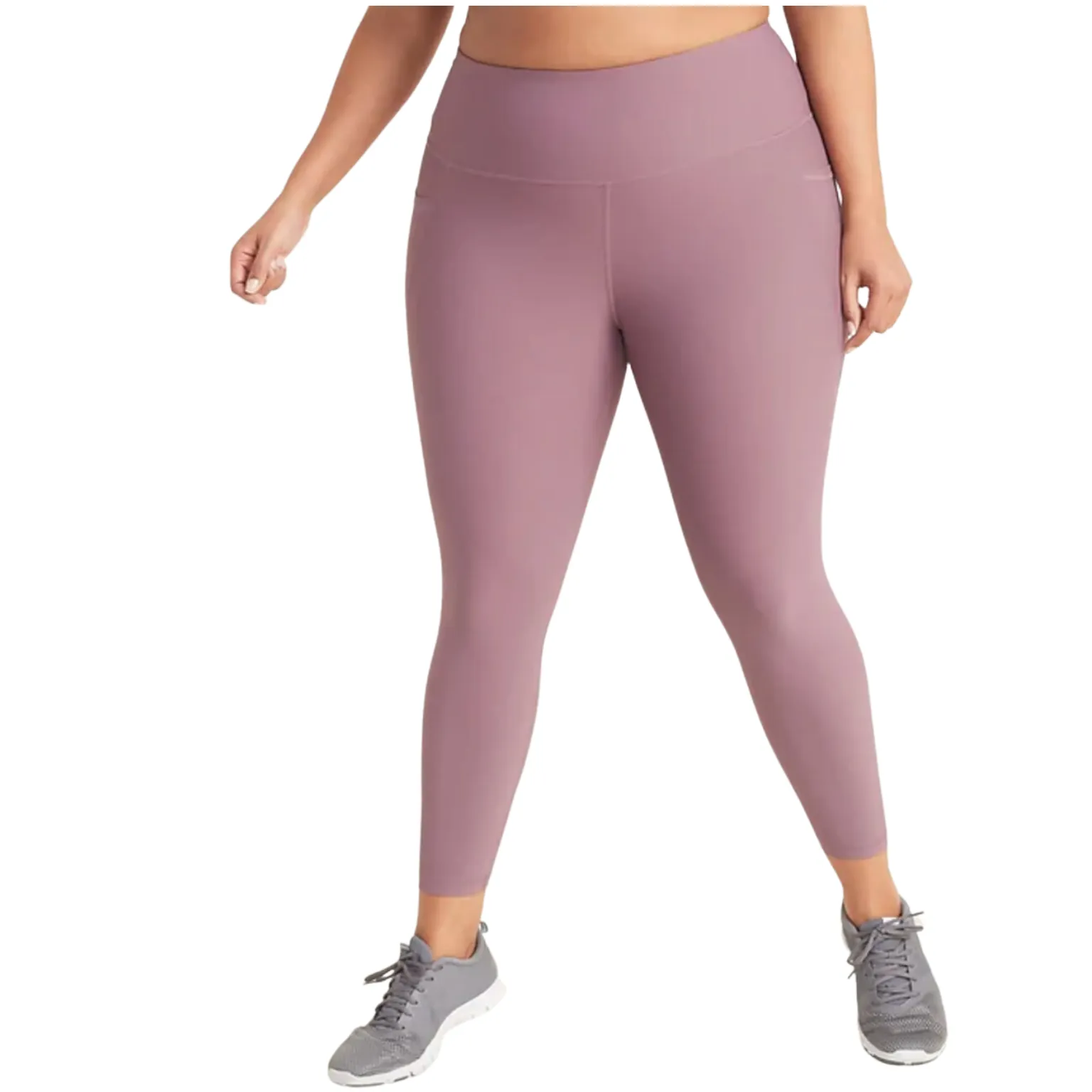
Plus-size leggings are designed with a four-way stretch fabric, offering exceptional comfort and flexibility for all body types. At Thygesen, we ensure superior craftsmanship and quality for all our products.
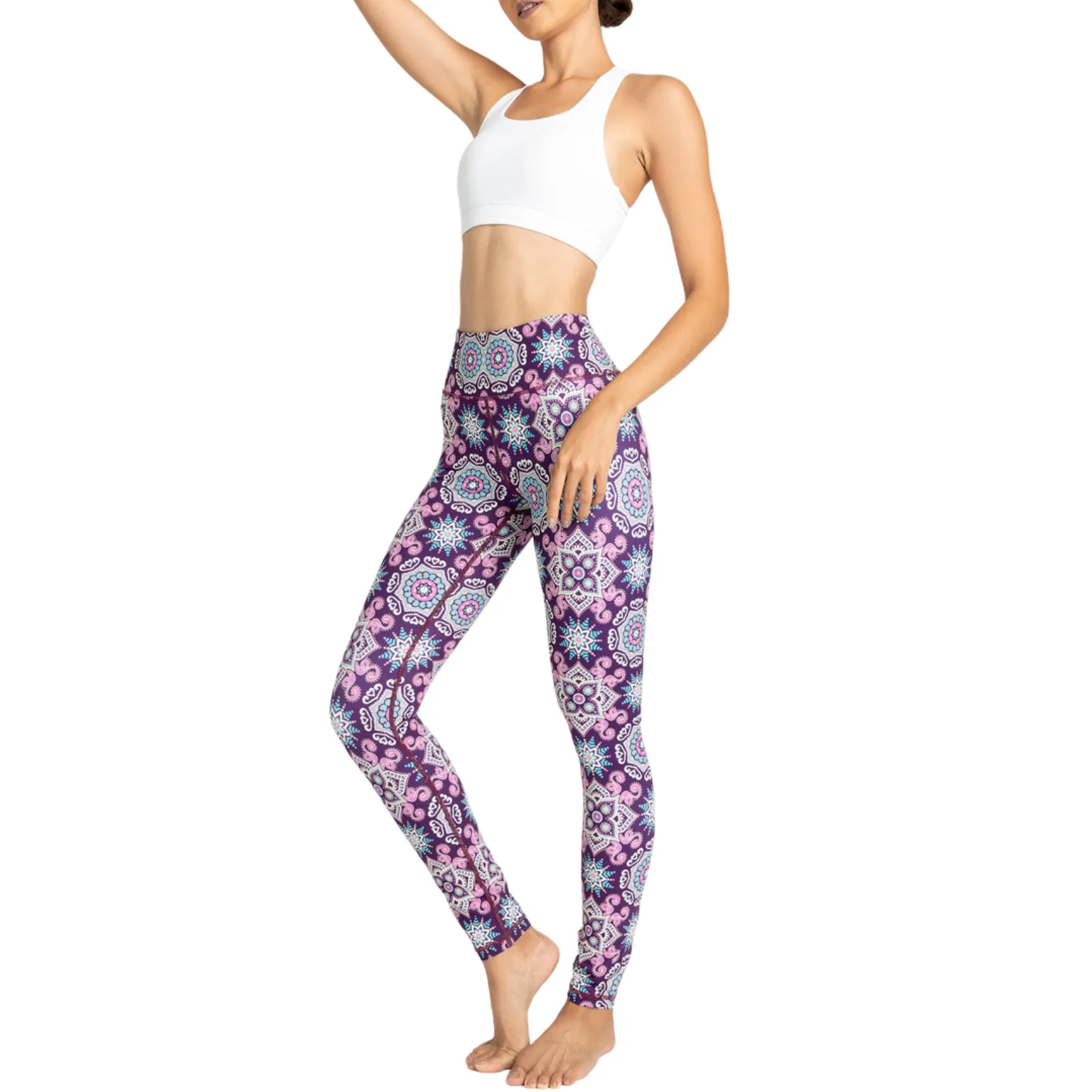
Featuring vibrant, sharp prints, these yoga leggings combine style and functionality. At Thygesen, we use advanced printing technologies to guarantee crisp, long-lasting designs.
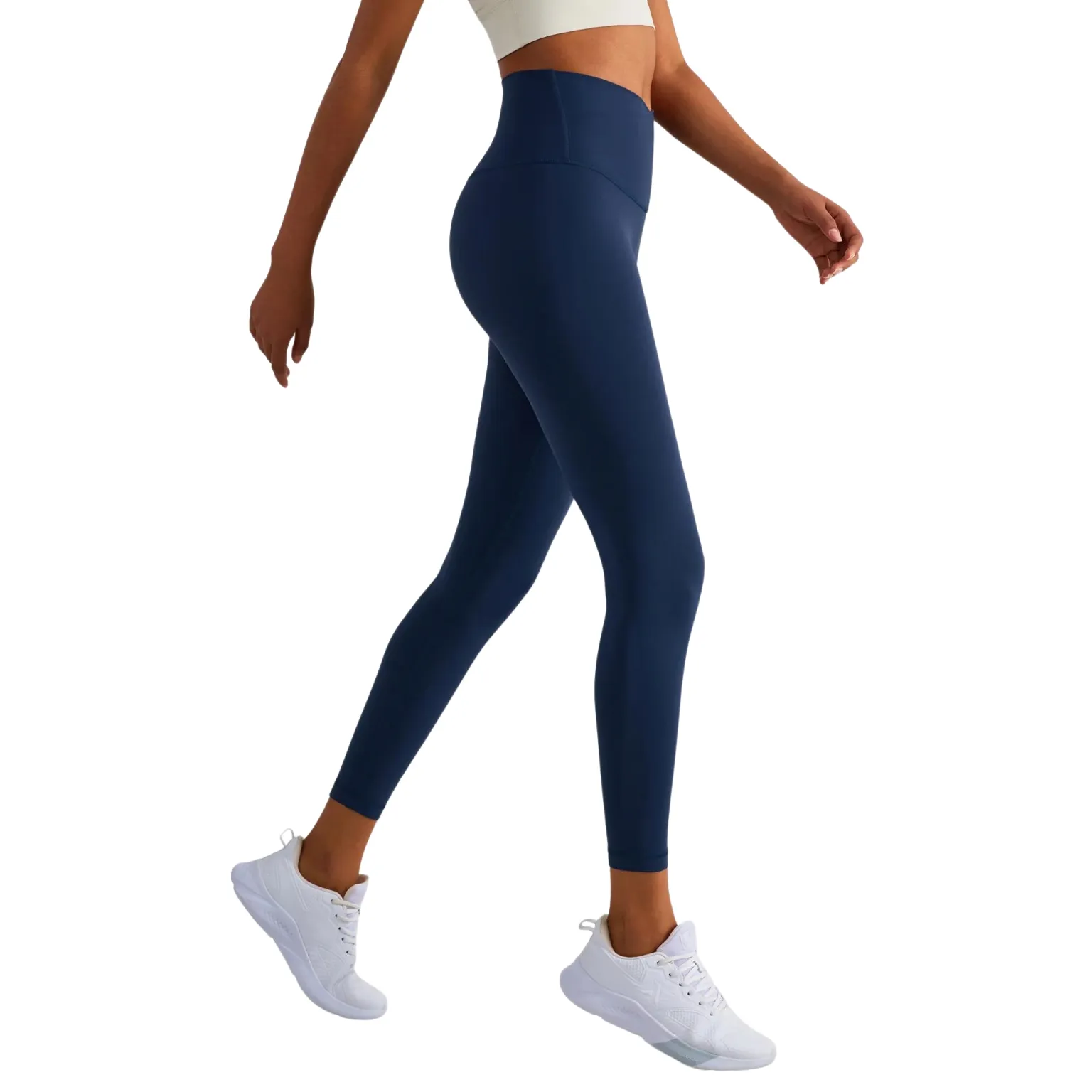
Seamless leggings offer unmatched comfort and performance, but they require a different approach than regular activewear. This guide covers the key differences, costs, and factors you need to know for seamless leggings manufacturing.
1. Key Differences and Considerations Compared to Regular Legging Production
Producing seamless leggings involves distinct techniques and considerations compared to regular leggings, influencing everything from fabric selection to construction methods and overall performance.
1.1. Fabric Selection and Performance Requirements
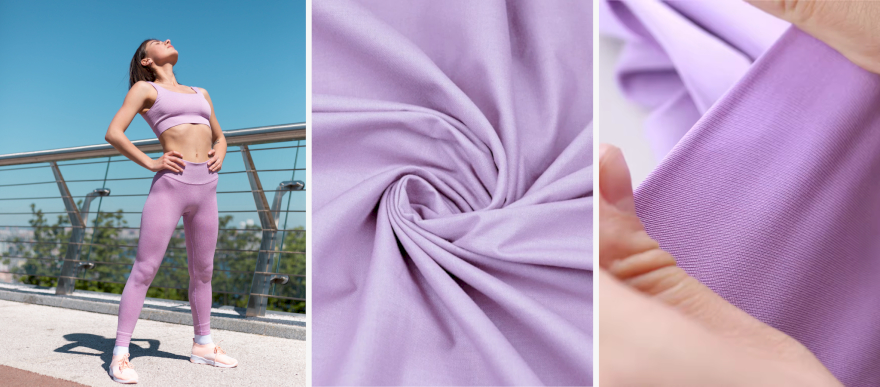
When it comes to seamless leggings, fabric choice is even more critical than in regular production because the entire garment is knitted as one continuous piece. Fabrics typically used:
- Nylon-spandex: Soft, durable, quick-drying, and supportive – ideal for high-performance activewear.
- Polyester-spandex: Lightweight, colorfast, moisture-wicking, and more affordable for large-scale production.
- Recycled synthetics (recycled nylon or polyester): Eco-friendly alternatives that maintain strength, elasticity, and moisture control while reducing environmental impact.
- Polyamide blends: Known for their smooth texture, compression support, and resistance to pilling.
- Functional yarns (e.g., Coolmax®, Tactel®, or Dryarn®): Provide enhanced breathability, thermal regulation, and comfort during intense workouts.
These fabrics are engineered to deliver 4-way stretch, fast moisture evaporation, and long-term shape retention – all essential for performance and comfort during training. An experienced legging manufacturer will have the expertise to guide brands in selecting the right fabric blend to achieve the desired balance of compression, opacity, and durability.
In contrast, regular leggings often use cotton blends or heavier polyester, focusing more on softness and everyday comfort rather than athletic performance.
1.2. Stitching and Seam Construction
Regular leggings are made by cutting and sewing multiple fabric panels together, resulting in numerous seams running down the legs and hips. While these seams help shape the garment, they are the most likely points of failure (where threads pop) and the main cause of chafing, reducing comfort during intense activity.
Seamless leggings are knitted as a continuous tube, which allows them to eliminate most seams (especially the outer and inner leg seams). They only require a few minimal and strategic seams, primarily at the crotch (to insert the gusset) and to finish the waistband. This construction makes seamless leggings extremely comfortable, more durable due to fewer weak points, and results in a smooth, irritation-free surface against the skin.
>>> For brands requiring precision and performance in their activewear lines, Thygesen offers extensive experience in advanced seamless knitting technology. Thygesen supports partners from initial design to final production, ensuring functional and high-quality garments. Consider Thygesen among your potential athletic apparel manufacturers to elevate your product offerings and meet rigorous market demands.
1.3. Dyeing and Printing
There are several main ways to add color and patterns to fabric: Yarn Dyeing (coloring the yarn before knitting), Piece Dyeing (coloring a whole roll of flat fabric), Garment Dyeing (coloring the finished piece), and Printing (applying color on top of the fabric). Knitting machines also allow for patterns to be created by Jacquard knitting (Knit-in Patterning) using different colored yarns.
Regular leggings typically use piece dyeing for solid colors or printing on the flat fabric roll to create large, complex designs, prioritizing design freedom. In contrast, seamless leggings mainly use yarn dyeing or garment dyeing if they need a simple solid color. Seamless leggings mainly use yarn dyeing or garment dyeing if they need a simple solid color. They rely on Jacquard knitting if they need multi-colored patterns, complex textures, or functional compression zones built directly into the garment structure.
1.4. Cost & MOQ
- Cost: Seamless leggings generally have a higher upfront cost due to specialized circular knitting machines and advanced yarns. However, they help reduce fabric waste and sewing labor, which can offset part of the cost at scale. Regular leggings, on the other hand, are more affordable to start with, as they use conventional fabrics and simpler cut and sew manufacturing methods.
- Minimum Order Quantity (MOQ) and Flexibility: Regular leggings are suitable for low MOQs and offer high flexibility to change patterns between small batches. However, seamless leggings require a higher MOQ to offset the significant setup and programming costs, making them less flexible for small orders or frequent design changes.
2. Seamless vs. Seamfree Leggings – What’s the Difference?
“Seamless” and “seamfree” are often thought to be the same, but they are actually different production techniques.
2.1. Seamless Leggings
Seamless refers to the manufacturing method itself:
- How it’s Made: A legging labeled “Seamless” is knitted on a specialized circular knitting machine that produces the main body and leg tubes as a single, continuous piece, like a giant sock.
- Result: The garment is structurally engineered from the yarn up. This process minimizes seams entirely, eliminating the traditional outer-leg and side seams.
- Seam Reality: Even “seamless” garments still have a few necessary seams: the gusset/crotch seam (to join the two leg tubes and allow flexibility) and sometimes a seam to attach the waistband. The key is that the major seams causing friction are gone.
- Core Benefit: Superior comfort, flexibility, and the ability to knit performance zones (compression, ventilation) directly into the fabric.
>>> Brands looking for comprehensive manufacturing partners to realize their design visions across various apparel categories will find Thygesen’s capabilities extensive. Thygesen applies its commitment to precision and quality management to a wide array of garment types, extending beyond seamless leggings. Explore how Thygesen’s production methodologies consistently deliver excellence, whether you are collaborating on seamless designs or seeking experienced hoodie manufacturers for your next collection.
2.2. Seamfree Leggings
Seamfree is an aesthetic description of the final look and feel:
- Meaning: It literally means “free of seams” or “without visible seams.”
- Usage: It is often used to describe garments that are made from Freecut or Bonded fabrics. These fabrics are cut and joined using heat or adhesive instead of stitching (like ultrasonic welding).
- Example: A piece of underwear can be made from two pieces of fabric that are bonded together with heat, making the edges and joints lie completely flat and invisible, thus, they are seamfree even if they weren’t produced on a circular knitting machine.
3. Are Seamless Leggings More Expensive to Produce?
Yes, seamless leggings are generally more costly to produce than regular leggings. The higher costs stem from both specialized machinery and technical requirements:
- Advanced machinery (e.g., Santoni machines): Seamless production relies on high-precision circular knitting machines like Santoni, which can cost hundreds of thousands of dollars. These machines enable complex patterns, integrated shaping, and high stretch recovery but also require skilled operators and longer setup times.
- Specialized yarns: High-performance blends such as nylon-spandex, polyester-spandex, or recycled synthetics are needed to achieve 4-way stretch, durability, moisture management, and long-term shape retention.
- Higher setup and sampling costs: Programming patterns, compression zones, and shaping into the knitting machine takes time and technical expertise, increasing labor and sampling costs.
- Minimum order quantities (MOQs): Due to machine setup requirements, MOQs are typically higher, impacting cost per unit for small orders. This stands in contrast to some other garment types, where ladies’ pajama manufacturer might offer more flexibility with smaller runs for testing classic sleepwear designs in the market.
- Quality control and consistency: Additional checks ensure proper fit, elasticity, and performance across the garment, adding to production expenses.
Overall, while seamless leggings are generally more expensive to produce, they offer fashion brands benefits such as superior fit, enhanced comfort, and durability, helping differentiate collections and justify higher retail prices.
4. What Brands Should Look for When Selecting A Seamless Legging Manufacturer
Choosing the right seamless legging manufacturer is a crucial step for brands, as it directly affects product quality, performance, and the ability to meet both design and sustainability goals.
4.1. Advisory & Expertise
When selecting a seamless legging manufacturer, it’s essential to choose one with hands-on experience in seamless production. A knowledgeable partner can provide technical guidance on critical elements such as material selection for stretch, durability, and comfort, garment fit and sizing considerations, and compression zone placement for performance and support.
Since seamless leggings require a very different approach than traditional cut-and-sew garments, working with a manufacturer who understands these technical nuances ensures the final product is optimized for fit, performance, and overall wearer experience. The right partner will also be able to advise on other knit categories, potentially serving as a knowledgeable pajama manufacturer for seamless or technical loungewear lines.
4.2. Transparency
Clarity and openness are essential when partnering with a seamless legging manufacturer. It’s important to understand whether production is handled in-house or outsourced to a subcontractor, especially since seamless machinery is highly specialized and costly.
The manufacturer should also be transparent about their quality control processes, production standards, and minimum order quantities (MOQs), helping brands plan costs, lead times, and ensure consistent product quality.
4.3. Quality & Consistency
Consistency is crucial in seamless legging production, as even small variations can impact garment performance and how customers perceive your brand. Choose a manufacturer with robust systems to ensure reliable stretch performance, accurate color, precise stitching, and consistent finishing across every production run.
Maintaining this high level of quality control is essential for protecting brand reputation and delivering a premium product that meets consumer expectations.
4.4. Sustainability & Ethical Practices
Choose a partner that follows fair labor practices and environmentally responsible processes. Since seamless production often involves specialized equipment and higher resource use, it’s important that the manufacturer operates sustainably – from sourcing eco-friendly yarns to minimizing waste and adhering to ethical standards. Certifications such as GRS, OEKO-TEX®, WRAP, and SA8000 demonstrate a commitment to quality, social accountability, and environmental responsibility.
Working with a certified, sustainable manufacturer not only enhances brand credibility but also helps meet growing consumer expectations. This commitment to eco-friendly production is equally valuable for a custom bamboo pajama manufacturer, where the use of sustainable materials is a key selling point for brands.
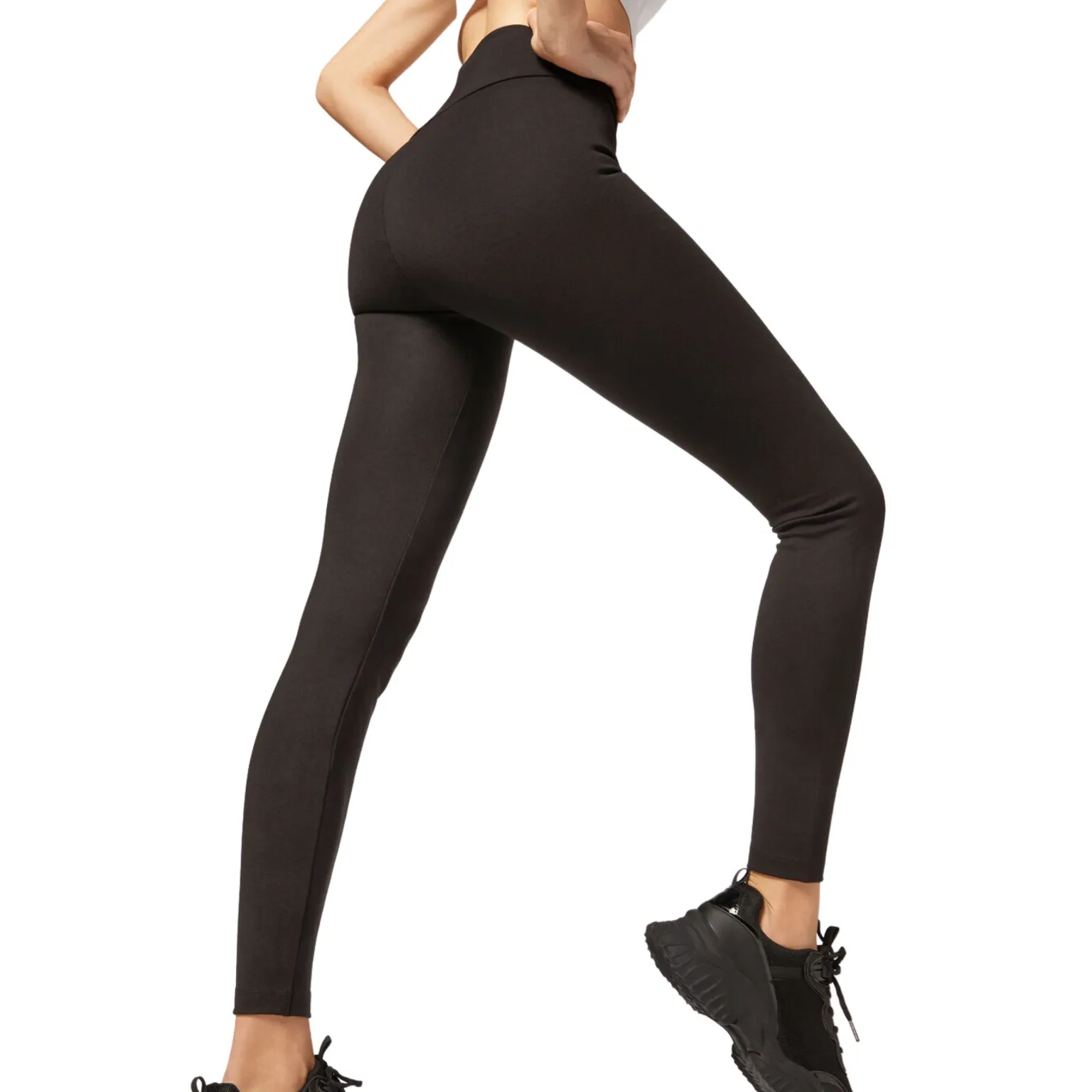
Designed to enhance your natural shape, these leggings offer both support and comfort. Thygesen helps bring your design vision to life with our sample development services and attention to detail.
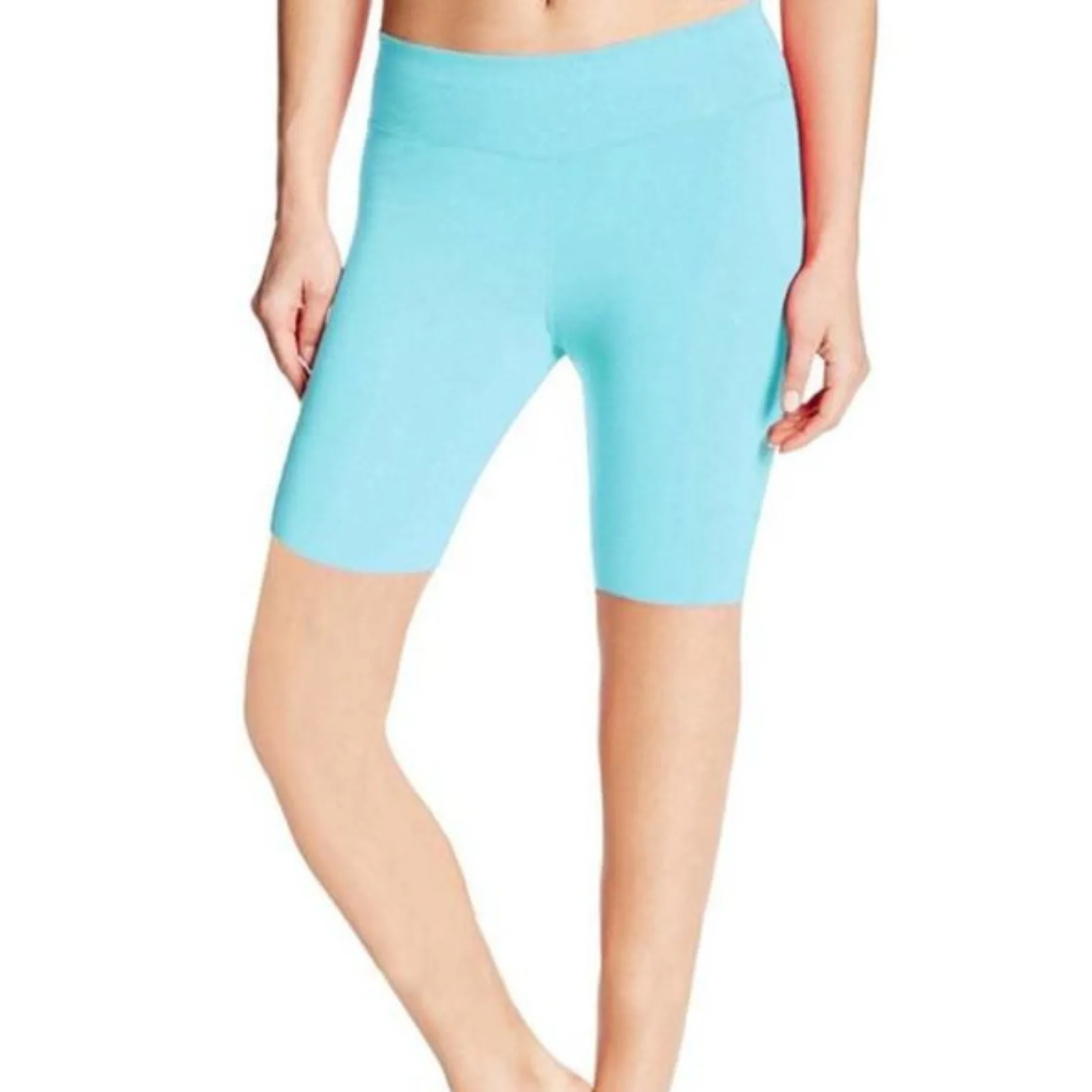
Perfect for intense workouts or casual wear, short leggings offer freedom of movement and comfort. Thygesen crafts with precision and a focus on functionality for your brand’s needs.
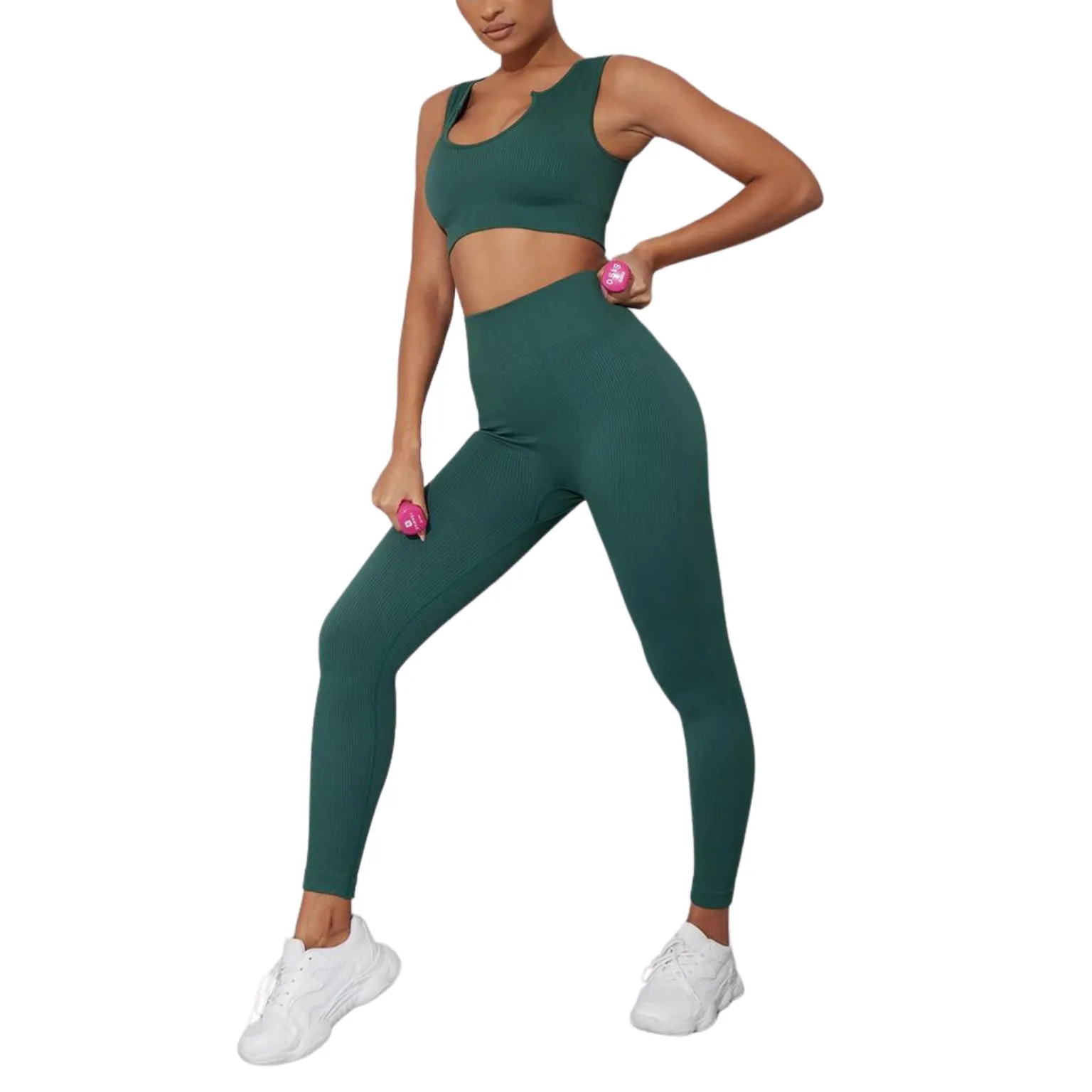
Sports leggings provide full freedom of movement, making them ideal for active wear. We offer flexibility to customize design, style, fabric, and graphics to meet your specific needs.
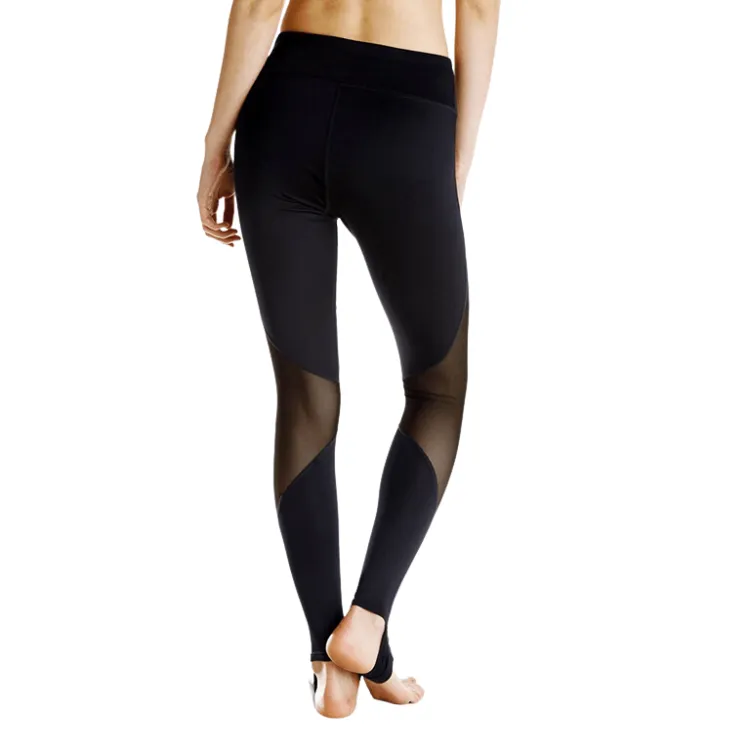
Stirrup leggings are designed for a snug fit with a stylish, functional design, perfect for both comfort and performance. At Thygesen, we offer eco-friendly fabric options and prioritize sustainable sourcing.
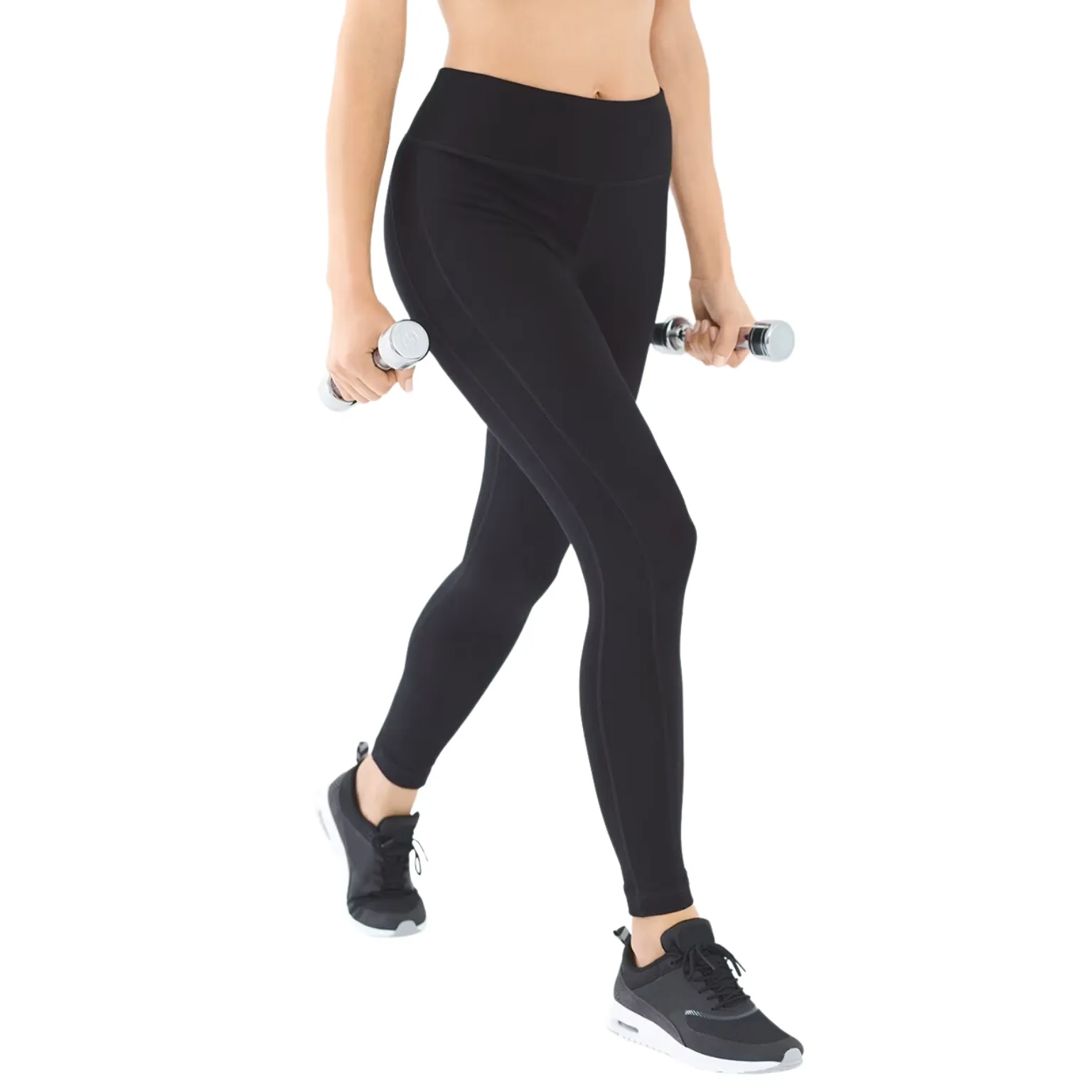
Workout leggings provide flexibility and support, ideal for active individuals looking for high-performance wear. Thygesen uses sustainable manufacturing practices, ensuring both durability and environmental responsibility.
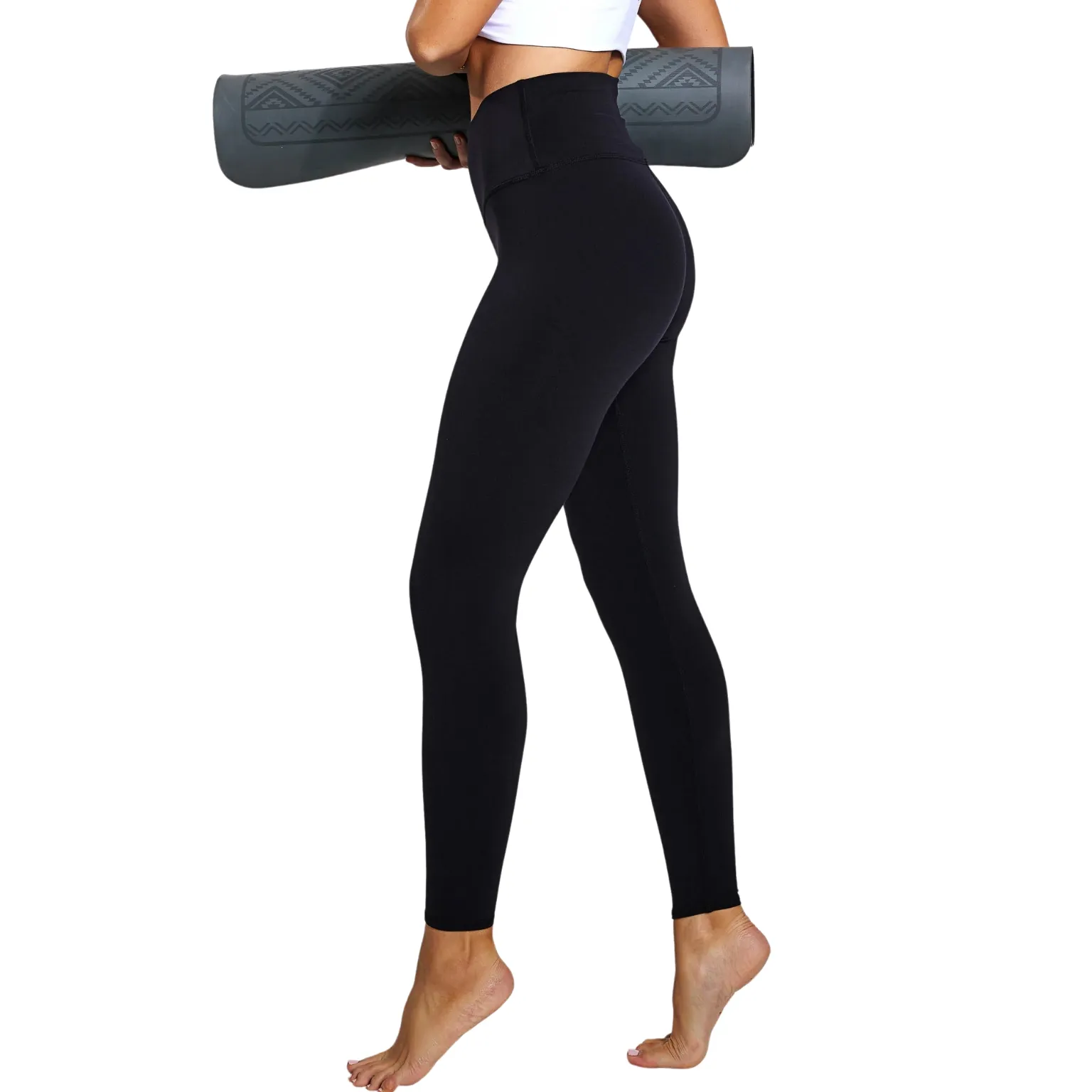
Designed for comfort and flexibility, yoga leggings offer a perfect fit for stretching, movement, and relaxation. Crafted with soft, breathable, and moisture-wicking fabrics, they support every pose with ease.












How Are Our OEM/ODM Solutions Different?
| Thygesen (FOB) | Traditional Clothing Manufacturer (CM) | |
|---|---|---|
| Full Package Service (From fabric sourcing to production and shipping) | ||
| Technical Design Assistance | ||
| Custom Labels, Hang Tags, Packaging | ||
| Cost Effective For Large Orders | ||
| Quality Assurance | ||
| Compliance & Global Certifications | ||
| Wide Network of Trusted Suppliers Both Local and Global | ||
| English Proficiency |
Our Process Setup is Optimized for Mass Production

Step 1
Handle Customer’s Inquiry
Send us an inquiry and share more details about your projects, and our dedicated team will handle it.
Step 2
Make Quotation
If your project is suitable for our standard MOQ and production, then we offer an initial quotation based on the techpack, selected fabric quality, and quantity.
Step 3
Sample Development
After the customer’s approval of the quotation, we proceed with sample development to confirm quality before starting bulk production.

Step 4
Bulk Production
Following order confirmation and a deposit, we initiate bulk production with all specifications carefully followed.
Step 5
Quality Control
We follow strictly our QC procedures, ensuring 100% end-line inspections. We also apply AQL 2.5 for final inspections. Third-party QC is always welcome.
Step 6
Packaging & Shipping
Once the quality is confirmed, the finished products are carefully packaged and shipped in bulk to your warehouse.
Custom Legging Manufacturers: Buyer's Guide for All Fashion Brands
Choosing the right leggings manufacturer is key to creating high-quality, comfortable, and sustainable products. This guide covers essential insights on fabrics, sustainability, costs, and how the right partner can help you optimize every step of production.
1. Key Considerations for Manufacturing High-Quality Leggings
High-quality leggings are the result of multiple technical decisions working together – from seam construction and pattern engineering to machine setup and production scalability. While leggings may appear simple, they place high demands on materials, stitching, and fit consistency. The following considerations outline the core factors brands should evaluate to ensure their leggings perform well, scale efficiently, and meet market expectations.
1.1. Best 6 Fabrics Used for Leggings
When choosing materials for leggings, brands should consider stretch, comfort, breathability, and durability. Below are the most common fabrics used for leggings manufacturing
1. Nylon
Nylon is widely used in performance leggings due to its smooth hand feel, durability, and excellent stretch recovery when blended with spandex. It resists abrasion well and maintains color over time, making it suitable for frequent wear and washing. However, nylon can retain odor without proper finishing and is generally more expensive than polyester. Nylon-based leggings are best suited for gym, yoga, and running styles that require durability and a premium feel. Recommended GSM typically ranges from 220 to 280, depending on opacity and compression requirements.
2. Polyester
Polyester is a versatile and cost-effective option commonly used in sports and athleisure leggings. It offers good shape retention, wrinkle resistance, and colorfastness, especially for printed or patterned designs. Lower-quality polyester can feel synthetic or trap heat without moisture-management finishes. Polyester leggings are well-suited for mid-range activewear, everyday sports leggings, and styles requiring heat-transfer printing. Recommended GSM usually falls between 200 and 260.

>>>Thygesen offers specialized expertise as a legging manufacturer, focusing on high-performance and eco-friendly solutions tailored for premium brands. The company’s comprehensive OEM services encompass material sourcing, design, and production, ensuring adherence to stringent international certifications and sustainability commitments. Collaborating with Thygesen provides an opportunity to develop innovative and responsibly made short leggings, leveraging advanced manufacturing capabilities.
3. Spandex (Elastane/Lycra)
Spandex is not used alone but is essential for providing stretch, recovery, and body-hugging fit. It enhances comfort and flexibility, allowing leggings to move with the wearer and return to shape after repeated use. Spandex is sensitive to high heat and harsh washing and adds to material cost. Typical blends contain 10–25% spandex combined with nylon, polyester, or cotton. Recommended GSM depends on the base fabric, with activewear leggings commonly ranging from 220 to 300 GSM.
4. Cotton
Cotton offers a soft, breathable, and natural feel, making it appealing for casual and lounge leggings. However, it absorbs moisture and dries slowly, and without blending, it can lose shape or pill over time. Cotton leggings are best suited for low-impact, everyday wear rather than performance use. To maintain opacity and structure, cotton leggings generally require a higher fabric weight, with recommended GSM between 240 and 300.
>>> Thygesen provides extensive expertise in advanced materials and functional design, crucial for high-performance activewear collections. For brands seeking proficient athletic apparel manufacturers, Thygesen ensures robust quality management systems and adherence to international compliance standards, safeguarding product integrity and consumer trust.
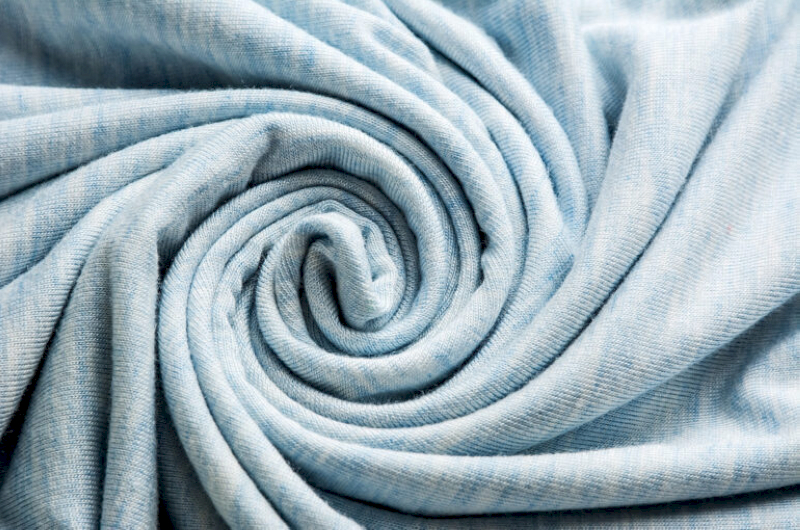
5. Bamboo / Modal
Bamboo and modal fabrics are valued for their exceptional softness, breathability, and comfort against the skin. They are often chosen for premium, comfort-focused leggings and are suitable for sensitive skin. These fibers require careful quality control during dyeing and finishing and come at a higher cost. Bamboo or modal leggings work well for yoga, maternity, and loungewear styles. Recommended GSM typically ranges from 230 to 280. At Thygesen, we can even source certified fabrics with OEKO-TEX and FSC certifications on request.
6. Recycled Fabrics (Recycled Nylon or Polyester)
Recycled fabrics offer similar performance characteristics to virgin synthetics while reducing environmental impact. They support sustainability-focused collections but require proper traceability and certification, which can increase cost and development time. Recycled nylon or polyester leggings are ideal for eco-conscious activewear brands. Recommended GSM generally falls between 210 and 260, depending on performance and opacity needs..
In addition, common fabric compositions for leggings include blends such as 80-90% Nylon/ 10-20% Spandex or 75-85% Polyester/15-25% Elastane, depending on the desired balance between stretch, opacity, and compression.
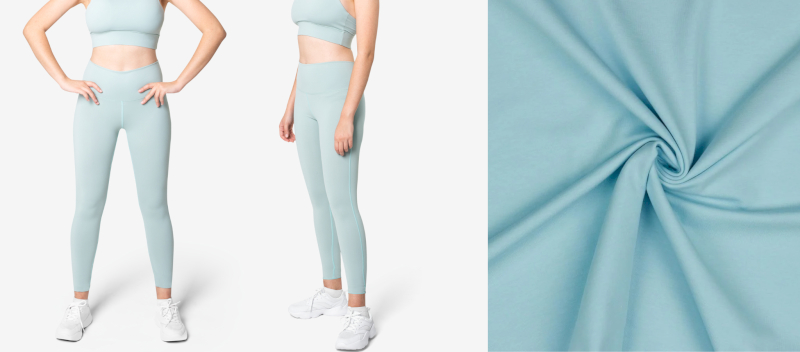
>>> Thygesen supports diverse production requirements, from intricate design details to scalable order volumes. As an experienced cut and sew manufacturer, Thygesen offers flexible minimum order quantities, empowering both emerging startups and established fashion brands to realize their custom apparel lines without prohibitive entry barriers.
1.2. Fit & Pattern Considerations to Make Sure Leggings Fit Real Bodies
Fit issues are among the most common reasons for product returns. Achieving a reliable fit starts with precise pattern engineering and thorough sample testing. To do so, patterns must be developed according to accurate measurements and designed to perform consistently in mass production. Meanwhile, samples should be tested in multiple stages: first on mannequins, then on real wearers across sizes to evaluate comfort, movement, and silhouette.
Wash and shrinkage testing is equally important. Fabrics may behave differently after laundering, and patterns must account for shrinkage and recovery to ensure long-term fit.
Moreover, matching patterns to fabric stretch and compression levels is critical. Poor pattern engineering can result in transparency, camel toe, sagging, or excessive tightness – issues that cannot be fixed at the production stage.
1.3. Additional Services from Thygesen
Beyond OEM manufacturing, Thygesen Textile Vietnam offers value-added services to support brands throughout development and production. For large-volume orders, the team can prioritize sample development across entire collections to shorten time to market.
Fit accuracy is supported through Alvanon mannequins and live fitting sessions, including access to Western fit models in Vietnam for real-time feedback. Thygesen also assists brands with product photography and video production, providing ready-to-use assets for marketing and sales.
2. The Most Common Legging Lines For Production
Leggings are developed for different performance needs, aesthetics, and end-use applications. Each legging line requires specific considerations around fabric selection, construction techniques, pattern engineering, and fit standards. Understanding these common legging categories helps brands define clear product requirements and work more effectively with manufacturers during sampling and bulk production.
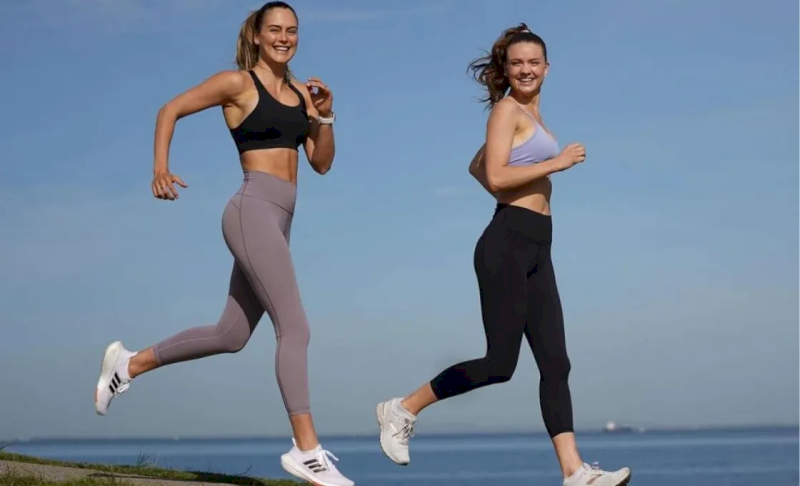
2.1. Gym Leggings
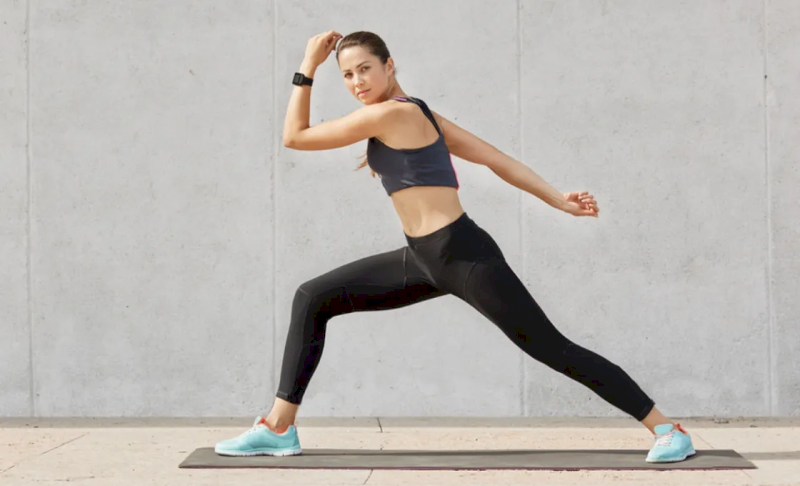
Designed for high-impact movement, gym leggings emphasize compression, durability, and moisture management. Construction typically includes reinforced seams, firm waistbands, and higher spandex ratios to support intense activity.
>>> Thygesen delivers comprehensive OEM services, translating unique design visions into market-ready custom leggings. As a dedicated legging manufacturer, Thygesen prioritizes responsive communication and efficient production timelines, ensuring brands can confidently bring their collections to market with consistent quality and reduced sourcing risk.
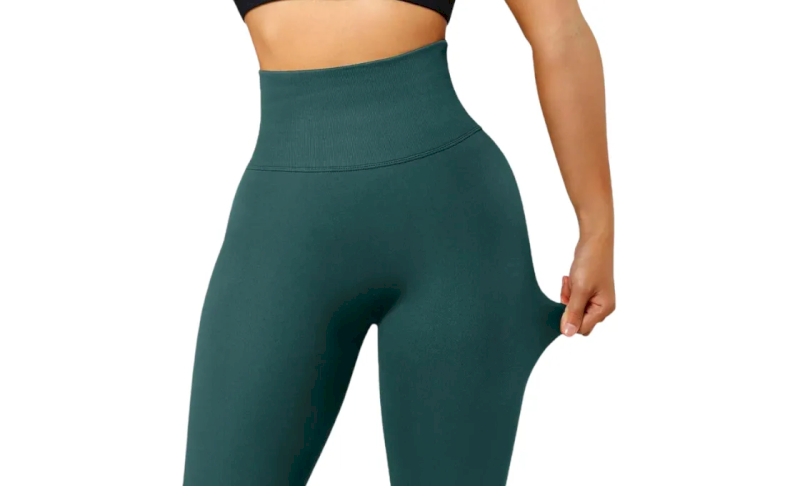
2.2. Seamless Leggings
Seamless leggings are produced using circular knitting technology, reducing seam irritation and improving comfort. They offer a clean aesthetic and are popular for both performance and lifestyle collections, though machine setup and yarn selection require technical expertise.
2.3. Yoga Leggings
Yoga leggings prioritize softness, stretch, and flexibility. Fabrics are chosen for comfort and breathability, with construction focused on smooth seams and moderate compression to support a wide range of motion.
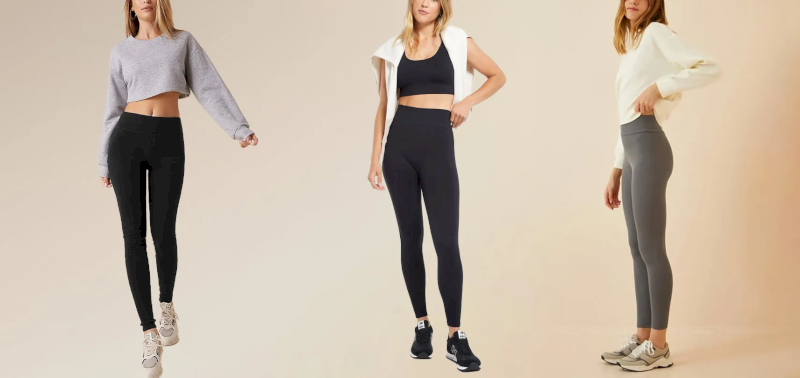
2.4. High-Waisted Leggings
High-waisted designs require careful waistband engineering to ensure support without rolling or digging in. Interlining, elastic structure, and pattern balance all play key roles in performance and comfort.
3. Key Considerations When Working With a Legging Manufacturer
Choosing a manufacturer is not only about price or production capacity. For leggings, brands benefit most when they work with a partner who can support them through the entire process from development to delivery, and help them avoid costly mistakes. A strong manufacturer does more than follow instructions. They advise.
3.1. Quality Control Must Be Structured, Not Random
A reliable leggings manufacturer should operate with a clearly defined and documented quality-control system across every stage of production. This includes fabric inspection and shrinkage testing before cutting, verification of patterns and samples, in-line and final inspections focused on seams, stretch, and fit, as well as washing, pilling, and colorfastness testing.
Final checks should also extend to packaging accuracy and carton condition prior to shipment. A structured quality-control process significantly reduces defects, production delays, and product returns, particularly for technical leggings.
If any changes occur during bulk production, whether related to fabric, construction, or measurements, they should be formally documented, tested, and mutually approved rather than decided informally on the factory floor.
3.2. Look for a Manufacturer Who Can Consult, Not Only Produce
Many factories focus solely on cut-and-sew execution, but leggings manufacturing benefits most from working with a partner who can provide informed guidance throughout the process. Beyond advising on fabric selection and construction methods, an experienced manufacturer should be able to support brands with import and export procedures for fabrics and trims, recommend suitable shipping methods and explain associated duties or taxes, and assist with documentation required for customs clearance and regulatory compliance.
They should also be capable of identifying cost-saving opportunities in raw material sourcing and explaining ESG and sustainability requirements for different markets, including the EU, United States, Australia, and Japan. This consultative approach helps brands reduce risk, avoid compliance issues, and move products smoothly across borders. Thygesen often works with customers in this capacity, acting as a development partner rather than only a sewing factory.
3.3. Sustainability and Compliance Are No Longer Optional
Today’s leggings must meet increasingly strict market expectations around sustainability and compliance. Brands are expected to demonstrate the use of certified materials, ensure supply-chain traceability, uphold responsible labor practices, and reduce environmental impact throughout production.
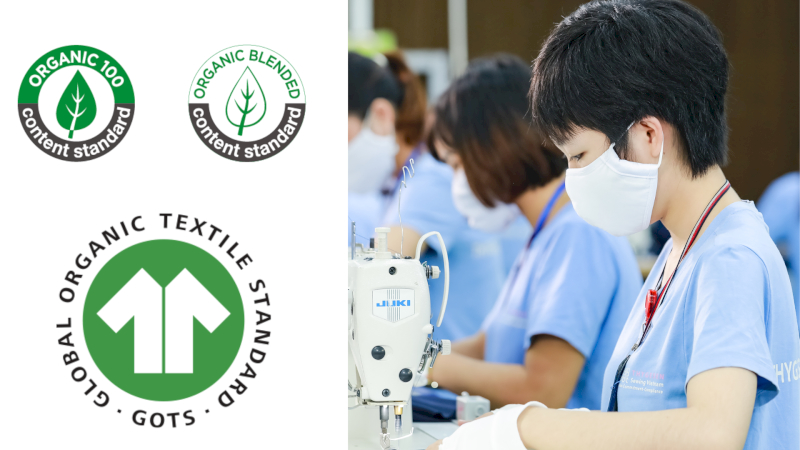
A capable manufacturer should help brands identify which standards are relevant to their target markets, such as GRS certification for recycled materials, OEKO-TEX® for chemical safety, and WRAP or SA8000 for social responsibility. Many buyers also require alignment with their own ESG frameworks.
Navigating these requirements can be complex, and having a manufacturing partner who understands compliance expectations is essential for avoiding delays, penalties, or reputational risk.
>>> Expanding beyond specialized legging production, Thygesen also serves as a versatile partner for broader apparel needs. Brands looking for a reliable hoodie manufacturer, or other casualwear items, benefit from Thygesen’s transparent supply chain and commitment to socially responsible practices, fostering long-term, ethical sourcing relationships.
3.4. Work With the Manufacturer, Don’t Just “Approve A Look”
Sample development should be treated as a collaborative and technical process, not simply a visual approval stage. A knowledgeable manufacturer will explain performance and compliance requirements early, allowing design, fabric selection, and sourcing decisions to align with production realities from the beginning. During this stage, both sides should align on fit, stretch and recovery, shrinkage behavior, comfort, seam durability, and long-term wear performance.
Brands should clearly communicate the intended use of the leggings, such as high-impact training, yoga, casual wear, maternity, or shapewear, and share their target market and price positioning so realistic material options can be proposed
4. What to Know About Sustainability in Legging Production
As consumers become more conscious of environmental impact, fashion brands are expected to prioritize sustainability throughout the production process.
4.1. Sustainable Materials
Sustainable materials are at the core of eco-friendly legging production. Sustainable fabrics should come from certified and traceable sources to ensure transparency and authenticity. Recognized certifications such as Global Recycled Standard (GRS), OEKO-TEX®, and GOTS guarantee that materials are responsibly produced, safe for the skin, and sourced from reputable suppliers with verified origins.
Common eco-friendly options include recycled polyester (rPET), which is made from post-consumer plastic bottles and helps reduce waste and energy consumption while maintaining performance; recycled nylon, sourced from fishing nets or industrial waste, which offers the same strength and elasticity as virgin nylon with a smaller carbon footprint; organic cotton, grown without harmful pesticides or synthetic fertilizers, supporting healthier soil and reduced water usage; and bamboo or Tencel (Lyocell), known for their renewable nature, softness, breathability, and biodegradability.
These materials allow fashion brands to create high-quality leggings that combine sustainability, comfort, and performance, meeting both market expectations and environmental responsibility.
4.2. Ethical and Environmental Manufacturing
No brand wants its leggings to be made in a factory that harms the environment or overlooks workers’ well-being. Choosing an ethical and environmentally responsible leggings manufacturer is not only about doing the right thing, it also protects a brand’s reputation, builds consumer trust, and ensures long-term business sustainability.
Some key factors to consider for ethical manufacturing include:
- Fair Labor Practices: Ensuring safe working conditions, fair wages, and respect for workers’ rights.
- Environmental Responsibility: Reducing energy consumption, water usage, and chemical pollution throughout production.
- Certifications and Compliance: Working with factories certified by WRAP, SA8000, for social responsibility.
- Supply Chain Transparency: Partnering with manufacturers who can trace and verify material sources and production processes.
4.3. Product Lifecycle and Circularity
When developing a sustainable leggings line, it’s important for fashion brands to define how their products fit into a longer lifecycle and circular design strategy. While OEM leggings manufacturers follow each brand’s requirements, buyers should be clear about their goals, whether that means using recyclable fabrics, designing for longevity, or incorporating take-back and recycling programs.
Understanding product lifecycle helps brands make informed choices that reduce waste, optimize material use, and align with their sustainability commitments. A responsible leggings manufacturer can then support these goals by sourcing suitable fabrics, suggesting circular-friendly constructions, and producing with minimal environmental impact.
Ultimately, the brand sets the direction, and the right leggings manufacturing partner helps bring that vision to life, turning sustainability into a practical, achievable part of the production process.
FAQs
Which factors affect your pricing of manufacturing leggings?
The pricing of leggings manufacturing at Thygesen is influenced by fabric choices, design complexity, customization, production volume, and manufacturing processes. High-performance fabrics and additional features like custom prints or stitching can increase costs, while larger production volumes generally lower the price per unit.
What are the steps that Thygesen takes to evaluate the product quality?
We start by carefully selecting high-quality fabrics from trusted suppliers, followed by creating samples for client approval to meet design specifications. During production, we conduct regular in-line inspections to catch any issues early. Our quality control includes 100% end-line inspections and AQL 2.5 for final checks, ensuring the product meets the highest standards. We also welcome third-party QC to ensure transparency and accountability throughout the process.
Do you offer advanced fabric technologies, such as anti-odor and UV protection?
Yes, we do. We also work with clients to incorporate other fabric features tailored to their specific needs, such as breathability, compression, moisture-wicking, anti-bacterial properties, quick-dry, and thermal regulation
What are the certifications in terms of quality for Thygesen leggings manufacturing?
Thygesen holds ISO 9001:2015, ISO 13485:2016, and GSV certifications, ensuring our manufacturing processes adhere to international quality and ethical standards.
Our Clients Say


Start Your Production with Thygesen Vietnam