Comfort, flexibility, and performance all start with fabric. So what is activewear fabric, and what makes it suitable for high-movement garments? In the guide below, we’ll explore the materials, properties, and key factors that define quality activewear fabrics.
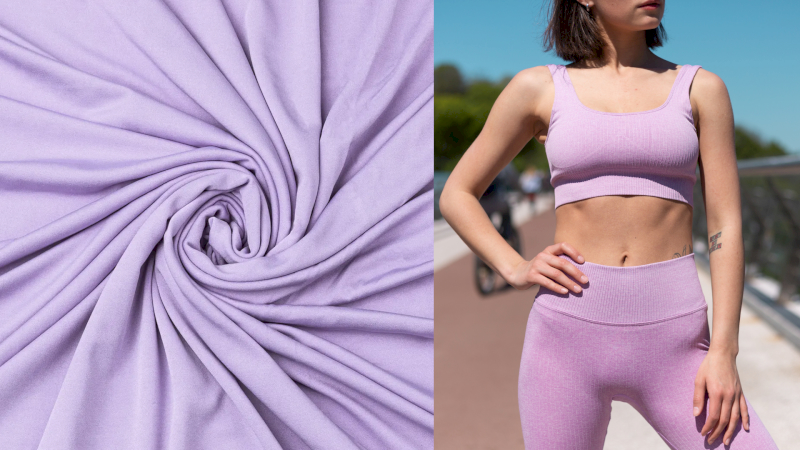
>>> Understanding the nuances of performance materials, as explored in this guide to activewear fabrics, is crucial for modern apparel production. Thygesen offers specialized expertise, applying this fabric knowledge to various apparel categories. Businesses seeking a reliable streetwear manufacturer for collections that blend style with advanced material functionality will find comprehensive support.
1. Key Characteristics of Activewear Fabrics
These core characteristics form the foundation of functional activewear fabrics and play a critical role in overall garment performance.
1.1. Moisture-Wicking & Breathability
Moisture-wicking and breathability are among the most essential properties of activewear fabrics, as active garments are designed for high-movement and sweat-intensive activities. Moisture-wicking fabrics draw sweat away from the skin and disperse it across the fabric surface, allowing it to evaporate quickly. This helps regulate body temperature and keeps the wearer dry during workouts.
>>> To optimize performance in hot conditions, selecting a quality moisture wicking fabric is paramount for activewear brands.
Breathability complements this function by allowing air circulation through the fabric structure, preventing heat buildup and discomfort. Without sufficient breathability, even moisture-wicking fabrics can feel clammy and restrictive.
Why it matters:
Poor moisture management leads to discomfort, overheating, and skin irritation, which negatively affects performance and wearability – especially in sports like running, training, and yoga.
What brands should consider:
- Fiber choice (polyester, nylon, blends)
- Fabric construction (mesh zones, knit density)
- Finishes that enhance moisture transport without compromising softness or durability
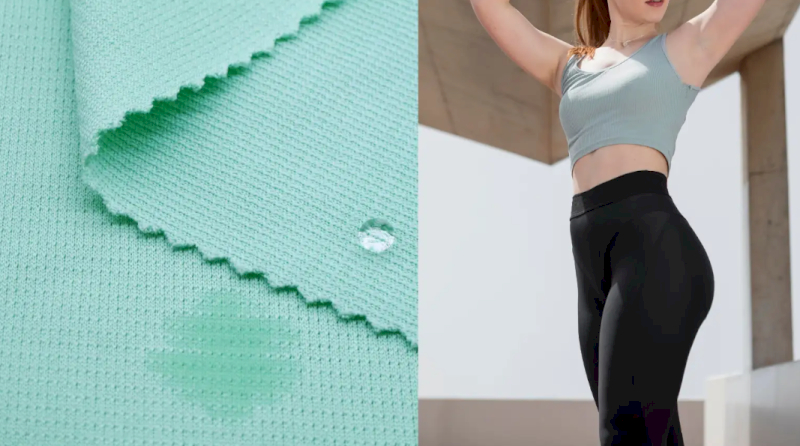
>>> The selection of appropriate fabrics directly impacts the performance and comfort of garments, from specialized activewear to everyday essentials. Thygesen supports brands in navigating these choices, ensuring the optimal material solutions for their product lines. As an experienced t shirt manufacturer, Thygesen consistently delivers high-quality apparel while adhering to rigorous material and production standards.
1.2. Stretch & Durability
Activewear fabrics must stretch with the body while maintaining their shape over repeated movements. Stretch enables freedom of motion, reduces strain on seams, and ensures a comfortable fit across various activities. Durability ensures that the fabric can withstand frequent stretching, washing, and abrasion without losing elasticity or strength.
This balance is especially important for garments exposed to repetitive motion, such as leggings, sports bras, and training tops.
Why it matters:
Insufficient stretch restricts movement, while poor durability leads to fabric deformation, bagging, or early wear-out – ultimately reducing product lifespan and customer satisfaction.
What brands should consider:
- Use of elastane/spandex percentages appropriate to the garment function
- Recovery performance (fabric returning to original shape)
- Resistance to pilling, tearing, and seam stress
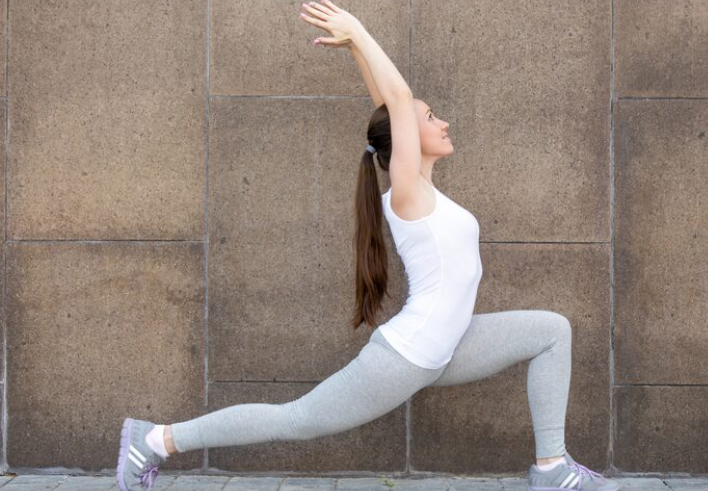
>>> Achieving the right balance of performance, durability, and sustainability in activewear fabrics is a complex process. Thygesen leverages extensive experience with eco-friendly and high-performance materials to meet evolving market demands. Brands partnering with expert athletic clothing manufacturers can secure a reliable supply chain aligned with their sustainability goals and long-term vision.
1.3. Lightweight & Comfortable
Comfort is often associated with sleepwear or underwear, but in reality, it is just as critical for activewear. Today’s activewear is no longer designed solely for workouts, it has evolved into athleisure wear, worn across multiple settings such as training, commuting, travel, and daily activities.
Because activewear frequently serves a “2-in-1” purpose, fabrics must deliver comfort not only during movement but also during extended wear. Lightweight construction reduces bulk and heat retention, while a soft, smooth hand feel enhances all-day comfort. Fabrics that are rough, heavy, or stiff can quickly cause discomfort when activewear transitions from performance use to everyday wear.
Why it matters:
As activewear becomes part of everyday wardrobes, comfort directly influences wear frequency, versatility, and overall consumer satisfaction. A garment that performs well but feels uncomfortable will struggle to succeed in the athleisure market.
What brands should consider:
- Fabric weight (GSM) optimized for both activity and daily wear
- Softness and skin-friendly finishes for prolonged use
- Construction techniques that minimize friction, pressure points, and irritation
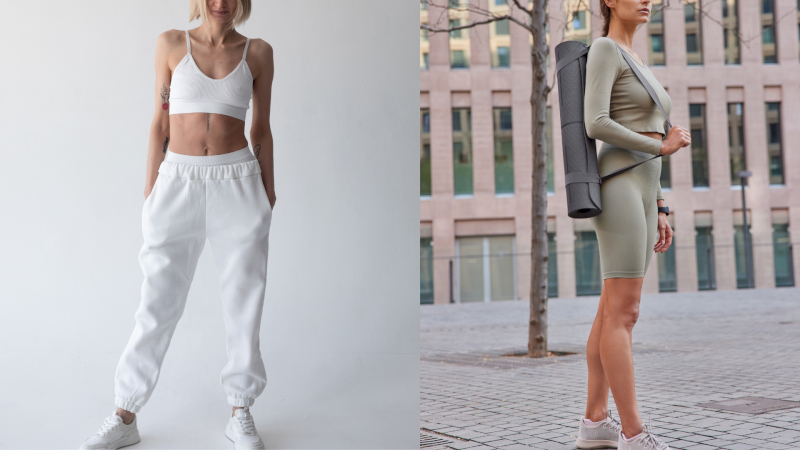
>>> The detailed understanding of fabric properties, from moisture-wicking to stretch, is essential for producing high-performance garments across all categories, including hoodies. Thygesen ensures meticulous material selection and efficient production processes for diverse apparel needs. Companies seeking experienced hoodie manufacturers to deliver consistent quality and mitigate supply chain risks benefit from Thygesen’s transparent and controlled operations.
>>> Delving deeper into the various hoodie fabric types can help designers and brands create garments optimized for comfort and performance.
1.4. Compression & Support
Compression fabrics apply controlled pressure to specific areas of the body, helping support muscles, improve blood circulation, and reduce muscle fatigue during and after exercise. This feature is commonly used in leggings, sports bras, and performance tops.
Supportive fabrics also help garments stay in place during movement, enhancing fit stability and overall confidence.
Why it matters:
Proper compression improves performance efficiency and comfort, while inadequate support can lead to discomfort, distraction, or poor fit during activity.
What brands should consider:
- Compression level tailored to activity type
- Fabric structure and elastane quality
- Balance between support and comfort – over-compression can restrict movement
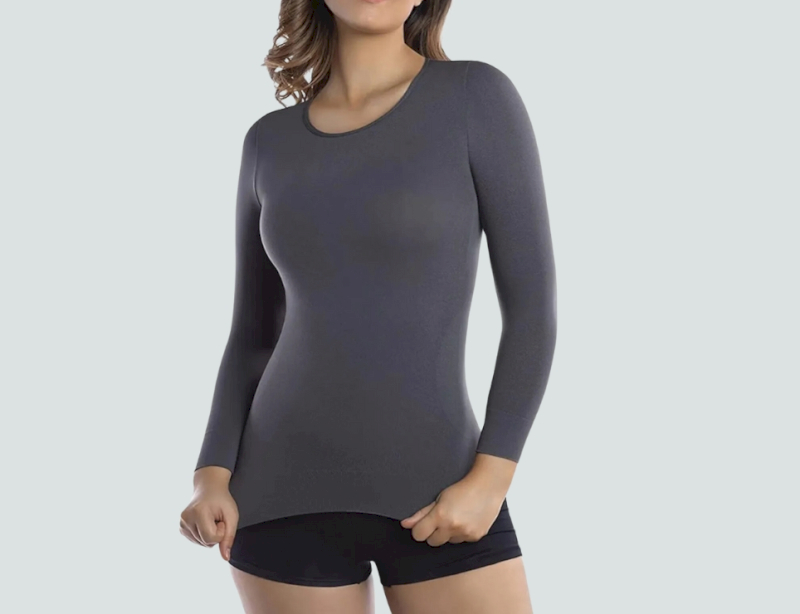
1.5. Added Features: Antimicrobial /Odor Control & UV Protection
Modern activewear often incorporates additional functional finishes to enhance performance and usability. Antimicrobial or odor-control treatments help inhibit the growth of odor-causing bacteria, keeping garments fresher for longer periods – especially important for activewear worn frequently or during intense workouts.
UV protection is another key feature for outdoor and high-sunlight activities, helping shield the skin from harmful ultraviolet rays.
Why it matters:
These added features increase garment hygiene, longevity, and user comfort, while also adding value for consumers engaged in outdoor or prolonged activities.
What brands should consider:
- Durability of finishes after repeated washing
- Compliance with safety and sustainability standards
- Suitability of added features for the target market and activity type
2. Common Activewear Fabric Types
Below are the most widely used fabric types in activewear manufacturing, each offering different performance benefits.
2.1. Spandex (Elastane/Lycra)
Spandex is the key fiber responsible for stretch and recovery in activewear. It allows fabrics to stretch significantly and return to their original shape, enabling unrestricted movement and body-hugging fits.
Spandex cannot be used alone as an activewear fabric due to its lack of structural stability. Instead, it is blended with fibers such as polyester or nylon to enhance elasticity, comfort, and fit performance. It is essential for garments that must move with the body while maintaining shape.
In activewear manufacturing, spandex is typically used at 5-10% for basic stretch, 10-15% for enhanced flexibility and shape retention, and up to 20% for compression and high-support garments, depending on the intended function and level of performance.
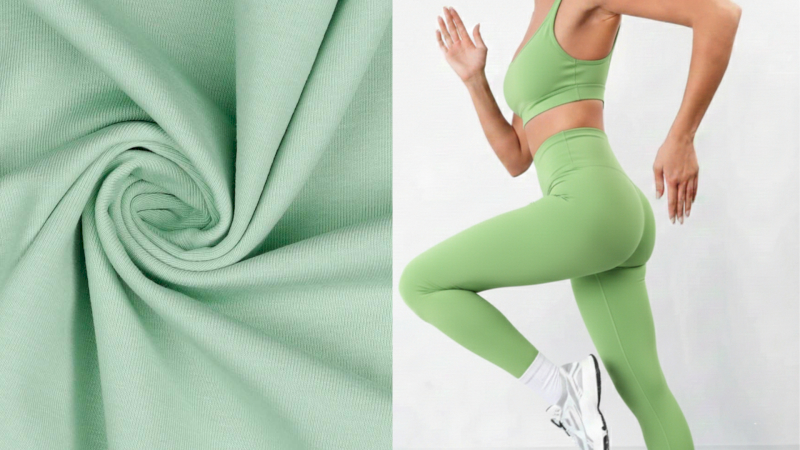
2.2. Polyester
Polyester is the most widely used fabric in activewear due to its strong performance, durability, and cost efficiency. It is naturally moisture-wicking and quick-drying, helping keep the body dry and comfortable during high-intensity activities. Its excellent color retention and wash resistance also make polyester ideal for activewear that requires frequent laundering.
Polyester is commonly used for T-shirts, tank tops, training shorts, and lightweight outerwear, particularly in performance-focused collections. In terms of construction, it is typically knitted, such as jersey, interlock, mesh, or pique, with fabric weights ranging from lightweight to midweight (approximately 120-220 GSM).
Polyester can be used in 100% form, especially for entry-level or performance-basic activewear where cost efficiency, quick-dry function, and easy care are key priorities. However, to enhance stretch, comfort, and versatility, it is most often blended with spandex (elastane). Common blends include 90-95% polyester with 5-10% spandex, while garments requiring greater flexibility or a closer fit may use 12-15% spandex, delivering improved movement and fit with a modest increase in cost.
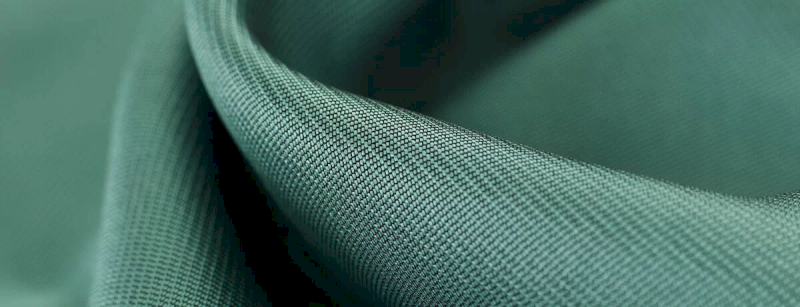
2.3. Nylon (Polyamide)
Nylon is widely used in premium activewear for its smooth hand feel, high strength, and excellent abrasion resistance. Compared to polyester, nylon feels softer and more luxurious, making it suitable for close-fitting and high-support garments. It also offers good moisture management and long-lasting durability.
Nylon is commonly used for leggings, sports bras, compression tops, and performance training wear, where comfort, fit stability, and appearance are critical. Activewear nylon fabrics are typically knitted in dense constructions, such as interlock or power knit, with fabric weights ranging from midweight to supportive (approximately 180-280 GSM).
Nylon can be produced in 100% form, but for activewear applications it is almost always blended with spandex (elastane) to provide stretch and shape recovery. Typical blends range from 80-88% nylon with 12-20% spandex, with higher spandex content used for compression garments that require enhanced support and fit retention.
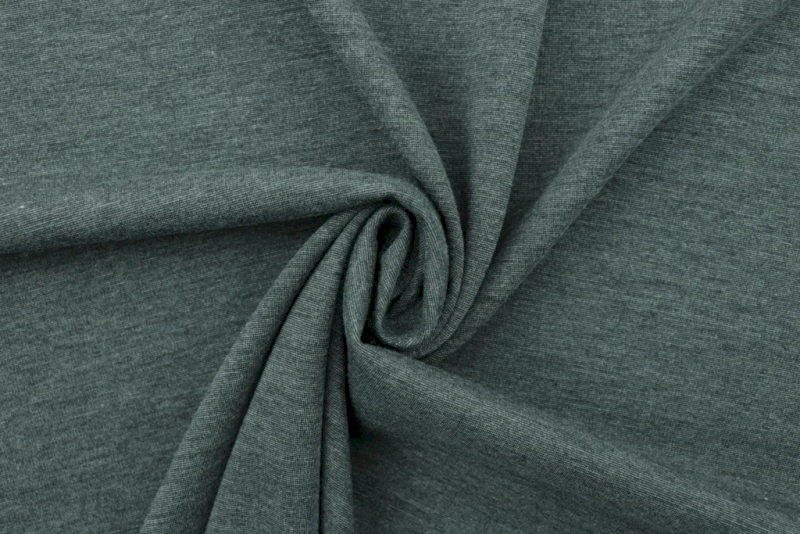
2.5. Bamboo
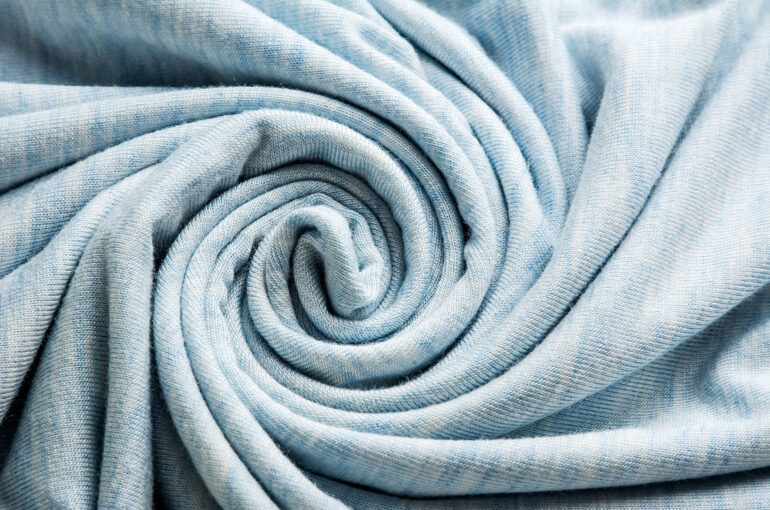
Bamboo fabrics are increasingly used in comfort-driven and athleisure activewear due to their softness, breathability, and skin-friendly properties. They provide a natural, smooth feel that is well suited for extended wear beyond workouts.
Bamboo is commonly used for yoga wear, athleisure tops, base layers, and lounge-to-active styles, where comfort and versatility are prioritized over extreme performance. These fabrics are typically knitted, such as jersey or rib, with fabric weights ranging from lightweight to midweight (approximately 150-240 GSM).
Bamboo can be used in high-percentage or near-100% forms, but it is often blended with spandex (around 5-8%) to improve stretch and shape retention. Blends with cotton or recycled fibers are also common to enhance durability and balance cost.
2.6. Sustainable Options
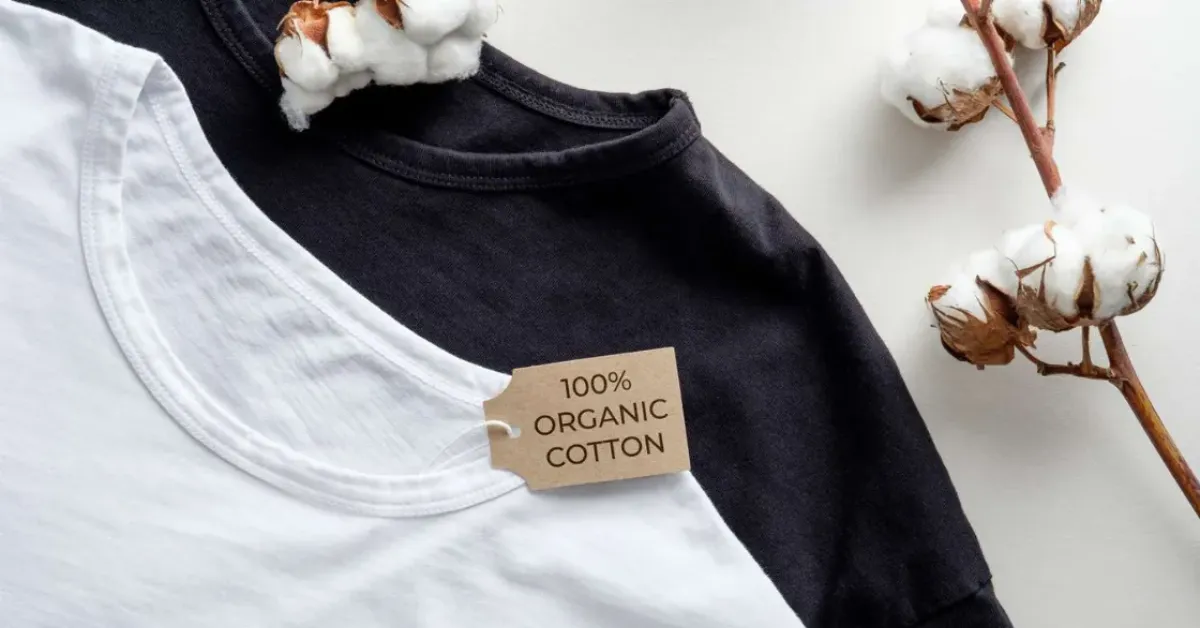
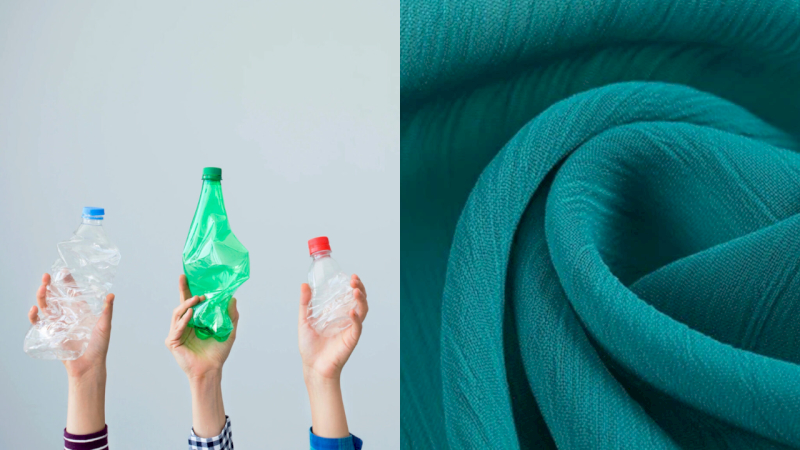
Sustainable activewear fabrics are increasingly adopted as brands seek to reduce environmental impact while maintaining performance. Common options include recycled polyester (rPET), recycled nylon such as ECONYL®, organic cotton, TENCEL™ Lyocell and Modal, and responsibly sourced bamboo blends.
These fabrics can be used in similar constructions and weight ranges as conventional activewear materials, with performance depending on fiber quality, blend ratio, and finishing processes. To ensure credibility and traceability, brands typically rely on recognized certifications such as GRS (Global Recycled Standard), RCS, OEKO-TEX® Standard 100, GOTS, and FSC®, which cover recycled content, chemical safety, organic sourcing, and responsible forestry.
3. Some Tips For Choosing the Right Activewear Fabric
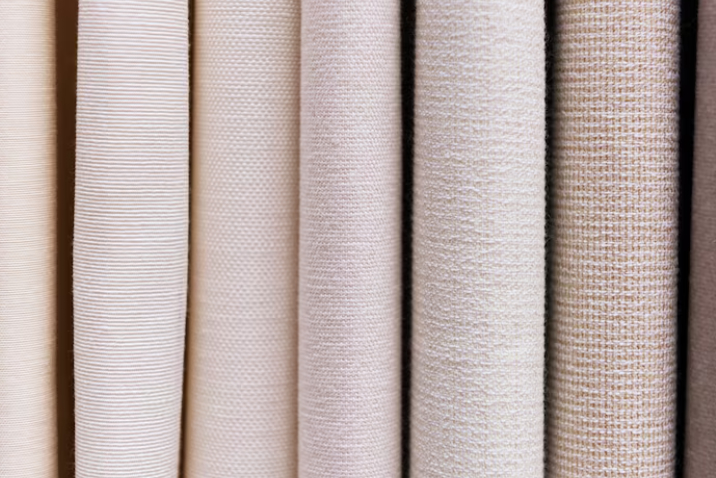
Choosing the right fabric is crucial for creating activewear that performs well, feels comfortable, and meets customer expectations. By carefully considering purpose, fiber types, cost, and proper testing, brands can make informed decisions that balance functionality, quality, and value.
- Know Your Product’s Purpose: Clearly define whether the product is for everyday wear, special occasions, or high-performance activities. Identify key properties such as breathability, stretch, and drape, and consider how often it will be worn and washed. Understanding these factors helps narrow down fabric options efficiently. This step ensures the final garment meets both comfort and performance expectations.
- Understand Fibre Types: Natural fibers like cotton, linen, or wool offer premium feel and breathability, while synthetics like polyester and nylon provide durability and cost-efficiency. Blends combine the strengths of both for comfort, stretch, and longevity. Specialty fibers like bamboo or Tencel add eco-friendly benefits and product differentiation.
>>> When making material choices, many ask, “Which Fabric Is Best for Hoodies?” for their specific design requirements.
- Think About Cost vs. Value: High-quality fabrics may cost more upfront but can reduce returns, improve durability, and enhance customer loyalty. Low-cost fabrics may save money initially but risk faster wear and poor performance. Brands should also factor in MOQs and supplier capacity. Balancing cost and value helps select fabrics that perform well and are economically sustainable.
- Test Before You Commit: Always request swatches or larger samples before production. Conduct wash tests to check shrinkage, pilling, or colorfastness, and evaluate stretch, weight, and hand feel. Testing ensures the fabric meets performance standards. It minimizes risk and guarantees final garments meet expectations.
4. Activewear Fabric Trends
From sustainability and comfort innovations to simplified fiber blends, these developments are shaping how activewear is designed, produced, and perceived by consumers.
- Sustainability: Sustainability remains a key focus in activewear, with brands increasingly looking for fabrics that are environmentally friendly and easier to recycle. Consumers now expect companies to consider the full lifecycle of materials, from sourcing to disposal. This trend encourages innovation in eco-conscious fabrics and more responsible production practices, shaping how activewear is designed and marketed.
- Enhanced Comfort: Comfort remains a major driver in activewear design as garments are increasingly worn for both performance and everyday athleisure. Soft, breathable, and lightweight fabrics, often combined with strategic stretch, are prioritized to allow freedom of movement and all-day wearability. Comfort-focused innovations include seamless construction, smooth finishes, and moisture management features, making activewear suitable for multi-purpose lifestyles.
- Simplified Fabric Blends: There is a growing trend toward 100% single-fiber fabrics or minimal blends to simplify recycling and material traceability. By reducing complex fiber mixes, brands can more easily certify their products and ensure end-of-life recyclability. This approach also streamlines sourcing and production, helping manufacturers maintain quality control while supporting circular economy initiatives.
5. Thygesen Textile Vietnam – A Reliable Manufacturer With Activewear Fabric Expertise
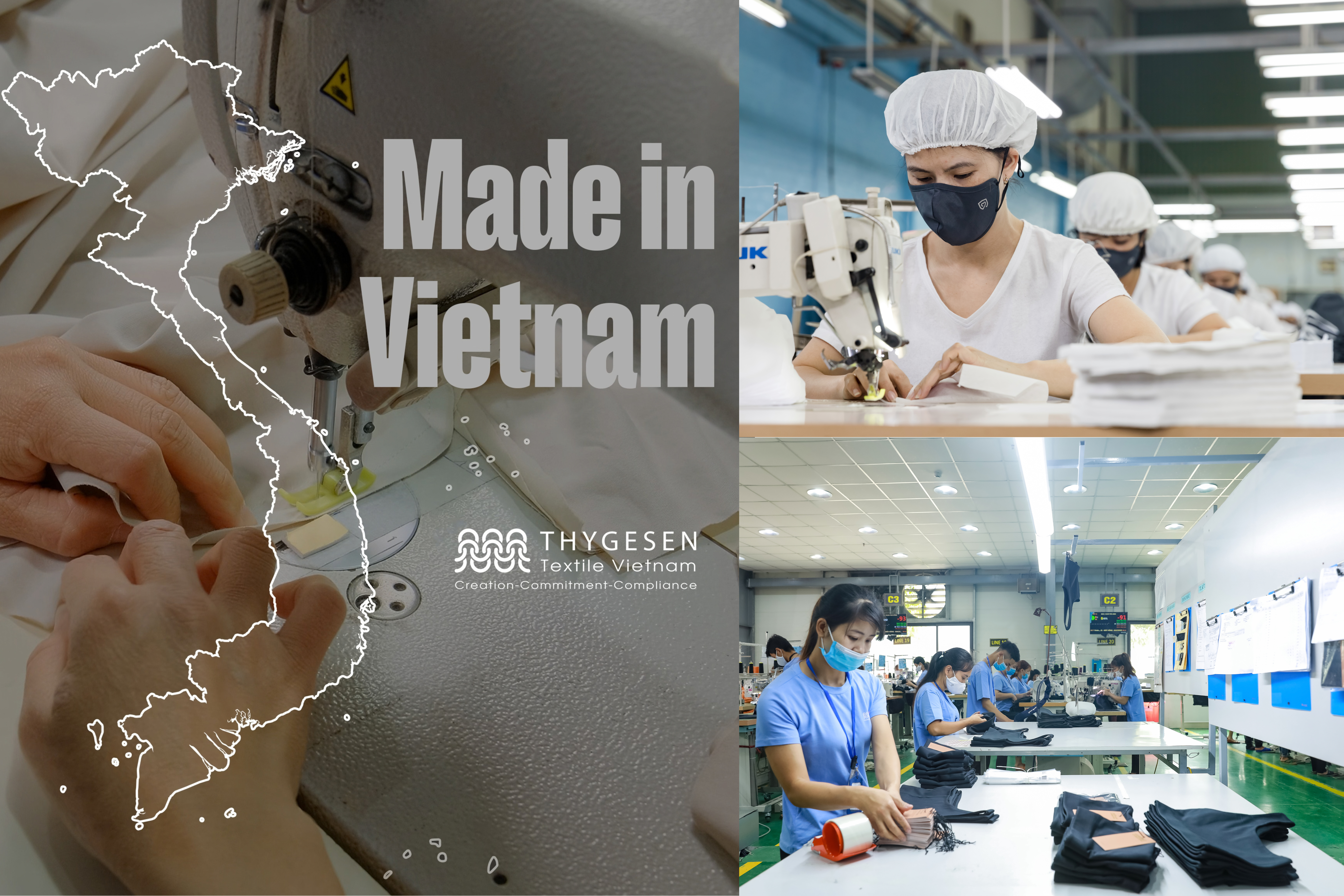
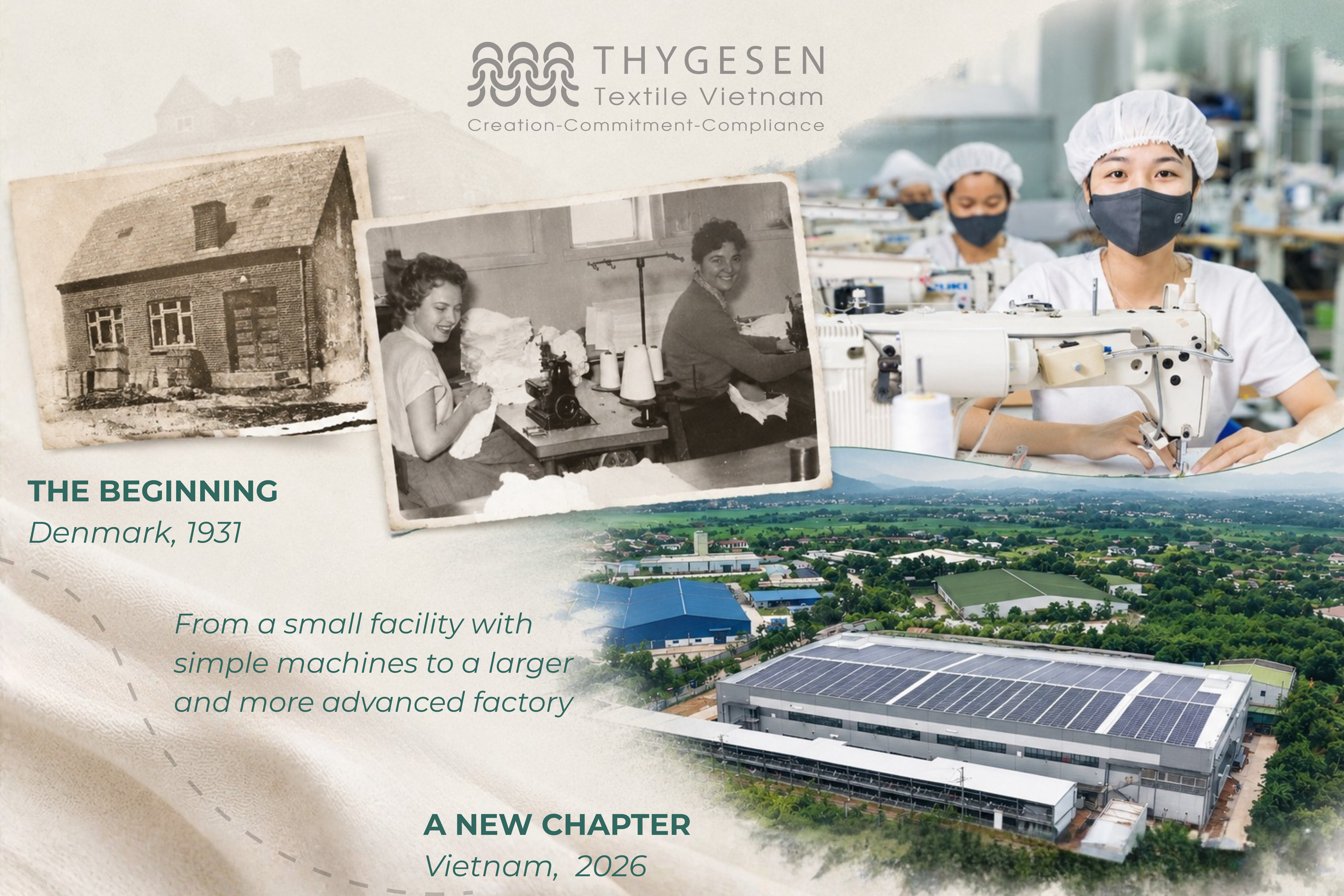
Thygesen Textile Vietnam is a clothing manufacturer with a strong focus on activewear, bringing over 90 years of experience in the textile industry. We are a trusted partner for global activewear brands including Tommy Hilfiger, Wilson, Calvin Klein, Girlfriend Collective, Boody, and Paragon, positioning ourselves as more than just a cut-and-sew manufacturer. For activewear fabrics, Thygesen offers:
- Material Deep Knowledge: Our journey in Vietnam began as a fabric mill (Thygesen Knitting Vietnam). While we now focus on apparel manufacturing, this foundational expertise allows us to confidently source, develop, and proactively suggest responsible and high-performance fabrics for our clients.
- Certified Materials Network: : We can source a wide range of fabrics from our trusted or certified material suppliers across Vietnam, Asia, and Europe, enabling us to meet stringent requirements across your top fiber choices while ensuring reliability, traceability, and consistent quality.
- Strategic Partnerships: As a strategic partner with Lenzing, we have direct access to preferred, traceable fibers like TENCEL™ and ECOVERO™, supporting both performance and sustainability in our activewear offerings.
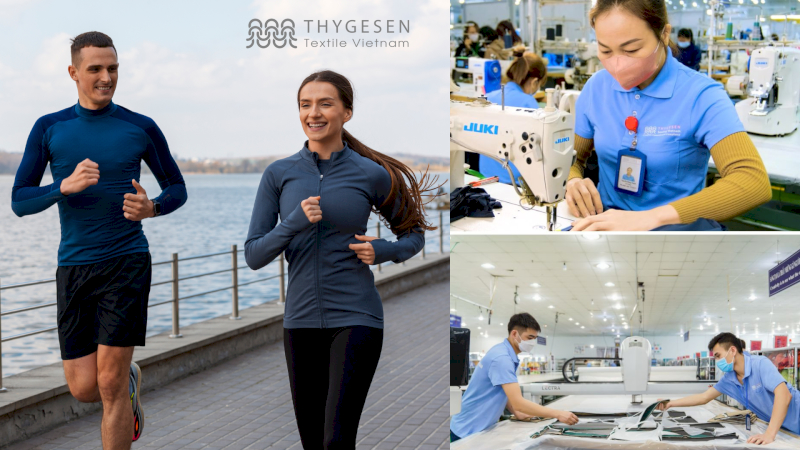
In conclusion, choosing the right fabric is a key factor in activewear success, with essential properties including moisture-wicking, breathability, stretch, comfort, durability, and support. For trusted guidance and high-quality activewear manufacturing, partner with Thygesen Textile Vietnam. Contact us at sale@thygesen.com.vn or visit thygesenapparel.com to learn more about our fabrics, sustainable options, and full-service manufacturing solutions.