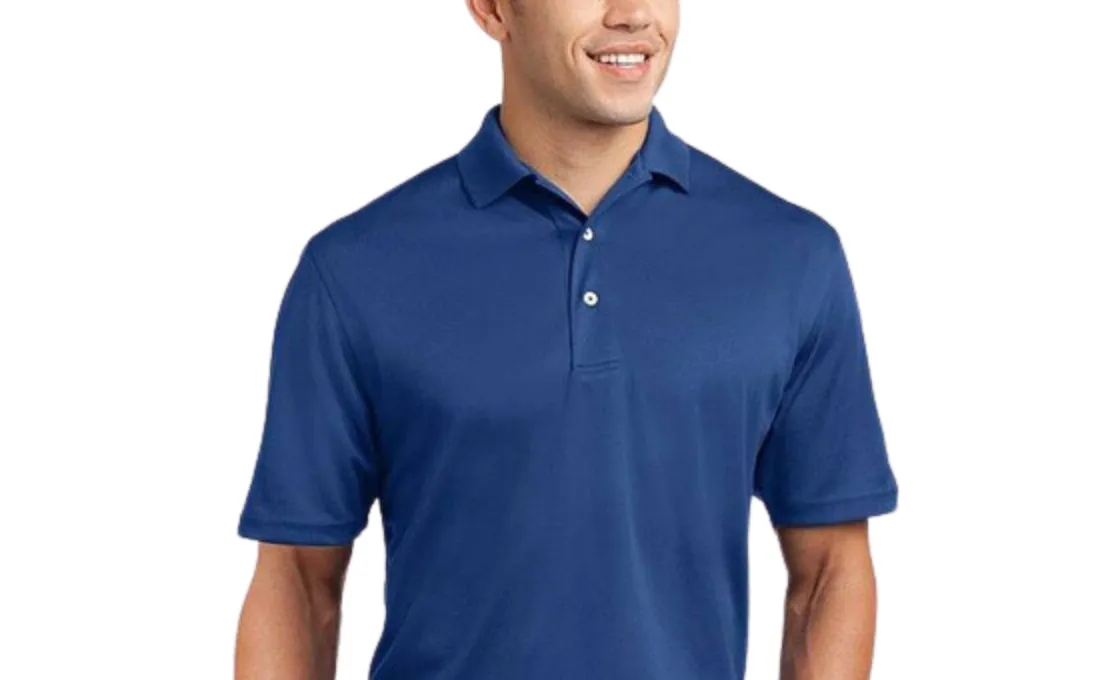
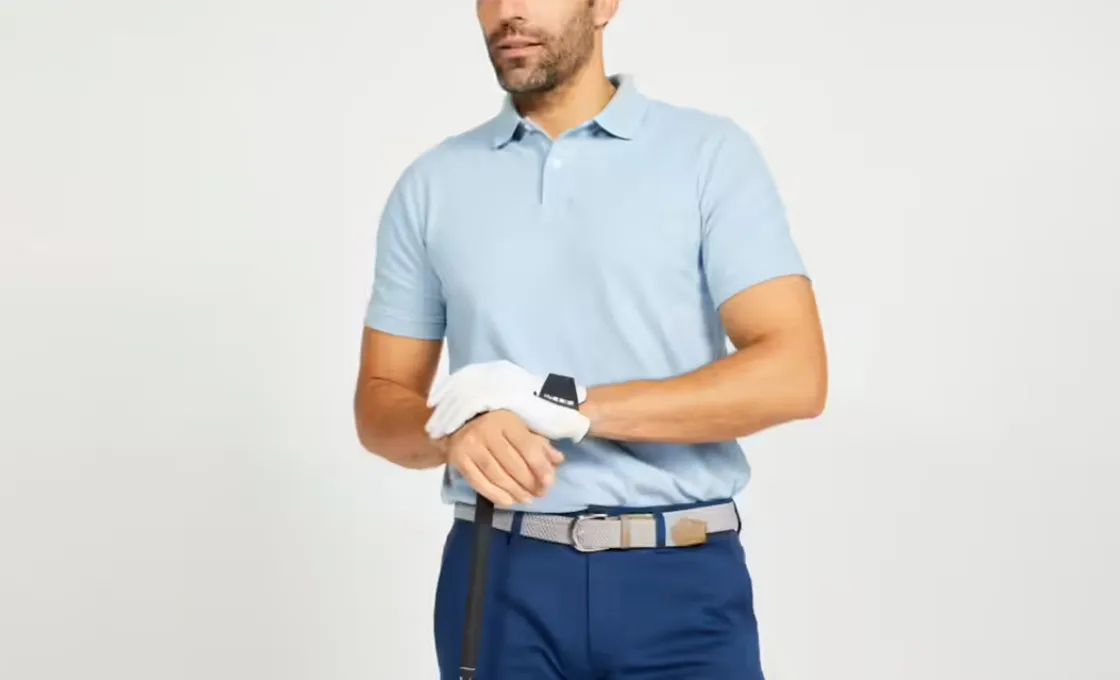
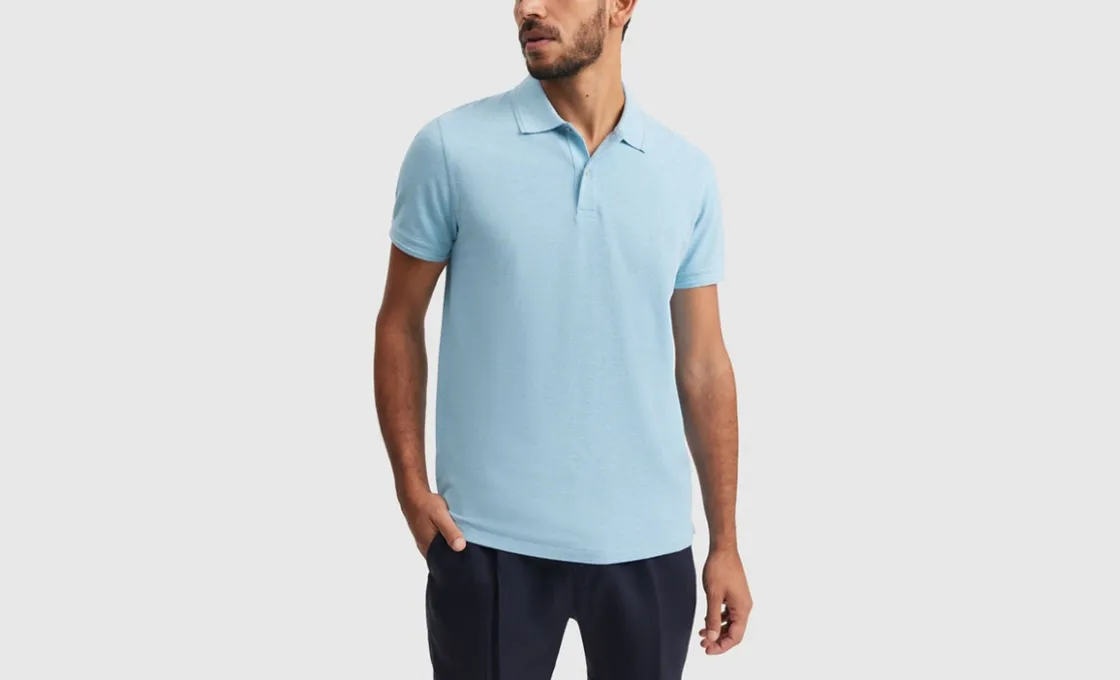
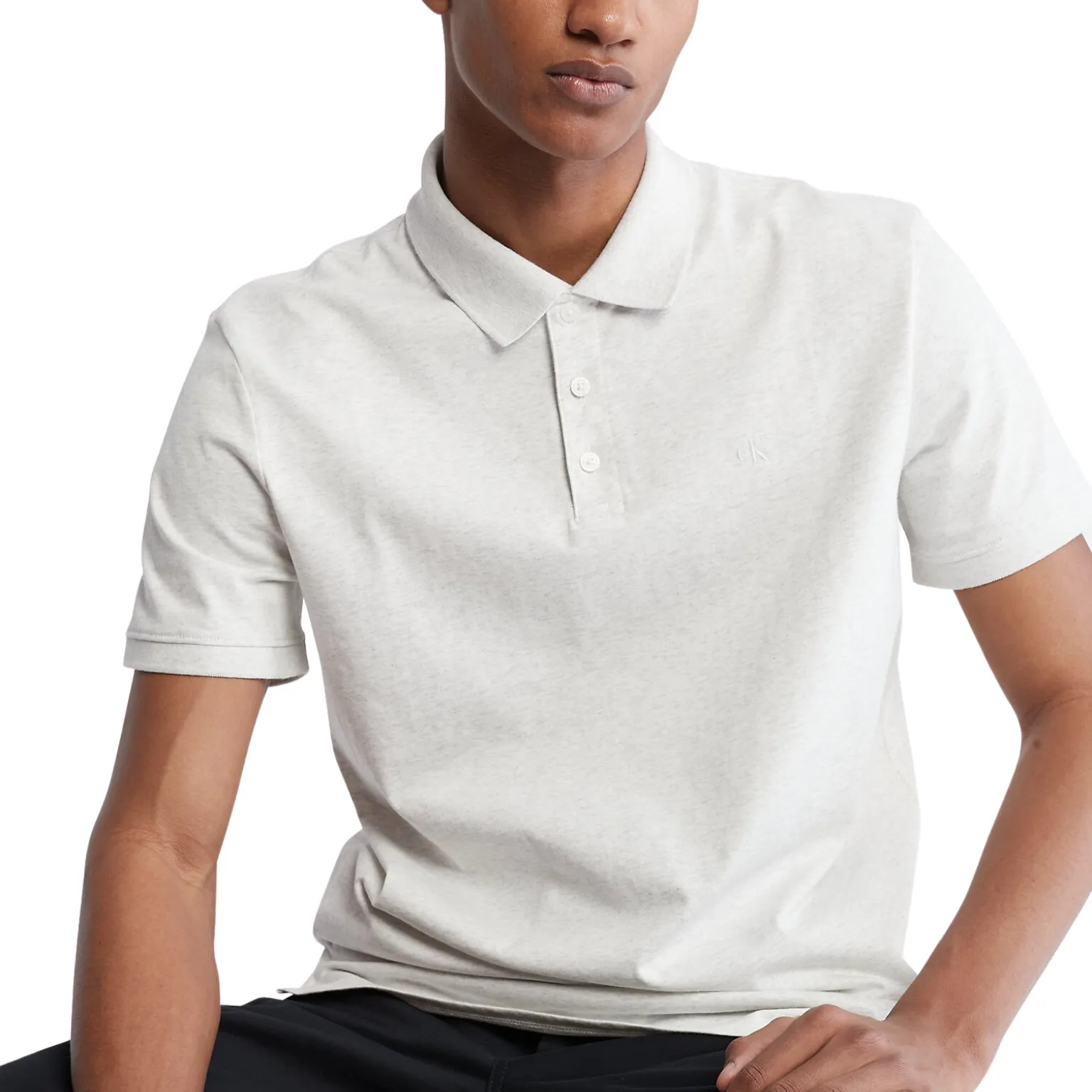
What is elastane fabric, and why does it show up in so many leggings, jeans, swimsuits, and sports bras? Elastane is a highly stretchable synthetic fiber that gives clothing comfort, flexibility, and shape retention, from everyday basics to high-performance activewear. This guide explains what elastane is, how it is made, its benefits and disadvantages, whether it is safe for your skin, and how fashion brands can make the most of elastane fabric.
Elastane Fabric at a Glance
| Property | Details |
| Fabric name | Elastane |
| Fabric also known as | Spandex, Lycra |
| Fabric composition | Polyether-polyurea copolymer |
| Fabric breathability | High breathability |
| Moisture-wicking abilities | High |
| Heat retention abilities | Low |
| Stretchability (give) | Exceptionally high |
| Prone to pilling/bubbling | High |
| Country where fabric was first produced | United States |
| Recommended washing temperatures | Warm or cold |
| Commonly used in | Tights, socks, competitive athletic wear, cycling wear, leggings, shorts, yoga pants, motion capture suits, underwear, bras |
Key Takeaways
- Elastane – also known as spandex or LYCRA® – is a fully synthetic fiber made from polyurethane. It can stretch five to eight times its original length and spring back to shape, which is why it is almost always blended with other fibers rather than used alone.
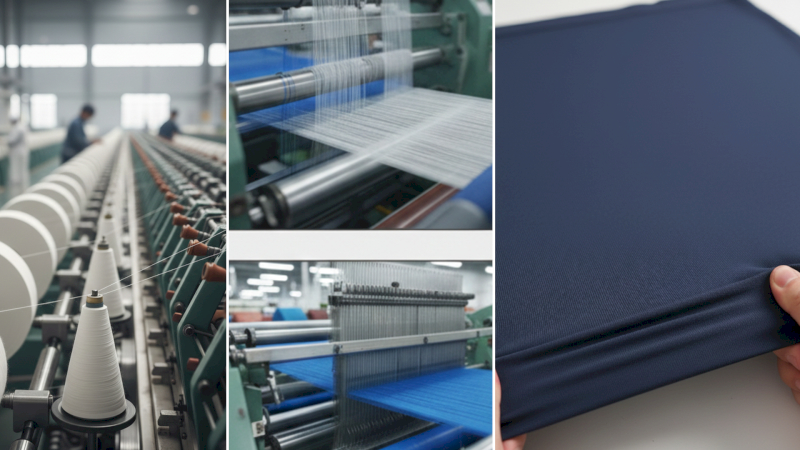
- Around 95% of the world’s elastane is produced by solution dry spinning, a process that turns a liquid polymer into fine elastic filaments. These filaments are then blended with cotton, polyester, or nylon and knitted or woven into fabric.
- Even a small amount of elastane adds stretch, comfort, and lasting shape retention. That is why it appears in everything from jeans (1-3%) to leggings and swimwear (15-20%).
- Elastane fabric can pill, is sensitive to heat, feels less breathable at high percentages, and usually costs more than polyester. Not every garment needs it either – loose-fit activewear can skip it, while compression and supportive pieces still rely on it.
- The fiber itself is generally not the main concern. The real risk lies in chemical residues left from production, which can irritate sensitive skin, so certifications such as OEKO-TEX® Standard 100 matter.
- Conventional elastane is not biodegradable, sheds microplastics, and relies on energy- and chemical-intensive production. Recycled and next-generation elastane options are helping to reduce this footprint.
- A lasting fit depends on choosing the right elastane content, controlling heat during finishing, and adjusting patterns for stretch.
- Thygesen Textile Vietnam sources certified elastane fabrics and provides full-package garment manufacturing for fashion brands.
1. What Is Elastane Fabric?
Elastane, also known as spandex, is a highly elastic synthetic fiber created from long chains of polyurethane. Its most defining quality is its ability to stretch up to five to eight times its original length and then rapidly snap back to shape. Unlike many stretchable natural fibers, elastane maintains stability, fit, and resilience even after repeated movement and washing.
In technical terms, elastane is a polyether-polyurea copolymer. It is an entirely man-made material: no plant or animal fibers go into it, and nothing like it exists in nature. “Elastane” is the generic name for this type of fiber and is the term most often used in continental Europe, while the same material is usually called “spandex” in North America.
You rarely see garments made from 100% elastane. Instead, it is usually blended in small percentages, typically between 2% and 20%, with fibers used in natural fabrics, such as cotton, or with synthetic materials such as polyester and nylon. The base fabric provides structure, breathability, or softness, while elastane adds flexibility and comfort.
Because of this balance, elastane fabric has become a core material in performancewear, everyday basics, and modern fitted silhouettes.
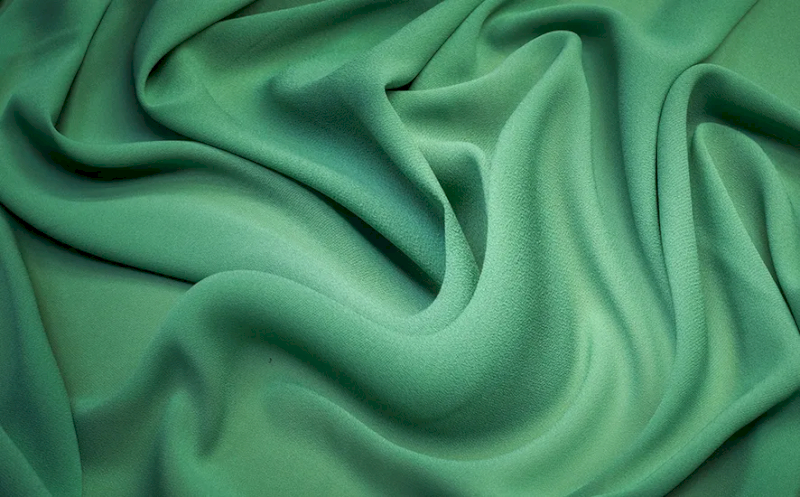
Nylon is another popular synthetic fiber often blended with elastane to create durable and versatile textiles; understanding what is nylon fabric can provide a deeper insight into its various applications alongside elastane.
Elastane vs Spandex vs Lycra – Are They the Same?
Many shoppers wonder whether elastane, spandex, and Lycra are different fabrics. They are not. Technically there is only one type of fiber, known by different names depending on the region and the brand:
- Elastane: The generic name for polyether-polyurea copolymer fibers, used mainly in Europe and on many international care labels.
- Spandex: The common name for the same fiber in North America. It is not a brand name – the word is an anagram of “expands.”
- LYCRA®: The brand name DuPont gave to its elastane fiber. The brand left DuPont in 2004 together with its fibers business, and today the LYCRA® trademark belongs to The LYCRA Company.

2. How Elastane Fabric Is Made
Understanding how elastane fabric is made helps fashion brands and manufacturers appreciate its unique stretch, durability, and performance – as well as its limits. Elastane starts as polyurethane, a soft, elastic polymer derived from petroleum-based chemicals, which is then turned into fine filaments through precise chemical and mechanical processes.
Four Methods Used to Produce Elastane Fibers
Elastane fibers can be produced by four methods: reaction spinning, solution wet spinning, melt extrusion, and solution dry spinning. The first three are now used far less because they are considered less efficient or more wasteful, and solution dry spinning accounts for around 95% of the world’s elastane production.
Solution Dry Spinning, Step by Step
Here is a simplified look at how most elastane is made today:
- Making the prepolymer: A macroglycol is mixed with a diisocyanate monomer in a reaction vessel. Under controlled conditions, the two react to form a prepolymer – the base of the fiber. The ratio is critical, and a glycol-to-diisocyanate ratio of about 1:2 is commonly used.
- Chain extension: The prepolymer reacts with a diamine, which links the molecules into the long polyurethane chains that give elastane its stretch.
- Preparing the spinning solution: The polymer is diluted with a solvent to make it thinner and easier to handle, then pumped into a fiber production cell.
- Spinning the filaments: Inside the cell, the solution is pushed through a spinneret – a plate with many tiny holes, similar to a showerhead. The thin liquid streams are heated in a nitrogen and solvent gas atmosphere, which makes them react and solidify into strands.
- Twisting and bundling: As the strands leave the spinning cell, a compressed-air device twists them together. Every elastane yarn is actually a bundle of many fine strands, and it can be made in a range of thicknesses.
- Finishing and winding: A finishing agent such as magnesium stearate is applied to stop the fibers from sticking to each other, and the yarn is wound onto spools, ready for knitting, weaving, or dyeing.
From Elastane Fiber to Fabric
Elastane is rarely used on its own. Once the yarn is ready, mills combine it with other fibers to create the final elastane fabric:
- Blending & Weaving/Knitting: Elastane fibers are usually blended with cotton, polyester, or nylon, then knitted or woven into fabric. To fully appreciate the manufacturing process, it’s important to understand What Is Woven Fabric and How Is It Used in Garment Manufacturing?, as this technique is fundamental to creating structured yet flexible garments with elastane.
- Finishing Touches: The fabric is heat-set, dyed, and finished to enhance softness, color, and stretch performance.
3. Key Benefits of Elastane Fabric
Elastane fabric is known for its elasticity and durability. Here’s a closer look at the main benefits that make it so popular in clothing production.
- Exceptional stretch and recovery: Elastane can extend multiple times its length and still recover instantly. This ensures garments move naturally with the body, without permanent deformation, sagging knees, or stretched waistbands.
- Superior comfort and fit: Even at very low percentages, elastane softens the feel of stiff fabrics and allows closer-fitting silhouettes without restricting movement. It helps garments contour to the body instead of sitting rigidly on top of it.
- Shape retention over time: Garments with elastane maintain structure after repeated washing and wear. Denim, leggings, and knitwear stay fitted longer, extending the useful life of the product.
- Enhanced performance functionality: In activewear, elastane supports flexibility, compression, and support. It enables technical functions such as muscle shaping, body-hugging stability, and unrestricted athletic movement.
- Versatility in blending: Elastane blends seamlessly with cotton, viscose, wool, polyester, and nylon. This allows designers to create softer, stretch-enabled versions of their existing fabrics without changing the aesthetic.
The essential stretch and recovery provided by elastane are critical for the comfort and fit of leggings. As a proficient legging manufacturer, Thygesen leverages extensive experience with high-stretch fabrics to produce garments that meet rigorous performance and aesthetic criteria. Thygesen’s commitment to quality and ethical production helps brands ensure their offerings align with consumer expectations for both functionality and sustainability.
When considering materials for warmth and comfort, understanding what is fleece fabric can help designers create functional and cozy garments that still benefit from elastane’s stretch properties.
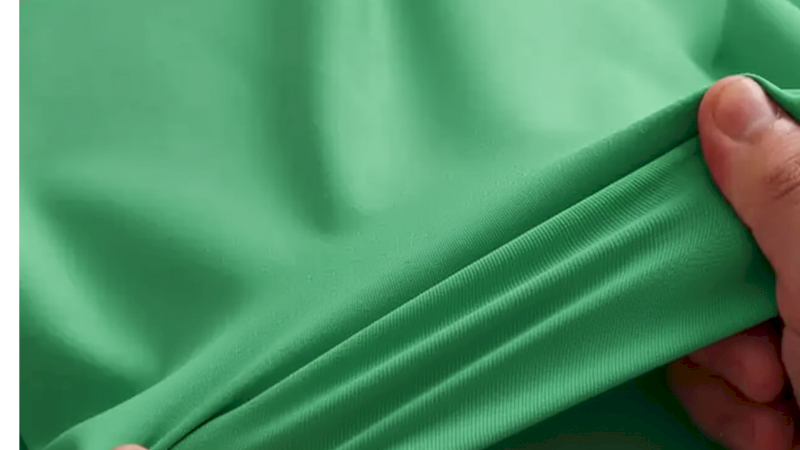
For brands prioritizing performance and durability in their activewear lines, the material science behind elastane is paramount. Thygesen provides comprehensive support to athletic clothing manufacturers seeking to integrate advanced textile solutions with robust production capabilities. Thygesen ensures that functionality meets stringent quality standards from concept to final product, facilitating the creation of high-performing garments.
4. Disadvantages of Elastane Fabric
Elastane fabric is not without drawbacks. Knowing its weaknesses helps brands choose the right blend and care instructions, and helps shoppers set realistic expectations:
- Prone to pilling: Elastane blends can form small balls or “bubbles” on the surface, especially in areas exposed to friction.
- Sensitive to heat: High temperatures from hot washing, tumble drying, or ironing can weaken the fibers and cause garments to lose their stretch over time.
- Damaged by harsh chemicals: Bleach and aggressive laundering can break elastane down faster, shortening the life of the garment.
- Less breathable at high percentages: Small amounts of elastane barely affect comfort, but fabrics with a high elastane content can reduce breathability and change the hand feel.
- Not biodegradable: Conventional elastane does not break down in nature, so discarded garments gradually accumulate in the environment.
- Microplastic shedding: Like other synthetic fibers, elastane can release tiny fibers during wear and washing.
- Chemical-intensive production: Making elastane involves solvents and reactive chemicals that must be carefully controlled to protect workers and the environment.
- Higher cost: Elastane is generally more expensive than comparable synthetic fibers such as polyester.
Most of these drawbacks can be managed through the right elastane percentage, certified raw materials, and clear care labels – topics covered in the sections below.
5. Elastane Applications: From Casualwear to Performance Apparel
Elastane’s exceptional stretch, comfort, and shape retention make it a go-to material for a wide range of garments. Fashion brands blend elastane with other fibers to enhance fit, flexibility, and performance in their collections.
- Activewear & Sportswear: Fabrics for sportswear often contain 10-15% elastane with polyester or nylon. The elastane provides flexibility and support, allowing unrestricted movement during high-intensity activities. It also helps garments retain their shape, improve fit, and enhance moisture management for comfort during exercise.
- T-shirts & Tops: Elastane is usually blended with cotton or polyester at around 2-5%. This small percentage adds stretch and flexibility, ensuring a better fit without altering the soft, breathable feel of the fabric. It also helps the garment maintain its shape after washing and wearing. This makes T-shirts and tops more comfortable and flattering for everyday wear.
- Jeans & Pants: Denim and other pants often contain 1-3% elastane blended with cotton. This allows the fabric to stretch slightly, providing comfort and ease of movement while keeping the structure of the garment intact. The elastane helps prevent sagging or bagging over time, making jeans and pants fit better for longer periods.
- Leggings & Yoga Pants: These garments typically use 10-20% elastane blended with nylon or polyester. High stretch is essential for full range of motion during activities like yoga, workouts, or casual wear. Elastane also ensures leggings are “squat-proof” and maintain their shape after repeated wear. This combination gives both comfort and performance.
- Underwear & Lingerie: Elastane is blended at 5-15% with cotton, nylon, or modal. This gives stretch for a snug, body-hugging fit while keeping softness and breathability. The material ensures the garment maintains its shape, adapts to body movements, and provides comfort throughout the day.
- Swimwear: Swim fabrics usually include 15-20% elastane with nylon or polyester. The high stretch allows for ease of movement in water and ensures garments fit closely to the body. Elastane also provides quick-drying properties, durability, and shape retention even after exposure to water and sun.
- Form-Fitting Dresses & Skirts: Typically blended with 5-10% elastane, often combined with cotton, polyester, or rayon. Elastane provides stretch to hug the body’s contours comfortably. It helps the garment maintain its silhouette, prevents sagging, and allows freedom of movement, making dresses and skirts both flattering and wearable.
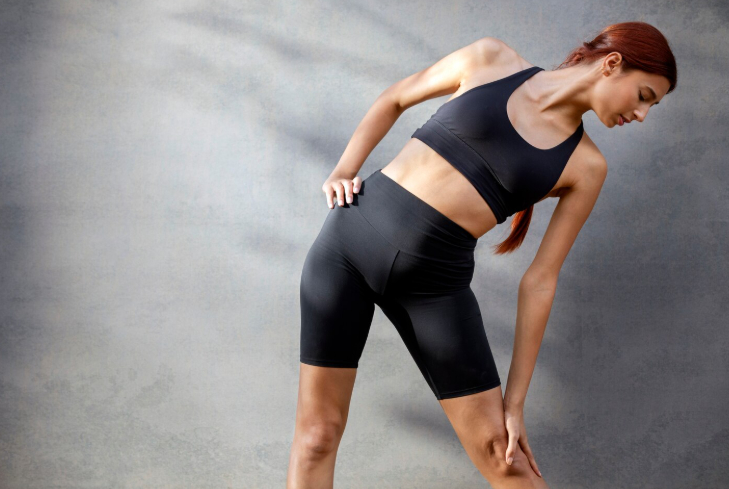
As comfort and flexible fit become increasingly important for modern apparel, incorporating elastane into garments like hoodies offers a competitive edge. Thygesen works as trusted hoodie manufacturers, blending material innovation with scalable production to meet diverse market demands. Thygesen helps brands deliver products that offer superior comfort, shape retention, and a premium feel, supported by transparent supply chain practices.
6. Does All Activewear Need Elastane?
Not every piece of activewear needs synthetic stretch. Whether elastane is needed – and how much – depends on how close the garment sits to the body and how much support it has to give.
- Pieces that can work without elastane: Loose-fit workout tops, flowy yoga shirts, relaxed training tees, and many workout accessories.
- Pieces that usually need elastane: Compression leggings, supportive sports bras, fitted running or gym shorts, and body-hugging base layers.
Plant-based fibers such as s™ Lyocell are soft and breathable, and clever knitting structures can build in some natural stretch. For performance pieces that must compress, support, and recover their shape wash after wash, however, natural stretch still has limits. That is why many brands keep a small percentage of elastane in these styles and focus on choosing certified or next-generation elastane rather than removing it entirely.
7. How Much Does Elastane Fabric Cost?
Elastane fabric usually costs more than similar synthetic fabrics such as polyester and rayon. Two factors explain the difference: its elasticity adds real functional value, and the dry spinning process used to make it is relatively complex and energy-intensive.
Like other textiles, elastane prices move with supply and demand. When supply is tight, the price per yard tends to rise; when supply is plentiful, it tends to fall. For brands, this makes elastane costs worth monitoring when planning seasonal collections and bulk orders.
For consumers, garments with a high elastane content are often priced above polyester alternatives and sometimes above cotton garments. Part of this reflects production cost, but part reflects positioning – specialist products such as professional cycling kits or ballet wear command higher prices in their niches.
8. Is Elastane Toxic? What to Know About Skin Safety
Is elastane toxic? In short, the finished fiber itself is generally not considered the main risk. The concern lies in the chemicals used to make and finish it – some of which are hazardous – and in residues that may remain in low-quality or untested fabric. How safe an elastane fabric is therefore depends heavily on how it was produced, finished, and tested.
Chemicals Linked to Elastane Production
Environmental and consumer groups have raised concerns about several substances associated with elastane production and synthetic activewear. The table below summarizes the main ones:
| Chemical | Role | Key concerns |
|---|---|---|
| Diisocyanates | Core building block of the polyurethane that gives elastane its stretch | Known respiratory and skin sensitizers; the main exposure risk is for factory workers handling them before they fully react |
| DMF and DMAC | Solvents used to dissolve the polymer for spinning | Classified in the EU as toxic to reproduction and now covered by EU REACH restrictions (for DMAC in man-made fiber production, from June 2029) |
| Bisphenols (such as BPA) | Their exact source in finished garments is not clearly disclosed | Testing by the U.S. Center for Environmental Health (CEH) found BPA in polyester-spandex sports bras, leggings, and shirts; BPA is linked to hormone disruption |
| UV stabilizers | Protect fibers from breaking down in sunlight | The EU lists certain benzotriazole UV stabilizers as substances of very high concern because they are persistent and bioaccumulative |
This table should be read in context: a chemical used during production does not automatically remain in the finished garment. Certification schemes such as OEKO-TEX® Standard 100 test finished textiles – including threads and stretch fibers – against limits for harmful substances.
Can the Body Absorb Chemicals From Elastane Clothing?
Skin is a protective barrier, but it is not completely impenetrable. Chemical residues can remain in clothing after production, and heat, sweat, and friction during exercise can increase how much is released. According to Dr. Julian Koschmieder, Product Manager at OEKO-TEX®, people who exercise for health reasons should think not only about the activity itself but also about the safety of their sportswear, since harmful textile chemicals can be absorbed mainly through the skin, and also through inhalation or the mouth.
Microplastics add another layer to the discussion. Elastane, like other synthetic fibers, sheds tiny fibers during wear and washing, and researchers are studying whether these particles can carry chemical residues into the body. Microplastics have been detected in human tissues such as the lungs and placenta, but how much of this comes from clothing – and what effect it has – is still being researched.
Can Elastane Cause Skin Irritation?
Most people wear elastane without any problems. For sensitive skin, however, reactions can occur, and the cause is usually not the fiber itself but chemical residues, dyes, or processing additives left in the fabric. Symptoms range from mild itching and redness to swelling and, in more severe cases, blistering. They are more common with tight-fitting pieces such as leggings, sports bras, and waistbands that press against the skin for long periods. Dermatology case reports have described contact dermatitis along spandex waistbands and bra straps, typically traced to processing chemicals such as rubber accelerators.
If you react to conventional elastane, choose garments certified to OEKO-TEX® Standard 100 or look for next-generation stretch fibers such as ROICA™ EF, which is partly made from recycled production waste, or ROICA™ V550, which is designed to degrade and holds Cradle to Cradle Certified® Material Health Gold.
9. Environmental Impact of Elastane Fabric
The environmental impact of elastane is debated. Unlike cotton, elastane does not need farmland or irrigation to produce its raw materials. The main concerns lie elsewhere:
- Energy- and chemical-intensive production: Manufacturing elastane uses considerable energy and hazardous chemicals, so solvent recovery and wastewater treatment are essential to avoid pollution.
- Worker safety: Some raw materials, including isocyanates, are hazardous for people handling them in factories. Good manufacturing practices (GMPs) and proper protective controls greatly reduce this risk.
- Not biodegradable: Conventional elastane does not break down in nature, so garments that are thrown away persist in landfills and the environment.
- Microfiber pollution: Synthetic garments shed microfibers during washing that can reach rivers and oceans. Elastane is usually only a small share of a blend, but it adds to this problem.
At the same time, lower-impact options are becoming more widely available. These include fabrics with recycled content certified to the Global Recycled Standard (GRS), recycled elastane such as ROICA™ EF, degradable versions such as ROICA™ V550, and tighter chemical management under schemes such as OEKO-TEX® and bluesign®. For brands, choosing these materials – and a manufacturer able to source them – is a practical way to keep the benefits of stretch while reducing its footprint.
10. How to Choose Skin-Safe Elastane Garments
Whether you are a shopper or a brand developing a new collection, these checks help you choose elastane garments that are safer for the skin.
Quick Checklist Before You Buy or Source
- Certified elastane: Check whether the stretch fiber itself is certified (for example OEKO-TEX® Standard 100 or Cradle to Cradle), not only the main fabric.
- Main fabric: Find out what the base fiber is and whether it is certified too.
- Right fiber mix for the use: Loose, low-intensity pieces can rely more on certified natural fibers, while compression pieces need a well-tested elastane blend.
- Supply chain transparency: A trustworthy brand or supplier can explain where each material comes from, how it is made, and what it is treated with.
- Clear explanations: Good brands explain why they use each fiber, including elastane.
Red Flags to Avoid
- Vague “performance fabric” claims: No details on fiber content or finishes.
- “Eco-stretch” without proof: Sustainability claims with no certification behind them.
- Undisclosed elastane type: Brands or suppliers that will not say what kind of elastane they use.
Certifications That Matter
- OEKO-TEX® Standard 100: Tests every component of a textile, including threads and stretch fibers, for harmful substances.
- Cradle to Cradle Certified®: Assesses material health, circularity, and wider environmental impact.
- bluesign®: Focuses on safer, cleaner chemistry across textile production.
- REACH compliance: Confirms that products meet EU chemical safety rules.
- Global Organic Textile Standard (GOTS): Covers organic fibers, such as the cotton in a cotton-elastane blend, with strict environmental and social criteria.
- Global Recycled Standard (GRS): Verifies recycled content and responsible production practices.
For brands, these checks belong in every supplier conversation: ask fabric mills for test reports and certificates that cover the specific elastane blend, not only the base fiber.
11. Key Considerations When Producing Elastane Garments
By carefully addressing these factors, from fiber sensitivity to precise elastane percentage, brands can produce garments that maintain comfort, fit, and performance over time:
- Optimal elastane content: Determining the right percentage of elastane in each fabric is critical. Too little may not provide sufficient stretch or recovery, while too much can make the fabric stiff, reduce breathability, or affect hand feel.
- Fiber sensitivity: Elastane is highly sensitive to heat, chemicals, and mechanical stress. Brands must coordinate closely with suppliers on finishing methods, dye processes, and care labeling to prevent damage.
- Heat and laundering effects: Excessive heat during ironing, drying, or finishing can weaken the fiber’s elasticity. Aggressive laundering or bleaching can degrade elastane over time, reducing garment lifespan.
- Pattern making and grading: Stretch percentage, direction of stretch, and intended garment function (shaping, performance, or casual comfort) must be considered. Incorrect calculations can result in garments that feel too tight, too loose, or lose recovery prematurely.
- Blend ratio and fabric weight: Calculations for elastane content should also take into account the fiber blend ratio, fabric weight, and garment style to ensure consistent performance across all sizes.
- Chemical compliance: Request test reports and certificates (such as OEKO-TEX® or GRS) for the elastane fabric itself, especially for products that sit close to the skin.
Working with elastane fabrics demands specialized expertise in garment construction to preserve stretch and recovery properties. Thygesen’s sophisticated cut and sew manufacturing processes are designed to handle complex textile compositions, ensuring precision and integrity throughout the production cycle. Brands benefit from Thygesen’s commitment to consistent quality, reducing the risks associated with intricate fabric handling.
12. Thygesen Textile Vietnam – Your Trusted Partner in Elastane Fabric Sourcing & Garment Manufacturing
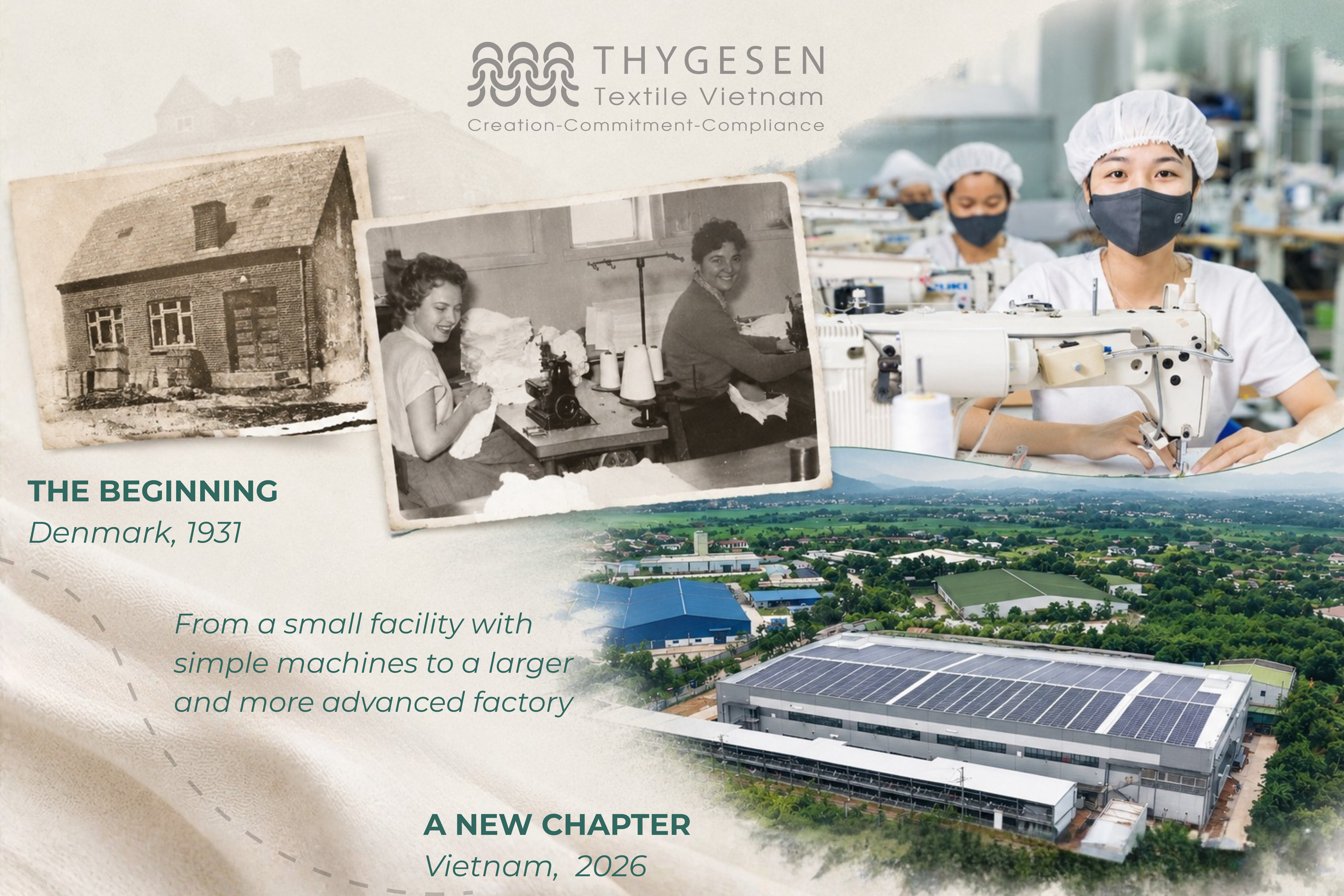
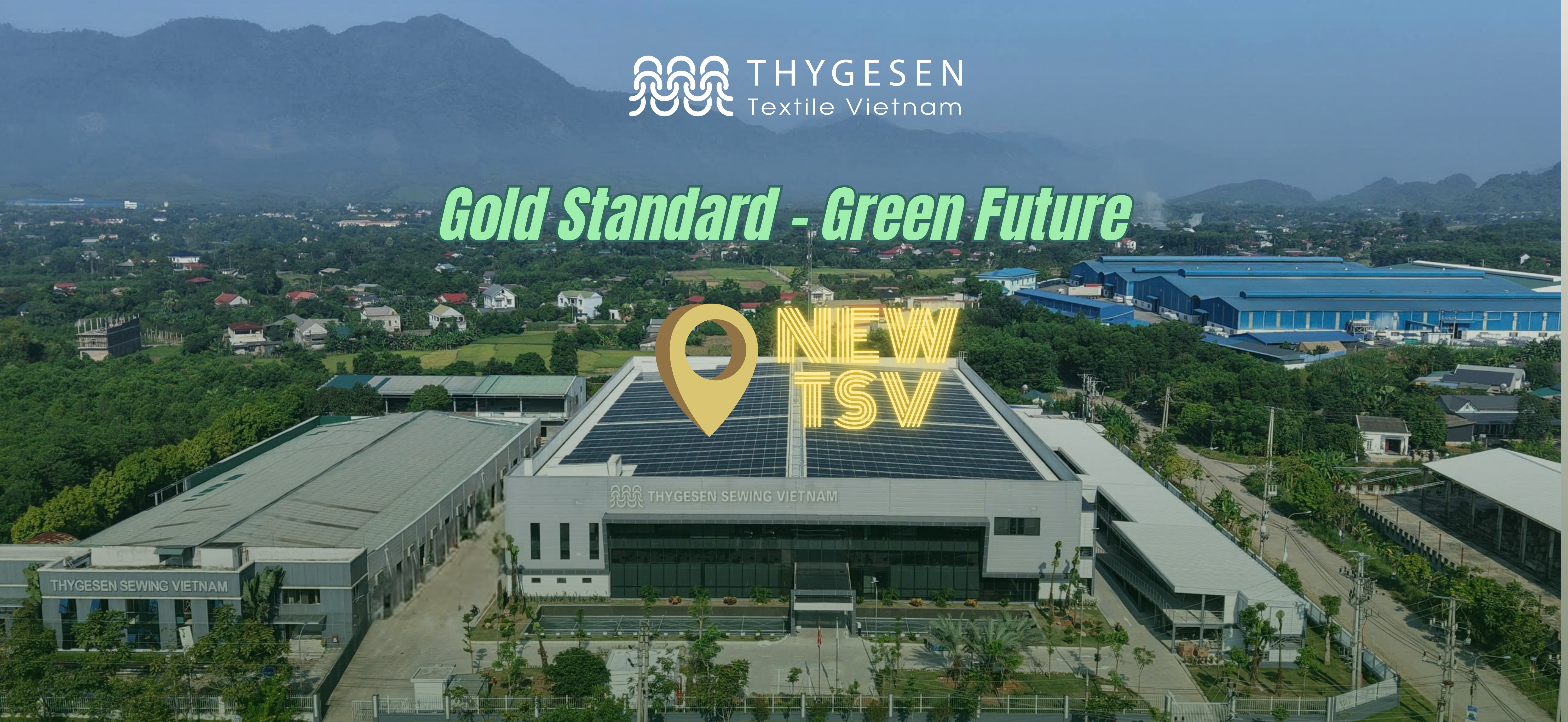
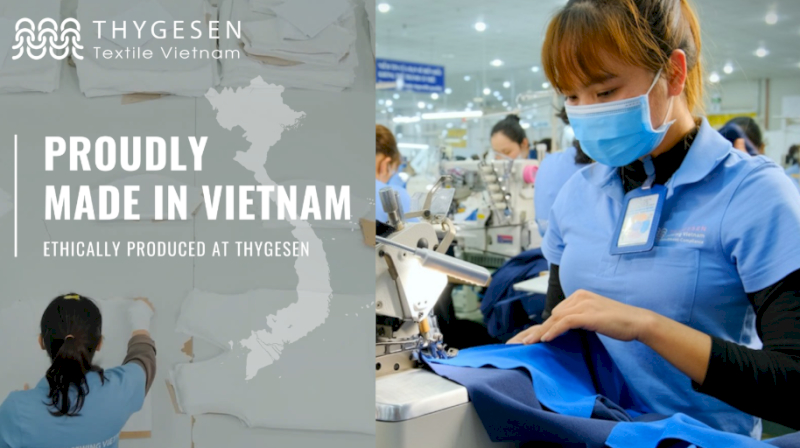
Thygesen Textile Vietnam is an ethical apparel manufacturer in Vietnam, providing full package solutions for clothing manufacturing. Our services cover everything from fabric sourcing, sampling, production, logistics, custom prints, embroidery, labels, hangtags and packaging, helping brands bring their designs to life efficiently and reliably.
We have extensive experience working with elastane fabrics across a variety of product categories, including activewear, sportswear, underwear, and casual apparel, and have partnered with activewear and underwear brands such as Girlfriend Collective, Boody, and B Free Australia.
Key strengths include:
- Elastane expertise: For many global brands, we provide fabric selection, performance testing, fit optimization, and quality control, and advise on fiber blends, stretch percentages, and garment construction to achieve the desired look, feel, and functionality.
- Global elastane fabric sourcing: Our elastane fabrics can be sourced from trusted suppliers both domestically and internationally, including China, Taiwan, Japan, Korea, and the EU.
- Certified materials: We can meet requirements for certifications such as OEKO-TEX, GRS, and other sustainable standards, helping brands address skin-safety and sustainability concerns around elastane.
- Fabric development and technical consultation: Beyond sourcing, Thygesen Textile Vietnam also develops fabrics and provides technical consultation, helping brands innovate with new blends, finishes, and garment designs while maintaining performance, comfort, and durability.
With our integrated approach, brands gain a reliable partner for both elastane fabrics and garment manufacturing, ensuring products that meet market demands and brand standards.
Frequently Asked Questions About Elastane Fabric
What is elastane and is it toxic?
Elastane is a synthetic, polyurethane-based stretch fiber, also known as spandex or LYCRA®. The finished fiber is generally not considered the main health risk, but some chemicals used to produce it are hazardous, and residues may remain in fabric that has not been properly processed or tested. Choosing garments certified to OEKO-TEX® Standard 100 helps reduce this risk.
Is elastane good for the skin?
For most people, elastane is comfortable and causes no problems – it lets clothing move with the body without rubbing or restricting. People with sensitive skin may react to chemical residues or additives in some elastane fabrics, especially in tight pieces worn for long periods. Certified fabrics and a lower elastane percentage in close-fitting everyday wear can help.
What are the disadvantages of elastane?
The main disadvantages of elastane are its tendency to pill, sensitivity to heat and bleach, reduced breathability at high percentages, higher cost than polyester, chemical-intensive production, microplastic shedding, and the fact that conventional elastane is not biodegradable.
Is elastane the same as spandex?
Yes. Elastane and spandex are two names for the same fiber – “elastane” is more common in Europe and “spandex” in North America. LYCRA® is a brand name for elastane, originally created by DuPont and now owned by The LYCRA Company.
How should you wash elastane fabric?
Wash elastane fabric in cold or warm water, avoid bleach and harsh detergents, and skip high-heat tumble drying and ironing. Air drying or a low-heat setting helps the fibers keep their stretch for longer.
In conclusion, what is elastane fabric? It is a versatile, stretchable, and durable material that has become essential in modern apparel, from activewear and casual clothing to lingerie and swimwear. Its drawbacks – heat sensitivity, pilling, chemical-intensive production, and non-biodegradability – are real, but they can be managed by choosing the right blend, certified materials, and an experienced manufacturer. For brands looking to produce high-quality elastane garments, Thygesen Textile Vietnam is a trusted partner, offering expertise in fabric sourcing, garment manufacturing, and technical consultation. To learn more or get in touch, visit thygesenapparel.com or email us at