Known for its structure and durability, woven material is created by interlacing yarns at right angles, it is a fundamental material in modern apparel production. In this guide, we will learn what woven fabric is, its main weave types, key benefits, and how it’s used in garment manufacturing.
1. What Is Woven Fabric?
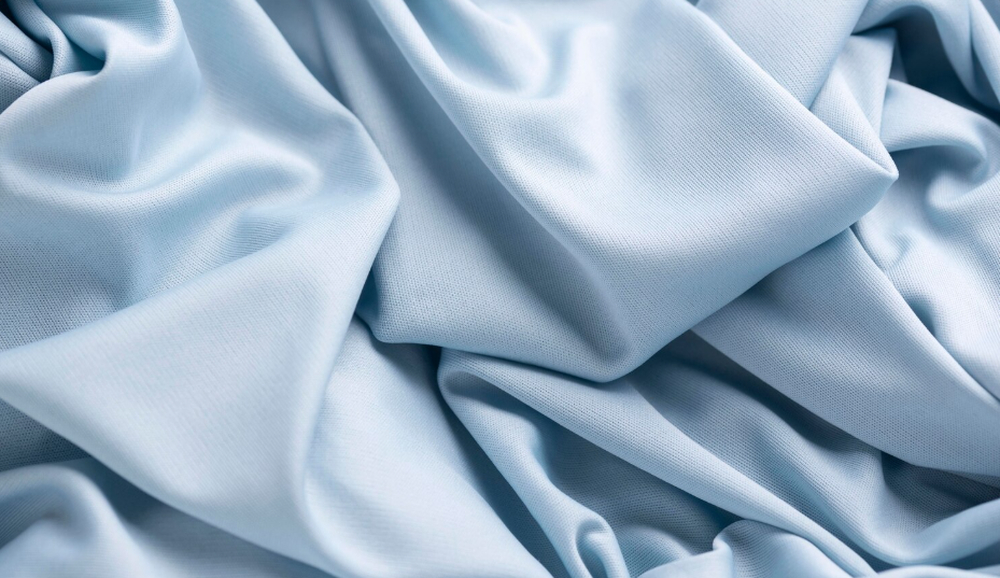
Woven fabric is a structured textile formed by interlacing two sets of yarns at right angles, typically on a loom. The lengthwise yarns are known as the warp, while the crosswise yarns are called the weft or filling. This perpendicular construction creates a stable and durable material that holds its shape well and offers a clean, professional appearance
Depending on the yarn type, thread count, and weave pattern, this fabric type can range from lightweight and breathable to heavy and highly abrasion-resistant. Unlike knitted fabrics, this fabric type has minimal stretch unless elastane is added, which allows for greater precision in tailoring and pattern making. For brands asking what is GSM in fabric, GSM stands for grams per square meter and indicates the fabric’s weight. A lower GSM generally creates a lighter, more breathable material, while a higher GSM provides greater thickness, structure, and durability.
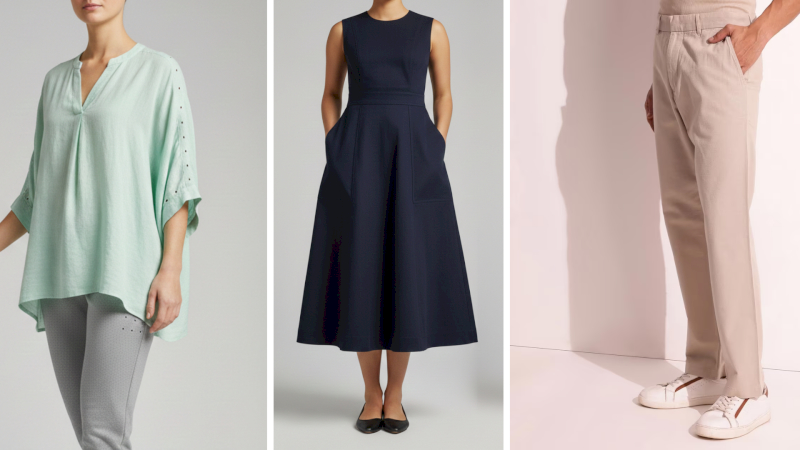
Thanks to their strength, versatility, and refined surface, woven fabrics are widely used in shirts, trousers, uniforms, workwear, outerwear, and formal fashion. Their ability to maintain structure and withstand repeated washing makes them especially suitable for high-quality, long-lasting apparel collections.
2. Key Benefits of Woven Fabric
Woven fabrics are widely used in both fashion and workwear for their long service life in production and use. From tailored garments to uniforms and outerwear, their performance makes them a practical choice for brands seeking consistent quality and long-lasting products.
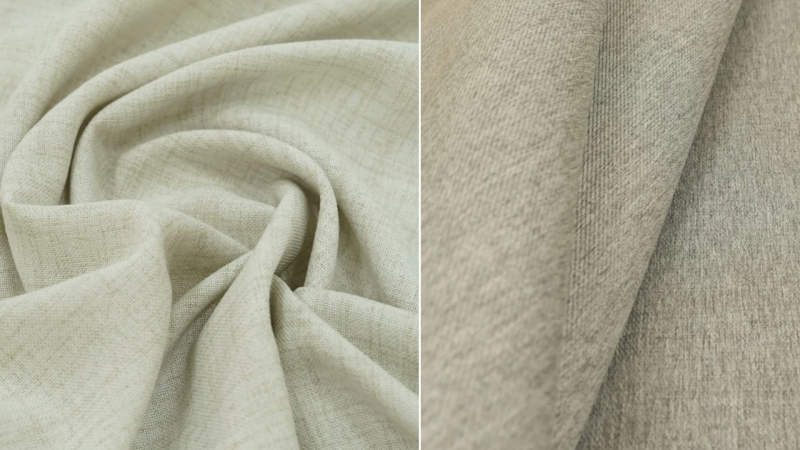
- Durability and Strength: The interlocking grid structure creates a compact, stable construction that resists tearing, abrasion, and repeated washing. This makes woven textiles ideal for garments and products that require long service life and consistent performance.
- Shape Retention: With minimal natural stretch (except on the bias), woven fabrics maintain their form and structural integrity over time. They prevent sagging and distortion, enabling sharp silhouettes and precise tailoring for formalwear, uniforms, and structured apparel.
- Breathability and Comfort: The small spaces between yarns allow air to circulate, helping regulate body temperature. When made from natural fibers such as cotton or linen, the fabric offers excellent comfort across different climates and wearing conditions.
- Aesthetic Versatility and Customization: Various weave constructions- such as plain, twill, satin, and jacquard- create diverse textures, patterns, and surface effects. Woven fabrics also accept dyeing, printing, and finishing processes exceptionally well, giving brands extensive design flexibility.
3. Woven vs. Knitted Fabrics: What’s the Difference?
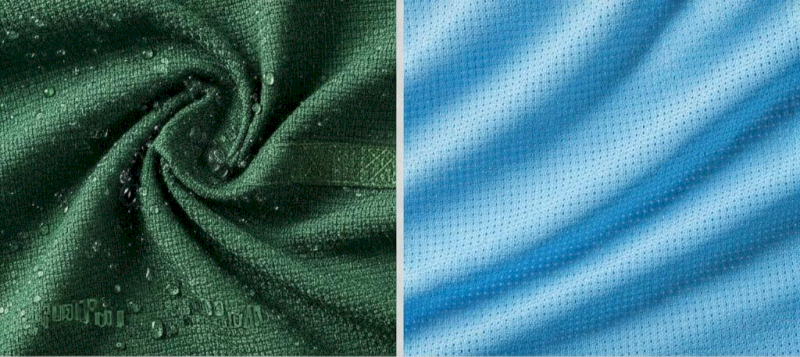
Both fabric constructions serve different purposes in apparel manufacturing. The table below highlights their main differences in structure, performance, and end use.
| Criteria | Woven Fabric | Knitted Fabric |
| Construction | Made by interlacing warp and weft yarns at right angles | Made by interlooping yarns to form a series of connected loops |
| Stretch | Little to no natural stretch (except on the bias or with elastane) | Naturally stretchable without needing elastane |
| Shape Retention | Holds shape well; ideal for tailored and structured garments | Can lose shape over time if not properly stabilized |
| Wrinkle Resistance | Wrinkles more easily; usually needs ironing | Naturally wrinkle-resistant; great for travel. |
| Comfort & Movement | Less flexible but offers a crisp, polished look | Soft, comfortable, and allows greater freedom of movement |
| Common Examples | Denim, Poplin, Chiffon, Flannel, Satin, Twill. | Jersey, Rib knit, Interlock, French Terry, Fleece. |
| Best Used For | Button-downs, suits, jeans, upholstery. | T-shirts, leggings, sweaters, socks. |
Since leggings typically require high stretch, recovery, and freedom of movement, they are usually made from knitted fabrics rather than traditional woven constructions. Working with an experienced legging manufacturer helps brands evaluate fabric stretch, opacity, seam strength, fit, and shape retention before bulk production.
Hoodies are also commonly produced from knitted fabrics such as French Terry, fleece, and jersey because these materials provide softness, warmth, and flexibility. Experienced hoodie manufacturers can help brands select the right construction, fabric weight, surface finish, and fiber blend according to the intended season and product positioning.
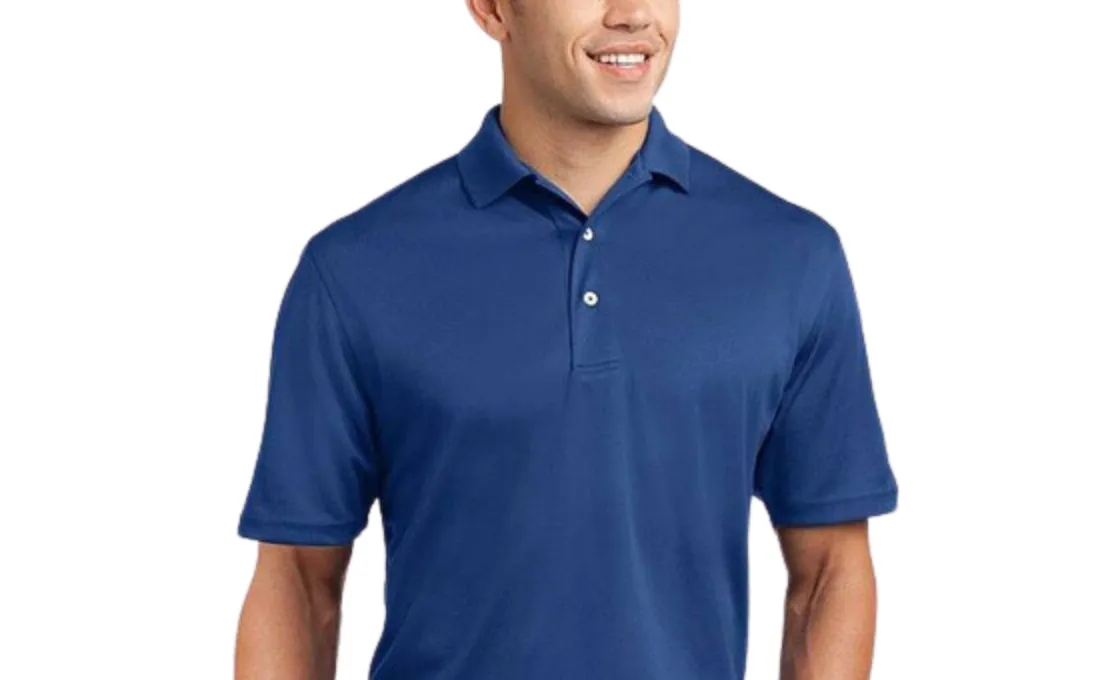
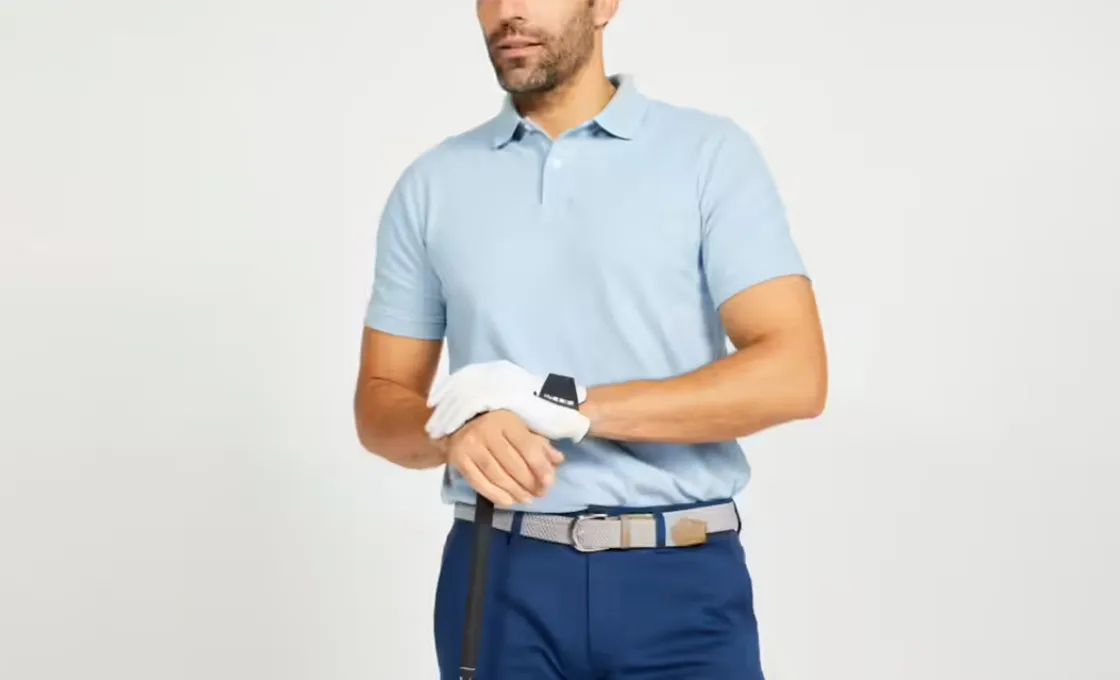
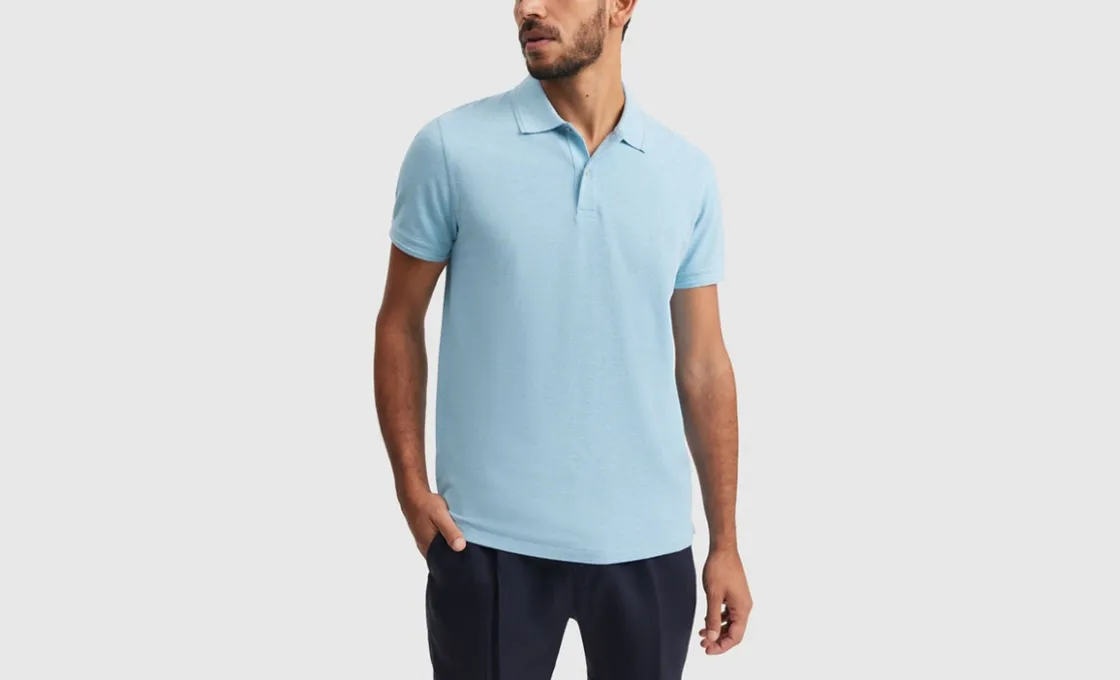
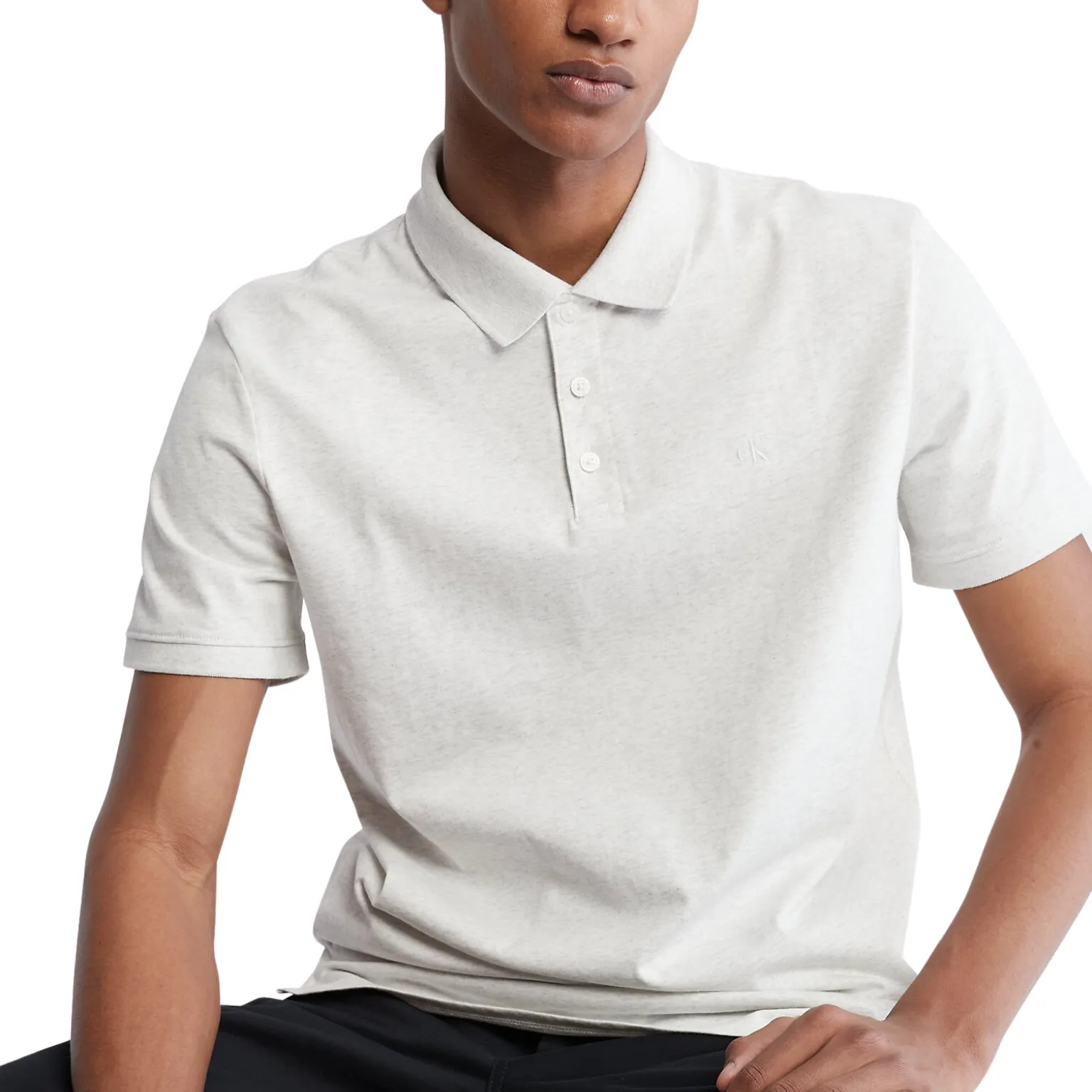
Another common textile construction brands may encounter is pique. To understand what is pique fabric, it is a textured material characterized by raised patterns or small geometric structures. Although pique can be woven, the version most commonly used for polo shirts is knitted cotton pique.
4. Types of Woven Fabric Weaves
The weave structure plays a key role in how a woven fabric looks, feels, and performs in finished garments. Understanding the most common weave types helps brands select the right fabric for both design intent and functional requirements.
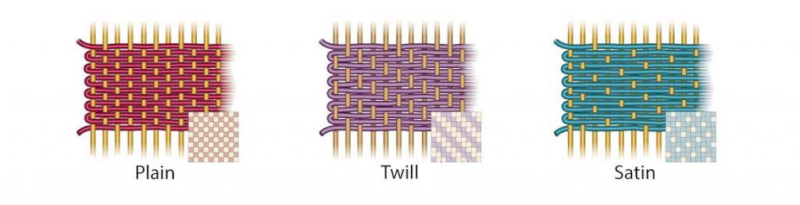
- Plain Weave: Plain weave is the most basic and widely used construction, formed by interlacing warp and weft yarns in a simple over-under pattern. This balanced structure creates a firm, durable fabric with a flat, matte surface and good dimensional stability. It is easy to produce, versatile in weight and fiber content, and commonly found in fabrics such as muslin, poplin, gingham, and canvas.
- Twill Weave: Twill weave is recognized by its distinct diagonal ribs, created when the weft yarn passes over two or more warp yarns in a staggered sequence. This structure makes the fabric denser, stronger, and more resistant to creasing and wear. Twill fabrics also drape better than plain weaves and tend to conceal stains and wrinkles, making them ideal for denim, gabardine, chino, and herringbone.
- Satin Weave: Satin weave is produced by allowing warp or weft yarns to float over several opposing yarns before interlacing, forming a smooth and lustrous surface. This construction gives the fabric a soft hand feel, elegant sheen, and excellent drape. Although less resistant to abrasion than plain or twill weaves, satin is valued for its luxurious appearance and is often used in dresses, linings, and formalwear.
5. What Is Woven Fabric Used for in Clothing?
Woven fabrics are widely used across both formalwear and everyday apparel because they hold their shape well in finished garments. Below are key garment categories where woven constructions deliver the best performance and value in production:
- Trousers and Pants: Typically made from twill weaves such as 100% cotton, polyester-viscose (65/35), or cotton-elastane (98/2) for added comfort. These fabrics provide shape retention, abrasion resistance, and a clean crease line, making them commonly selected for tailored silhouettes and long-term wear in both office and casual settings.
- Dresses: Commonly made from plain-weave cotton, cotton-polyester (65/35), viscose, or polyester chiffon and satin weaves depending on the design. These fabrics are chosen for their ability to hold the garment’s shape, provide a smooth and refined surface, and deliver the right balance of drape, breathability, and durability for both casual and formal styles.
- Shirts and Blouses: Commonly produced from plain-weave cotton poplin, cotton-polyester (60/40), or cotton-spandex (97/3). These materials offer breathability, a smooth surface for printing or embroidery, and enough structure to maintain a crisp, professional look throughout the day.
- Blazers and Jackets: Often developed using twill, gabardine, or woven suiting fabrics in polyester-viscose (70/30) or wool blends (e.g., 50/50 wool-polyester). Their firm construction supports tailoring, enhances drape, and ensures the garment keeps its shape after repeated use.
- Uniforms and Workwear: Frequently made from durable twill or canvas in polyester-cotton blends (65/35 or 80/20). These fabrics are chosen for their high tensile strength, colorfastness, easy care, and resistance to frequent industrial laundering.
6. Thygesen Textile Vietnam: Your Trusted Partner in Woven Fabric Sourcing & Garment Manufacturing
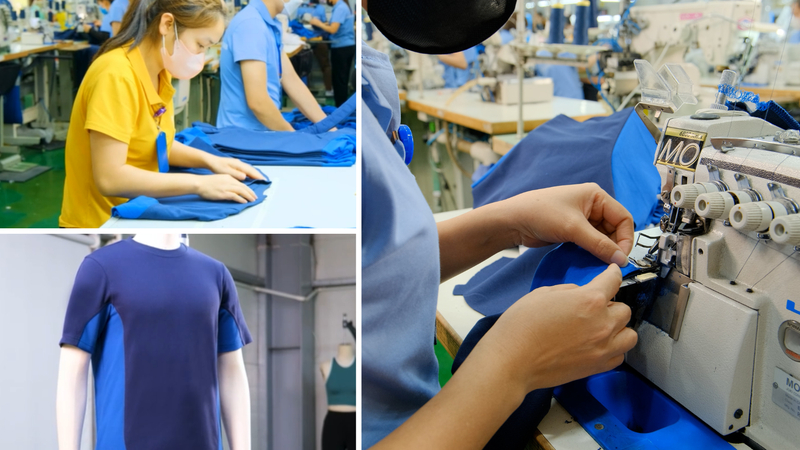
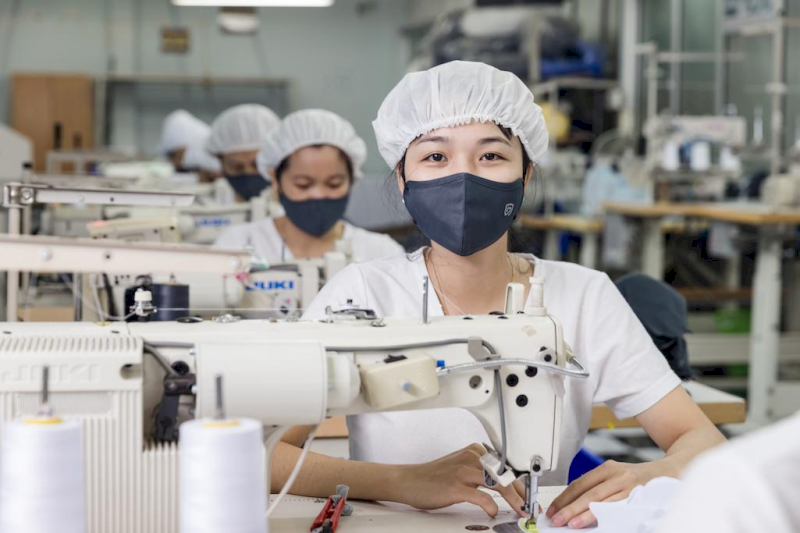
Thygesen Textile Vietnam is a trusted cut and sew manufacturer and garment manufacturer in Vietnam, providing full-package production solutions for international brands with a strong commitment to quality, transparency, and responsible manufacturing. While our core expertise has long been knitwear, we are steadily expanding into woven garments to meet the growing and diverse needs of our global customers.
Our woven fabric sourcing is supported by a reliable network of domestic and international suppliers, including partners in China, Taiwan, Japan, Korea, and the EU, along with long-term collaborations with experienced Vietnamese manufacturers specializing in woven production. This gives us access to a wide range of materials, from lightweight cotton and viscose weaves to durable polyester-cotton twills and structured suiting fabrics – tailored to different product categories and performance requirements
Our well-established network of subcontractors produces high-quality, reliable woven garments and brings proven experience across a diverse range of product categories, enabling us to meet different design, volume, and compliance requirements with confidence.
Moreover, we work closely with our partners to ensure consistent quality, clear traceability, and compliance with brand standards. In addition, our sourcing partners can provide relevant fabric certifications upon request, including sustainability and safety standards such as GOTS, OEKO-TEX®, GRS, and other market-specific compliance requirements.
Our expanded capabilities allow us to support a wide range of apparel needs, including specialized woven and knitted materials for performance wear. As one of the experienced athletic apparel manufacturers in Vietnam, Thygesen supports brands with fabric sourcing, product development, technical consultation, sampling, and scalable production for activewear and athleisure collections. For brands focused on athletic lines, exploring All You Need to Know About Activewear Fabrics is crucial to developing innovative and high-performing collections.
In conclusion, woven fabrics remain a key material in garment manufacturing thanks to their durability, structure, versatility, and refined appearance. From tailored fashion to uniforms and workwear, they offer the stability and long-term performance that brands and consumers rely on.
As a trusted woven clothing manufacturer, Thygesen Textile Vietnam supports international brands with flexible sourcing, ethical production, and full-package manufacturing solutions. To learn more, visit thygesenapparel.com or contact our team at sale@thygesen.com.vn for sourcing and production inquiries.