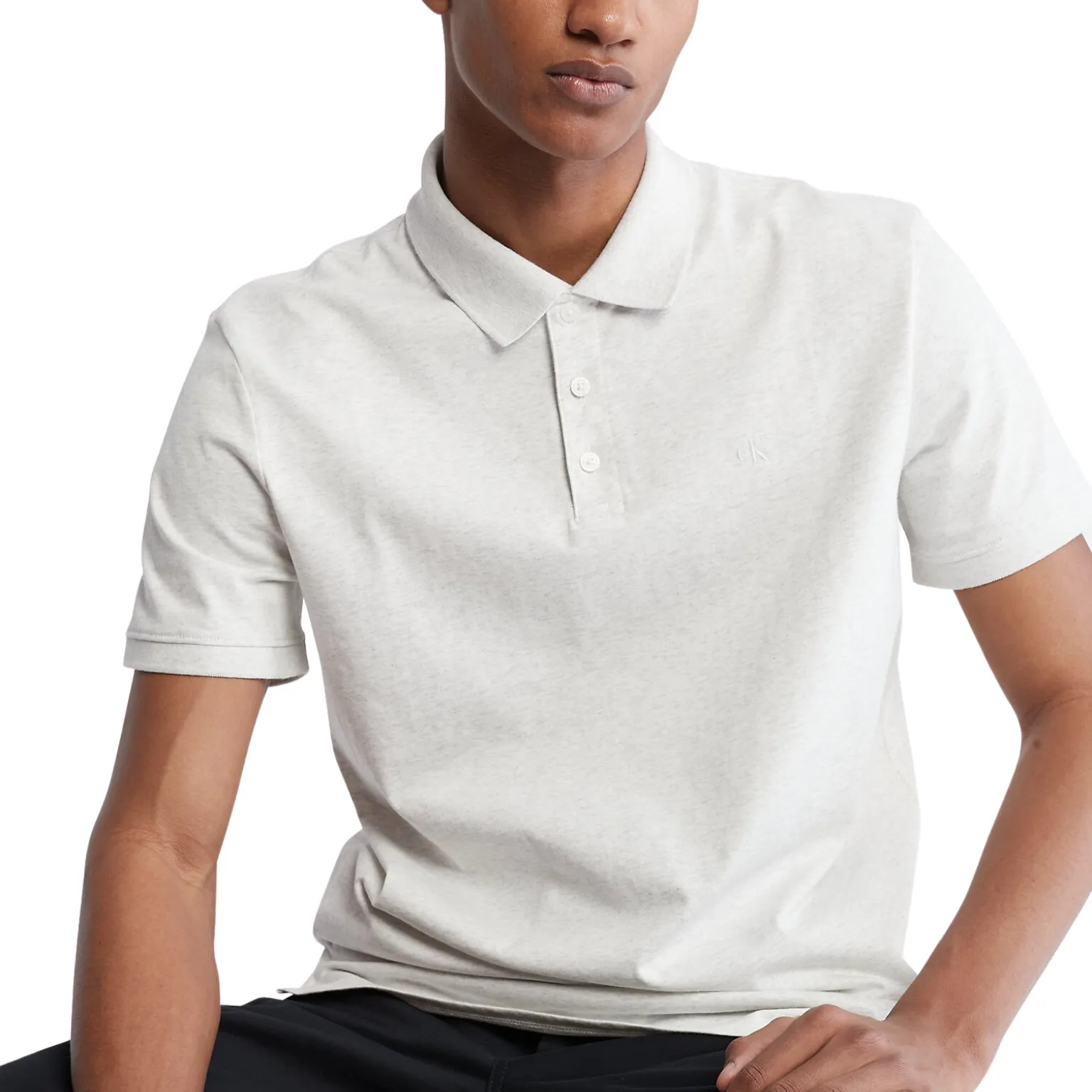
What is linen fabric? Linen fabric is one of the oldest and most valued textiles in the fashion industry, known for its natural origin, breathability, and distinctive texture. Widely used in summer apparel, resortwear, and premium collections, linen offers a unique balance of comfort and durability.
1. What Is Linen Fabric?
Linen fabric is a natural textile made from the fibers of the flax plant, primarily cultivated in temperate regions such as Europe. These fibers are naturally longer and stronger than cotton, resulting in a material that is both durable and highly breathable, making it well-suited for apparel applications.
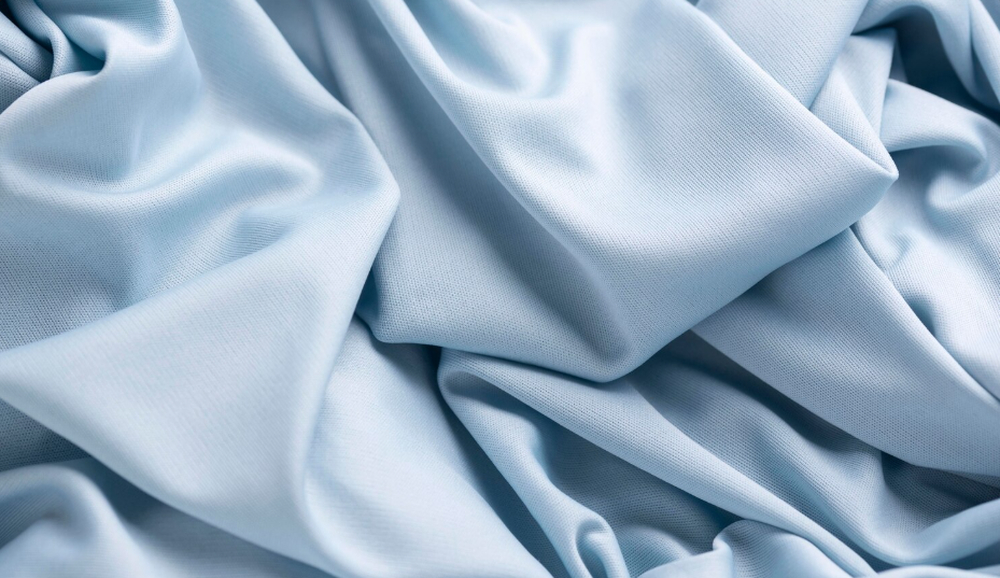
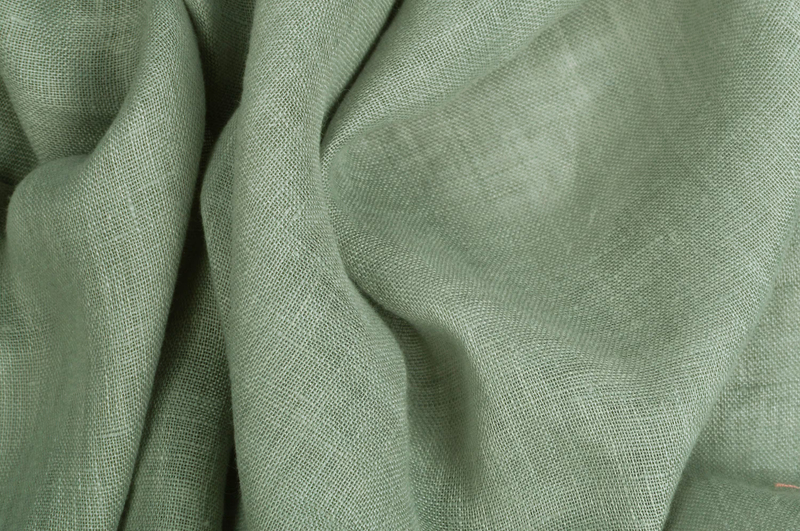
Recognized for its lightweight feel and crisp hand, this fabric also features a distinctive lub texture, created by natural variations in fiber thickness that create a relaxed, slightly textured appearance. This natural variation is often preserved intentionally, as it contributes to linen’s authentic and premium aesthetic.
Due to its excellent high moisture management performance, the material is particularly suitable for warm-weather garments. It allows air to circulate easily while absorbing and releasing moisture efficiently, helping maintain comfort in hot and humid conditions.
Linen fabrics are typically constructed using woven techniques rather than knitting, which gives them a more structured form and limited stretch. This characteristic supports clean silhouettes and precise garment construction, making linen a preferred choice for shirts, dresses, trousers, and elevated loungewear collections.
2. Types of Linen Fabric
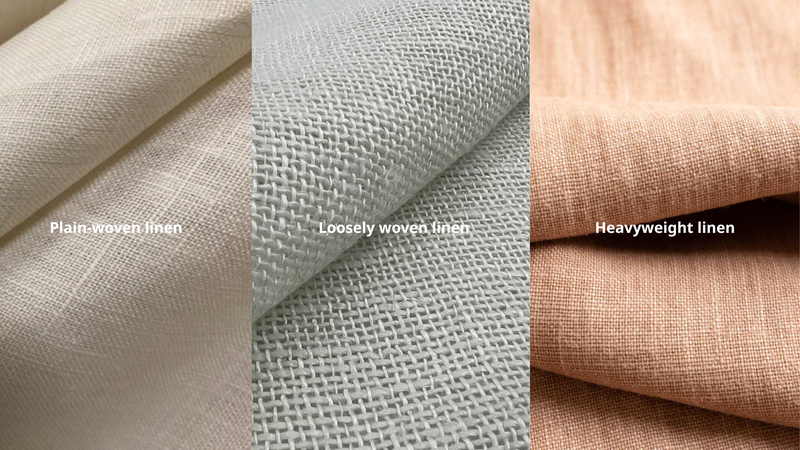
Linen fabric comes in a variety of forms, shaped by differences in weave, weight, and finishing techniques. Each variation offers distinct characteristics in terms of texture, structure, and performance. Understanding these types allows fashion brands to select the most suitable linen for different product categories and design intentions.
- Plain-woven linen: The most common type, constructed with a simple over-under weave that creates a balanced and durable structure. It offers excellent breathability and versatility, making it ideal for shirts, dresses, and everyday casualwear collections.
- Damask linen: A decorative woven linen featuring intricate patterns created directly through the weaving process. It has a more refined and luxurious appearance, often used in premium home textiles and occasionally in high-end fashion pieces.
- Loosely woven linen: Characterized by a more open weave, this type is exceptionally lightweight and airy. It enhances airflow and comfort, making it well-suited for summer garments, resortwear, and relaxed silhouettes.
- Heavyweight linen: Made with thicker yarns and a tighter construction, this linen offers added material strength and structure. It is commonly used in outerwear, tailored pieces, and garments that require more form and resilience. >> For brands building out their outerwear range beyond structured linen pieces, exploring a curated list of experienced hoodie manufacturers can help identify partners specializing in casual outerwear construction, fleece fabrics, and private-label production to complement premium linen collections.
- Linen blends (linen-cotton, linen-viscose):Blended fabrics combine linen with other fibers to enhance softness and reduce wrinkling. They retain linen’s thermal comfort performance while improving drape, comfort, and ease of care for broader applications.
3. Linen Fabric vs Cotton Fabric
For brands and consumers asking, “what are natural fibers for clothing?”, linen and cotton are two of the most widely used options. Although both are plant-based fibers, they have distinct characteristics that affect their performance and applications.
Criteria | Linen Fabric | |
Fiber source | Made from flax plant fibers, typically grown in temperate regions like Europe | Derived from cotton plant fibers, widely grown in warmer climates worldwide. |
Texture | Crisp, slightly coarse with a natural slub texture that gives a relaxed look | Soft, smooth, and more uniform in appearance and hand feel. |
Breathability | Thermal comfort performance due to its fiber structure and loose weave. | Breathable, but generally less airy compared to linen. |
Moisture absorption | Excellent moisture-wicking; absorbs and releases moisture quickly. | Good absorption, but tends to retain moisture longer than linen. |
Durability | Stronger fibers make it highly durable and resistant to wear over time | Durable, but fibers are shorter and less strong than linen. |
Wrinkling | Wrinkles easily, which is often embraced as part of its natural aesthetic. | Less prone to wrinkling, especially when treated or blended |
Comfort over time | Becomes softer and more comfortable with each wash and wear | Soft from the start, but may wear out faster with repeated use |
Best use | Ideal for summer garments, resortwear, and breathable, premium collections. | Versatile for everyday wear, basics, and a wide range of apparel categories |
4. How Linen Fabric Is Made
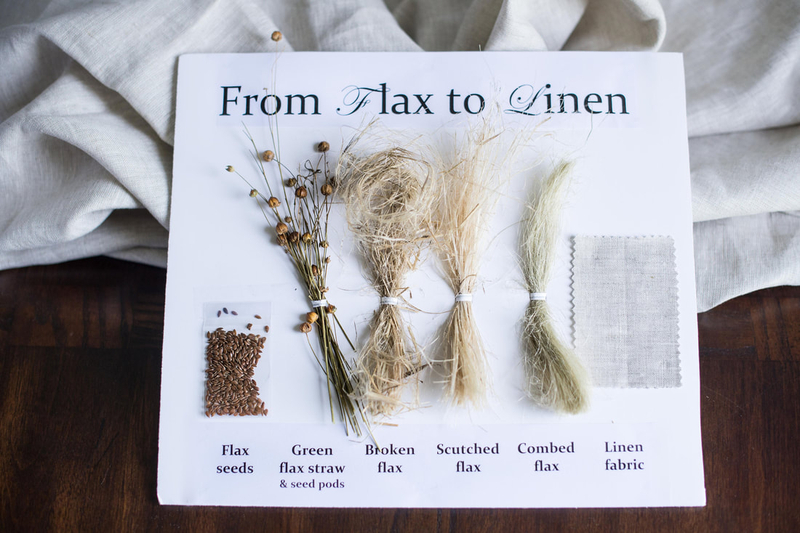
The production of linen fabric is a meticulous process that transforms flax plant fibers into a durable and breathable textile. From harvesting and retting to spinning and weaving, each step plays a crucial role in defining linen’s quality, texture, and performance.
- Flax cultivation: Linen production begins with the cultivation of flax plants, typically grown in temperate climates. Compared to many other fiber crops, flax requires less water and fewer chemicals, making it a more environmentally conscious raw material.
- Harvesting: Unlike cotton, flax is pulled from the ground rather than cut to preserve the full length of the fibers. This method helps maintain fiber strength and ensures higher overall fabric quality.
- Retting: After harvesting, flax stalks undergo retting, a process where moisture, through water or dew, breaks down the outer plant layers. This step is essential for loosening and separating the valuable inner fibers.
- Scutching and hackling: The fibers are then extracted, cleaned, and combed through mechanical processes. This aligns them into long, smooth strands while removing impurities and shorter fibers.
- Spinning: The refined fibers are spun into yarn, with thickness adjusted based on the intended end use. This stage directly influences the texture, weight, and final performance of the linen fabric.
- Weaving and finishing: Linen yarns are woven into fabric using various techniques to achieve different structures. Finishing processes such as washing, softening, or enzyme treatments are often applied to enhance wearing comfort and reduce the fabric’s natural stiffness.
5. Key Benefits of Linen Fabric
Linen stands out as a premium material in the fashion industry due to its unique combination of performance, comfort, and natural appeal. Its inherent properties not only enhance wearer experience but also support long-lasting, high-quality garment production.
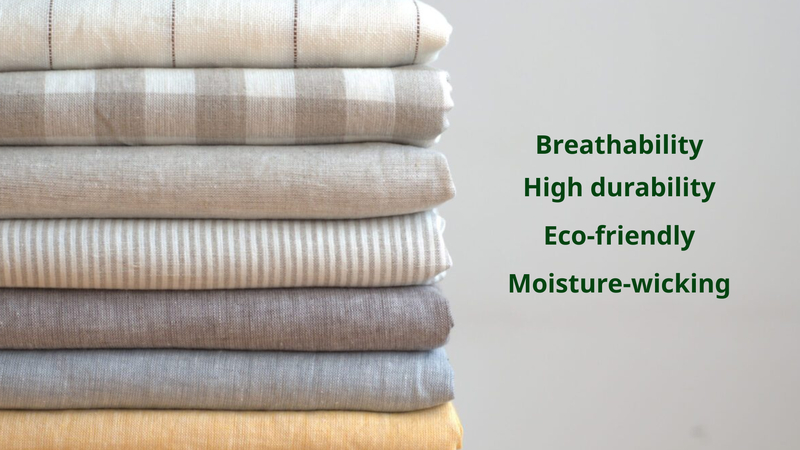
- Exceptional breathability: Linen’s fiber structure allows air to circulate freely through the fabric. This natural ventilation helps regulate body temperature, making it especially suitable for hot and humid climates.
- High durability: Flax fibers are inherently strong and resistant to stress, giving linen its long-lasting performance. Garments made from linen can withstand repeated wear and washing while maintaining their integrity.
- Moisture-wicking properties: Linen can absorb a significant amount of moisture without feeling damp. It also dries quickly, helping keep the wearer cool, dry, and comfortable throughout the day.
- Natural and eco-friendly origin: Linen is derived from flax, a crop that typically requires fewer chemicals and less water than many alternatives. This makes it an attractive choice for brands aiming to align with sustainable production practices.
- Distinctive aesthetic: Linen’s natural slub texture and tendency to wrinkle give it a relaxed, effortless look. These characteristics are often embraced as part of its premium, authentic appeal in modern fashion.
6. What Is Linen Fabric Used For?
Thanks to its excellent airflow properties, wear resistance, and timeless aesthetic, linen is widely applied across various product categories. From fashion apparel to home textiles, its versatility allows brands to create products that balance comfort, functionality, and a naturally refined look.
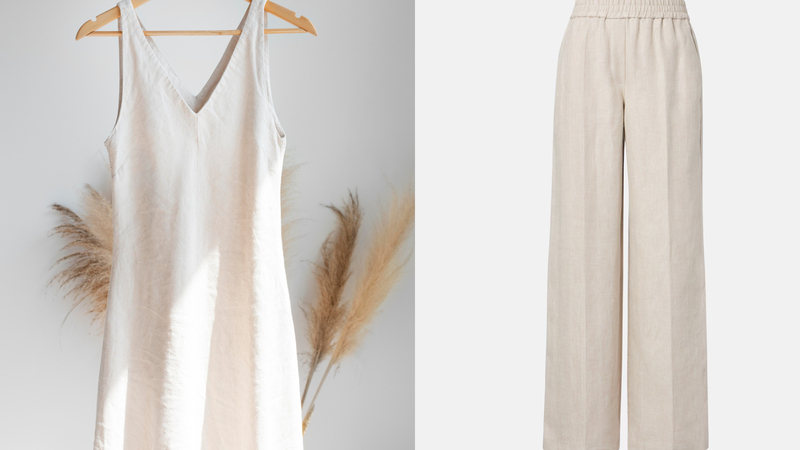
- Casualwear & Resortwear: Linen is widely used for relaxed shirts, dresses, and easy silhouettes designed for warm-weather dressing. Its breathable structure and natural texture make it ideal for vacation-inspired and laid-back collections.
- Summer Apparel: Lightweight linen is perfect for trousers, skirts, and tops that prioritize airflow and comfort. It helps keep the body cool while maintaining a clean, effortless aesthetic in hot climates.
- Loungewear: Linen is commonly used in soft, airy loungewear pieces for everyday comfort at home or casual outings. Its natural breathability enhances ease of wear throughout the day. >> Brands developing linen loungewear collections often pair these pieces with stretch-based bottoms like leggings to offer customers versatile, comfortable sets. Exploring a list of experienced legging manufacturers specializing in private-label production can help brands find the right partner for coordinated loungewear and activewear ranges.
- Blended Fabrics: Linen is often blended with cotton, viscose, or other fibers to improve softness and reduce wrinkling. These blends maintain linen’s breathable qualities while enhancing drape and practicality.
- Home & Lifestyle Textiles: Beyond fashion, linen is popular in bedding, table linens, and decorative home fabrics. The fabric longevity and natural elegance make it suitable for creating a refined, timeless living environment.
7. Key Considerations When Producing Linen Garments
Producing linen garments requires a thoughtful approach due to the fabric’s natural structure and behavior. From handling shrinkage to managing texture and fit, understanding these factors is essential for achieving consistent quality and well-executed final products.
- Wrinkling tendency: Linen naturally wrinkles due to its low elasticity and rigid fiber structure. While this is often embraced as part of its relaxed, organic aesthetic, some brands may use blending or finishing techniques to reduce creasing depending on the desired product direction.
- Limited stretch:As a woven fabric with minimal inherent elasticity, linen does not naturally stretch during wear. This requires careful and precise pattern development to ensure garments maintain both comfort and accurate fit.
- Softening over time: One of linen’s unique qualities is that it becomes progressively softer with each wash and wear. This enhances long-term comfort and gives the fabric a more lived-in, premium feel over time.
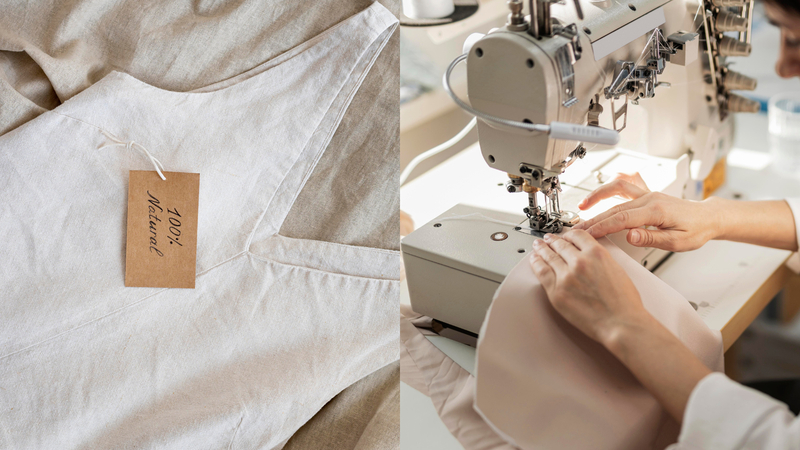
- Shrinkage control: Linen can be prone to shrinkage if not properly pre-treated before production. Pre-washing and thorough fabric testing are essential steps to ensure consistent sizing and reliable garment fit after laundering. >> These technical requirements make linen production particularly well-suited to cut and sew manufacturing — a method where woven fabric panels are precisely cut to pattern and assembled through specialized stitching, giving brands full control over shrinkage management, seam precision, and construction quality. Brands looking for partners experienced in linen production can explore a curated list of cut and sew manufacturers to find the right fit for their collection.
- Cost positioning:Linen is typically positioned as a more premium fabric due to its labor-intensive processing and natural raw material sourcing. This results in higher production costs compared to many other common textiles, such as cotton or synthetics.
8. Thygesen Textile Vietnam: Your Trusted Partner in Linen Fabric Sourcing & Garment Manufacturing
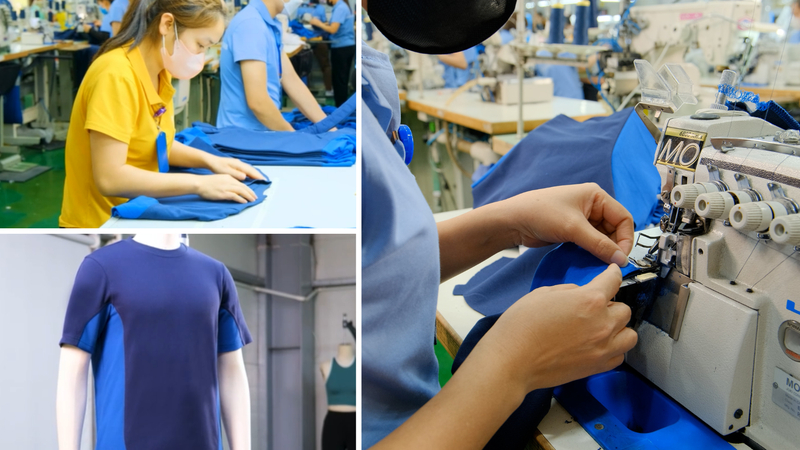
Thygesen Textile Vietnam is a trusted clothing manufacturer in Vietnam, providing full-package production solutions for international brands with a strong commitment to quality, transparency, and responsible manufacturing. While our core expertise has long been knitwear, we are continuously expanding our capabilities in woven garments to better serve the evolving needs of our global customers, including linen and linen-blend products.
>> For brands expanding beyond linen into performance-driven collections, partnering with experienced athletic clothing manufacturers provides access to technical fabric expertise and functional construction capabilities suited to activewear and athleisure lines. A curated list of athletic clothing manufacturers is available for brands comparing sourcing options across different markets and specializations.
Our fabric sourcing for linen collections is supported by a reliable network of domestic and international suppliers across China, Taiwan, Japan, Korea, and the EU, alongside long-term partnerships with experienced Vietnamese woven manufacturers. Upon request, our sourcing partners can also provide relevant fabric certifications, including globally recognized standards such as GOTS, OEKO-TEX®, GRS, and other market-specific compliance requirements.
In conclusion, linen fabric remains a timeless choice in modern apparel thanks to its natural comfort, durability, and distinctive aesthetic. For reliable linen garment manufacturing and expert fabric consultation, feel free to contact Thygesen Textile Vietnam at sale@thygesen.com.vn or visit thygesenapparel.com for more information.