The Vietnam-EU Free Trade Agreement (EVFTA) has opened a new chapter for the global textile and apparel industry, creating exciting opportunities for brands and manufacturers alike. As international supply chains increasingly shift towards Vietnam, understanding the agreement’s benefits and how it impacts sourcing decisions has never been more crucial. In this writing, we will explore EVFTA’s significance for the textile industry and why Vietnam is becoming a preferred sourcing hub.
Understanding EVFTA: A Gateway for Trade Between Vietnam and the EU
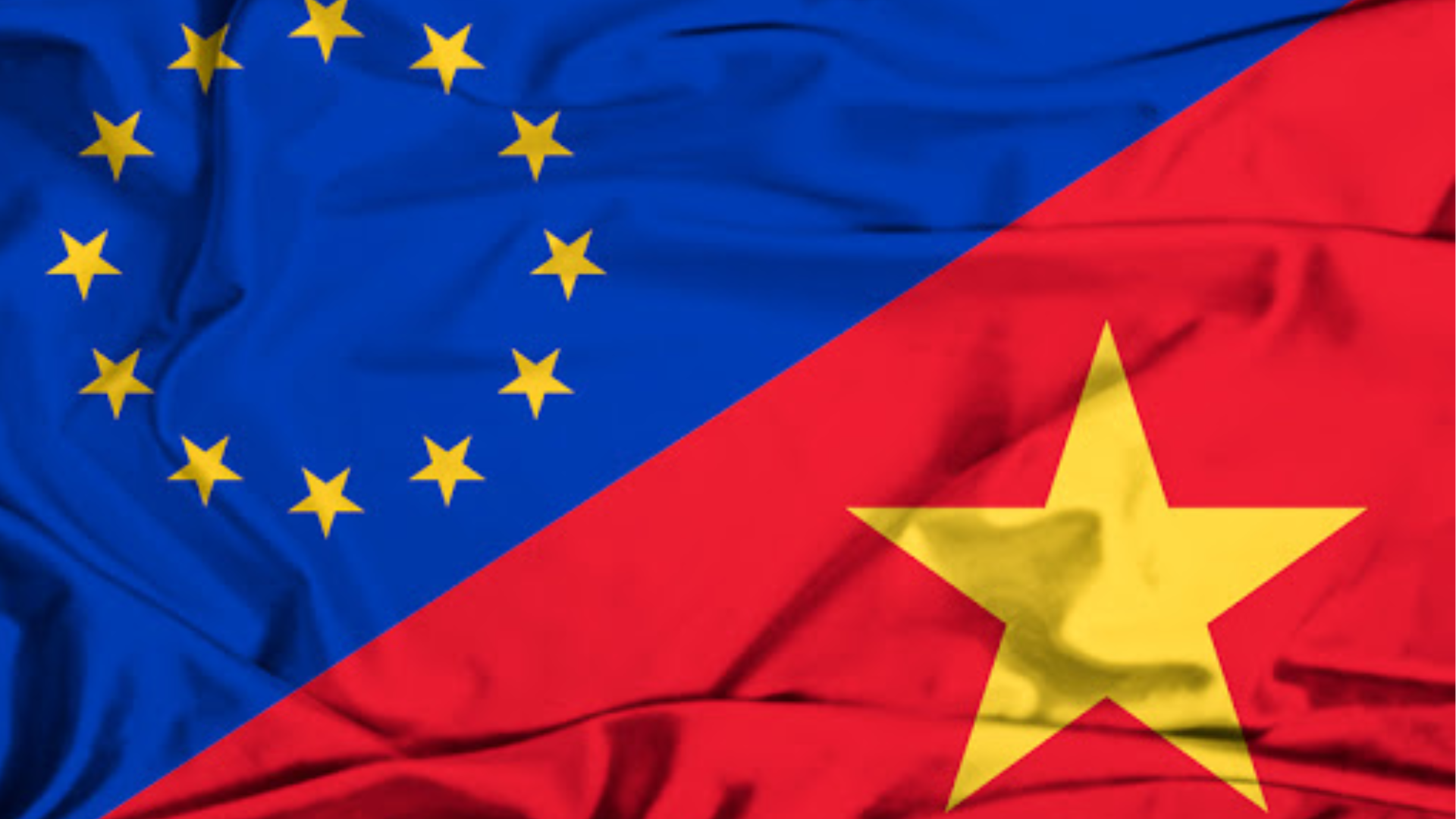
The EU–Vietnam Free Trade Agreement (EVFTA) is a new-generation, comprehensive, and high-standard trade agreement that officially came into force on August 1, 2020. Beyond simply reducing tariffs, the agreement includes broad commitments on market access for services, intellectual property protection, sustainable development, and labor standards.
For Vietnamese goods exported to the 27 EU member states, EVFTA acts as a “priority passport,” helping remove tariff barriers and creating favorable conditions for Vietnamese businesses to strengthen their position within the global supply chain.
The textile and apparel sector is among the industries that benefit most directly and significantly from EVFTA. Below are some of the key advantages the agreement brings:
- Tariff Advantages: EVFTA commits to eliminating nearly 99% of import tariffs according to a scheduled roadmap. For textile and apparel products, the gradual reduction to 0% tariffs gives Vietnamese exports a strong price competitiveness in the EU market compared to countries without similar trade agreements.
>>> To fully capitalize on such agreements, what fashion brands need to know about tariffs in the clothing industry is crucial for strategic planning and cost optimization.
- Encouraging Higher Value in the Supply Chain: To qualify for tariff preferences, EVFTA enforces strict rules of origin, particularly the “fabric-forward” requirement. This encourages Vietnamese manufacturers to shift from basic Cut-Make-Trim (CMT) production to more integrated models such as FOB or ODM, enabling greater control over materials and deeper participation in higher value-added stages of the supply chain.
- Alignment with EU Standards (Sustainability & Compliance): EVFTA is not only about economic benefits but also about meeting high standards. The agreement requires strict compliance with environmental protection, labor rights, and transparency (ESG). As a result, it pushes Vietnam’s textile and apparel industry to modernize production processes, adopt sustainable practices, and strengthen social responsibility to meet the expectations of European consumers.
>>>This modernization is further driven by Continuous Efforts for R&D in Clothing Manufacturing, ensuring that Vietnamese producers remain at the forefront of innovation and ethical practices.
- Market Diversification and Risk Reduction: Instead of relying heavily on a few traditional markets, EVFTA opens access to the EU market, which has a GDP of over $18 trillion. This creates opportunities for Vietnamese textile companies to diversify export markets, reduce risks, and build a more stable and sustainable growth strategy.
Why Global Brands Are Increasingly Sourcing Apparel from Vietnam
Vietnam is currently among the top three garment exporters in the world, alongside China and Bangladesh. In 2025, the country’s textile and apparel industry showed a strong recovery, with export turnover reaching over USD 46 billion, an increase of around 6% compared to 2024.
According to the Vietnam Textile and Apparel Association (VITAS), this growth is also supported by a strategy of diversifying markets, products, and customers. Today, Vietnamese textile and apparel products are exported to 138 countries and territories, while 28 Vietnamese textile companies have invested in overseas markets.
A report by Fitch Solutions highlights several factors behind Vietnam’s success, including a young workforce and competitive labor costs. In addition, participation in free trade agreements such as EVFTA has helped Vietnam strengthen its position and gain advantages over other manufacturing countries in the region.
Meanwhile, other major sourcing destinations are facing increasing challenges. China is dealing with rising costs, geopolitical risks, and trade barriers, while Bangladesh still faces concerns related to product quality and compliance standards. These factors have encouraged many global brands to diversify their supply chains, with Vietnam emerging as a reliable alternative.
Another important advantage of Vietnam is its skilled workforce, stable political environment, and strong manufacturing ethics. The country also benefits from its strategic location near China – the world’s largest hub for textile materials and accessories. This allows Vietnamese factories to import fabrics and trims quickly and at relatively low logistics costs, before completing the final garments for export to markets such as the European Union.
>>> Efficient management of the warehouse in garment industry ensures smooth flow of these materials and finished goods, optimizing the entire production and distribution process.
Thygesen Textile Vietnam: A Trusted Manufacturing Partner in Vietnam
With over 90 years of experience in the textile and garment industry, Thygesen Textile Vietnam is a trusted OEM clothing manufacturer in Vietnam, partnering with global brands such as Tommy Hilfiger, Fjällräven, DKNY, Calvin Klein, Girlfriend Collective, Ninepine, TomboyX, Boody, and Wilson.
We specialize in manufacturing activewear, casualwear, kidswear, underwear, loungewear, uniforms, and seamless products, delivering high-quality garments tailored to diverse market needs. Whether you’re sourcing everyday casualwear like hoodies or building out a performance line, our guides to a reliable hoodie manufacturer and trusted athletic clothing manufacturers can help you compare partners in each category.
All products are produced in our SA8000 and WRAP certified factory, where every garment is crafted with care. We provide comprehensive customization options, including fabric development, printing, embroidery, trims, labels, and hangtags, helping bring each brand’s vision to life.
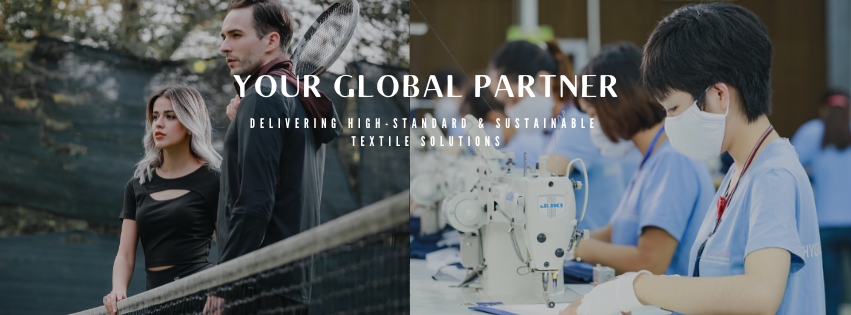
At Thygesen, we offer a full-package manufacturing service, covering everything from design consultation and material sourcing to pattern development and bulk production. Our experienced team works closely with clients at every stage, providing technical guidance and continuous refinements to ensure the final product meets both aesthetic and performance expectations.
We also understand that distance can raise questions when working with overseas manufacturers. That’s why we focus on transparent communication, consistent quality, ethical production, and sustainable solutions. Our team keeps you informed and involved throughout the entire process.
When partnering with Thygesen, you gain more than a manufacturer – you gain a reliable long-term partner you can trust, wherever you are.