Wondering how to start a fitness clothing line in a competitive activewear market? From finding your niche and developing the right products to choosing fabrics and a reliable manufacturer, every step matters. Here’s what to consider when turning your idea into a competitive fitness clothing line.
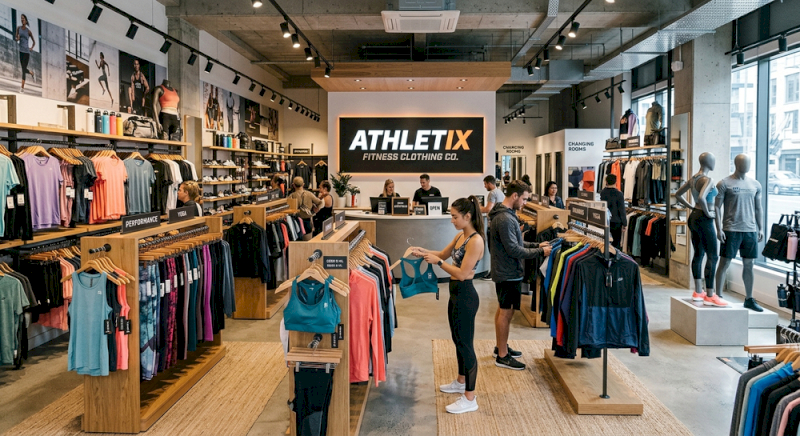
Starting a fitness clothing line in a competitive market takes more than a good idea. From finding your niche to developing products and choosing the right manufacturer, every step matters
1. Why The Fitness Clothing Market Still Has Room for Brands
Many aspiring brands may wonder: Is the activewear market already too crowded to enter? While competition is strong, the market continues to grow, creating opportunities for brands that can identify the right niche and meet changing consumer needs.
- A growing global market: The global gym apparel market was valued at around $101.91 billion in 2023 and is expected to grow further through 2030.
- Activewear beyond the gym: The global athleisure market is projected to reach $190.68 billion by 2030, reflecting how fitness clothing has become part of everyday wardrobes.
- Changing consumer expectations: In the U.S., the fitness industry reached an estimated $45.7 billion in 2025, while demand is shifting toward athleisure, sustainable fabrics, and more inclusive sizing.
- More ways to create differentiation: Customization is also expanding, with the sportswear customization market estimated at $182.01 billion in 2023 and projected to reach $305.67 billion by 2031.
These figures suggest that the opportunity is not necessarily about entering an empty market. It is about finding where your brand can offer something relevant, distinctive, and valuable.
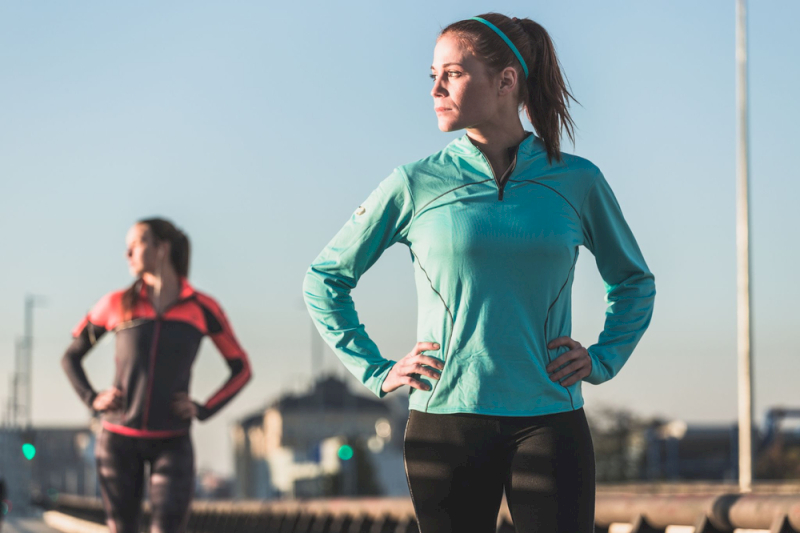
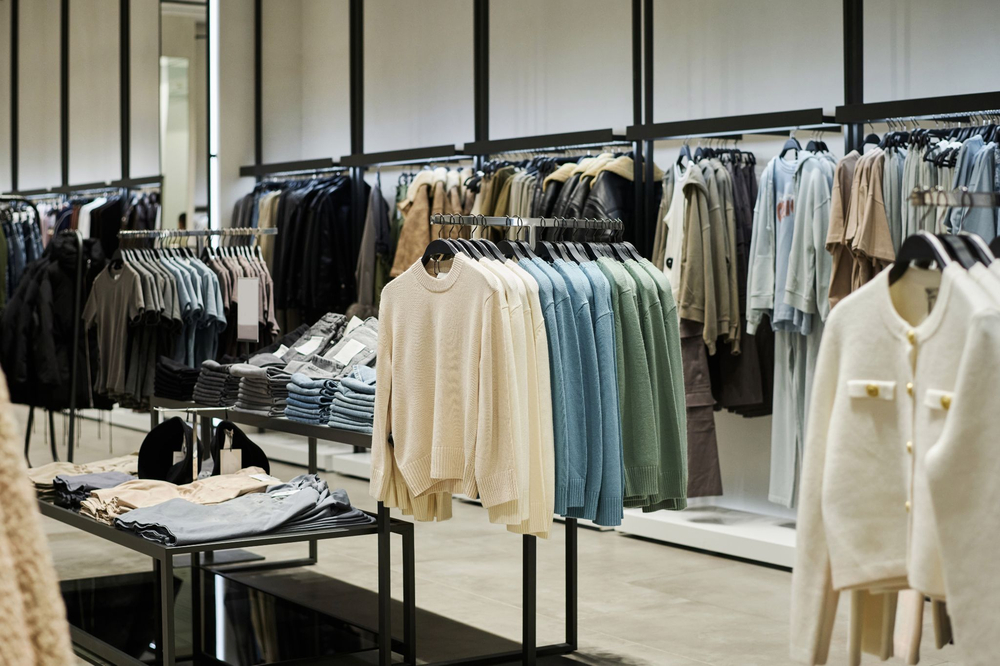
The activewear market is still growing, but success is less about entering an empty market and more about finding the right niche where your brand can stand out
2. Niche Ideas: Activewear and Specialty Angles
Before developing products, define where your fitness clothing line will compete. A focused niche can help shape your product range, fabric choices, brand positioning, and pricing, rather than trying to appeal to everyone who works out. Some potential directions include:
- Sustainable Activewear: Focus on lower-impact materials and responsible production, such as recycled polyester, recycled nylon, organic cotton, or other preferred fibers. The niche can appeal to consumers looking for performance clothing with a stronger sustainability focus.
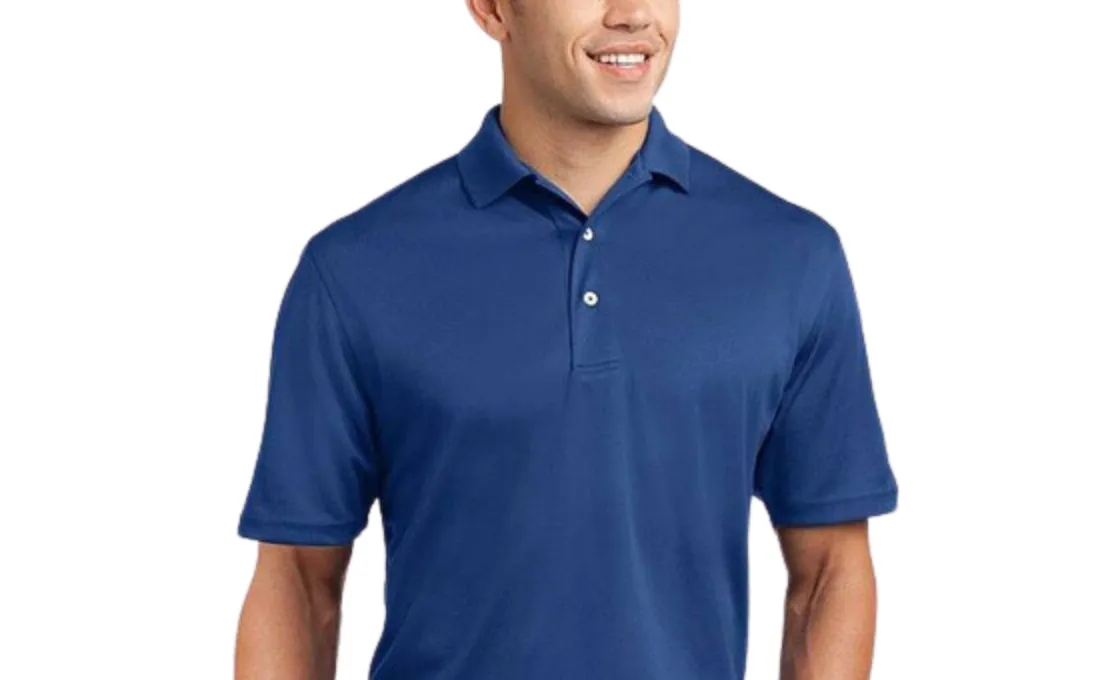
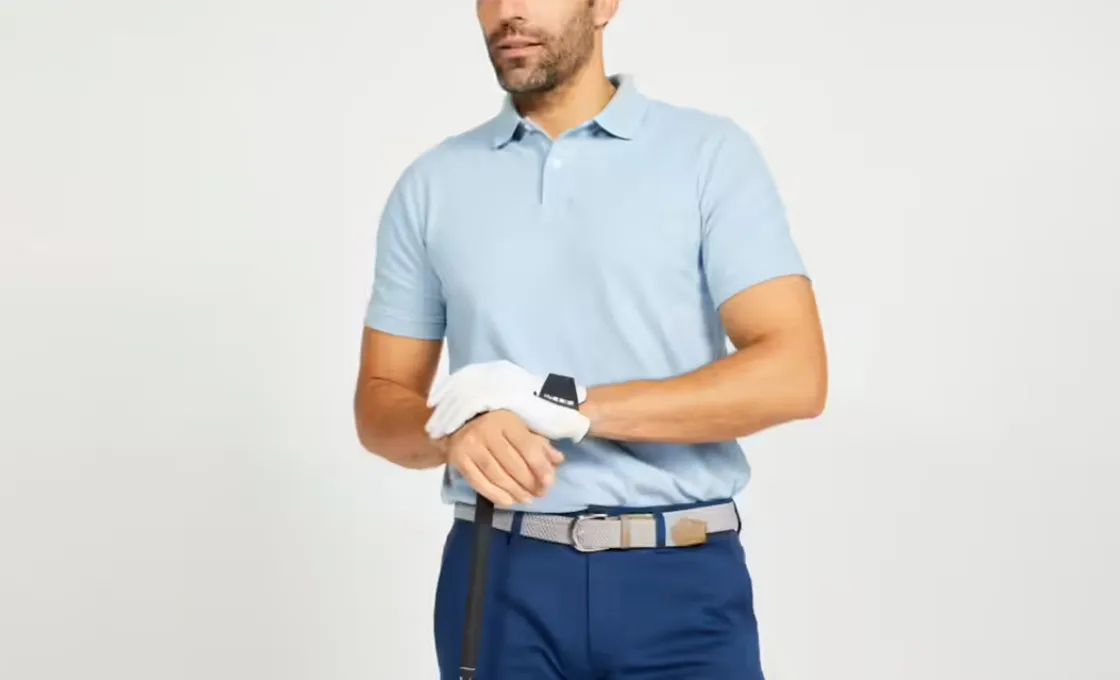
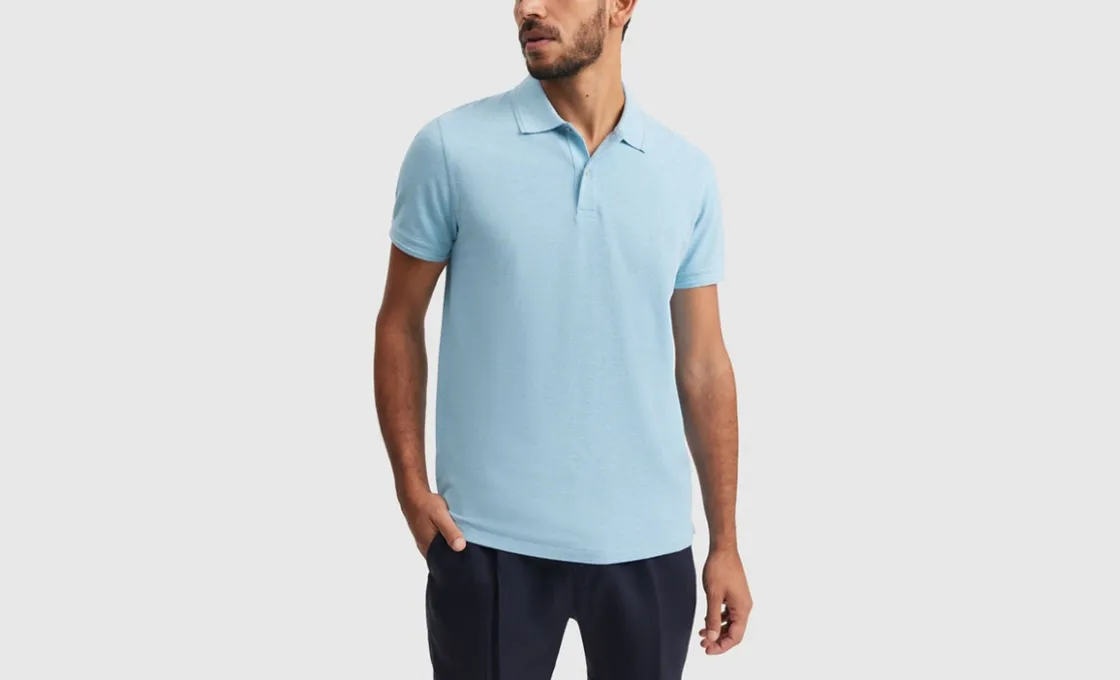
- Athleisure & Lifestyle Activewear : Create pieces that work beyond the gym, combining performance features with everyday style. Think versatile leggings, polos, trousers, jackets, or coordinated sets that can move from workouts to commuting, coffee runs, and casual occasions.
- Inclusive Activewear: Design for a wider range of body types and sizes, with thoughtful fits, supportive construction, and details that improve comfort and confidence during movement.
- Performance & Specialized Sportswear: Focus on the specific demands of activities such as weightlifting, running, cycling, yoga, Pilates, or other high-intensity sports. Products can be developed around the movement, durability, support, and performance requirements of each activity.
- Outdoor & Technical Activewear: Build products for running, hiking, trail sports, and other outdoor activities where clothing needs to perform in changing conditions. Features may include UV protection, moisture management, breathability, quick-drying fabrics, wind resistance, or reflective details.
- Body-Shaping & Supportive Activewear: Focus on garments designed to provide shaping, support, or targeted comfort during exercise. Examples include sculpting leggings, supportive sports bras, compression pieces, and carefully engineered waistbands or panels.
- Hybrid Athletic Wear: Transit to Gym: Design clothing for people who move between work, commuting, social activities, and exercise without wanting to change outfits. Clean silhouettes, wrinkle-resistant and breathable fabrics, hidden pockets, and subtle performance features can combine everyday functionality with workout readiness.
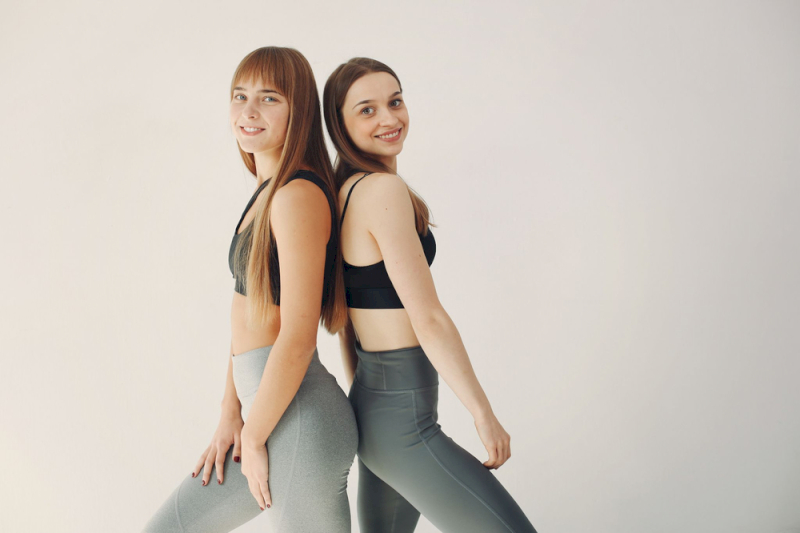
Yoga Activewear: Focus on soft, flexible fabrics and comfortable, supportive designs that allow unrestricted movement across different yoga practices
3. How to Choose the Right Activewear Niche
Having a niche idea is only the starting point. Before turning it into a product line, you need to test whether the idea is actually viable – whether there is a clear customer need, enough demand, and a realistic opportunity to build a business around it. Here are a few things to consider:
- Start with what you know or your hobby: Your own experience can help you identify problems that others may overlook. If you are a powerlifter, for example, you may have first-hand insight into issues such as fabric wear, chafing, or fit during heavy lifts.
- Check the size of the niche: A niche should be focused enough to have a clear customer base, but large enough to support a sustainable product line. Look at the size of the community, search interest, competitors, and how actively people spend on products in that category.
- Identify the problem worth solving: Look beyond the sport itself and ask what customers actually struggle with. The strongest product opportunities often come from solving a specific problem better than existing options.
- Start with a Hero SKU: You do not need a full collection from day one. Start with one or two hero products designed around the niche’s most important customer need, test the response, and use what you learn before expanding the range.
- Consider whether you can differentiate: A viable niche should give your brand room to offer something distinctive, whether through product design, materials, functionality, fit, price, or the overall brand experience.
The goal is not simply to find a niche that sounds interesting, but to find one where your knowledge, customer demand, product opportunity, and ability to differentiate come together.
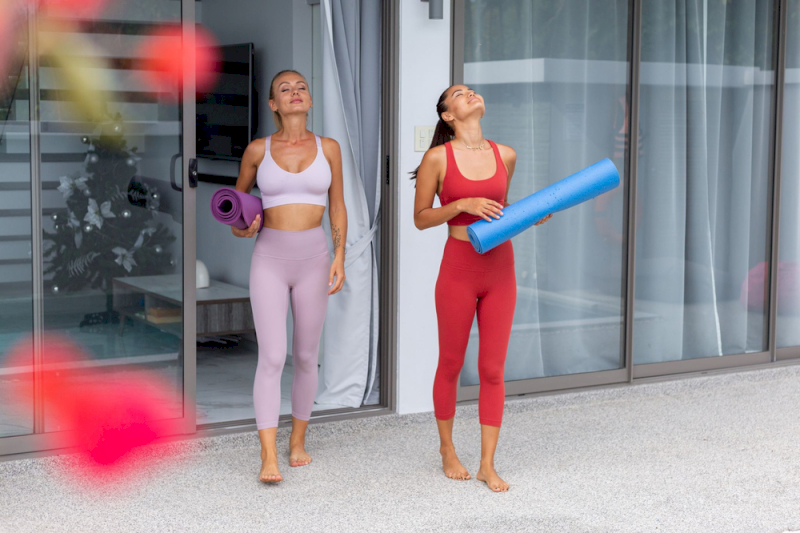
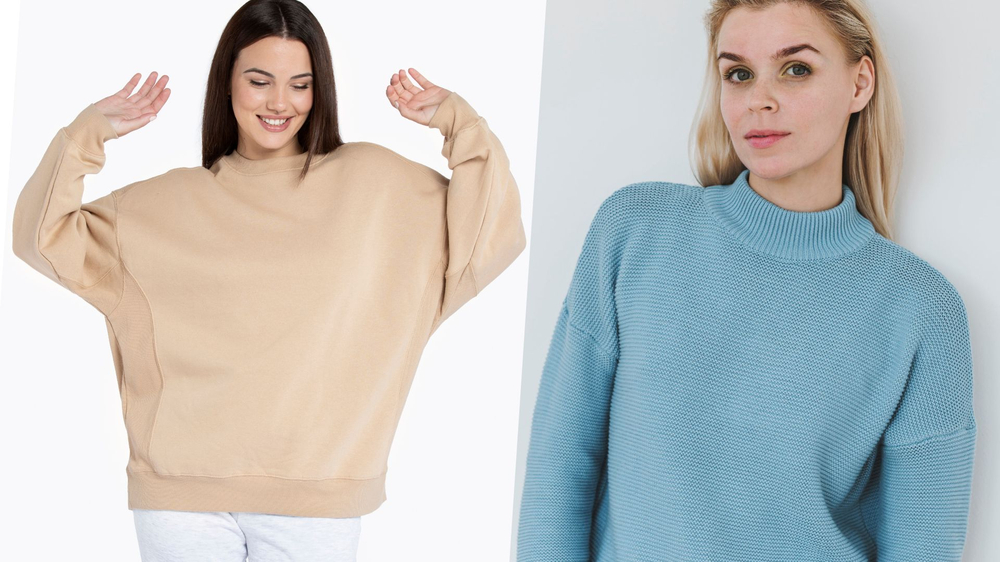
Start with a Hero SKU: Launch one or two standout products that solve a clear customer need, test the market, and expand based on what works
4. Turn Your Niche Into a Product
Once you have chosen a niche, the next step is to turn your idea into a product that meets the needs of your target customers. From defining product requirements and choosing the right fabrics to developing samples and testing performance, each decision plays a role in creating a product that is both functional and commercially viable.
4.1. Step 1: Turn Niche Insights into Product Requirements
To turn a niche idea into a real product, you must turn customer problems into clear product features. People in niche markets do not buy clothes just for looks; they buy them to solve specific workout problems. For example, if you sell to weightlifters, regular leggings will tear when the metal barbell rubs against their thighs. Your product must have extra tough fabric on the front of the legs. If you sell to trail runners, your shorts must have built-in pockets that hold water bottles without bouncing.
You also need to choose the right fit for the activity. Weightlifters need clothes that expand with their muscles during heavy sets, while yoga practitioners need smooth, seamless clothes that feel like a second skin. Finally, figure out your target production cost early. Specialized fabrics and small order quantities cost more money. Knowing your target costs before making patterns prevents you from overspending later.
4.2. Step 2: Choose Fabrics and Technical Details
Performance clothes rely on good fabrics. If you pick the wrong fabric, customers will not trust your brand. You need to pick materials that match the workout type. Nylon and spandex blends feel soft, stretch well, hold their shape, and look premium, making them great for leggings and sports bras. Polyester and spandex blends dry very fast, handle heavy sweat, and hold bright colors well, making them perfect for running shirts and jackets.
Fabric weight is measured in GSM (grams per square meter). Leggings usually need a fabric weight between 220 and 300 GSM. If the fabric is under 220 GSM, it becomes see-through when someone squats. If it is over 300 GSM, it feels too heavy and hot. You must also pick the right seams. Standard flat seams rub against the skin and cause irritation. Using flatlock stitching (4-needle 6-thread) keeps the seams completely flat and comfortable.

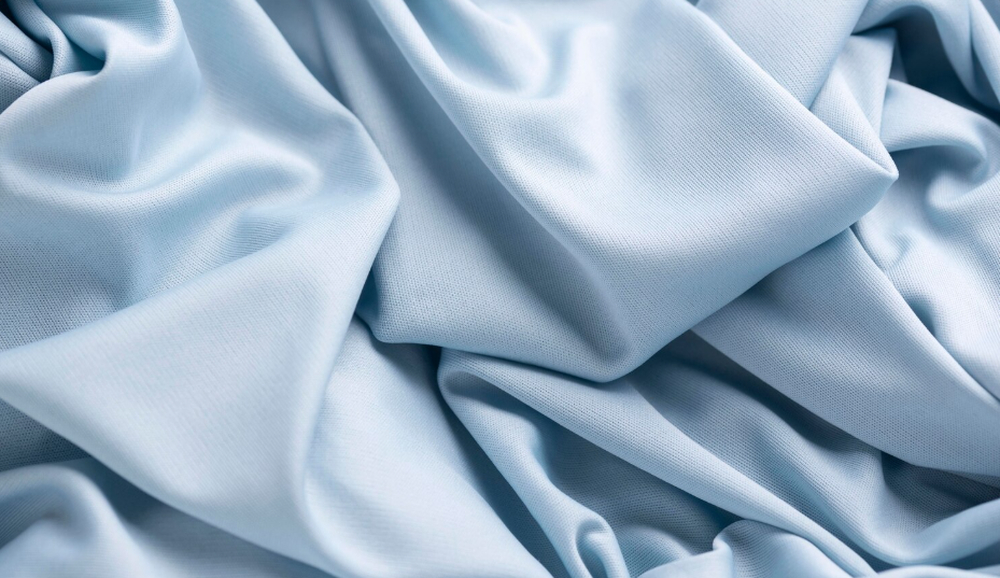
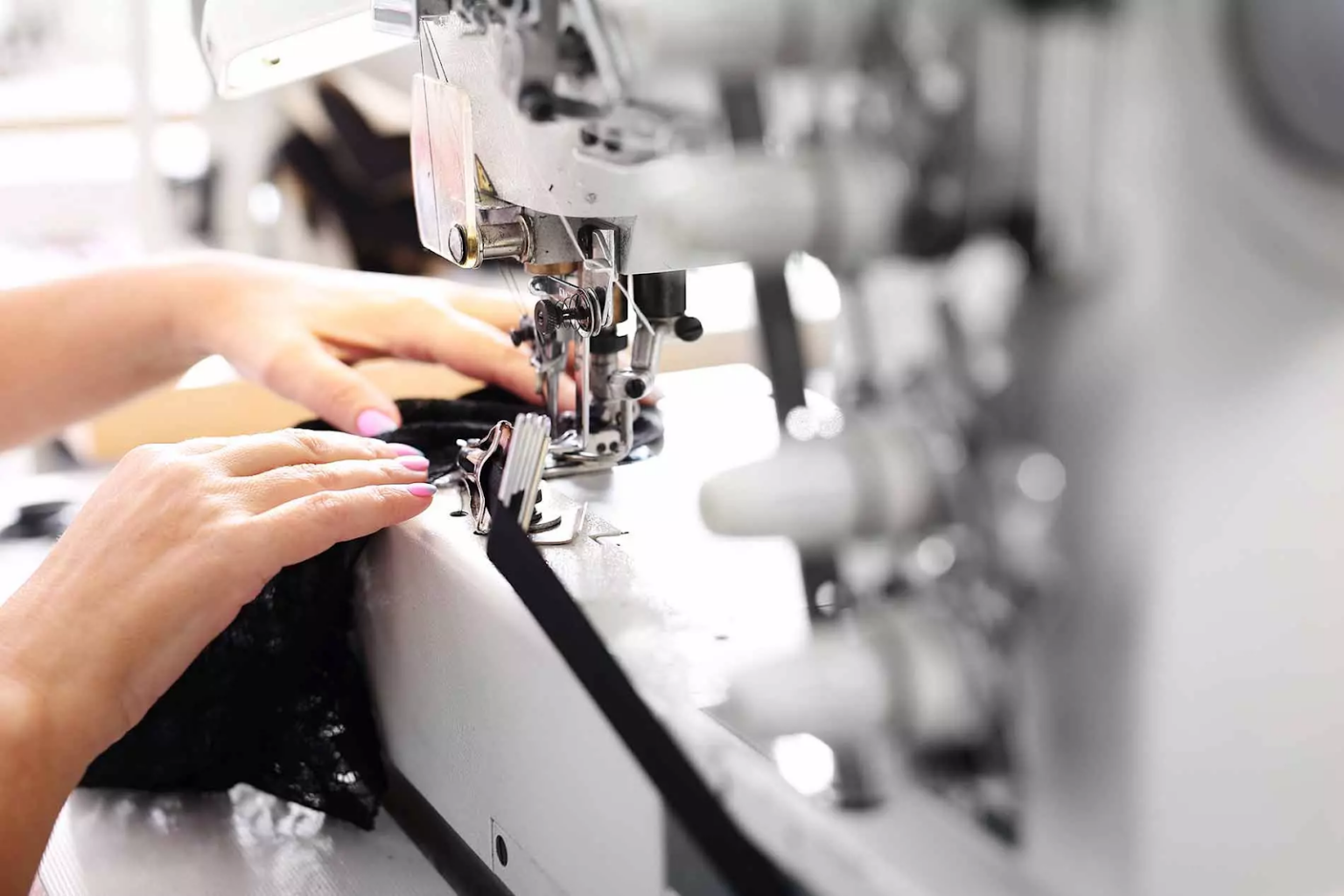
Performance starts with the right fabric. The material should match the activity, fit, and performance requirements of each product
4.3. Step 3: Create a Tech Pack for the Factory
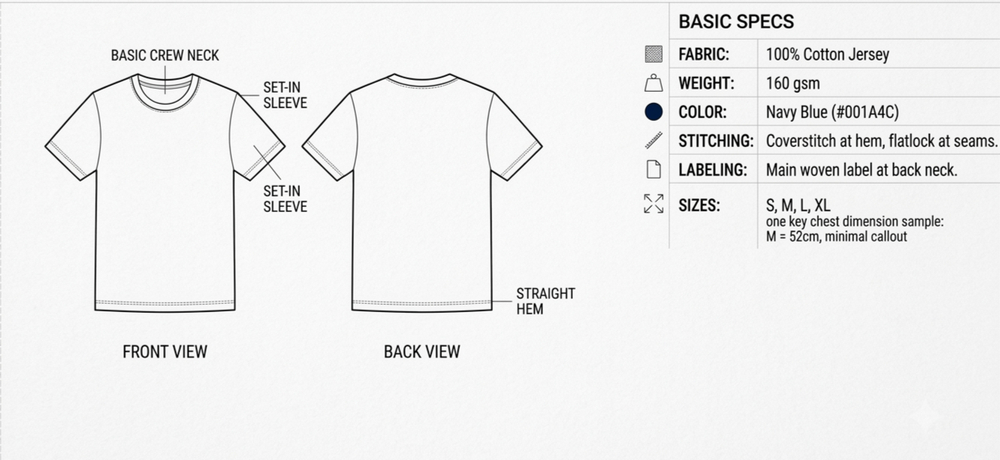
A Tech Pack is an instruction manual for your factory. If your instructions are confusing, the factory will make mistakes, waste your money, and delay your order. A good Tech Pack starts with simple 2D drawings showing the front, back, sides, and inside of the garment. You must label every detail clearly, such as special inner crotch panels, waistband linings, and pocket sizes.
Along with drawings, you must include a complete size measurement chart. This chart lists exact measurements for the waist, hips, inseam, and thighs. Setting clear grading rules ensures the clothes fit well across all sizes from XS to 3XL. Lastly, include branding details like exact Pantone color codes, logo locations, and printing methods. Always use tagless printed labels inside performance clothes so they do not scratch the skin when sweating.
4.4. Step 4: Make and Test First Samples
First factory samples are rarely perfect. The sampling stage exists to fix design flaws, size problems, and fabric issues before you order in bulk. Always test the first sample on a real person who fits your target customer size, not just a plastic mannequin. This lets you see how the garment stretches, moves, and feels during real motion.
Testing samples also shows you how reliable your factory is. You will see if they communicate well, follow technical instructions, source the right trims, and meet deadlines. When you find problems, write down all needed changes in one clear list and send an updated Tech Pack to the factory. Fixing everything in organized rounds saves time and keeps your budget safe.
4.5. Step 5: Real-World Testing with Athletes
Fabrics must be tested in real workout conditions, not just in a lab. Give sample clothes to real athletes in your niche and ask them to test the gear thoroughly. They should perform full-range movements like deep squats, heavy lifts, or sprints. These real-world tests prove whether waistbands stay up, fabrics stay non-see-through under bright lights, and shorts do not ride up.
Next, wash and dry the samples 10 to 15 times in regular washing machines. This shows if the fabric pills, seams snap, colors fade, or logos peel off. Collect honest feedback from your testers about comfort, sweat absorption, and fit. Use this feedback to make final tweaks before approving mass production.
4.6. Step 6: Mass Production and Quality Control
Moving from one sample to hundreds of pieces brings manufacturing risks. Before mass production starts, you must sign off on a final “Gold Sample.” The factory must match this exact sample in fabric feel, stitching quality, colors, and measurements for every piece made.
To lower your inventory risk, focus your budget on 1 or 2 core hero items in popular colors rather than making too many different styles. During production, set up formal quality inspections (using standard AQL rules). Independent inspectors check stitching, measurements, zippers, and packaging before you pay the final balance and ship the goods.
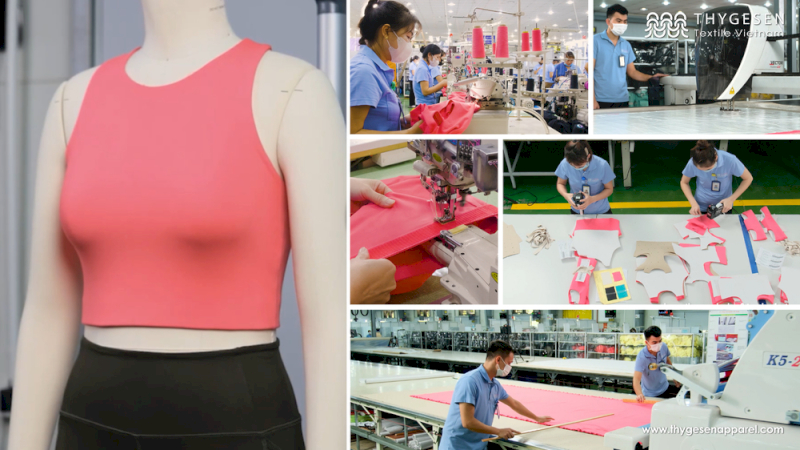
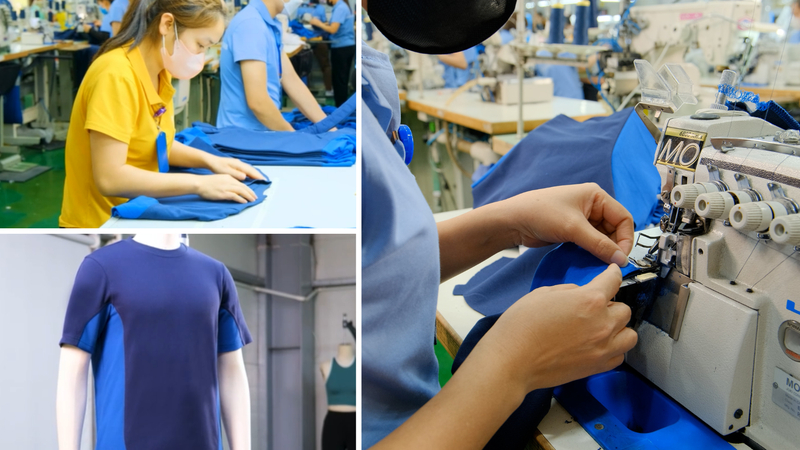
Thygesen Textile Vietnam is an activewear manufacturer specializing in OEM and ODM production for global brands
4.7. Step 7: Pre-Launch Marketing and Storytelling
In a niche market, people buy into your brand’s mission before they buy your clothes. Your marketing should explain clearly why your brand exists and how your product solves a specific workout problem. Use real sport terminology instead of generic marketing buzzwords so customers trust your knowledge immediately.
Use authentic videos and photos showing real athletes training in your gear. Raw, high-energy workout videos perform much better than overly staged studio photos. Put these visuals on a simple landing page that explains the product features and collects email addresses. Offering early access or pre-order discounts helps you build a waiting list of ready buyers before inventory arrives.
4.8. Step 8: Launch and Start Selling
Your official launch should make buying quick and easy for customers. Your website product pages must display clear details about fabric composition, fabric weight, model sizes, movement videos, and size guides. Clear information helps customers choose the right size and reduces product returns.
Run simple online ads that focus on problem-solving. Ad videos work best when they show the main product benefit right away (for example: “Leggings built to survive heavy barbell deadlifts”). At the same time, send emails and text messages to your pre-launch waiting list to drive immediate sales on day one.
4.9. Step 9: Post-Launch Feedback and Improvements
Niche customers become loyal repeat buyers when your product works well. Two to three weeks after delivering orders, send simple automated surveys asking customers about fit accuracy, fabric durability after washing, and overall satisfaction.
Encourage happy customers to post videos wearing your gear during workouts. You can reuse these real customer videos on your website and ads to build trust with new shoppers. Finally, use all customer feedback and return reasons to update your Tech Packs. Improving your measurements and details for the next production batch ensures your product keeps getting better over time.
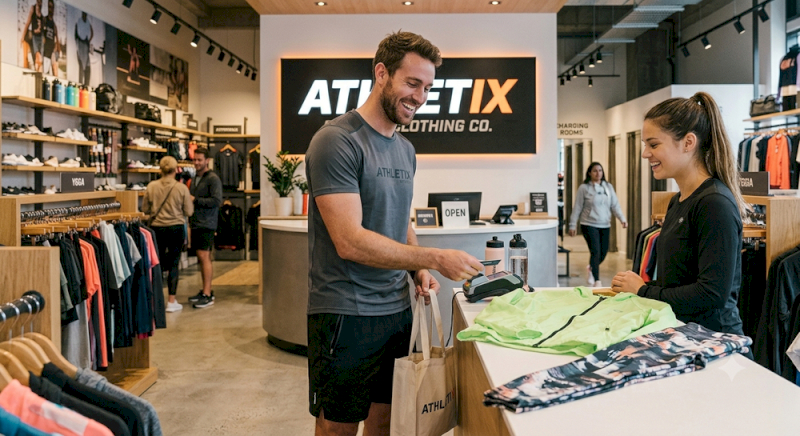
Niche customers become loyal repeat buyers when your product works well
5. FAQ
How Much Does It Cost to Start an Activewear Brand?
The cost of starting an activewear brand varies depending on the number of products, order quantity, fabric choices, design complexity, and manufacturing requirements. New brands can manage their initial investment by starting with a focused product range and a manageable production quantity rather than launching a large collection from the beginning.
On average, starting a professional activewear brand with custom designs costs around $10,000 to $15,000. This budget allows you to launch 1 to 2 core hero products (such as a high-performance legging or sports bra) with high-quality fabrics and custom fits.
What Products Should a New Activewear Brand Launch First?
It is often better to start with a small selection of products that clearly fit your target customer and brand positioning. Leggings, sports bras, tops, shorts, and lightweight jackets are common starting points. Instead of trying to offer everything at once, focus on products where you can build a clear point of difference in design, fit, function, or materials.
Is Starting an Activewear Brand Profitable?
Activewear can be a profitable category, but profitability depends on more than the selling price. Product development costs, fabric, manufacturing, shipping, marketing, returns, and inventory all affect the final margin. A clear target market, well-managed production costs, strong product quality, and effective inventory planning are important to building a sustainable activewear business.
What Fabrics Are Commonly Used to Make Activewear?
Polyester, nylon, and elastane are among the most commonly used materials for activewear because they offer a combination of stretch, durability, shape retention, and comfort. Recycled polyester and recycled nylon are also increasingly used by brands looking for more responsible material options. The best fabric depends on the product’s intended use, performance requirements, and target price.
How Long Does It Take to Develop and Produce Activewear?
The timeline depends on the product’s complexity, fabric availability, sampling rounds, order quantity, and production schedule. The process typically includes design and material selection, pattern development, sampling, revisions, pre-production approval, bulk manufacturing, and quality inspection. Starting with clear product specifications and working closely with an experienced manufacturer can help keep the process on track.
How Should a New Activewear Brand Market Its Products?
Start by identifying a specific target customer and communicating what makes your products relevant to them. Content showing product functionality, fit, materials, real-life use, and the story behind the brand can help build trust. Social media, creator partnerships, community building, email marketing, and a strong e-commerce presence can then work together to turn awareness into sales.
In conclusion, starting a fitness clothing line is not about competing with everyone. It is about finding the right niche, developing products that meet real customer needs, and building a reliable supply chain behind them. Ready to turn your activewear idea into reality? Contact Thygesen Textile Vietnam at sale@thygesen.com.vn or visit thygesenapparel.com to explore our OEM and ODM activewear manufacturing solutions.