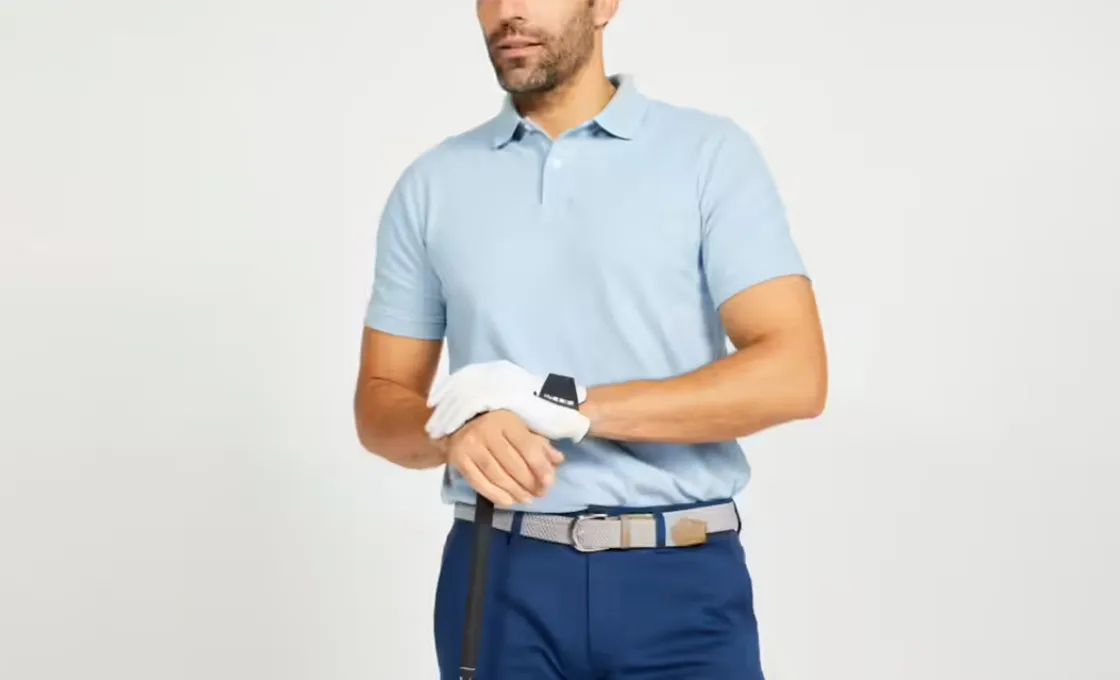
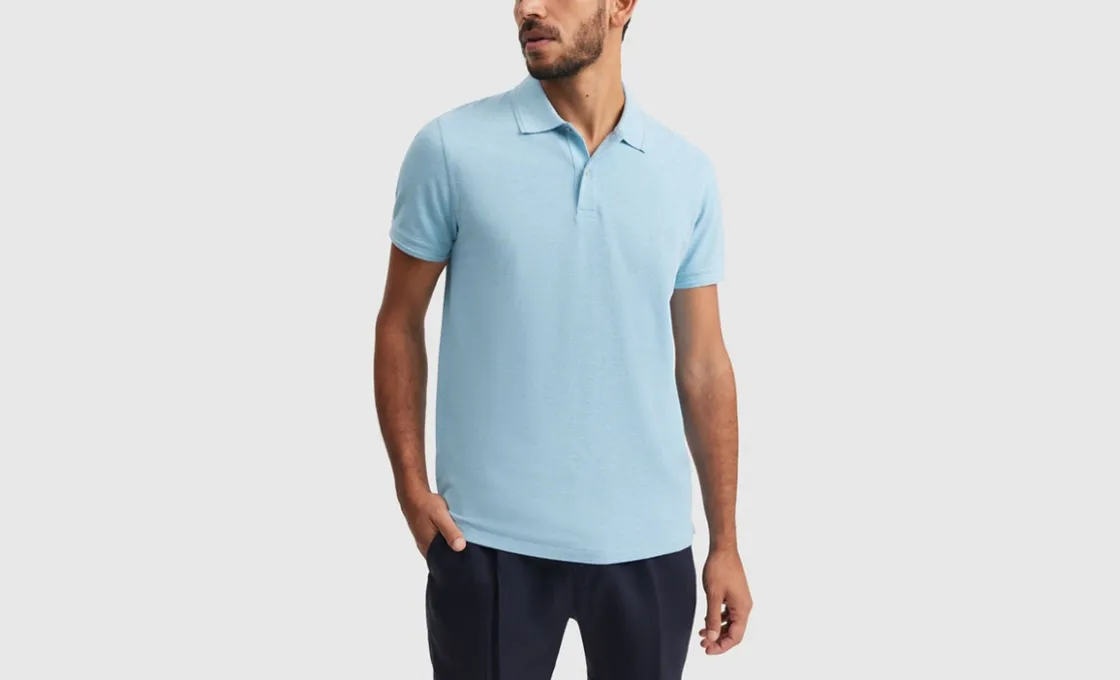
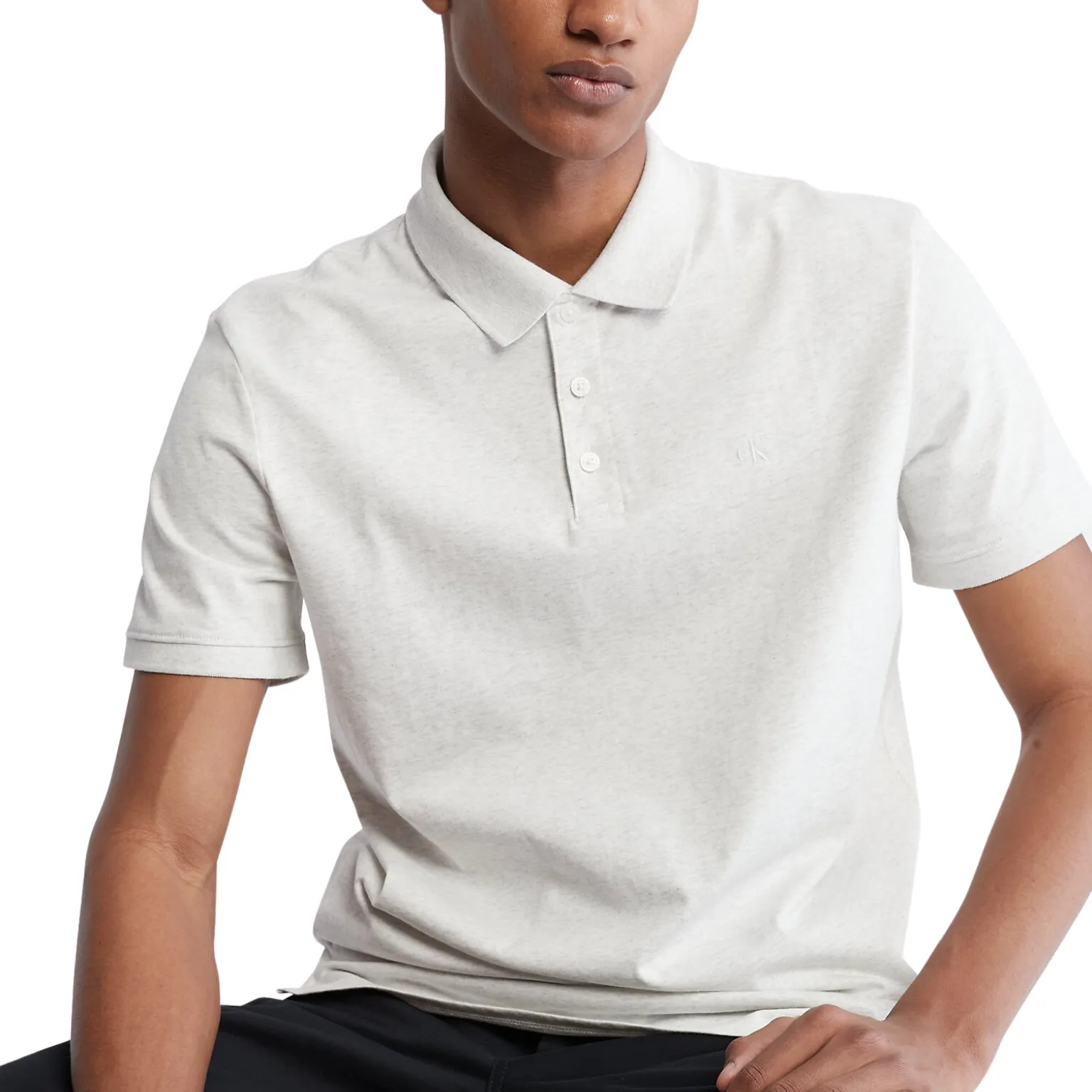
T-shirts may appear simple, but their production involves a structured process that combines design planning, material engineering, technical development, and large-scale manufacturing operations. From the first design brief and fabric creation to final inspection and export, each stage plays a critical role in ensuring comfort, durability, and consistency. In this article, we explore how T-shirts are made, step by step, from design and tech pack to raw materials and finished products.
How T-Shirts Are Made – A Quick Overview
In short, how T-shirts are made can be divided into six connected stages. Each stage builds on the one before it, so decisions made early – especially in design and fabric – shape cost, quality, and lead time later on.
- Design & Tech Pack: The brand defines the style, artwork, print method, and technical specifications of the T-shirt.
- Fabric Selection & Development: Fibers, fabric structure, and finishes are chosen, developed, and tested.
- Product Development: Patterns and samples turn the design into a wearable garment.
- Bulk Production: Fabric is spread, cut, sewn, and decorated on the production line.
- Finishing & Quality Control: Garments are washed if required, pressed, inspected, labeled, and packed.
- Export & Logistics: Finished goods are documented and shipped to the customer’s warehouse.
1. T-Shirt Design and Tech Pack Development
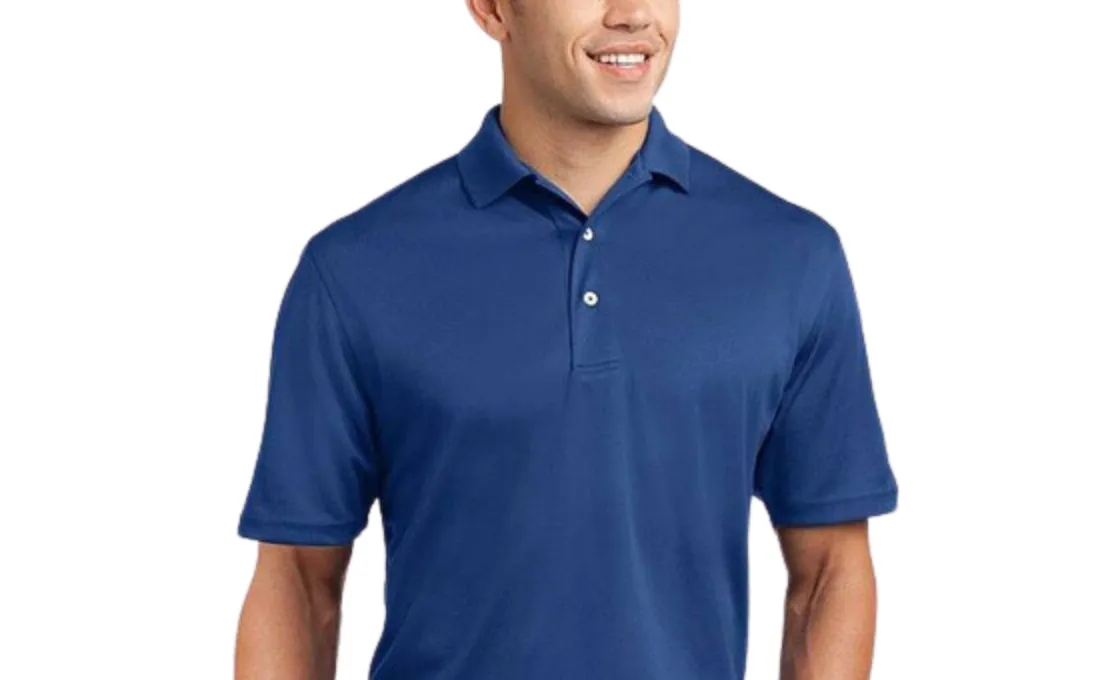
Before any fabric is cut, every T-shirt starts as an idea that needs to be translated into clear instructions for the factory. For brands asking how to design T-shirts for bulk manufacturing, the goal is not only a good-looking graphic but a T-shirt design that can be produced consistently, in the right fabric, and at the right cost.
1.1. Defining Purpose, Fit and Target Customer
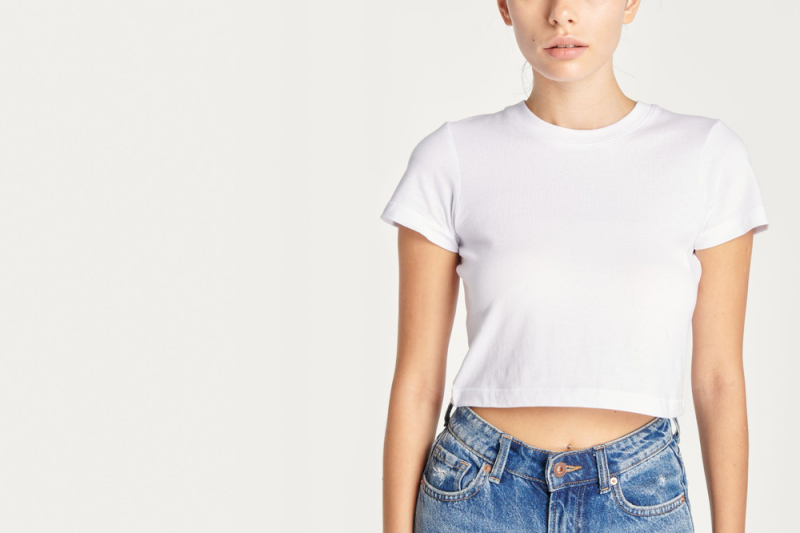
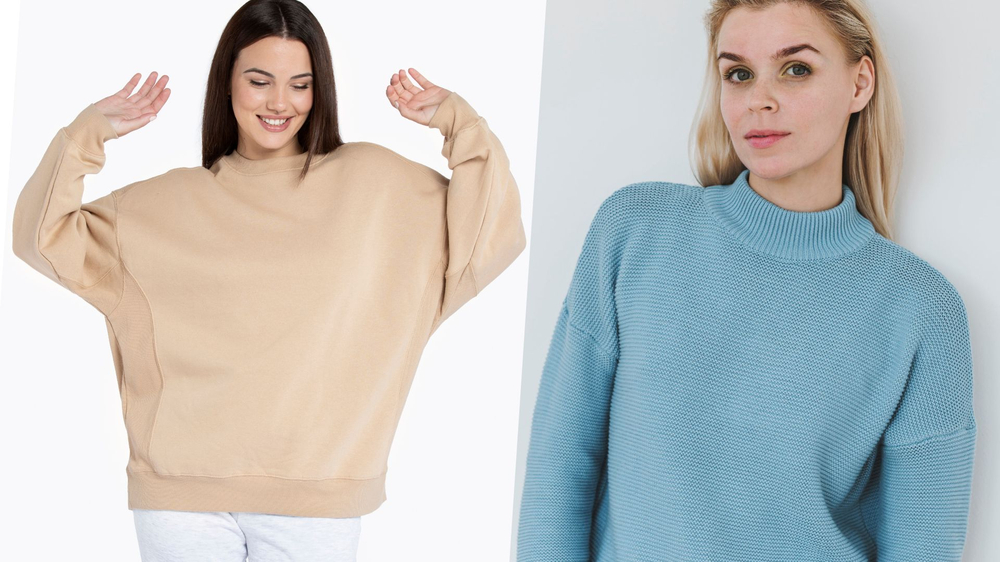
Design begins with the purpose of the garment and the people who will wear it. A promotional tee, a retail basic, and a training top call for very different decisions. At this point, the brand typically defines the silhouette (slim, regular, or oversized), the neckline and sleeve style, the size range, and the price position of the product.
Clarifying these points early helps the manufacturer recommend suitable fabrics and constructions, and avoids costly changes once sampling has started.
1.2. Choosing Colors, Artwork and a Print Method That Suits the Fabric
The next step in T-shirt design is building the color palette and artwork. Garment colors and ink colors should be chosen together, with enough contrast for logos and text to stay readable. Many brands use Pantone references so that the fabric mill and the printing team work toward the same color target.
The artwork and print method should also match the fabric. For example, dye sublimation works on polyester-rich fabrics, direct-to-garment printing tends to perform well on cotton-rich fabrics, while screen printing and embroidery suit bold logos and simpler graphics. Deciding this at the design stage prevents surprises during bulk production.
1.3. Preparing Production-Ready Design Files and Mockups
Knowing how to design T-shirts for production also means preparing files the factory can use directly. Vector formats such as AI, EPS, or PDF are preferred for logos and graphics, while raster artwork should be supplied at high resolution, typically 300 DPI at the final print size. Each file should state the print size and placement, such as center chest, left chest, full back, or sleeve.
Mockups on realistic T-shirt templates help the brand and the manufacturer review proportions, placement, and color combinations before any physical sample is made.
1.4. Building the Tech Pack
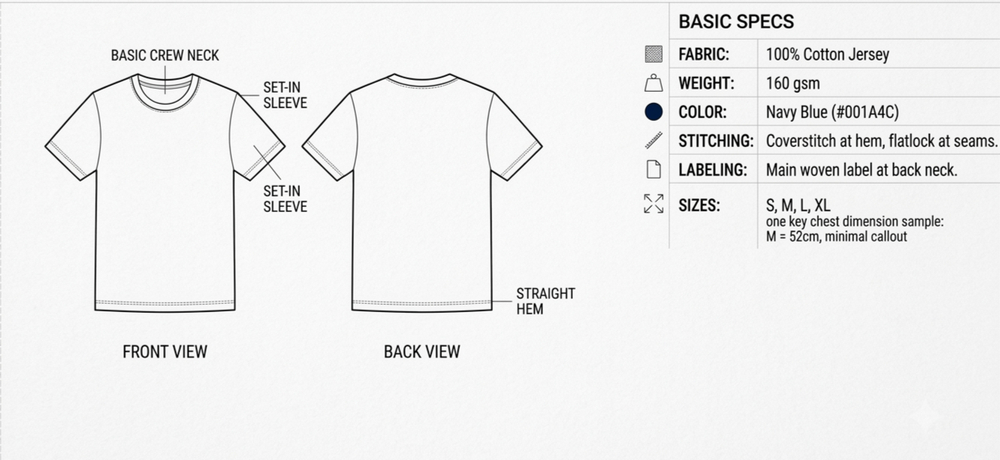
All design decisions are then collected in a tech pack – the technical document a manufacturer relies on to produce a garment accurately and consistently. A complete tech pack usually includes:
- Flat sketches: Front and back technical drawings of the T-shirt.
- Measurement chart: Key measurements and tolerances for every size.
- Fabric and trims: Fiber composition, fabric weight, colors, threads, and ribbing.
- Artwork specifications: Print or embroidery method, size, placement, and color references.
- Construction details: Seam types, stitching, and neckline finishing.
- Labels and packaging: Brand labels, care labels, hangtags, and packing instructions.
A clear tech pack reduces back-and-forth during sampling and becomes the reference point for fabric development, pattern making, and quality control in the stages that follow.
2. Fabric Selection and Development
Once the design direction and tech pack are clear, full-package production moves to the fabric stage, where materials are selected, engineered, and tested before garment manufacturing starts.
2.1. Fabric Selection
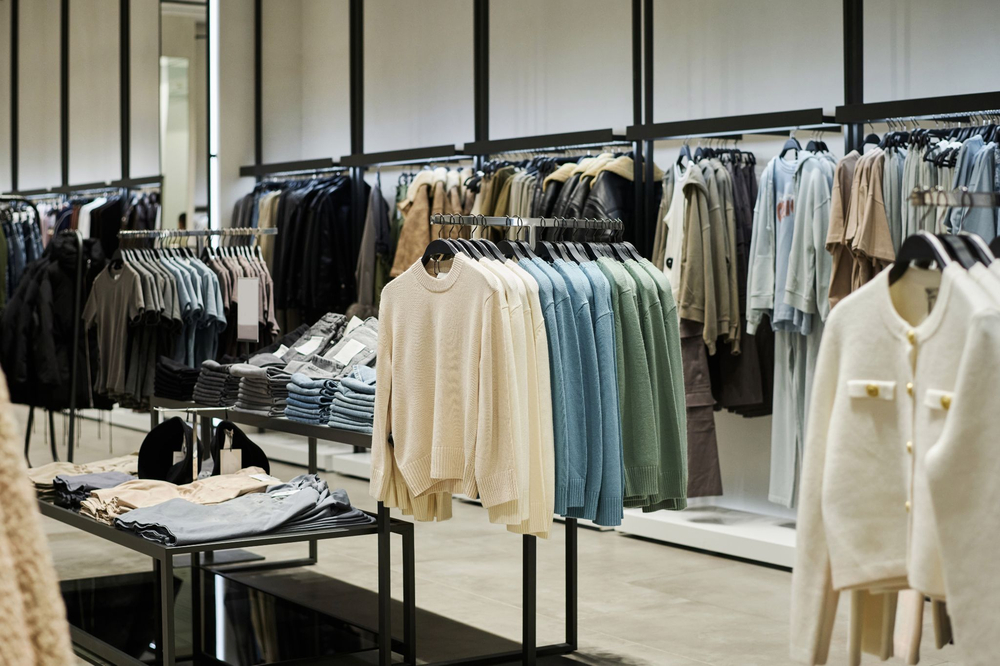
Fabric selection starts with clearly defining the purpose of use for the garment, whether it is for casual wear, sportswear, or premium products. This initial understanding is important because each category requires a different balance of comfort, performance, and aesthetic appeal. For brands developing heavier casualwear pieces like fleece tops, partnering with an experienced hoodie manufacturer can help ensure the right fabric weight and construction are selected from the start.
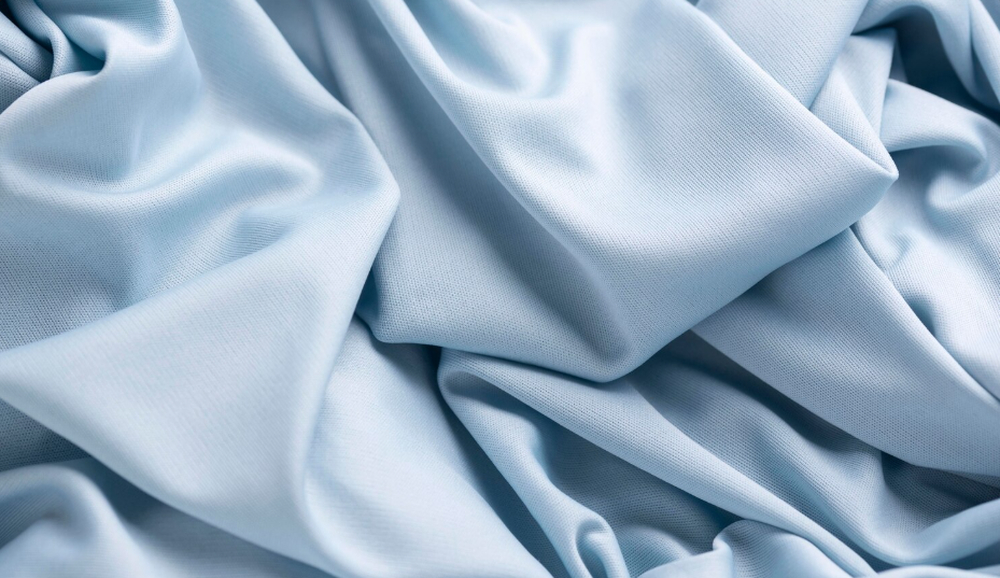
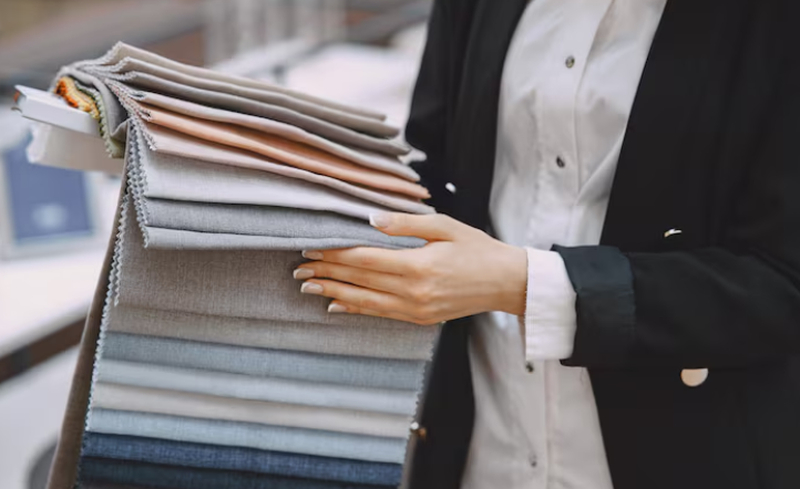
Once the purpose is defined, the next step is selecting the appropriate fiber composition and fabric structure. Common materials include cotton, polyester, or various blends, while fabric constructions such as jersey, interlock, or rib are chosen depending on the desired look and functionality of the final product.
After that, key fabric properties are carefully evaluated to ensure suitability. These include GSM (fabric weight), stretchability, breathability, and handfeel. Together, these factors determine how the fabric performs in terms of comfort, durability, and fit during wear.
In practice, commonly used fabrics include single jersey cotton, known for its softness and breathability in basic T-shirts; cotton-elastane blends, which provide added stretch and better shape retention; polyester or performance blends, often used in sportswear for moisture-wicking properties; and interlock fabrics, which offer a smoother, heavier feel for a more premium finish.
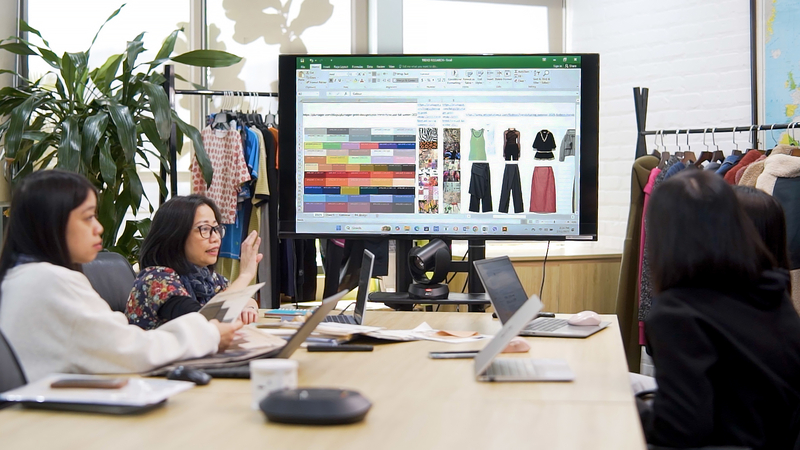
2.2. Fabric Development
At this stage, key adjustments are made in collaboration with fabric mills, including color development, dyeing processes, and finishing treatments. Depending on the product requirements, additional functional properties such as anti-pilling, moisture management, or softness enhancement may also be applied to improve overall fabric performance.
Fabric development is also a process of refinement, where samples are continuously reviewed and adjusted to ensure consistency with the original design intent and technical specification. This collaboration between brand, manufacturer, and mill is essential to achieve the right outcome.
Ultimately, fabric development ensures that the material is not only visually aligned with the design direction but also technically suitable for production and end-use performance.
2.3. Testing & Optimization
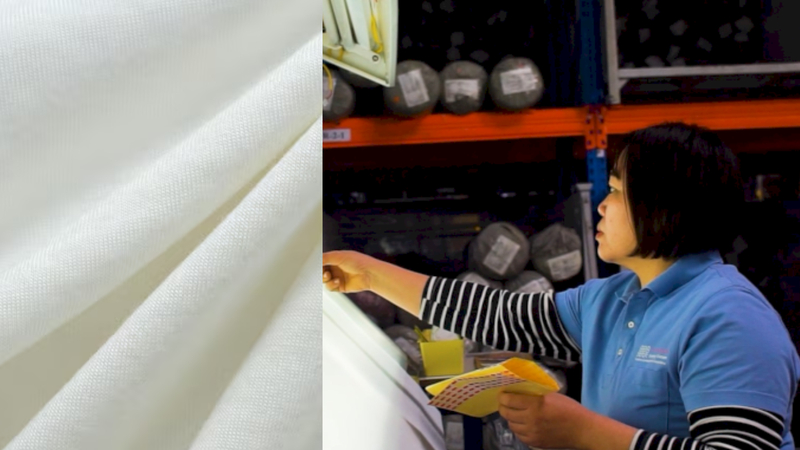
Testing and optimization is the final stage of fabric development, ensuring that the material performs consistently in real production and end-use conditions. At this stage, fabrics are evaluated through key tests such as shrinkage, colorfastness, pilling resistance, and durability to verify stability after washing and wearing.
In addition, the fabric’s sewability and production compatibility are assessed to ensure it can run smoothly on the factory floor without causing issues during cutting, sewing, or finishing. This helps identify potential risks early in the development process.
Based on test results, necessary adjustments are made to improve performance, whether in composition, finishing, or construction. The goal is to achieve a balance between quality, cost efficiency, and production stability, ensuring the fabric is fully ready for bulk manufacturing.
3. Product Development
This stage plays a critical role in bridging the gap between creative design and real manufacturing. It ensures that design concepts are not only visually accurate but also technically feasible for bulk production.
3.1. Pattern Making
Pattern making is the process of transforming the design concept into a precise technical blueprint for garment construction. Based on the tech pack and approved specifications, patterns are developed to define the exact shape, proportions, and structure of each garment component.
At this stage, the pattern maker ensures that all measurements are accurate and aligned with the intended fit, whether it is slim, regular, or oversized. Key areas such as shoulder slope, armhole shape, body balance, and neckline are carefully constructed to ensure both comfort and aesthetic consistency.
For T-shirts, pattern making also focuses on maintaining fit stability and production efficiency, ensuring that the garment can be scaled up without distortion across sizes. Small adjustments are often made to improve wearability and reduce fabric waste during cutting.
The final outcome is a complete set of production-ready patterns that serve as the foundation for cutting, sewing, and bulk manufacturing.
3.2. Sample Development
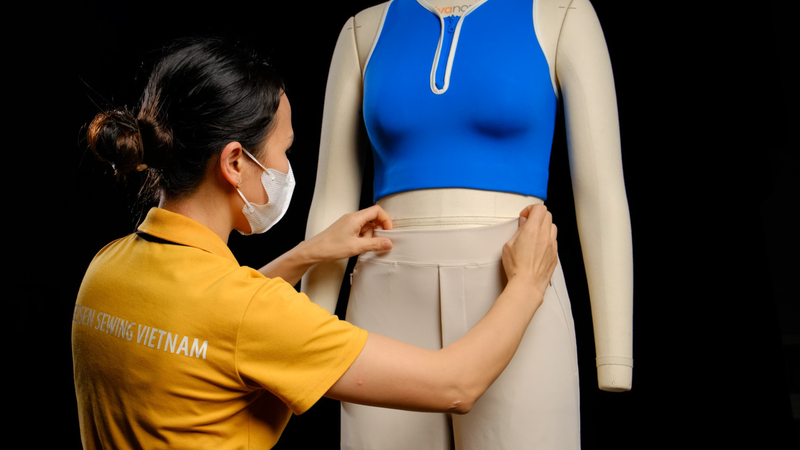
Sample development is the stage where the pattern and technical specifications are transformed into a physical garment for the first time. This step brings the design to life, allowing all details such as fit, construction, and fabric behavior to be visually and physically evaluated.
At this stage, experienced sample makers follow the approved patterns and tech pack to construct the garment as accurately as possible. Any challenges in sewing, assembly, or material handling are identified and recorded during the process.
For T-shirts manufacturing, sample development focuses heavily on fit accuracy, neckline shape, shoulder balance, and seam quality, as these elements directly impact comfort and overall appearance. It is also an important opportunity to detect potential issues early, such as fabric shrinkage, distortion, or construction inefficiencies.
The final sample is then reviewed and refined in collaboration with the technical team and the brand, ensuring it meets both design expectations and production feasibility before moving to bulk manufacturing.
4. Bulk Production & Assembly Operations
This is where raw materials are transformed into finished T-shirts through structured cut and sew manufacturing processes.
4.1 Fabric Spreading & Precision Cutting
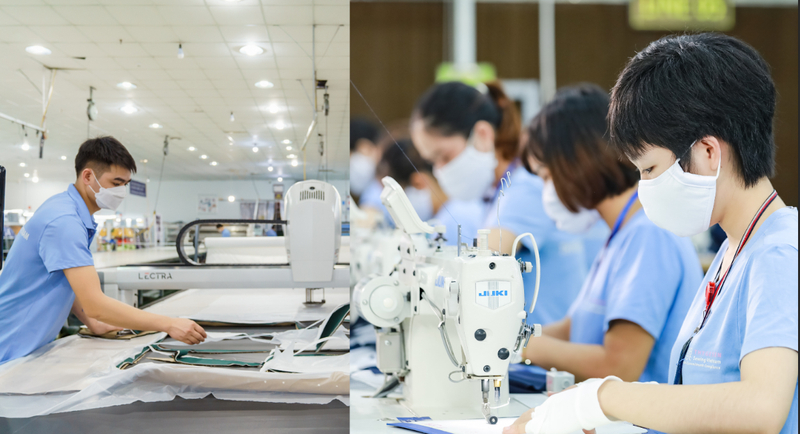
Fabric spreading and cutting is the first critical step in bulk production, where fabric is prepared for mass garment assembly. At this stage, fabric is carefully laid out in multiple layers with controlled tension to ensure smooth, even alignment throughout the marker length.
Once spreading is completed, precision cutting is performed based on optimized marker plans to maximize fabric utilization and reduce waste. Advanced cutting tools and techniques are applied to ensure high accuracy and consistency across all layers.
This stage is essential to maintain size accuracy, symmetry, and production efficiency, as even small deviations in cutting can affect fit consistency and overall garment quality in bulk production.
4.2 Garment Assembly & Line Production
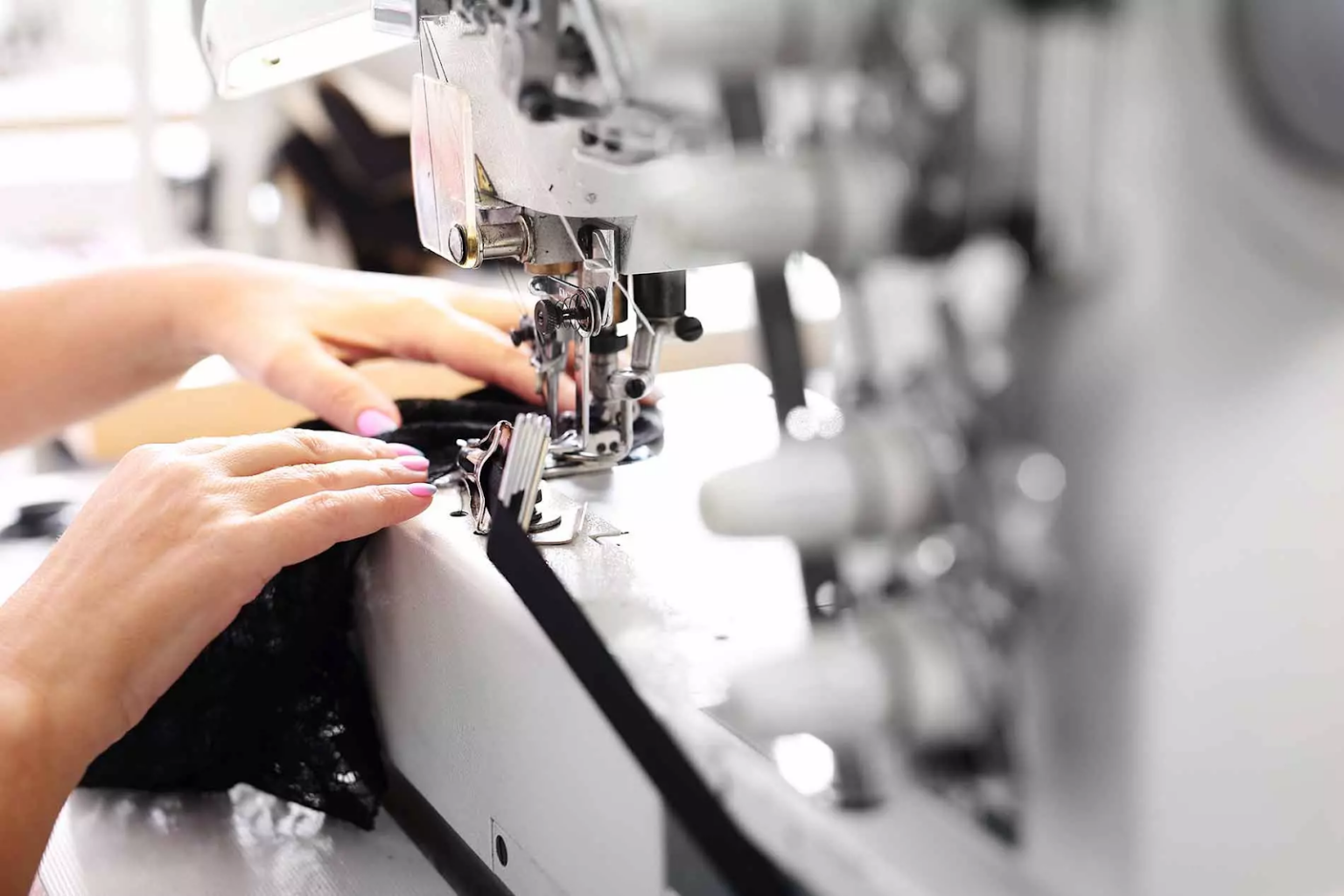
Garment assembly and line production is the stage where all cut components are gradually transformed into a finished product through a structured sewing process. Each operation is divided into specialized steps within a production line to ensure efficiency, consistency, and controlled workflow.
At this stage, components such as body panels, sleeves, collars, and trims are systematically assembled using different sewing techniques and machines. The workflow is carefully balanced across operators to minimize bottlenecks and maintain steady production output.
Attention is placed on seam quality, construction accuracy, and operational efficiency, as these directly impact both durability and final appearance. Continuous in-line checks are also carried out to detect and correct issues early, reducing defects before final assembly.
4.3 Integrated Decoration & Branding
Integrated decoration and branding is the stage where visual identity elements are applied to the garment during or after the assembly process. This includes techniques such as screen printing, digital printing, embroidery, heat transfer, and label application.
Commonly used decoration methods each suit different designs and fabrics:
- Screen printing: Well suited to bold graphics with a limited number of solid colors and to larger production runs, giving a vivid and durable print.
- Direct-to-garment (DTG) printing: Prints detailed, multi-color artwork directly onto the garment and tends to perform well on cotton-rich fabrics.
- Heat transfer: Applies pre-printed designs with heat and pressure, useful for names, numbers, and small or varied graphics.
- Dye sublimation: Bonds dye into polyester-rich fabrics for full-color or all-over designs, often used in sportswear.
- Embroidery: Stitches the logo directly into the fabric for a textured, premium look, often used for chest logos.
These processes are carefully integrated into the production workflow to ensure consistency in placement, color accuracy, and durability. Each method is selected based on design requirements, fabric type, and performance expectations, which is why the print method is ideally agreed on during the design and tech pack stage.
Special attention is given to registration accuracy, print durability, and brand consistency, as even minor deviations can affect the overall product presentation and perceived quality. Proper coordination between production and decoration processes helps maintain efficiency while ensuring a high-quality branded finish.
5. Finishing, Inspection & Compliance
This final stage ensures that every garment meets the required standards before being packed and shipped. It begins with finishing operations such as trimming loose threads, cleaning the garment, and pressing or steaming to stabilize the final shape and ensure a neat appearance.
5.1 Garment Washing & Finishing
Depending on the desired look and handfeel, some T-shirts go through a garment wash after sewing. Processes such as softener washes, enzyme washes, or pigment dyeing can create a softer touch or a lived-in, vintage appearance, and washing also helps stabilize the garment against later shrinkage.
Washing recipes are tested on samples first, because they can affect color, size, and print durability. Once approved, the same recipe is applied across the bulk order to keep every piece consistent.
5.2 Quality Control & Technical Inspection
Quality control and technical inspection is the stage where each garment is carefully checked to ensure it meets all required technical and quality standards. This process focuses on identifying any defects in stitching, fabric, measurements, printing, or overall construction before the product moves forward.
At this stage, garments are evaluated against approved specifications and tolerances, including size accuracy, seam strength, and visual appearance. Any deviations from the standard are recorded and categorized for correction or rejection depending on severity.
The purpose of this step is to ensure consistency, accuracy, and production reliability, minimizing defects and guaranteeing that every product aligns with the approved sample and technical requirements before finishing and packing.
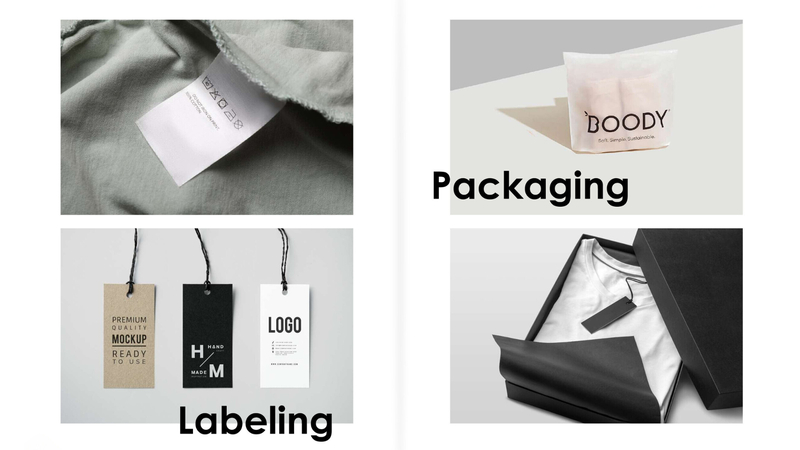
5.3 Folding, Labeling & Packaging
Folding, labeling, and packaging is the stage where finished garments are prepared for retail or shipment presentation. At this step, each product is carefully folded according to standardized methods to ensure consistency in appearance, reduce volume, and optimize packing efficiency.
Labeling is then applied, including size labels, care labels, brand tags, and any required barcode or tracking information. This ensures the product is fully identifiable and compliant with customer and market requirements.
Finally, garments are packed according to specified instructions, including polybagging, carton packing, and layout optimization. The goal of this stage is to ensure products are not only protected during transportation but also presented in a consistent, professional, and brand-aligned way.
5.4 Export Coordination & Logistics
Export coordination and logistics is the final stage where finished goods are prepared and shipped from the factory to the customer’s warehouse. At this step, all shipment documents such as packing lists, invoices, and export papers are carefully checked to ensure accuracy and compliance with delivery requirements.
Depending on urgency and cost considerations, shipments can be arranged either by sea freight or air freight. Sea freight is typically used for larger volumes and cost efficiency, while air freight is chosen for faster delivery when timing is critical.
The logistics team manages transportation planning, booking, and coordination to ensure smooth loading and dispatch. This stage ensures that products are delivered safely, on time, and in the correct condition to the customer’s warehouse.
FAQs About How T-Shirts Are Made
What are the main steps in making a T-shirt?
The main steps are design and tech pack development, fabric selection and development, pattern making and sampling, cutting and sewing, decoration, washing and finishing, quality control, and finally packing and shipping. Together, these stages explain how T-shirts are made, from an idea to a finished product ready for sale.
What is a tech pack and why does it matter?
A tech pack is the technical document that describes a garment in detail, including measurements, fabrics, artwork placement, construction, and labeling. It gives the manufacturer one clear reference, which reduces errors and revisions during sampling and bulk production.
What should brands know about how to design T-shirts for bulk production?
Designs should be planned with the fabric, print method, and size range in mind. Supplying vector or high-resolution files, clear placement measurements, and color references in the tech pack helps the factory reproduce the T-shirt design consistently across every piece.
Which fabrics are commonly used for T-shirts?
Single jersey cotton is widely used for everyday T-shirts because it is soft and breathable. Cotton-elastane blends add stretch, polyester and performance blends suit sportswear, and interlock gives a smoother, heavier feel. The right choice depends on the product’s purpose and target customer.
How long does T-shirt production take?
Lead time varies from project to project. It depends on factors such as whether fabric needs to be developed or can be sourced from stock, the number of sampling rounds, order quantity, decoration methods, garment washing, and the chosen shipping method. Discussing these factors with the manufacturer early makes it easier to plan a realistic timeline.
Thygesen Textile Vietnam – Your Trusted Partner in T-Shirt Manufacturing
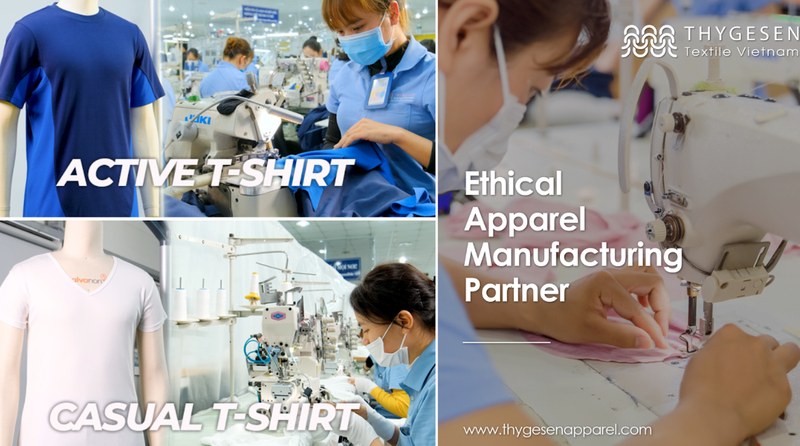
Thygesen is a trusted Vietnam T-shirt manufacturer, delivering high-quality and sustainable apparel solutions for global brands. With a strong focus on reliability, efficiency, and long-term partnership, we help brands transform ideas into production-ready garments with precision and consistency.
We produce a wide range of T-shirt styles, from casualwear to activewear, fully tailored to each brand’s vision. Whether it is custom printing, embroidery, fabric development, or detailed design requirements, Thygesen provides flexible full-package OEM/ODM solutions to bring every concept to life. Brands developing performance-focused collections can also explore a curated list of athletic clothing manufacturers for more sourcing options.
With over 90 years of textile expertise, we have built strong partnerships with leading global brands such as Tommy Hilfiger, Calvin Klein, DKNY, Fjällräven, Girlfriend Collective, Ninepine, and Boody. This deep experience allows us to combine technical knowledge with production efficiency to meet international quality standards.
Our experience spans different product groups. In activewear, we have worked with brands such as Girlfriend Collective, Ninepine, and Descente, while in basics and casualwear, our partners include Boody, Calvin Klein, and Tommy Hilfiger. This range helps us advise brands on design, fabric, and decoration choices that fit each product category.
Committed to quality and sustainability, our production is carried out in SA8000 & WRAP-certified factories, complying with global standards including ISO 9001:2015, GRS, GOTS, OEKO-TEX STANDARD 100, FSC, and OCS. From design consultation and material sourcing to sampling and bulk production, Thygesen provides a complete end-to-end manufacturing solution.
In conclusion, how T-shirts are made comes down to a step-by-step process that combines design and tech pack development, fabric selection, technical development, production, and quality control to create a consistent and market-ready product. Each stage plays an important role in ensuring both performance and quality. If you are looking for a trusted T-shirt manufacturing partner, Thygesen is ready to support you from design and development to bulk production. Please feel free to contact us at sale@thygesen.com.vn or visit thygesenapparel.com for more information.