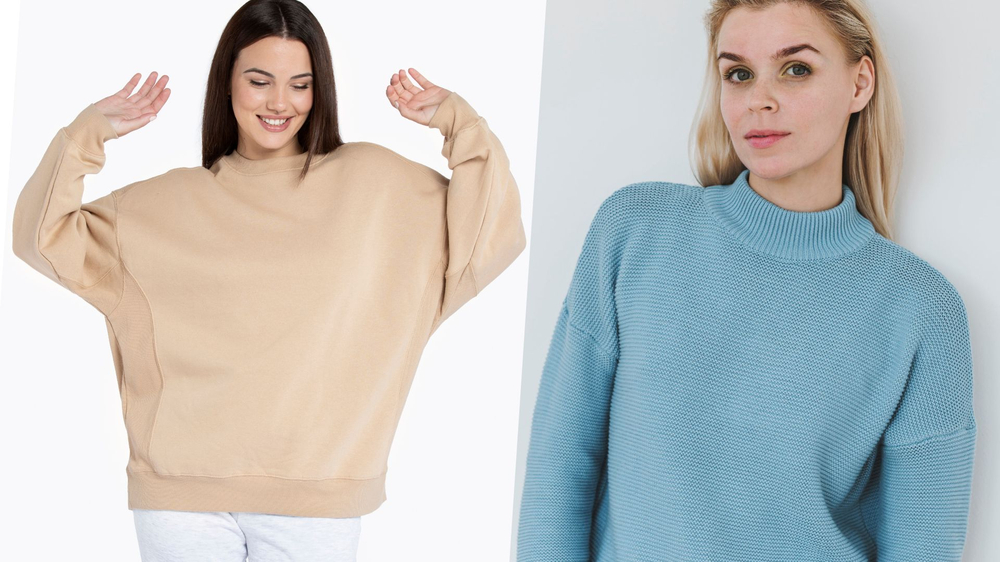
Choosing between a sweater and a sweatshirt depends on your style, comfort, and intended use
1. What Is a Sweater?

A sweater is a knitted garment designed to provide warmth and comfort, typically featuring long sleeves and made from materials such as wool, cotton, or synthetic fibers
2. What Is a Sweatshirt?
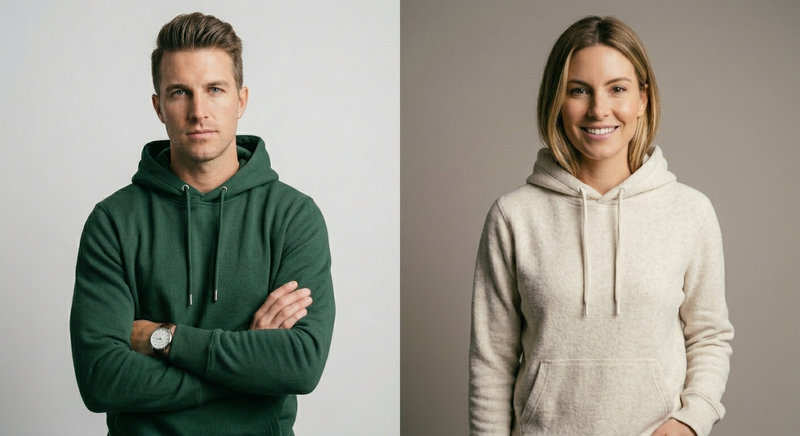
Sweatshirts are sometimes confused with hoodies, but the main difference is the hood. A sweatshirt typically has no hood, while a hoodie features an attached hood and often includes a kangaroo pocket or drawstrings. Both garments offer comfort and warmth, making them popular choices for everyday wear and layering.

A sweatshirt is a casual long-sleeved top typically made from cotton or cotton-blend fabric, often featuring a soft fleece or French terry interior for added warmth and comfort
4. Sweater vs. Sweatshirt: Key Differences Explained
| Feature | Sweater | Sweatshirt |
Definition | A garment typically made by knitting yarn into a fabric or garment shape. | A casual top typically cut and sewn from knitted fabric. |
Fabric and Materials | Commonly made from wool, cotton, cashmere, acrylic, or blended yarns. | Often made from cotton, polyester, or cotton-polyester blends. |
Construction | Made using knitting techniques that create the garment’s structure and texture. | Usually constructed from fabric panels sewn together, often using fleece or French terry. |
Texture and Appearance | Available in smooth, ribbed, cable-knit, and other textured patterns. | Usually has a smooth outer surface, with a loopback or brushed fleece interior in many styles. |
Warmth and Comfort | Warmth varies depending on the yarn, knit density, and garment thickness. | Often designed for everyday comfort and warmth, especially in fleece-lined versions. |
Common Necklines | Crew neck, V-neck, turtleneck, and boat neck. | Primarily crew neck, with some variations featuring mock necks or quarter zips. |
Hood and Pockets | Usually has no hood, though cardigan styles may include pockets. | Typically has no hood or front pocket; versions with an attached hood are called hoodies. |
Fit and Silhouette | Available in fitted, regular, oversized, and cropped styles. | Commonly features a relaxed or oversized fit, though fitted styles are also available. |
Typical Applications | Casualwear, office wear, smart-casual outfits, and cold-weather collections. | Casualwear, sportswear, loungewear, and streetwear. |
Design and Customization | Differentiated through yarn selection, knit patterns, stitch details, and garment shape. | Often customized through fabric weight, garment dyeing, screen printing, embroidery, and graphic designs. |
5. Occasions and Formality: When to Wear Each
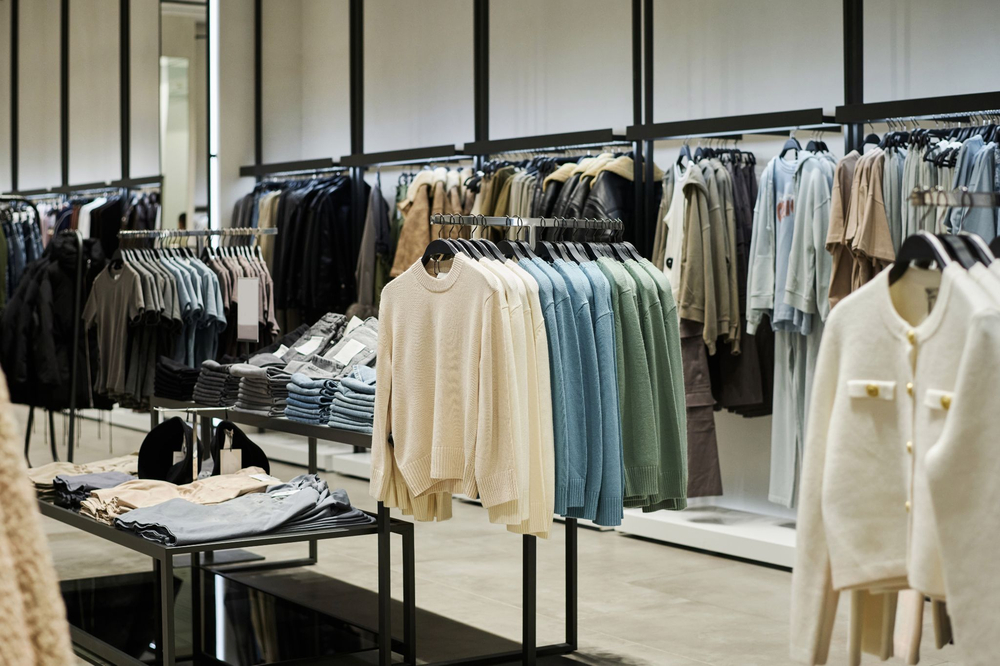
Knowing what is the difference between a sweater and a sweatshirt in terms of dress codes helps consumers and stylists build appropriate outfits for any setting. Sweaters naturally lean toward semi-formal and business-casual environments due to their neat tailoring and refined knitted surfaces. A fine-gauge V-neck or crew-neck sweater worn over a crisp collared dress shirt, paired with tailored trousers or a pencil skirt, creates a clean, office-ready look that transitions smoothly into evening dinners. Buttoned cardigans also serve as versatile alternatives to structured blazers in modern workplaces.
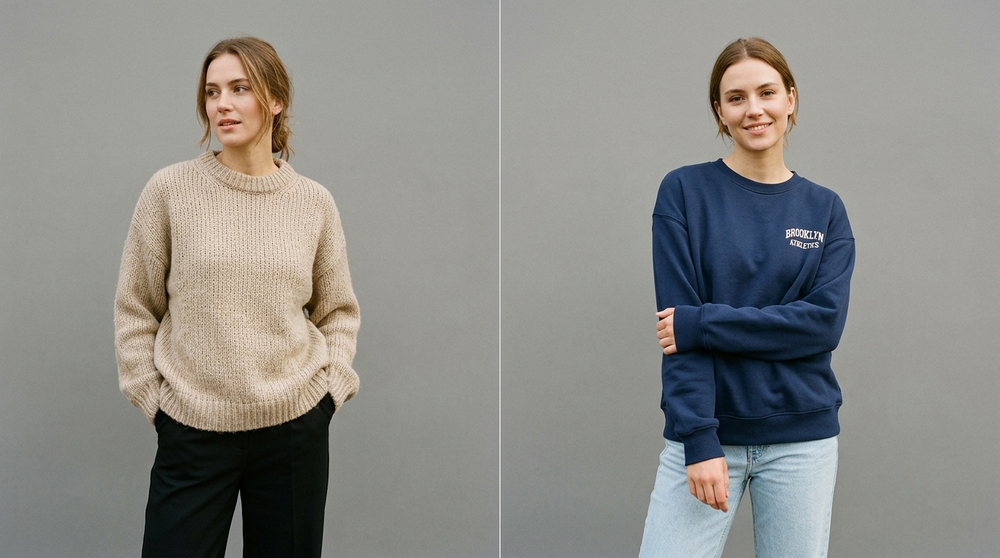
Sweaters suit business-casual and semi-formal settings, while sweatshirts are better suited for casualwear, sportswear, and everyday comfort
6. Care, Durability, and Price
In terms of retail pricing, sweatshirts often cost less due to streamlined cut-and-sew manufacturing, while sweaters carry higher price tags driven by expensive raw fibers like merino wool and complex flat-knitting machinery.
7. Common Styles and Types
7.1. Common Types of Sweaters
- Crew Neck Sweater: Features a round neckline and a classic silhouette, making it suitable for casual and smart-casual collections.
- V-Neck Sweater: Has a V-shaped neckline that works well for layering over shirts or wearing on its own.
- Turtleneck Sweater: Features a high neckline that covers the neck, offering additional warmth in colder weather.
- Cardigan: An open-front sweater, usually with buttons or a zipper, designed for easy layering.
- Cable-Knit Sweater: Uses raised, rope-like knit patterns to add texture and visual interest.
- Oversized Sweater: Features a relaxed, roomy silhouette popular in casualwear and contemporary fashion.
- Cropped Sweater: Has a shorter body length, often used in trend-driven and youthful collections.
7.2. Common Types of Sweatshirts
- Crewneck Sweatshirt: Features a round neckline without a hood, making it a versatile option for casualwear and sportswear.
- Oversized Sweatshirt: Offers a loose fit for a relaxed look, commonly found in streetwear and lifestyle collections.
- Cropped Sweatshirt: Has a shortened body length, often paired with high-waisted bottoms.
- Quarter-Zip Sweatshirt: Includes a short zipper at the neckline, allowing adjustable coverage and a sporty appearance.
- Half-Zip Sweatshirt: Features a longer zipper opening extending farther down the chest, making it easy to layer.
- Graphic Sweatshirt: Uses printed artwork, logos, or typography to create distinctive designs.
- Fleece Sweatshirt: Features a brushed inner surface for added softness and warmth, making it suitable for cooler weather.
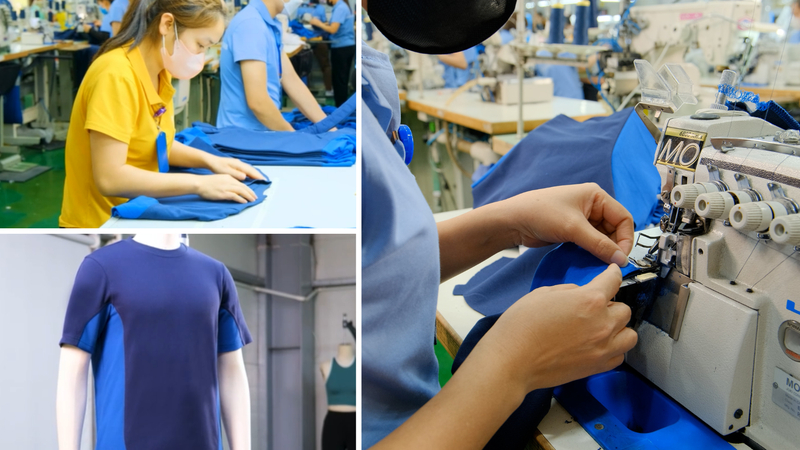
Thygesen Textile Vietnam provides OEM/ODM manufacturing solutions for custom sweatshirts and sweater, offering flexible design customization, a wide range of fabric options, and support from material sourcing and sample development to bulk production and shipping. Brands can customize styles, fits, colors, prints, embroidery, labels, and packaging to match their product requirements. With a strong focus on quality control, responsible manufacturing, and certified production practices, Thygesen supports fashion brands in developing products that meet their quality and sustainability standards. Visit thygesenapparel.com or email sale@thygesen.com.vn to start a journey together. |