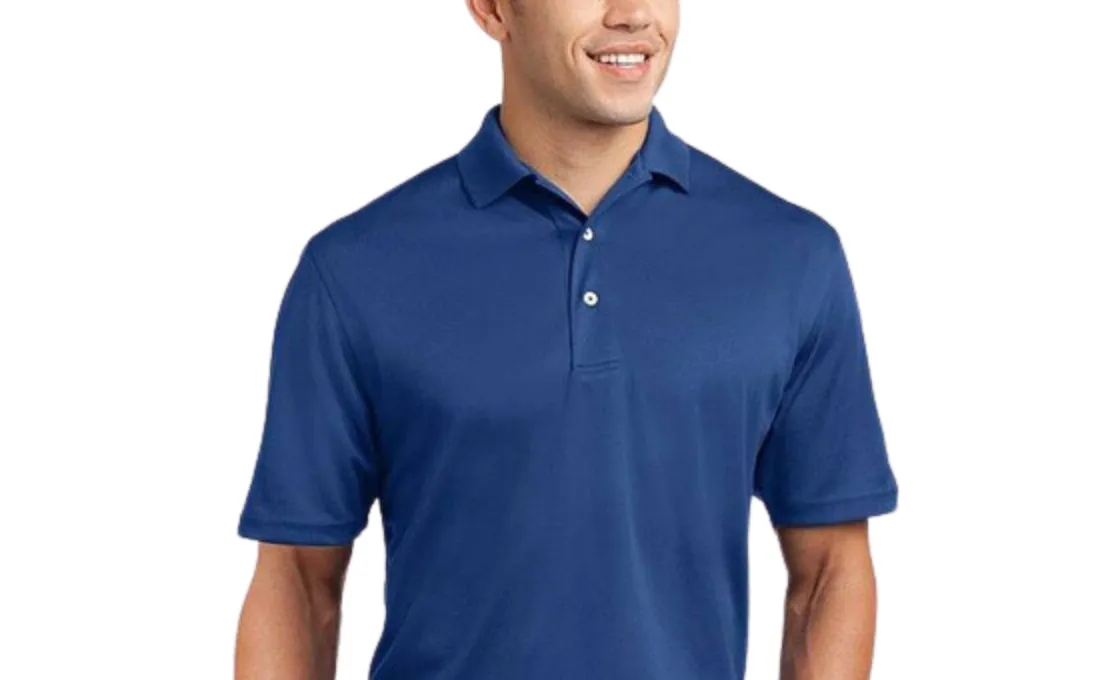
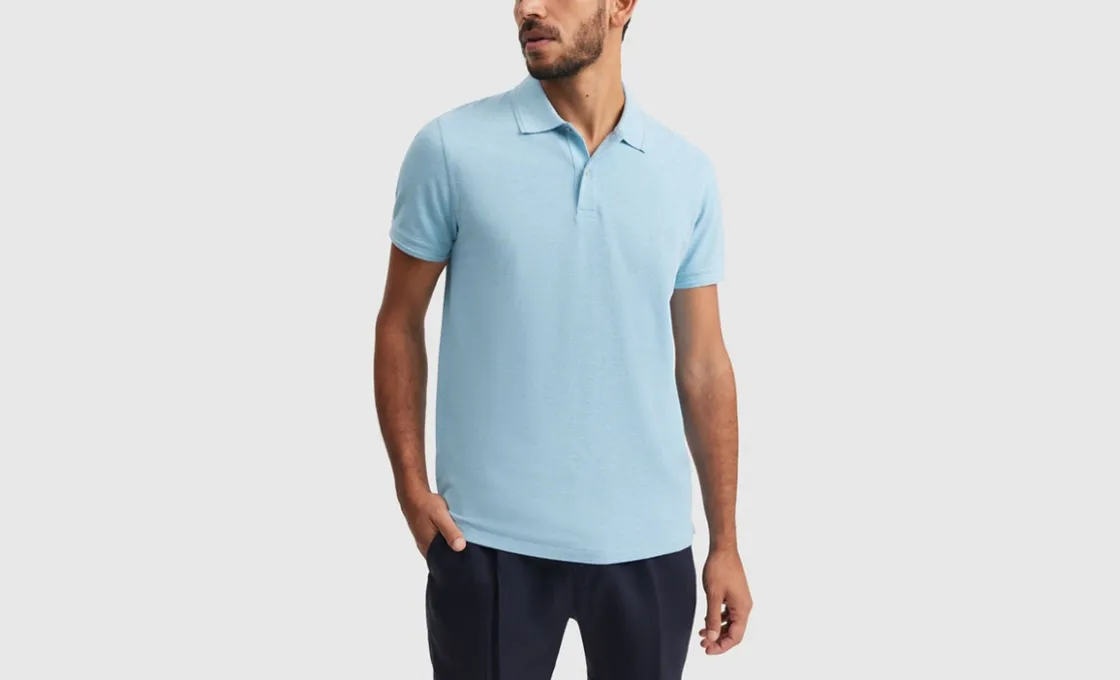
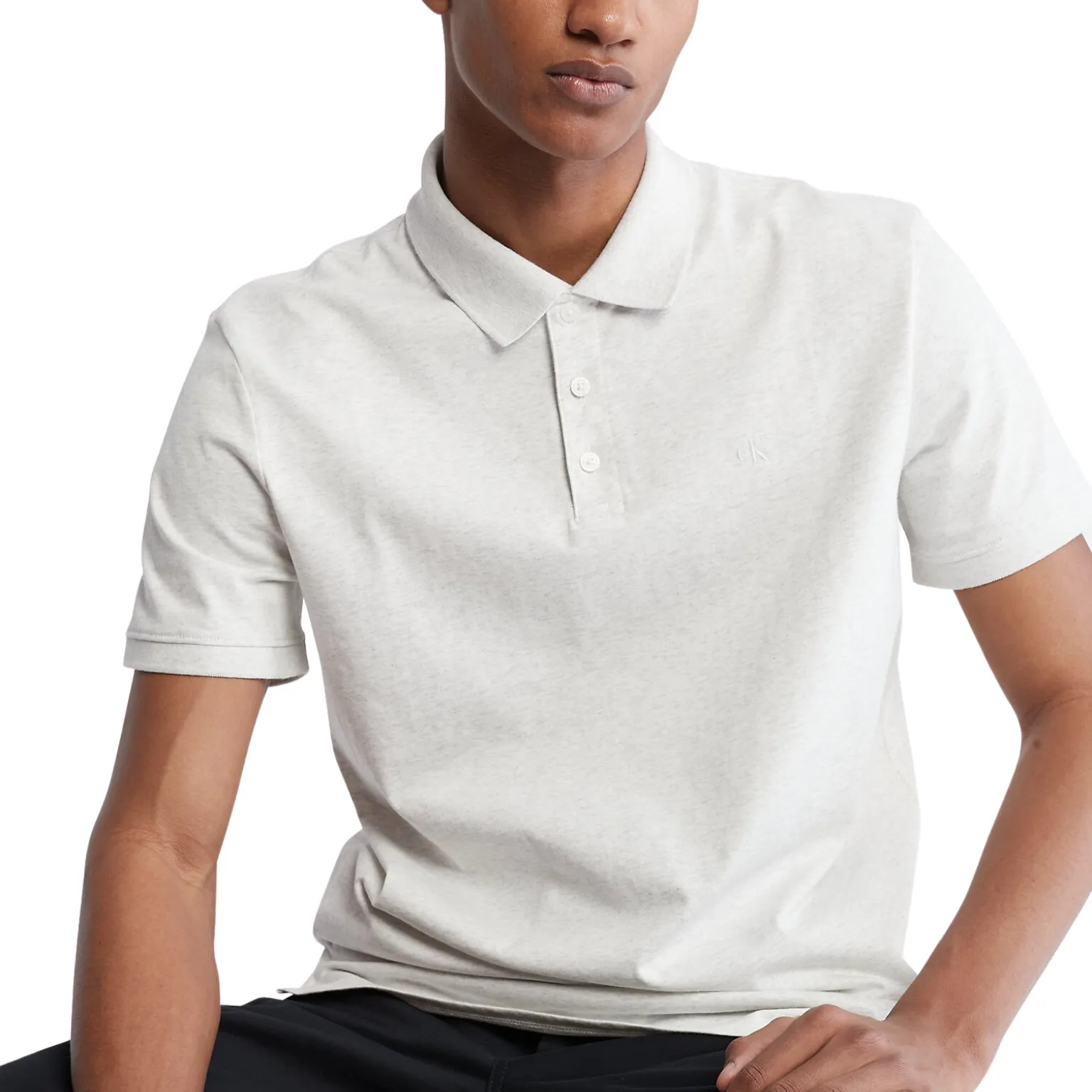
Polyamide fabric is a widely used synthetic material in modern apparel, known for its strength, smooth texture, and high performance. In this article, we explore “What is Polyamide Fabric”, how it is made, its key benefits, and important considerations for brands when using polyamide in garment manufacturing.
1. What Is Polyamide Fabric?
Polyamide fabric is a synthetic textile made from polyamide fibers, a family of polymers that includes nylon. In fact, nylon is the most widely recognized and commonly used form of polyamide in the apparel industry. This material is highly valued for its lightweight structure, smooth surface, and excellent durability, making it suitable for a wide range of performance and close-to-skin garments.
Because of its strong resistance to wear and tear, polyamide is often chosen for products that require long-lasting quality and comfort, such as activewear, sportswear, and underwear. To further improve functionality, it is frequently blended with elastane (spandex), which enhances stretch and recovery, allowing garments to move more comfortably with the body.
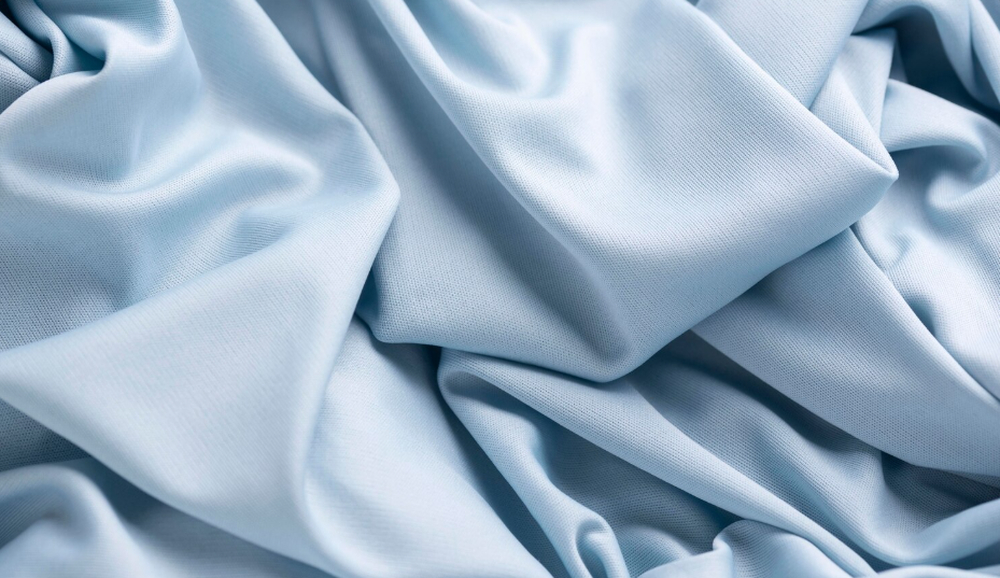
Depending on the yarn type and fabric construction, polyamide can offer different hand-feels, from silky and soft to slightly compressive, making it a highly versatile material across various fashion categories.
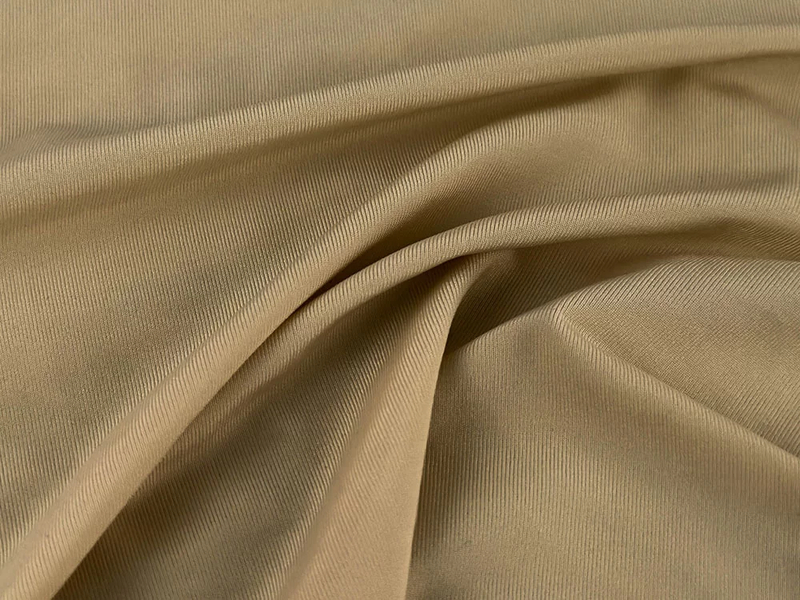
2. Types of Polyamide Fabric
Polyamide fabric is not a single material but includes several variations depending on fiber structure, yarn processing, and intended use.
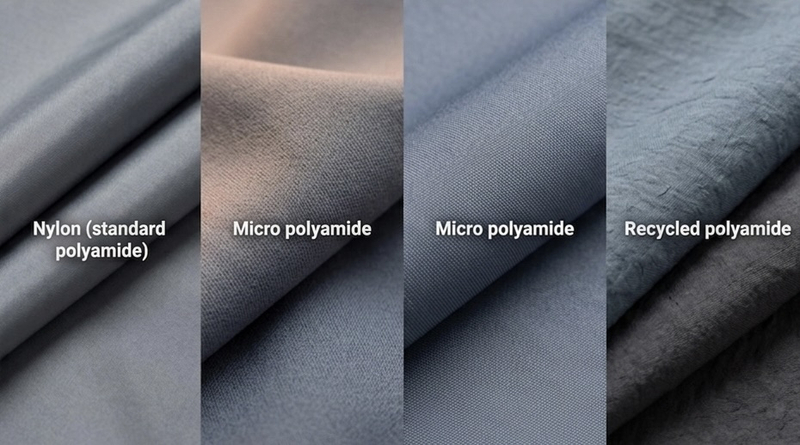
- Nylon (standard polyamide): This is the most common and widely used type of polyamide in the textile industry. It is known for its high strength, smooth surface, and excellent durability. Because of these properties, it is often used in activewear, underwear, and outerwear.
- Micro polyamide: Micro polyamide is made from much finer filaments compared to standard nylon. This gives the fabric an exceptionally soft, lightweight, and more premium hand-feel. It is commonly used in lingerie, seamless garments, and close-to-skin products.
- Textured polyamide: Textured polyamide is created using air-textured or crimped yarns to alter the fiber structure. This results in a softer, more matte, and cotton-like appearance while still maintaining the strength of polyamide. It is often used in casualwear and comfortable everyday apparel.
- Recycled polyamide: Recycled polyamide is produced from pre- or post-consumer waste materials, such as discarded fishing nets or textile scraps. It helps reduce environmental impact while maintaining similar performance to virgin polyamide. This type is increasingly popular in sustainable and eco-conscious fashion collections
3. Difference Between Polyamide, Polyester & Elastane
Although often used together, polyamide, polyester, and elastane serve different roles in garment construction.
| Criteria | Polyamide (Nylon) | Polyester | Elastane (spandex) |
| Fiber type | Synthetic polymer (polyamide) | Synthetic polymer (PET-based) | Synthetic elastomer (polyurethane) |
| Main function | Balance of strength, comfort, and performance | Durability, moisture resistance, cost efficiency | Provide high stretch and shape recovery |
| Texture | Smooth, cool-to-the-touch, and often silkier than polyester. | Slightly crisp, can feel dry or coarse | Very smooth, rubber-like |
| Breathability | Moderate to good | Low to moderate | Low (used in blends) |
| Stretch | Low to moderate (often blended for stretch) | Low | Very high (up to 500–700% elasticity) |
| Durability | High resistance to abrasion | Very high, resistant to shrinking and wrinkles | Moderate (depends on blend and use) |
| Use case | Activewear, underwear, swimwear, performance apparel | Sportswear, outerwear, uniforms, fast fashion | Activewear, leggings, underwear, fitted garments (always blended) |
For brands developing leggings using polyamide-elastane or polyester-elastane blends, exploring a curated list of experienced legging manufacturers specializing in private-label production ensures access to the right fit engineering, fabric sourcing expertise, and scalable manufacturing capabilities for performance-driven collections.
4. How Polyamide Fabric Is Made
Polyamide fabric is produced through a chemical process that transforms petroleum-based raw materials into long, continuous fibers. These fibers are then spun into yarns and woven or knitted into fabric, depending on the desired end use. The production process allows manufacturers to control texture, strength, and elasticity, making polyamide highly versatile for different apparel applications.
- Polymer synthesis: Polyamide is formed through chemical reactions that create long-chain polymers with strong and stable molecular bonds. This process determines the core strength and performance properties of the material. It lays the foundation for durability and flexibility in the final fabric.
- Melting and extrusion: The polymer chips are melted under controlled heat to create a viscous liquid. This molten material is then pushed through spinnerets to form continuous fine filaments. The process defines the initial shape and thickness of the fibers.
- Cooling and solidifying: Once extruded, the filaments are rapidly cooled to harden and stabilize their structure. This step helps lock in the fiber shape and ensures consistency. It also prepares the fibers for further mechanical processing.
- Drawing and stretching: The cooled fibers are stretched to align their molecular chains. This alignment significantly improves tensile strength and elasticity. It is a key step in enhancing performance properties.
- Texturizing and spinning: The fibers are mechanically or thermally treated to create either smooth or textured yarns. This gives the fabric different hand-feels and visual effects. The yarns are then spun into usable forms for fabric production.
- Knitting or weaving: Finally, the yarns are transformed into fabric through knitting or weaving processes. Knitting is more common for stretch-focused pieces like activewear. Weaving is used when a more structured and stable fabric is required.
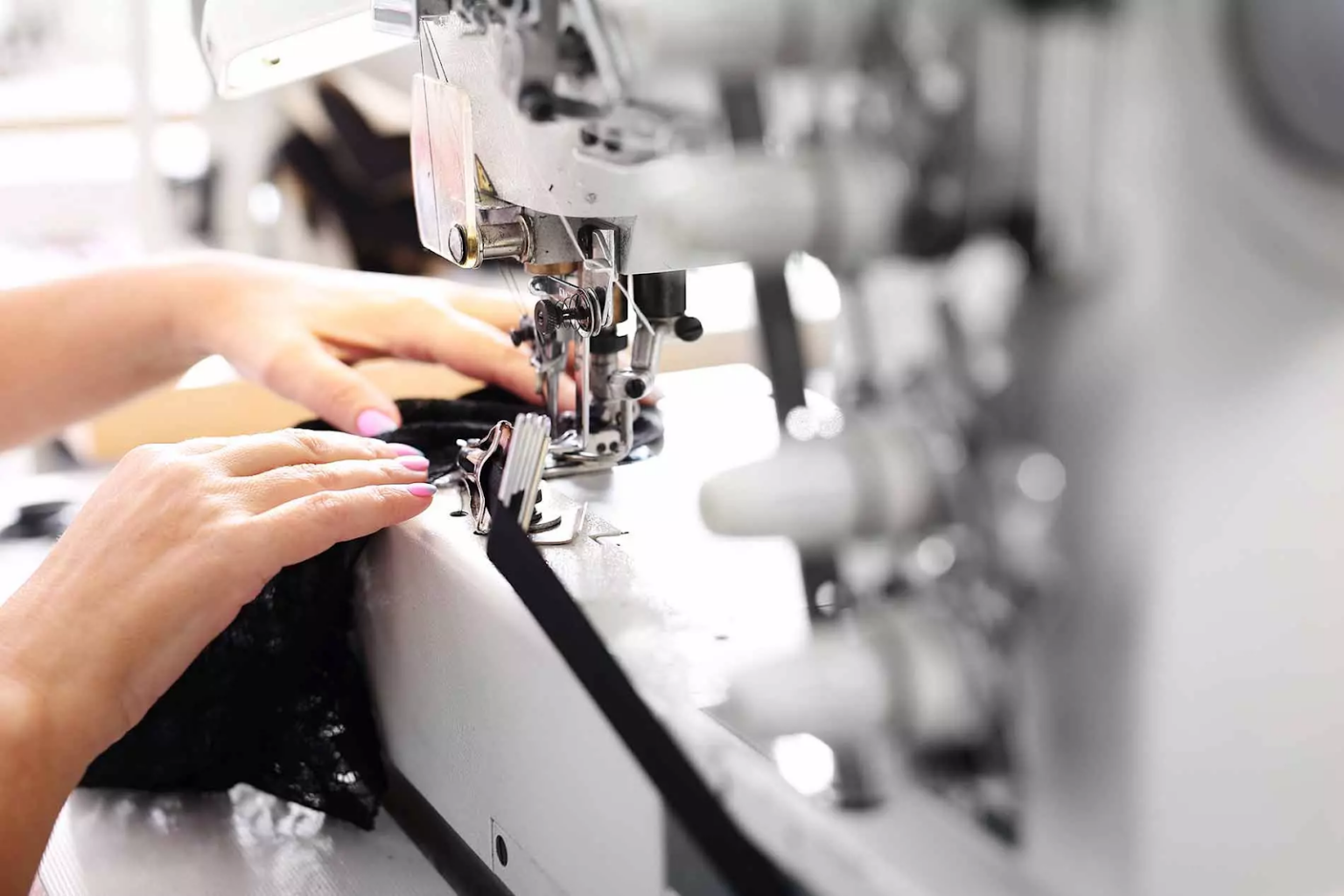
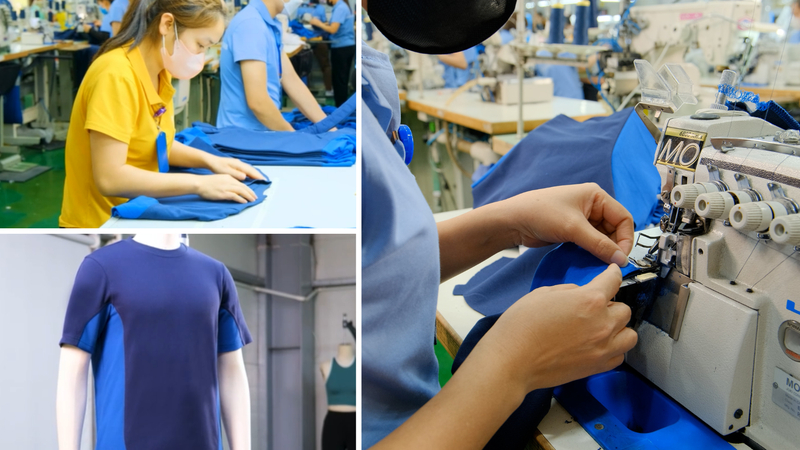
Once the fabric is ready, garments are brought to life through cut and sew manufacturing – a production method where polyamide fabric panels are precisely cut to pattern and assembled through specialized stitching operations, ensuring the right fit, seam integrity, and construction quality for performance apparel. Brands can explore a curated list of cut and sew manufacturers experienced in polyamide and stretch fabric production to find the right partner for their collections.
5. Key Benefits of Polyamide Fabric
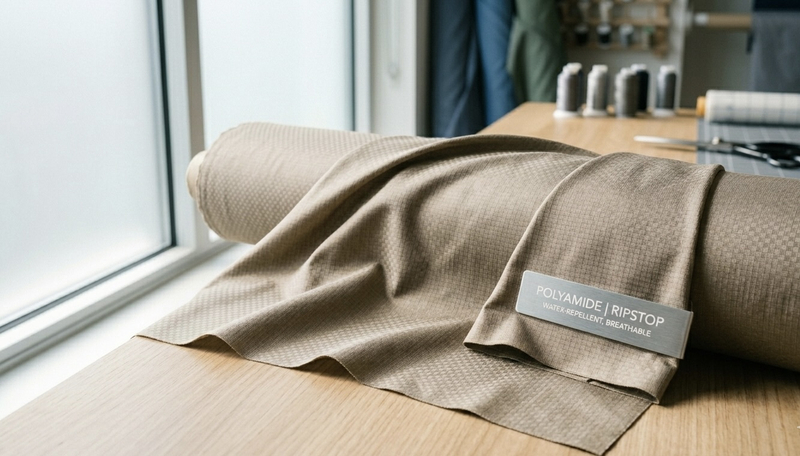
Polyamide fabric offers a strong combination of performance, comfort, and versatility, making it a preferred choice for many apparel categories. Its lightweight structure, durability, and smooth hand-feel allow it to meet the demands of both everyday wear and high-performance garments. Below are the key benefits that make polyamide a valuable material for fashion brands.
- High durability and abrasion resistance: Polyamide is highly resistant to wear and tear, making it one of the most durable synthetic fabrics available. It performs well in textile products that undergo frequent movement, stretching, or friction. This makes it ideal for activewear and performance-focused clothing.
- Lightweight and comfortable: Despite its strong structure, polyamide remains very lightweight and easy to wear. It does not feel heavy on the body, even in layered or fitted garments. This enhances overall comfort for daily and sports use.
- Smooth and soft hand-feel: Fine polyamide fibers create a smooth, silky surface that feels gentle against the skin. This premium hand-feel makes it especially suitable for lingerie, underwear, and activewear. It helps elevate the perceived quality of silhouettes.
- Excellent stretch compatibility: When blended with elastane, polyamide offers excellent flexibility and movement. The fabric adapts well to body motion while maintaining shape recovery. This is essential for fitted and performance pieces.
- Fast-drying properties: Polyamide absorbs very little moisture, allowing it to dry quickly after washing or sweating. This helps keep garments lightweight and comfortable during activity. It is especially useful in sports and travel wear.
- Good color retention: The fiber structure holds dye effectively, resulting in vibrant and long-lasting colors. Garments maintain their appearance even after repeated washing. This makes polyamide suitable for both fashion and functional apparel.
6. Key Considerations When Producing Polyamide Garments
While polyamide fabric offers many performance and comfort advantages, brands should also carefully evaluate key factors during product development and manufacturing. Understanding these considerations helps ensure the right fabric selection, better garment performance, and more sustainable production outcomes.
- Heat sensitivity: Polyamide can be sensitive to high temperatures, which means production processes like ironing, dyeing, and finishing must be carefully controlled. Excessive heat may damage the fiber structure or affect fabric quality. Proper temperature management is essential to maintain performance and appearance.
- Static buildup: Polyamide fabrics can generate static electricity, especially in dry environments. This may cause slight discomfort or fabric clinging during wear. Anti-static finishes or blending with other fibers can help reduce this issue.
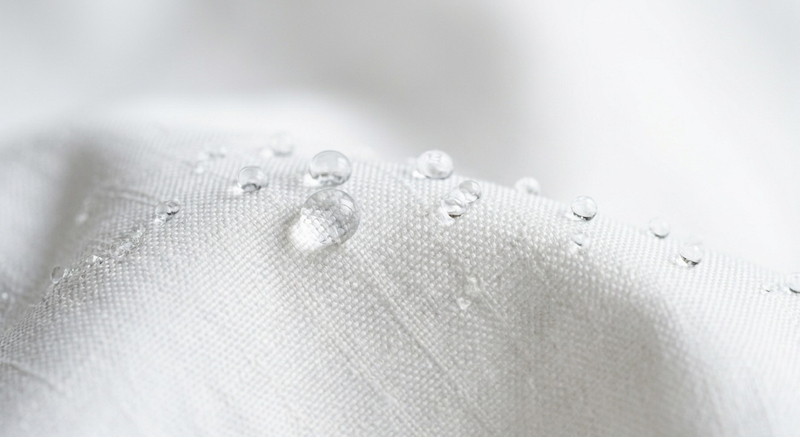
- Breathability limitations: Although lightweight, polyamide is generally less breathable than natural fabrics such as cotton and linen. To improve comfort, brands can use moisture-wicking finishes or engineered mesh constructions to enhance airflow in high-sweat areas.
- Environmental concerns: Traditional polyamide is derived from petroleum-based resources, which raises sustainability concerns. Brands are increasingly considering recycled alternatives to reduce environmental impact. Responsible sourcing is becoming a key factor in material selection.
- Fabric engineering requirements: The performance of polyamide garments depends not only on the fiber itself but also on yarn quality, GSM, and fabric construction. Careful engineering is required to achieve the desired balance of stretch, durability, and comfort.
7. Common Applications of Polyamide in the Fashion Industry
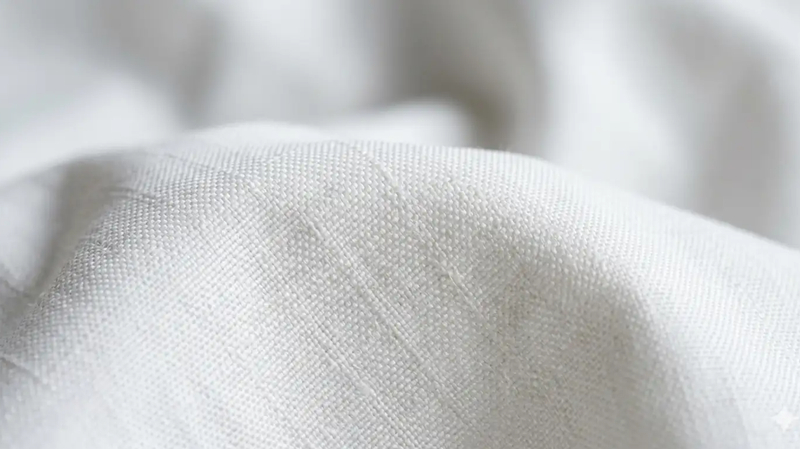
Thanks to its durability, lightweight structure, and versatile performance, polyamide is widely used across many fashion categories. From everyday essentials to high-performance garments, it has become a key material for brands looking to balance comfort, functionality, and modern design needs.
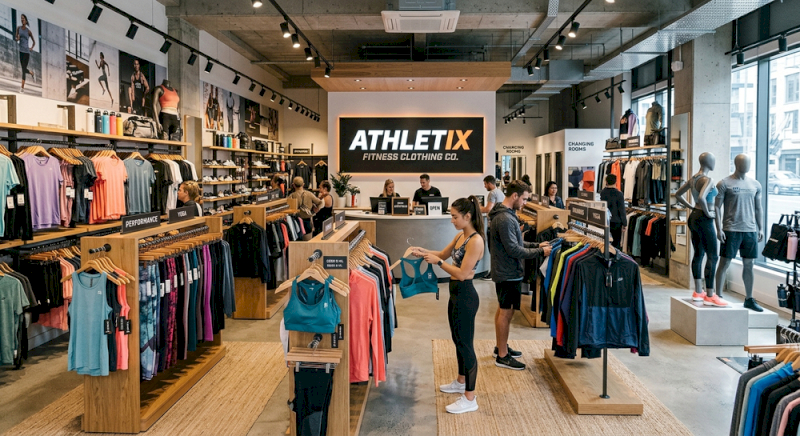
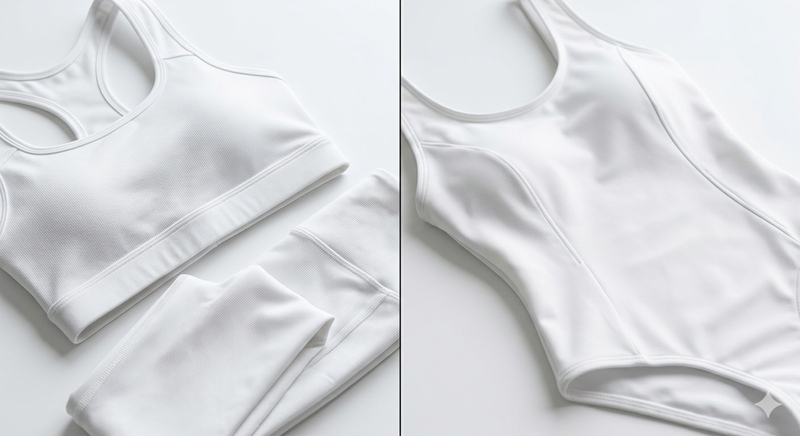
- Activewear & Sportswear: Leggings, sports bras, compression garments, and activewear staples. For brands developing polyamide-based activewear collections, partnering with experienced athletic clothing manufacturers ensures access to the right technical fabric expertise, performance construction know-how, and scalable production capabilities. A curated list of athletic clothing manufacturers is available for brands comparing sourcing options across different markets and specializations.
- Underwear & Intimates: Polyamide is widely used for seamless underwear, lingerie, shapewear, and performance briefs due to its smooth texture, durability, stretch, and quick-drying properties. Working with an experienced underwear manufacturer helps brands optimize fabric blends, fit, seam construction, elasticity, and comfort for different intimate apparel categories.
- Swimwear: One-piece swimsuits, bikinis, and lining fabrics due to quick-dry properties.
- Outerwear: Lightweight jackets, windbreakers, and technical shells. Brands expanding their outerwear range to include casual styles can explore a curated list of experienced hoodie manufacturers specializing in quality construction, performance-compatible fabrics, and private-label production to complement technical outerwear collections.
- Athleisure: Everyday garments combining comfort and performance aesthetics.
8. Thygesen Textile Vietnam: Your Trusted Partner in Polyamide Fabric Sourcing & Garment Manufacturing
At Thygesen Textile Vietnam, we specialize in sourcing high-quality polyamide and polyamide-blend fabrics, including advanced performance materials used in activewear, sportswear, and intimate apparel. Our team works closely with brands to optimize fabric selection, stretch balance, and garment construction, ensuring the right combination of comfort, durability, and consistent performance.
Our sourcing network spans trusted partners across Vietnam and international markets, including suppliers in China, Taiwan, Korea, Japan, and the EU. This allows us to access a wide range of polyamide materials with varying performance levels, finishes, and certifications.
Alongside conventional polyamide, we offer recycled polyamide (recycled nylon) options, helping brands reduce environmental impact without compromising performance. This allows our partners to gradually shift toward more sustainable product lines while maintaining the same level of quality and functionality.
In addition, we can provide relevant certifications upon request such as OEKO-TEX®, GRS, and other sustainability and safety standards, ensuring transparency and compliance throughout the supply chain.
In conclusion, polyamide fabric is a highly versatile material widely used in modern apparel thanks to its strength, lightweight structure, smooth hand-feel, and excellent performance properties. As a trusted garment manufacturer, Thygesen Textile Vietnam supports international brands with flexible polyamide sourcing, responsible production, and full-package apparel manufacturing solutions.To learn more, visit thygesenapparel.com or contact us at sale@thygesen.com.vn for production inquiries.