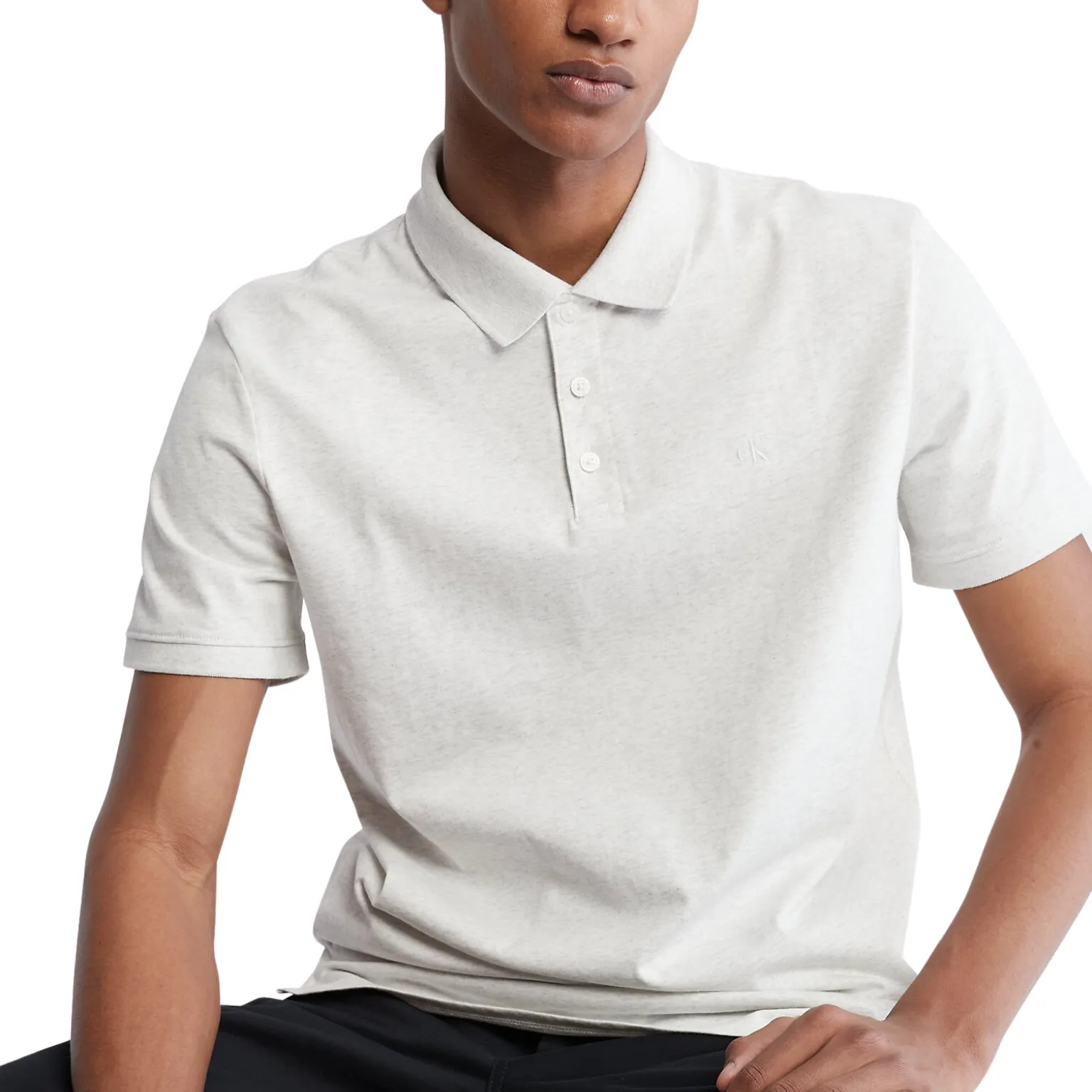
Poplin fabric is a widely used woven textile known for its smooth surface, lightweight feel, and durability. Favored by fashion brands for its versatility, it offers a crisp appearance and comfortable wear, making it ideal for everything from shirts to dresses across both casual and formal collections. In this writing, we will explore more details about what is poplin fabric.
1. What Is Poplin Fabric?
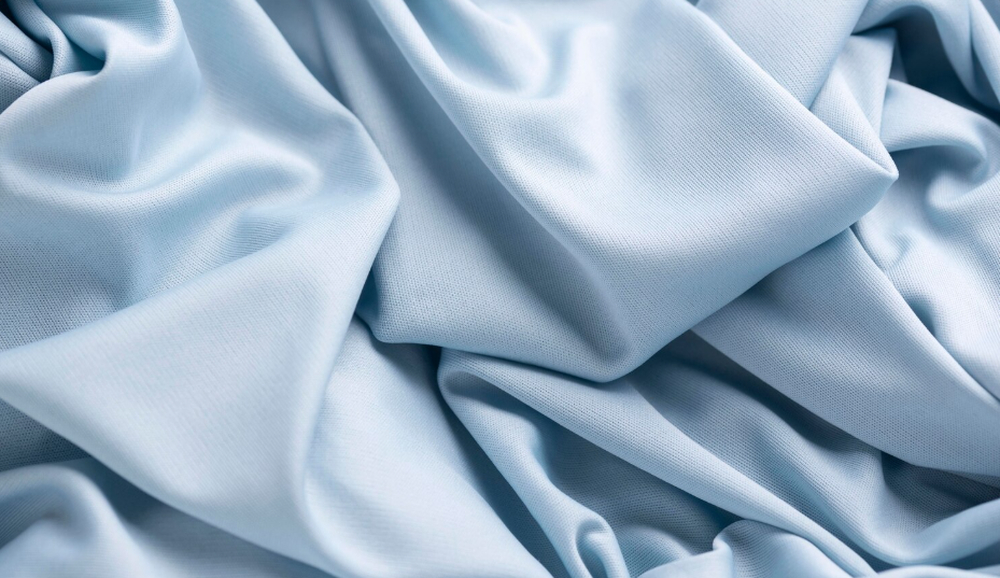
Poplin fabric is a plain-weave textile recognized for its smooth, refined surface and subtle horizontal ribbed texture. This distinctive look is achieved through a unique weaving structure that uses finer warp yarns (running lengthwise) and slightly thicker weft yarns (woven across). The result is a fabric that feels soft to the touch while maintaining a structured, durable finish.
Traditionally, poplin was made from cotton, making cotton poplin one of the most widely used natural fabrics due to its breathability, softness, and comfort. However, modern manufacturing has expanded its versatility, with poplin now also produced from polyester, silk, wool, or various blended fibers to enhance performance, texture, and cost efficiency.
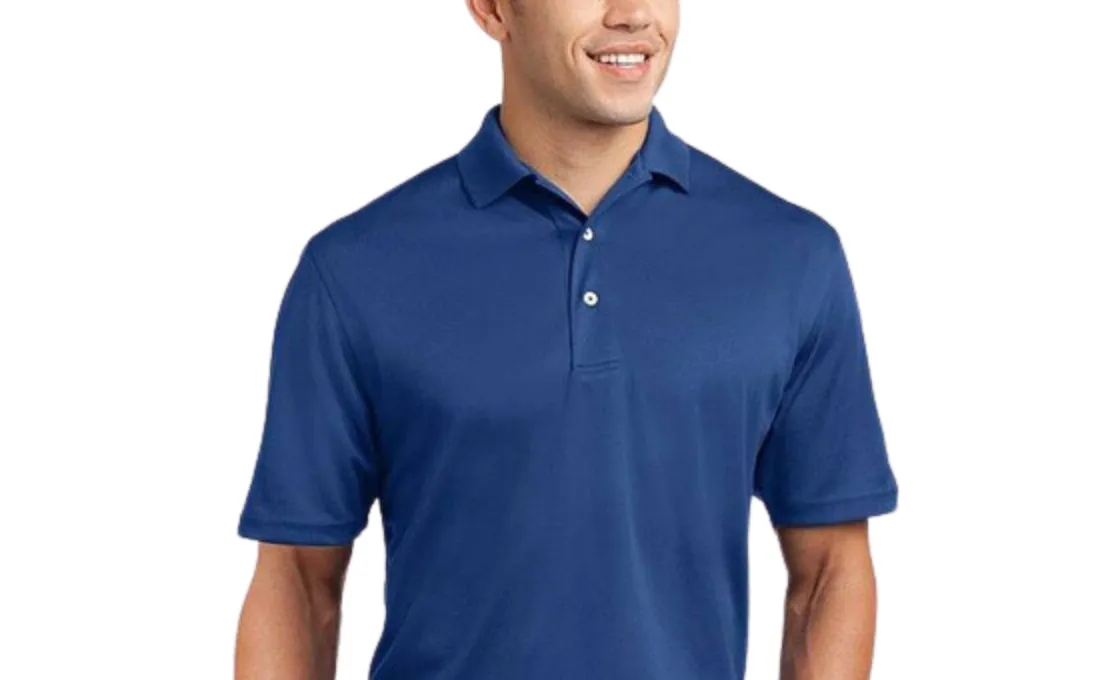
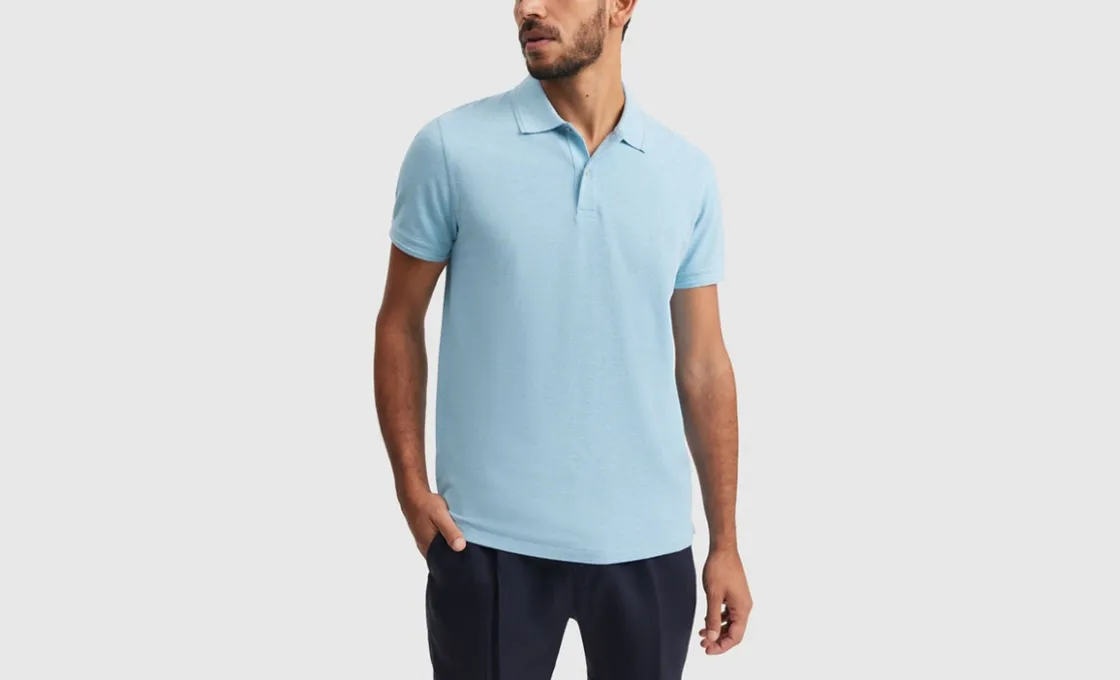
Thanks to its crisp appearance and lightweight feel, poplin is widely used across both casual and formal fashion. From tailored shirts and uniforms to elegant dresses, it offers a balance of comfort, durability, and polished style that appeals to a wide range of fashion brands.
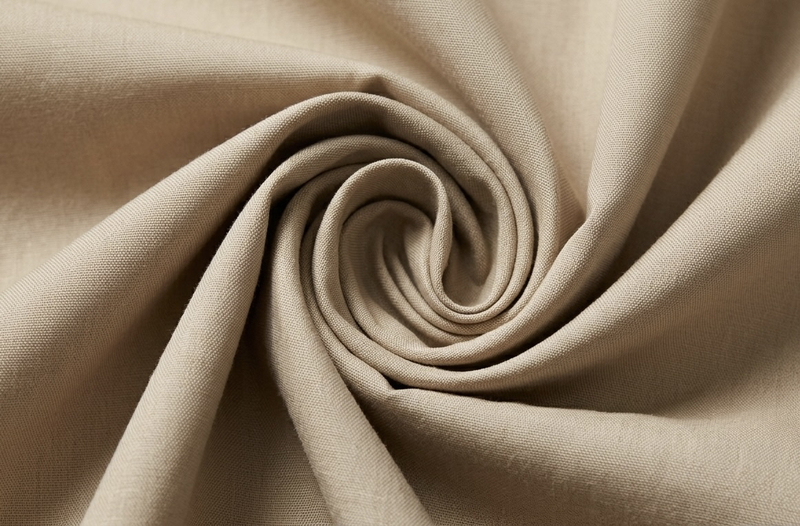
2. Types of Poplin Fabric
Poplin fabric comes in a variety of types, each offering distinct characteristics depending on the fiber composition and finishing process. From breathable cotton poplin to more structured or luxurious blends, understanding these variations helps fashion brands choose the right option for different styles, functions, and target markets.
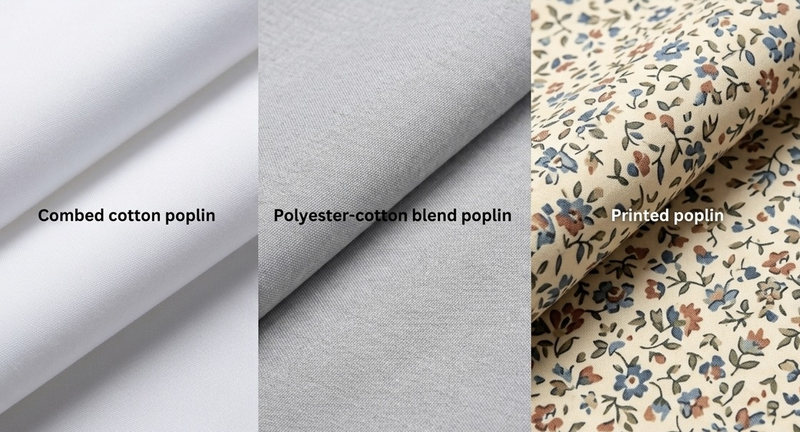
- Cotton poplin: The most widely used type, valued for its natural breathability and soft, comfortable feel on the skin. It is especially popular for shirts and dresses, offering a crisp look while remaining lightweight and easy to wear throughout the day.
- Polyester poplin: Known for its durability and wrinkle resistance, this type requires minimal maintenance and holds its shape well over time. It is commonly used for uniforms, workwear, and garments that demand frequent washing and long-term use.
- Cotton-poly blend poplin: This blend combines the comfort of cotton with the strength and resilience of polyester. It helps reduce shrinkage and wrinkling, making it a practical choice for brands seeking both performance and wearability. >> Brands looking to expand their casualwear offering beyond poplin-based garments into outerwear categories can explore a curated list of experienced hoodie manufacturers specializing in quality construction, flexible fabric options, and private-label production for casual and lifestyle collections.
- Stretch poplin (with elastane): Designed with added elasticity, this variation provides greater flexibility and ease of movement. It is often used in fitted garments such as tailored shirts or slim-cut dresses, enhancing both comfort and silhouette. >> For brands developing stretch-focused bottoms beyond poplin, exploring a list of experienced legging manufacturers specializing in private-label production can help identify partners with the right fit engineering, elastic fabric expertise, and scalable MOQs for performance and lifestyle leggings collections.
- Silk poplin: A premium version that features a smoother texture and a subtle sheen, delivering a more refined and luxurious appearance. It is typically used in high-end fashion pieces where elegance and drape are key.
3. How Poplin Fabric Is Made
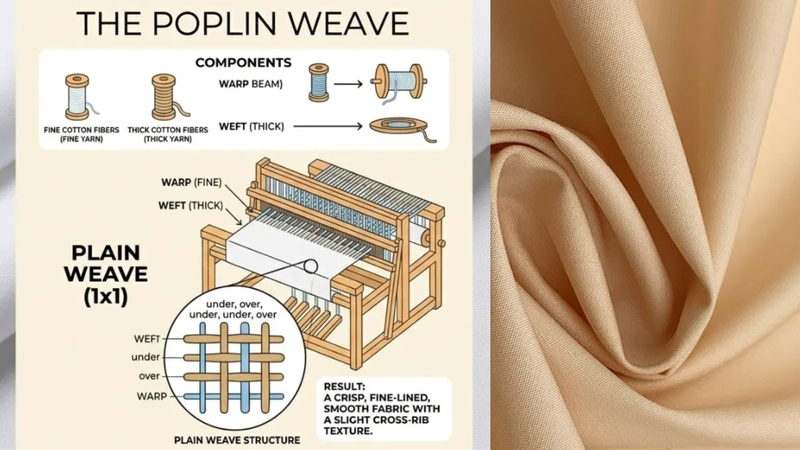
Poplin fabric is created through a precise weaving process that gives it its signature smooth surface and subtle ribbed texture. From fiber selection to weaving and finishing, each step plays a key role in determining the fabric’s quality, performance, and final appearance.
- Yarn preparation: Fibers such as cotton, polyester, or blends are first spun into yarns of varying thickness. Typically, finer yarns are prepared for the warp, while slightly thicker yarns are used for the weft to create poplin’s signature texture.
- Warp setup: The warp yarns are carefully arranged lengthwise on the loom and kept under consistent tension. This step ensures stability during weaving and contributes to the fabric’s smooth and even surface.
- Weaving: The fabric is formed using a plain weave structure, where weft yarns pass alternately over and under each warp yarn. This simple yet effective technique gives poplin its strength and balanced construction.
- Fabric formation: As the weaving process continues, the difference in yarn thickness creates a tightly woven fabric with a smooth finish and subtle horizontal ribs. This structure enhances both durability and visual appeal.
- Finishing: After weaving, the fabric undergoes finishing processes such as bleaching, dyeing, or softening to achieve the desired look and feel. Additional treatments like wrinkle resistance may also be applied depending on the final application.
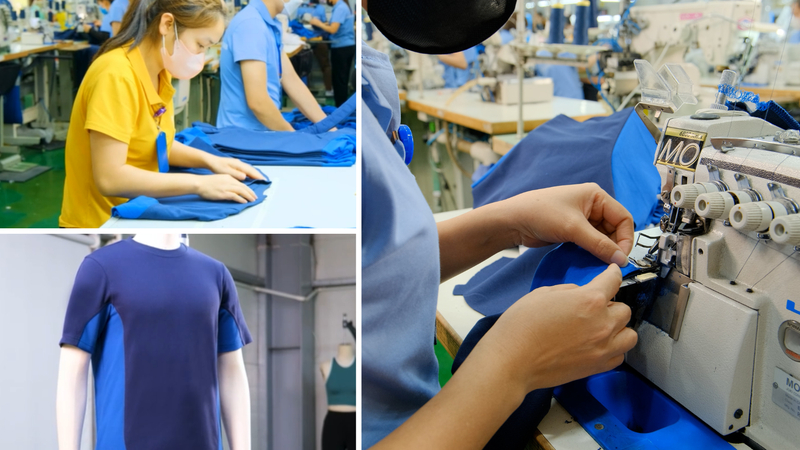
>> Once the fabric is finished and ready for production, poplin garments are brought to life through cut and sew manufacturing — a method where fabric panels are precisely cut to pattern and assembled through specialized stitching, giving brands full control over fit, seam quality, and construction precision. Brands can explore a curated list of cut and sew manufacturers experienced in woven fabric production to find the right partner for their collections.
4. Key Benefits of Poplin Fabric
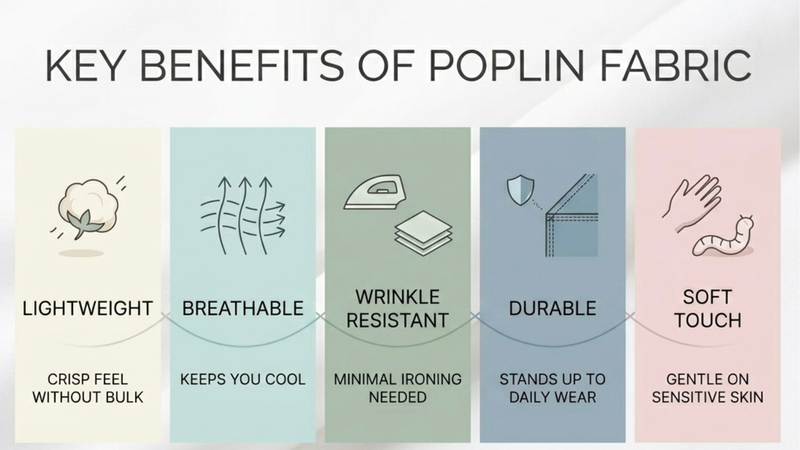
Poplin fabric offers a strong combination of comfort, durability, and versatility, making it a preferred choice across many fashion applications. Its balanced structure and refined finish provide both functional performance and aesthetic appeal, which is why it remains a staple in modern textile collections.
- Smooth and clean appearance: Poplin features a refined, flat surface that gives garments a crisp and polished look. This makes it especially suitable for structured pieces that require a neat and professional finish.
- Lightweight and breathable: Particularly in cotton poplin, the fabric allows good airflow and helps keep the body cool. This makes it a comfortable choice for warm-weather clothing and everyday wear in tropical climates.
- Durable structure: The tight plain weave gives poplin strong structural integrity, helping it resist wear and tear over time. This durability makes it ideal for garments that are washed and worn frequently.
- Versatility: Poplin adapts well to a wide range of fashion applications, from casual shirts and dresses to uniforms and workwear. Its balanced properties allow it to fit both functional and stylish designs.
- Easy to print and dye: The smooth, even surface of poplin ensures that colors appear clear and consistent. It also supports high-quality printing, making it popular for patterned or branded textiles.
- Comfortable for everyday wear: Poplin combines softness with structure, creating a fabric that feels comfortable without losing its shape. This balance makes it a practical option for daily clothing needs.
5. Key Considerations When Producing Poplin Garments
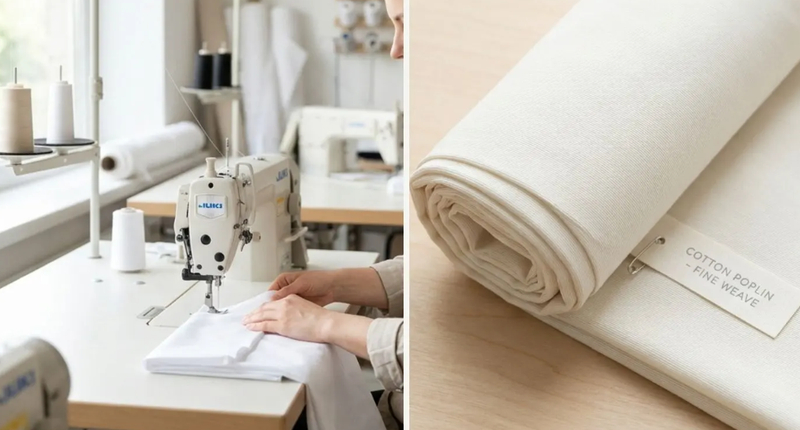
When producing poplin garments, several important factors need to be considered to ensure the final product meets quality, comfort, and performance expectations. From fabric selection to finishing techniques, each decision can significantly impact the look, feel, and durability of the garment.
- Wrinkling tendency: Cotton poplin is prone to wrinkling due to its natural fiber structure. To improve performance, brands often apply wrinkle-resistant finishes or use blended fabrics for a smoother appearance after wear and washing.
- Limited stretch: As a woven fabric, poplin has very little natural elasticity, which can limit flexibility in fitted designs. Careful pattern making and accurate sizing are essential to ensure comfort and proper fit in finished garments.
- Fabric weight selection: Poplin comes in different GSM levels, which influence its drape, structure, and end use. Lighter weights are ideal for shirts and summer wear, while heavier versions work better for structured garments.
- Shrinkage control: Cotton-based poplin may shrink after washing if not properly treated. Pre-washing or applying shrinkage-control finishing processes helps maintain consistent sizing and garment stability.
- Fiber composition impact: The fiber content significantly affects performance and feel. Cotton poplin offers superior breathability, while polyester blends enhance durability, wrinkle resistance, and overall ease of maintenance.
6. Common Applications of Poplin in the Fashion Industry
Poplin fabric is widely used across the fashion industry thanks to its versatility, durability, and clean appearance. It can be adapted to many garment types, from everyday essentials to more structured and professional pieces, making it a reliable choice for both brands and manufacturers.
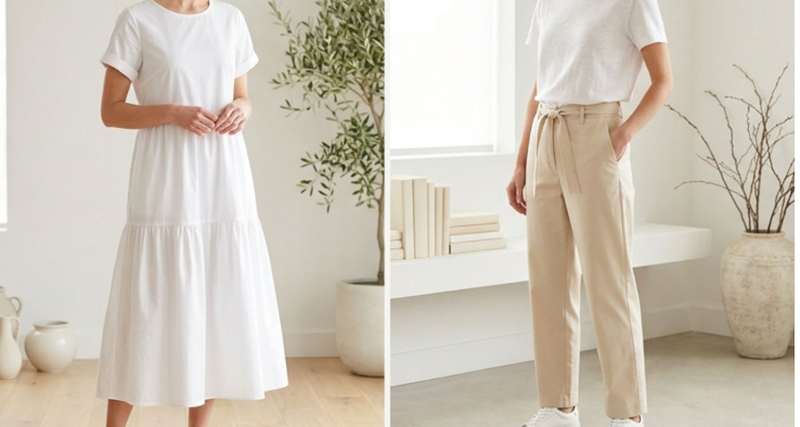
- Shirts & Blouses: Dress shirts, office wear, and school uniforms.
- Dresses: Lightweight dresses with a structured yet comfortable fit.
- Casualwear: Everyday tops and relaxed garments.
- Workwear & Uniforms: Durable garments that require a clean, professional appearance. >> For brands expanding beyond workwear into performance-driven collections, partnering with experienced athletic apparel manufacturers provides access to technical fabric expertise and functional construction capabilities suited to activewear and sportswear lines. A curated list of athletic apparel manufacturers is available for brands comparing sourcing options across different markets.
- Children’s Wear: Comfortable and breathable clothing for daily use.
7. Poplin Fabric vs Cotton Fabric
Although poplin is often made from cotton, they are not the same, one refers to fabric structure, the other to fiber type.
Criteria | Poplin Fabric | Cotton Fabric |
Definition | A plain-weave woven fabric typically made from cotton or blends, known for its smooth surface and fine ribbed texture. | A natural fiber fabric made from cotton plants, used in many different weaves and fabric types. |
Texture | Smooth, crisp, and slightly silky with a subtle horizontal rib. | Soft, natural, and varies depending on weave (can be smooth, fluffy, or textured). |
Structure | Tightly woven with finer warp and thicker weft yarns, giving a structured finish. | Depends on weave type; can range from loose to tight structures. |
Breathability | Good breathability, especially in cotton poplin, but slightly less airy in blends. | Highly breathable and comfortable, especially in pure cotton forms. |
Wrinkling | Moderate to low wrinkling depending on fiber blend; polyester blends reduce wrinkles. | More prone to wrinkling, especially 100% cotton fabrics. |
Use case | Dress shirts, uniforms, structured dresses, and professional wear. | Wide range: T-shirts, bedding, towels, casualwear, and many everyday textiles. |
8. FAQ
What is poplin fabric used for?
Poplin fabric is commonly used for shirts, dresses, uniforms, and everyday clothing due to its smooth surface, lightweight feel, and durability. It is especially popular in formal shirts and workwear because it creates a clean and polished appearance while remaining comfortable for daily wear.
What is poplin fabric made of?
Poplin fabric is traditionally made from cotton, but it can also be produced using polyester, silk, wool, or blended fibers. The defining feature of poplin is not the fiber, but the plain-weave structure that creates its smooth and slightly ribbed texture.
Is poplin fabric 100% cotton?
Poplin can be 100% cotton, but not always. Many modern poplin fabrics are made from cotton-polyester blends to improve wrinkle resistance, durability, and cost efficiency. Always check the fabric composition label to confirm.
Is poplin cotton?
Poplin refers to the specific weave structure, whereas cotton refers to the raw fiber. While cotton is the most common material used to create poplin, the two terms are not interchangeable. However, cotton poplin is the most common version, meaning the fabric is made from cotton but woven in a poplin structure.
Is poplin a good fabric?
Yes, poplin is considered a good fabric for many applications. It is lightweight, breathable, and durable, making it suitable for everyday wear. However, it may wrinkle easily and has limited stretch, so it is best for structured garments like shirts and dresses.
Is poplin a natural fabric?
Poplin can be either natural or synthetic, depending on the fiber used. Cotton poplin is natural, while polyester poplin is synthetic. The weave structure remains the same regardless of fiber type.
Is poplin fabric good for winter?
Poplin fabric is not ideal for winter because it is lightweight and breathable. It is better suited for spring and summer clothing. For colder weather, heavier fabrics like flannel, fleece, or wool are more appropriate.
What is 100% cotton poplin fabric price?
The price of 100% cotton poplin fabric varies depending on fiber quality, GSM, finishing, and sourcing location. Generally, it is more affordable than premium fabrics like silk but may be slightly higher than basic polyester fabrics.
9. Thygesen Textile Vietnam: Your Trusted Partner in Poplin Fabric Sourcing & Garment Manufacturing
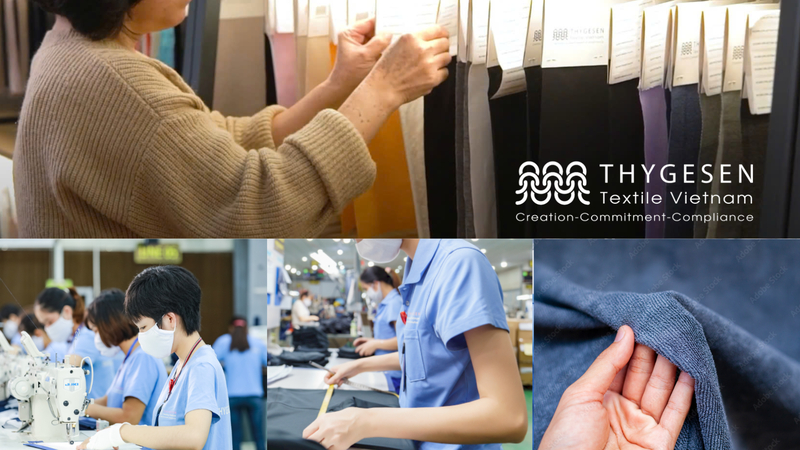
At Thygesen Textile Vietnam, we support international brands in sourcing high-quality poplin fabrics, including 100% cotton, polyester, and blended options tailored to different product categories and performance needs.
Our fabric sourcing is backed by a reliable network of domestic and international suppliers across China, Taiwan, Japan, Korea, and the EU. We are committed to maintaining clear traceability, strict quality control, and compliance with international standards, with certifications such as GOTS, OEKO-TEX®, and GRS available upon request.
Our team provides expert guidance throughout the development process, from fabric selection and material optimization to garment construction and finishing techniques, ensuring the right balance of structure, comfort, durability, and cost efficiency for each product in bulk production.
In conclusion, poplin fabric remains one of the most important materials in the fashion and garment industry thanks to its smooth appearance, lightweight comfort, durability, and versatile applications. As a trusted garment manufacturing partner, Thygesen Textile Vietnam supports international brands with reliable poplin fabric sourcing, flexible production solutions, and full-package manufacturing services. To learn more, visit thygesenapparel.com or contact our team at sale@thygesen.com.vn for sourcing and production inquiries.