Natural fabrics are valued for their breathability, comfort, and sustainability, making them a popular choice in clothing manufacturing. To better understand these fabrics and their uses for clothing manufacturing, explore the detailed guide below.
Natural fabrics are materials made from natural sources. They can be 100% natural, directly derived from plants (like cotton, linen) or animals (like wool, silk), or they can be semi-natural (regenerated fibers) made from natural raw materials such as wood pulp but processed chemically into fibers (like TENCEL™, modal, bamboo viscose). Both types offer eco-friendly, breathable, and comfortable options for clothing manufacturing.
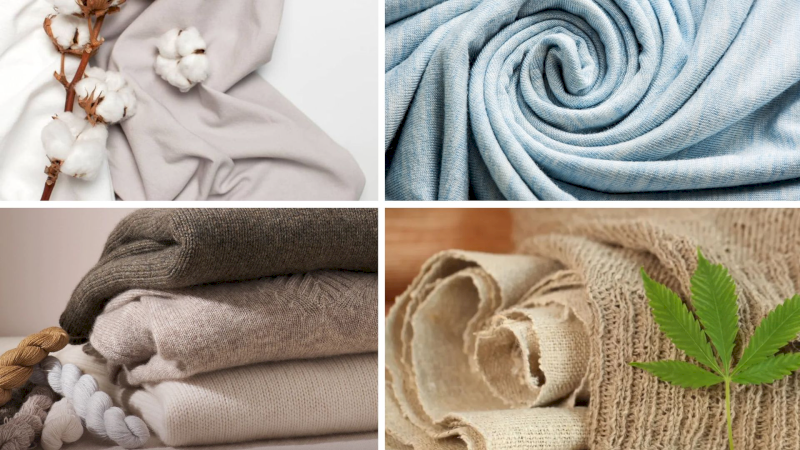
Note: A few fibers on this list – jute, sisal, and coir – are included for completeness even though their use in apparel is limited. They are more commonly found in bags, home textiles, and accessories than in everyday garments, and are noted here with that context.
Understanding the fundamental differences between natural fibers vs manmade fibers is crucial for making informed decisions in sustainable apparel production.
1. Cotton
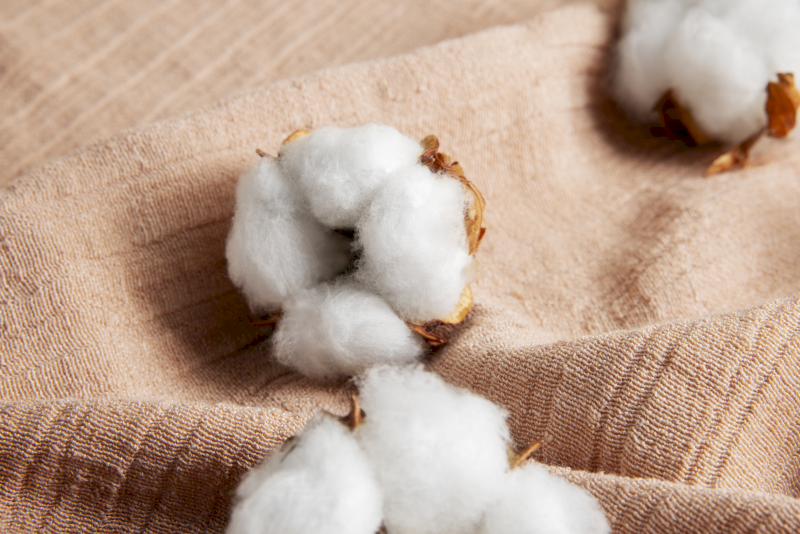
Cotton is one of the most widely used natural fabrics for clothing in the textile industry. Made from natural cotton fibers, it offers softness, breathability, and durability, making it suitable for a wide range of clothing such as t-shirts, shirts, underwear, and children’s wear. Its excellent moisture absorption keeps the wearer comfortable, especially in hot and humid climates.
Organic cotton is grown without synthetic pesticides, fertilizers, or harmful chemicals. This environmentally friendly cultivation process is safer for both workers and consumers. Organic cotton retains all the benefits of conventional cotton while adding sustainability value.
For a deeper understanding of its advantages, explore the comprehensive Benefits of Organic Cotton Clothing That You May Not Know Yet.
Within cotton, a key distinction exists between conventional and organic cotton. Organic cotton is grown without synthetic pesticides, fertilizers, or genetically modified seeds, and is typically certified under GOTS (Global Organic Textile Standard) or OCS (Organic Content Standard). For brands sourcing under EU sustainability mandates, choosing GOTS/OCS-certified organic cotton provides verifiable traceability documentation that conventional cotton cannot offer. Thygesen Textile Vietnam proudly maintains a reliable network of natural and organic fabric suppliers, ensuring high-quality sourcing that meets strict quality global standards as: GOTS, OEKO-TEX and OCS.
2. Linen
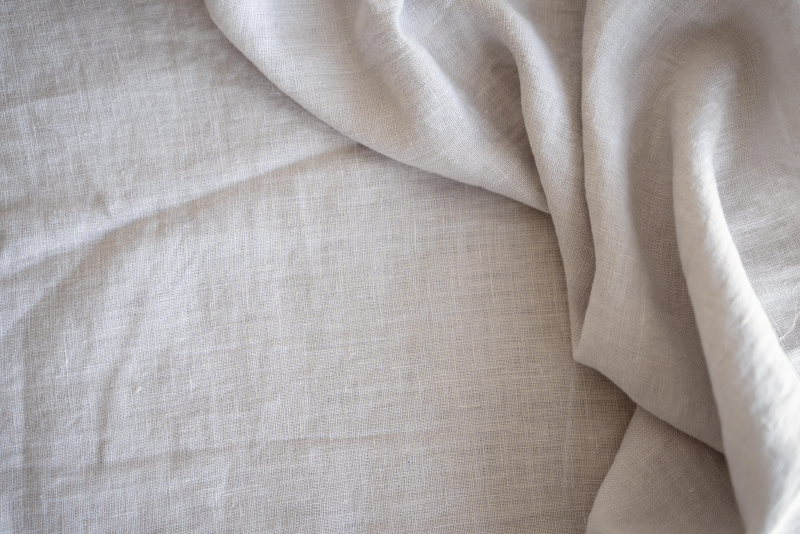
Linen is a natural fabric made from the fibers of the flax plant, prized for its exceptional strength, breathability, and moisture-wicking properties. Known for its crisp texture and natural luster, linen becomes softer and more comfortable with each wash.
Its ability to keep the body cool and dry makes it especially popular in warm climates. Linen is commonly used in summer apparel, casualwear, beachwear, and lightweight suits due to its durability and elegant appearance.
At Thygesen Textile Vietnam, typical items produced from linen include shirts, dresses, trousers etc. that combine style, comfort, and functionality. In addition, linen is often blended with other fabrics such as cotton or elastane to create versatile textiles suitable for activewear and athleisure, offering both breathability and stretch for workout clothes.
Harnessing the inherent benefits of natural fabrics for high-performance activewear demands specialized production expertise and adherence to stringent quality controls. As an experienced athletic clothing manufacturer, Thygesen ensures each garment achieves optimal functionality and durability while meeting environmental standards. Thygesen offers comprehensive solutions for brands aiming to develop their activewear lines with a focus on sustainable materials and certified processes.
3. Hemp
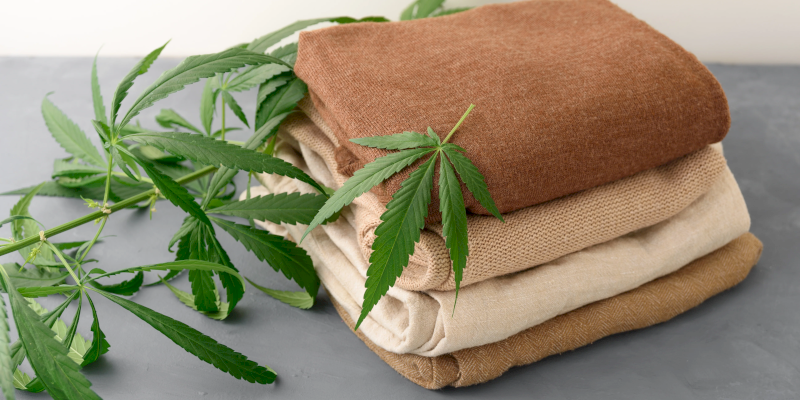
Hemp is a natural fabric made from the stalks of the hemp plant, known for its strength, durability, and environmental benefits. It requires minimal water, grows quickly without pesticides, and enriches the soil, making it one of the most sustainable textile fibers available.
In clothing manufacturing, hemp is commonly used for T-shirts, trousers, dresses, skirts, jackets, hoodies, casual blazers, workwear, and even denim-style pants. It is often blended with fibers like organic cotton, recycled polyester, or elastane to improve softness, flexibility, and performance.
With OEM customization services, Thygesen Textile Vietnam helps brands develop hemp-based garments tailored to their design, performance, and sustainability goals.
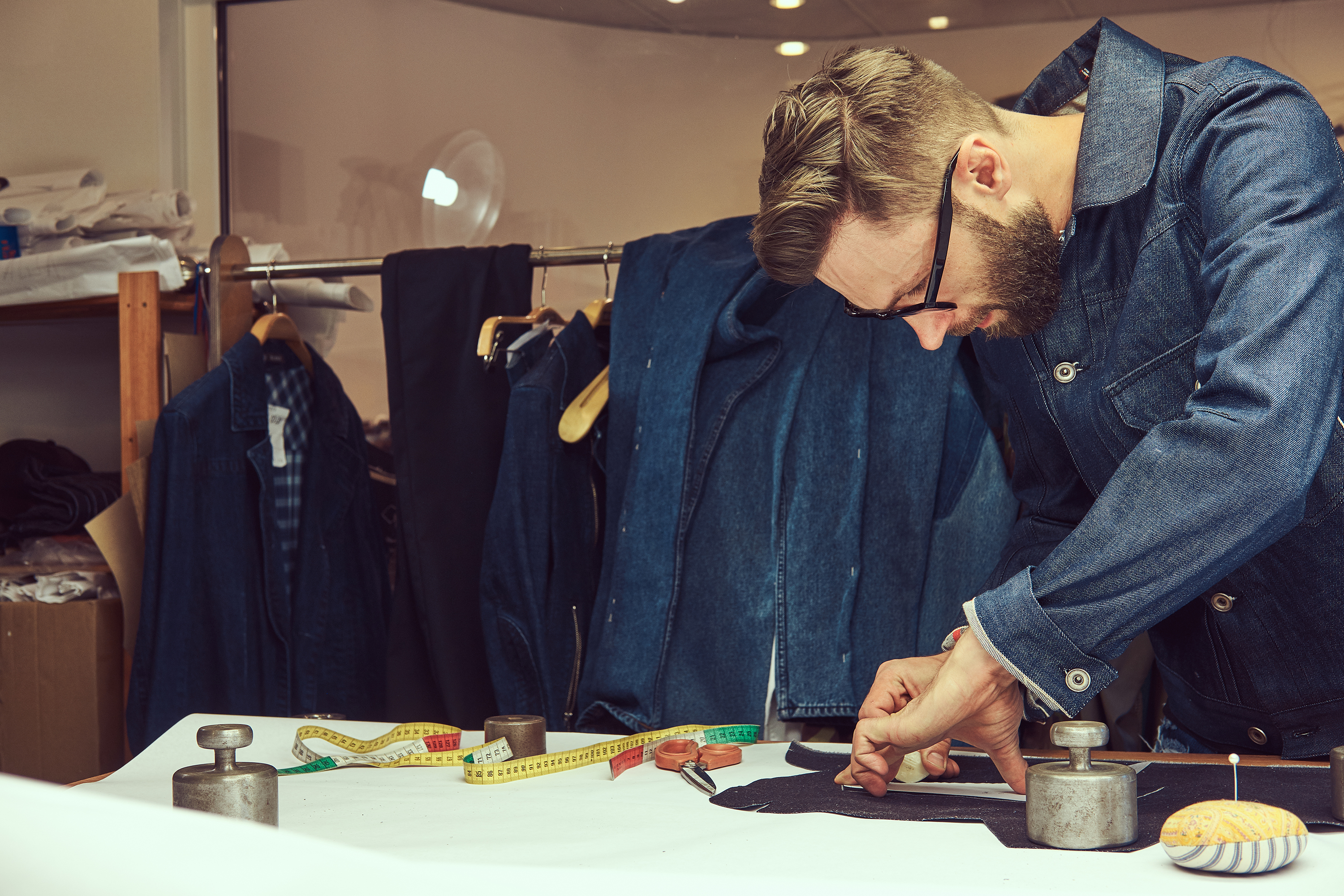
The meticulous crafting of diverse natural fabrics into finished garments necessitates precise techniques and an understanding of material behavior. Thygesen’s sophisticated operations position it among leading cut and sew manufacturers, capable of translating complex designs into high-quality apparel. This expertise supports brands in achieving consistent output and reducing sourcing risks, fostering effective OEM collaborations.
4. Ramie
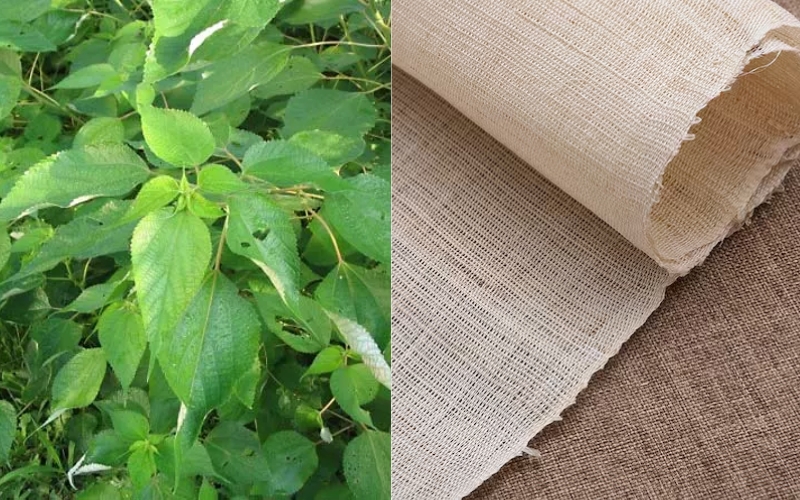
Ramie is a natural bast fiber extracted from the Ramie plant (also known as Chinese nettle), prized for being one of the strongest natural fibers in the world – even stronger than cotton or linen, and it becomes stronger when wet. It has a naturally glossy, silk-like sheen and excellent breathability.
Ramie can absorb up to 12% of its weight in moisture without feeling damp, making it ideal for hot, humid climates by keeping the wearer cool and dry. It’s also naturally resistant to bacteria, mildew, and odor, and holds its shape well after washing without shrinking.
Ramie is commonly used in summer shirts, blouses, dresses, and trousers, either in pure form or blended with cotton, linen, or polyester to improve softness and offset its natural stiffness and tendency to wrinkle.
5. Wool
Wool is a natural fiber obtained from sheep, known for its excellent insulation, moisture-wicking, and breathability properties. It provides warmth in cold weather while remaining breathable enough for comfort in milder climates.
Wool is commonly used in a wide range of garments, typical applications include sweaters, cardigans, coats, jackets. In recent years, fine merino wool has also gained popularity in performance wear and base layers thanks to its softness and thermoregulating qualities.

6. Jute
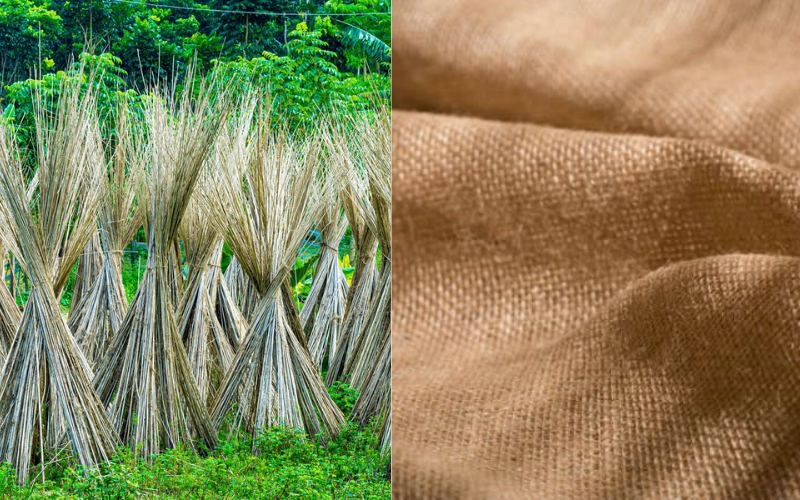
Jute is a natural bast fiber extracted from the stem of the jute plant, known for exceptional tensile strength, breathability, and being 100% biodegradable and fast-growing with minimal water or pesticide use. In its raw state, jute is coarse and scratchy, which limits its use in apparel – the majority of jute production still goes toward bags, sacking, carpet backing, and home textiles rather than clothing.
With modern softening treatments and blending, jute is increasingly used in structured apparel such as jackets, cardigans, and dresses, where processing allows it to mimic the drape of wool, silk, or cotton. For clothing purposes, jute works best blended with softer fibers rather than in pure form.
7. Silk
Silk is one of the most luxurious and ancient natural fabrics used in clothing manufacturing. It is produced from the fine fibers spun by silkworms and is celebrated for its natural sheen, smooth texture, and graceful drape.
Silk is widely used in both casual and formal wear, thanks to its elegant appearance and soft feel on the skin. Some of the most common garments made from silk include blouses, shirts, and camisoles, which are perfect for both professional and everyday styling. Silk dresses, especially evening gowns and slip dresses, are popular choices for formal occasions due to their fluid movement and refined look.

8. Cashmere
Cashmere is a premium natural fiber obtained from the undercoat of cashmere goats, primarily found in regions with cold climates such as Mongolia, China, Nepal, and parts of Iran.
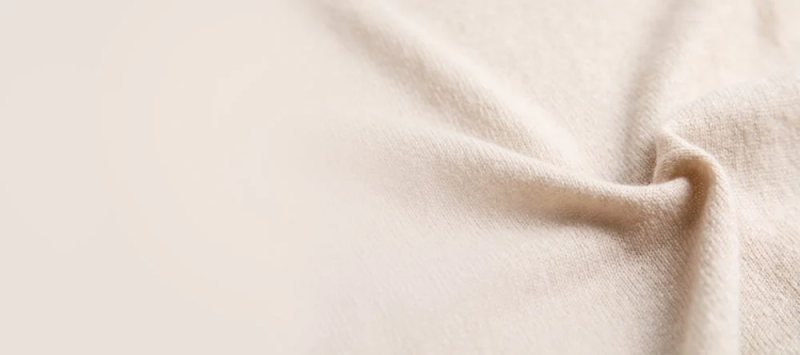
Known for its remarkable softness, warmth, and lightweight feel, cashmere is considered one of the most luxurious fibers used in clothing manufacturing. It is significantly warmer than sheep’s wool, yet much softer and more comfortable against the skin.
Cashmere is most commonly associated with winter wear due to its excellent insulation properties. Classic garments made from cashmere include jackets, sweaters, cardigans, and pullovers.
The fabric is often blended with other materials like wool, silk, or cotton to improve durability while maintaining its soft touch.
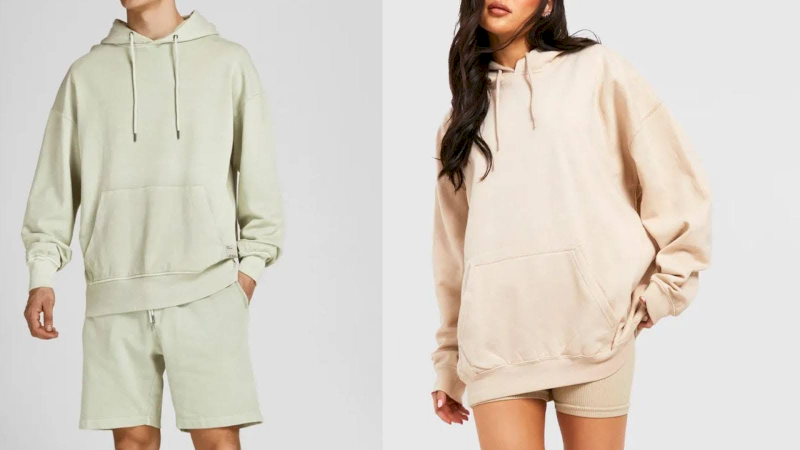
Developing comfortable and enduring casual wear, such as hoodies, from natural fibers requires a deep insight into fabric properties and adaptive manufacturing processes. Thygesen is recognized among proficient hoodie manufacturers, consistently delivering garments that combine material integrity with contemporary design. Thygesen provides responsive production solutions for brands seeking a long-term partner committed to quality and flexibility.
9. Alpaca
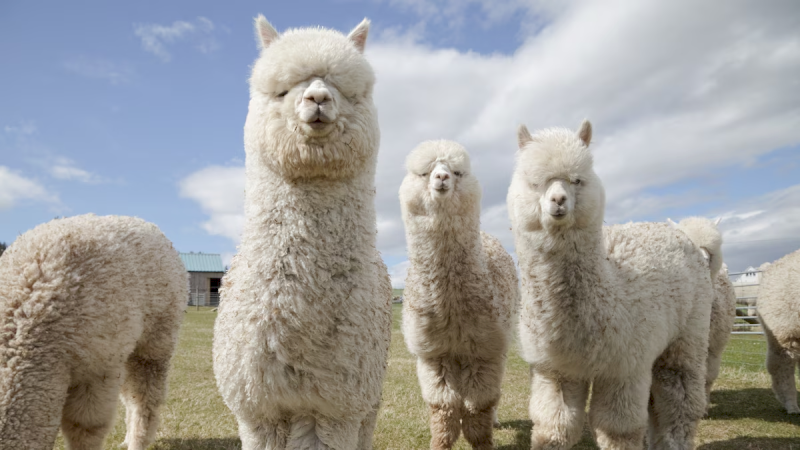
Alpaca fabric is a high-quality natural textile made from the fleece of the alpaca, a species native to the Andes mountains of South America. Known for its exceptional softness, warmth, and lightness, alpaca fabric is a luxurious alternative to traditional wool.
Unlike sheep’s wool, alpaca contains no lanolin, making it hypoallergenic and suitable for sensitive skin. The fabric also features a natural sheen and excellent drape, contributing to its high aesthetic value.
Thanks to its thermal insulation properties, alpaca fabric is primarily used for garments intended for cooler climates. Common apparel made from alpaca includes sweaters, cardigans, coats, jackets, pullovers that are warm, breathable, and remarkably comfortable.
10. Bamboo
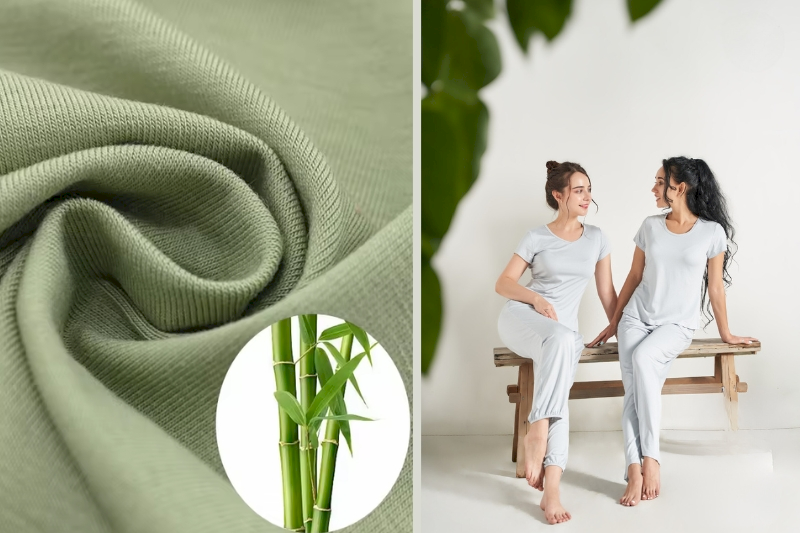
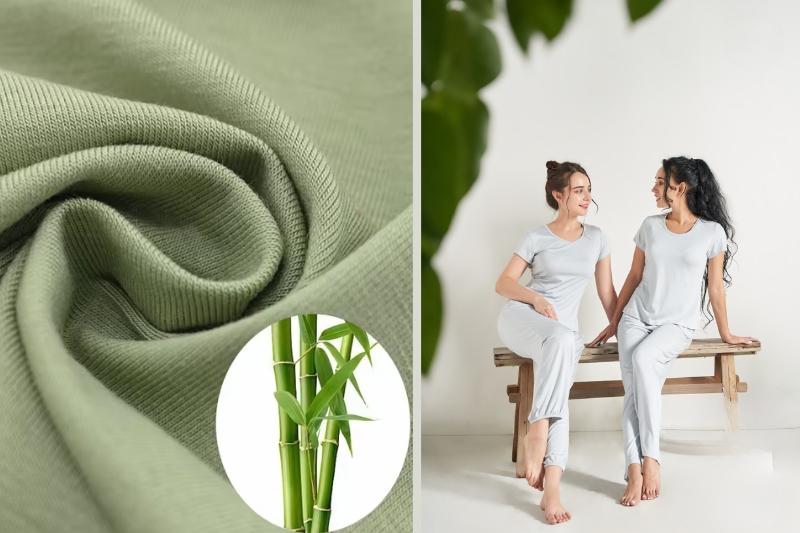
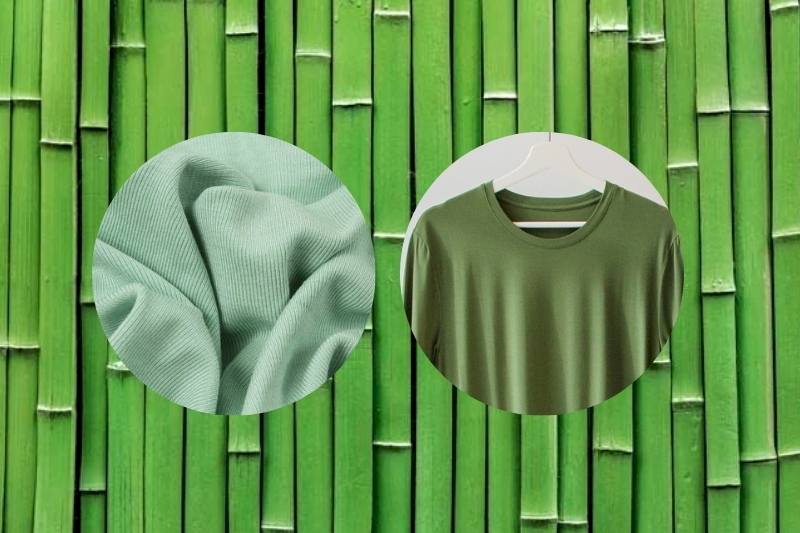
Bamboo fabric is a semi-natural textile made from bamboo plants. Although the raw material is natural, most bamboo fabrics, especially bamboo viscose, are produced through chemical processing, which places them between natural and synthetic fibers. For a deeper dive into how bamboo fabric is made and its benefits, check out our detailed blog about bamboo fabric.
Thygesen Textile Vietnam is a trusted partner for brands seeking reliable bamboo clothing manufacturers. We specialize in producing high-quality bamboo garments with a strong focus on sustainability, delivering breathable, durable, and stylish products.
Our production capabilities cover a wide variety of garments from soft everyday basics like T-shirts and underwear to breathable loungewear and activewear, all made with eco-conscious materials. One of our valued clients is Boody, a well-known Australian brand dedicated to sustainable and eco-friendly bamboo clothing.
The selection of appropriate natural fibers significantly influences the fit, comfort, and performance of items like leggings, necessitating diligent attention throughout the supply chain. Thygesen functions as a transparent legging manufacturer, prioritizing ethical sourcing and rigorous quality assurance for all natural materials used. Brands benefit from Thygesen’s commitment to compliance and detailed material management, ensuring product excellence and consumer trust.
11. Ecovero
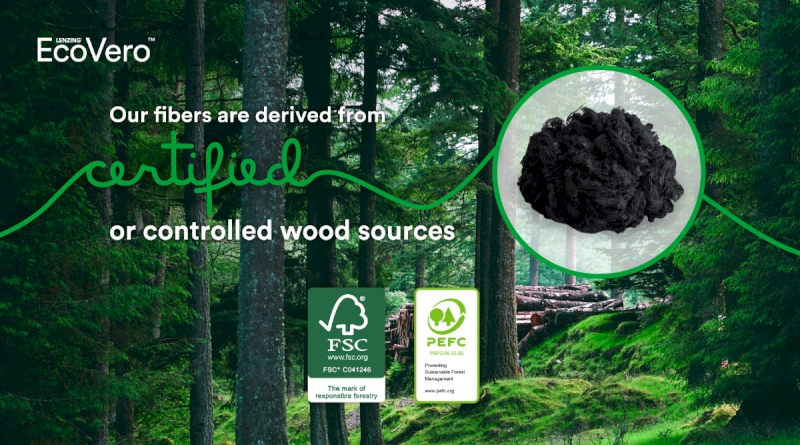
Ecovero is a sustainable semi-natural fabric made from wood pulp sourced from responsibly managed forests. Developed by Lenzing, it offers a cleaner alternative to traditional viscose, using less water and energy while reducing harmful emissions.
Curious about what makes Ecovero stand out among other viscose fabrics? Take a closer look at everything you need to know about this fabric in our detailed guide.
Thygesen Vietnam can produce a wide range of garments using Ecovero fabric. As a partner of Lenzing AG, and with our experience and in-house fabric experts, we are able to provide expert consulting on Ecovero and other sustainable materials, helping brands manufacture high-quality, eco-friendly products.
12. Tencel
Tencel is made from natural wood pulp, making it a fiber with natural origins. Although it undergoes a gentle chemical process to become fabric, it remains eco-friendly. Because its raw material is natural and sustainably sourced, Tencel is often considered a more natural alternative to fully synthetic fibers.
This natural fabric is known for its exceptional softness and smooth texture, making it very comfortable to wear. It also has excellent breathability and moisture-wicking properties, which help keep the skin dry and cool throughout the day.
Common clothing items made from Tencel include T-shirts, dresses, shirts, pants, and lightweight jackets. It is also frequently used for shorts, leggings, loungewear, sleepwear, hoodies, and office dresses. The fabric’s softness and breathability make it ideal for everyday wear as well as more elegant styles.
The ongoing shift towards eco-conscious consumerism makes a strong case for integrating more sustainable fabrics into your clothing lines.
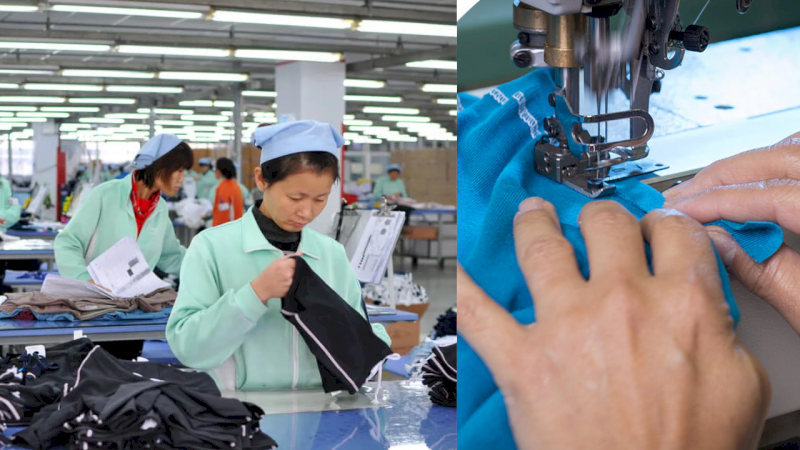
Thygesen is a clothing manufacturer in Vietnam providing full-package services, handling everything from design consulting and fabric sourcing to production and delivery for garments made from Tencel fabric.
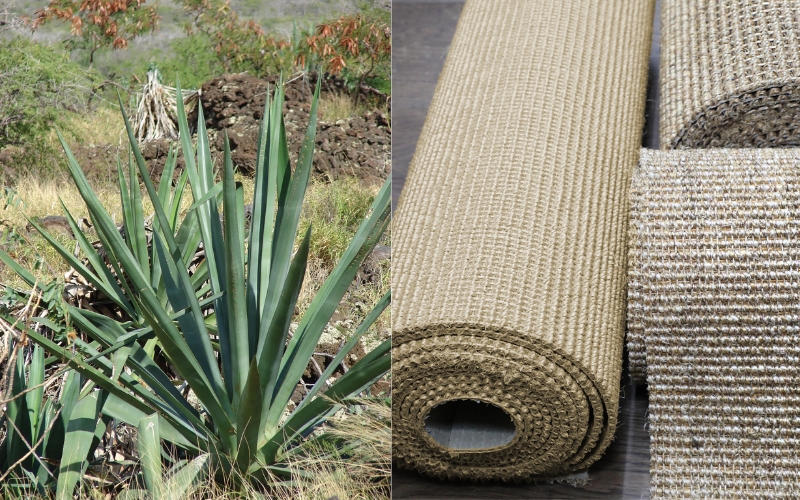
13. Sisal
Sisal is a natural fiber extracted from the leaves of the Agave sisalana plant, valued for its exceptional strength and stiffness rather than softness. Because of its coarse, inflexible texture, sisal is rarely used in mainstream clothing.
Its main textile applications are rugs, carpet runners, wall coverings, ropes, and bags rather than wearable garments. Some experimental blends – combining sisal with 20-30% cotton, or processing it into a finer “sisal silk” – have produced lightweight sheer fabrics for hot-weather wear, but these remain niche.
For a clothing line, sisal fits better as an accent material for bags, hats, and accessories than as a primary garment fabric.
14. Coir
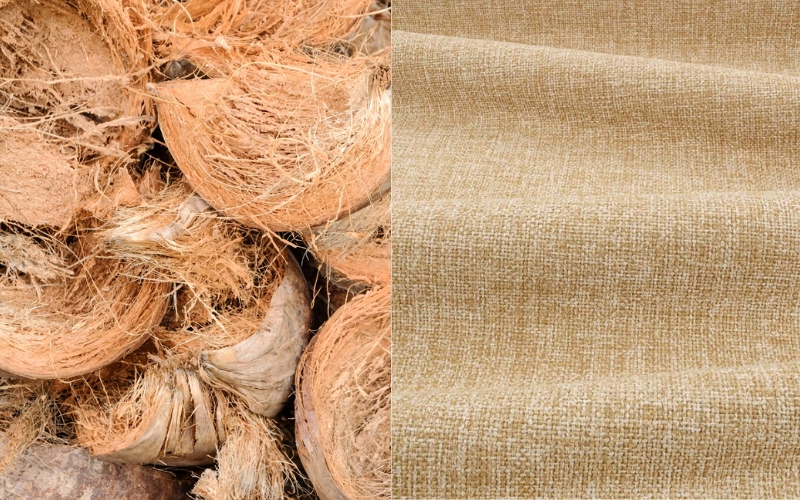
Coir is a coarse natural fiber extracted from coconut husks, known for being tough, water-resistant, and resistant to microbial decay due to its high lignin content, along with good thermal and sound insulation.
Coir is not currently used for apparel on any meaningful scale — its coarse texture makes it uncomfortable against skin, so it’s mainly applied in mats, rugs, brushes, and cushioning/mattress padding.
Given this, coir has no practical fit for a clothing collection; its potential lies in home-textile or accessory lines (mats, bags) rather than wearable fabric.
15. Lotus
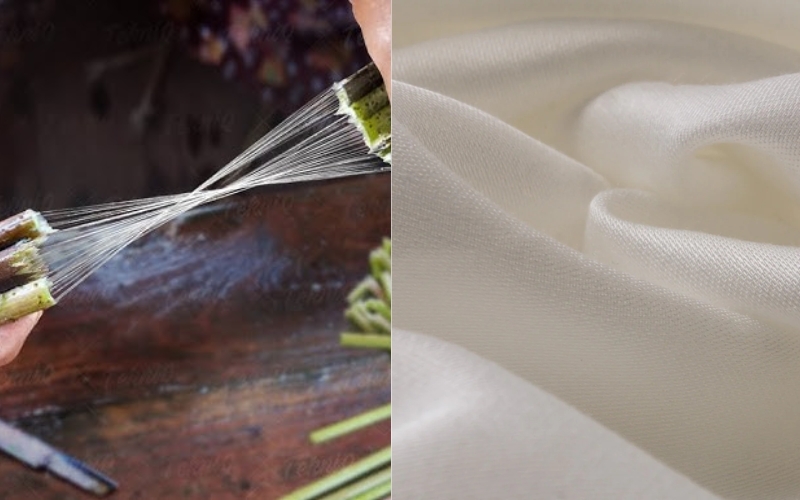
Lotus fiber – also called “lotus silk” – is a rare natural fiber hand-extracted from lotus plant stems, considered one of the most luxurious and expensive fabrics in the world due to its labor-intensive extraction process.
The fabric has a silk-and-cashmere-like feel, is naturally wrinkle- and pilling-resistant, and holds its shape beautifully. Microscopic pores in the fiber give it excellent breathability, moisture-wicking, and natural thermoregulation – warm in cold weather, cool in hot weather – plus it’s hypoallergenic and naturally antibacterial.
Because of its rarity and price, lotus fabric fits best in premium, limited-edition pieces – scarves, high-end blouses, statement jackets -rather than everyday basics.
16. Mohair
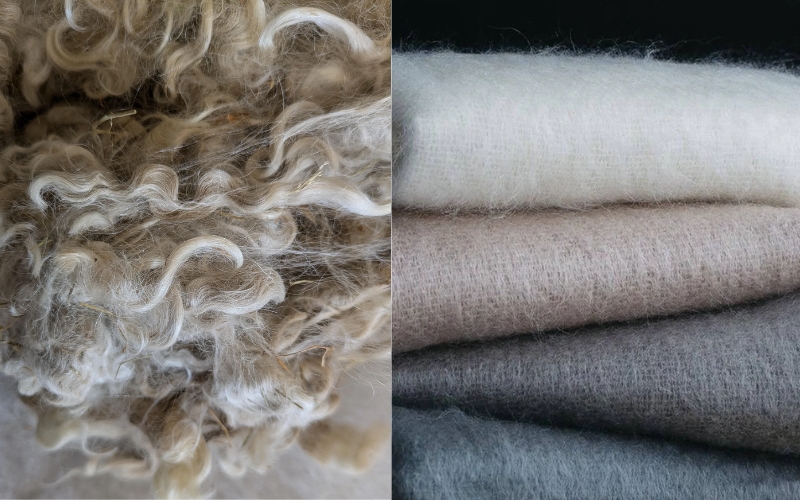
Mohair is sheared from the Angora goat, prized for its high sheen, softness, and resilience. Unlike sheep’s wool, its scales are less pronounced, so it resists felting and feels less itchy against skin.
It insulates well in cold weather while staying breathable and moisture-wicking, making it comfortable across seasons. Mohair is also naturally elastic, flame-resistant, crease-resistant, and takes dye exceptionally well for vibrant, long-lasting color.
Mohair is typically used in sweaters, scarves, hats, gloves, coats, and socks, and is often blended with wool or alpaca to add luster and structure – a strong fit for premium knitwear and winter collections.
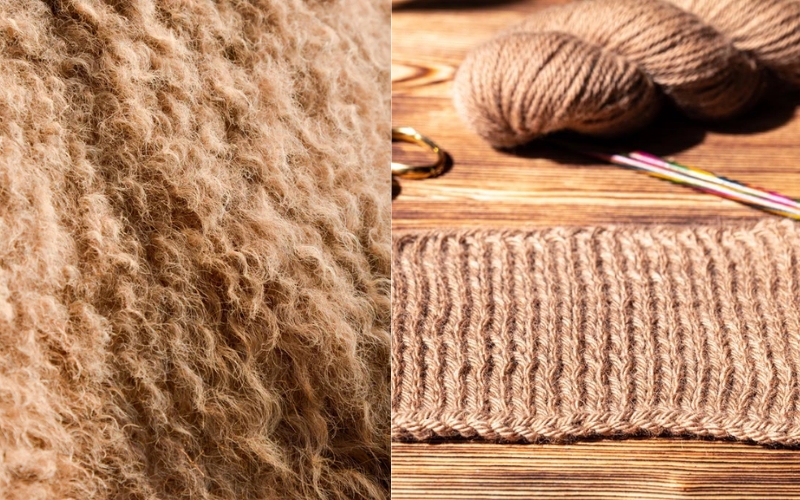
17. Camel hair
Camel hair comes from the fine, soft undercoat of the Bactrian camel, harvested during its natural molting season. The hollow fiber structure makes it lightweight yet highly insulating, keeping the wearer warm without bulk.
It’s notably soft, breathable, hypoallergenic, and resistant to pilling – offering cashmere-level comfort with added durability. Because camels shed their coats naturally, it’s also considered a sustainable, cruelty-free material.
Camel hair is most commonly used in outerwear – coats, blazers, sweaters – as well as scarves and suits, making it well suited for premium winter and transitional-season collections.
18. Modal
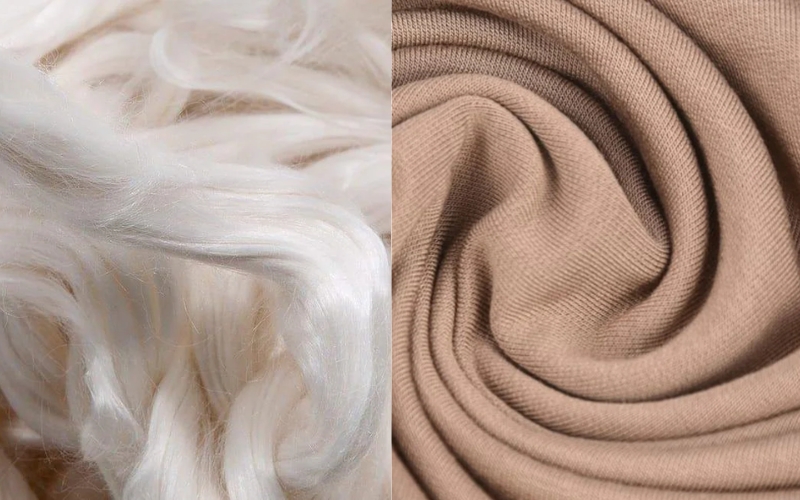
Modal is a semi-synthetic cellulosic fiber made from beech tree pulp, sitting between natural and synthetic fibers – softer than cotton, with a silky drape and smooth, cool touch.
Modal absorbs roughly 50% more moisture than cotton, making it well suited to activewear, loungewear, and intimate apparel that need sweat-wicking performance. It also resists shrinking, pilling, and fading, holding shape and color through repeated washing.
Modal is commonly used for T-shirts, underwear, loungewear, and activewear, and is often blended with cotton or spandex – combining natural comfort with elasticity, similar to how linen or hemp are blended for athleisure lines.
Natural Fabrics and Compliance with Strict EU Sustainability Mandates
The choice of certified natural fabrics is not merely an ethical statement; it is a crucial business strategy to ensure compliance with the European Union’s increasingly strict textile and sustainability regulations.
- Traceability and the Digital Product Passport (DPP): Supply chain certifications for natural fibers are essential proof. Certifications like GOTS (Global Organic Textile Standard) for Organic Cotton and FSC (Forest Stewardship Council) for wood-based fibers (Tencel™, Viscose) provide audited, verifiable traceability data. This prepares brands for the EU’s forthcoming Digital Product Passport (DPP) requirements, which demand full transparency on material origin.
- Substantiating Green Claims: Sustainability claims (e.g., “organic” or “sustainably sourced”) must be verifiable. Using GOTS, OCS, or FSC certified fabrics ensures that these claims are substantiated and third-party audited, effectively safeguarding the brand against accusations of greenwashing under the EU’s proposed Green Claims Directive.
- Ecodesign and End-of-Life Management (ESPR): The inherent biodegradability and natural durability of most natural fibers (like Cotton, Linen, and Hemp) offer a significant advantage. This aligns products with the spirit of the Ecodesign for Sustainable Products Regulation (ESPR) by extending product lifespan and improving waste management potential at the end of the garment’s life.
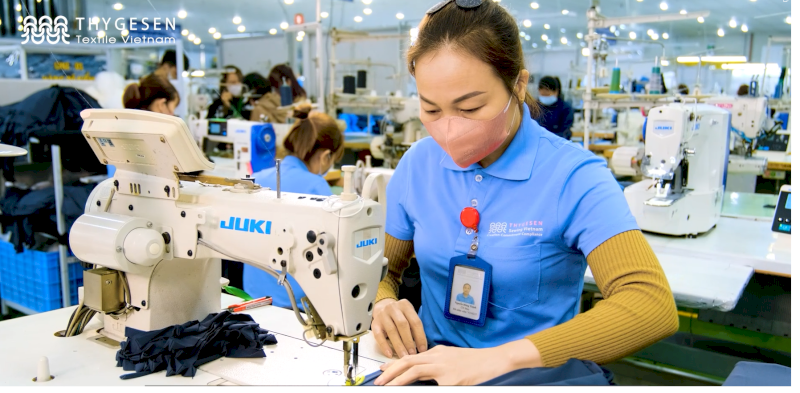
In conclusion, natural fabrics are favored for their performance and eco-friendly qualities. Thygesen proudly supports brands by manufacturing diverse garments using natural materials, enabling them to respond to the rising demand for sustainable fashion.