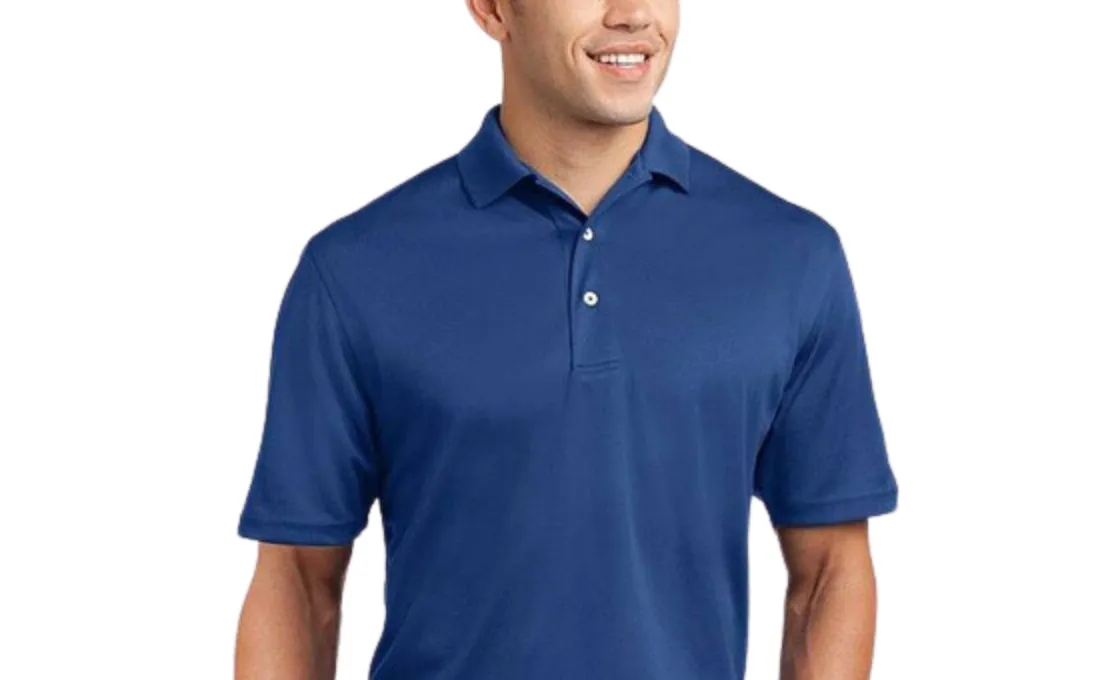
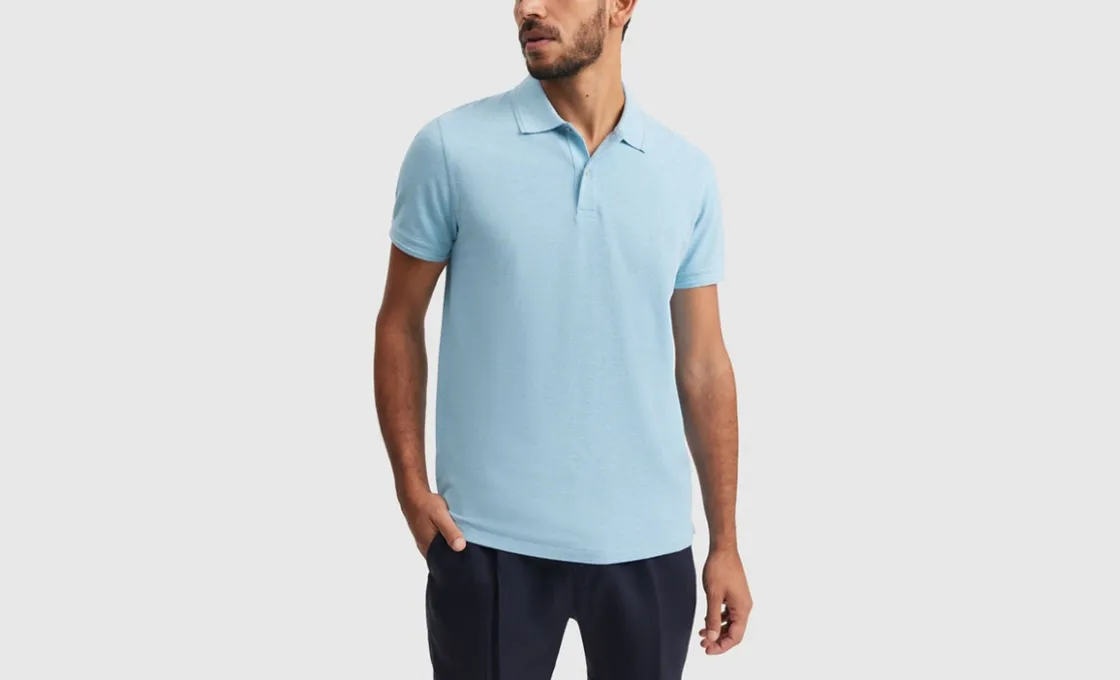
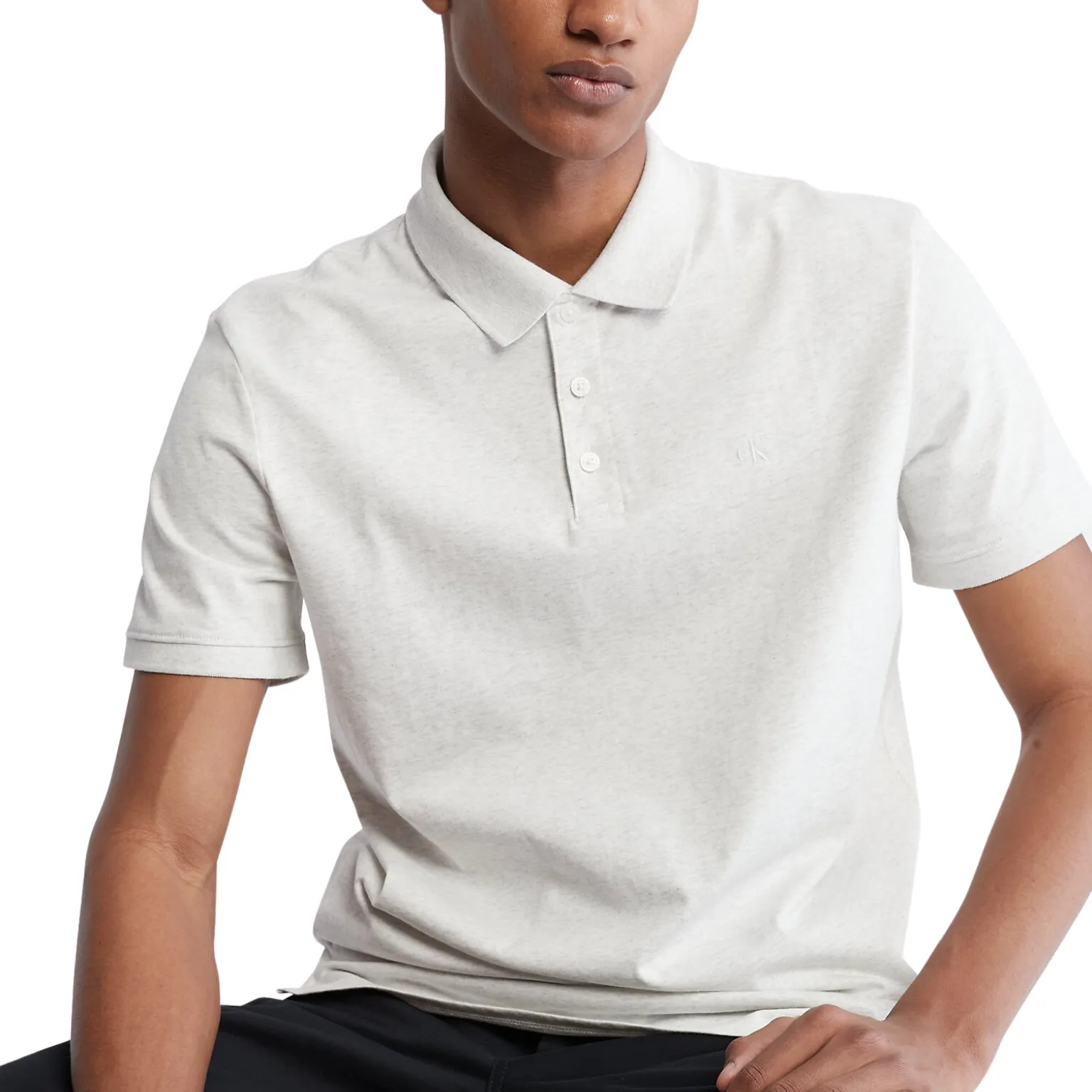
EcoVero fabric is an increasingly popular sustainable material in the fashion industry, known for its eco-friendly production and versatile applications. Let’s take a closer look at how it’s made and the key properties that make it stand out.
1. What Is EcoVero Fabric?
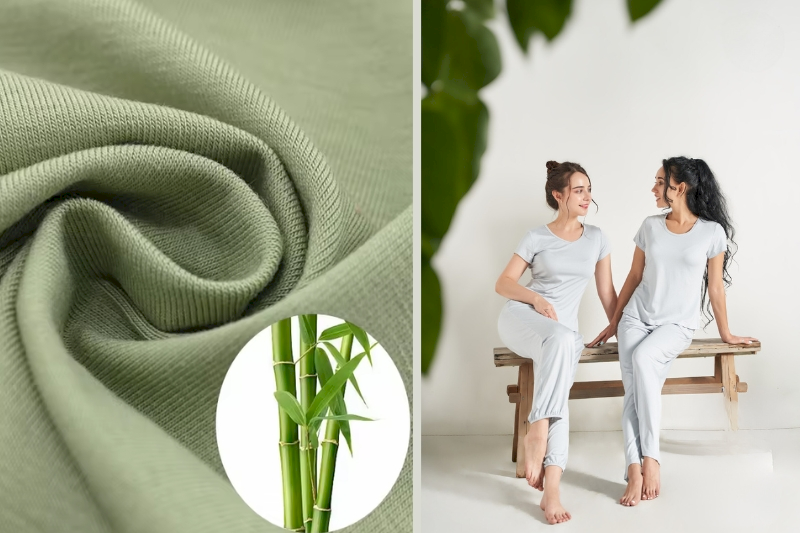
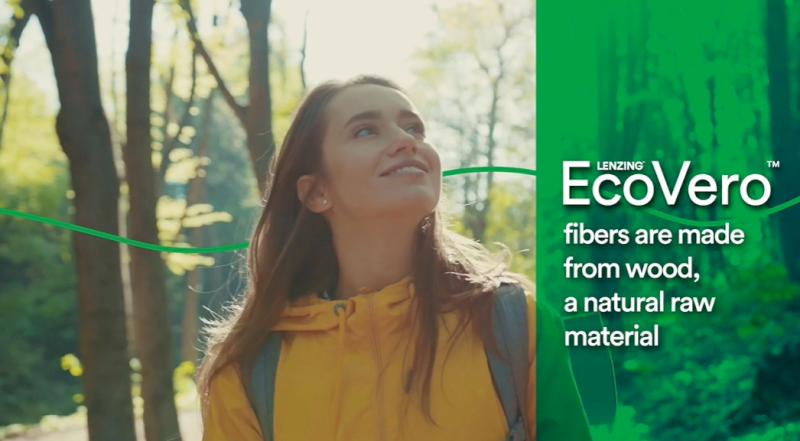
EcoVero fabric is an eco-friendly viscose fiber brand developed by Lenzing AG. Traditional viscose is a semi-synthetic fiber made from cellulose, typically derived from wood pulp such as beech, eucalyptus, or pine – though some producers turn to viscose from bamboo as an alternative renewable source. However, conventional viscose production often involves harmful chemicals and high energy consumption, causing significant environmental impact.
Lenzing EcoVero fabric was introduced as a sustainable alternative to conventional viscose, addressing the environmental concerns of the textile industry. It is produced from natural raw materials, specifically wood and pulp sourced from certified sustainable forests, using an environmentally responsible production process that adheres to strict EU Ecolabel standards.
Lenzing EcoVero fibers generate lower emissions, consume less water and energy, and offer full supply chain transparency. These advantages have made EcoVero a preferred material for fashion brands and textile manufacturers aiming to reduce their environmental footprint without compromising on fabric quality.
Another significant sustainable option for brands is recycled polyester fabric, which further contributes to reducing environmental impact in textile production.
2. What Are the Differences Between Lenzing EcoVero™ and Regular Viscose?
Both Lenzing EcoVero and regular viscose are popular semi-synthetic fibers made from cellulose, which can make them seem quite similar at first glance. However, despite these similarities, there are important differences, especially in how they are produced and their environmental impact.
| Information | Lenzing EcoVero™ | Regular Viscose |
|---|---|---|
| Material source | Made from wood and pulp harvested from certified sustainable forests | Made from wood, bamboo, or other plant materials not always sustainably sourced |
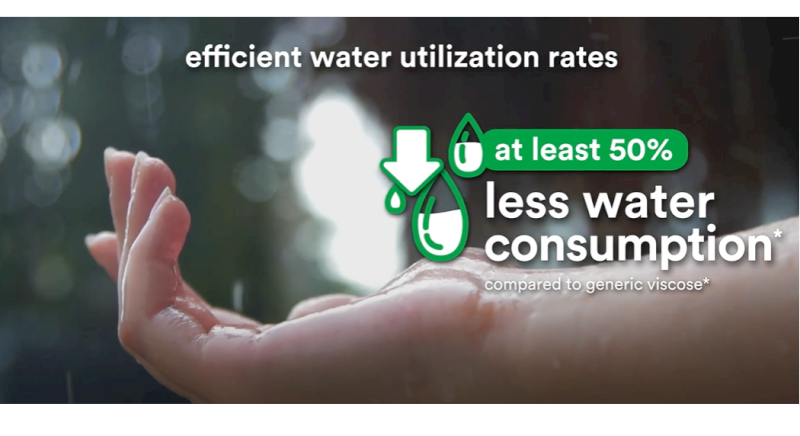
| Manufacturing process | Reduces water consumption and CO2 emissions by at least 50% each | Uses a process that consumes more water and energy and might release harmful chemicals into the environment |
| Softness | Soft and breathable, feels smooth and comfortable on the skin | Soft and breathable, but the texture may vary depending on how it’s made |
| Recyclability | Recyclable and biodegradable | Recyclable but not biodegradable |
| Certifications | Often certified by environmental organizations | Not always eco-certified |
3. How is Ecovero Fabric Made?
Lenzing EcoVero fabric is created through a sustainable and eco-conscious production process designed to minimize environmental impact. Below are the main steps involved:
Step 1: Harvest wood pulp
The raw material for EcoVero fabric is wood pulp, which is carefully harvested from forests certified for sustainable management. This means the forests are responsibly managed to preserve biodiversity, protect ecosystems, and ensure continuous growth without deforestation.

Step 2: Process and transform to fibers
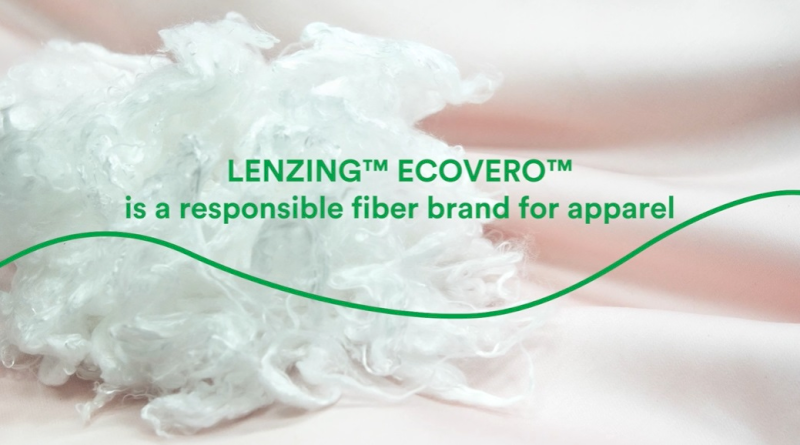
After the wood pulp is collected, it is cleaned and processed in special factories. The wood pulp is turned into long, thin fibers called regenerated cellulose fibers. During this step, the factories use a closed system that reuses water and chemicals many times. This means less waste is produced and fewer harmful chemicals get into the environment.
Step 3: Spin into yarns
Next, the fibers are spun into yarns, similar to twisting threads together. This spinning process creates soft, strong, and flexible yarns that will become the basis of the fabric.
Step 4: Weave and Knit
The spun yarns are then woven or knitted into fabric. Depending on the intended use, the fabric can have different textures and weights, suitable for various types of clothing and textile products.

Step 5: Dye
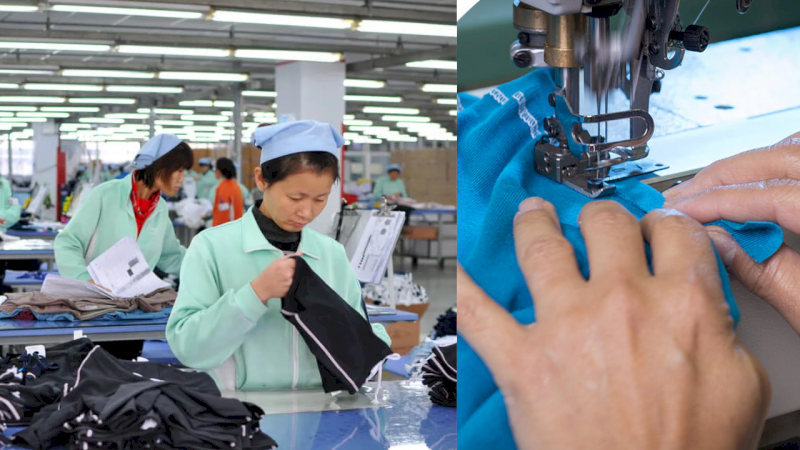
Dyeing adds color to the fabric and can be done at different stages of production. Fibers can be dyed before being spun into yarn (fiber dyeing), yarns can be dyed before weaving or knitting (yarn dyeing), or the fabric can be dyed after it is made (fabric dyeing). Each method affects the final look, colorfastness, and texture of the fabric. Once dyed and finished, the fabric is ready to move into a cut and sew manufacturer facility, where it’s cut, sewn, and transformed into finished garments.
4. EcoVero: Meeting the High Standards of the European Market (EU)
Choosing Lenzing’s EcoVero™ fabric for your collection is not just a sustainability statement; it is a strategic decision that aligns with the European Union’s increasingly strict textile regulations (such as the upcoming Ecodesign for Sustainable Products Regulation – ESR).
- Compliance with EU Ecolabel: EcoVero is produced using an environmentally responsible process that meets the stringent criteria of the EU Ecolabel. This provides audited evidence to both consumers and European regulators that the environmental impact – such as a 50% reduction in water and CO2 emissions compared to generic viscose—has been significantly minimized.
- Supply Chain Transparency (DPP Readiness): EcoVero’s unique traceability technology, which utilizes fiber identification, helps brands easily comply with supply chain transparency requirements. This is a crucial element for preparing for the EU’s upcoming Digital Product Passport (DPP), which will mandate detailed lifecycle data for products.
- Substantiated Green Claims: Backed by clear certifications (such as certified sustainable wood sourcing) and specific data on emission reduction, brands using EcoVero can make credible and data-substantiated sustainability claims. This directly addresses the goal of the EU’s proposed Green Claims Directive to combat greenwashing.
5. FAQ
What types of fabrics are commonly mixed with Ecovero?
EcoVero is often blended with other fabrics to improve their performance and offer a variety of textures and styles. It is commonly combined with natural fibers like cotton, linen, and wool, as well as synthetic fibers such as recycled polyester and elastane.
What are the disadvantages of Ecovero fabric?
Although EcoVero is a more sustainable choice, it can be slightly more expensive than some other fabrics. It may also have a bit less durability compared to certain synthetic fibers.
What types of clothing are commonly made from ecovero fabric?
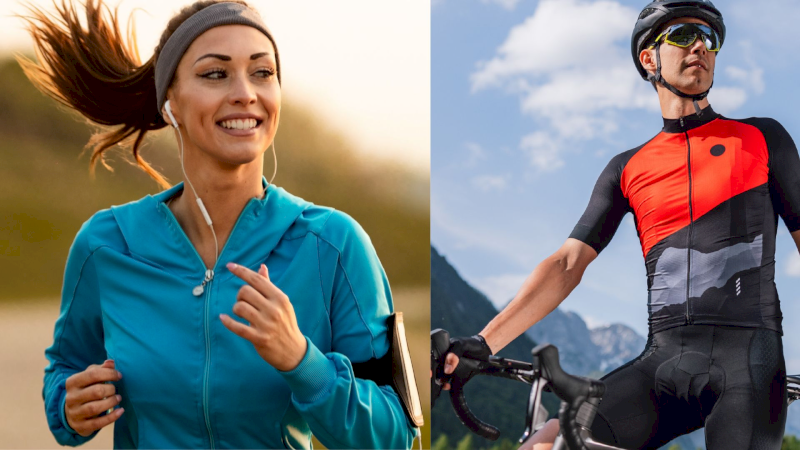
EcoVero fabric is commonly used to make a wide range of clothing, especially items that prioritize comfort and sustainability. Popular garments include casual wear like T-shirts, dresses, loungewear, activewear etc.
Looking for a manufacturing partner? Check out our list of t-shirt manufacturers for EcoVero tees, our pajama manufacturer service for soft sleepwear, or our list of athletic apparel manufacturers for activewear. EcoVero’s softness and drape also make it a great match for our hoodie manufacturer, legging manufacturer, and streetwear manufacturer partners.
What to look for when partnering with ecovero clothing manufacturers?
When partnering with EcoVero clothing manufacturers, it’s important to choose those committed to sustainable practices and transparent supply chains. Ensuring ethical labor practices and clear communication will help guarantee a reliable and responsible partnership.
Can Thygesen manufacture clothing using EcoVero fabric?
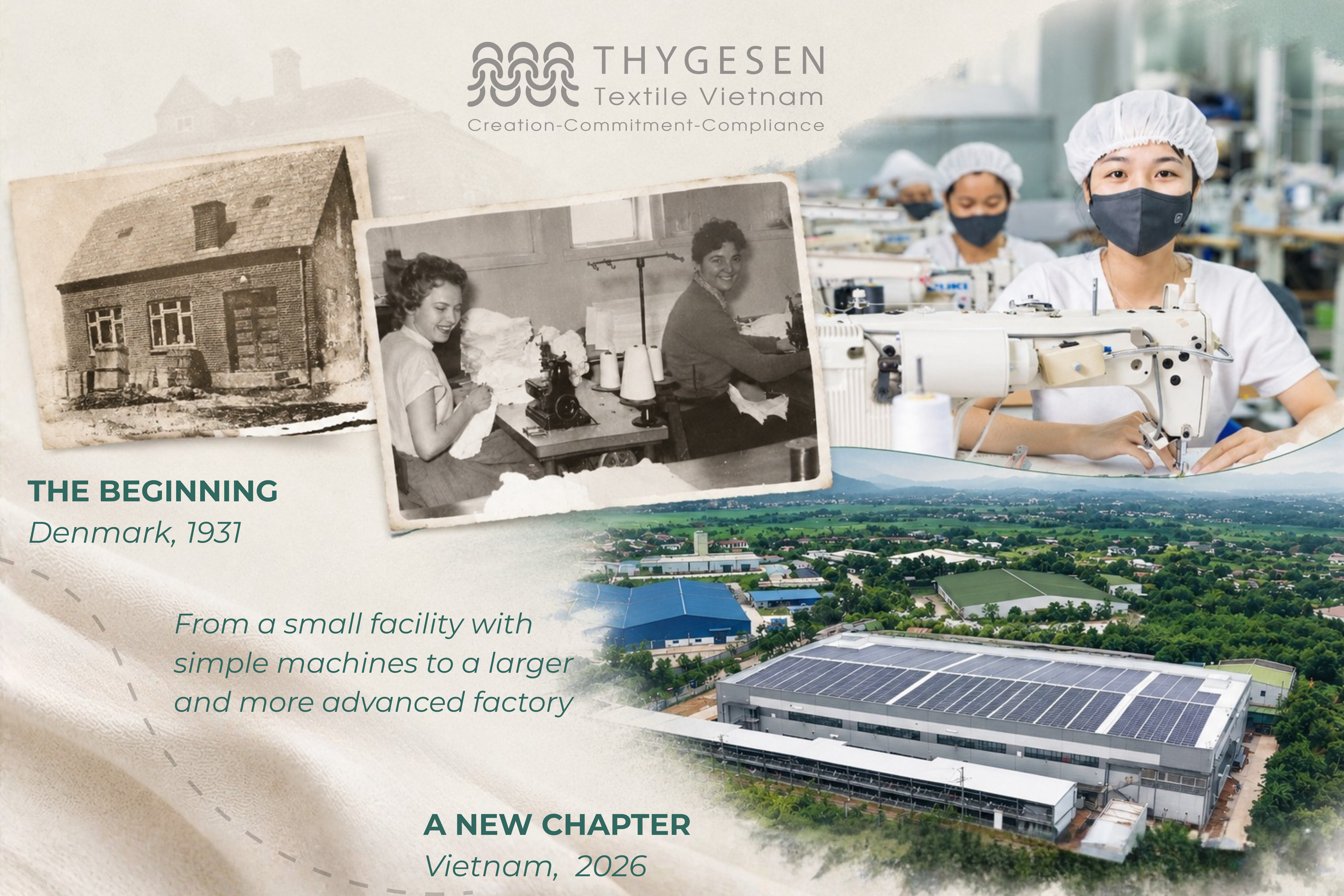
Yes, we can. Thygesen is a proud partner of Lenzing AG, and we have in-house fabric specialists, enabling us to provide expert consulting on EcoVero and other sustainable materials. With over 90 years of experience in the textile industry, trusted by various global brands, Thygesen holds multiple certifications, including SA8000, WRAP, OEKO-TEX, GOTS, FSC, ISO etc. that ensure the highest standards of sustainability and quality.
In conclusion, EcoVero fabric stands out for its environmentally responsible production process that significantly reduces water and carbon emissions compared to traditional viscose.
As a trusted clothing manufacturer with 90 years of textile expertise, Thygesen delivers reliable full-package services to global brands for EcoVero garment manufacturing. For more information, visit our website thygesenapparel.com or contact us at sale@thygesen.com.vn.