As sustainability becomes a priority for modern fashion brands, alternative fabrics like bamboo viscose are stepping into the spotlight. But what is viscose from bamboo, and what should you know before choosing it for your next collection? This guide covers the essentials, from production to the key benefits and ideal product applications for fashion brands.
1. What Is Viscose from Bamboo (Bamboo Viscose)?
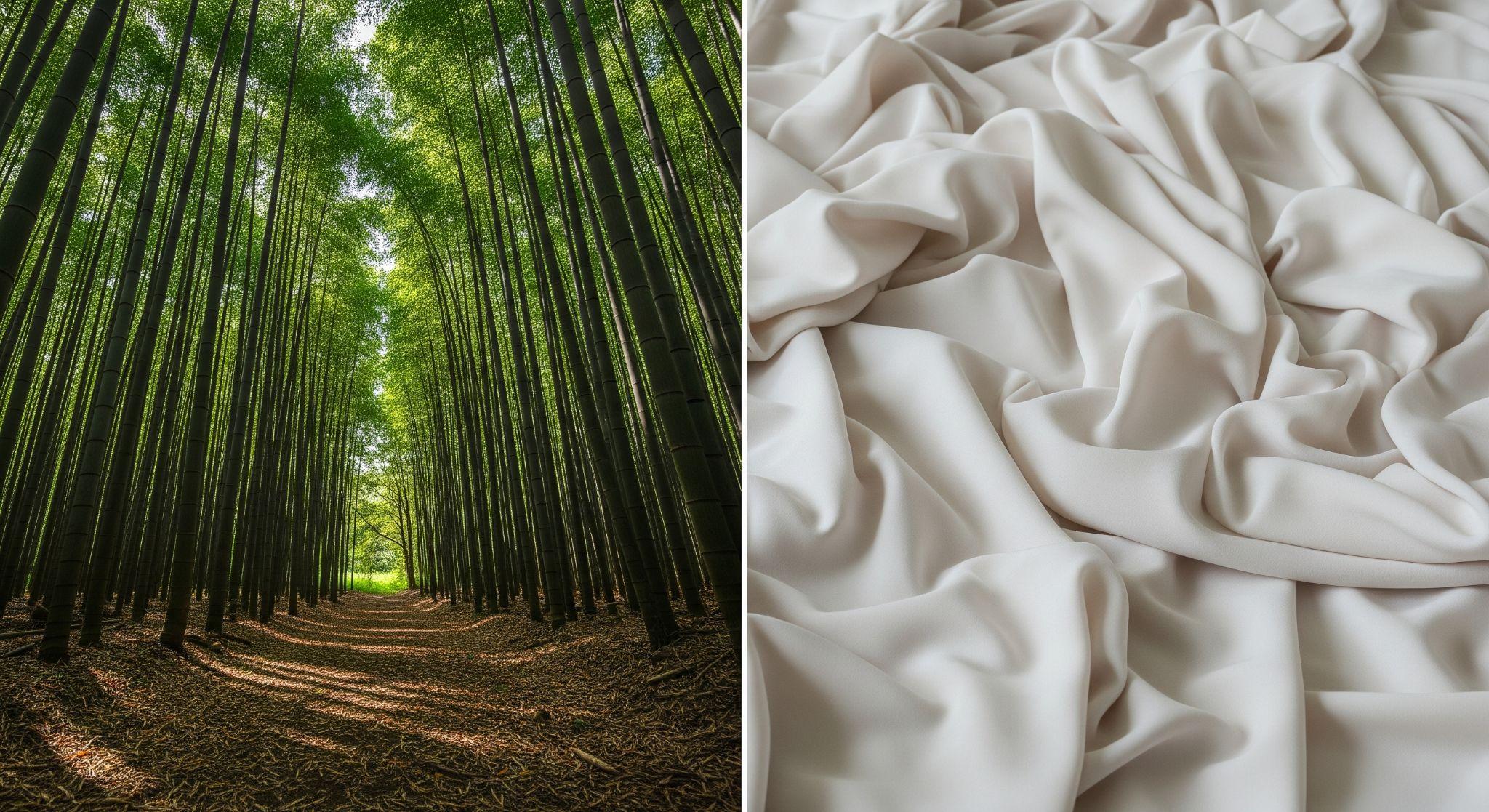
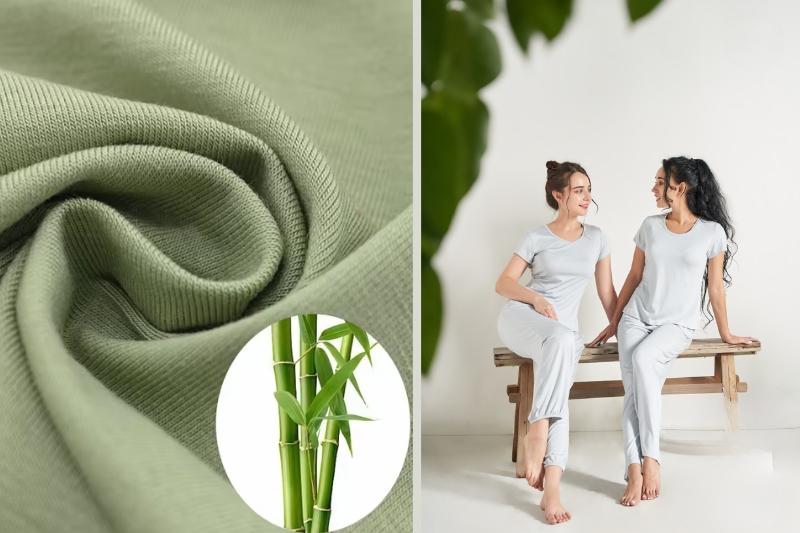
Viscose from bamboo, often called bamboo viscose or bamboo rayon, is a semi-synthetic fiber made by processing the natural cellulose found in bamboo plants. In other words, it is not a fully natural fiber – while the raw material comes straight from bamboo, the fiber itself only takes shape after a chemical process, placing it between natural fibers like cotton and fully synthetic ones like polyester.
For a deeper understanding of the broader category this fabric belongs to, explore What Is Rayon Fabric? The Comprehensive Guide for All Fashion Brand – Thygesen Textile Vietnam.
Although bamboo is a natural and fast-growing resource, the fabric itself is produced through a chemical process that transforms the tough plant material into soft, smooth, and breathable fibers suitable for textile manufacturing.
To further broaden your sustainable textile options, delving into what is lyocell fabric reveals a material produced with an even more environmentally conscious closed-loop solvent spinning process.
This combination of natural origin and advanced processing results in a versatile fabric that offers the comfort and feel of natural fibers, with the added benefits of moisture absorption and durability. Due to these qualities, viscose from bamboo has gained popularity among fashion brands seeking sustainable, comfortable, and high-quality materials for a variety of product lines.
2. Benefits of viscose bamboo fabric
Using viscose bamboo fabric in production offers numerous advantages, particularly in terms of comfort, sustainability, durability, and ease of care.
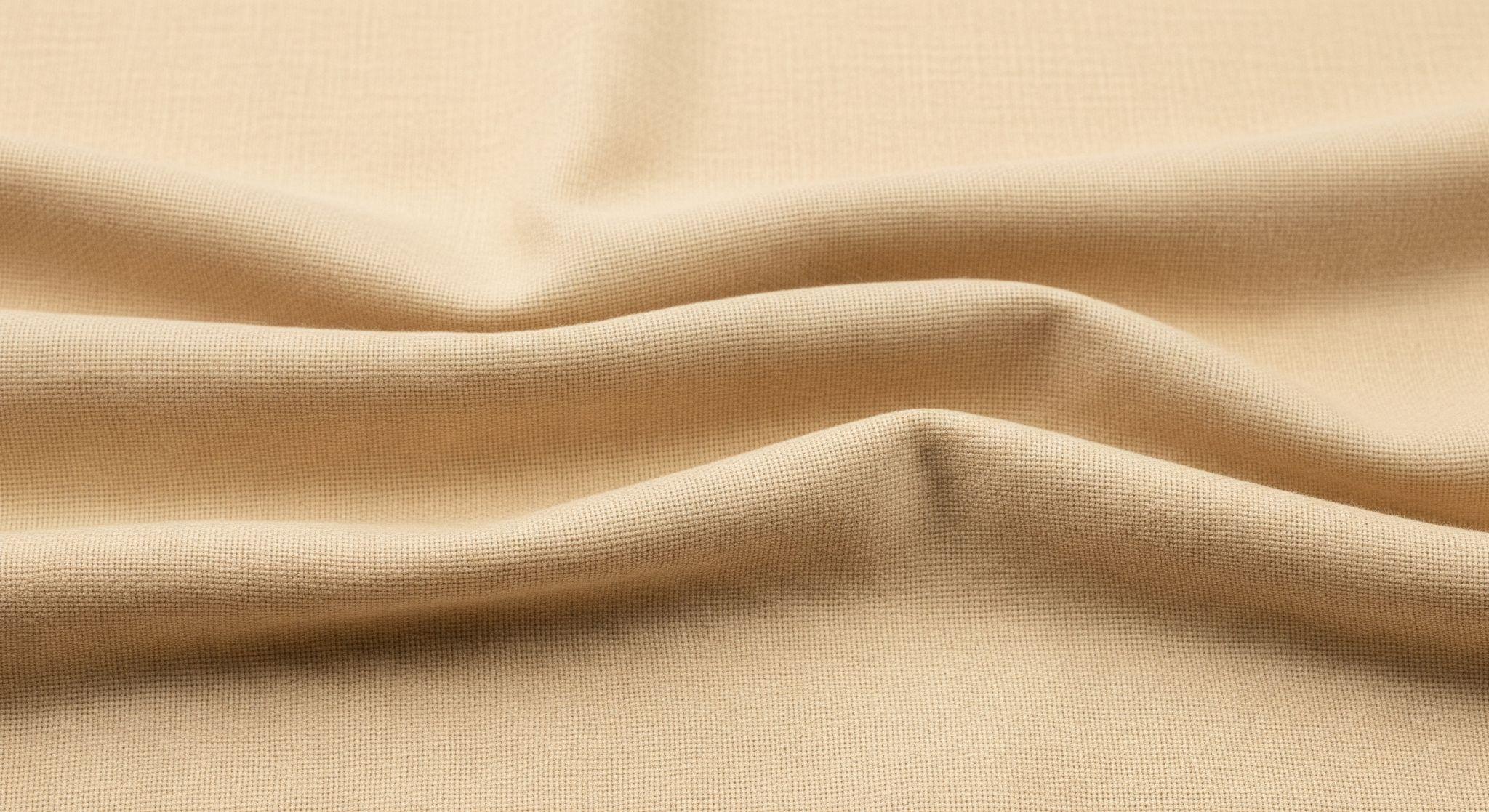
- Silky Smooth Feel: Viscose bamboo fabric is widely recognized for its luxurious softness, often compared to premium materials like silk or cashmere. Its smooth texture makes it especially comfortable for garments that touch the skin directly, such as underwear, sleepwear, and baby clothing, providing a gentle and soothing wearing experience. When exploring other regenerated cellulosic fibers for their unique properties, consider the benefits of modal fabric for its exceptional softness and resistance to shrinkage.
- Hypoallergenic and Skin-Friendly: The unique structure of viscose bamboo fibers — smooth and rounded — reduces friction against the skin and minimizes the risk of irritation or allergic reactions. This quality makes it an excellent fabric choice for people with sensitive or delicate skin, including babies and those prone to allergies.
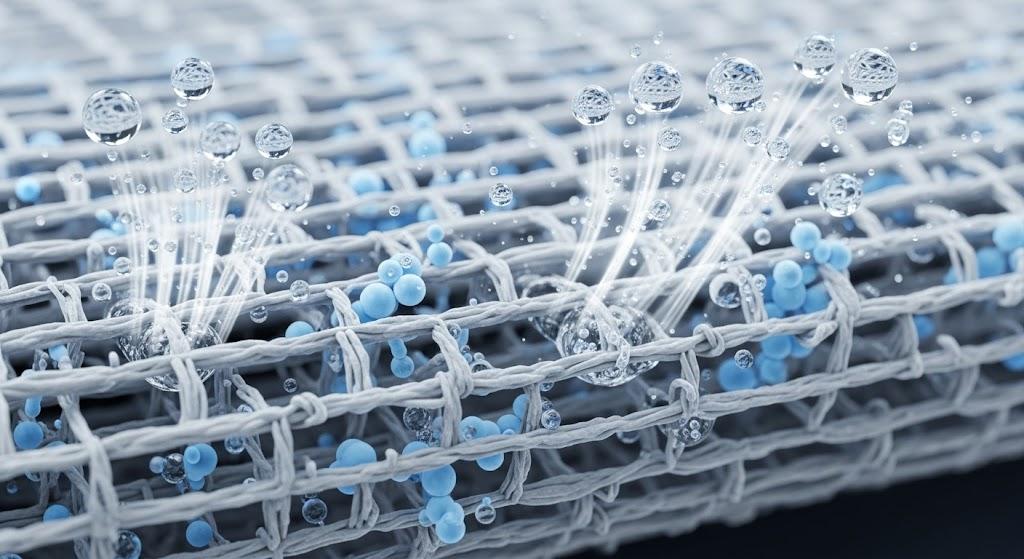
- Highly Breathable: Thanks to its microscopic fiber structure with tiny air pockets, viscose bamboo fabric offers outstanding breathability. These tiny gaps allow heat and moisture to escape easily, helping to keep the wearer cool and comfortable in warm or humid conditions.
- Superior Moisture-Wicking: Viscose bamboo excels at absorbing and wicking moisture away from the body, doing so up to four times faster than cotton. This rapid moisture transfer helps the skin stay dry and fresh, making the fabric an ideal choice for activewear, sportswear, and any garments designed for physical activity or warm climates.
- Thermoregulating Properties: One of the key benefits of viscose bamboo is its ability to regulate body temperature. It helps maintain a comfortable warmth in cooler weather while providing cooling relief during hot days. This adaptability makes viscose bamboo versatile for year-round wear.
- Durable and Long-Lasting: The fibers used in viscose bamboo fabric are strong and elongated, contributing to excellent durability. The fabric resists common wear issues such as pilling and maintains its softness, shape, and appearance even after multiple washes, ensuring garments remain looking and feeling fresh for longer.
- Easy to Care For: Viscose bamboo fabric is relatively low-maintenance. It can typically be machine washed with gentle settings and tumble dried on low heat. Its natural resistance to wrinkles means garments often require minimal or no ironing, making it convenient for everyday wear and busy lifestyles.
Thygesen, as an experienced athletic clothing manufacturer, offers specialized production for brands seeking to incorporate innovative, sustainable materials like viscose from bamboo. By integrating advanced textiles with functional design, Thygesen supports brands in developing high-performance collections that meet modern consumer demands. This strategic partnership helps mitigate sourcing risks while ensuring product integrity from concept to delivery.
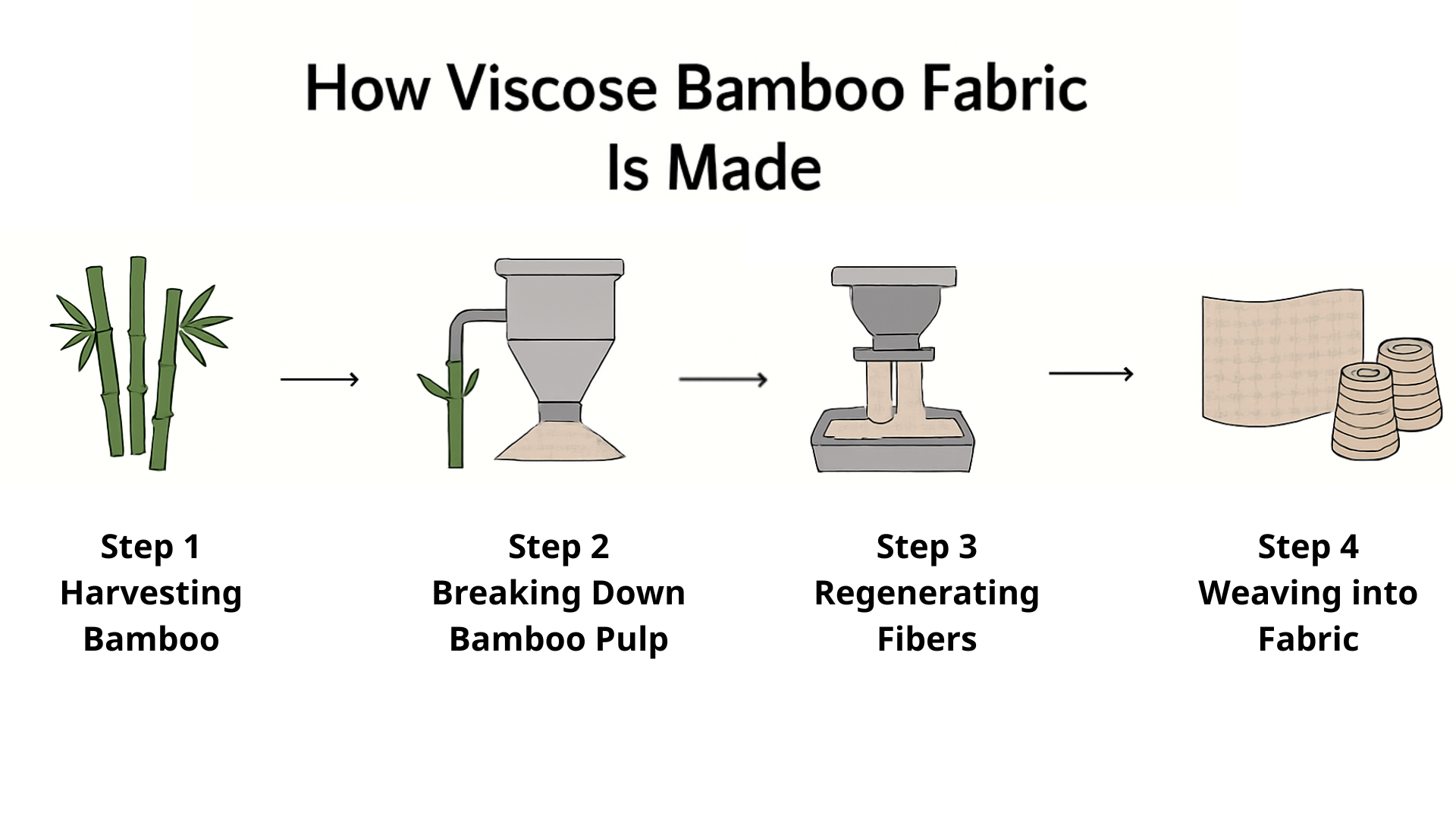
3. How viscose bamboo fabric is made
Step 1: Harvesting Bamboo
The process starts with harvesting mature bamboo plants, which are known for their fast growth and sustainability. The bamboo stalks are carefully cut, collected, and cleaned to prepare for further processing.
Step 2: Breaking Down Bamboo Pulp
Next, the cleaned bamboo is dissolved in a chemical solution to extract the natural cellulose. This step separates the soft fibers from the woody parts of the bamboo, producing the raw material needed for fabric production.
Step 3: Regenerating Fibers
The extracted cellulose is chemically treated to create a thick, viscous liquid called viscose. This viscose is then pushed through tiny holes to form thin filaments, which are solidified in a chemical bath to regenerate the cellulose into fibers.
Step 4: Weaving into Fabric
Finally, the regenerated fibers are washed, spun into yarns, and woven or knitted into soft, breathable viscose bamboo fabric. This fabric combines the natural qualities of bamboo with the comfort and versatility of man-made fibers, ready to be used in garment production.
For fashion brands exploring the versatility of bamboo viscose, collaborating with adept cut and sew manufacturers is essential to achieve desired garment aesthetics and performance. Thygesen applies stringent ISO-based quality management systems across all production stages, ensuring precise handling and construction of diverse fabrics, including delicate sustainable options. Brands benefit from this meticulous approach, securing consistently high-quality finished products that uphold their brand reputation.
4. Popular product lines made of viscose bamboo fabric
4.1. Underwear
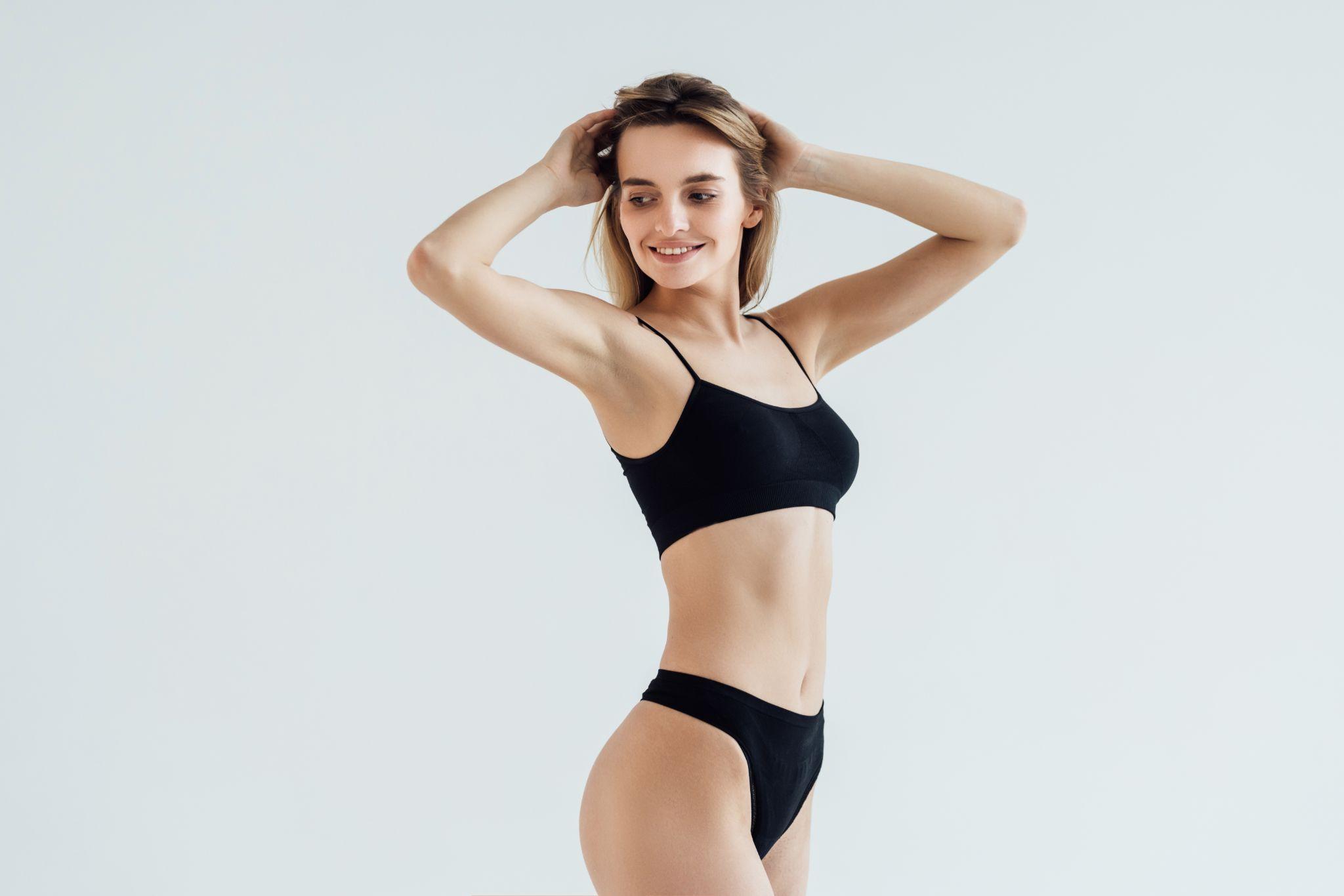
Viscose bamboo fabric is ideal for underwear because of its exceptional softness and breathability, which ensure all-day comfort and reduce skin irritation. Its moisture-wicking properties keep the skin dry and fresh, making it perfect for garments worn close to the body.
At Thygesen, we specialize in producing high-quality custom underwear, including briefs, boxers, women’s panties, etc. crafted with precision to highlight the fabric’s natural benefits while ensuring a perfect fit and durability.
4.2. Activewear
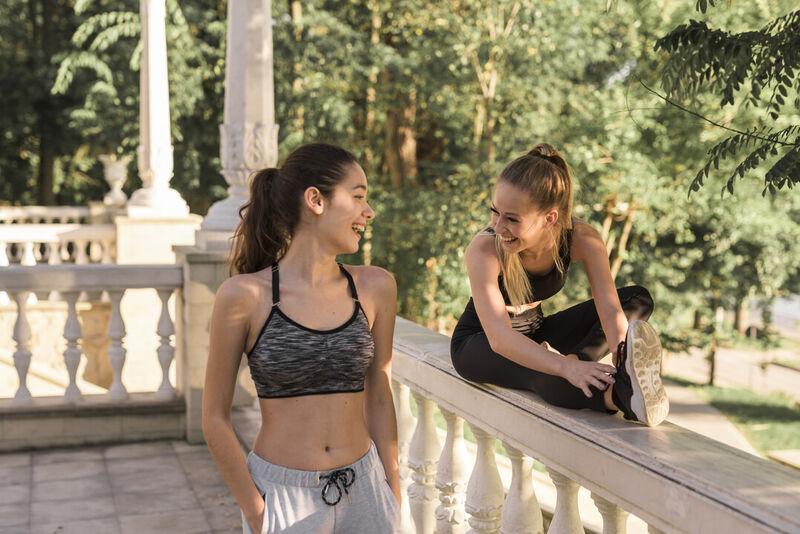
The moisture management and thermo-regulating qualities of viscose bamboo make it an excellent choice for activewear. It keeps athletes cool and dry during workouts, while its natural antibacterial properties help reduce odor, enhancing overall performance.
Thygesen supports brands with expertise in manufacturing versatile activewear such as leggings, sports tops, and jackets, combining innovative fabric technology with reliable craftsmanship to meet demanding performance standards.
As a responsive hoodie manufacturer, Thygesen understands the nuanced requirements for creating comfortable, durable, and sustainably-produced garments like those from bamboo viscose. Thygesen supports fashion brands from initial design concepts through to final production, offering flexible MOQ options that cater to both startups and established corporations. This comprehensive OEM service ensures a streamlined path for introducing eco-conscious casual wear to the market.
4.3. Kidswear
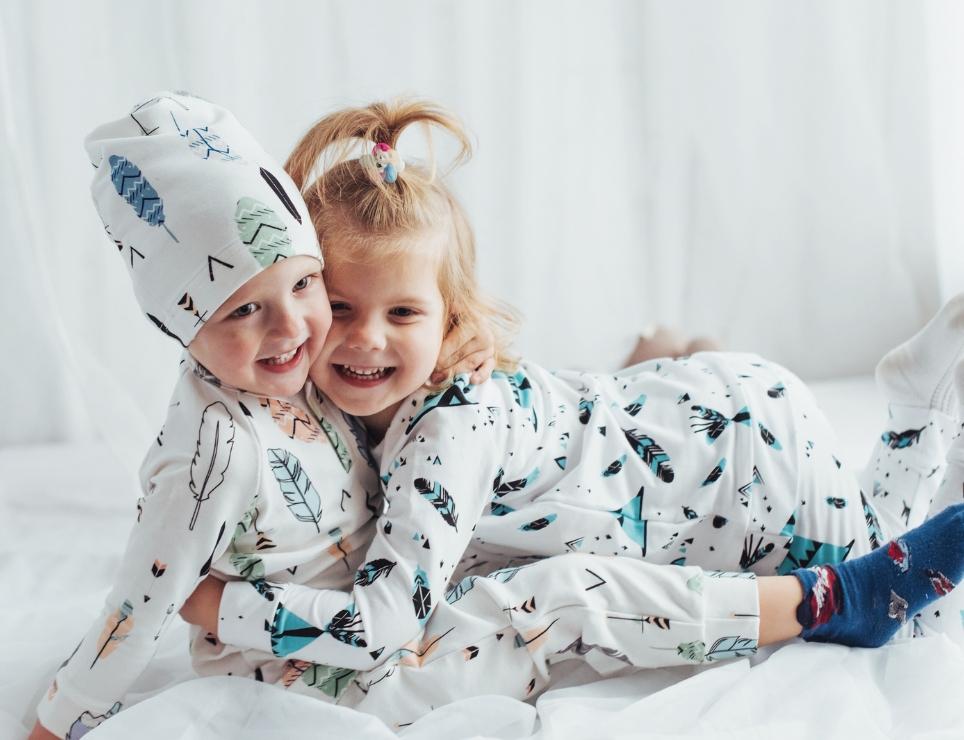
Viscose bamboo fabric is gentle and hypoallergenic, making it an excellent choice for kidswear where comfort and safety are essential. Its softness and breathability help protect delicate skin, while its durability supports the daily movement and frequent washing associated with children’s clothing.
As an experienced Vietnam kidswear supplier, Thygesen supports brands with fabric sourcing, product development, customization, and scalable garment production. We ensure that the viscose bamboo fabrics used in our kidswear collections meet strict quality, safety, and sustainability requirements.
Our materials can be certified according to OEKO-TEX® Standard 100, GRS, and GOTS where applicable. In addition, the raw bamboo cellulose can be sourced from responsibly managed forests certified by FSC, supporting greater traceability and responsible production throughout the supply chain.
4.4. Casualwear
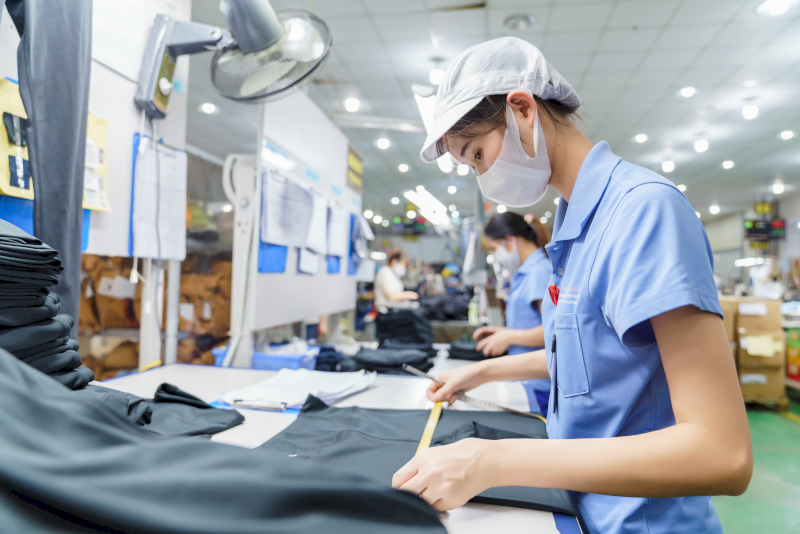
Thanks to its soft hand feel and elegant drape, viscose bamboo fabric is well-suited for casualwear that combines comfort with style. Its breathability and easy-care properties make it perfect for everyday garments like T-shirts, blouses, and dresses.
Thygesen produces a wide range of custom casualwear items including dresses, T-shirts, polos, joggers, hoodies, sweatshirts, cardigans, and lightweight jackets, all crafted to highlight the fabric’s natural comfort and durability.
For brands seeking a dependable legging manufacturer committed to sustainable practices, Thygesen provides transparent supply chain management, crucial for materials like bamboo viscose. Thygesen partners with brands to navigate the complexities of ethical production, ensuring compliance and traceability from fiber to finished garment. This commitment fosters long-term collaborations built on shared values of environmental responsibility and product excellence.
4.5. Sleepwear
Viscose bamboo fabric’s silky softness, breathability, and moisture-wicking properties make it well suited for sleepwear, helping wearers stay comfortable throughout the night and maintain a balanced body temperature.
To bring these benefits into finished products, Thygesen works with brands as a bamboo pajama manufacturer, supporting fabric selection, product development, customization, and bulk production. Our sleepwear and loungewear range includes pajama sets, nightdresses, lounge tops, relaxed pants, sleep shorts, and other styles available in various colors and material options.
5. FAQ
Is viscose more expensive than other fabrics?
Viscose from bamboo tends to be pricier than many standard fabrics because of its eco-friendly raw material and more complex manufacturing process, but its softness, breathability, and sustainability often make the extra cost worthwhile for quality-conscious brands.
Is bamboo viscose a natural fiber?
Not exactly – bamboo viscose is classified as a semi-synthetic (regenerated cellulosic) fiber, not a purely natural one. While the raw material – bamboo cellulose – is 100% natural and renewable, turning that cellulose into soft, wearable fiber requires a chemical process using solvents such as sodium hydroxide and carbon disulfide to dissolve and regenerate the pulp. This is the same category of processing used for standard rayon, which is why bamboo viscose sits between “fully natural” fibers like cotton and “fully synthetic” fibers like polyester.
Bamboo Viscose vs. 100% Bamboo Fabric – What’s the Difference?
The terms get used interchangeably, but they’re not the same product. Bamboo viscose (also sold as “bamboo rayon”) is chemically processed – this is what over 95% of “bamboo fabric” on the market actually is. True 100% bamboo fabric (sometimes called bamboo linen) is mechanically processed, retaining more of the plant’s natural fiber structure, but it’s coarser, more expensive, and far less common in fashion production. If your sourcing brief calls for “bamboo fabric,” confirm with your manufacturer which process they mean – the fabric feel, cost, and MOQ availability differ significantly between the two.
Bamboo vs. Viscose vs. Rayon – What’s the Difference?
Rayon is the umbrella term for man-made cellulosic fibers, a category that includes viscose, lyocell (Tencel), and cupro. Bamboo isn’t a separate fiber type – it’s just the raw material: when the viscose process uses bamboo cellulose instead of eucalyptus or other wood pulp, the result is marketed as bamboo viscose or bamboo rayon. So bamboo = the source, viscose = the process, rayon = the fiber category – which is also why bamboo viscose and eucalyptus-based rayon can feel almost identical.
What certifications are required for viscose bamboo clothing manufacturing?
Certifications are not always legally required but are highly valued. Key certifications to look for include:
- OEKO-TEX Standard 100: Ensures the final product is free from harmful substances.
- GRS (Global Recycled Standard): Certifies that a product contains recycled material.
- FSC (Forest Stewardship Council): Ensures the bamboo is sourced from responsibly managed forests.
- GOTS (Global Organic Textile Standard): While bamboo is not certified as organic, this standard can apply to blended fabrics.
What to look for when partnering with viscose bamboo clothing manufacturers?
Look for manufacturers who:
- Have transparent and ethical manufacturing processes.
- Possess reputable certifications like OEKO-TEX or GOTS to guarantee the safety of the final product.
- Can provide consistent quality in terms of fabric feel, color, and durability.
- Are willing to discuss their waste management and chemical handling procedures.
- Have a good reputation and positive client reviews in the industry.
In conclusion, viscose bamboo fabric combines the natural benefits of bamboo with advanced manufacturing to create a soft, breathable, and sustainable textile ideal for various apparel categories. As a trusted clothing manufacturer, Thygesen offers expert production services that help brands bring high-quality viscose bamboo garments to life. For more information, visit thygesenapparel.com or contact us at sale@thygesen.com.vn.