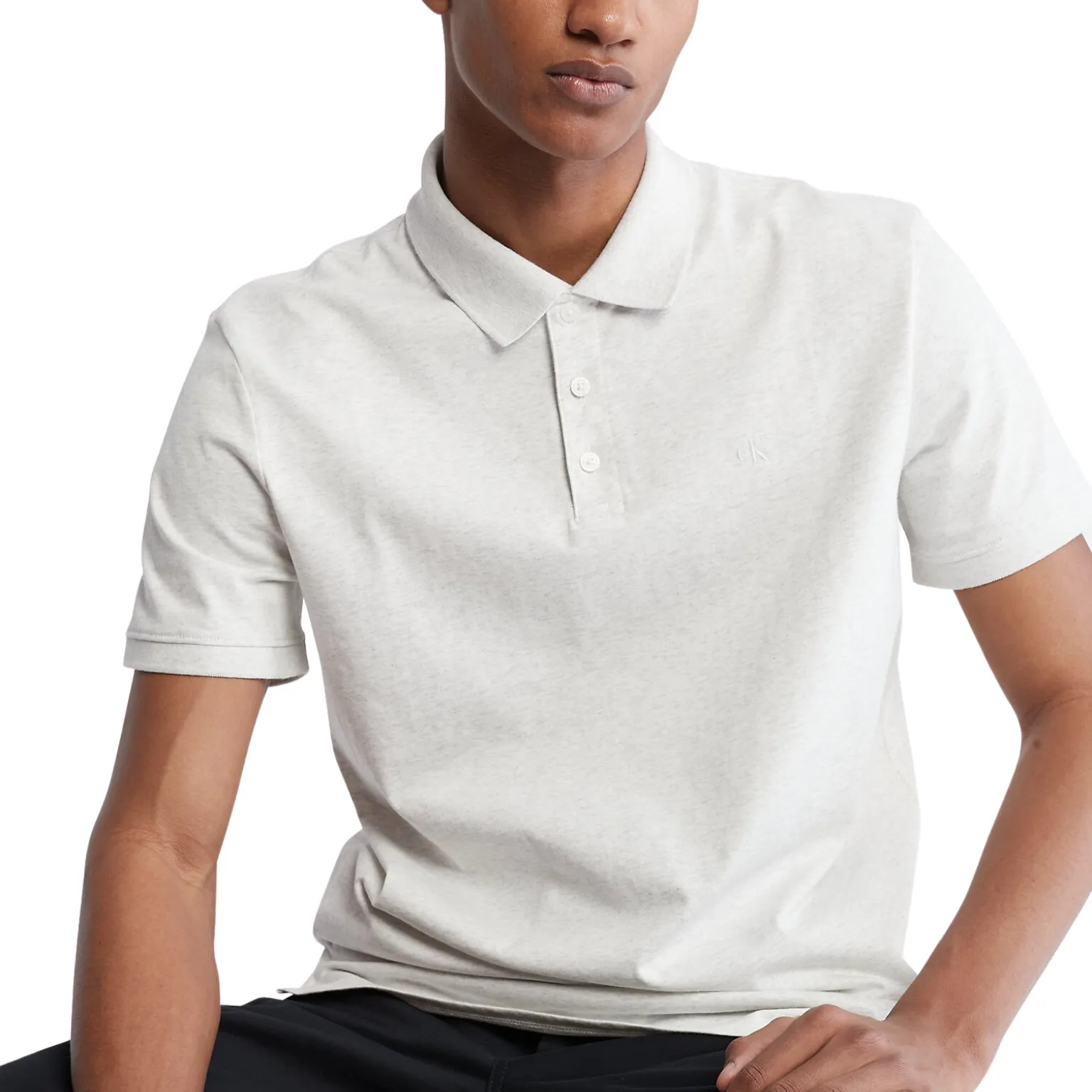
Modal fabric is material made from beechwood, known for its softness, breathability, and eco-friendly nature. It’s widely used in fashion for items like T-shirts, underwear, and loungewear. Discover more about this versatile fabric in the guide below.
1. What is modal fabric?
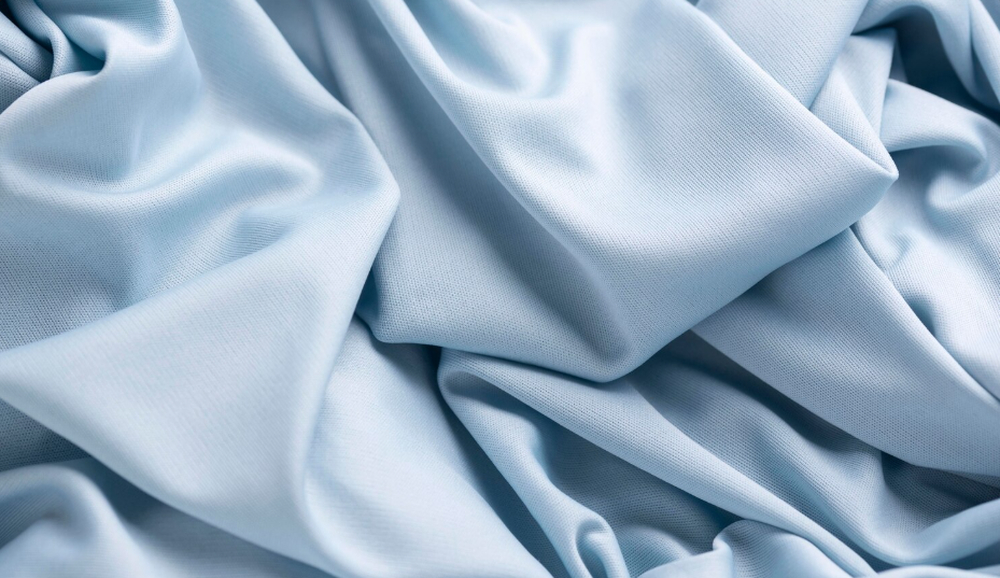
Modal fabric is a semi-synthetic textile made from cellulose extracted from beechwood trees. Although it undergoes chemical processing during manufacturing, modal is derived from natural plant sources, placing it in the category of regenerated cellulose fibers.
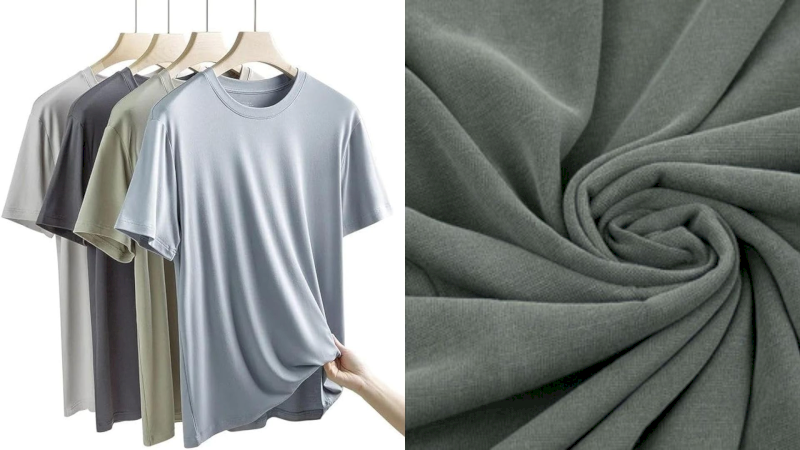
The result is a fabric that is lightweight, breathable, and exceptionally soft to the touch. Compared to many traditional fabrics, modal is often smoother, stronger, and more resistant to shrinking or pilling.
Because of these qualities, modal fabric has become increasingly popular in fashion manufacturing. It is commonly used for garments that require softness, flexibility, and everyday comfort, such as underwear, T-shirts, base layers, and loungewear.
To better understand modal’s fiber classification, it is helpful to first explore What Is Rayon Fabric, as modal is considered a high-performance form of rayon made from beechwood cellulose.
2. Modal fabric advantages and disadvantages
Using modal fabric in production offers significant advantages in terms of softness, moisture-wicking ability, and durability, but it also has some drawbacks related to maintenance.
Advantages of modal fabric:
- Breathable and moisture-wicking: Modal fabric has a porous structure, which allows air to flow freely through the material. This makes it highly breathable and excellent at wicking moisture away from the skin, helping to keep you cool and dry all day long.
- Eco-friendly and sustainable: Made from renewable beech tree pulp, modal is considered a more environmentally friendly option compared to many synthetic fabrics. The production process of modal uses fewer chemicals and less water, making it a more sustainable choice for those looking to reduce their environmental impact.
- Resistant to color-fading and pilling: Modal fabric is known for maintaining its vibrant color even after multiple washes. It also resists pilling, so it won’t form those small, unsightly balls of fabric that often appear on clothes after wear and friction.
- Soft and silky texture: One of the standout features of modal is its incredibly smooth and soft texture. The fibers have a natural luster, giving the fabric a silky feel that is gentle against the skin, adding to the overall comfort of wearing it.
- Hypoallergenic and gentle on skin: Modal fabric is gentle and non-irritating, making it ideal for those with sensitive skin or allergies. It is less likely to cause any skin reactions, offering comfort without discomfort for those prone to skin conditions.
Disadvantages of Modal Fabric:
Despite its many benefits, modal fabric also has some limitations that should be considered when selecting materials for clothing production.
- Sensitivity to heat: Modal can shrink if exposed to high temperatures during washing or drying. Proper care instructions, such as cold washing and low heat drying, are recommended to maintain garment shape.
- Lower resistance to rough wear: Although modal fibers are strong, the fabric may be less resistant to abrasion compared to thicker natural fibers such as cotton or wool, especially in garments exposed to heavy use.
- Higher material cost: Modal fabric is generally more expensive than standard cotton fabrics due to its production process and fiber treatment. This may increase manufacturing costs for some clothing categories.
To overcome some of these limitations and enhance fabric performance, modal is often blended with other fibers in textile production.
Common modal blends include:
- Modal + Cotton – improves breathability, reduces production costs, and creates a more natural hand feel that is comfortable for everyday clothing.
- Modal + Elastane (Spandex) – increases stretch and flexibility, making the fabric ideal for fitted garments such as activewear, leggings, and base layers.
- Modal + Polyester – enhances durability and improves wrinkle resistance, helping garments maintain their shape and appearance after repeated use and washing.
These blends allow clothing manufacturers to combine the softness of modal with the strength or flexibility of other fibers, creating fabrics suitable for a wider range of garments.
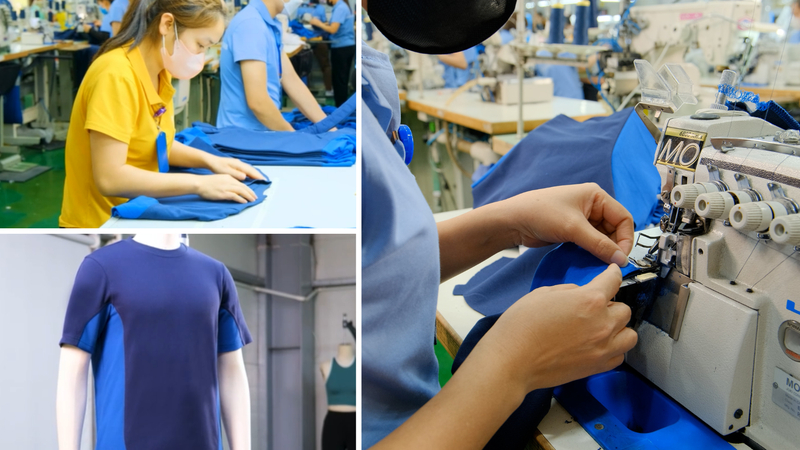
Ensuring precise execution for garments made from specialized fabrics like Modal requires exceptional attention to detail in production. Thygesen’s advanced cut and sew manufacturing processes are meticulously managed to deliver garments that maintain fabric integrity and design specifications. Thygesen upholds stringent quality control, mitigating sourcing risks for partners.
3. How is modal fabric made?
To turn beech tree wood into soft, breathable modal fabric, it goes through a detailed process with many steps. Here’s a closer look at how the transformation happens:
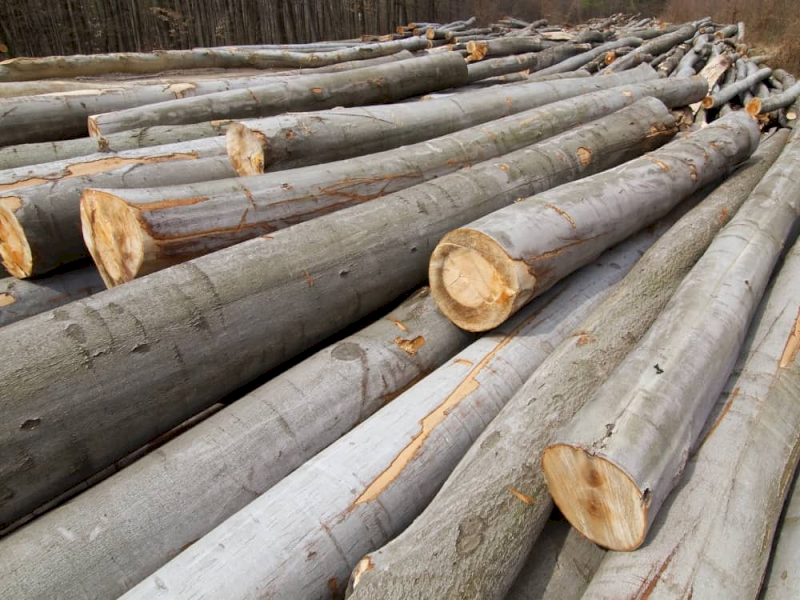
Step 1: Harvest beech trees
The process starts with harvesting beech trees. These trees grow quickly and are a renewable resource, making them an ideal choice. The trees are cut into smaller pieces, which will be used to extract cellulose, a natural polymer found in plant cell walls. Cellulose is the key ingredient needed to make modal fabric.
Step 2: Extract the cellulose
After the wood is cut into chips, it’s treated with chemicals to remove the non-cellulose parts, like lignin. What’s left is pure cellulose, which is the key ingredient for making modal fabric. The cellulose is then cleaned and prepared for the next step.
Step 3: Steep the sheets
The clean cellulose is soaked in a chemical solution to turn it into a thick, gooey liquid. This step is important because it makes the cellulose easier to turn into fibers. The liquid is then left to age, which helps improve its properties and makes it ready to be spun into fibers.
Step 4: Break into crumbs and create fibers
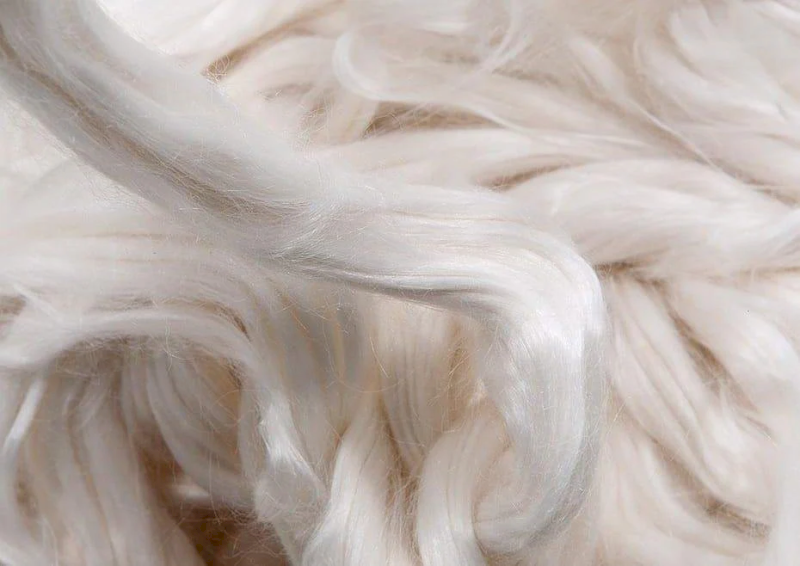
The thick cellulose liquid is broken into small pieces, or “crumbs”, and then forced through tiny holes to form long strands of fiber. This process is called wet spinning. These fibers are soft, smooth, and very absorbent, and they are washed and dried to remove any remaining chemicals.
Step 5: Form into yarn and finish fabric
The fibers are spun into yarn, which is then woven or knitted into fabric. The fabric is treated further to make it softer, add color, and improve its durability. Once finished, the modal fabric is ready to be used in making clothing and other textile products.

4. How Modal Fabric Compares to Other Clothing Materials?
Modal fabric is often compared with other popular textile materials used in clothing production, especially cotton and Tencel (lyocell). While these fabrics share certain characteristics such as softness and breathability, they differ in fiber structure, durability, sustainability, and overall performance.
Understanding these differences helps clothing brands and manufacturers choose the most suitable material for their products.
4.1. Modal vs Cotton
Cotton is one of the most widely used natural clothing fibers, while modal is a regenerated cellulose fiber derived from beechwood trees. Although both originate from plant-based sources, they differ in their production processes, fiber structures, and performance characteristics. Both fabrics are breathable and comfortable, but modal offers several performance advantages in certain applications.
In many modern clothing applications, modal is preferred for garments that require smoothness, moisture control, and long-lasting softness, such as underwear, sleepwear, and loungewear. Cotton remains popular due to its natural origin and affordability, but modal often provides a more premium feel.
| Feature | Modal Fabric | Cotton |
|---|---|---|
| Fiber type | Regenerated cellulose fiber | Natural plant fiber |
| Softness | Very smooth and silky | Soft but slightly rougher |
| Breathability | Highly breathable | Breathable |
| Moisture management | Excellent moisture-wicking | Moderate moisture absorption |
| Durability | Strong and resistant to pilling | Durable but can wear faster |
| Color retention | Holds dye very well | Can fade over time |
| Sustainability | Renewable raw material | High water consumption in farming |
4.2. Modal vs Tencel (Lyocell)
Modal and Tencel (Lyocell facbric) are both regenerated cellulose fibers made from wood pulp, but they differ in their production processes and environmental impact.
Tencel is often considered one of the most environmentally friendly regenerated fibers because its production uses a closed-loop process that recycles solvents and minimizes waste. Modal, however, still offers strong sustainability benefits due to its renewable raw material and efficient fiber production.
Both fabrics are widely used in modern apparel manufacturing, particularly in garments that prioritize comfort, breathability, and softness.
| Feature | Modal | Tencel (Lyocell) |
|---|---|---|
| Raw material | Beech tree pulp | Eucalyptus tree pulp |
| Fiber category | Regenerated cellulose fiber | Lyocell fiber |
| Production process | Viscose-based process | Closed-loop solvent process |
| Softness | Very soft and smooth | Soft with a slightly firmer structure |
| Breathability | High | High |
| Moisture absorption | Excellent | Excellent |
| Sustainability | Eco-friendly | Highly sustainable |
5. What types of clothing are commonly made from modal fabric?
Modal fabric is widely used in the fashion industry due to its softness and comfort. Let’s explore in detail which garments are often made from modal fabric.
5.1. Underwear
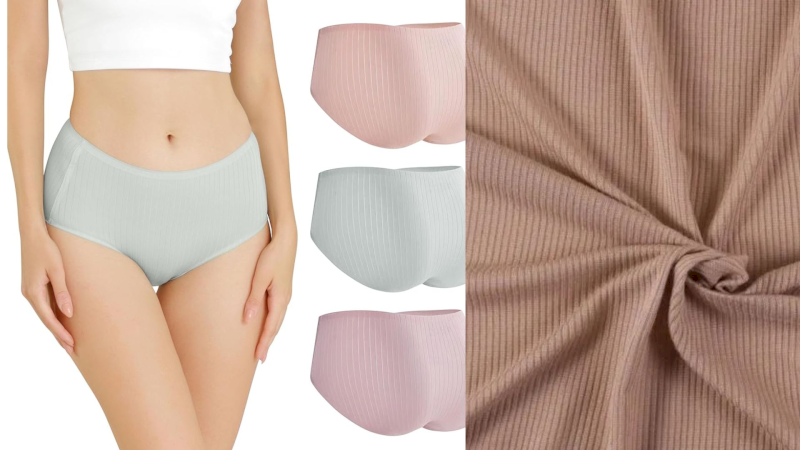
Modal fabric is perfect for underwear due to its softness, breathability, and moisture-wicking properties. It feels smooth on the skin, keeping you comfortable throughout the day. Its ability to wick away moisture helps keep the skin dry, while its hypoallergenic nature makes it gentle for sensitive skin.
Thygesen Textile Vietnam specializes in producing high-quality modal underwear for global brands. We work closely with brands to source the best materials for Modal and provide full support in customizing designs and production. Our focus is on delivering premium, comfortable underwear products as briefs, boxers, slip, bras ensuring quality and consistency in every piece.
5.2. Activewear
Modal fabric is an excellent choice for activewear due to its moisture-wicking abilities and breathable nature. It keeps you cool and dry during physical activity, while its softness adds extra comfort, making it ideal for activewear that sits close to the skin.
Modal is commonly blended with fabrics like cotton for added breathability, spandex or elastane for stretch and flexibility, or polyester for improved durability and wrinkle resistance. As one of the experienced athletic clothing manufacturers in Vietnam, Thygesen Textile Vietnam has developed extensive expertise in activewear fabrics, performance requirements, fit development, and garment construction.
We produce a wide range of modal-based activewear, including leggings, sports bras, tank tops, workout shirts, sweatpants, shorts, hoodies, sports jackets, joggers, compression garments, yoga pants, and athleisure sets. As an experienced legging manufacturer, we also support brands with fabric selection, stretch and recovery testing, fit optimization, sampling, and scalable bulk production.
Our team carefully manages every detail to ensure the finished products meet each brand’s expectations and bring its activewear concepts to life with consistency and precision.
5.3. Casualwear
Modal fabric is a great choice for casualwear because it is exceptionally soft, breathable, and durable. Its smooth, silky feel makes it comfortable for all-day wear, while its strong color and shape retention help garments maintain their appearance after repeated washing.
We partner with fashion brands to produce casualwear made from modal fabric. With years of experience, we provide full-package garment manufacturing services, covering fabric sourcing, product development, sampling, bulk production, and delivery.
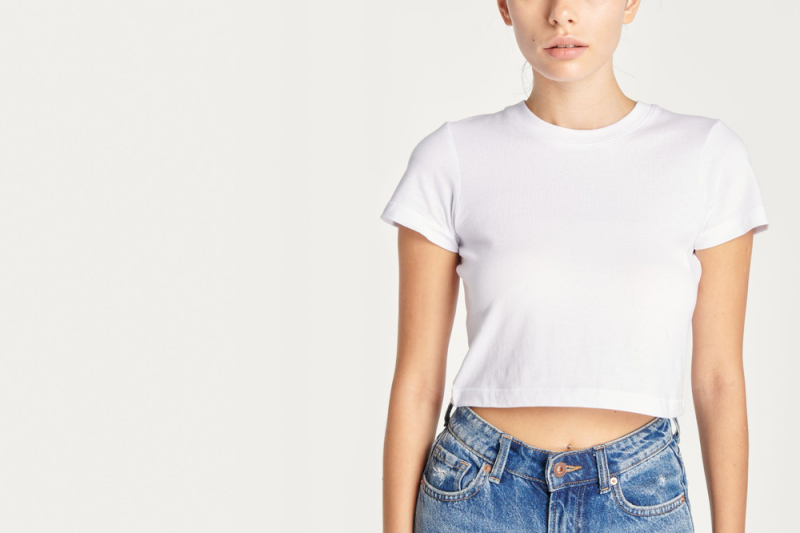
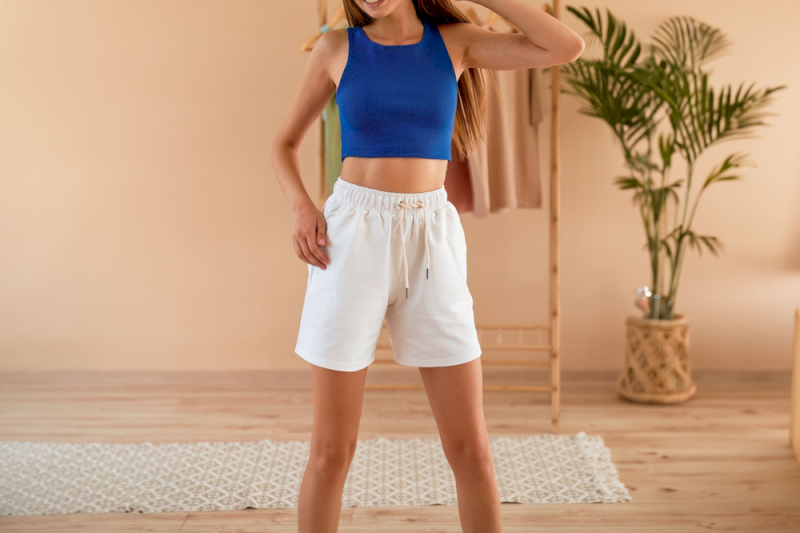
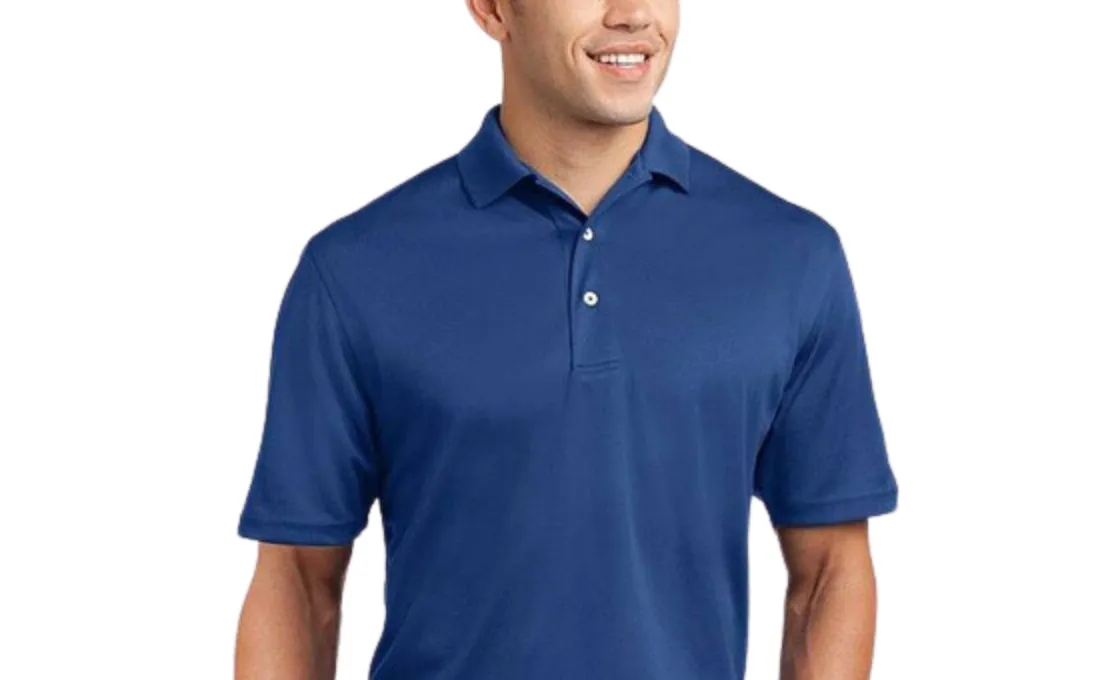
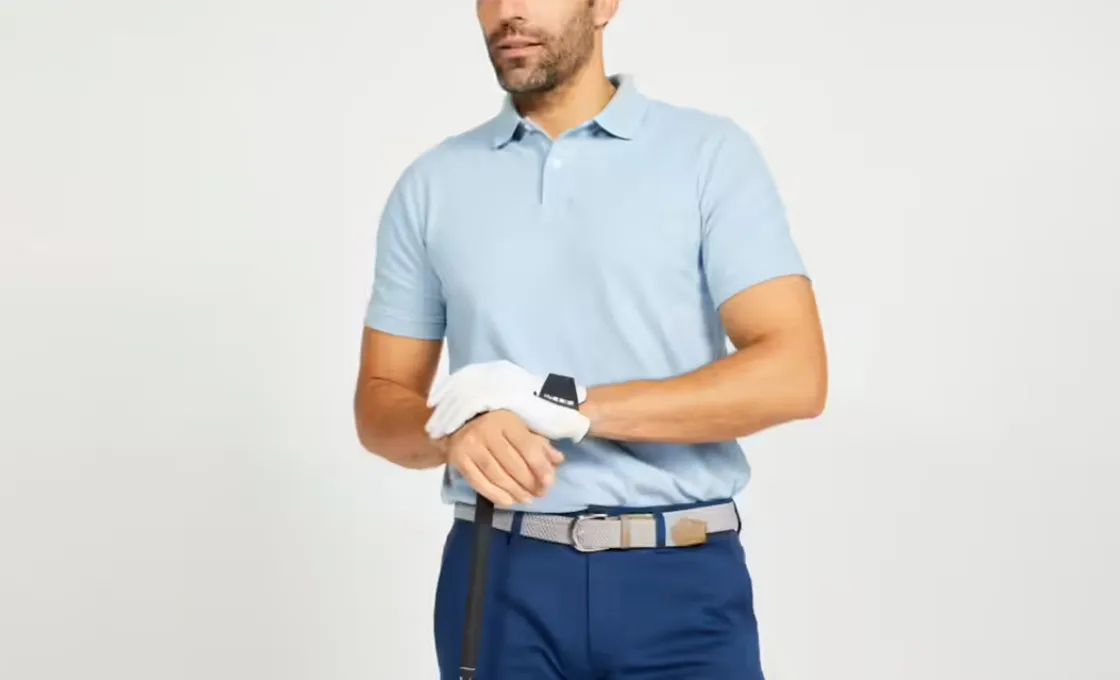
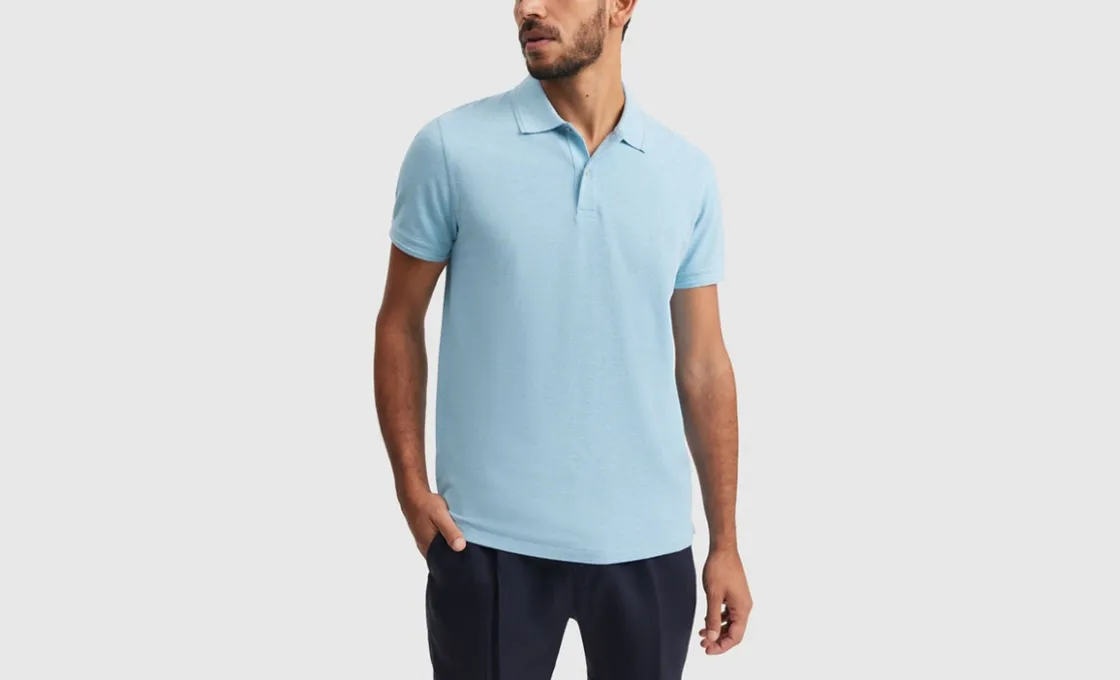
As one of the experienced hoodie manufacturers, we support brands in developing soft, breathable, and durable modal hoodies tailored to their design and performance requirements. We also manufacture a wide range of casualwear products, including T-shirts, polo shirts, jackets, shirts, blouses, crop tops, dresses, pants, shorts, and sweatshirts.
Whether brands are developing timeless basics or trend-driven collections, our team provides flexible customization and consistent quality throughout the production process.

5.4. Kidswear
Modal fabric is a great option for kidswear due to its softness, breathability, and hypoallergenic properties. It’s gentle on sensitive skin, making it an ideal choice for babies and children. The fabric’s moisture-wicking ability keeps little ones dry and comfortable throughout the day.
At Thygesen Textile Vietnam, we manufacture a variety of kidswear items, including baby bodysuits, baby onesies, rompers, pajamas, t-shirts, leggings, dresses, sleepwear, playwear sets, kids hoodies etc.
We understand the importance of softness and gentleness in children’s clothing, which is why we prioritize using the finest materials, certified by Oeko-Tex® Standard 100 to ensure safety and quality.
5.5. Sleepwear
Lightweight, breathable, and exceptionally soft, these qualities make modal fabric a natural fit for sleepwear. It feels gentle against the skin, helps regulate body temperature, and keeps you comfortable throughout the night.
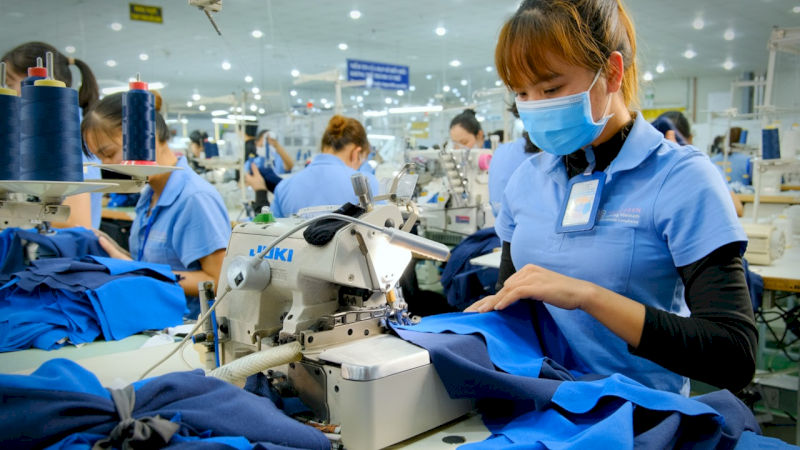
Thygesen works closely with brands to bring their modal sleepwear concepts to life. Our team can assist in developing technical details, suggesting fabric blends, and adding custom touches such as piping, button plackets, or relaxed fits. We also offer a range of logo application methods including printing, embroidery, and heat transfer.
When Should Brands Choose Modal Fabric? In clothing production, modal is often chosen when brands want to achieve a balance between luxury comfort, durability, and performance. Because modal fibers are smooth, breathable, and resistant to pilling, they perform especially well in garments that are worn frequently and washed regularly. For apparel brands developing premium everyday clothing, modal fabric offers a reliable material that combines comfort with long-term durability. |
6. FAQ
Is modal fabric breathable?
Yes, modal fabric is highly breathable due to its porous fiber structure. Air can circulate easily through the material, helping regulate body temperature and maintain comfort. This breathability makes modal particularly suitable for garments worn close to the skin, such as underwear, activewear, and sleepwear.
Is modal fabric sustainable?
Modal is considered a relatively sustainable fabric because it is made from renewable beech tree cellulose. Many modal manufacturers use more efficient production processes that require less water and chemicals compared to traditional viscose production. This makes modal a more environmentally responsible option among regenerated fibers.
Does modal fabric shrink?
Yes, modal can shrink if it’s not cared for properly, especially when exposed to high heat during washing or drying. To keep modal garments in good shape, it’s best to follow care instructions: wash in cold water and avoid high-temperature drying.
Can modal be blended with other fabric?
Absolutely. Modal is often blended with cotton, spandex, polyester, or bamboo to enhance softness, stretch, durability, or moisture-wicking properties.
What to look for when partnering with modal clothing manufacturers?
When choosing a modal garment manufacturer, look for partners with proven experience working with modal or modal blends, especially in your product category. Key factors include strong quality control, fabric sourcing expertise, customization capabilities, certifications, and transparent communication. Thygesen combines all these strengths to help global fashion brands create modal garments with the best quality.
What certifications for Thygesen uses for clothing manufacturing?
Thygesen Textile Vietnam uses a range of internationally recognized certifications for clothing manufacturing, including OEKO-TEX® Standard 100, GOTS, GRS, FSC, OCS, ISO, WRAP, and SA8000. These certifications reflect our commitment to safe materials, ethical sourcing, environmentally friendly practices, and socially responsible production.
Read more: For those interested in exploring other premium textile options, delve into What Is Cupro Fabric? All Things About This Luxury Fabric.
In conclusion, modal fabric stands out for its softness, durability, and sustainability making it a popular choice across many clothing categories from underwear to activewear.
As a trusted modal clothing manufacturer, Thygesen Textile Vietnam is proud to support global brands with full package service with full customized solutions. Learn more at thygesenapparel.com or contact us via email at sale@thygesen.com.vn.