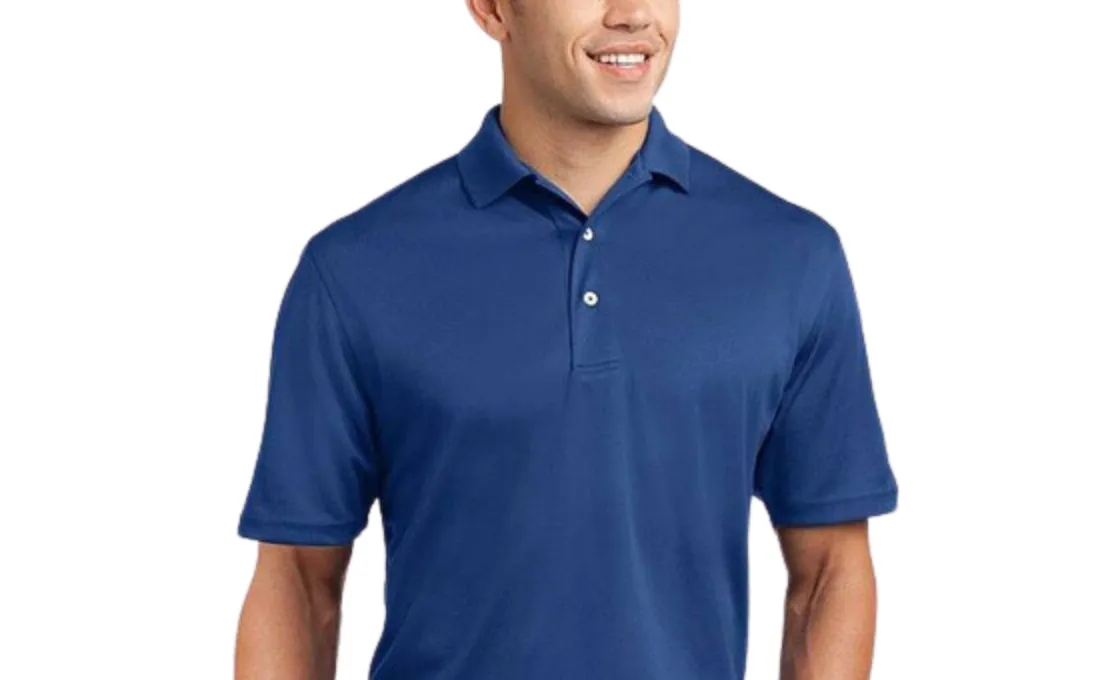
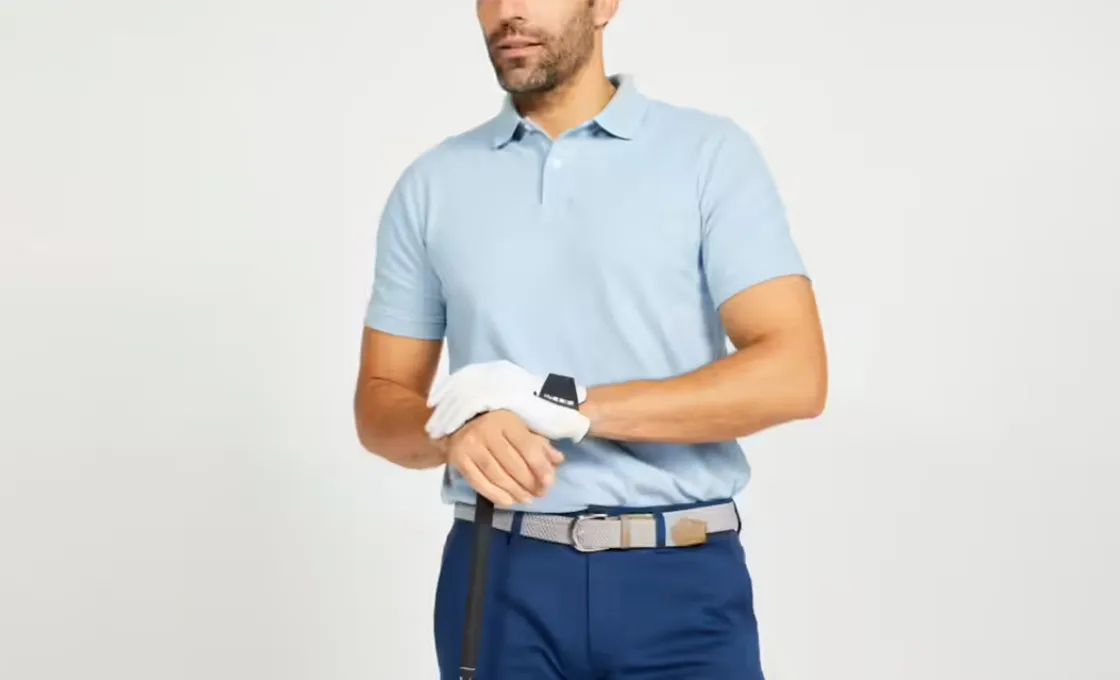
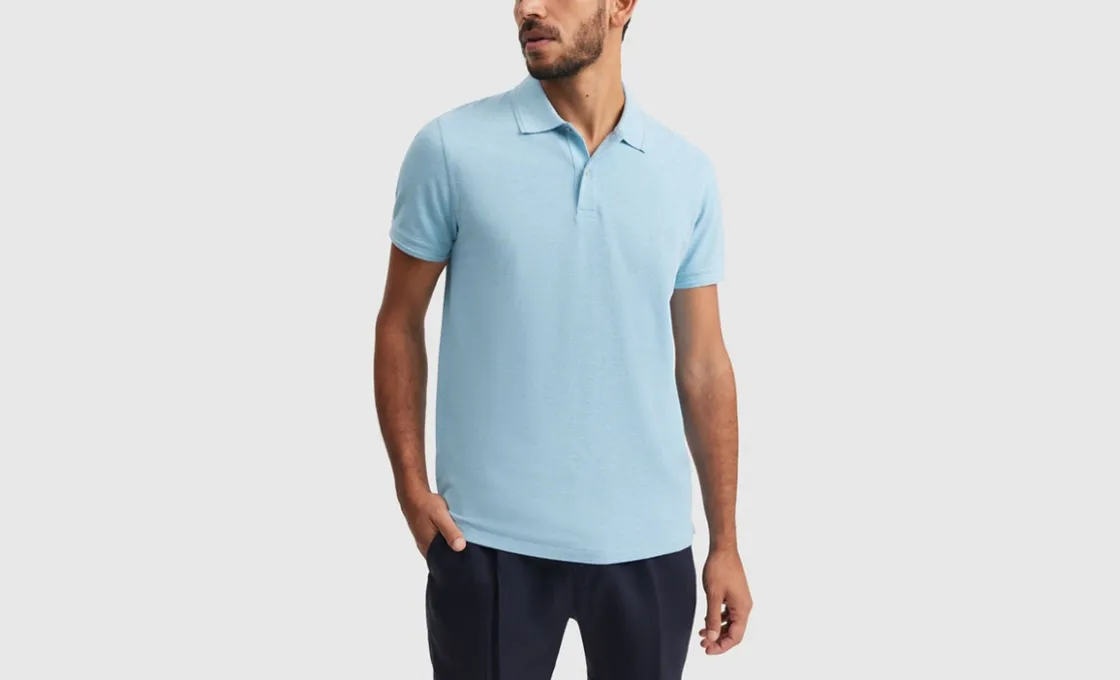
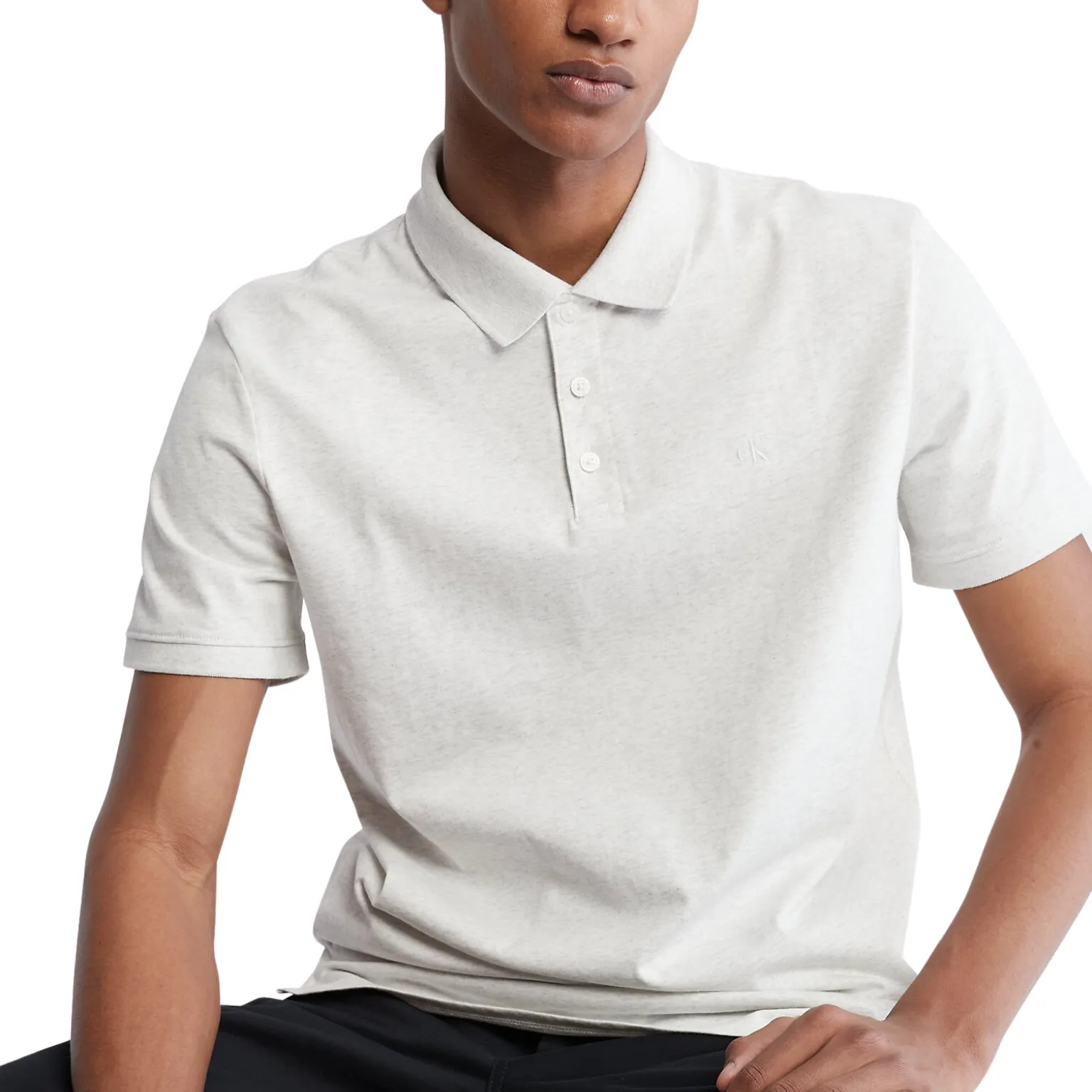
Wondering what is lyocell fabric and why it’s so popular in the fashion industry? This sustainable fiber offers exceptional comfort, moisture management, and a naturally smooth hand feel, making it ideal for a wide range of apparel. Learn more about its characteristics and uses in the detailed breakdown below.
1. What Is Lyocell Fabric?
Lyocell fabric is a semi-synthetic fiber made from wood pulp, usually sourced from eucalyptus, beech, or spruce trees. It belongs to the rayon family, but stands out for being produced through an eco-friendlier process. The result is a soft, smooth, and breathable textile that feels gentle against the skin.
What makes lyocell unique is its closed-loop production system, where almost all solvents and water used during manufacturing are recovered and reused. This reduces environmental impact and makes lyocell one of the most sustainable cellulose-based fibers available today.
Because of its comfort, durability, and moisture management, lyocell is widely used in fashion. Its versatility and eco-friendly profile make it a preferred choice for brands aiming for both performance and sustainability.
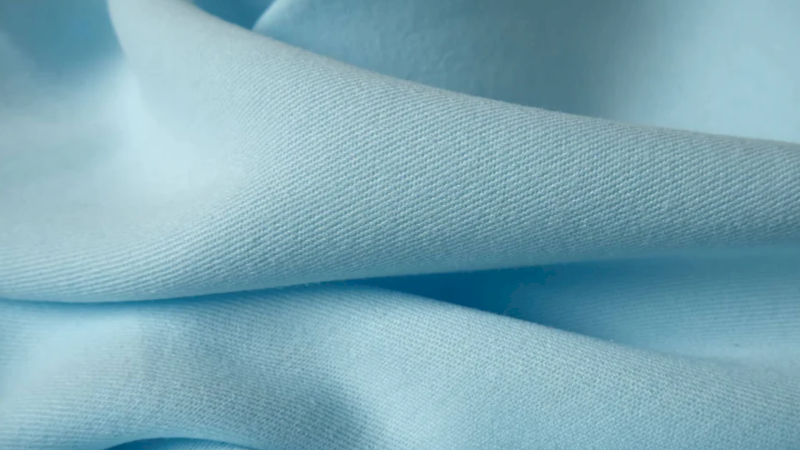
For those wondering what are the natural fabrics, common examples include cotton, linen, wool, and silk, which are obtained directly from plant or animal sources. Lyocell differs because its raw material is naturally derived from wood, but the cellulose undergoes processing before becoming a textile fiber.
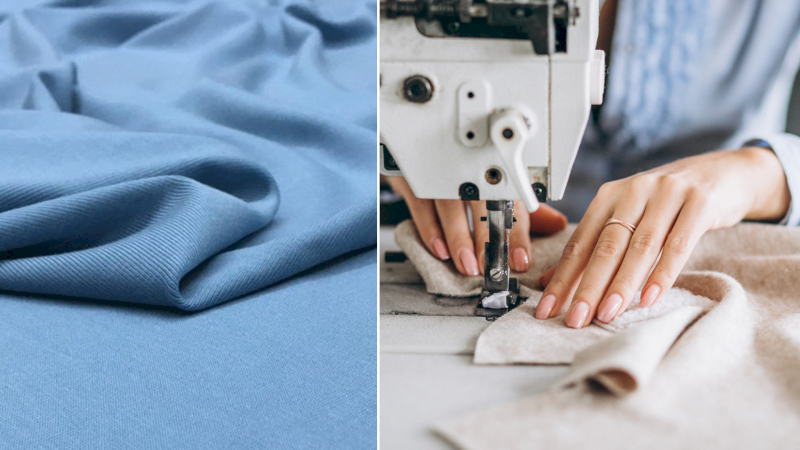
2. How Lyocell Fabric Is Made
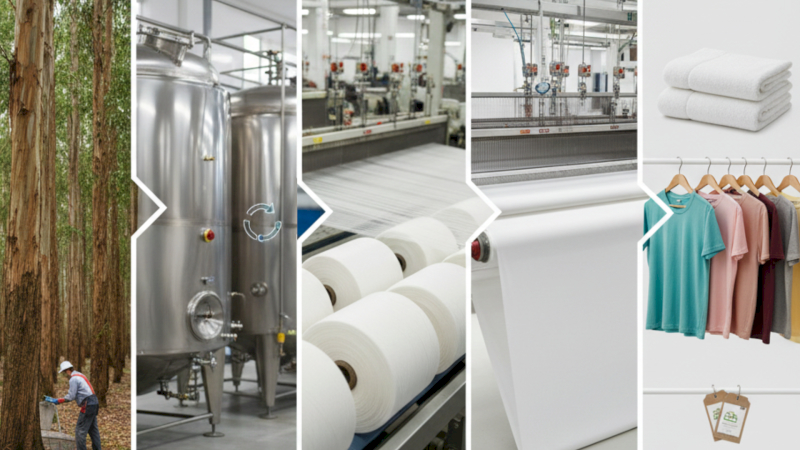
The production of lyocell fabric involves several eco-conscious steps:
- Harvesting and preparing wood pulp: Sustainable wood sources such as eucalyptus, beech, or spruce are chipped and processed into purified cellulose pulp, the raw material for lyocell fibers.
- Dissolving cellulose with an eco-friendly solvent: The pulp is dissolved in NMMO (a non-toxic solvent) to create a thick, honey-like solution. This takes place in a closed-loop system that recovers and recycles 99% of the solvent, minimizing waste.
- Extruding the solution into fibers: The cellulose solution is pushed through fine spinnerets to form continuous filaments, which immediately solidify into fibers once they enter a water bath.
- Washing, drying, and finishing the fibers: The newly formed fibers are thoroughly washed to remove any remaining solvent, then dried, crimped, and cut to the desired length for textile use.
- Spinning fibers into yarn: The finished fibers are spun into smooth, strong yarns ready for knitting or weaving into lyocell fabric.
- Knitting or weaving yarn into fabric: The yarns are then knitted or woven into lyocell fabric, depending on the intended end-use and performance needs.
- Finishing and ready-to-use: The fabric undergoes final finishing steps such as softening, dyeing, or pre-shrinking before it is ready for garment manufacturing.
3. Key Properties of Lyocell Fabric
Below are the key properties of lyocell fabric that make it ideal for a wide range of clothing applications
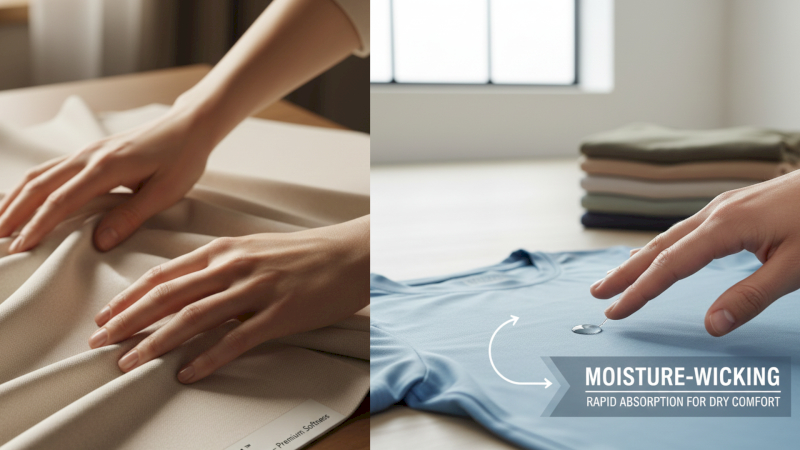
3.1. Soft & Smooth
Lyocell is characterized by its luxurious softness and remarkably smooth surface texture. The inherent structure of the fiber is highly regular and exhibits minimal surface roughness. This structural integrity results in a supple, fluid drape and a consistently pleasant tactile sensation. This exceptional smoothness minimizes friction upon contact with surfaces.
3.2. Highly Breathable
The fiber demonstrates excellent inherent breathability. Lyocell, being a regenerated cellulose fiber, has a microstructure that facilitates efficient gaseous exchange. This structure permits the free passage of air, which helps to mitigate heat and vapor buildup within the fiber matrix, promoting effective thermal dissipation.
3.3. Moisture-Wicking
Lyocell possesses superior moisture-management capabilities. The microscopic morphology of the fiber allows for rapid absorption of liquid water (e.g., moisture vapor) from the immediate environment. It then efficiently transports this moisture to the surface where it is released via evaporation. This rapid moisture movement helps maintain a dry surrounding microclimate.
3.4. Strong & Durable
The Lyocell fiber is notably robust and durable. It exhibits high mechanical tenacity, offering significant resistance to breakage, tearing, and tensile stress. Importantly, the fiber retains a substantial portion of its strength when fully saturated with water, which is a key differentiator among cellulose-based materials. This resilience contributes to the longevity of the fiber structure.
3.5. Hypoallergenic
The fiber is considered an excellent hypoallergenic material. Its effective management of moisture creates an unfavorable environment for the proliferation of common micro-organisms and allergens. Furthermore, the smooth surface texture and pure composition inherently reduce the risk of mechanical or chemical irritation.
3.6. Biodegradable
A significant biological property of Lyocell is its natural capacity for biodegradation. As it is manufactured from wood pulp – a renewable, natural cellulosic source – the fiber is chemically designed to safely decompose when subjected to typical composting conditions. This trait ensures that the material can be safely reintegrated into the natural cycle at the end of its useful life.
For those exploring other eco-friendly alternatives in the cellulosic family, understanding EcoVero Fabric: How It’s Made & Properties That You Need to Know is crucial, as it represents a more sustainable form of viscose with a transparent production process.
4. What Kind of Clothing Made from Lyocell Fabric
Here are some common types of clothing items made using Lyocell:
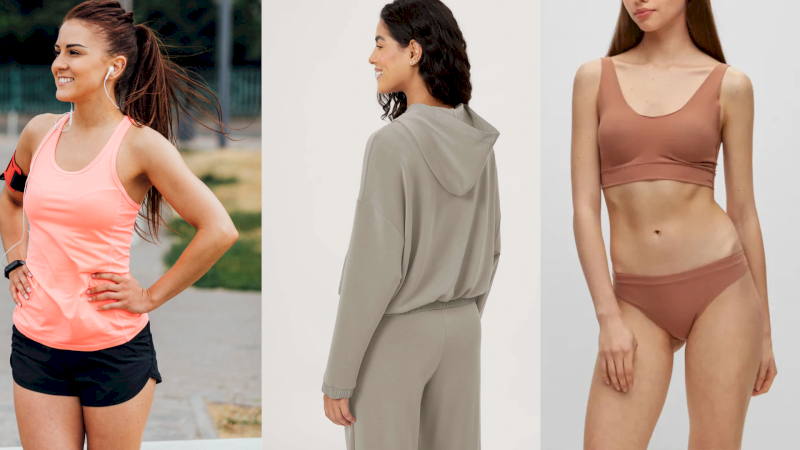
- Casual Wear: Includes items where comfort is key, such as t-shirts, blouses, flowy tops, tank tops, and casual dresses. Lyocell blends may also be used for lightweight hoodies and relaxed athleisure layers where softness, breathability, and fluid drape are prioritized. Experienced hoodie manufacturers can help brands select the appropriate fiber blend, GSM, shrinkage treatment, and construction method to maintain garment shape and durability.
- Woven Garments: Utilizes Lyocell’s excellent drape for pieces like button-down shirts, wide-leg trousers, tailored skirts, and lightweight jackets.
- Activewear and Loungewear: yocell’s moisture-wicking properties and breathability make it suitable for yoga pants, athletic tops, joggers, and comfortable sleepwear. When blended with elastane, it can also be used for soft, flexible leggings. Working with an experienced legging manufacturer helps brands evaluate stretch, recovery, opacity, seam strength, and fit before bulk production.
- Undergarments and Intimates: Prized for its softness and hygiene properties in products like bras, panties, slips, and thermal underwear.
- Denim and Jeans: Lyocell is often blended with cotton or used alone to create softer, lighter, and more breathable denim jeans, jackets, and skirts than traditional 100% cotton denim.
4. Disadvantages of Lyocell
Although lyocell offers many benefits, it also has some limitations that buyers and brands should be aware of.
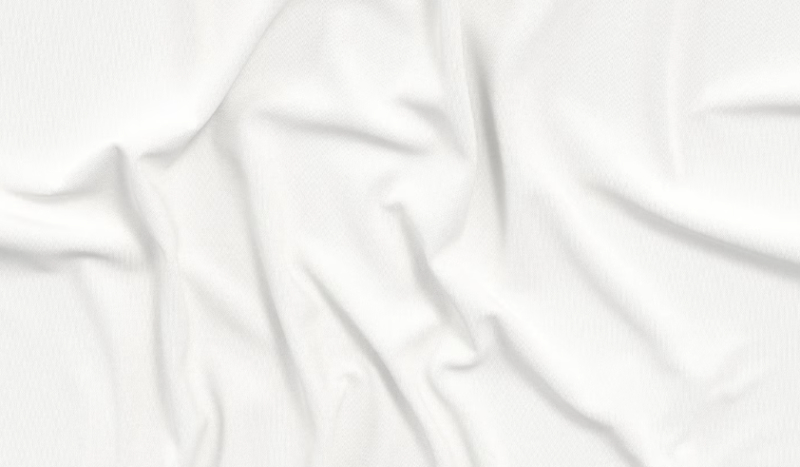
- Wrinkles easily: Lyocell fabric wrinkles easily, but gentle steaming, low-temperature ironing, or blending with polyester can help reduce creases.
- Higher cost: Lyocell is more expensive than basic cotton, though using lyocell blends can provide cost-effective performance while keeping its softness and breathability.
Care sensitivity: Some lyocell fabrics may shrink or lose shape if washed improperly, so following gentle machine wash or hand wash instructions and avoiding high-heat drying is recommended. - Lower abrasion resistance: Pure lyocell has lower abrasion resistance, but blending it with stronger fibers like cotton, polyester, or nylon can improve durability without sacrificing comfort.
- Limited stretch: Natural lyocell has limited stretch, yet combining it with elastane or spandex allows for more flexibility in activewear or fitted garments.
5. Differences Between Lyocell Fabric With Other Fabrics
Here’s a look at how lyocell fabric differs from other commonly used textiles in terms of performance and feel.
| Criteria | Lyocell | Cotton | Viscose (Rayon) | Modal | Polyester |
| Origin | A regenerated cellulose fiber produced from wood pulp using a modern, closed-loop solvent system. | A natural cellulose fiber harvested from cotton plants. | A regenerated cellulose fiber made using older chemical processes with high chemical discharge. | A next-generation regenerated cellulose fiber, more refined than viscose. | A synthetic polymer fiber derived from petroleum. |
| Fiber Structure and Handfeel | Smooth, even fiber surface that gives a naturally soft and cool touch; gentle on sensitive skin. | Natural irregular fiber structure; comfortable but can feel rougher compared to Lyocell. | Slightly rougher surface; softness decreases after repeated wear due to fibrillation. | Very smooth, fine fiber; noticeably silky and lightweight. | Smooth but artificial feel; comfort depends heavily on yarn design. |
| Breathability | Highly breathable thanks to its ability to regulate moisture and allow airflow. | Good breathability but varies depending on knit or weave density. | Breathable but can feel warm in thicker constructions. | Very breathable and suitable for garments worn close to the skin. | Less breathable; tends to trap heat unless engineered as performance polyester. |
| Moisture Absorption | Absorbs moisture efficiently and releases it quickly, keeping the wearer dry; ideal for humid climates. | Absorbs moisture well but retains it longer, leading to slower drying times. | Moderate absorption but tends to hold moisture, which may cause fabric to feel heavy. | Good moisture absorption but lower than Lyocell. | Minimal absorption; moisture sits on the surface, which can cause discomfort. |
| Wrinkling and Shape Retention | Resists wrinkling better than cotton and viscose when processed correctly; maintains shape with proper finishing. | Prone to wrinkles and often requires ironing. | Wrinkles easily and may lose shape; susceptible to surface abrasion. | Better wrinkle resistance than viscose; holds shape relatively well. | Excellent wrinkle resistance; retains shape consistently. |
| Durability and Care Requirements | Durable when treated with anti-fibrillation finishing; needs controlled washing conditions. | Durable and easy to care for; widely used in everyday clothing. | Lower durability; prone to pilling, shrinkage, and fabric damage. | Good durability but can weaken with high heat. | Highly durable; resistant to stretching, shrinking, and abrasion. |
| Environmental Impact | Low environmental footprint due to closed-loop manufacturing that recovers 99% of the solvent used. | Impact depends on farming practices; large water consumption and pesticide use in conventional cotton. | High environmental burden from toxic chemical discharge during processing. | Lower impact than viscose but still chemically intensive. | High environmental footprint due to fossil fuel origin and microplastic shedding. |
| Best-Fit Applications | Premium T-shirts, blouses, dresses, loungewear, sleepwear, underwear, light activewear, babywear. | Casualwear, denim, basics, childrenswear, general everyday apparel. | Budget-friendly dresses, blouses, and fast fashion items with short wear life. | Underwear, loungewear, base layers, premium sleepwear. | Sportswear, outerwear, uniforms, high-durability garments. |
Beyond these, many brands are also curious about what is cupro fabric, another regenerated cellulose fiber known for its silky drape and unique characteristics, often considered a luxury alternative.
7. How Thygesen Textile Vietnam Works with Lyocell Fabrics to Create High-Quality Garments
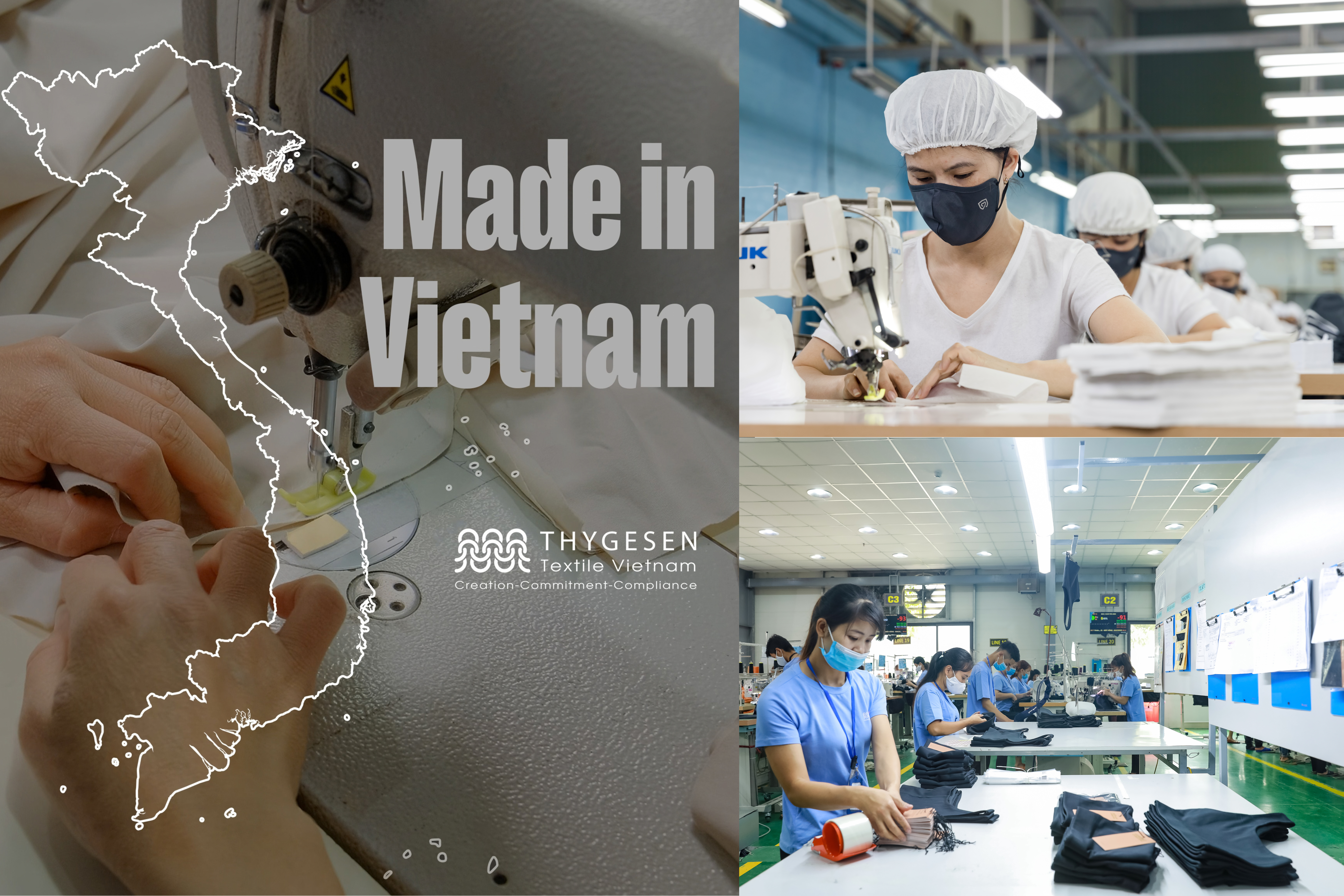
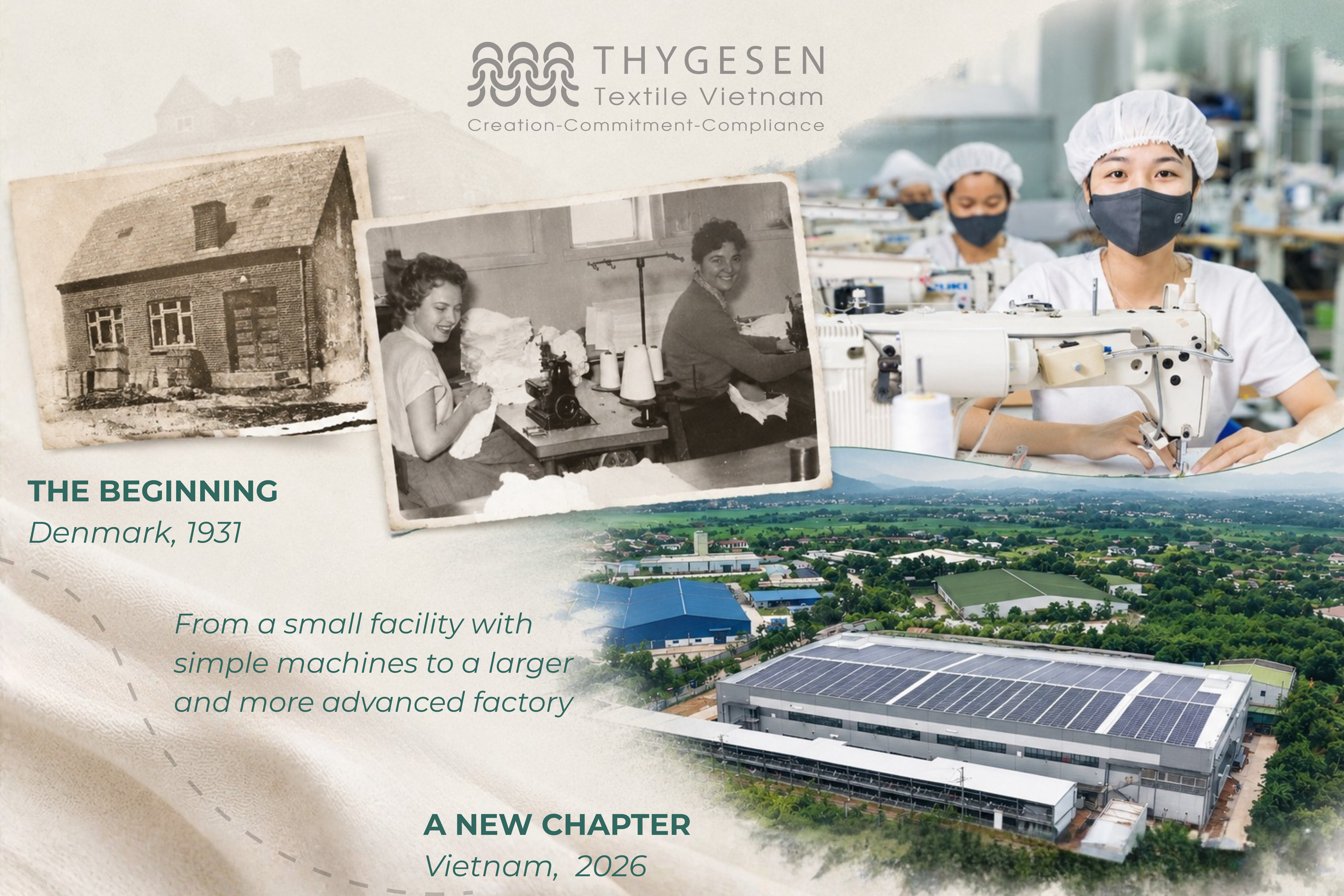
At Thygesen Textile Vietnam, we use our extensive experience in garment manufacturing to guide brands in choosing lyocell fabrics for various apparel lines, including activewear, casualwear, loungewear, sleepwear, and intimates. While we do not produce the fabric ourselves, our deep knowledge allows us to advise on the strengths and limitations of lyocell, helping clients select materials that match their performance requirements, design goals, and budget. As one of the reliable athletic clothing manufacturers in the region, we help brands apply lyocell’s moisture-wicking and breathable properties to performance-driven activewear lines.
Through our wide network of trusted local and international material suppliers in Japan, Korea, China, Taiwan, EU etc, we can source or develop lyocell fabrics tailored to your specifications, ensuring that each garment meets both quality and sustainability standards.

8. FAQ
Can Lyocell be blended with other fibers for better performance?
Yes, lyocell can be blended with fibers such as cotton, polyester, nylon, or elastane to enhance specific performance characteristics. Common blend ratios include 50–70% lyocell with 30-50% of the other fiber, depending on the desired properties. Blending can improve durability, reduce wrinkling, add stretch, or lower costs while maintaining lyocell’s natural softness, breathability, and moisture-wicking properties.
What quality checks are important when producing Lyocell clothing?
Key quality checks include fabric weight and thickness consistency, colorfastness, shrinkage and dimensional stability, moisture-wicking and breathability performance, and seam strength. Testing for pilling, abrasion resistance, and care durability ensures garments maintain their quality after repeated use and laundering.
What should clothing brands pay attention to when producing garments with Lyocell fabrics?
Brands should consider the end-use and activity level of the garment, proper fabric care requirements, and the intended blend composition. Attention should also be given to stitching techniques, seam finishes, and garment construction to preserve the softness, drape, and durability of lyocell fabrics. Additionally, sourcing from reliable suppliers ensures sustainability standards and performance consistency are met. Experienced cut and sew manufacturers can also adjust pattern development, cutting methods, thread tension, seam finishes, and quality-control procedures to accommodate lyocell’s drape, limited natural stretch, and sensitivity to improper handling.
In conclusion, lyocell fabric offers sustainable, soft, breathable, and moisture-managing qualities that make it ideal for a wide range of apparel. As a trusted lyocell clothing manufacturer, Thygesen uses decades of experience to guide brands in selecting and sourcing the right fabrics for high-quality garments. Discover more at thygesenapparel.com or send us your inquiries at sale@thygesen.com.vn.