Looking for a clothing manufacturer in Vietnam but unsure where to start? This guide breaks down the essential things Australian fashion brands should check to secure reliable, ethical, and high-quality manufacturing partners.
Before diving into the specifics of selecting a manufacturer, it’s beneficial to grasp the broader appeal of Vietnam as a production hub. Many are asking why vietnam is becoming the top sourcing choice for australian fashion brands, and this guide aims to provide insights into that very question.
1. Understanding the Manufacturing in Vietnam
To source effectively, Australian brands must first decode how the Vietnamese garment industry is structured. Unlike a “one-size-fits-all” model, Vietnam offers a sophisticated ecosystem of factories, each tailored to different business needs and product complexities.
1.1. Types of Manufacturing Partners: Finding Your Fit
The first step in your sourcing journey is identifying which business model aligns with your brand’s internal capabilities:
- CMT (Cut-Make-Trim) Specialists: Ideal for established brands that have their own fabric suppliers and precise tech packs. You provide the raw materials; the factory provides the labour and machinery. This offers maximum control over material quality.
- OEM/FOB (Full Package) Providers: The most popular choice for Australian mid-market brands. The manufacturer handles everything from sourcing raw materials to production and final packaging based on your designs. This simplifies your logistics and reduces overhead.
- ODM (Original Design Manufacturing): Best for brands looking for R&D support. These factories have their own design teams and libraries of ready-made patterns, allowing you to “white label” or tweak existing designs to get to market faster.
- Vertical Integrated Factories: Large-scale operations that own the entire process from spinning the yarn and knitting the fabric to final garment construction. These are the gold standard for transparency and high-volume cost efficiency.
1.2. Vietnam’s Product Specializations: Where Excellence Lies
While Vietnam can produce almost any textile item, the country has carved out a global reputation in specific high-value categories that resonate with the Australian lifestyle:
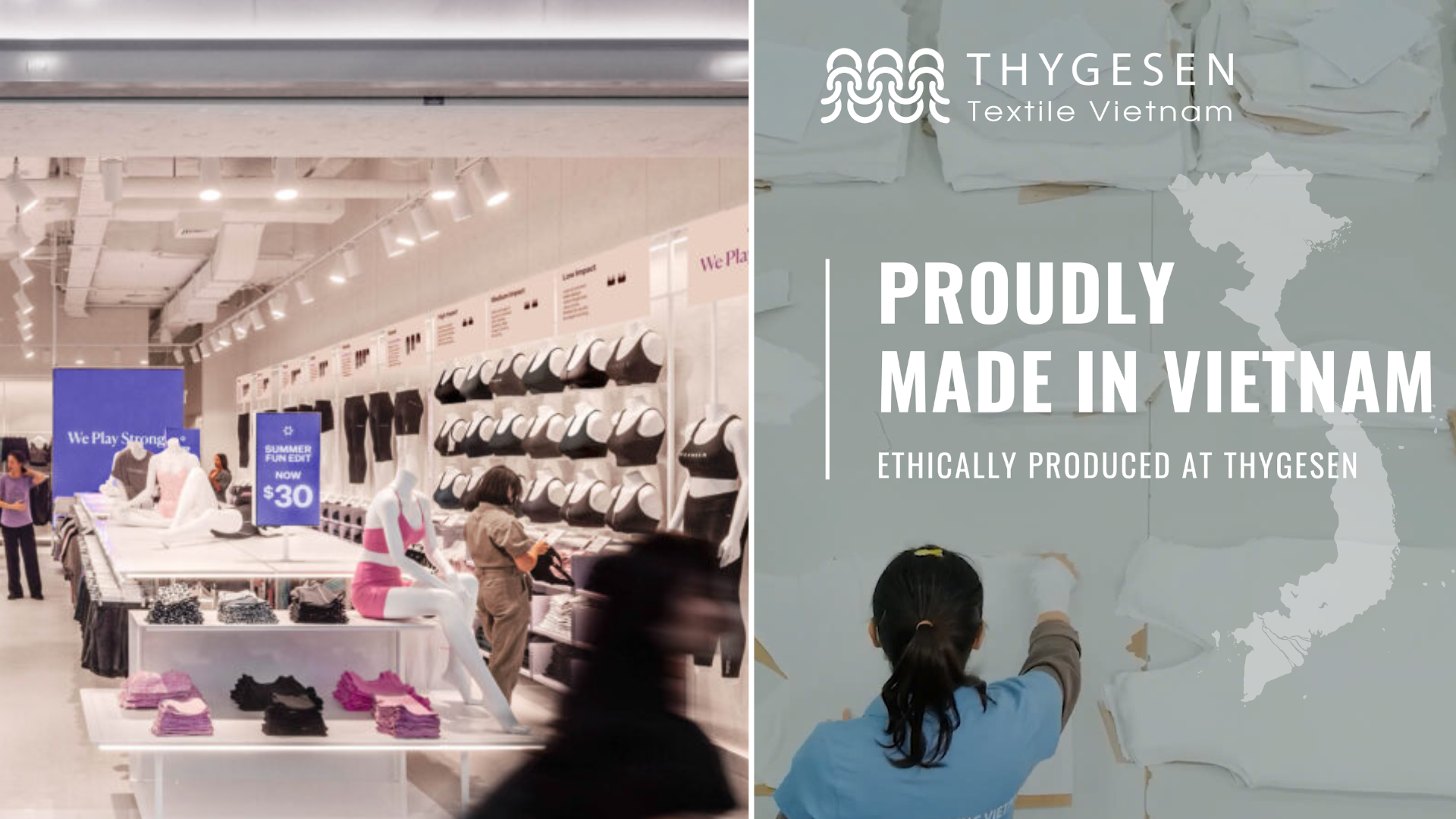
- Activewear & Performance Wear: Leveraging advanced machinery for seamless bonding, moisture-wicking, and high-compression fabrics. This is a primary hub for global giants like Nike and Lululemon. If you’re evaluating suppliers in this category, our list of trusted athletic clothing manufacturers is a useful reference.
- Structured Outerwear & Denim: Vietnam is world-class in heavy-duty construction, including puffer jackets, technical rainwear, and high-quality denim washes that meet premium retail standards.
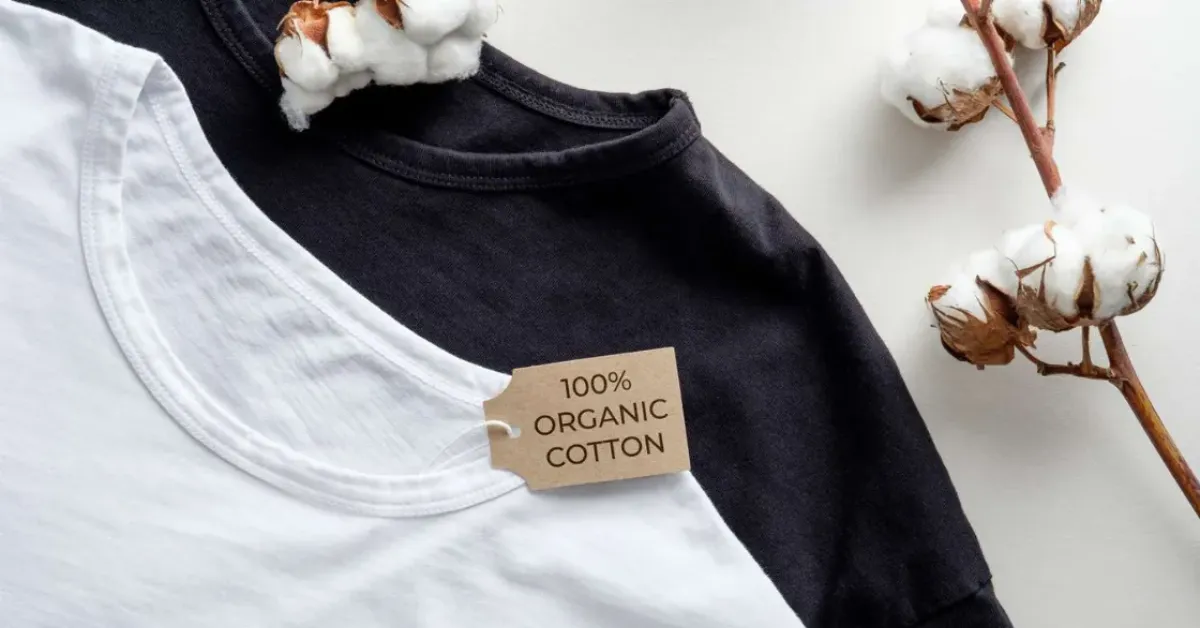
- Casual Wear & Sustainable Basics: With the rise of brands like Boody, Vietnamese factories have become experts in handling eco-fibres (bamboo, organic cotton, Tencel) and maintaining the soft-hand feel required for high-end basics, including core pieces like hoodies and sweatshirts. Brands sourcing this category can check our guide to a reliable hoodie manufacturer for more options.
- Technical Fabrics & Workwear: Given Australia’s strict safety standards, Vietnam’s ability to produce durable, fire-retardant, and UV-protective clothing makes it a vital partner for the industrial and corporate wear sectors.
1.3. Strategic Connectivity: A Gateway to Global Supply Chains
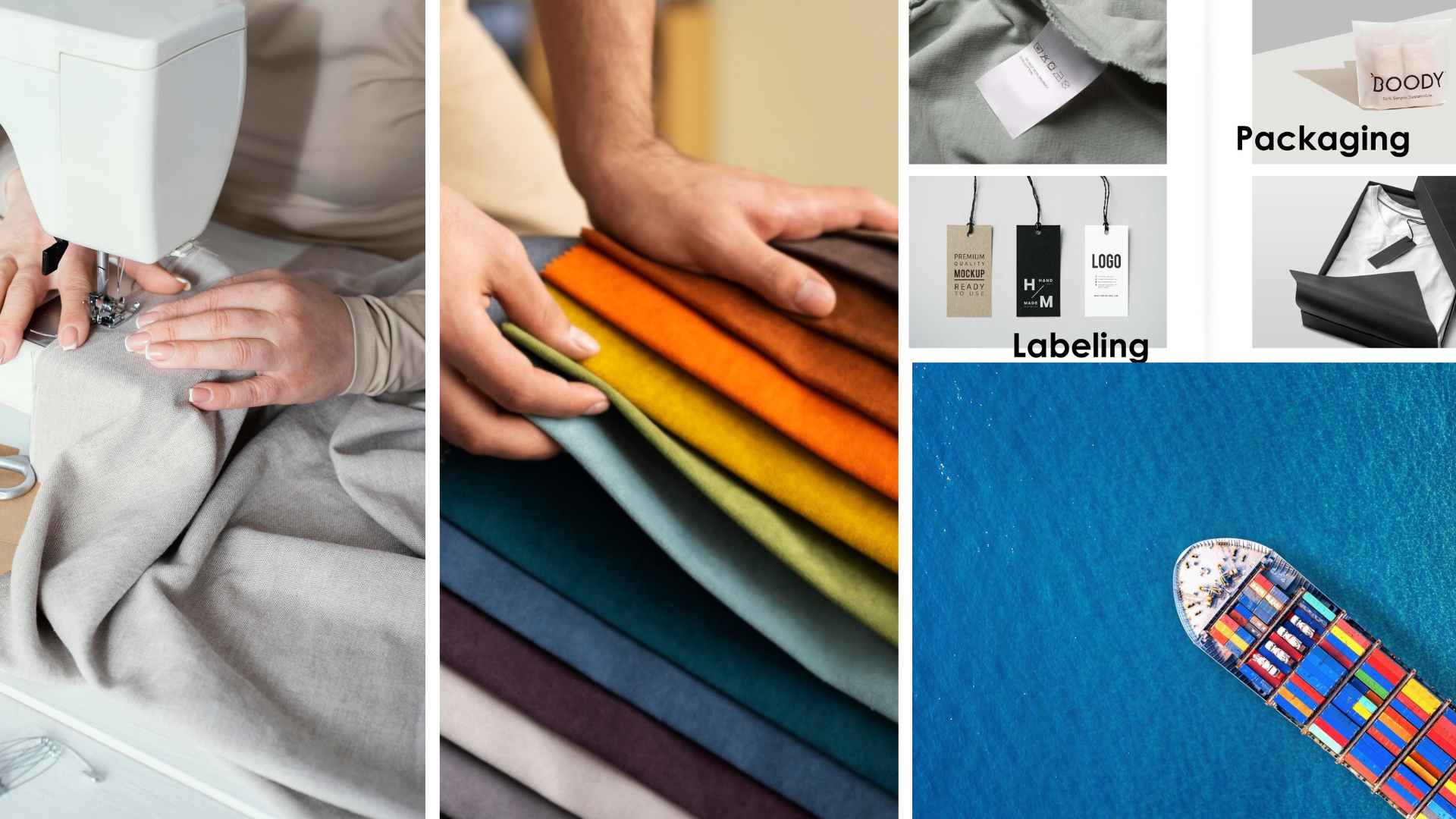
- Proximity to Raw Material Hubs: Located at the heart of Southeast Asia, Vietnam is just days away by sea from the world’s largest fabric and trim markets in China, Taiwan, and South Korea. This ensures a constant, rapid flow of materials that keeps production timelines lean.
- Evolution Toward Self-Sufficiency: The industry is rapidly “vertically integrating.” Massive investments in local fabric mills and dye houses mean that Vietnam is increasingly able to source high-quality raw materials domestically, reducing lead times and helping brands meet the “Rules of Origin” for international trade benefits. Beyond Australian brands, understanding trade agreements like the CPTPP is crucial for international brands. For instance, exploring how canadian fashion brands can leverage cptpp with vietnam apparel manufacturers a complete guide can reveal similar strategic advantages and insights into maximizing supply chain efficiency.
- Modern Logistics Infrastructure: With deep-water ports like Cai Mep and Hai Phong, Vietnam offers direct shipping routes to Sydney and Melbourne, significantly cutting down transit times compared to inland manufacturing hubs in other countries. Plus, when “speed is money,” Vietnam stands out. Direct flights from Ho Chi Minh City or Hanoi to Australia take only 8-9 hours. This is much faster than competitors like Bangladesh or India, which often require 15-20+ hours and multiple layovers.
While this guide focuses on Vietnam, it’s also important for brands to understand the broader global landscape of textile production. To gain a comprehensive understanding of where the industry stands globally, consider researching the top clothing manufacturing countries in the world.
2. Key Factors to Consider When Choosing a Manufacturer
Choosing a clothing manufacturer is not only about production capacity or price, it is about finding a long-term partner that aligns with your brand’s product strategy, growth plans, and quality standards. Before committing to any manufacturer, fashion brands should evaluate the following key factors:
- Production Specialization & Strength: The manufacturer must possess deep technical expertise and specialization in your specific product line (e.g., performance activewear, complex outerwear) to guarantee optimal quality and efficiency.
- Scale and Minimum Order Quantity (MOQ): Brands need to define production scale and requirements clearly to find a suitable manufacturing partner. Large-scale factories are optimized for bulk orders, so brands requesting low MOQs may be rejected or face higher surcharge, as small runs are less efficient for high-volume operations and vice versa.
- Comprehensive Ethical Responsibility: Commitment must extend beyond their own workers to include partners and suppliers, ensuring transparency and honesty across the entire supply chain (e.g., no forced labor, fair transactions). Social certifications like SA8000 or WRAP are non-negotiable proof.
- Consulting and Development Capability: Look for a partner who acts as a strategic consultant, offering expert advice on design, suggesting optimal fabrics, and sourcing trims/accessories to meet technical, cost, and sustainability goals.
- Consistent Quality Control (QC): Quality assurance must be robust and continuous, featuring In-line QC checks throughout the production process, not just at the end, to guarantee consistent quality across the entire bulk order.
3. Sourcing Challenges and How to Handle Them
To help you navigate this transition, here is a summary of common sourcing challenges in Vietnam and the suggested ways to handle them:
| Challenge Category | Specific Challenges | How to Handle |
| Information & Transparency | – Suppliers may not clearly show production capabilities or certifications.– Incomplete or inaccurate supplier presentations.– Limited digital presence; search engines may not show all potential suppliers. – Technical issues on supplier platforms (slow loading, layout problems, unreadable fonts). | – Conduct thorough due diligence across multiple sources.– Request detailed factory profiles, photos, and sample reports.– Use trusted sourcing platforms or local agents to verify information. – Schedule virtual meetings or video tours if in-person visits are difficult. |
| Communication & Cultural Barriers | – Time zone differences and local holidays reduce responsiveness. – Language proficiency may be limited.– Cultural differences in business practices can create misunderstandings. | – Establish clear communication protocols (tools, response times, reporting formats).– Prioritize partnerships with manufacturers that have English-fluent staff or provide professional interpreters to bridge any communication gaps– Schedule meetings considering time zones. – Document agreements in writing to avoid misinterpretation. |
| Production & Capability Risks | – Production scale may not match brand requirements; low MOQs may be rejected or surcharged.– Limited technical expertise, machinery, or R&D capabilities.– Dependence on imported raw materials can cause delays or cost increases. – Not all factories meet international quality, labor, environmental, or safety standards. | – Define production scale and technical requirements clearly.– Verify certifications and capabilities; request sample runs and audit factories.– Build contingency plans for raw material delays. – Consider full-package or vertically integrated partners for reliability and scale. |
| Cost & Strategic Risks | – Competitive pressure from lower-cost countries (Bangladesh, India, China).– Working with new suppliers requires time and resources.– Legal and tax compliance in Vietnam may differ from familiar countries. – Risk of choosing unreliable suppliers, leading to wasted time and resources. | – Evaluate total landed cost including logistics, tariffs, and compliance and hidden cost as quality issues, production delays, complex logistics, inconsistent suppliers, compliance risks, and extra reworks etc. – Start with pilot orders before committing to large volumes.– Engage local experts or sourcing partners for regulatory guidance. – Build Long-term partnerships with reliable, transparent suppliers. |
4. Partnering with Thygesen: Ethical Full-Package Manufacturing in Vietnam
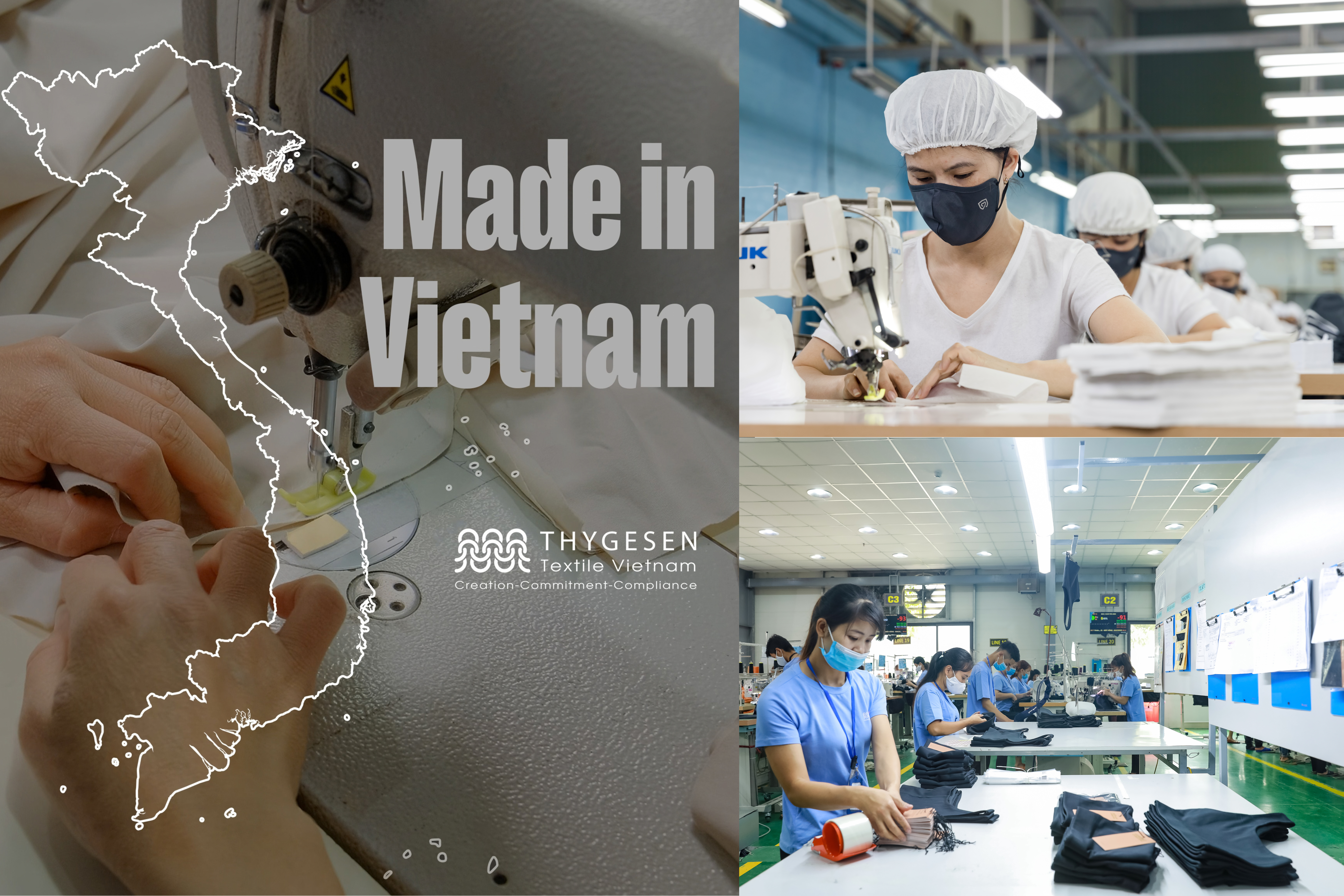
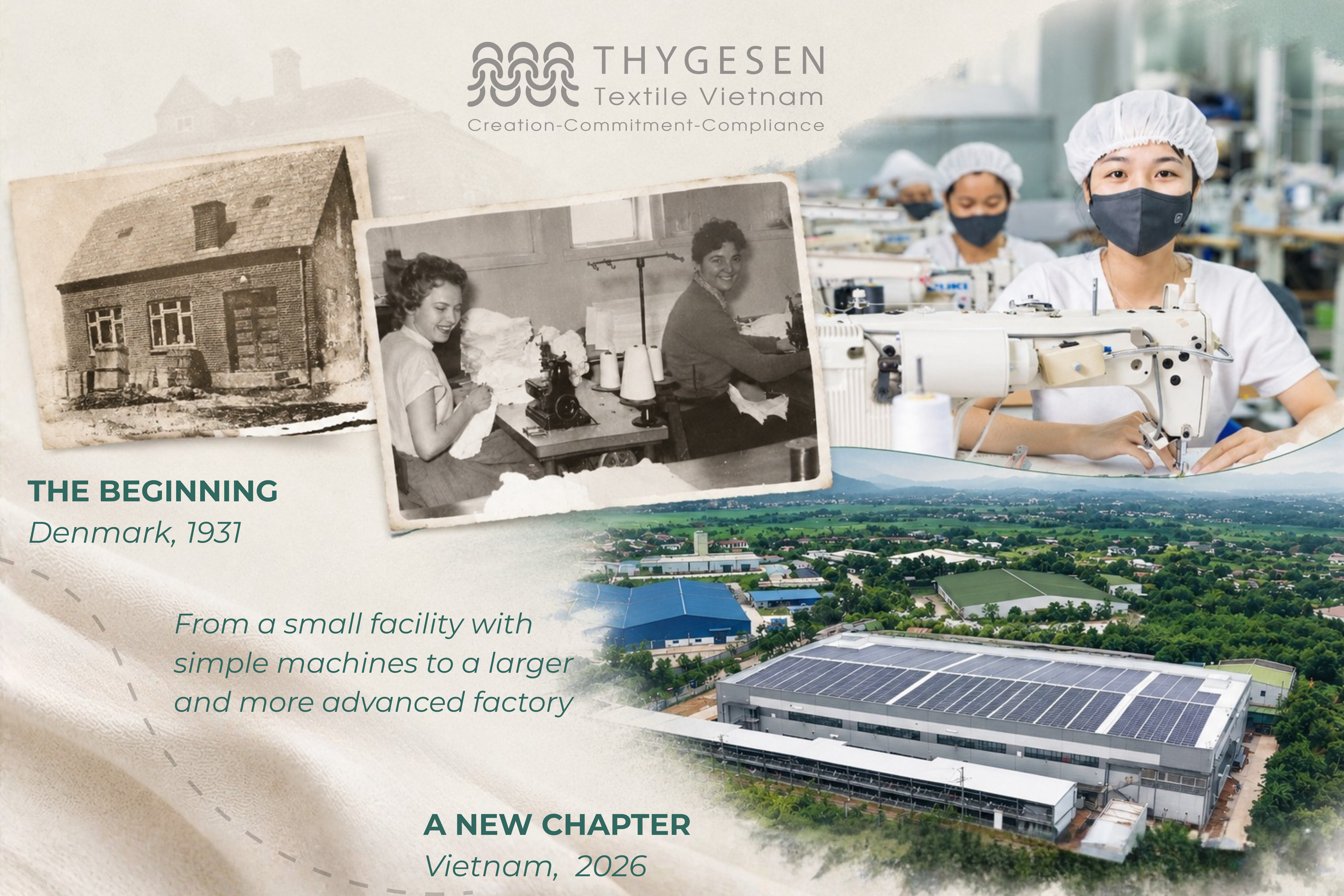
Australian fashion brands seeking a reliable manufacturing partner can turn to Thygesen Textile Vietnam for ethical production, technical expertise, and full-package solutions.
By partnering with Thygesen – a trusted clothing manufacturer in Vietnam, brands gain a trusted ally to streamline production and bring designs to market efficiently. Our experience includes global names like Tommy Hilfiger, DKNY, Calvin Klein, and in Australia, brands such as Boody, B-Free, and Rockwear.
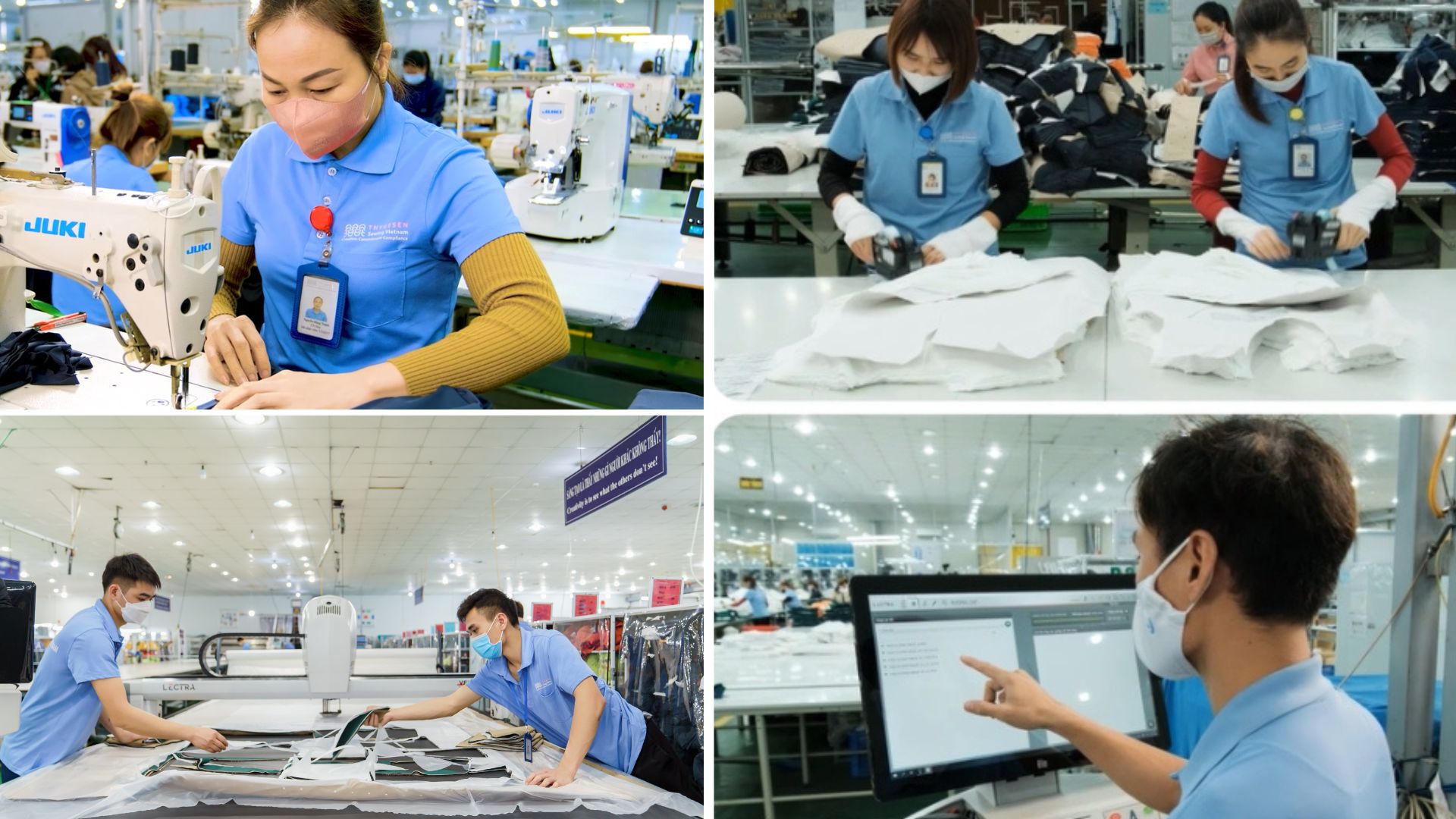
Our services cover design consultation, material sourcing, bulk production, and final packaging, all in factories certified to SA8000, ISO 9001:2015, GRS, GOTS, OEKO-TEX, FSC, and OCS standards.
Thygesen understands the challenges brands face from maintaining quality and ethical compliance to managing complex supply chains.
With Thygesen, we don’t compete on the lowest price. Our quotes focus on Total Cost of Ownership (TCO) – minimizing risks, ensuring quality, maintaining timelines, and providing transparency at every step, so your investment delivers true value and peace of mind.
Discover how Thygesen Textile Vietnam can bring your designs to life, visit our website thygesenapparel.com or contact us at sale@thygesen.com.vn to get started.