Choosing the right manufacturing country is crucial for brands, as it impacts production quality, costs, and the overall supply chain. Below are some of the top clothing manufacturing countries in the world known for their strengths in the industry.
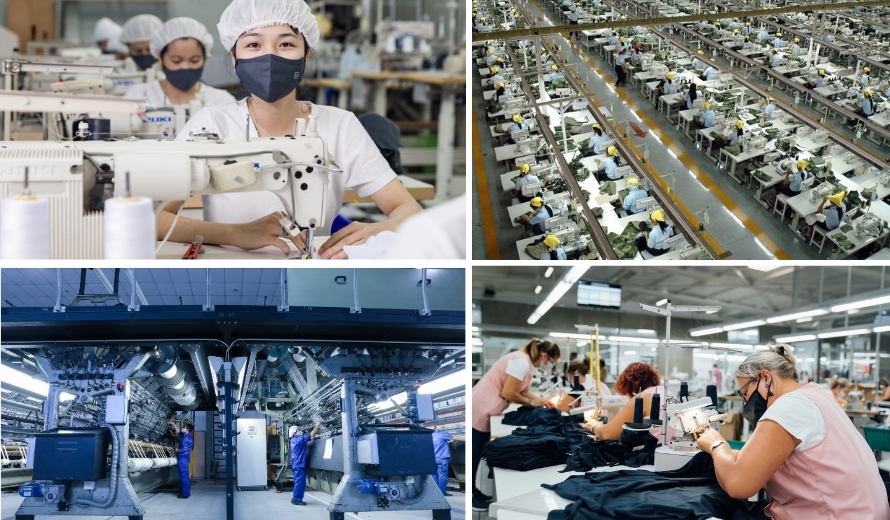
1. Vietnam
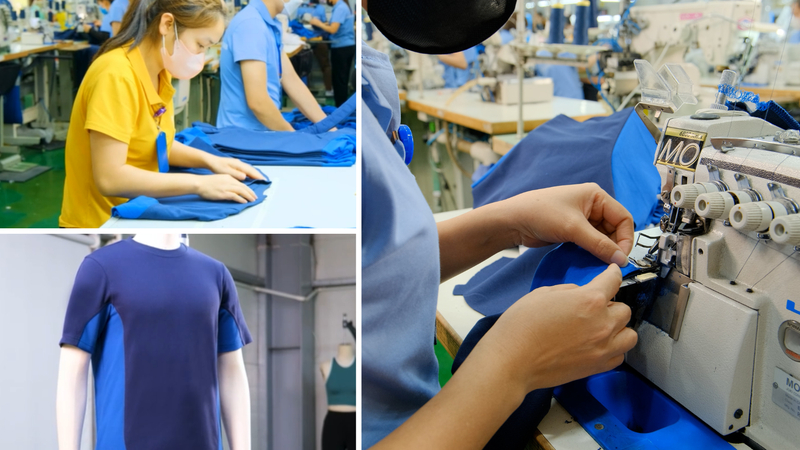
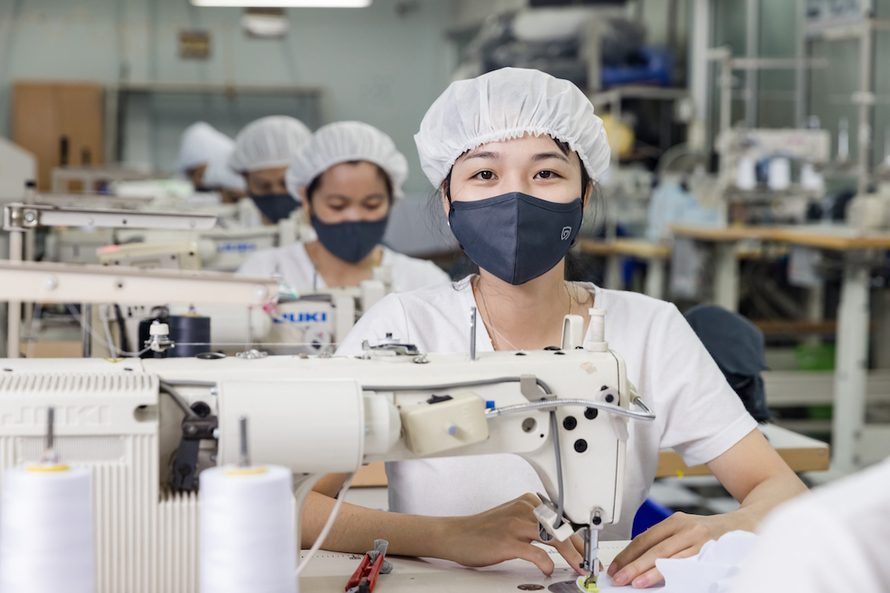
According to the Ministry of Industry and Trade of Vietnam, the textile and garment industry in Vietnam consists of over 13,000 enterprises, employing around 2.5 million workers, with approximately 1.3 million directly involved in production. Ranked 5th globally in garment exports, Vietnam offers competitive advantages, including political stability, free trade agreements like EVFTA and UKVFTA, and low production costs compared to countries like the US and Europe.
A deeper understanding of The Impact of EU-Vietnam Free Trade Agreement (EVFTA) on Apparel Manufacturing Sourcing reveals why Vietnam has become a strategic hub for many global fashion businesses seeking both quality and cost-efficiency.
Vietnam is known for producing a wide range of high-quality apparel, including activewear, casualwear, underwear,… with items such as: leggings, bras, jackets, dresses, boxers, panties, pants, shorts… all while meeting international standards like ISO 9001, WRAP, SA8000, and GOTS, with a strong focus on ethical production practices. The country is also home to many established Activewear Manufacturers, such as Thygesen Textile Vietnam, that supply premium-quality products to global brands.
With these factors, Vietnam stands out as one of the best countries for clothing manufacturing, serving global brands such as Tommy Hilfiger, H&M, Calvin Klein, Nike, Adidas, Under Armour, Puma, Lululemon, Victoria’s Secret, and Uniqlo.
For more information, you may refer to our articles about how to find clothing manufacturers in Vietnam and how to work with clothing manufacturer
2. China
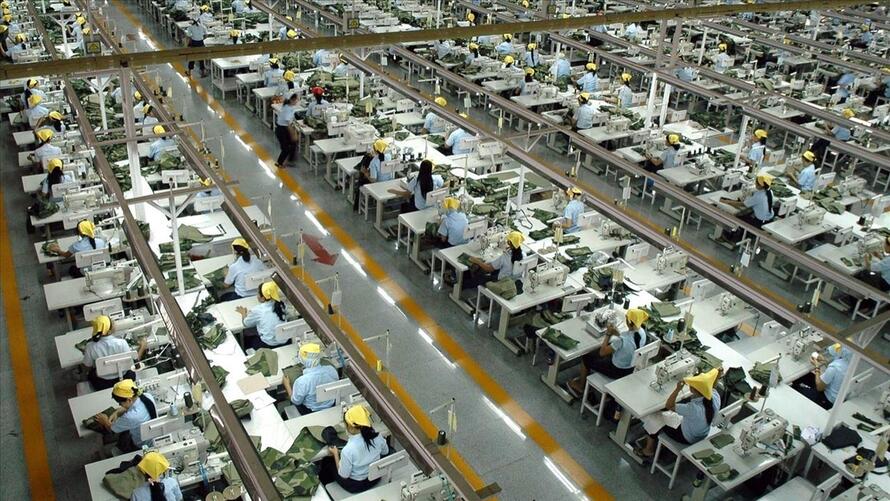
China is often recognized for its large-scale production capabilities, competitive pricing, and advanced technological infrastructure.
As the world’s largest textile exporter, China has a significant presence in the global fashion supply chain. The country benefits from a vast and skilled workforce, along with numerous manufacturing hubs that cater to both high-volume and specialized production. China also boasts a range of fabric options and efficient logistics, making it a preferred choice for both fast fashion and luxury brands like Zara, Nike, and H&M.
For a closer look at the market, this Top 10 China clothing manufacturers list is a good starting point, and if you’re comparing options beyond China, this athletic clothing manufacturer roundup covers picks across other countries.
3. Bangladesh
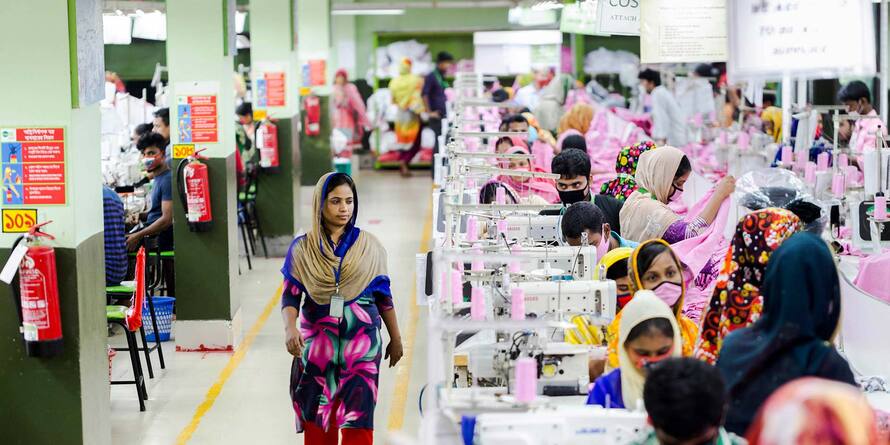
Bangladesh, with its low labor costs, is a major player in ready-made garments, exporting to leading international brands like H&M, Gap, and Zara. Despite challenges with workplace safety, it remains a popular choice due to its cost-effective production and preferential trade agreements such as the EU’s Everything But Arms initiative.
For further reading, check out our article: Everything you need to know about 4 types of clothing manufacturer
4. India
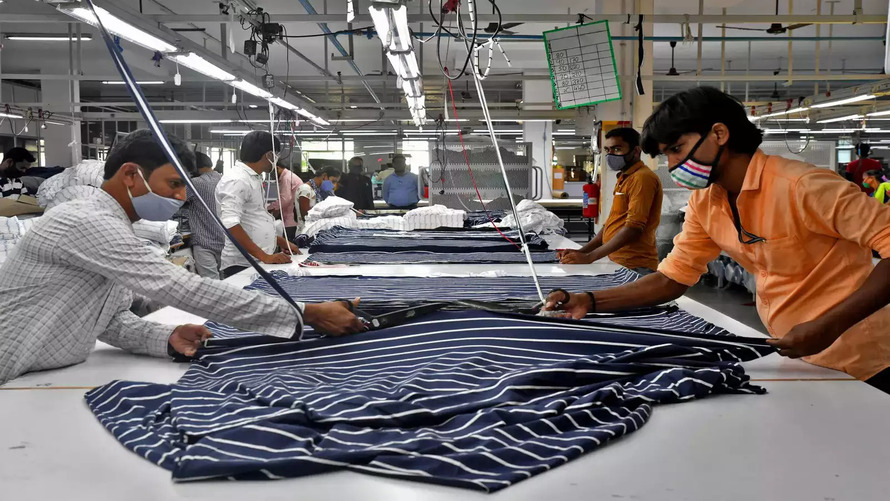
India is known for its diverse textile industry, producing a wide range of garments from cotton to knitwear. India’s manufacturing sector benefits from a large, skilled workforce and extensive fabric production capabilities, making it a competitive option for many brands.
5. Turkey
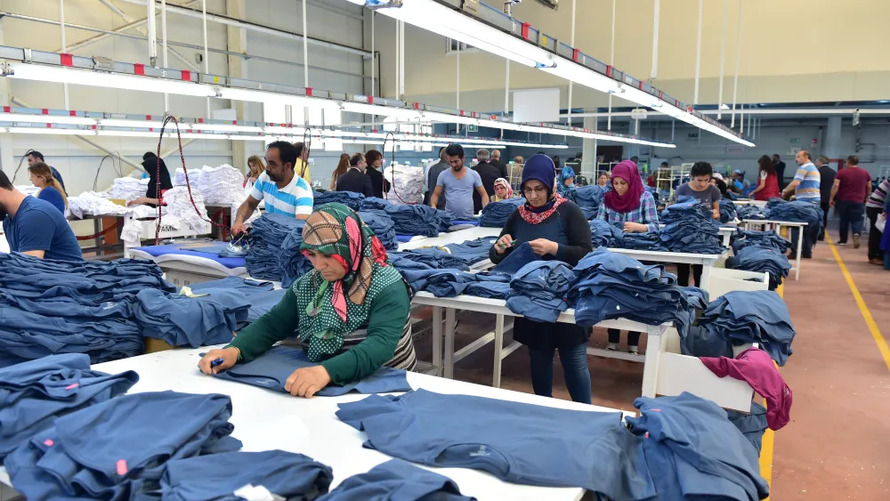
Turkey is located strategically between Europe and Asia, offers quick turnaround times for European markets and competitive pricing, particularly in higher-end fashion production. Turkish manufacturers are recognized for their ability to handle small, specialized orders and create high-quality garments.
Effective trend forecasting for clothing manufacturer and fashion brand is vital for leveraging such agility, ensuring that production aligns with upcoming market demands and consumer preferences.
When evaluating top production markets, consider manufacturing partners who demonstrate precision and efficiency in their processes. Thygesen, as dedicated cut and sew manufacturers, offers comprehensive OEM services, providing supply chain transparency and consistent quality from initial design to final garment.
6. Italy
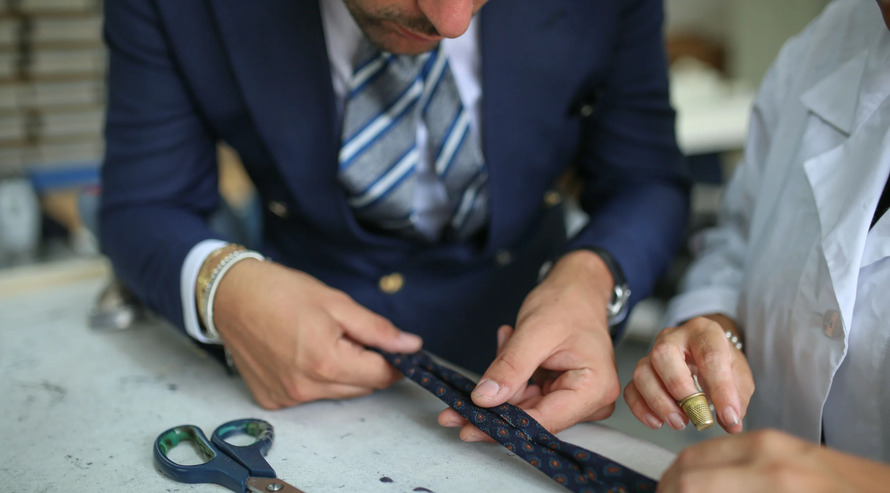
Italy is renowned for its luxury fashion and high-end garment manufacturing. Italian factories are known for their expertise in tailoring, fine fabrics, and quality craftsmanship, making it the preferred choice for premium brands like Gucci, Prada, and Armani. However, Italy’s higher labor costs limit its competitiveness in mass-market production.
7. Pakistan
Pakistan, with its robust cotton industry, is a leading manufacturer of textile products and garments, particularly in knitwear and denim. The country is known for its cost-effective production and high-quality cotton fabrics, which appeal to global brands like Levi’s and Adidas. However, Pakistan faces challenges with infrastructure and political instability. Its strength in knitwear also makes it worth checking against this hoodie manufacturer list if you’re comparing options beyond the usual sourcing hubs.
8. United States
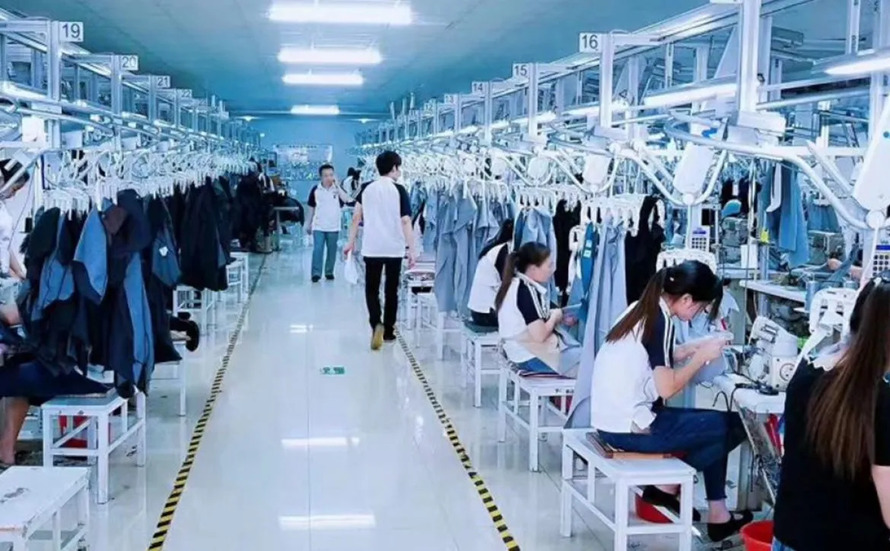
The United States is both a major consumer of clothing and a significant producer, particularly in specialized areas such as technical garments and sportswear. While labor costs are higher than in Asia, the U.S. benefits from advanced technology and quick turnaround times for domestic brands and regional markets. Brands like Under Armour and Patagonia are examples of successful U.S.-based apparel companies with local manufacturing. This strength in technical sportswear extends to categories like leggings, so it’s worth checking this legging manufacturer list if you’re sourcing domestically.
9. Portugal
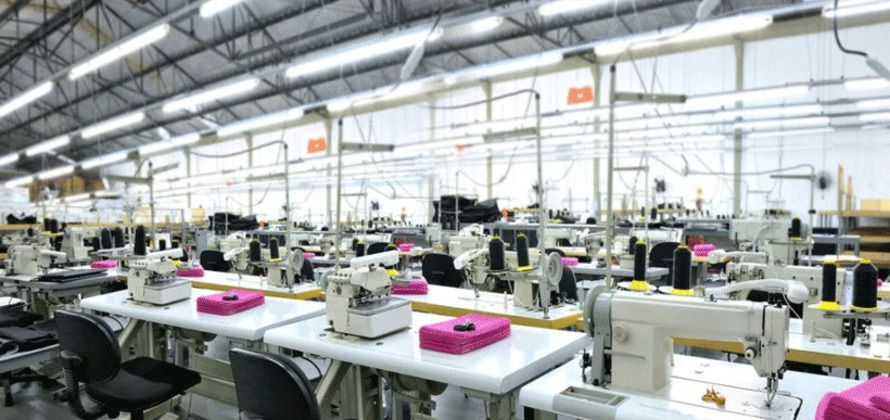
Portugal has made a name for itself in the production of high-quality garments, especially knitwear, and is known for its efficient manufacturing processes. Portuguese manufacturers excel in smaller, customized orders, serving European brands such as Zara and Massimo Dutti. Although Portugal offers quality, its production costs are higher compared to other global manufacturing hubs.
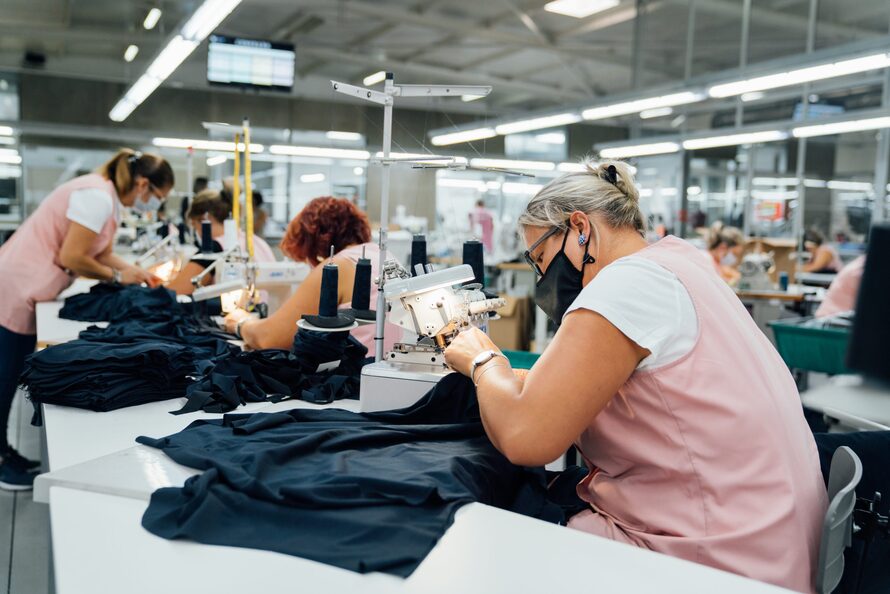
For more information, you may refer to our articles about what is an oem manufacturer
Things to consider when choosing apparel manufacturers by country
To choose the right manufacturer for your brand, consider the key factors outlined below:
- Political Stability: Partnering with countries that offer political stability is crucial for maintaining a reliable and uninterrupted supply chain. A stable political climate ensures that government policies remain predictable and supportive of business operations, reducing the risk of sudden changes in trade regulations, labor laws, or tariffs.
- Tax Benefits: Tax incentives significantly reduce production costs. Countries with favorable trade agreements, like Vietnam’s EVFTA and UKVFTA, offer tariff benefits, making production more affordable. For example, Vietnam apparel production enjoys a preferential tax rate to the EU market, currently 4-6%, which is set to drop to 0% in 2025 under the EVFTA.
- Labor Ethics: Countries that prioritize labor rights and offer fair wages are crucial for maintaining ethical standards and ensuring long-term production stability. Ethical labor practices contribute to a positive work environment, improving productivity and product quality. Avoid countries with poor labor practices, such as low wages or unsafe conditions, as these can harm worker morale, affect product quality, and damage your brand’s reputation.
- Manufacturing Costs: Production costs include material, labor, shipping, taxes, and production expenses. Additional costs may arise from quality control or special handling fees. Asian countries, like Vietnam and China, generally offer lower production costs due to cheaper labor and favorable tax policies.
- Lead Time and Capacity: Manufacturers in countries with efficient, reliable production capacities and clear lead times are preferable. For example, Vietnam, with its growing textile industry, has a strong track record of delivering on time and offers competitive production costs. On the other hand, countries like India or Bangladesh might offer cost-effective solutions but can sometimes face challenges with lead time consistency.
- Shipping Costs: Shipping costs can vary greatly depending on location and the method of transportation. For example, Vietnam offers cost-effective shipping options, especially for bulk orders. Shipping by sea for larger orders (at least 500 kilograms) is more affordable than air freight.
Understanding whether the is clothing industry profitable is a critical first step for any brand looking to enter or expand its manufacturing operations.

In conclusion, choosing the right clothing manufacturing countries is key to your brand’s success. Vietnam stands out as one of the top clothing manufacturing countries in the world, offering competitive costs, favorable trade agreements, and high-quality production.
At Thygesen Textile Vietnam, we provide reliable, ethical, and cost-effective manufacturing solutions. With our strong track record and efficient processes, we’re the ideal partner to help you grow your brand and streamline your supply chain. For further consultation, visit our website https://thygesenapparel.com/ or contact us at sale@thygesen.com.vn.