Kids leggings may look simple, but producing them requires the right fabric choices, precise construction, and reliable manufacturing partners. From material selection to production processes, each step plays a role in ensuring comfort, durability, and safety for children. This guide explores everything brands should know when working with kids legging manufacturers.
1. Common Fabrics Used in Kids Leggings Manufacturing
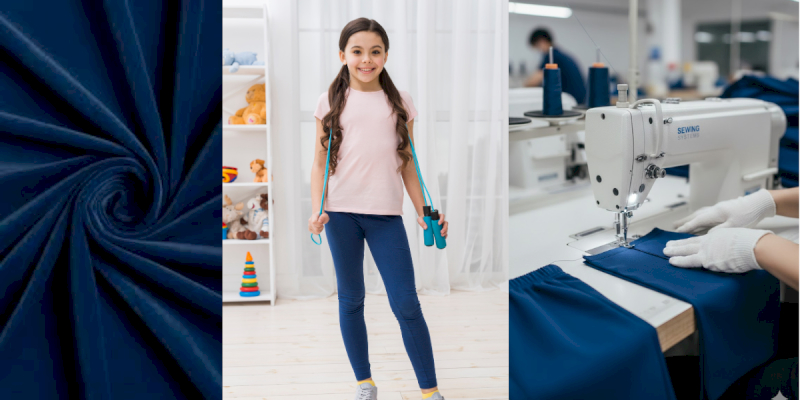
Fabric selection directly affects comfort, stretch performance, opacity, and wash durability. Because leggings are tight-fitting garments worn during active movement, elasticity and recovery are critical.
1.1. Cotton – Spandex
Cotton is a natural fiber widely used in kids leggings due to its softness and breathability, making it gentle on sensitive skin. When blended with spandex (also called elastane), it gains the stretch and recovery needed for tight-fitting garments. This combination allows children to move freely while keeping the leggings in shape without sagging after repeated wear.
The cotton-spandex blend is also practical for daily use. Cotton provides comfort and natural moisture absorption, while spandex ensures elasticity and resilience, which is especially important for active kids. Leggings made from this blend can withstand frequent washing and maintain their form over time. Common ratios for this blend are 95% cotton with 5% spandex, or slightly higher spandex at 92-95% cotton with 5-8% spandex for more stretch.
Sustainable options for this blend include organic cotton, which is grown without harmful chemicals and pesticides, and recycled cotton, which reduces textile waste. These options are increasingly popular among brands looking to offer eco-friendly kidswear.
1.2. Polyester-Spandex
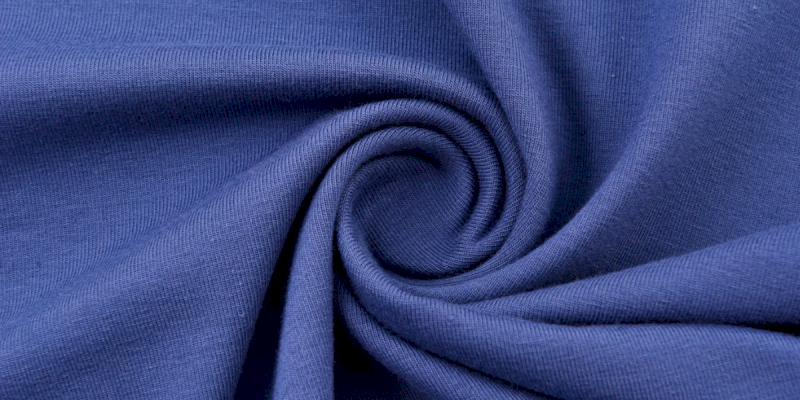
Polyester is a strong synthetic fiber often used in kids leggings because it is durable, resists shrinking, and holds color very well. When combined with spandex, the fabric becomes stretchy and resilient, ideal for active children who move a lot. Polyester-spandex leggings are especially suitable for printed designs, as polyester takes dye evenly and maintains vibrant colors even after multiple washes.
This blend offers performance benefits beyond appearance. Polyester is quick-drying and low-maintenance, while spandex provides elasticity and shape retention, ensuring that the leggings stay fitted and comfortable during play. The usual blend ratios are around 90-92% polyester with 8-10% spandex, or 85-90% polyester with 10-15% spandex for leggings requiring maximum stretch.
For sustainable choices, recycled polyester (rPET) is widely used, made from post-consumer plastic bottles, reducing waste and carbon footprint. Some premium brands also explore bio-based polyester derived from plant sources to create more environmentally friendly options.
1.3. Bamboo/Modal
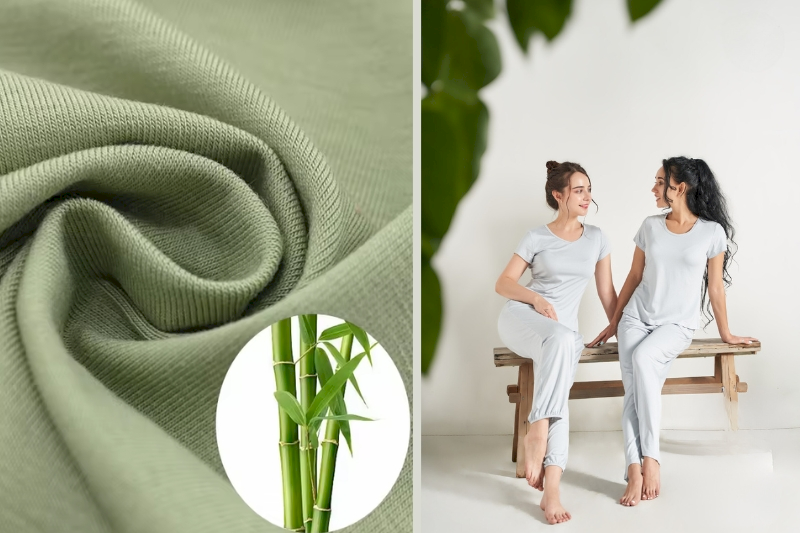
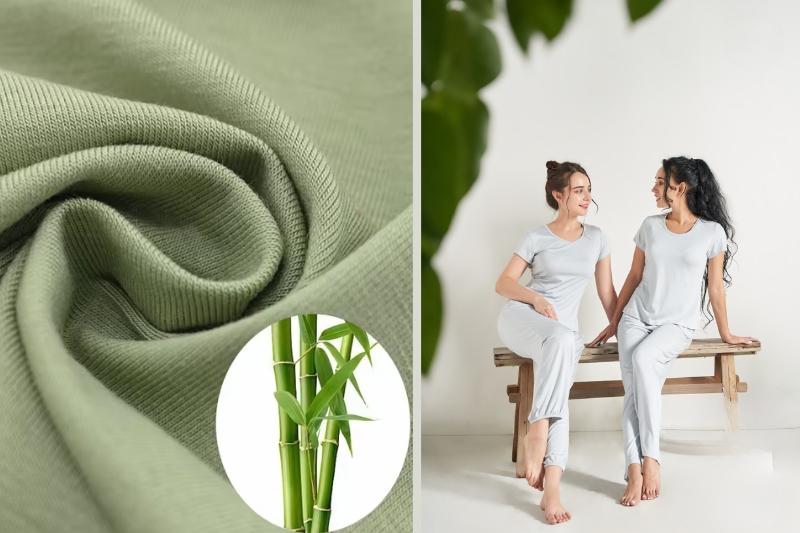
Bamboo and modal fibers are made from cellulose derived from plants, offering a silky, soft touch that is perfect for kids’ sensitive skin. When blended with spandex, these fabrics combine luxurious softness with the flexibility needed for active wear. Kids leggings made from bamboo or modal blends feel smooth against the skin while allowing unrestricted movement.
In addition to comfort, bamboo and modal fabrics are breathable and moisture-wicking, helping keep children dry during play. They are also considered more eco-friendly than conventional cotton if sourced responsibly, for example, using organic bamboo or Tencel™ Lyocell produced in closed-loop systems that conserve water and energy. Recommended blend ratios for leggings are 95% bamboo with 5% spandex or 90% modal with 10% spandex, balancing softness and stretch.
2. Safety & Compliance in Kids Legging Production
Ensuring safety and compliance is a critical part of producing kids leggings. From selecting certified fabrics to precise stitching, child-safe accessories, and rigorous metal detection, every step plays a role in protecting children and maintaining product quality. The following key aspects highlight how brands can meet high safety standards in kids legging production:
- OEKO-TEX Standard: OEKO-TEX Standard is an internationally recognized certification that guarantees fabrics are free from harmful chemicals and safe for sensitive skin. Using OEKO-TEX certified fabrics ensures that the raw materials, yarns, and finished textiles meet strict safety requirements, making them suitable for children’s wear. This standard helps brands prevent exposure to toxic substances, heavy metals, or irritants, which is especially important for tight-fitting garments like leggings that are worn directly against the skin.
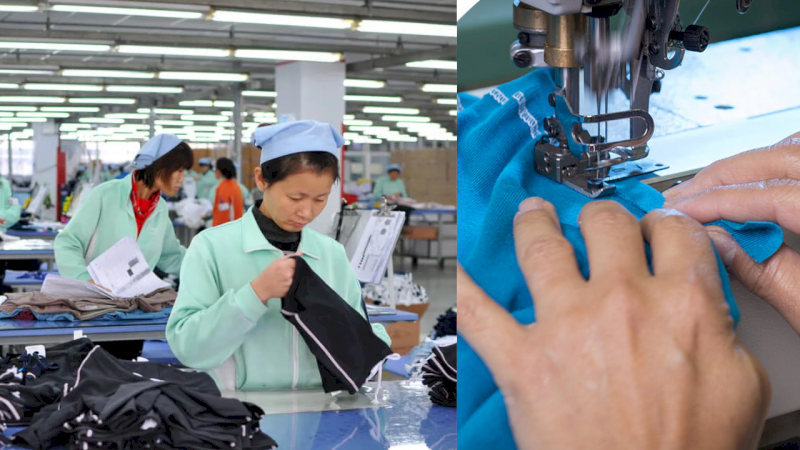
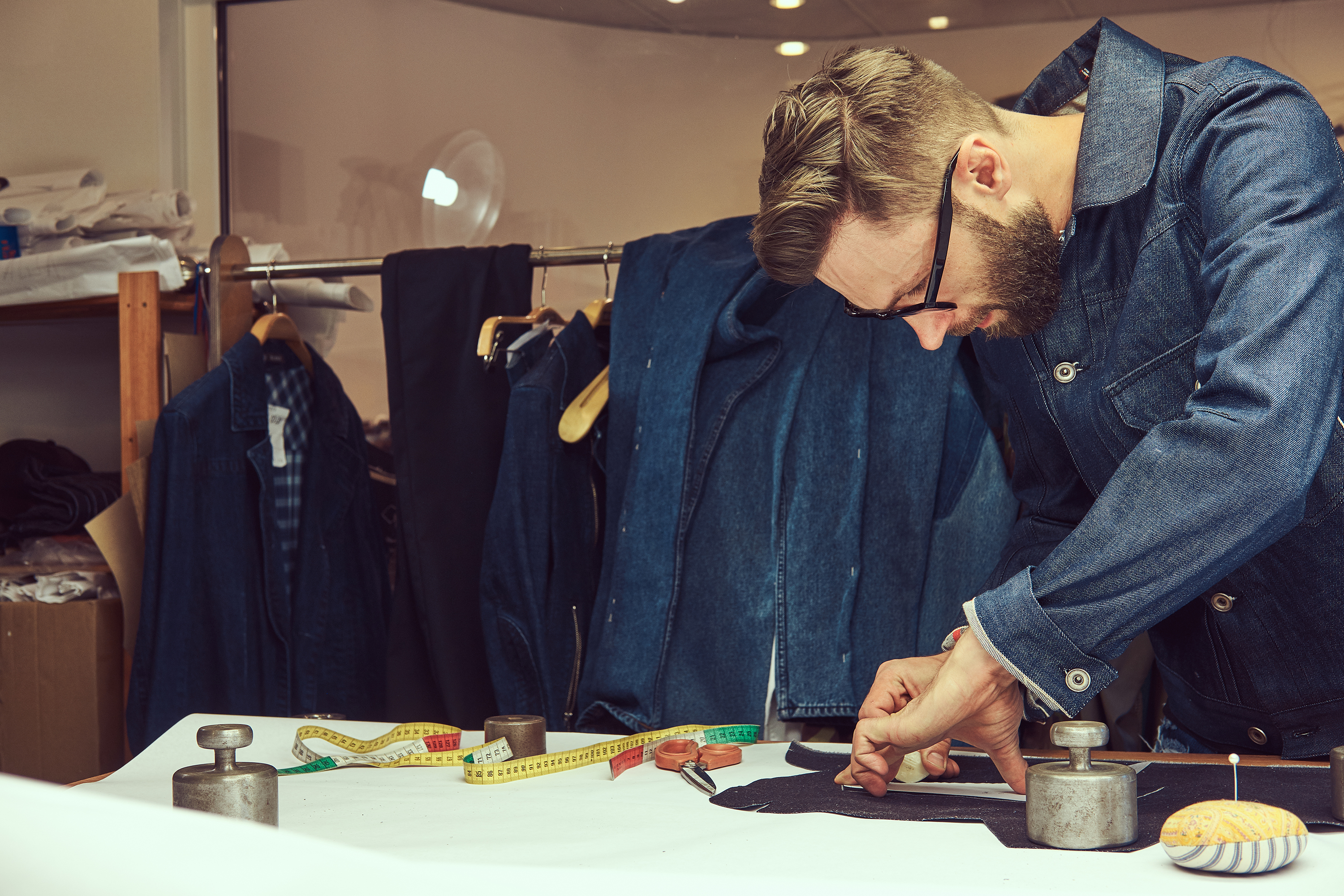
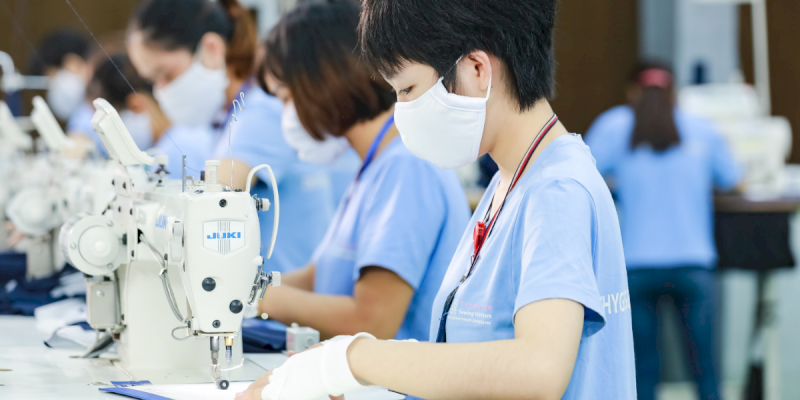
- Seam & Stitching Quality: The quality of seams and stitching directly impacts both durability and comfort in kids leggings. Seams must be smooth, secure, and free from loose threads or sharp edges to prevent irritation or scratching. Techniques such as flatlock or overlock stitching are often used to create flexible, stretchable seams that move with the fabric and the child’s body. Consistent quality control during production ensures that every pair of leggings meets safety and comfort standards. These specialized stitching techniques are a core part of cut and sew manufacturing – a production method where fabric panels are precisely cut to pattern and assembled through controlled sewing operations, ensuring every seam meets the safety, comfort, and durability standards required for children’s garments. Brands can explore a curated list of cut and sew manufacturers experienced in kidswear to find certified partners with the right construction expertise.
- Physical Safety & Accessories: All accessories, including drawstrings, buttons, labels, and trims, must be carefully chosen and secured to avoid choking hazards or skin injuries. Accessories should be firmly attached, rounded, and made from non-toxic materials. Even printed or sewn labels should meet safety standards to prevent them from detaching during wear or washing. Attention to these details ensures that the final product is safe for everyday use.
- Metal Detection Process: Metal detection is an essential safety procedure in kids legging production. It identifies and removes any metallic contamination, such as pins, needles, or small metal fragments from machinery, before garments are cut or packaged. This step prevents accidental injury to children and guarantees that every finished product is free from potentially hazardous metal pieces. Metal detection is a vital part of quality control for maintaining high safety standards across all production batches.
3. Common Types of Kids Leggings in Production
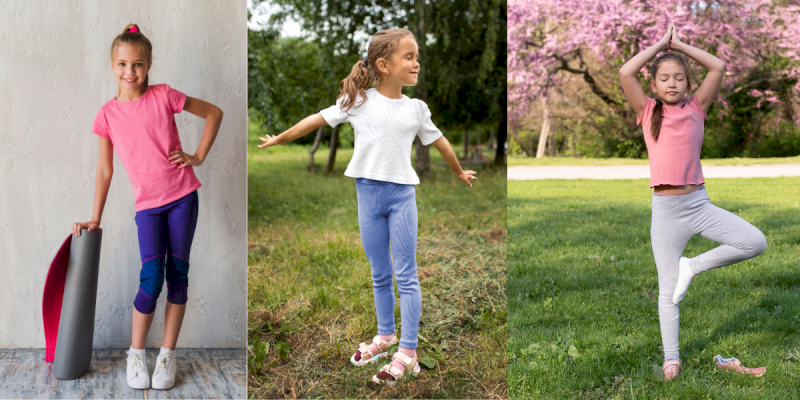
Kids leggings are designed for different purposes, from everyday comfort to sports and colder weather. Each type requires specific fabric choices and production considerations to ensure durability, flexibility, and safety for children’s active lifestyles.
3.1. Basic Everyday Leggings
Basic everyday leggings are designed for daily comfort and versatility. They are commonly worn for school, casual outings, or light activities such as playing at home or in the playground. The focus of this style is softness, flexibility, and ease of movement, making it a staple item in most kidswear collections. Brands can also diversify their offerings with equally comfortable and stylish options from a reliable casual toddler dresses manufacturer.
These leggings are typically made from cotton-spandex blends, which provide a soft hand feel while allowing sufficient stretch for active kids. Cotton offers breathability and comfort, while a small percentage of elastane ensures the leggings maintain their shape after repeated washing and wearing.
3.2. Thermal Leggings
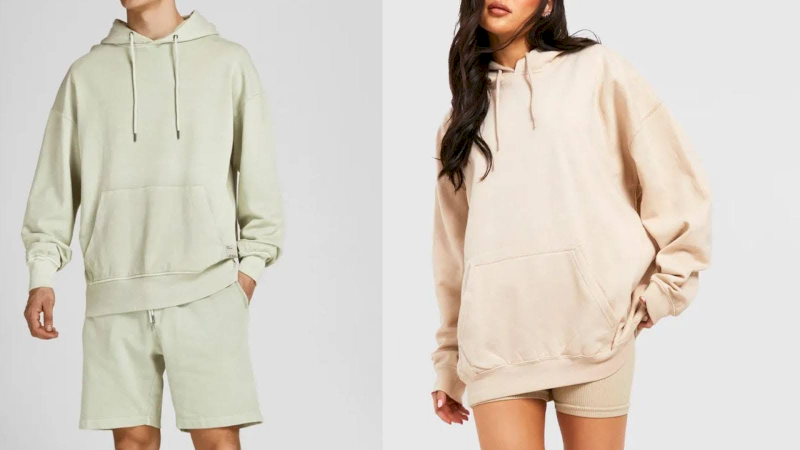
Thermal leggings are designed to provide extra warmth in colder weather. They are often worn as a base layer under pants, skirts, or dresses, making them suitable for outdoor play, winter school days, or activities in colder climates. If your brand is also sourcing hoodies for the colder season, this list of hoodie manufacturer options is a useful reference. Beyond leggings, parents also look for cozy sleepwear; consider partnering with a specialized kids pajama manufacturer to meet this demand.
Common fabrics include brushed cotton blends, fleece-lined fabrics, or thermal knit materials that help retain body heat. These fabrics are engineered to provide insulation while still remaining breathable and comfortable for extended wear.
Beyond leggings, parents also look for cozy sleepwear. Thygesen serves as a trusted pajama manufacturer, offering full-package OEM/ODM services for kids sleepwear – from certified fabric sourcing and sample development to bulk production – helping brands expand their kidswear range with safe, comfortable pajama collections.
3.3. Printed Leggings
Printed leggings are popular in kidswear due to their vibrant colors, playful graphics, and creative patterns. They are suitable for everyday wear and casual activities, allowing brands to create visually appealing designs that attract children and parents alike.
To achieve durable and high-quality prints, manufacturers typically use cotton-spandex or polyester blends compatible with printing techniques such as screen printing, digital printing, or sublimation. Fabrics must undergo colorfastness testing to ensure prints remain vibrant after washing, while crack-resistant printing methods help maintain the design’s durability over time.
3.4. Activewear Leggings
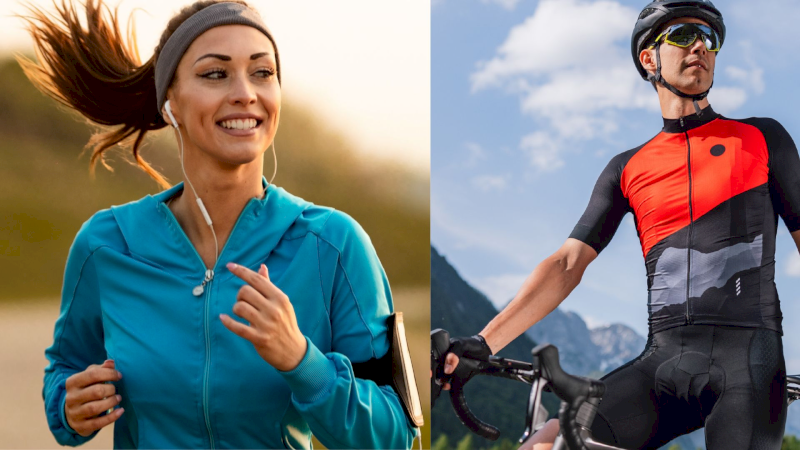
Activewear leggings are specifically designed for sports and high-movement activities such as running, gymnastics, dance, or physical education classes. These leggings need to provide excellent flexibility, support, and moisture management to keep kids comfortable during active play.
They are commonly made from performance fabric blends, such as polyester or nylon combined with elastane. These materials offer higher elasticity, moisture-wicking properties, and improved durability, making them ideal for garments that need to withstand frequent stretching and intense movement.
Brands developing activewear leggings for children can also explore a comprehensive list of experienced legging manufacturers specializing in private-label production – covering both kids and adult performance leggings with options for custom fit, certified fabrics, and scalable MOQs.
6. Key Factors to Consider When Choosing Kids Leggings Manufacturers
Selecting the right kids leggings manufacturer goes beyond production capacity or pricing. Because children’s clothing requires stricter safety standards, comfort, and durability, brands must carefully evaluate a supplier’s certifications, experience, and quality control systems before starting production.
6.1. Certifications & Compliance
When producing kids leggings, safety and compliance should always be a top priority. Manufacturers should follow internationally recognized standards to ensure that both materials and production processes meet strict safety and environmental requirements.
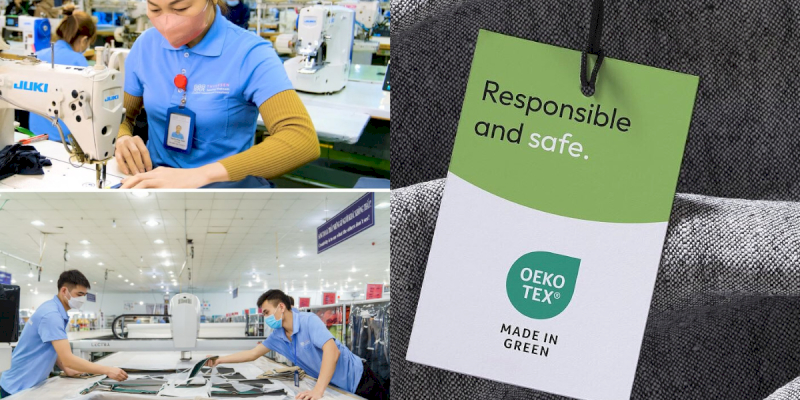
A reliable manufacturer should work with OEKO-TEX® Standard 100 certified materials, which verify that fabrics and accessories are free from harmful substances and safe for direct contact with children’s skin. In addition, responsible factories often hold certifications such as WRAP or SA8000, which demonstrate ethical labor practices and responsible manufacturing. For sustainable material sourcing, certifications like GOTS (Global Organic Textile Standard), GRS (Global Recycled Standard), OCS (Organic Content Standard), or FSC-certified fibers may also be important depending on the product concept and brand positioning.
6.2. Kidswear Expertise & Production Feasibility
Children’s apparel has different design and production requirements compared to adult clothing. A manufacturer experienced in kidswear production will better understand safety standards, comfort expectations, and functional design considerations specific to children’s garments.
Factories with kidswear expertise can also advise brands on appropriate MOQ levels, material choices, printing techniques, and construction details suitable for kids leggings. More importantly, they are familiar with market regulations and import requirements in different regions, such as safety standards for children’s clothing in the EU, the US, or other international markets, helping brands avoid compliance issues during export.
For brands developing activewear-focused kids leggings, partnering with experienced athletic clothing manufacturers ensures access to technical fabric expertise, performance construction know-how, and production capabilities aligned with both children’s safety standards and activewear performance requirements. A curated list of athletic clothing manufacturers is available for brands comparing sourcing options across different markets.
6.3. Strong Quality Control System
A professional kids leggings manufacturer should have a well-structured quality control system that monitors every stage of production. Quality assurance should begin from raw material inspection, ensuring fabrics, elastics, and accessories meet safety and performance standards before production starts.
Quality checks should continue throughout the production process, including in-line inspection during sewing, post-sewing inspection, and final quality checks before packing and shipment. This multi-stage control system helps identify potential defects early, ensuring the final garments meet both quality standards and safety requirements for children’s wear.
If you are looking for a reliable kids leggings manufacturer,Thygesen Textile Vietnam offers extensive experience in kidswear production, with strong quality control systems, certified materials and factory, and flexible manufacturing solutions for global brands. Learn more about our manufacturing capabilities at thygesenapparel.com or contact our team at sale@thygesen.com.vn.