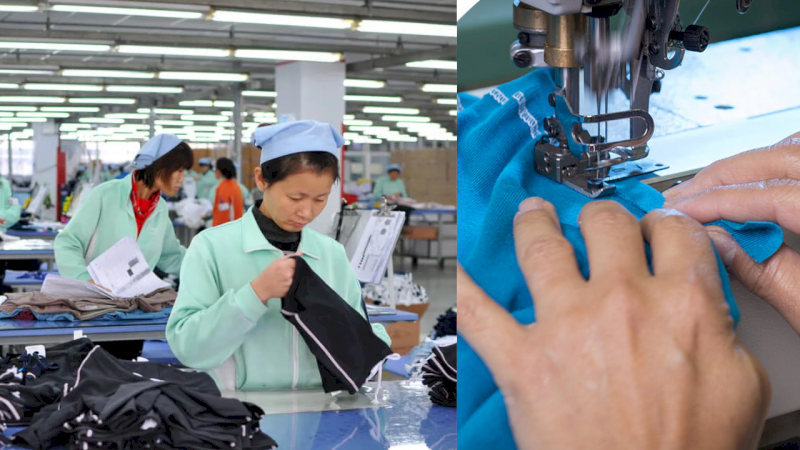
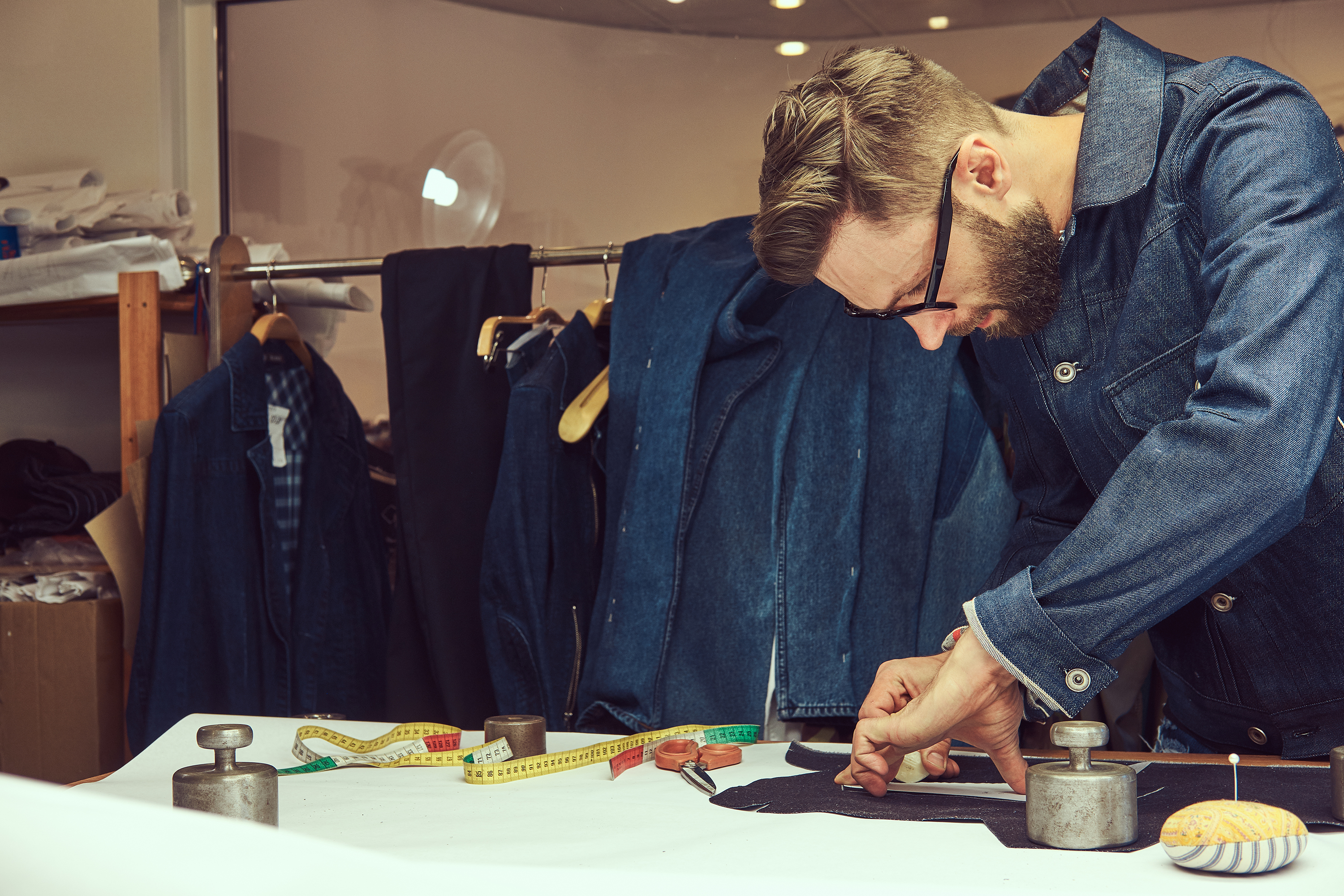
For brands, understanding the cost structure of leggings production is critical for pricing, quality, and positioning in the market. As a full-package clothing manufacturer, we’ve worked with numerous popular brands and seen how strategic decisions in materials, labor, and process efficiency impact overall costs. Here, we break down the main factors that brands should consider for leggings manufacturing cost.
Delve deeper into the broader principles that govern expenses across various apparel items by exploring a comprehensive guide to Understanding Clothing Manufacturing Cost: Key Factors and Insights.
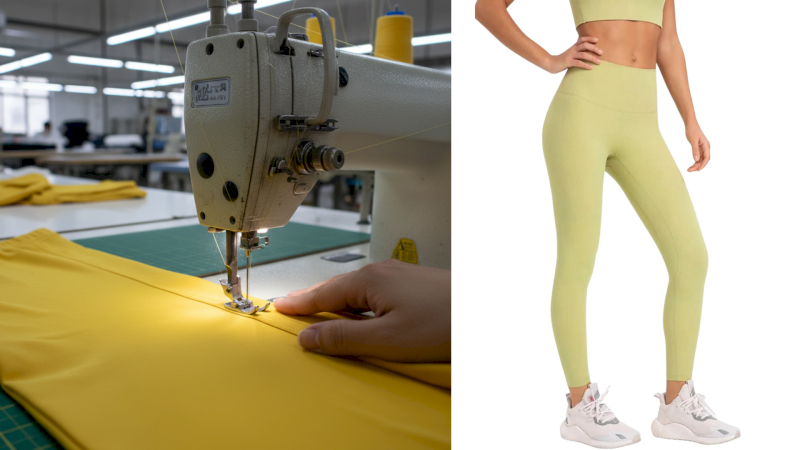
1. Factors Affecting Leggings Manufacturing Costs
For brands aiming to produce high-quality leggings while controlling costs, knowing what drives production expenses is crucial. Several factors from material choice to manufacturing processes, can significantly affect the final cost. Here, we explore the main factors that determine how leggings are priced and manufactured.
1.1. Fabric Selection & Quality
Fabric choice is often the largest cost component in leggings production. High-performance materials such as Nylon-Spandex blends or advanced polyester fabrics typically cost more than basic cotton blends, but they provide the stretch, durability, and shape retention required for activewear products.
For brands developing performance leggings and activewear collections, partnering with specialized athletic apparel manufacturers ensures access to the right technical fabric expertise, functional construction know-how, and production capabilities tailored to high-performance garments. A curated list of athletic apparel manufacturers is available for brands comparing options across different markets and production models.
In addition, many brands today are shifting toward sustainable materials like GRS-certified recycled polyester or eco-friendly nylon. These fabrics usually come at a higher price due to more complex sourcing and processing requirements, but they add significant value for brands targeting sustainability-conscious consumers.
Other fabric specifications also influence cost. Factors such as fabric weight (GSM), stretch performance, and functional finishes, including moisture-wicking, anti-microbial, or UV protection, can increase the price per meter. These treatments require specialized processing to ensure the performance properties remain effective even after repeated washing and wear.

1.2. Design Complexity & Technical Features
The design of the leggings plays a major role in determining production costs. Styles with additional features, such as hidden pockets, mesh panels, or sculpting seams, require more cutting steps, sewing operations, and skilled labor compared to simpler designs.
Pattern engineering also affects fabric consumption and production efficiency. Leggings designed for compression or body contouring often require multiple pattern panels rather than a basic two-piece construction, which increases both material usage and labor time.
Decorative elements can further add to the cost. Techniques such as screen printing, heat transfer logos, or embroidery require extra setup time and specialized machinery. For activewear products, brands often opt for durable printing methods that can withstand stretching and frequent washing, which may increase the overall production cost but ensures long-term product quality.
1.3. Order Volume and Production Scale
Order quantity is one of the most important factors affecting the final manufacturing cost. Larger production runs allow factories to distribute setup expenses, such as pattern development, sample creation, and machine calibration, across a greater number of units, reducing the per-unit cost.
Higher volumes also make raw material sourcing more efficient. Manufacturers can purchase fabrics and trims in bulk at more competitive prices, which helps lower the overall production cost for brands.
On the other hand, small production batches often lead to higher unit prices because setup time remains similar regardless of order size. For new or emerging brands, careful planning of production volume can help balance flexibility with cost efficiency.
1.4. Manufacturing Location and Operational Structure
Manufacturing location plays a significant role in determining overall production costs. Labor rates, infrastructure, supply chain accessibility, and operational efficiency vary widely across different regions, which can affect both pricing and lead time.
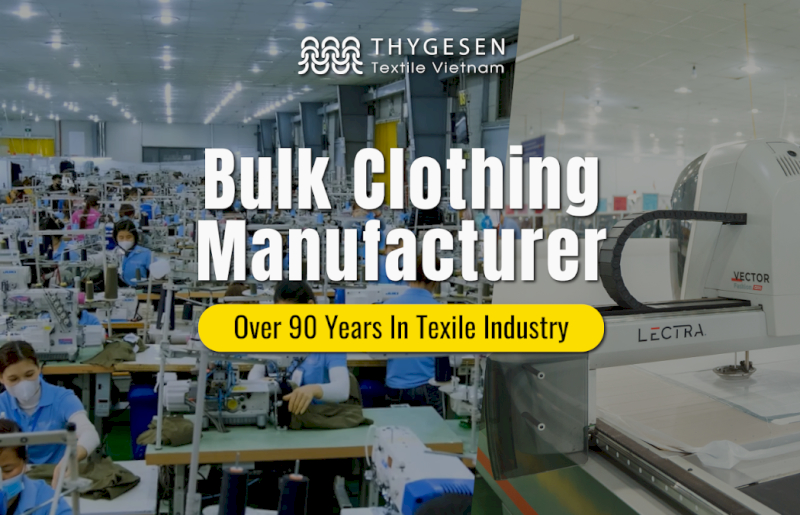
Vietnam has become one of the most competitive apparel manufacturing hubs in recent years thanks to its skilled workforce, stable production environment, and well-developed textile supply chain. Many international brands choose Vietnam not only for cost efficiency but also for consistent quality and reliable lead times.
The factory’s operational structure is another important factor. Manufacturers that offer vertically integrated production, handling multiple stages such as sourcing, cutting, sewing, and finishing, can streamline the process and reduce coordination costs. This integrated approach often allows brands to maintain better control over timelines, quality, and overall production efficiency.
This integrated approach is the foundation of cut and sew manufacturing — a production method where fabric panels are precisely cut to pattern and assembled through specialized sewing operations, giving brands full control over fit, construction quality, and material choice at every stage. Brands exploring this model can find a curated list of cut and sew manufacturers across key production regions to identify the right partner for their leggings collection.
1.5. Manufacturing Technology
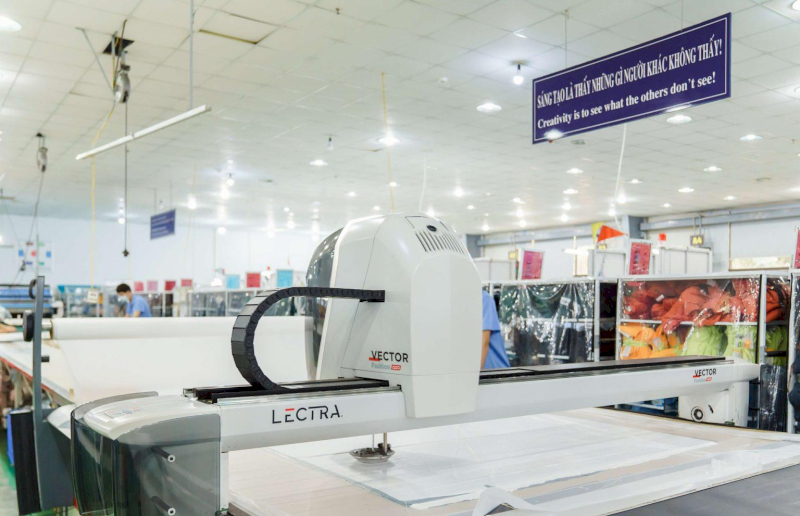
The use of advanced manufacturing technologies can significantly improve production efficiency and product consistency. Solutions such as seamless knitting machines, automated sewing systems, or specialized equipment like Santoni circular knitting machines allow manufacturers to reduce sewing steps and speed up production.
However, these technologies require substantial upfront investment in machinery, maintenance, and technical expertise, which can increase the overall operational cost of the factory.
2. Hidden Costs When Producing Leggings
Beyond fabric and labor, leggings production often involves several hidden costs that brands may overlook during planning. These expenses can arise during product development, production, and logistics, potentially increasing the total landed cost by 15–30% if not properly anticipated. Below are some of the most common hidden costs brands should be aware of when manufacturing leggings.
- Product Development & Sampling: Before bulk production begins, brands often go through several rounds of sampling to refine fit, fabric performance, and design details. Each additional revision along with tech pack creation, pattern making, and size grading can gradually increase development costs.
- Fabric Waste & Minimum Order Quantities (MOQs): Manufacturers typically require minimum order quantities for fabrics and trims, which may force brands to purchase more materials than originally planned. In addition, fabric waste during cutting especially for complex patterns can further increase material costs.
- Customization & Branding Elements: Custom woven labels, hangtags, logo printing, and branded packaging can raise the cost per unit more than expected. While each element may seem small individually, the total cost can add up quickly when applied across large production volumes.
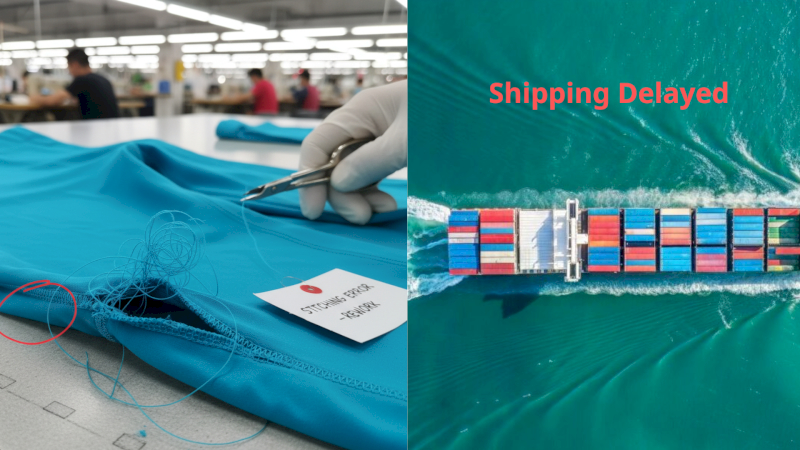
- Rework & Production Defects: Even with strict quality control, production defects such as stitching issues, fabric flaws, or measurement inconsistencies can occasionally occur. Fixing these problems often requires additional labor, rework processes, or even remanufacturing certain pieces, which can increase both production time and overall costs.
- Logistics, Duties & Operational Costs: Shipping methods, customs duties, import taxes, and port handling fees can significantly impact the final landed cost of the product. Unexpected factors such as currency fluctuations, storage fees, or urgent air shipments may also increase overall expenses.
These insights into hidden costs are not exclusive to leggings; similar factors significantly influence the overall underwear manufacturing cost, making careful planning essential for any apparel product.
3. How an Experienced Clothing Manufacturer Can Help Optimize Costs
Choosing the right production partner is the first and most important step toward cost optimization. Brands can explore a comprehensive list of experienced legging manufacturers specializing in private-label production to compare capabilities, MOQs, certifications, and pricing before committing to a partner. Based on in-depth industry insights, we’ve grouped five key strategies that experienced clothing manufacturers use to effectively optimize costs:
- Material & Sourcing Optimization (Up to 20% Savings): Professional manufacturers use CAD software and automated cutting machines to create optimal pattern layouts, reducing fabric waste by 10-20%. Leveraging long-term supplier relationships, they can negotiate better material prices and implement Just-in-Time (JIT) inventory systems to minimize storage costs and overstock risks.
- Streamlining Production & Labor (15-30% Efficiency Gain): By applying Lean principles and line balancing, manufacturers eliminate idle time and production bottlenecks. They also advise on Design for Manufacturability (DFM) to simplify construction details without compromising style, reducing labor hours and minimizing costly errors or rework.
- Advanced Technology & Automation: Equipment such as Seamless Santoni knitting machines, automatic fabric spreaders, laser cutters, and specialized sewing machines (e.g., Juki, Brother) streamline production, reduce manual steps, and ensure precise quality. Combined with software like 3D CLO for virtual prototyping and pattern simulation, these technologies help minimize material waste, prevent errors, and lower long-term labor costs for a more efficient and reliable workflow.
- Smart Logistics & Operational Management: Manufacturers with in-house logistics teams can provide brands with guidance on the most efficient shipping options, whether by sea or air. They advise on customs regulations, taxes, and other import-export policies, keeping brands informed of updates that could affect costs or delivery timelines. By managing these logistics proactively, manufacturers help reduce unexpected fees, avoid delays, and optimize overall shipping expenses, contributing to a more cost-effective production process.
- Quality Control to Reduce Hidden Costs: Rigorous QC processes catch defects early in the production line, preventing delays and reducing the percentage of rejected garments. Consistent quality helps brands minimize returns, refunds, and reputational risks, protecting long-term profitability.
In conclusion, producing high-quality leggings involves much more than fabric and labor, it requires careful planning, strategic choices, and attention to hidden costs. Partnering with an experienced full-package manufacturer like Thygesen ensures that your designs are efficiently produced, cost-optimized, and consistently high-quality. Visit us at thygesenapparel.com or contact us at sale@thygesen.com.vn to start your journey with a trusted partner in apparel manufacturing.
Beyond leggings, Thygesen also serves as a trusted pajama manufacturer, applying the same full-package approach – from fabric sourcing and sample development to bulk production and certification compliance – to help brands build premium, skin-safe sleepwear collections with confidence. For brands expanding into casualwear, our list of a reliable hoodie manufacturer is another useful resource for comparing suppliers beyond leggings and sleepwear.