From fabric choice to final packaging, multiple factors determine underwear manufacturing cost. Brands that understand these factors can better manage quality and price. Here’s a clear overview of the main contributors to underwear manufacturing cost.
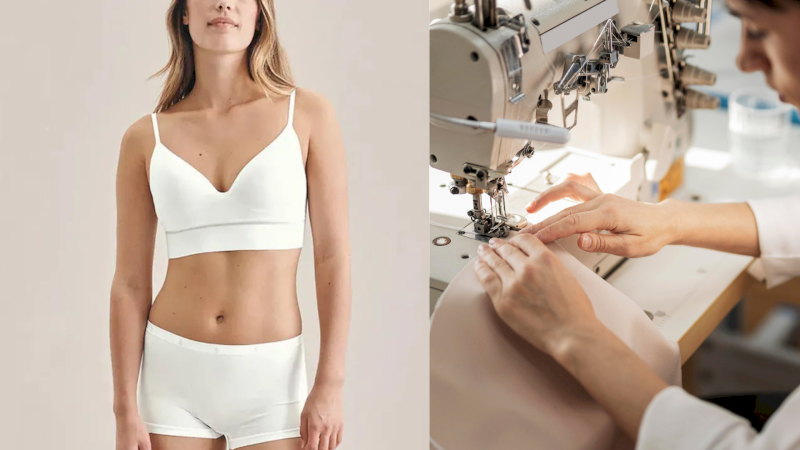
1. Why Understanding Underwear Manufacturing Costs Matters
Understanding underwear manufacturing costs is key for brands to ensure profitability, maintain quality, and build long-term sustainability. Beyond fabric and labor, costs include design complexity, specialized machinery, and compliance fees – factors that are often underestimated but can heavily impact margins.
A clear grasp of these costs allows brands to set accurate pricing, choose the right materials, and optimize production efficiency. It also supports strategic decisions on quality control, waste reduction, and ethical sourcing, ensuring that products meet customer expectations while protecting the brand’s bottom line.
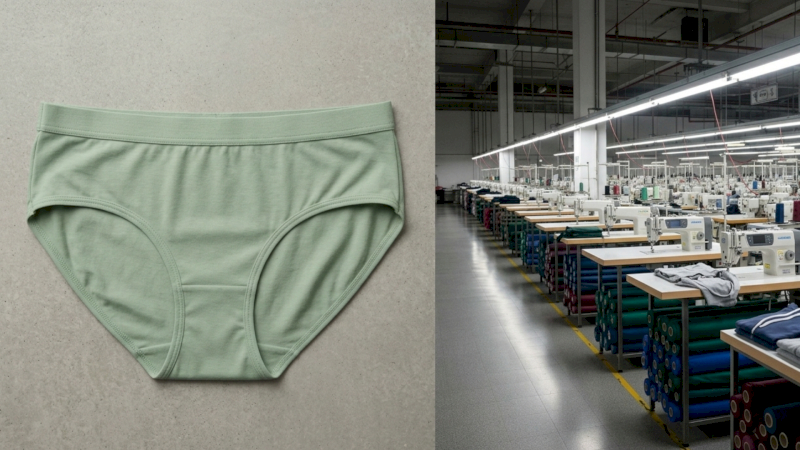
A comprehensive overview of factors influencing overall clothing manufacturing cost is crucial for any apparel brand looking to optimize its supply chain and pricing strategies.
2. Key Factors Affecting Underwear Manufacturing Costs
To make informed decisions and protect profitability, brands need to understand the main factors driving underwear manufacturing costs.
2.1 Production Location
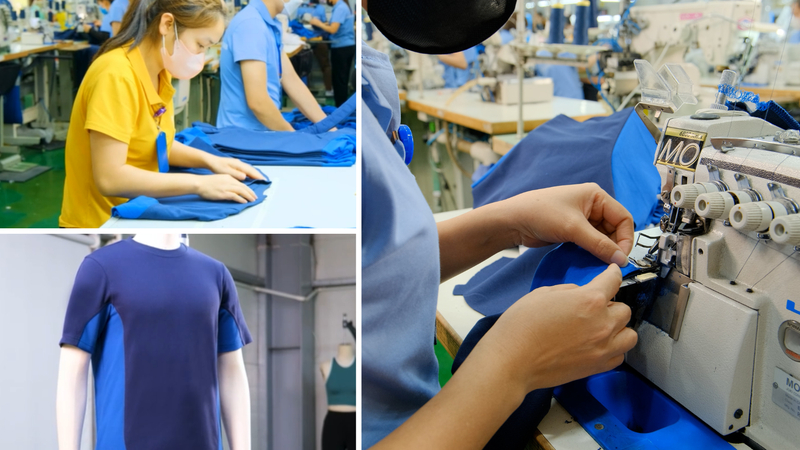
Production costs vary significantly depending on location. For example, producing underwear in Vietnam often offers the best combination of competitive pricing, skilled workforce, and modern factory capabilities, making it ideal for both small and large orders.
In contrast, production in higher-cost regions such as Europe or the Americas may increase expenses by 15-30%, and is often more suitable for smaller runs or premium collection. Understanding these differences allows brands to balance cost, quality, and brand positioning effectively.
2.2 Fabric & Materials
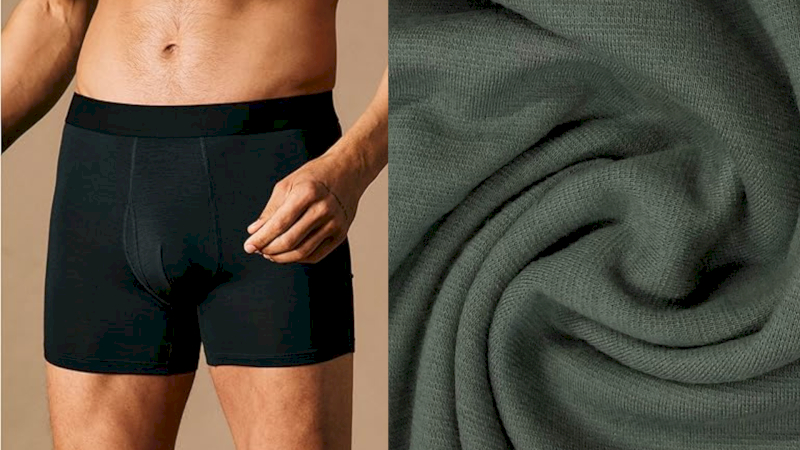
Materials account for the largest portion of direct production costs. Organic cotton, for example, can cost 2-3 times more than standard cotton, around $3-$6 per yard compared to $1-$2 per yard. Technical fabrics such as modal, bamboo, microfiber, or antimicrobial blends are even more expensive, but they enhance softness, stretch, durability and can reduce defects or returns.
Brands typically select materials based on product positioning: premium fabrics for high-end lines with superior comfort and longevity, or cost-effective materials for budget ranges that still meet basic quality standards.
2.3 Design & Construction
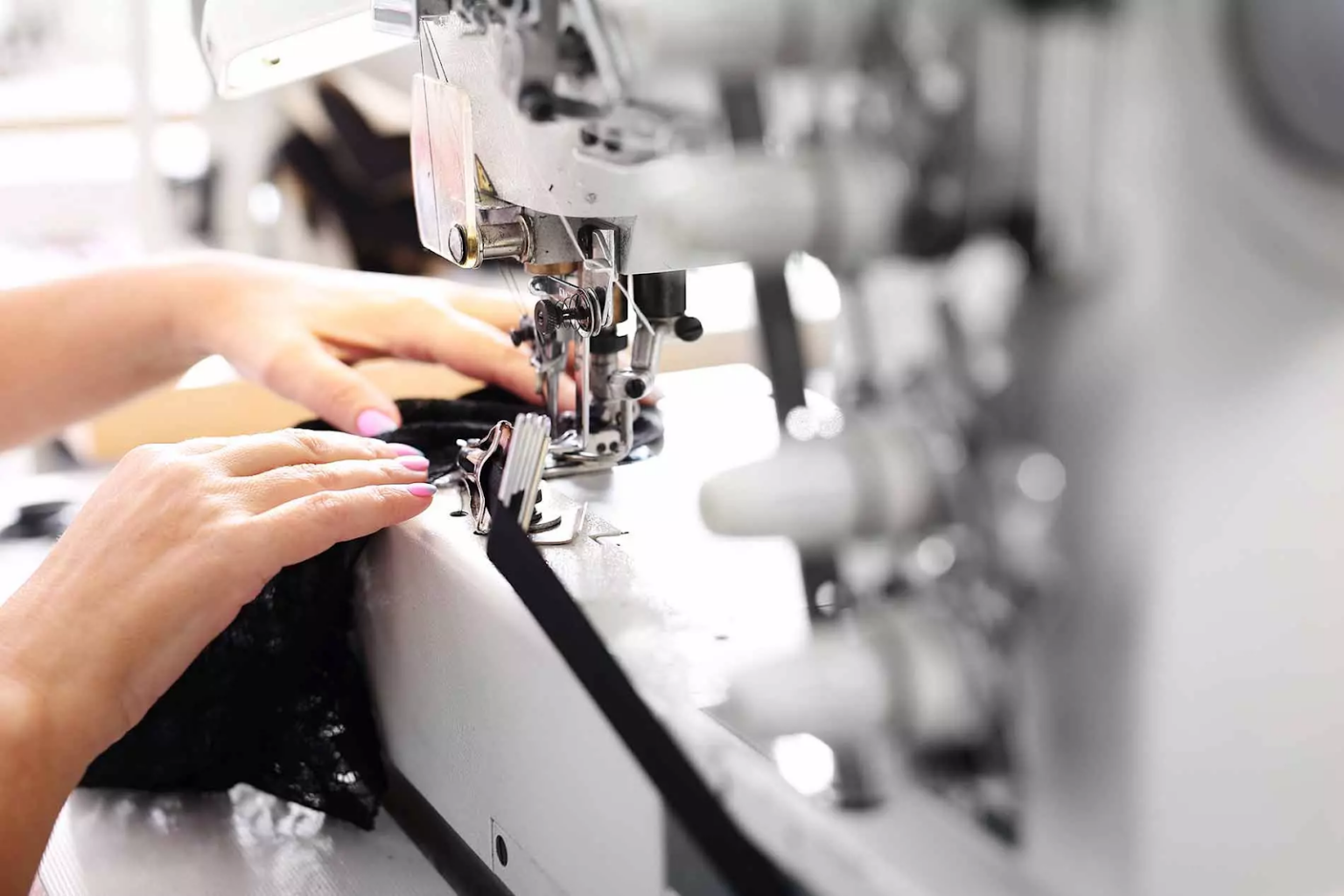
Design complexity and construction techniques significantly impact labor and production cost. Features like seamless construction, bonded seams, or multiple layers require specialized machinery, additional labor time, and stricter quality checks, whereas simple overlock stitching is faster and cheaper to produce.
Even small design choices like extra linings, reinforced elastic, or decorative stitching can increase cutting waste and assembly time, affecting overall cost. By understanding how design choices translate to production cost, brands can optimize the balance between aesthetics, comfort, and profitability.
2.4 Production Scale
The scale of production has a direct impact on unit costs and the feasibility of manufacturing. Small production runs often result in higher per-unit costs, as machinery setup, fabric cutting, and labor are optimized for full rolls and larger batches.
Equally important is choosing a factory whose production scale matches your order size. If a factory specializes in large-volume production, they may charge surcharges, impose higher MOQs, or even decline small orders, while a small-batch factory may struggle to accommodate large orders efficiently. Understanding this alignment is crucial for brands to avoid unnecessary costs, ensure timely delivery, and maintain quality standards.
2.5 Compliance & Certifications
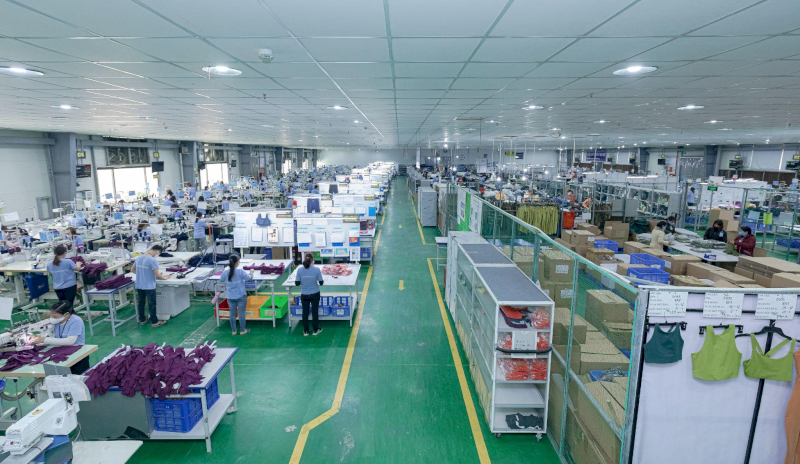
Compliance and certifications, while adding to production cost, are essential for quality assurance, ethical practices, and market access. ISO 9001, Oeko-Tex, or SA8000 certifications typically increase costs by 5-15%, but they guarantee standardized processes, safe materials, and ethical labor conditions.
For example, producing Oeko-Tex certified underwear in a SA8000-certified facility may cost more per unit, but it reduces risks of product recalls, returns, and reputational damage, and opens opportunities for international retail and conscious consumers. Investing in compliance is therefore a strategic move that protects both brand trust and long-term profitability.
3. Hidden Costs That Can Arise
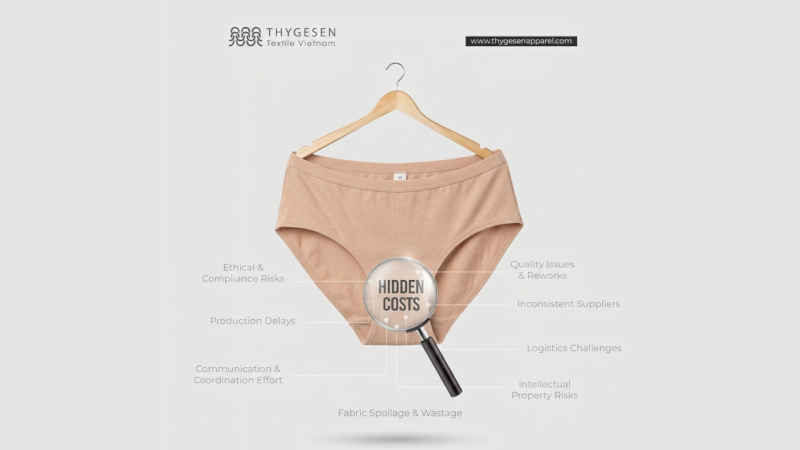
Understanding the true cost of clothing production goes beyond the numbers on a quote. Hidden factors can quietly increase expenses, impacting profitability and operational efficiency. Brands that overlook these risks may face unexpected delays, higher waste, or compromised product quality.
- Quality Issues: Defective garments, inconsistent stitching, or fabric flaws can lead to returns, rework, or customer complaints, often costing more than initial savings on cheaper materials or labor.
- Production Delays: Late shipments, machine downtime, or scheduling bottlenecks can extend lead times, forcing brands to pay for expedited shipping or risk missing retail deadlines.
- Complex Logistics: International sourcing, multiple suppliers, and cross-border shipments introduce hidden costs in customs, duties, freight, and coordination, which can quickly accumulate.
- Inconsistent Suppliers: Changes in supplier quality, capacity, or reliability can disrupt production and increase costs for additional QC, replacements, or alternative sourcing.
- Compliance & Regulatory Risks: Meeting certifications, labor standards, and safety regulations may require extra processes, documentation, or testing, adding to overall manufacturing expenses.
- Extra Reworks: Modifications after prototyping or production errors—like resizing, restitching, or replacing materials can quietly inflate unit costs, especially in small batches.
4. Ways to Reduce Underwear Manufacturing Costs
Reducing underwear manufacturing costs isn’t just about choosing the cheapest options, it requires a strategic approach. By understanding your brand, production processes, and partnerships, you can lower costs while maintaining quality and protecting your brand reputation.
- Understand Your Brand and Product Positioning: Know whether your underwear line targets premium, mid-range, or budget customers. Material quality, construction complexity, and finishing details should align with your positioning. Overspending on features that don’t add perceived value, or underinvesting where quality matters, can both hurt profitability.
- Focus on Total Cost, Not Just Unit Price: The cheapest factory or material may lead to hidden costs, such as high defect rates, returns, or extra rework. Always calculate true cost per unit, including labor efficiency, waste, shipping, QC, and compliance fees.
- Choose the Right Manufacturing Partner: Selecting a long-term, trusted partner is crucial. Beyond basic cut-and-sew capabilities, a strong manufacturer provides technical guidance, fabric sourcing support, and quality assurance, helping brands optimize design, materials, and production methods. Cut and sew manufacturing is the foundational production method for most underwear and intimate apparel – where fabric panels are precisely cut to pattern and assembled through specialized stitching operations, giving brands full control over fit, construction, and finishing quality. Brands can explore a curated list of cut and sew manufacturers across different regions and production scales to find the right partner for their underwear line.
- Optimize Fabric Selection and Development: Work with your manufacturer to choose cost-effective fabrics that meet performance requirements. Developing custom blends or using multi-purpose fabrics can reduce waste, improve durability, and lower per-unit material costs without compromising comfort or brand image.
- Simplify Design Where Possible: Complex seams, layers, or specialty features increase labor, machinery, and QC costs. Thoughtful design simplification without compromising brand aesthetics can significantly reduce production costs.

5. Thygesen – Underwear Manufacturing Partner in Vietnam
Thygesen Textile Vietnam is a full-package underwear manufacturer with extensive experience supporting global brands such as TomboyX, Calvin Klein, Boody, and B-Free.
- Full-Package Production: We handle everything from fabric sourcing, development, and testing to cutting, sewing, finishing, and shipping. This approach simplifies the production process and reduces unnecessary costs for brands.
- Deep Experience with Global Brands: Having overseen production for major international brands, we understand the challenges brands face when managing manufacturing remotely. We proactively streamline workflows and offer guidance to avoid hidden costs and inefficiencies.
- Consistent Quality & Strict QC: Every garment is produced under strict quality control to guarantee uniformity, minimize defects, and reduce rework, ensuring reliable comfort, fit, and hygiene for underwear products.
- Respectful and Transparent Partnership: We operate on a foundation of honesty, transparency, and respect, building long-term relationships based on trust. Clear communication and reliable collaboration reduce misunderstandings, prevent costly errors, and help streamline production, ultimately saving time – also means saving money for our partners.
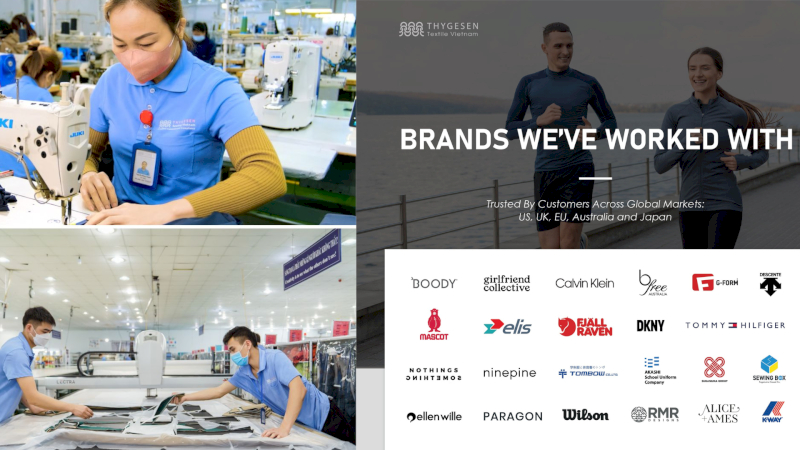
Beyond underwear production, Thygesen also serves as an athletic clothing manufacturer, hoodie manufacturer, legging manufacturer, and t-shirt manufacturer, offering flexible OEM/ODM solutions for fashion and activewear brands. Explore our manufacturing capabilities to discover how Thygesen supports brands from concept development and fabric sourcing to bulk production and global delivery.
For a detailed breakdown of expenses, dive into our article on Understanding Leggings Manufacturing Costs of Popular Brands to manage your brand’s profitability.
Understanding the key factors that affect underwear manufacturing costs, from production location, fabric and materials, design complexity, production scale, to compliance requirements,is essential for brands to maintain quality, optimize budgets, and protect profitability. For more information or to start a partnership, visit thygesenapparel.com or reach out to us at sale@thygesen.com.vn.