How hoodies are made is more than just sewing fabric together. It involves careful material choice, technical stitching, and finishing touches that bring each design to life. Let’s explore this process in detail below to understand the craftsmanship, materials, and techniques that make each hoodie both stylish and durable.
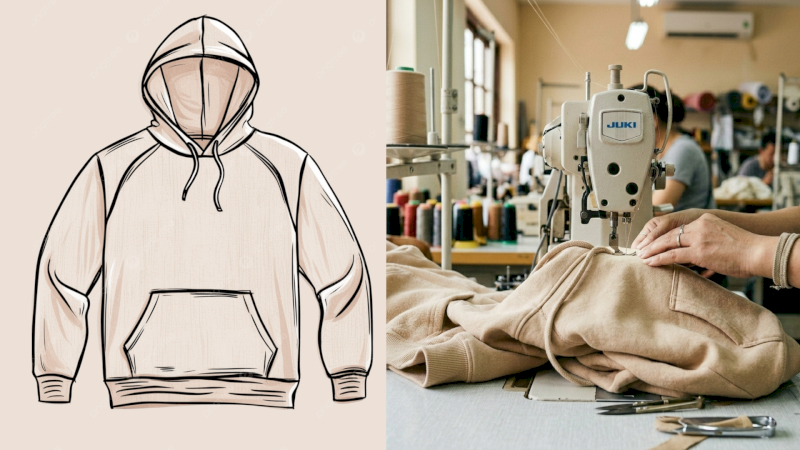
1. Design & Pre-production
The first step in making a hoodie is Design & Pre-production, where ideas are transformed into a clear plan. This stage sets the foundation for style, fit, materials, and cost, ensuring the final product meets both brand vision and market needs.
1.1. Concept & Style Planning
At this stage, brands define the overall hoodie design, including silhouette, fit, sleeve style, hood shape, and pocket placement. It ensures the product aligns with brand identity and target market. Proper concept planning helps avoid costly changes later and sets a clear direction for designers and manufacturers. For custom hoodies, this step is key to making the product unique and recognizable.
1.2. Technical Prep
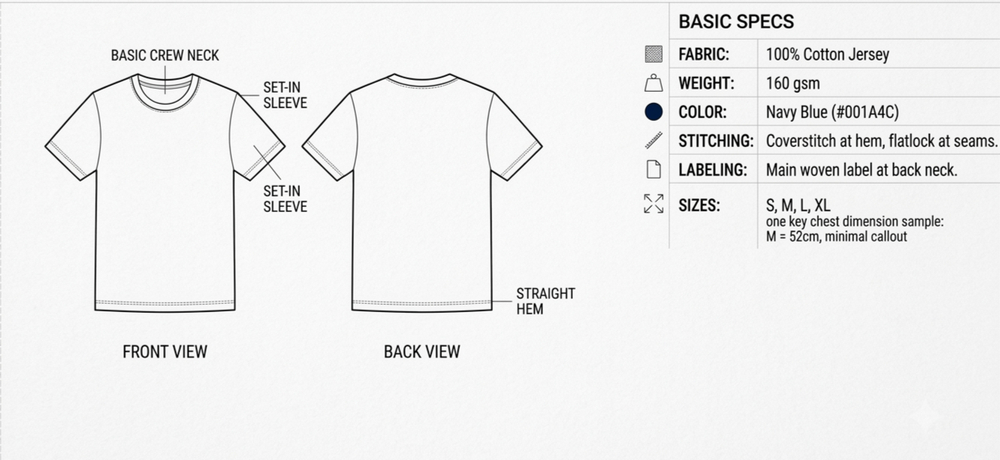
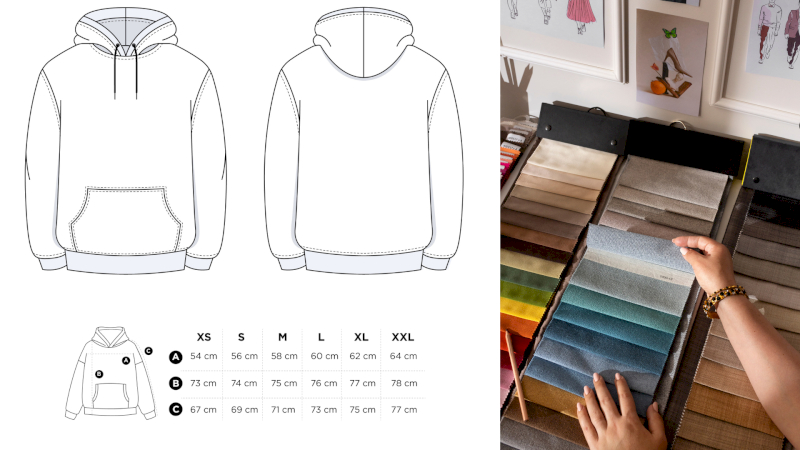
Technical preparation involves creating detailed sketches, size charts, and tech packs that communicate exact measurements and construction instructions to factories. This ensures consistency across sizes and styles while guiding production teams on stitching, seam placement, and finishing. For hoodies, precise technical prep is essential to maintain comfort, fit, and performance across all units.
1.3. Material & Cost Planning
Here, fabrics, trims, and accessories (zippers, ribbing, drawstrings) are selected, and production costs are estimated. Choosing the right material affects durability, hand-feel, and wearer comfort, while early cost planning helps brands stay within budget. For custom hoodies, this step ensures the garment meets both quality expectations and pricing goals.
>>> To gain deeper insights into optimizing material choices, consider exploring the question: Which Fabric Is Best for Hoodies?
>>> Delving into the specific characteristics of different hoodie fabric types is essential for ensuring the final product meets desired comfort, performance, and aesthetic standards.
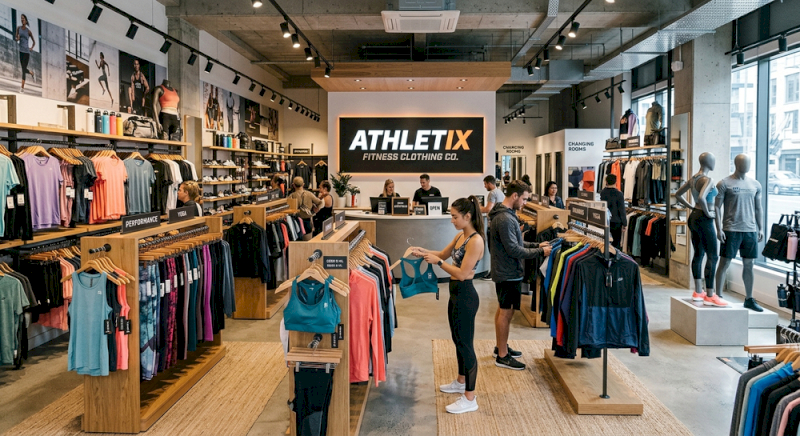
> For brands developing performance-focused or activewear hoodie lines, partnering with experienced athletic apparel manufacturers ensures access to technical fabric expertise and specialized production capabilities. A curated list of athletic apparel manufacturers is available for brands seeking the right partner for performance-driven collections.
>> Beyond hoodies, brands expanding into eco-conscious sleepwear can also find a curated list of experienced bamboo pajama manufacturers — a growing category that shares many of the same sustainable fiber and full-package production priorities as premium hoodie collections.
2. Product Development & Technical Coordination
Before large-scale production begins, the hoodie goes through product development & technical coordination, where prototypes are evaluated and technical details are finalized to ensure consistency and quality.
2.1 Pattern Making & Sampling
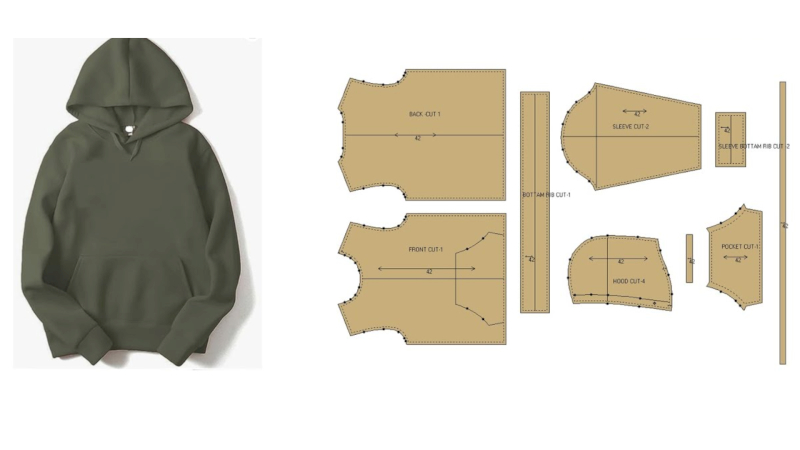
At this stage, the manufacturer translates the hoodie design into technical patterns and produces the first physical samples. Pattern makers create detailed garment patterns based on the tech pack, defining measurements, panel shapes, and construction details such as hood structure, pocket placement, rib cuffs, and seam types.
The factory then develops prototype or sample hoodies to test fit, proportions, and construction. For hoodies, this often includes checking sleeve length, hood depth, kangaroo pocket placement, and overall comfort.
Close collaboration between the brand and the manufacturer is essential during this step. Brands need to provide clear tech packs, measurement charts, and feedback on fit or design adjustments, while manufacturers offer technical recommendations to improve construction, fabric behavior, or production efficiency before moving to the next development stage.
2.2. Testing & Refinement
This stage focuses on evaluating how the garment performs in real conditions before moving to bulk production. Factories and brands review the sample to assess fit, comfort, fabric behavior, and construction quality.
Typically, brands go through 2-3 sampling rounds to finalize the product. During each round, adjustments may be made to measurements, hood size, sleeve length, pocket placement, rib tension, or fabric weight to ensure the hoodie meets the intended design and performance expectations.
Importantly, producing one hoodie sample is very different from producing 1,000 pieces in bulk. A design that works well for a single sample may not always be efficient for large-scale manufacturing. Therefore, this step also helps evaluate whether the construction, materials, and sewing methods are optimized for mass production.
An experienced manufacturer plays a key role in this stage by providing technical feedback. They may suggest adjustments to stitching methods, pattern details, or fabric choices to improve durability and streamline production. These refinements help ensure the hoodie not only meets the brand’s vision but can also be manufactured consistently and efficiently at scale.
3. Bulk Production
Once the hoodie design and samples are finalized, the process moves into bulk production, where the product is manufactured at scale while maintaining consistent quality.
3.1 Fabric Spreading & Precision Cutting
At this stage, fabrics are first spread in multiple layers on a cutting table to ensure consistency and efficiency during production. Depending on the factory’s technology and order size, cutting can be done using automatic CNC cutting machines for high precision and speed or manual cutting tools for smaller orders and complex fabrics.
The goal of this step is to cut each hoodie panel accurately according to the approved patterns, including the body, sleeves, hood panels, pockets, and rib components. Proper fabric alignment, grain direction, and marker planning are essential to minimize fabric waste and maintain garment symmetry.
3.2 Garment Assembly & Line Production
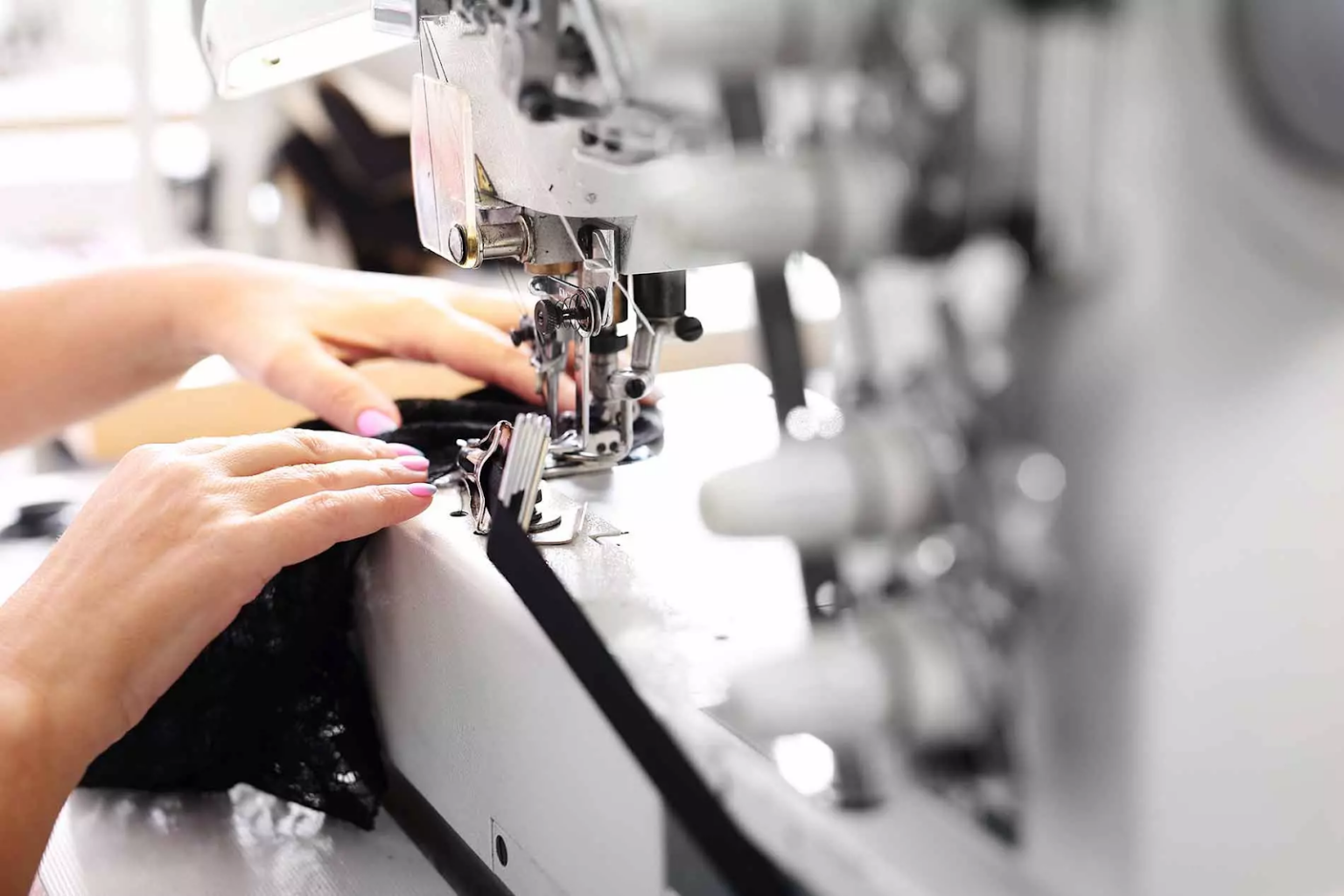
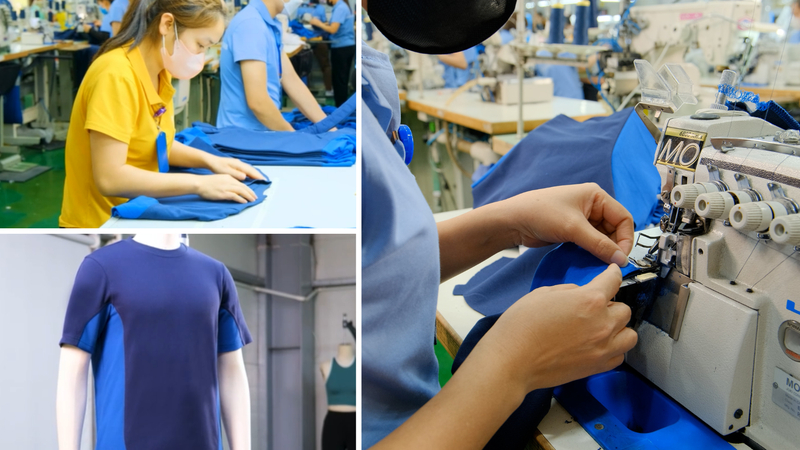
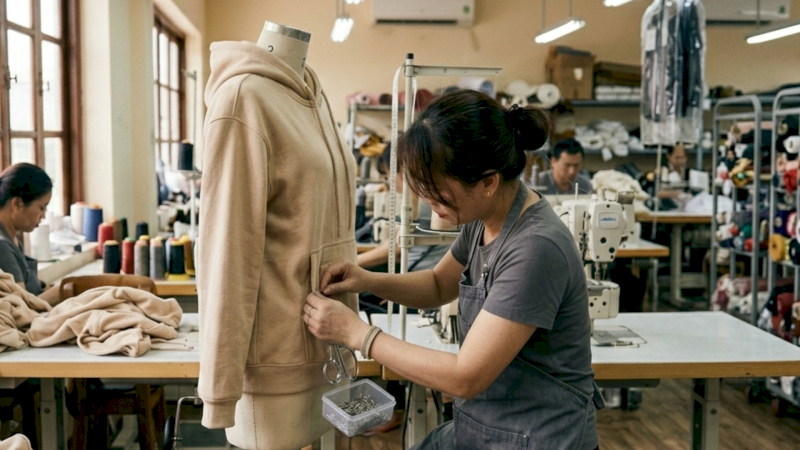
After cutting, the hoodie panels move to the sewing line, where they are assembled step by step through an organized production workflow. Each operator is responsible for a specific operation, such as attaching the sleeves, sewing the hood panels, constructing the kangaroo pocket, or attaching rib cuffs and waistband.
Modern factories usually use assembly line production systems, allowing multiple hoodie components to be sewn simultaneously to improve efficiency and maintain consistent quality. Industrial sewing machines such as overlock, flatlock, and coverstitch machines are commonly used to ensure durability, flexibility, and clean finishing.
For hoodies, careful attention is given to seam strength, stitch consistency, and alignment of panels, especially around stress points like the hood opening, pocket edges, and shoulder seams. Proper line balancing and skilled operators help ensure that large volumes can be produced efficiently while maintaining the expected fit and construction quality.
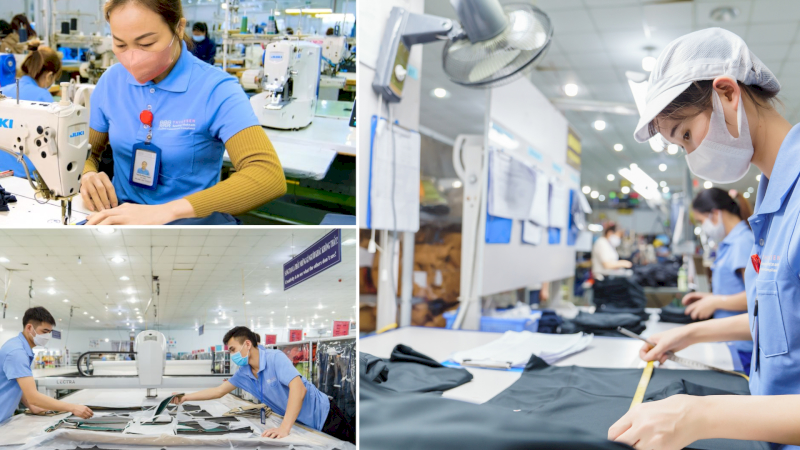
>> This assembly process is the core of cut and sew manufacturing — a production method where each fabric panel is precisely cut and sewn together to create a finished garment, offering brands full control over fit, construction quality, and material choice. Brands looking to adopt this approach can explore a curated list of cut and sew manufacturers across different regions to find partners that match their production scale and quality standards.
3.3 Finishing & Quality Control
Once the hoodie is fully assembled, it moves to the finishing stage, where final processes are carried out to ensure the garment is ready for shipment. This may include thread trimming, ironing or steaming to remove wrinkles, attaching labels, drawstrings, and other trims, as well as applying prints, embroidery, or garment washing if required.
At the same time, quality control checks are conducted throughout this stage. Inspectors examine stitching accuracy, measurements, fabric appearance, and overall construction to ensure each hoodie meets the brand’s specifications. Detecting and correcting issues at this stage helps maintain product consistency and prevents defects from reaching the market.
4. Packaging & Distribution
After finishing and quality checks, hoodies move into packaging and distribution, preparing the products for shipment to retailers or customers.
4.1. Folding & Tagging
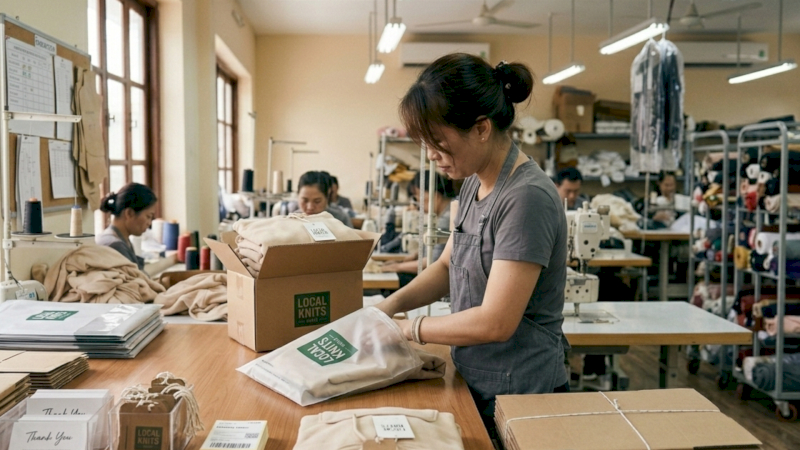
In this step, each hoodie is carefully folded to maintain its shape and appearance. Brand labels, size tags, and care instructions are attached to ensure consistency and compliance with brand standards. For premium hoodies, hangtags or custom accessories may also be added. Attention to detail here ensures that the product is presentation-ready and appealing to the customer.
4.2. Packing
Folded and tagged hoodies are then placed into polybags, boxes, or custom packaging according to the brand’s requirements. Packaging protects the garment from dirt, moisture, and damage during storage or transport. At this stage, bulk orders are organized, counted, and sometimes labeled with SKU codes, order numbers, or barcodes to streamline inventory management.
4.3. Shipping & Delivery
Once packed, the hoodies are prepared for shipment to warehouses, retail stores, or directly to customers. Logistics teams coordinate with freight providers to select the most efficient shipping method, whether by sea, air, or land. Careful handling, proper documentation, and tracking ensure timely delivery while minimizing the risk of lost or damaged goods.
Once every hoodie passes quality control, it is carefully packaged and sent out, marking the final step in transforming a design into a market-ready product
Thygesen Textile Vietnam – Full Package Hoodies ManufacturingThygesen Vietnam is a full-package hoodie manufacturer with over 90 years of experience in the textile industry, offering end-to-end services from fabric sourcing and design consultation to sample development, pattern making, cutting, sewing, finishing, and logistics. >> Brands evaluating their options can also explore a comprehensive list of hoodie manufacturers across different markets, production models, and specializations to find the best fit for their brand’s needs and development stage. >>> For brands aiming for ethical sourcing and efficient logistics, understanding where are hoodies made is a key consideration when selecting a manufacturing partner. Trusted by global brands such as Tommy Hilfiger, DKNY, Calvin Klein, and Fjällräven, Thygesen delivers high-quality, on-trend hoodies that meet both brand standards and market expectations. Beyond OEM production, we also provide ODM solutions, creating ready-to-launch hoodie styles for brands. Each stage of the manufacturing process is supported by a dedicated team of industry experts, ensuring technical guidance, quality control, and efficiency throughout from initial concept to mass production. |
In conclusion, making a hoodie involves multiple stages, from design and pre-production to product development, bulk manufacturing, finishing, and packaging, each critical to ensuring quality, fit, and style. If you are looking for a full-package hoodie manufacturer in Vietnam, don’t hesitate to contact us at sale@thygesen.com.vn or visit thygesenapparel.com to see how we can help bring your hoodie designs to life.