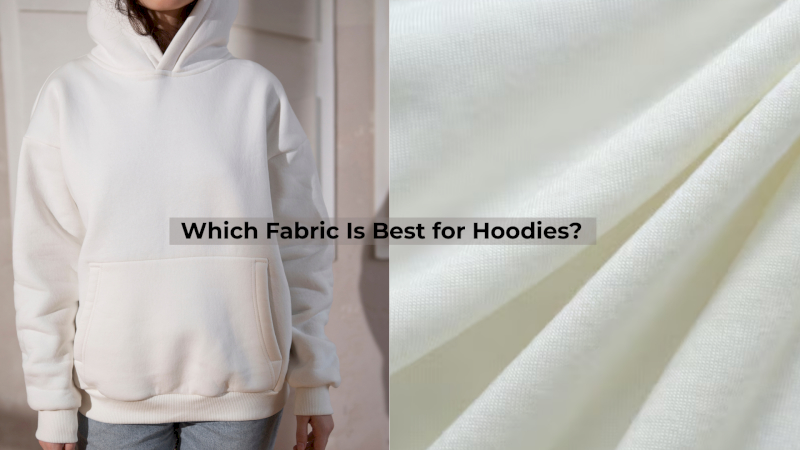
When developing a hoodie collection, fabric choice plays a crucial role in determining comfort, durability, and overall product value. The right material influences everything from warmth and softness to shape retention and long-term performance. In this guide, we answer the question “Which Fabric Is Best for Hoodies?” by exploring the most popular materials used in hoodie manufacturing and how to select the right option based on your target market, functionality needs, and price point.
1. Key Factors to Consider When Choosing Fabric for Hoodie
Selecting the right hoodie fabric requires careful evaluation of comfort, durability, weight, breathability, and cost. Each factor influences performance and customer satisfaction. Understanding these key considerations ensures your hoodie meets quality standards while aligning with your brand positioning and target market expectations.
- Comfort & Feel: Comfort should always be the starting point when selecting hoodie fabric, especially for everyday or comfort-wear collections. Cotton and brushed fleece are popular choices because of their natural softness and skin-friendly texture. French terry provides a lighter, more breathable feel, making it ideal for transitional seasons or active casualwear.
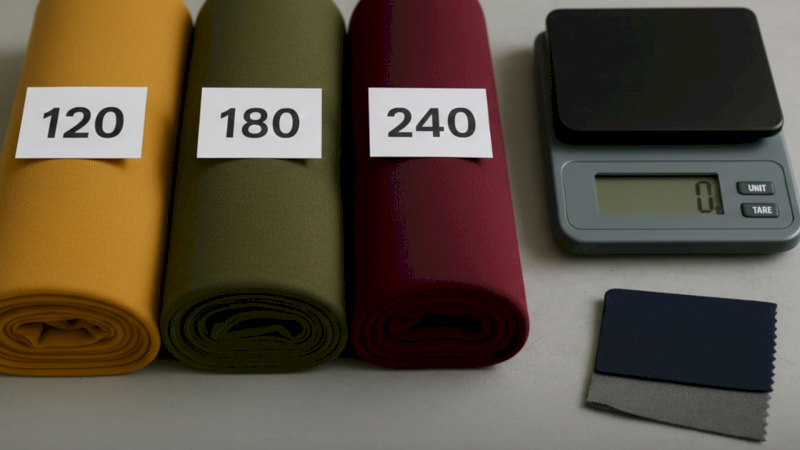
- Warmth & Weight (GSM): Fabric weight, measured in GSM (grams per square meter), directly affects warmth and structure. A 40000 GSM fabric delivers a substantial, premium hand feel and excellent insulation for colder climates. Lower GSM fabrics are lighter and more suitable for layering or warmer weather collections.
- Durability & Care: Durability is essential for maintaining long-term garment performance and customer satisfaction. Cotton-polyester blends generally offer better resistance to shrinking, fading, and pilling compared to 100% cotton fabrics. They also retain shape more effectively after repeated washing, reducing overall care concerns.
- Fabric Type: Cotton and fleece fabrics are ideal for maximum warmth and a soft, cozy texture. French terry features looped yarns on the inside, providing flexibility, comfort, and good moisture absorption. Synthetic fabrics or blended materials enhance durability, moisture-wicking performance, and shape retention, especially for activewear applications.
- Usage/Function: The intended use of the hoodie should guide fabric selection. Heavier, thicker materials are best suited for loungewear, winter collections, or cold climates where insulation is key. Lighter, moisture-wicking fabrics are more appropriate for sportswear or performance-driven designs.
- Printability: Fabric composition affects how well designs adhere and appear on the garment surface. Cotton and cotton-rich blends provide superior results for screen printing due to their smooth and absorbent surface. This ensures sharper graphics, better color vibrancy, and improved long-term print durability.
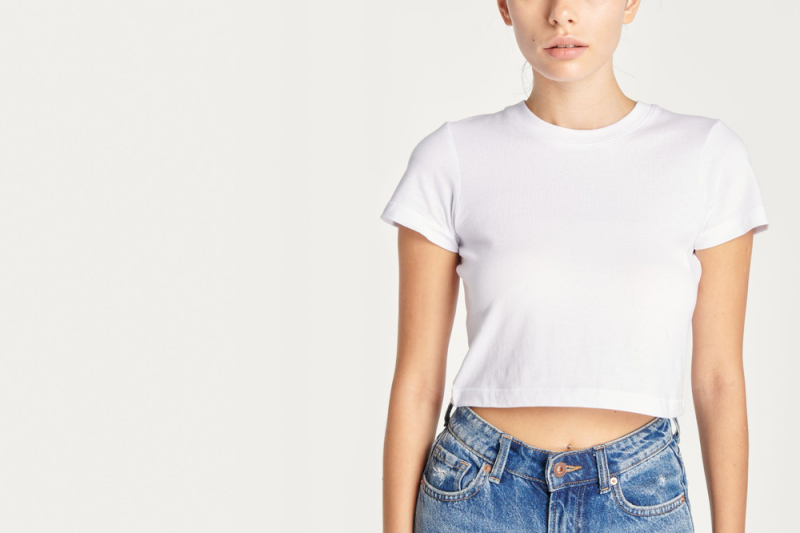
While this article focuses on hoodies, understanding the best t shirt fabric can also inform your choices for lightweight, breathable tops perfect for customization.
2. Common Hoodie Fabric Types
Understanding the most common hoodie fabric types helps brands make informed development decisions. Each material offers distinct advantages in terms of warmth, texture, durability, and performance. Below, we explore the key fabrics widely used in hoodie manufacturing and their practical applications.
- Cotton: Cotton is valued for its natural softness, breathability, and hypoallergenic properties, making it comfortable for everyday wear. It allows good air circulation and feels gentle against the skin. However, 100% cotton can shrink after washing and tends to absorb moisture rather than wick it away.
- Polyester: Polyester is a synthetic fiber known for its durability and lightweight structure. It offers excellent moisture-wicking and quick-drying performance, making it ideal for active or performance hoodies. Additionally, it resists wrinkles, shrinking, and stretching better than most natural fibers.
- Cotton-Polyester Blends: Cotton-polyester blends, commonly in 50/50 or 60/40 ratios, combine comfort with enhanced durability. These blends reduce the risk of shrinkage and improve color retention compared to pure cotton. They are also cost-effective and widely used in commercial hoodie production.
- French Terry: French terry resembles fleece but does not have a brushed interior surface. Instead, it features looped yarns on the inside, offering breathability and moderate moisture absorption. This makes it lighter and more suitable for layering or transitional weather.
- Sustainable Fabrics: Sustainable hoodie fabrics are increasingly popular among eco-conscious brands and consumers. For those asking what are natural fabrics, they are textiles made from fibers obtained from plant or animal sources, such as cotton, hemp, linen, wool, and silk. In hoodie manufacturing, organic cotton and hemp are popular natural options, while recycled polyester offers a lower-impact synthetic alternative. These materials can help reduce environmental impact while maintaining comfort, durability, and performance.

3. Common Hoodies Fabric Blends
When it comes to hoodies, the “perfect” feel is usually achieved by mixing fibers. While 100% cotton is a classic, blends often provide better durability, stretch, and moisture management. Here is a breakdown of the most common fabric combinations found in the industry today:
| Fabric Blend | Common Ratio | Key Features | Best For |
| Cotton & Polyester | 80% Cotton/20% Poly | Minimal shrinkage, soft feel, and improved color retention. | Everyday streetwear and high-quality merch. |
| CVC (Chief Value Cotton) | 60% Cotton/40% Poly | High durability, wrinkle-resistant, and very cost-effective. | Promotional gear and high-wash uniforms. |
| Poly-Cotton Fleece | 50% Cotton/50% Poly | Extremely warm, pill-resistant, and dries faster than pure cotton. | Heavy-duty winter hoodies and budget basics. |
| Tri-Blend | 50% Poly/25% Cotton/ 25% Rayon | Ultra-soft, “vintage” look, lightweight with a great drape. | Premium fashion-forward styles and gym wear. |
| Cotton & Spandex | 95% Cotton/5% Spandex | Excellent stretch and “memory” (retains shape after wearing). | Slim-fit hoodies and active lifestyle wear. |
| Performance Blend | 90% Poly/10% Spandex | Moisture-wicking, breathable, and high four-way stretch. | Intense athletics, running, and outdoor sports. |
4. Common Types of Hoodies (By Style & Use)
Hoodies are developed in multiple styles to suit different uses, climates, and market segments. Identifying these common types enables brands to align fabric selection, fit, and performance features with specific customer expectations and product positioning.
4.1 Pullover Hoodie
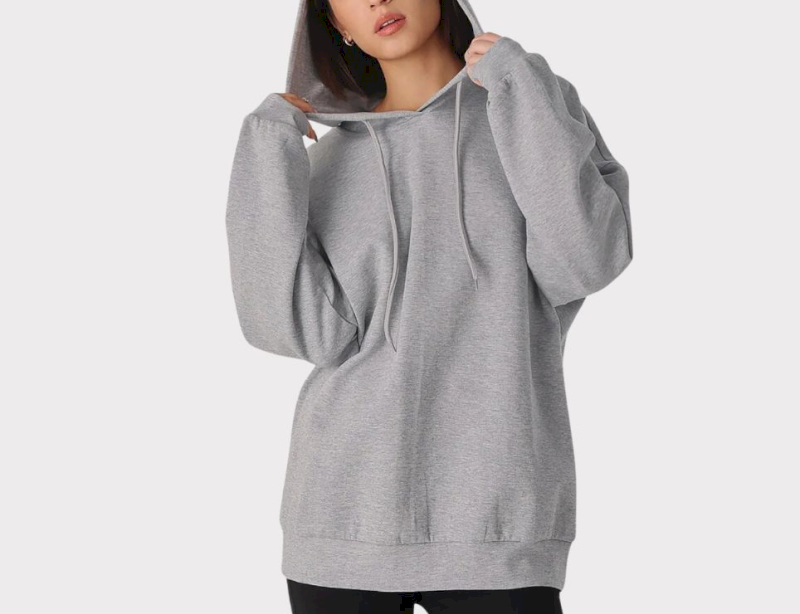
The pullover hoodie is one of the most classic and versatile hoodie styles. Designed without a front zipper, it offers a clean silhouette and a large kangaroo pocket for functionality. This style is widely favored for casualwear, streetwear, and promotional collections.
Pullover hoodies are commonly made from cotton or cotton-poly fleece for softness and warmth. Mid- to heavy-weight fabrics (300-450 GSM) are typically used to create structure and durability. French terry is also popular for lighter versions intended for layering.
4.2 Zip-Up Hoodie
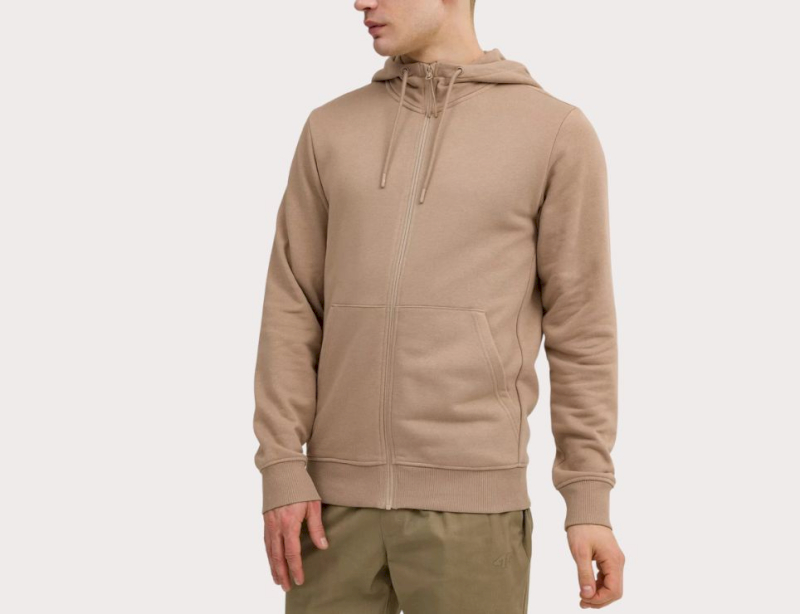
The zip-up hoodie provides greater flexibility and ease of wear thanks to its front zipper closure. It allows users to regulate ventilation and layer outfits more easily. This style works well for both casual outfits and activewear collections.
Cotton-poly blends are frequently used to maintain durability around the zipper area. Fleece fabrics offer warmth, while French terry provides a lighter, more breathable option. Stretch blends with elastane may be incorporated to enhance flexibility and comfort.
4.4 Cropped Hoodie
The cropped hoodie offers a shorter length and a more fashion-driven aesthetic. It is often styled for women’s collections or trend-focused streetwear lines. This silhouette balances casual comfort with a modern, sporty look.
Light- to mid-weight cotton or cotton-spandex blends are commonly used for flexibility and comfort. Stretch fibers help the garment maintain its cropped shape and fit. French terry is also suitable for breathable, transitional-season designs.
Just like hoodies, selecting the right legging fabric types is crucial for performance and comfort, often involving blends that offer stretch and moisture-wicking properties.

4.6 Athleisure Hoodie
Athleisure hoodies combine athletic functionality with everyday style. They are designed to transition seamlessly between workouts and casual activities. Performance, flexibility, and moisture management are key priorities for this category.
Polyester or polyester-spandex blends are widely used for their moisture-wicking and quick-drying properties. Stretch fibers enhance mobility and shape retention during movement. Lightweight technical fleece may also be used to provide warmth without excessive weight.
For brands developing athleisure and performance-driven collections, partnering with experienced athletic clothing manufacturers ensures access to the right technical expertise, fabric sourcing, and production capabilities. A curated list of athletic clothing manufacturers is available for brands looking to compare options across different markets and specializations.
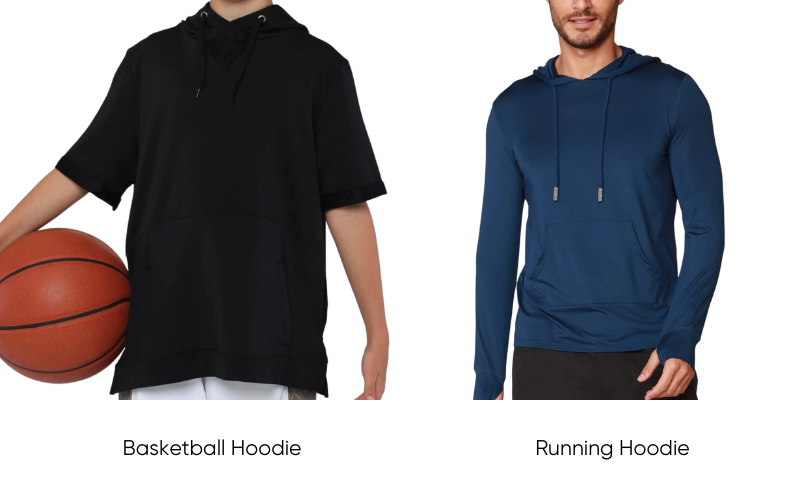
These performance fabrics are commonly used in sport-specific designs such as Running Hoodie for lightweight, moisture-wicking training gear and Basketball Hoodie built for durability, stretch, and freedom of movement during high-intensity play.
4.3 Oversized Hoodie
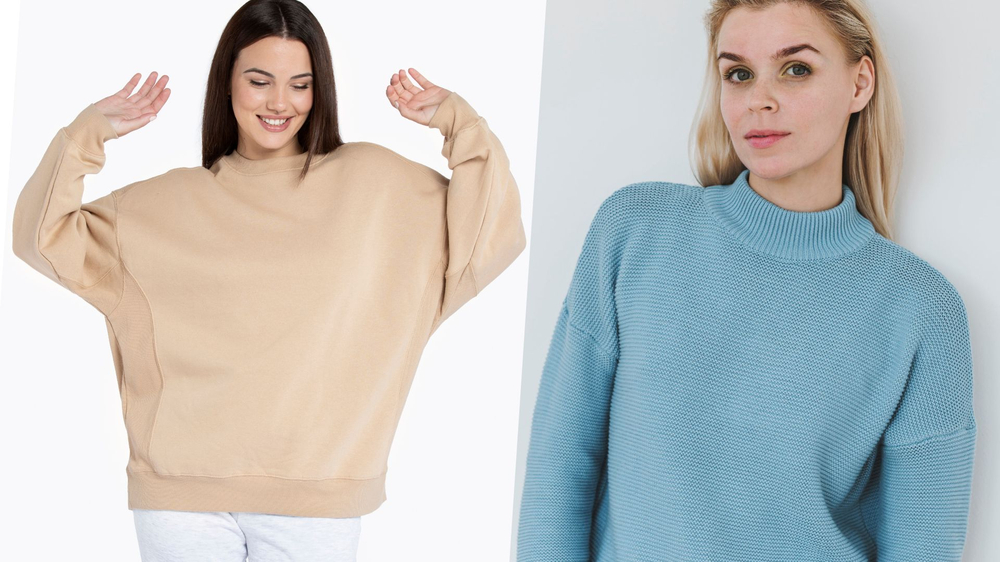
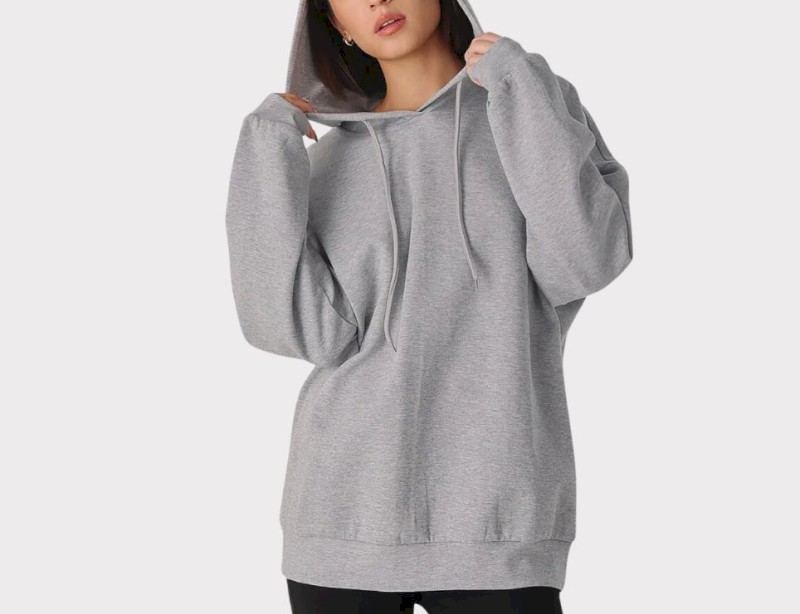
Oversized hoodies feature a relaxed, loose-fitting silhouette that emphasizes comfort and contemporary street style. This design focuses on volume, dropped shoulders, and extended length. It is particularly popular among younger fashion-forward consumers.
Heavier cotton or brushed fleece fabrics are commonly selected to maintain structure and drape. High GSM materials (350-500 GSM) help the garment hold its oversized shape. Cotton-rich blends are preferred for a soft hand feel while improving durability.
4.5 Lightweight Hoodie
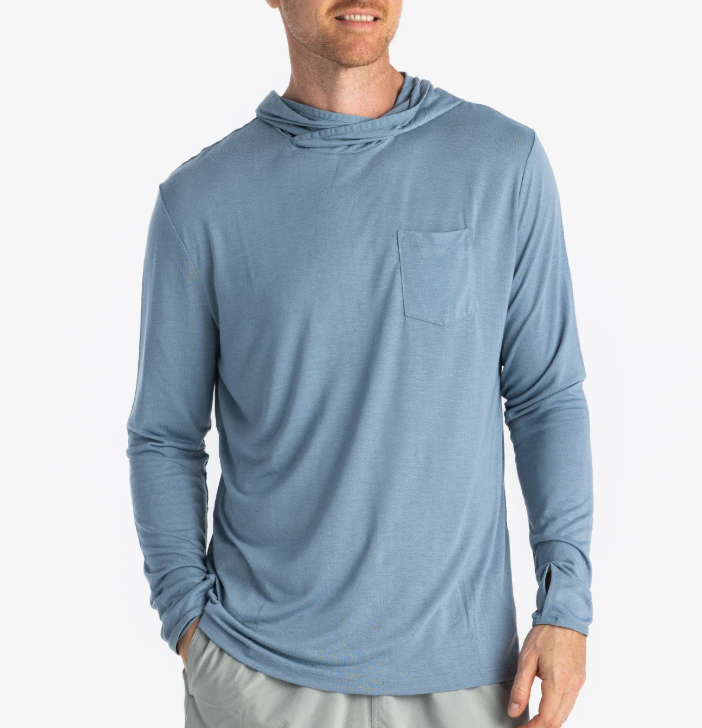
Lightweight hoodies are designed for layering or mild weather conditions. They provide comfort without excessive bulk, making them suitable for spring and early autumn. This type is often used for travel, casual layering, or indoor wear.
French terry and lower-GSM cotton fabrics (240-320 GSM) are commonly used for this style. These materials offer breathability and moderate moisture absorption. Cotton-poly blends may be incorporated to enhance durability and reduce shrinkage.
4.7. Heavyweight/Winter Hoodie
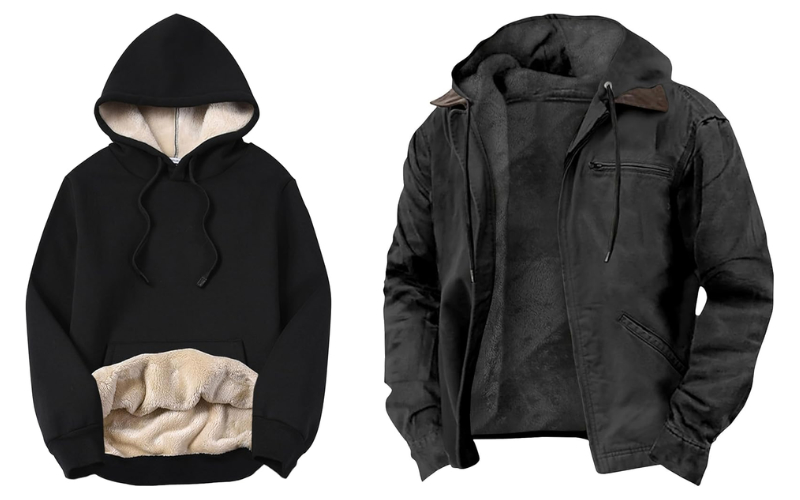
Heavyweight hoodies are specifically designed for colder climates and winter wear. They offer enhanced insulation, structure, and a premium hand feel. This style is often positioned as a high-quality, durable outer layer.
High-GSM fleece fabrics (400-500 GSM) are commonly used to deliver warmth and thickness. Cotton-rich blends provide softness, while polyester improves shape retention and wash durability. Brushed interiors increase insulation and create a plush texture.
4.8 Printed Hoodie
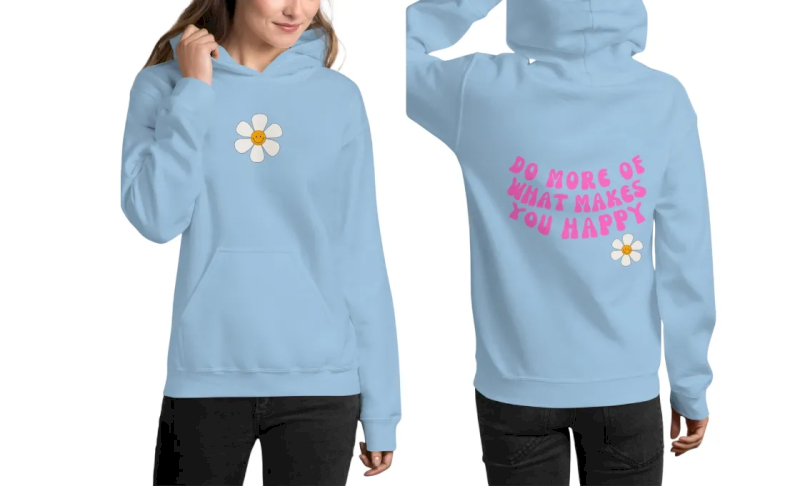
Printed hoodies focus on graphic elements, branding, or artistic designs. They are popular in promotional wear, streetwear collections, and brand merchandise. The garment surface must support clear and long-lasting print results.
Cotton and cotton-rich blends are preferred for screen printing due to their smooth and absorbent surface. Polyester blends may be used for sublimation printing, especially in performance apparel. Fabric stability and color retention are essential to maintain print quality over time.
4. Hoodie Fabric Trends in 2026
In 2026, hoodie fabric trends are driven by sustainability, performance innovation, and elevated comfort expectations. Brands are prioritizing eco-friendly materials, advanced moisture-management technologies, and premium textures to meet evolving consumer demands while maintaining durability, versatility, and strong market competitiveness.
- Certified Organic & Regenerative Cotton: Brands are prioritizing certified organic and regenerative cotton to reduce environmental impact and improve soil health. These fabrics align with the growing demand for traceable supply chains and verified sustainability claims. Compared to conventional cotton, they offer similar softness while supporting responsible farming practices.
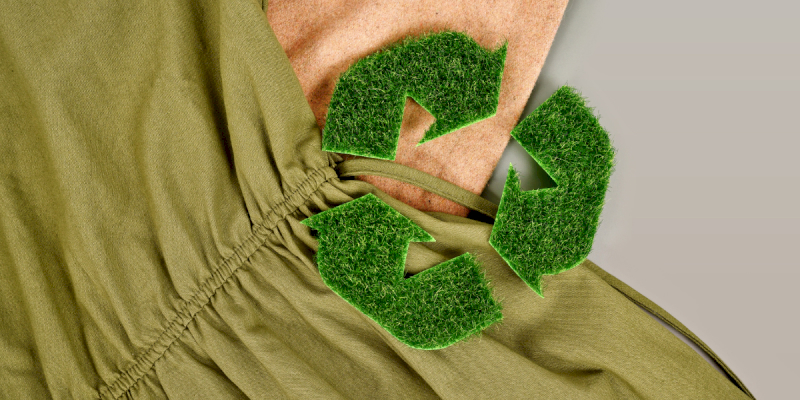
- Recycled & Bio-Based Performance Fibers: Recycled polyester and bio-based synthetics are replacing virgin polyester in many hoodie collections. These materials maintain durability, moisture-wicking, and shape retention while lowering carbon footprint. Verified recycled content certifications are increasingly used to strengthen brand credibility.
- Ultra-Heavyweight Premium Fleece (450-600 GSM): Consumers are embracing ultra-heavyweight hoodies that deliver structure, warmth, and a luxury hand feel. High-GSM fleece provides a substantial drape and long-lasting durability, reinforcing the concept of “buy less, buy better.” This trend supports premium positioning and cold-climate functionality.
- Performance-Integrated Knit Structures: Advanced knit constructions are blending comfort with functional performance features. Engineered knits incorporate stretch, breathability, and thermal regulation within a single fabric structure. This reduces the need for excessive layering while improving climate adaptability.
- Climate-Adaptive & Moisture-Regulating Blends: New-generation blends combine natural fibers with technical yarns to enhance temperature control and moisture management. These fabrics are designed to adapt to varying weather conditions, making hoodies more versatile year-round. The focus is on balanced comfort, durability, and reduced reliance on conventional cotton-poly ratios.
6. Thygesen Textile Vietnam – Supporting Hoodie Fabric Sourcing and Development
Thygesen Textile Vietnam, a trusted hoodie manufacturers, specializes in developing and sourcing high-quality fabrics tailored for various hoodie categories, from lightweight French terry to ultra-heavyweight brushed fleece. We work closely with trusted partners to customize fiber compositions, adjust GSM levels, and refine knit structures upon requests for comfort, durability, and performance. Our team ensures that each fabric option aligns with your brand positioning, target market, and pricing strategy.
Thygesen advises and encourages brands to choose certified and sustainable fabric options, including organic cotton, bamboo, TENCEL™, ECOVERO™, hemp, recycled polyester, and recycled nylon. We ensure that these materials and finished products comply with international standards such as GOTS, OCS, GRS, OEKO-TEX Standard 100, and FSC, helping brands make responsible choices with confidence.
These same sustainable materials – particularly organic cotton, bamboo, and TENCEL™ – are also widely used in sleepwear collections. As an experienced pajama manufacturer, Thygesen extends its fabric expertise and full-package production capabilities to brands developing premium, skin-safe sleepwear alongside their hoodie collections.
Our expertise extends beyond hoodies; for comprehensive insights into intimates, consult Thygesen’s Guide to 10 Best Types of Underwear Fabrics – Thygesen Textile Vietnam to explore the ideal materials for comfort and function. And, for a deeper look at our sustainability commitments, explore the certifications Thygesen complies with and how they ensure responsible sourcing and ethical apparel manufacturing.
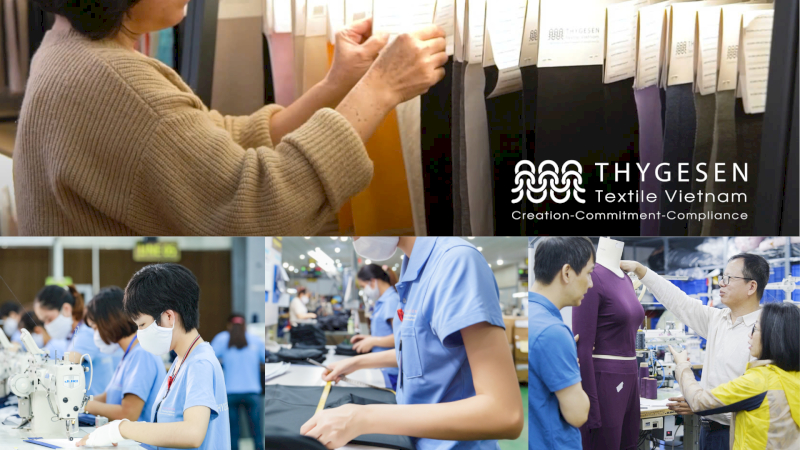
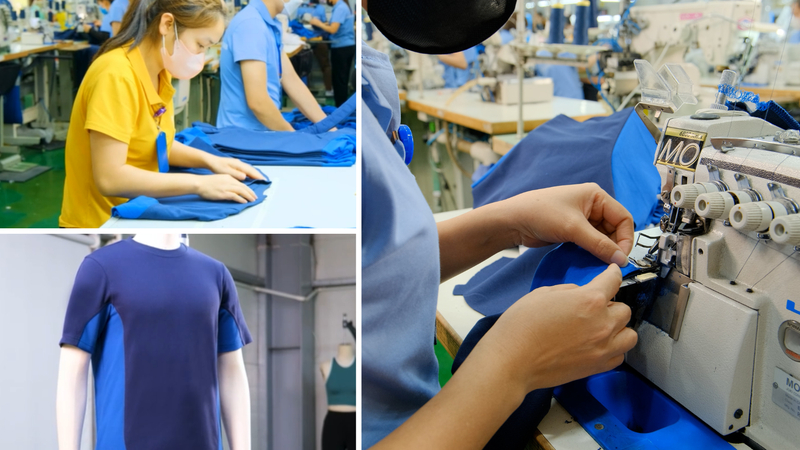
Most quality hoodies are produced through a cut and sew manufacturing process – where fabrics are precisely cut to pattern and assembled into finished garments, allowing full control over construction, fit, and quality at every stage. Brands exploring this production model can find a curated list of cut and sew manufacturers across different regions and production scales to identify the right partner for their needs.
In conclusion, by guiding brands toward sustainable and performance-driven materials, we support eco-conscious initiatives while maintaining the comfort, durability, and premium quality expected from modern hoodies. Learn more at thygesenapparel.com or contact us at sale@thygesen.com.vn.