Leggings come in a wide range of fabric types, each offering different levels of comfort, stretch, and performance. Let’s explore the key legging fabric types below, highlighting their unique properties and what makes them ideal for different styles and activities.
1. Common Fabric Types for Legging Manufacturing
Understanding the different fabric options is essential for choosing the right material for each style and purpose.
1.1. Cotton
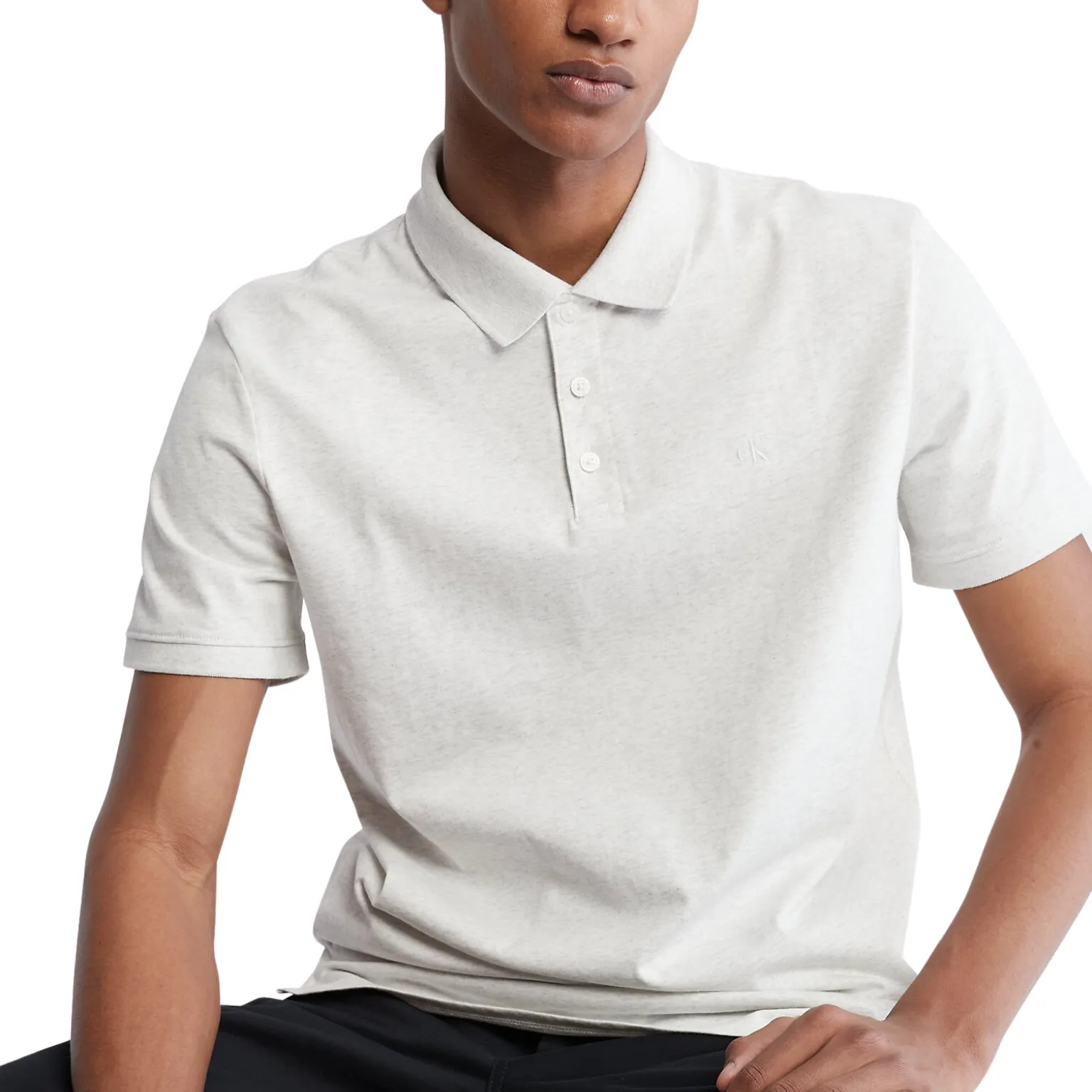
Cotton is a natural fiber cherished for its exceptional softness and breathability. It provides a comfortable, familiar hand-feel and is a mainstay in everyday apparel.
The primary benefit of cotton is its pure comfort and hypoallergenic nature, making it ideal for sensitive skin. However, its major drawback is poor moisture-wicking; cotton absorbs sweat and retains it, becoming heavy and slow to dry. It also tends to stretch out and has poor shape recovery when worn alone.
For leggings, cotton is nearly always blended with Spandex (Elastane or Lycra) to inject the necessary stretch and help the fabric maintain its shape. The typical fabric weight is a light-to-medium jersey knit (around 180-250 GSM).
Cotton-blend leggings are best suited for casual everyday wear, lounge wear, and low-impact activities like walking, where high-performance moisture control is not the main priority.
1.2. Nylon
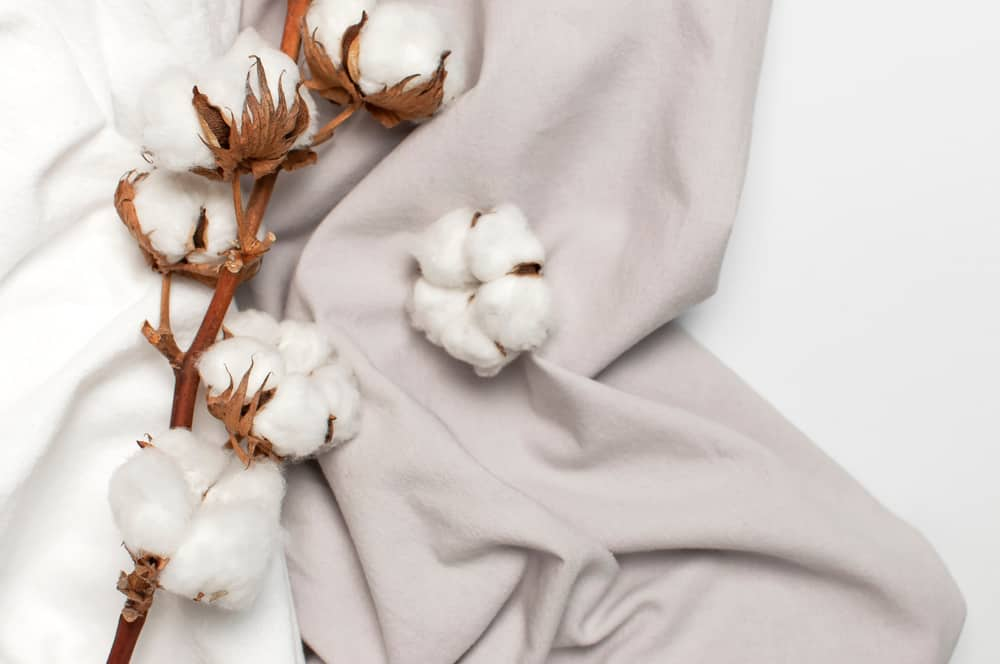
Nylon (or Polyamide) is a high-performance synthetic fiber. It is remarkably strong, lightweight, and possesses a silky, sleek hand-feel. It is highly valued for its outstanding durability and resistance to abrasion.
Nylon’s key advantages are its superior moisture management – it wicks sweat away effectively and its quick-drying properties. It also maintains its shape exceptionally well over time. The main cons are that it can be more expensive than Polyester, and as a synthetic, its production can carry a higher environmental footprint.
It is overwhelmingly blended with a high percentage of Spandex (typically 15% to 25%) to achieve the optimal balance of durability, stretch, and recovery. The resulting fabric usually falls in the medium-to-heavy weight range (250-320 GSM) to ensure opacity and provide desirable compression for activewear.
Nylon blends are the premium choice for high-performance athletic leggings, including running, intense gym sessions, and technical yoga, where both endurance and sweat-wicking ability are critical.
1.3. Polyester
Polyester is another dominant synthetic fiber in the activewear market. It is durable, resistant to wrinkles and fading, and generally more cost-effective than Nylon.
Its core benefits are its superb moisture-wicking capability and quick-drying nature. It is also highly resistant to shrinking. Drawbacks include a potentially less soft hand-feel compared to Nylon or Cotton, and it can occasionally retain odors if the fabric isn’t treated with an antimicrobial finish.
Like Nylon, it is almost always blended with Spandex (typically 10% to 20%). Its weight is versatile, ranging from medium weight for standard athletic knits to heavier, brushed fabrics for cold-weather thermal leggings.
Polyester is an excellent choice for versatile athletic leggings, suitable for general gym work, outdoor training, and athleisure, providing great function and reliability at an accessible price point.
1.4. Bamboo and Tencel
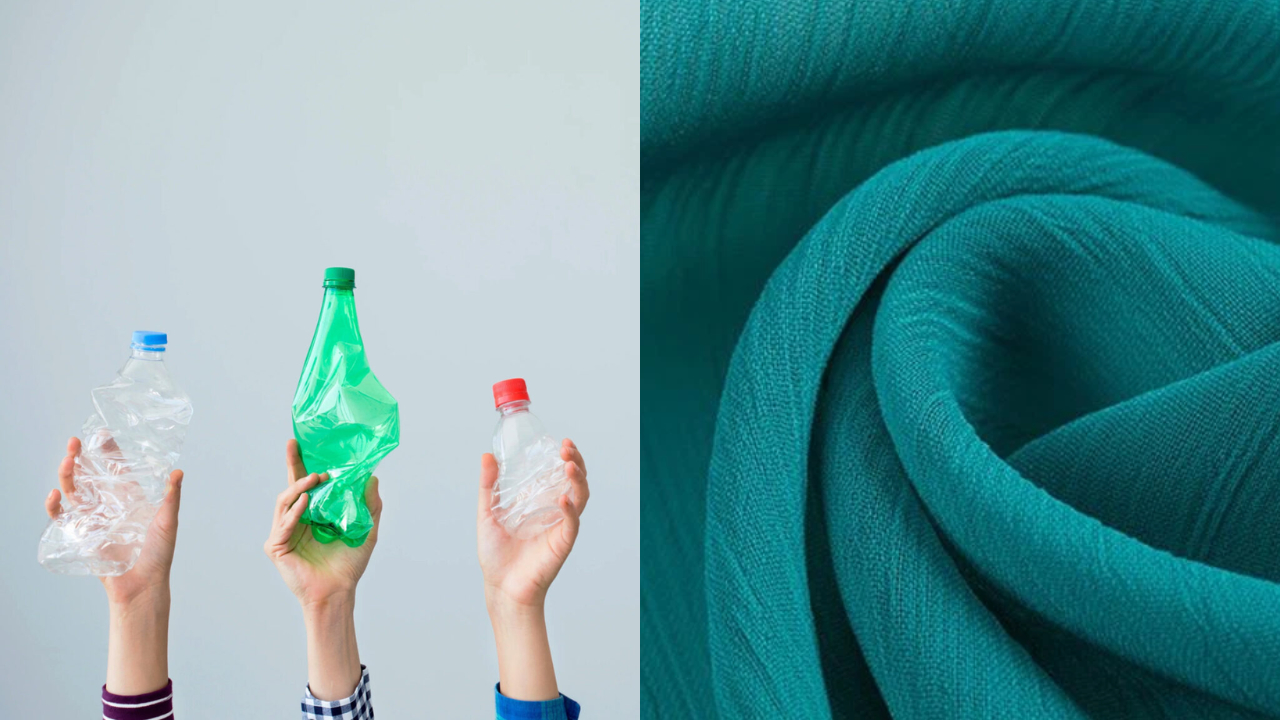
Bamboo (often processed into Rayon/Viscose) and Tencel (Lyocell) are regenerated cellulose fibers derived from wood pulp. They are renowned for their soft, fluid drape and extremely gentle feel on the skin, often touted for their natural comfort.
Their main selling points are their incredible softness, high breathability, and natural temperature regulation, often feeling cooler than cotton. On the flip side, they are generally less durable for intense activity and can be pricier than synthetic alternatives. They are not typically used for high-compression performance wear.
These fibers are blended with Spandex for elasticity and might also be combined with Cotton. The resulting fabric is characteristically a light-to-medium weight knit.
Bamboo and Tencel fabrics are ideal for lounge leggings, sleepwear, and everyday comfort wear, valued highly for their luxurious feel, natural properties, and comfortable drape rather than technical athletic performance.
For brands comparing the best fabric for pajamas, bamboo- and Tencel-based knits are strong options when softness, breathability, moisture management, and temperature regulation are key priorities.
1.5. Modal
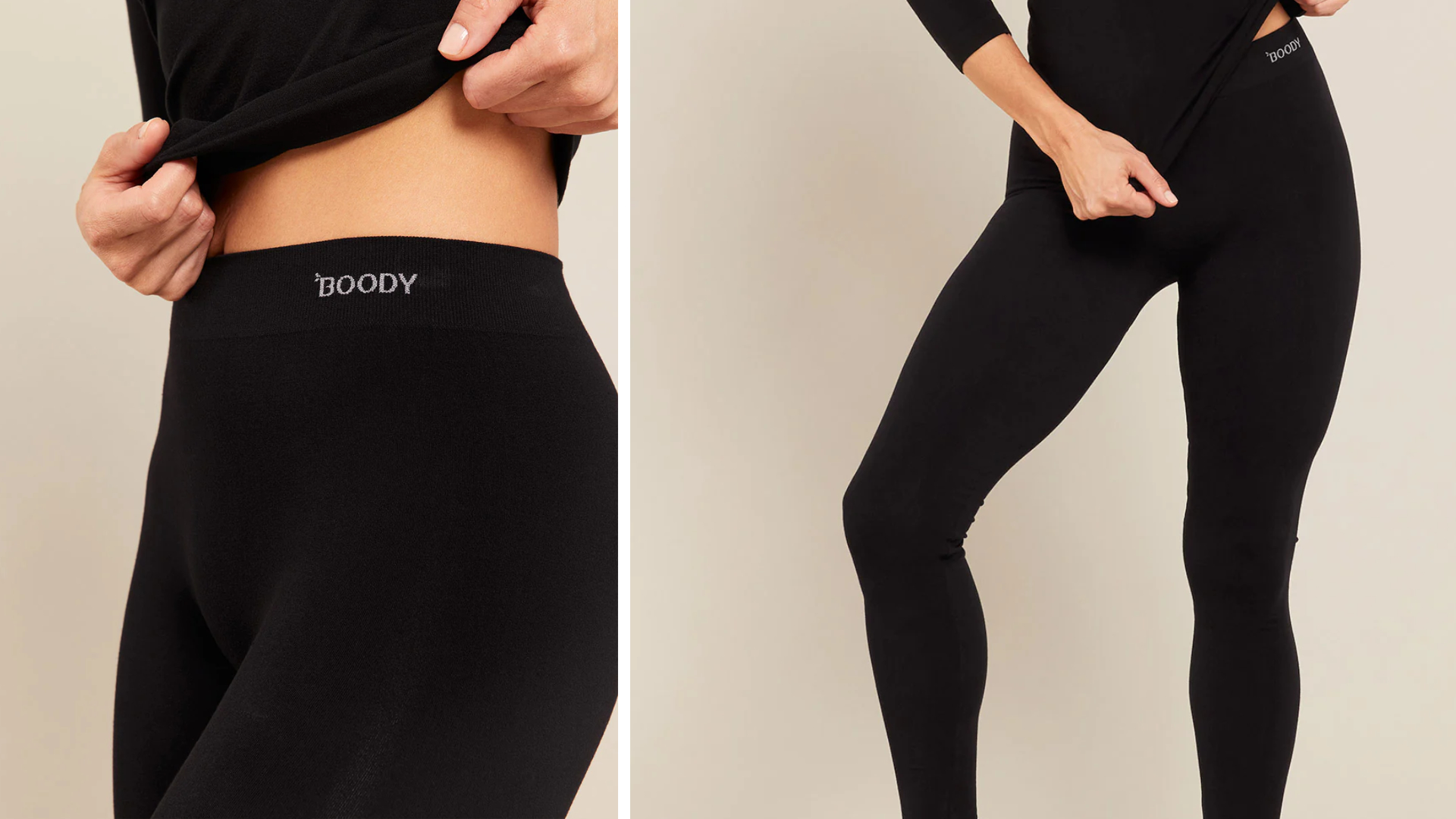
Modal is a type of Rayon, a semi-synthetic cellulose fiber made specifically from beech tree pulp. It is famous for its silky, soft texture and remarkable resistance to pilling and shrinkage, maintaining its smoothness wash after wash.
Modal provides a superior softness and a luxurious drape that often exceeds Cotton, and it breathes very well. As a cellulose fiber, it is less suited for high-compression athletic requirements and may be less resistant to abrasion than Nylon or Polyester knits.
It is frequently blended with Spandex to ensure a good fit, shape recovery, and elasticity. It is also often blended with Cotton to add structure and reduce overall cost. The weight is typically light to medium.
Modal is excellent for creating very comfortable, high-quality fashion leggings and lounge wear. These leggings are perfect for casual outfits, layering, or travel, where a soft feel and a beautiful, non-pilling finish are the main priorities.
Modal is also widely used in close-to-skin garments beyond leggings. Brands developing underwear collections can explore the main types of underwear fabric to compare modal with cotton, bamboo viscose, nylon, polyester, and other common material options.
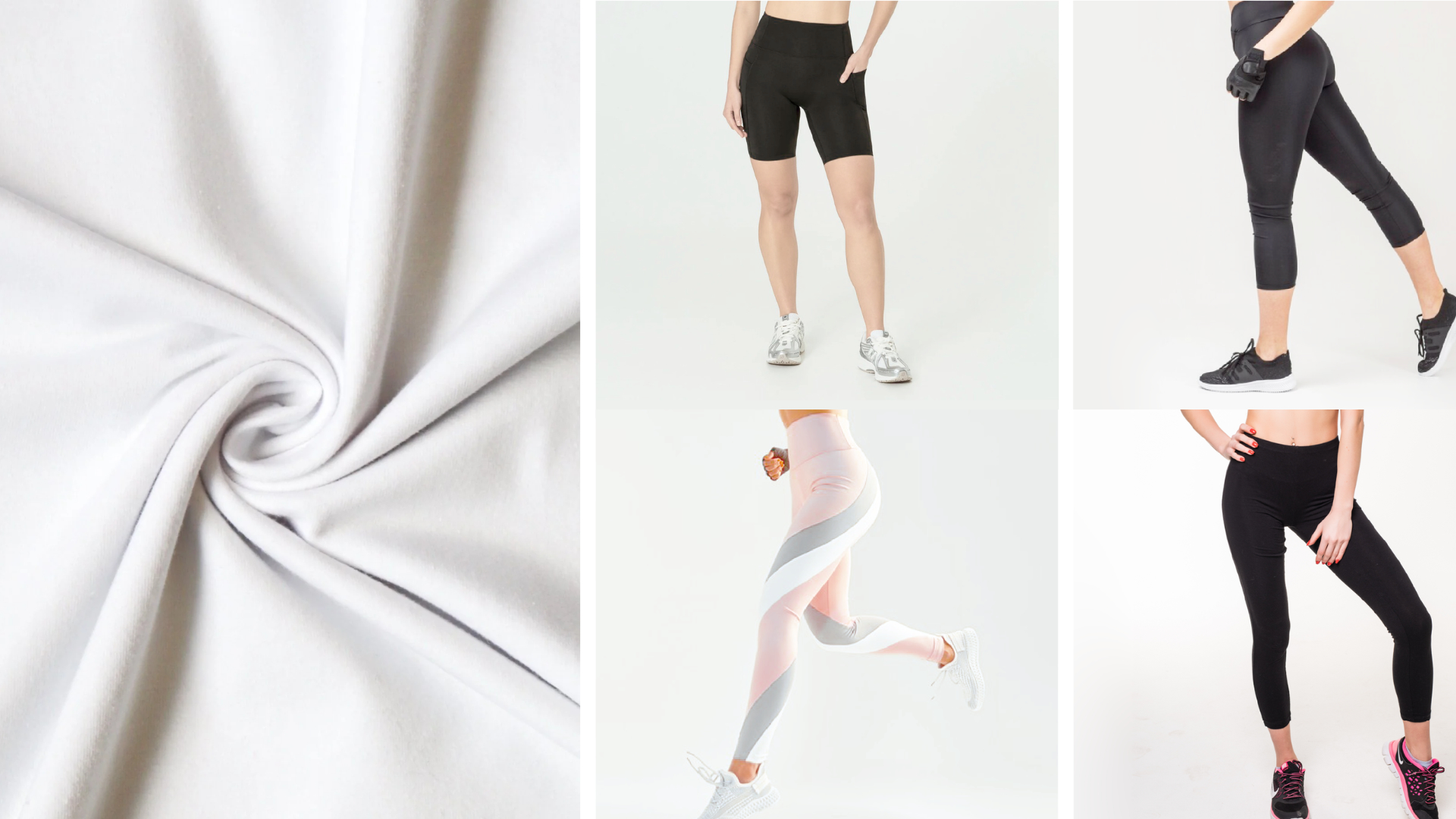
2. Legging Fabric Comparison for Brands to Consider
Almost all leggings, from everyday casual wear to high-performance activewear, are products of fabric blends. The core rule of blending is to combine the strengths of two or more fibers to compensate for each other’s weaknesses.
For instance, a comfortable, absorbent fiber (like Cotton) must be blended with a fiber that offers superior stretch and shape retention (like Spandex) to create a garment that is both soft and form-fitting.
The blending rule and the final ratios depend heavily on the intended end-use of the legging:
- Base Fiber Ratio (70% to 90%): This fiber dictates the core function and hand-feel of the fabric (e.g., Polyester for moisture-wicking, Nylon for a luxurious soft touch, or Cotton for daily breathability).
- Spandex Ratio (Elastane/Lycra – 5% to 30%): This percentage determines the garment’s stretch, compression, and shape recovery. A higher Spandex content (typically 20% and above) results in greater compression and superior recovery, ideal for high-intensity training. Lower percentages (5% to 10%) are common in casual wear where comfort is prioritized over high compression.
The most common fiber blended into all types of leggings is Spandex (Elastane/Lycra). This is because Spandex is an elastomeric fiber that can stretch up to 5 to 8 times its original length and return to its shape almost perfectly. Blending Spandex into any base fiber is mandatory for leggings as it provides the crucial elements:
- Four-way stretch: Allowing for complete, unrestricted freedom of movement.
- Shape retention: Ensuring the leggings don’t sag or become baggy after repeated wearing and washing.
- Snug fit and compression: Creating a sculpting effect and offering muscle support, which is vital for athletic performance gear.
| Base Fabric Type | Core Properties (without Spandex) | Typical Spandex (%) | Best Suited For | Target Customer/Brand Focus | Key Advantages for Brands |
| Nylon (Polyamide) Blend | Strong, lightweight, silky hand-feel, excellent moisture-wicking. | High (15% – 30%) | High-Performance Athletic Wear (Running, Spin, Yoga) | Premium/Luxury Activewear, brands prioritizing a buttery-soft yet technical feel. | Superior durability, luxurious feel, excellent stretch recovery, and squat-proof opacity. |
| Polyester Blend | Durable, anti-wrinkle, excellent moisture-wicking, quick-drying. | Medium to High (10% – 20%) | Versatile Gym Wear, Training, Athleisure, Sublimation Printing. | Value-focused or high-volume activewear brands, print-heavy lines. | Cost-effective performance, excellent for vibrant printing, and high resistance to fading. |
| Cotton Blend | Soft, highly breathable, comfortable, natural fiber. | Low to Medium (5% – 15%) | Casual Wear, Lounge Wear, Low-Impact Activities (Walking). | Comfort-focused brands, customers prioritizing a natural, everyday feel over intense performance. | Extreme comfort, softness, and breathability for non-workout wear. |
| Modal / Tencel (Blends) | Extremely soft, smooth, excellent drape, natural feel, resistant to pilling. | Medium (8% – 15%) | Lounge/Sleep Leggings, Fashion Layering, Lifestyle Wear. | Eco-conscious and premium comfort brands; appeal to customers seeking luxury softness. | Environmentally friendlier profile (Tencel), exceptional softness, and fluid drape. |
| Fleece / Brushed Poly | High insulation, soft brushed interior, thicker fabric. | Medium (10% – 20%) | Cold Weather, Outdoor Running, Winter Sports. | Brands specializing in outerwear, winter activewear, and thermal clothing. | Superior warmth retention, cozy feel, and weather protection. |
Fabric composition also has a direct impact on cut and sew manufacturing. Stretch percentage, fabric weight, recovery, surface stability, and shrinkage can influence pattern development, cutting accuracy, seam construction, and the final fit of leggings. Evaluating these factors during sampling helps brands reduce production risks before moving into bulk manufacturing.
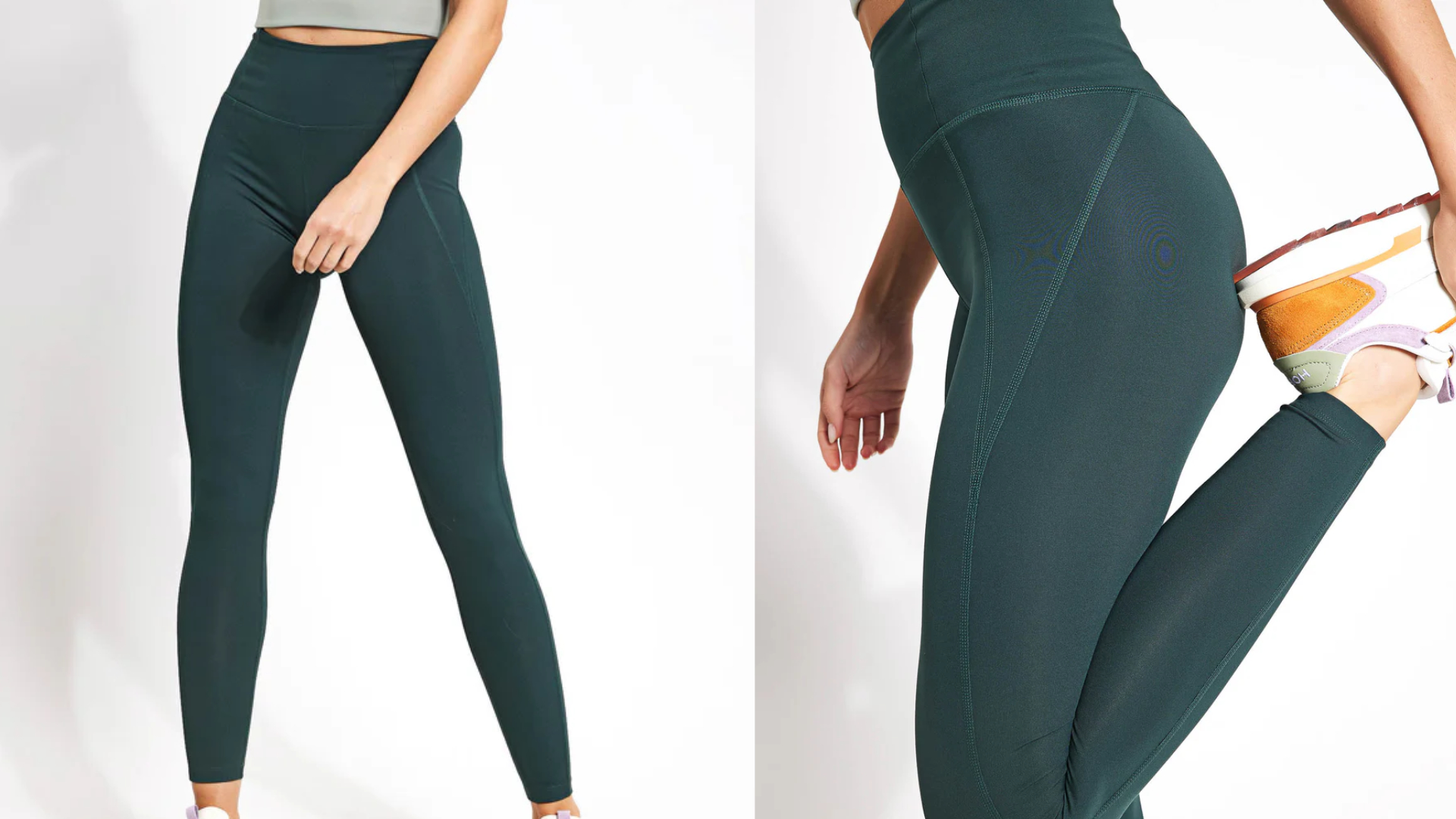
3. How Thygesen Helps Guide Fabric Selection for Leggings Manufacturing
As an experienced legging manufacturer, Thygesen helps brands select fabrics that balance comfort, stretch, opacity, recovery, durability, and production cost. Below is how our team supports material sourcing, fabric development, testing, and manufacturing for different legging categories.
3.1. Fabric Consultation Based on Your Needs and Budget
As one of the experienced athletic clothing manufacturers, Thygesen Textile Vietnam has developed extensive expertise in activewear fabrics, fit development, garment construction, and performance requirements. With over 94 years of experience in the textile industry, we support brands in selecting materials that align with their technical specifications, design goals, and target budgets.
Crucially, our wide network of global suppliers allows us to access diverse fabric options across a broad spectrum of price points. This powerful sourcing advantage helps your brand effectively optimize production costs and offers necessary flexibility, ensuring you can meet budget targets without sacrificing the required quality or performance attributes of your garments.
3.2. Sourcing Fabrics According to Your Requirements
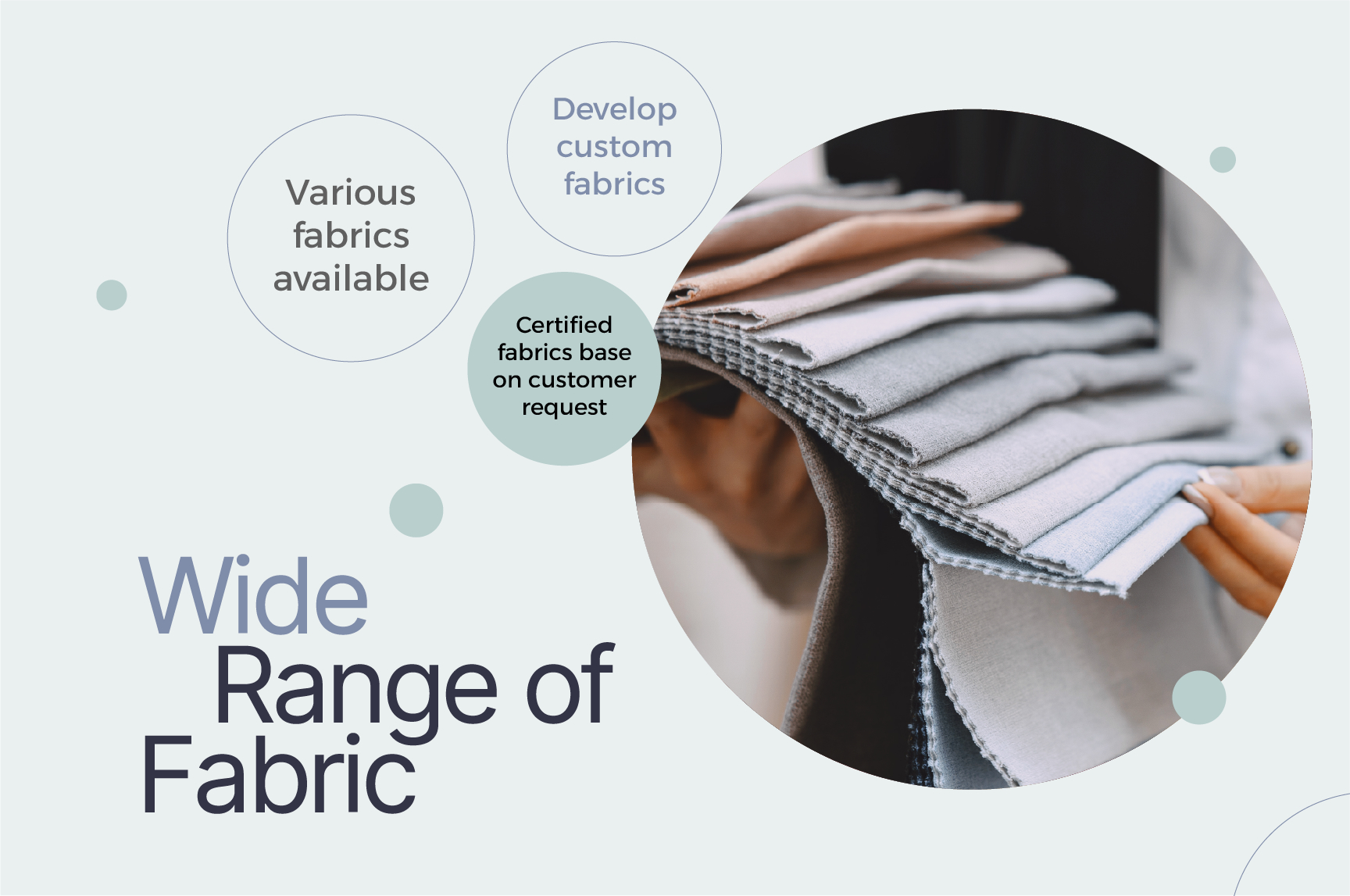
At Thygesen, our manufacturing flexibility is powered by our extensive sourcing capabilities. We offer a wide range of fabric options, including Nylon, Polyester, Cotton, Bamboo, Tencel, Modal, and specialized recycled blends. In addition to fabrics, we source all essential high-quality trims like threads, zippers, elastics, and labels, supporting every detail of your garment design.
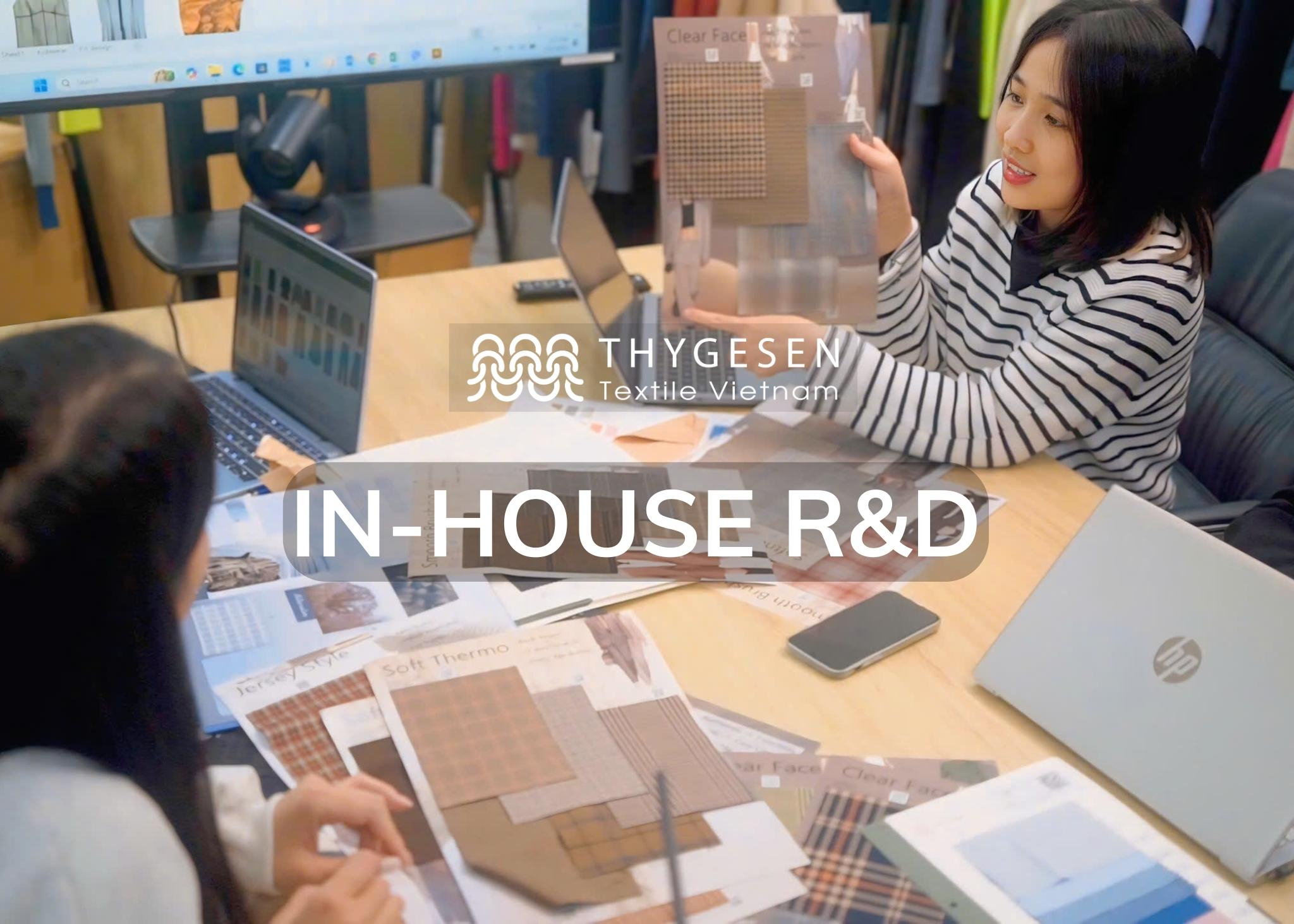
Our sourcing power is rooted in a trusted global sourcing network. This network spans key textile centers across Vietnam, Korea, Japan, Taiwan, India, China, the EU, and the USA.
This expansive reach ensures all materials are sourced from reliable partners and feature traceable origins. This guarantees not only consistent quality but also the flexible solutions necessary throughout your entire product development process.
3.3. Developing New Fabrics Upon Request
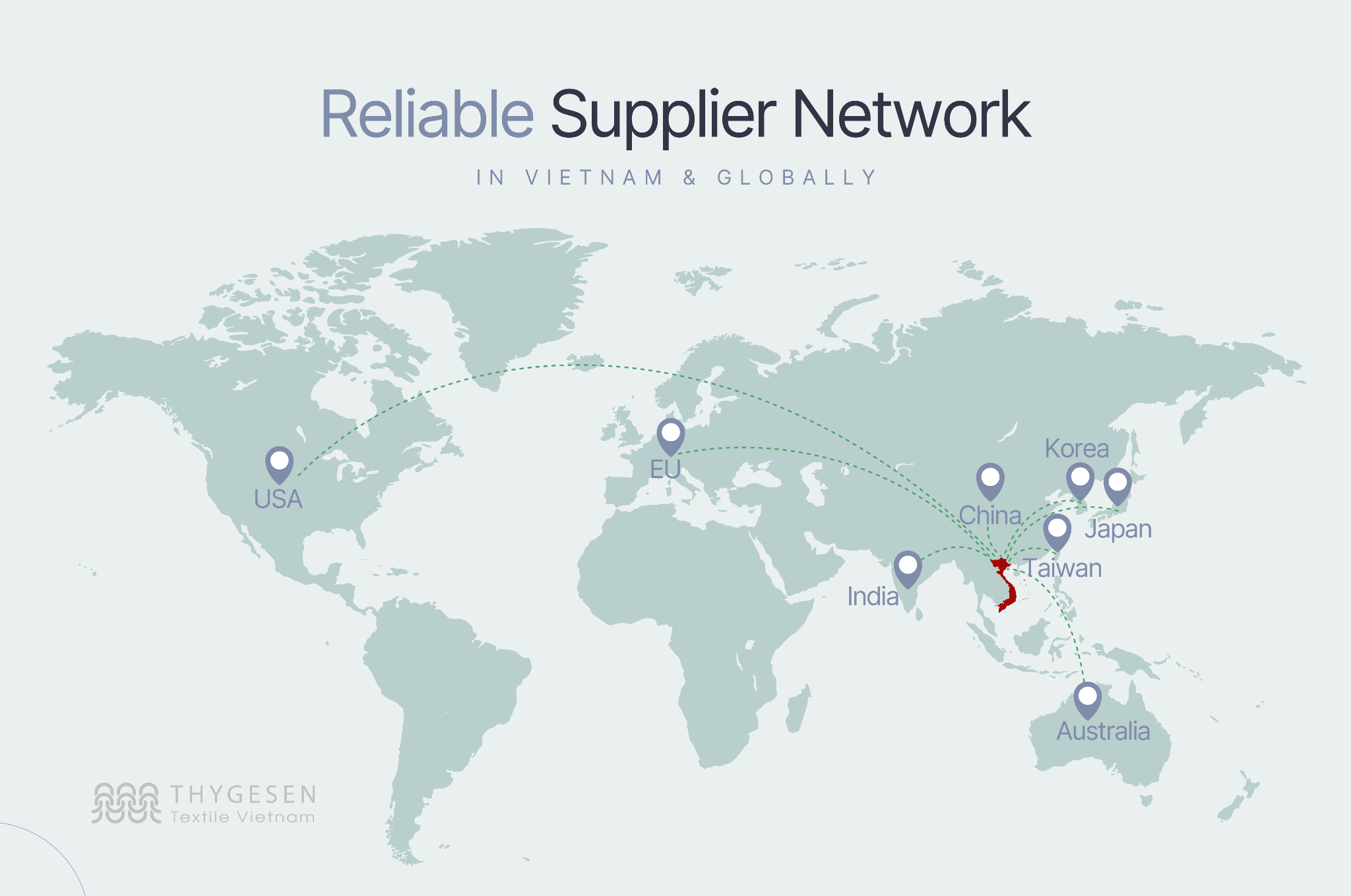
Our specialized in-house R&D team collaborates closely with our trusted suppliers to develop new fabrics precisely tailored to your needs. This partnership allows us to create materials with diverse knit structures according to your specifications.
We can develop a wide range of knitted fabrics, including Single Jersey, Rib, Interlock, French Terry, and Fleece, customizing the texture and weight. French Terry and fleece are also commonly developed for hoodie production. Working with an experienced hoodie manufacturer helps brands determine the appropriate knit structure, GSM, fiber blend, brushing treatment, and shrinkage control for different seasons and product positioning. Furthermore, we integrate essential add-on features directly into the fabric, such as superior moisture-wicking, quick-dry, advanced antibacterial treatments, and robust UV protection, ensuring your final legging offers a unique technical advantage.
3.4 Providing Certified and Sustainable Fabric Options
Our eco-friendly materials include natural fibers like certified Organic Cotton, Bamboo, and Hemp, as well as branded cellulosic fibers such as TENCEL™ and ECOVERO™. We also provide high-quality Recycled Polyester (RPET) and Recycled Nylon options to reduce waste without losing performance characteristics. For brands asking what are natural fabrics, the term generally refers to textiles made from fibers obtained directly from plant or animal sources, such as cotton, linen, hemp, wool, and silk. In legging production, organic cotton and hemp are commonly considered for collections that prioritize natural materials and everyday comfort.
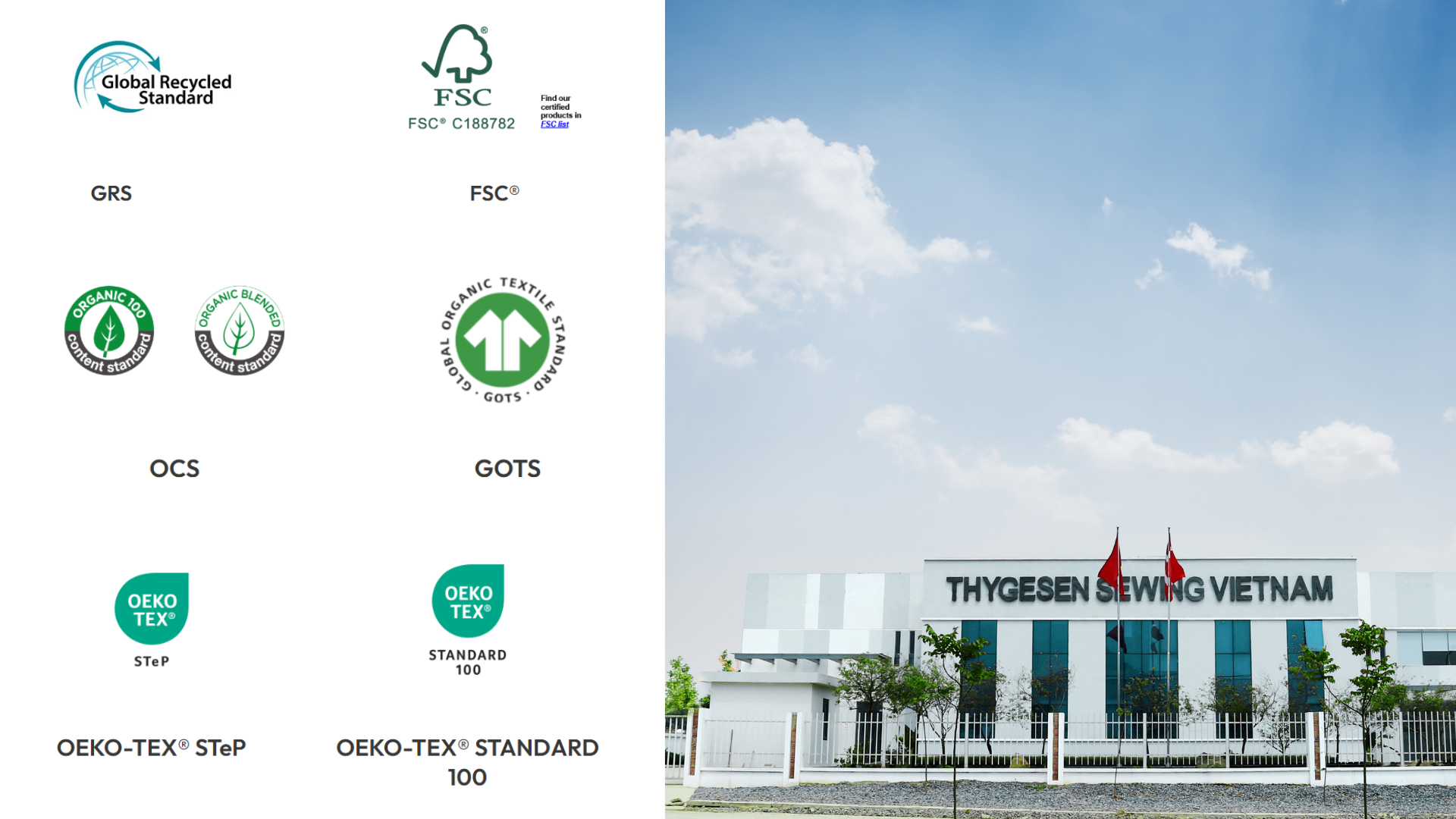
To guarantee transparency and traceability, our materials and final products can adhere to stringent international certifications. These include globally recognized standards such as GOTS (Global Organic Textile Standard), OCS (Organic Content Standard), GRS (Global Recycled Standard), OEKO-TEX Standard 100, and FSC (Forest Stewardship Council). This commitment ensures your leggings meet the highest benchmarks for sustainability and safety.
Brands expanding from comfort-focused leggings into sleepwear can also work with an experienced bamboo pajama manufacturer to evaluate fabric softness, shrinkage, colorfastness, safety certifications, and long-term durability before bulk production.
3.5. Fabric Printing and Embroidery Services
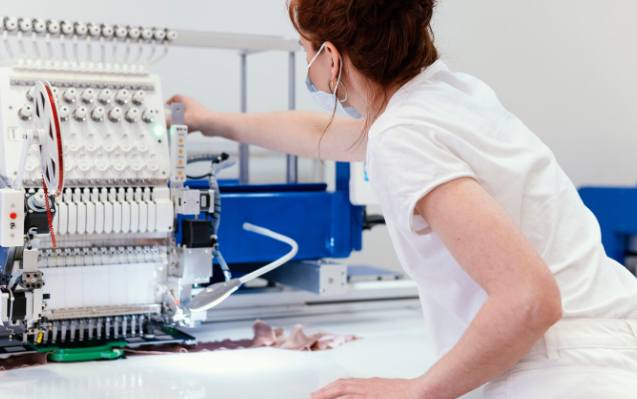
To help your brand achieve its unique aesthetic vision, we provide comprehensive fabric printing and embroidery services. We offer a wide variety of surface decoration techniques, ensuring your designs – whether they require detailed logos, complex patterns, or specialized texture- are executed with precision and high quality.
Our ability to handle diverse decorative demands is supported by our network of trusted subcontractor partners. These specialized partners possess advanced machinery and expertise in numerous printing and embroidery techniques, allowing us to deliver flawless application of your artwork directly onto the fabric.
In conclusion, legging fabric types are key to achieving the right comfort, stretch, and performance. At Thygesen, we use our experience in fabric selection, sourcing, and development to help brands create high-quality, durable leggings. Learn more at thygesenapparel.com or contact us at sale@thygesen.com.vn