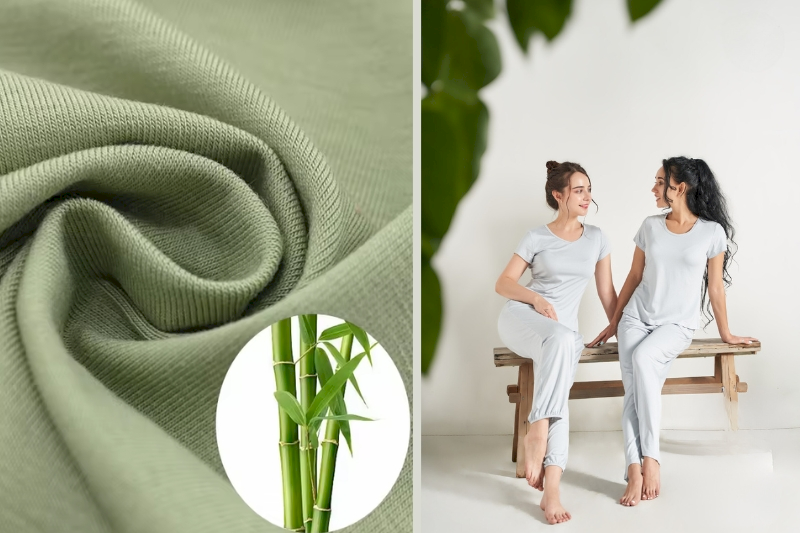
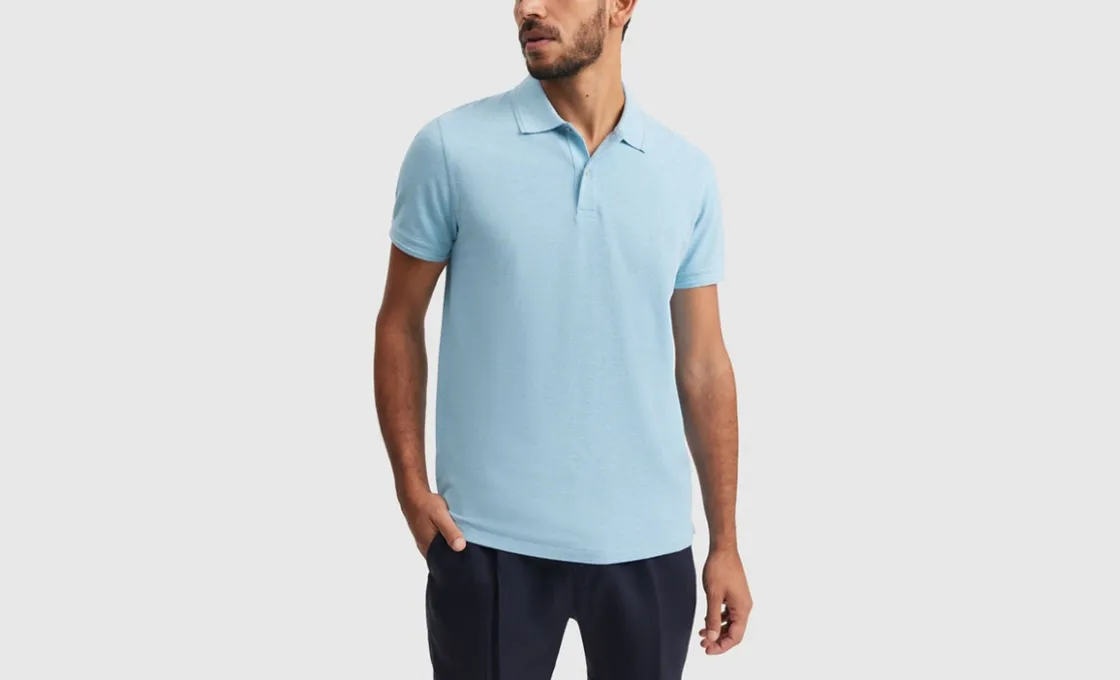
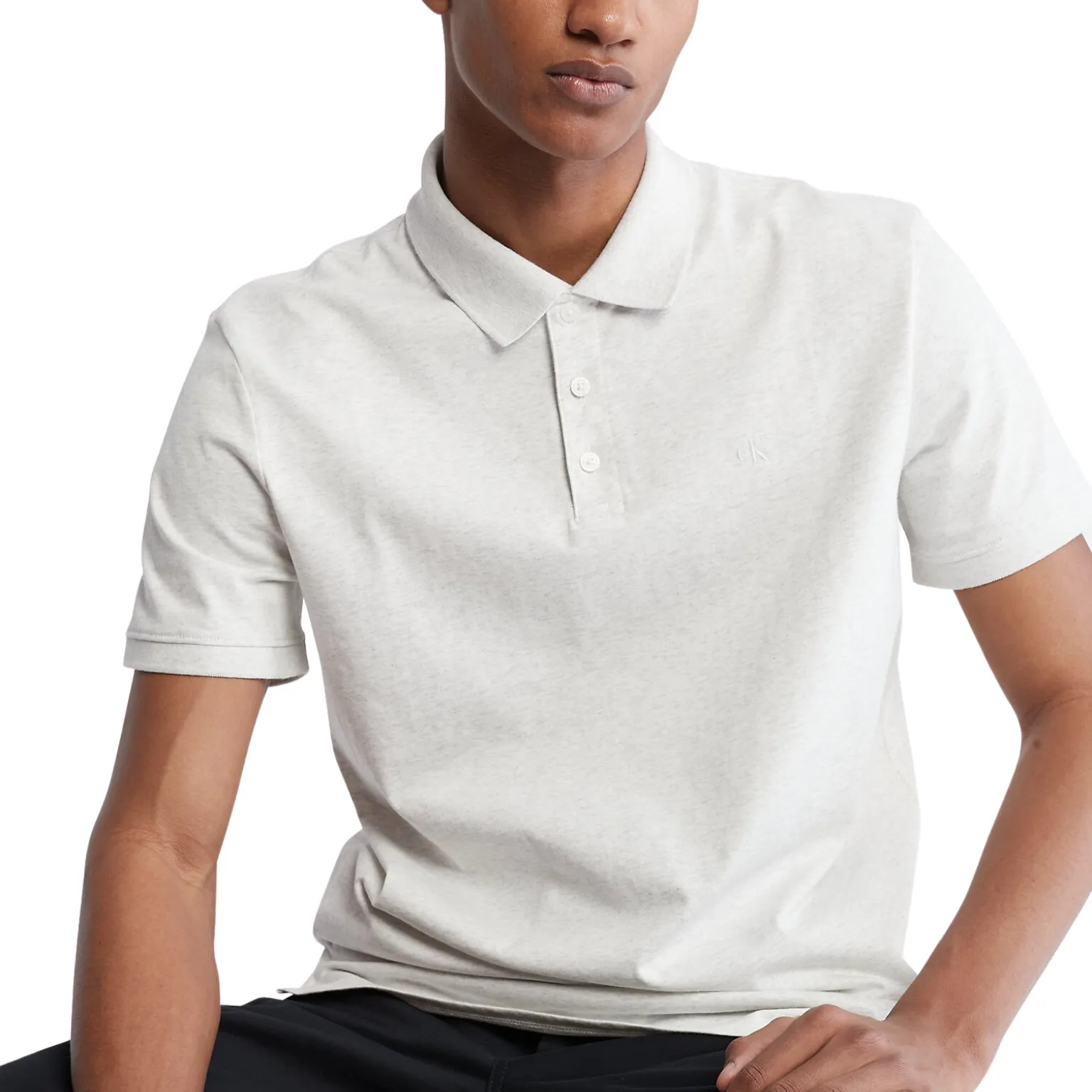
Consumers have been very fond of natural fabrics such as cotton, silk, modal, etc. But sometimes, these materials are difficult to maintain, expensive, and not durable. Therefore, manufacturers have launched a variety of fabrics with synthetic materials from highly applicable man-made fibers to help consumers have more choices. Typically polyester fabric is the most commonly used synthetic fabric.
Polyester was discovered in the laboratory in the 1930s. In the years 1939-1941, many British scientists studied and paid attention to this material, so polyester was born. In 1946, DuPont, who discovered polyester, began buying and selling the rights to market this particular fabric.
1. What Is Polyester Fabric?
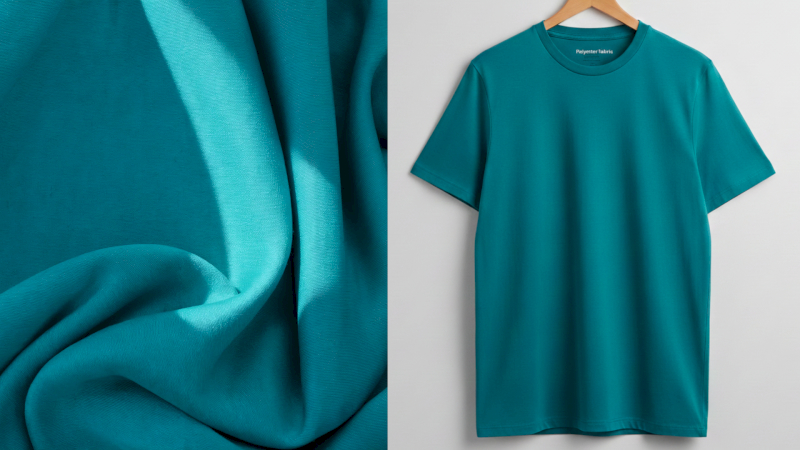
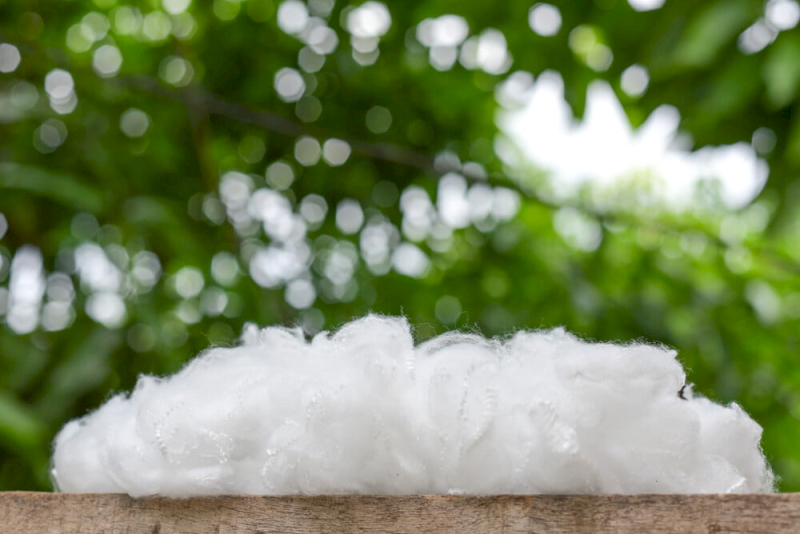
Polyester fabric is a synthetic, man-made textile produced from plastic fibers derived mainly from petroleum-based chemicals. The most widely used type is polyethylene terephthalate (PET), which is also the same material commonly found in plastic water bottles.
Through industrial processing, PET is transformed into fine fibers that are spun into yarn and made into fabric, resulting in a material known for its durability, versatility, and suitability for a wide range of apparel applications.
As a man-made fiber, polyester is engineered to deliver consistent performance across different uses. Its tightly bonded molecular structure gives the fabric excellent strength, resistance to wrinkles, and long-lasting shape retention, even after repeated washing and wear.
These characteristics, combined with its ability to absorb dyes efficiently and resist fading, have made polyester a preferred choice for fashion brands seeking reliable quality, scalability, and durability in modern clothing production.
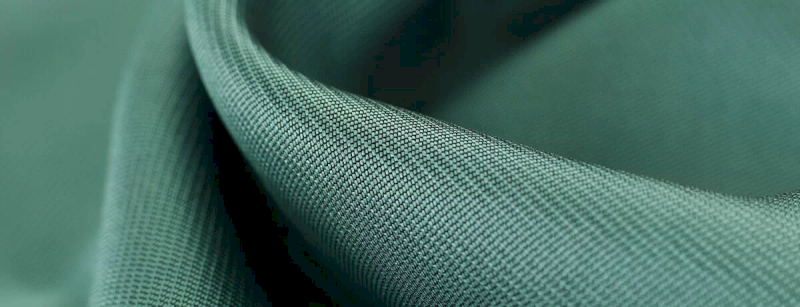
Structurally, polyester fabric is a synthetic fabric with a characteristic composition of ethylene. The process of creating a complete synthetic polyester fabric is called polymerization. To create polyester fibers, manufacturers conduct a chemical reaction between alcohol and acid. In this reaction, the molecules randomly join together to form a larger molecule with a similar structure.
100% Polyester fabrics can have permanent pleats and decorative shapes and patterns can be laser cut. 100% polyester clothing is prone to static build-up, which can cause mild electrostatic shocks. This is called polycotton and demonstrates both fabrics’ benefits: Strong, durable, wrinkle-resistant and much more breathable than 100% polyester. With the advantages such as breathability, resistance, and durability of poly cotton, they are often used to produce underwear.
This fabric is applied in many fields with products such as sportswear, bedding, and underwear… The products we use every day are almost all made of materials polyester should show that this material has a great influence in daily life.
For brands prioritizing performance and durability in their activewear collections, understanding advanced material science is essential. Thygesen provides extensive experience as dedicated athletic clothing manufacturers, adept at utilizing polyester’s inherent properties for optimal garment functionality. Partnering with Thygesen mitigates sourcing risks by ensuring materials are expertly transformed into high-performance apparel.
2. What Is Polyester Fabric Made Of?

Fabrics made from coal, petroleum and air are called ethylene. The essence of polyester is a type of plastic, the chemical process of polymerization creates polyester fibers with four basic types of fibers: raw yarn, fiber yarn, fiberfill yarn and filament yarn.
This fabric has permanent folds and decorative shapes and patterns, so they are resistant to stains and suitable for cleaning. Clothes made of 100% polyester are prone to electrical buildup to eliminate this problem when polyester is blended with stable fibers such as cotton so it is called polycotton. With the same advantages of breathability, durability, and antibacterial, they are often produced as clothing becomes very popular.
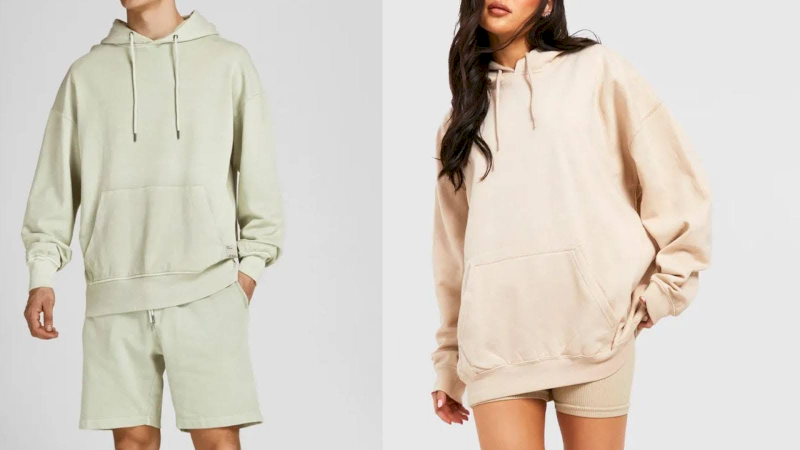
The versatility of polyester allows for diverse hoodie designs, from lightweight athletic styles to warm fleece variations. As a proficient hoodie manufacturer, Thygesen supports brands in bringing a wide range of designs to life, from concept to final product. This adaptability provides flexible production capacity for various market needs and design aesthetics.
3. How Polyester Fabric Is Made
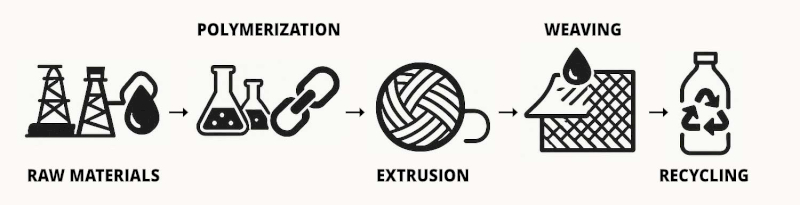
Polyester fabric is produced through a controlled chemical and mechanical process that transforms petroleum-based materials into strong, wearable fibers. Below are the key steps explained in a simple and easy-to-follow way:
- Polymer creation: The process begins with petroleum-derived chemicals that are chemically reacted to form polyethylene terephthalate (PET), creating a molten polymer that serves as the base material for polyester fibers.
- Melting and extrusion: The PET polymer is heated until it melts, then pushed through tiny holes called spinnerets. As the material exits these holes, it forms long, continuous filaments.
- Cooling and solidifying fibers: These filaments are rapidly cooled and solidified, turning them into stable polyester fibers with consistent thickness and strength.
- Drawing and stretching: The fibers are stretched to align the polymer molecules, which significantly increases tensile strength, elasticity, and durability.
- Spinning into yarn: The finished fibers are then cut or kept as filaments and spun into yarns suitable for knitting or weaving.
- Fabric formation and finishing: Finally, the yarns are knitted or woven into polyester fabric and treated with finishing processes such as dyeing, heat-setting, or surface treatments before being used in garment production.
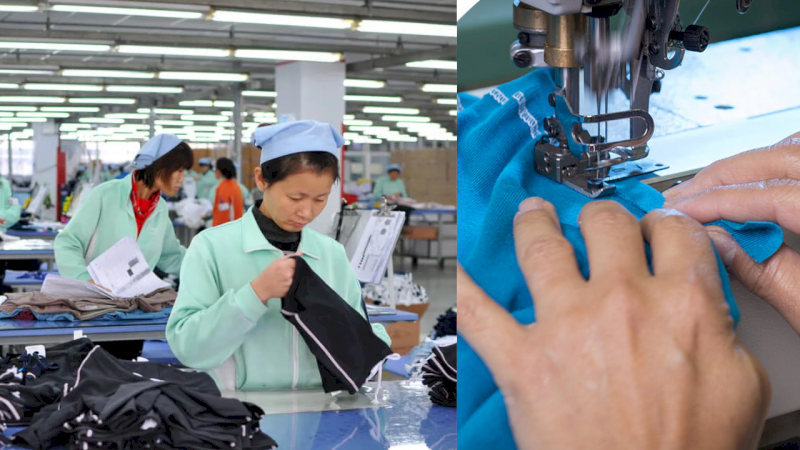
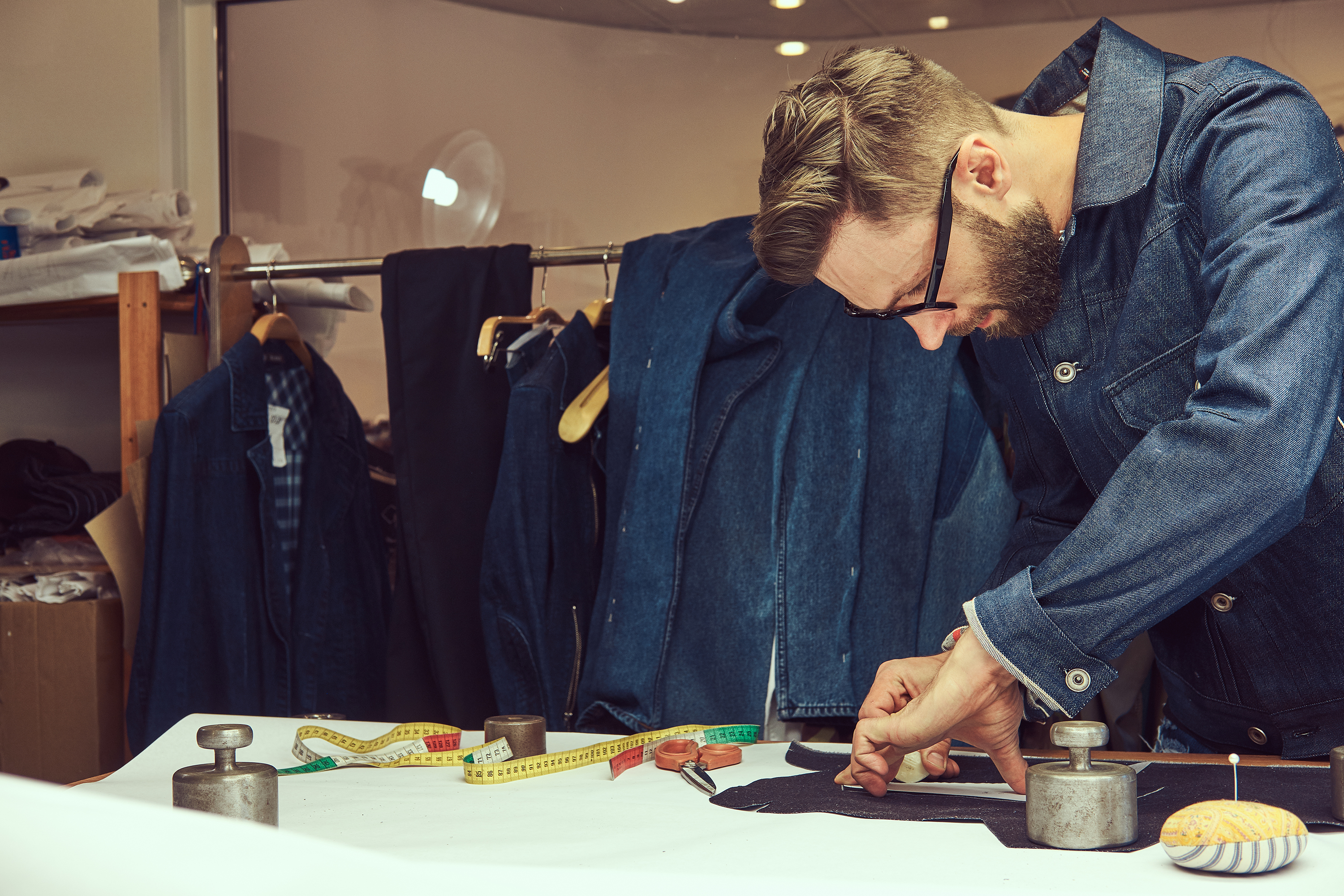
When working with technical fabrics like polyester, precision in cut and sew manufacturing is paramount to garment integrity and performance. Thygesen upholds stringent quality control throughout its cut and sew manufacturing processes, ensuring every piece meets exact specifications. This meticulous approach guarantees consistency and reduces production discrepancies for brand partners.
4. Characteristics of Polyester Fabric?
4.1. Durable
Polyester has excellent strength and is resistant to shrinkage and wrinkle resistance. Through the spinning process, the polyester fibers are wound together through the spinning process and form a strong structure. Some popular fabrics on the market, such as cotton, chiffon, and elastic, tend to become flabby and saggy after a period of use. The polyester fabric retains its original shape as long as you wear it. Polyester is resistant to abrasion and effectively wrinkle-resistant.
Users can rest assured because the products are made from polyester fiber which has good durability and will keep the original shape of the clothes throughout the time you use the product. Therefore, the costumes made from this material are also sold very well in the market.
4.2. Moisture-resistant
Poly fabric is extremely waterproof and moisture-proof. This point will be a lifesaver if you accidentally let drinking water spill on the fabric.
In some cases, the fabric can protect the body from getting wet under sudden rains. Good water-resistant products are made from polyester, such as jackets, tents, and sleeping bags…With the characteristics of poor moisture absorption, no color fading over time but very easy processing, with color coating. Therefore, when the fabric is left in a wet environment, the fabric will not be deformed and moldy like some other fabrics. Based on those characteristics, this fabric is effective against mildew and bacteria.
4.3. Very breathable
One of the characteristics that many people are interested in when looking for Poly fabric is the ability to breathe. This will allow air to pass through the fibers. And the benefit is to increase the evaporation rate of sweat so that the wearer’s body will feel cooler and more comfortable during activity. Because it ensures high breathability, Polyester is a fabric used a lot in the line of active and workout clothes based on this fabric having a light and breathable construction.
The ability to breathe also helps the clothes to be waterproof and from there the moisture in the skin also evaporates quickly. Regardless of whether you sweat or not, it still makes the wearer feel relaxed.

5. Types of Polyester Fabric
Polyester is not a one-size-fits-all material. Depending on how it is produced or blended, different types of polyester offer distinct performance characteristics and are suited to different garment applications. Below are the most common types used in clothing manufacturing:
5.1. Ethylene polyester (PET)
PET is known as polyester fiber and is now also commonly produced in fabrics. PET has a main ethylene component with petroleum origin and is created from the process of creating polyester fibers. Ethylene is a polymer whose role is to interact with other chemicals, forming the most stable fibrous compound.
Ethylene glycol reacts with dimethyl terephthalate at high temperature to produce polyester fibers. In most applications of this fabric, the polyester will be torn into yarn before going into the dyeing process or any other manufacturing process.
5.2. PCDT Polyester
PCDT (Poly-1,4-cyclohexylene-dimethylene terephthalate) polyester is less common but offers greater elasticity and softness compared to standard PET polyester. It has improved stretch recovery and resilience, allowing garments to move comfortably with the body. PCDT polyester is often used in activewear, stretch pants, leggings, performance tops, and fitted garments where flexibility is important.
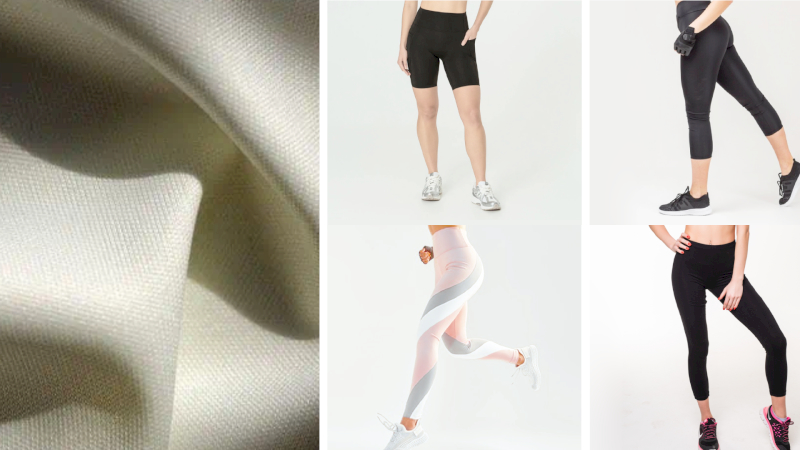
The development of high-performance leggings relies heavily on the correct application and processing of advanced polyester blends. Thygesen’s specialized production capabilities as a legging manufacturer ensure garments possess superior stretch, recovery, and comfort. The company’s commitment to material excellence and functionality guarantees products that resonate with discerning consumers.
5.3. Plant-Based Polyester
Plant-based polyester is produced partly or fully from renewable resources such as sugarcane instead of fossil fuels. While its performance is similar to conventional polyester: durable, lightweight, and quick-drying, it has a lower environmental impact. This type of polyester is commonly used by sustainability-focused brands for activewear, casualwear, athleisure, and lifestyle apparel.
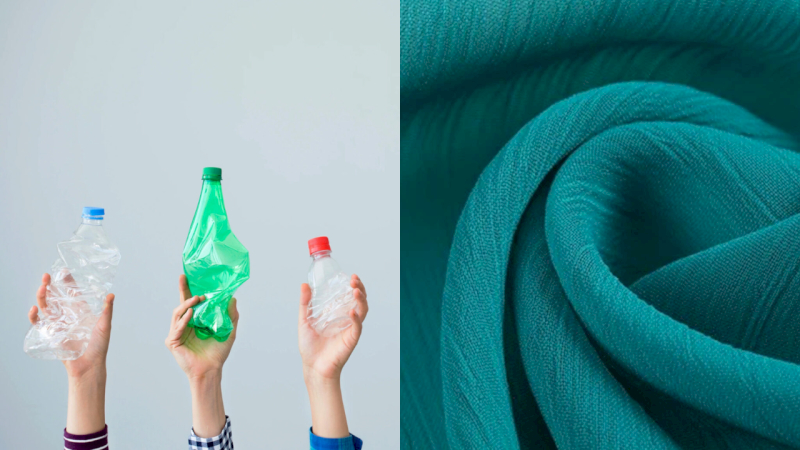
5.4. Recycled polyester (rPet)
Recycled Polyester is produced from plastic materials that are considered useless waste, but instead of being released into the environment and going through a process of hundreds of years to decompose, these plastic materials are recycled. Spinning into yarn and weaving recycled fabrics, we create products with properties similar to traditional yarns but more environmentally friendly and resource-saving.
For a deeper dive into the world of sustainable textiles, consider exploring more about recycled polyester fabric.
In addition to the benefits to the environment, Recycled Polyester also offers great advantages. It is cool to the touch, providing comfort all day long. Next is the ability to absorb and release moisture two times faster than ordinary fabrics, helping the wearer to exercise all day long without fear of heat and mystery.
5.5. Polyester Blends
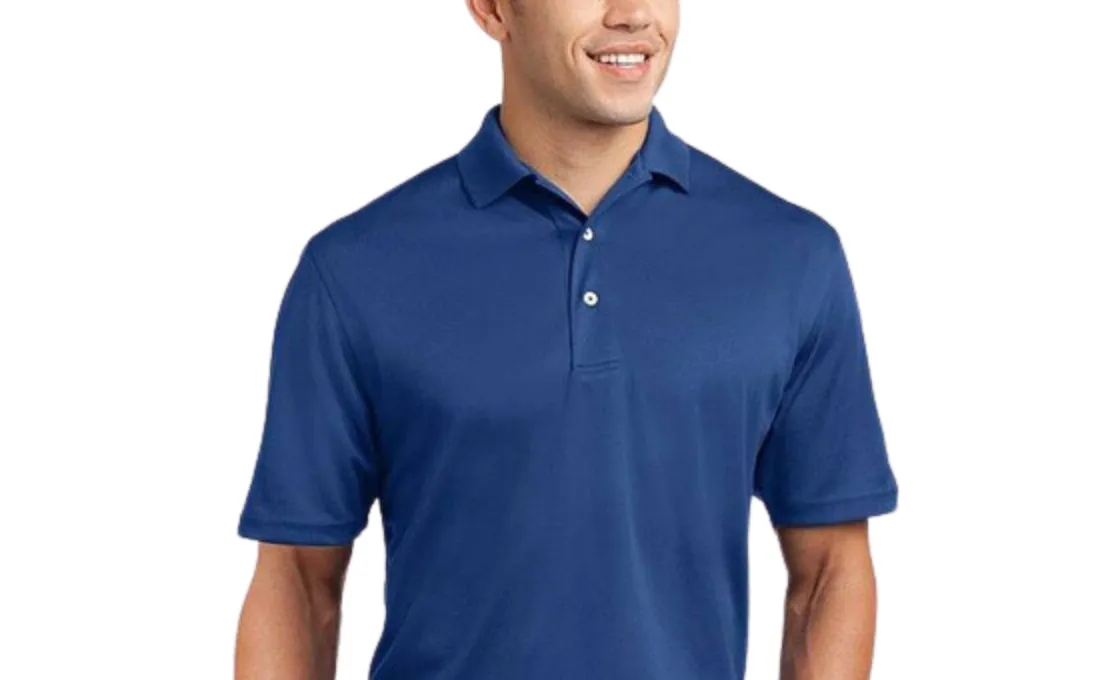
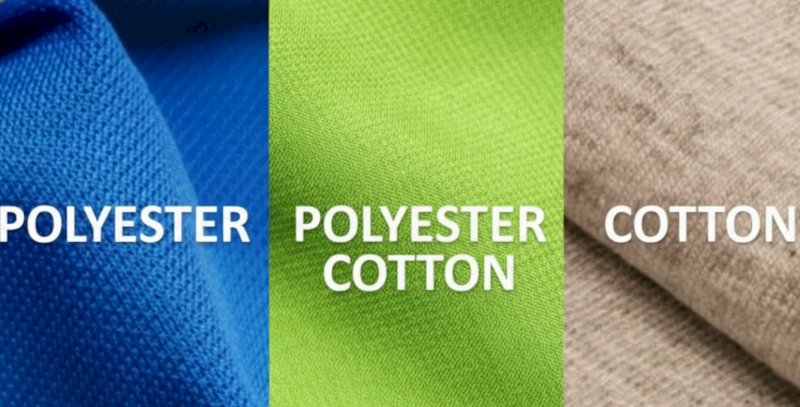
Polyester is frequently blended with other fibers to enhance comfort, performance, or appearance. Common blends include polyester/cotton (typically 50/50 or 65/35) for improved breathability and reduced wrinkling, polyester/spandex (90-95% polyester / 5-10% spandex) for stretch and recovery in activewear, and polyester/rayon (60-70% polyester / 30-40% rayon) for a softer hand feel and better drape. These blends are widely used in t-shirts, polos, dresses, workwear, athleisure, and performance garments.
To fully understand the properties and applications of this crucial blending fiber, delve into What Is Elastane Fabric? The Comprehensive Guide for All Fashion Brands.
6. Key Benefits of Polyester Fabric
Polyester remains one of the most widely used fibers in the global apparel industry thanks to its balanced combination of performance, practicality, and cost efficiency. Below are the key benefits that make polyester a reliable choice for many types of garments:
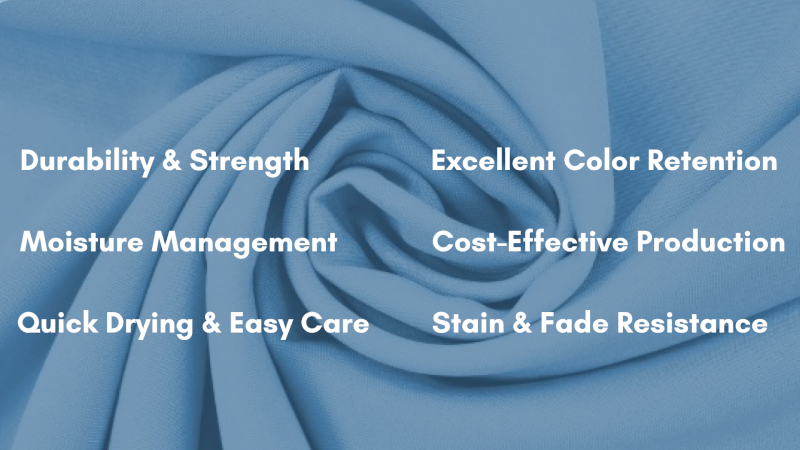
- Durability & Strength: Polyester fibers are engineered for strength, allowing fabrics to resist abrasion, tearing, stretching, and shrinking even after repeated wear and washing. This structural stability helps garments retain their original shape and appearance over time, making polyester ideal for long-lasting everyday wear and performance apparel.
- Easy Care & Low Maintenance: One of polyester’s biggest advantages is its ease of care. The fiber is naturally wrinkle-resistant, dries quickly after washing, and typically requires little to no ironing. It can be machine washed without special handling, which makes it highly practical for both consumers and large-scale clothing production.
- Moisture Management & Quick Drying: Polyester does not absorb moisture easily. Instead, it moves sweat away from the skin toward the fabric surface, where it can evaporate faster. This quick-drying behavior helps keep the wearer dry and comfortable, especially during physical activity, which is why polyester is widely used in activewear and sportswear.
- Stain & Fade Resistance: Thanks to its low absorbency, polyester is less likely to absorb water-based stains compared to many natural fibers. Its molecular structure also allows it to resist fading caused by repeated washing or prolonged sun exposure, helping garments maintain a clean, vibrant look over time.
- Cost-Effective Production: Polyester is generally more affordable to produce than many natural fibers due to efficient manufacturing processes and consistent raw material supply. This makes it a budget-friendly option for brands seeking to balance quality, performance, and pricing across a wide range of products.
- Excellent Color Retention: Polyester bonds exceptionally well with synthetic dyes, resulting in rich, vivid colors that last longer. Garments made from polyester are less prone to color bleeding or dullness, ensuring consistent color quality throughout the product’s lifespan.
7. Downsides of Polyester Fabric
While polyester has many benefits, it also comes with a few drawbacks that brands should consider:
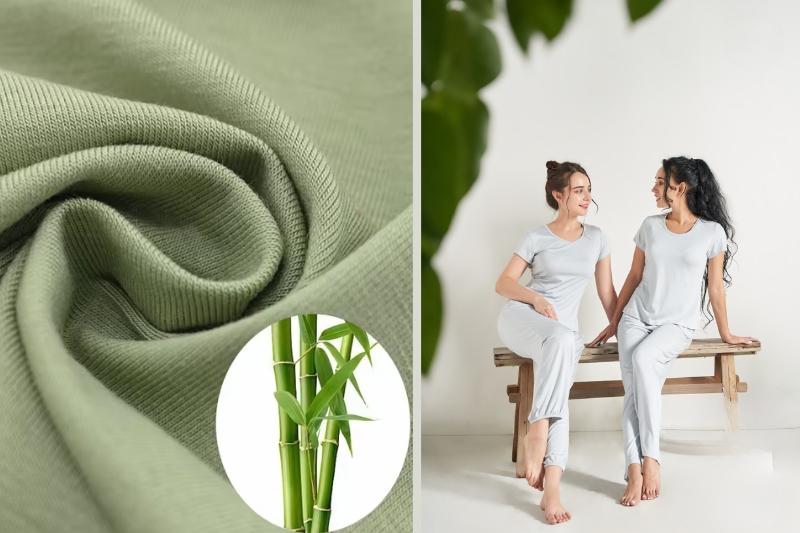
- Poor Breathability: Polyester does not absorb moisture like natural fibers, which can lead to overheating or a sweaty feel in hot conditions. Solution: Use lightweight weaves, moisture-wicking finishes, or polyester blends with cotton or bamboo to improve airflow.
- Odor Retention: Polyester can trap body odor after prolonged use. Solution: Fabrics can be treated with antimicrobial finishes or blended with odor-resistant fibers to improve freshness.
- Environmental Impact: Being petroleum-based, polyester production consumes non-renewable resources and can contribute to microplastic pollution. Solution: Opt for recycled polyester (rPET) or combine with sustainable fibers to reduce environmental footprint.
8. Uses for Polyester Fabric
Apparel

Fashion is an area that uses a lot of polyester fabric. Although polyester fabric clothes are rated lower than traditional fabrics in softness and sweat absorption. However, the demand for clothes made from polyester fabric is still very high because it is colorful, cheap, does not wrinkle and is easy to clean.
Special polyester fabrics are used a lot to make sportswear. Because clothes made from polyester fabric have the ability to be light in weight due to being impervious to sweat. As a result, athletes feel easier to move.
Bags and backpacks

As one of the most popular fabrics used to sew backpacks and bags today. With a composition of synthetic fibers, the polyester fabric does not shrink when washed, is wrinkle-resistant and naturally elastic. The fabric possesses many advantages compared to traditional fabrics, such as not absorbing oil and not absorbing moisture. Therefore, 100% nylon fabric is often rated as water resistant. Many manufacturers have chosen Polyester fabric to make bags and backpacks with many outstanding advantages.
Home furnishings
With outstanding advantages, you can arbitrarily use it for different purposes to produce a set of products for interior space. In the field of furniture, polyester fabric is used to cover office chairs, bringing beauty and sophistication to the product. Polyester can be used as insulation in mattresses, pillows, and comforters by producing hollow fibers.

9. Comparison Between Polyester And Other Fabrics
Here’s a closer look at how polyester compares with other commonly used fabrics:
| Fabric Type | Moisture Management | Durability | Breathability | Feel on Skin | Sustainability Notes |
| Polyester (PET) | Hydrophobic, quick-dry, needs wicking finish for best performance | Very durable, strong, wrinkle-resistant | Moderate; can be improved with mesh or microfiber | Smooth, sometimes less breathable without finishing | Non-biodegradable; microplastic shedding; rPET improves footprint |
| Recycled Polyester (rPET) | Similar to PET, quick-dry | Durable but may vary based on recycled feedstock | Moderate | Similar to PET | Reduces landfill waste & energy use; still sheds microplastics |
| Cotton | Absorbent, slow-dry | Moderate durability | Highly breathable | Soft, natural | Biodegradable, but heavy water & pesticide usage in farming |
| Viscose / Rayon | Highly absorbent | Less durable when wet | Very breathable | Soft, smooth, drapey | Plant-based but chemically intensive production |
| Modal | Absorbent, dries faster than cotton | Stronger + more stable than viscose | Breathable | Very soft, silky | More eco-friendly than viscose (closed-loop process) |
| Nylon | Slightly absorbent, good wicking when engineered | Extremely durable, abrasion-resistant | Moderate | Smooth, stretchy | Non-biodegradable; can be recycled |
| Bamboo Viscose | Very absorbent | Moderate durability | Breathable | Soft, cool | Often marketed as eco-friendly but still chemically processed |
| Merino Wool | Absorbs vapor, regulates temperature | Good durability when blended | Very breathable | Soft for wool, comfortable | Renewable, biodegradable; energy-intensive washing |
10. Things to Note When Manufacturing Polyester Clothing
When manufacturing polyester clothing, brands should keep a few key points in mind to ensure quality and wearability:
- Choose the Right Polyester: Polyester comes in different types such as regular PET, recycled (rPET), or polyester blends. Each type affects the fabric’s texture, durability, and drape, so selecting the right one for your garment’s purpose whether casual wear, activewear, or performance clothing is essential.
- Comfort & Blend: Pure polyester can feel less soft than natural fibers. Blending it with cotton, wool, or elastane can enhance breathability, improve softness against the skin, and add stretch for fitted garments or activewear, creating a more comfortable overall experience.
- Color & Appearance: Polyester holds synthetic dyes exceptionally well, giving vibrant colors. However, improper dyeing or finishing can lead to uneven tones or fading after multiple washes, so working with skilled manufacturers ensures long-lasting, consistent colors.
- Fit & Construction: The smooth surface of polyester can make cutting and sewing tricky, causing fabric to shift or pucker. Careful pattern making, accurate cutting, and reinforced stitching help garments retain their intended shape and maintain a polished, professional finish.
- Added Finishes: Polyester allows for functional finishes like wrinkle-resistance, moisture-wicking, anti-pilling, or UV protection. Considering these finishes during production can elevate garment performance, durability, and overall consumer satisfaction.
- Consistency Matters: Polyester fabrics can sometimes behave differently after washing, including slight shrinkage or stretching. Regular quality checks and pre-testing fabrics help brands ensure each piece meets expectations and maintains consistent size, shape, and texture for customers.
11. Impact of Polyester Fabric on the Environment
Polyester Fabric has the strength of being cheap and flexible, so it is increasingly popular in the fashion field. However, the impact of this fabric on the environment is also something worth discussing. The production of this fabric takes less energy than Nylon, but regular cotton, it requires twice as much energy.
The production of this fabric has used harmful chemicals, which, when discharged into the environment without treatment, will affect the environment. Most of this fabric is produced in some countries with lax environmental regulations, so it is very harmful to the community,
The positive aspect of this fabric is that it can be recycled and can also be produced from recycled plastic, so it can replace the harmful effects of producing from petroleum.
If you’re wondering what is recycled polyester fabric and its specific benefits beyond environmental impact, further information can provide clarity on this innovative material.
Impact of Polyester Fabric on the Environment
Thygesen Textile Vietnam – Expert in Fabric Sourcing and Consulting for Garment Manufacturing
At Thygesen Textile Vietnam, we combine decades of garment manufacturing expertise with in-depth knowledge of fabrics to support brands in creating high-quality apparel.
Our specialization begins with Fabric Sourcing and Consultation. We understand that the right fabric is the foundation of a great garment. We maintain strong relationships with global suppliers, allowing us to source a vast array of materials from conventional high-performance synthetics to certified sustainable options like Organic Cotton and Recycled Polyester (rPET).
We consult with you, advising on the precise fiber blend, knitting structure, and functional finishes (like moisture-wicking or anti-bacterial treatments) needed to ensure your clothing performs exactly as intended in its target market.
Once the material is perfected, our comprehensive production process takes over. We offer full-package OEM/ODM solutions, managing every step from pattern making and sampling to bulk manufacturing and final delivery. This integrated approach is optimized for efficiency and quality consistency, especially for complex categories like Activewear and Underwear, where precision is critical.
Furthermore, we are committed to ethical manufacturing. Our processes meet stringent international standards, holding certifications like SA8000 and WRAP. This dedication to integrity and quality assurance provides our fashion brand partners with complete confidence in the ethical and high-quality nature of their entire supply chain.
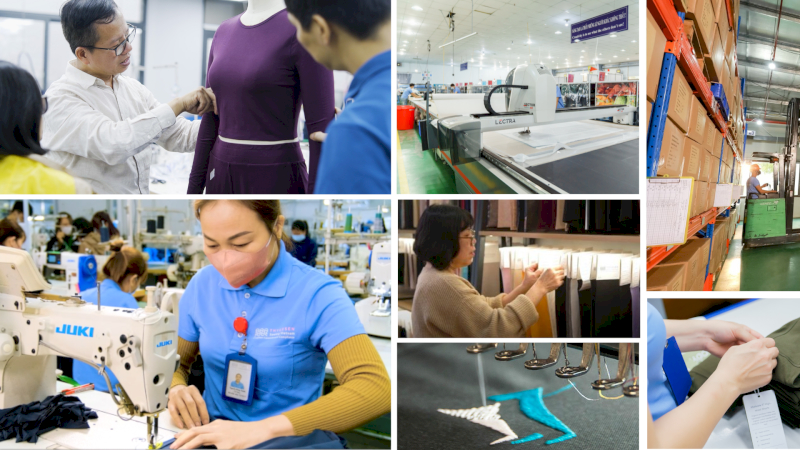
In conclusion, polyester fabric offers durability, versatility, and performance, making it a popular choice for apparel production. As a trusted polyester clothing manufacturer, Thygesen Textile Vietnam provides expert fabric sourcing, consulting, and full-package garment manufacturing solutions to help brands deliver high-quality, reliable products. Discover how Thygesen Textile Vietnam can support your brand by visiting thygesenapparel.com or send us inquiry at: sale@thygesen.com.vn.