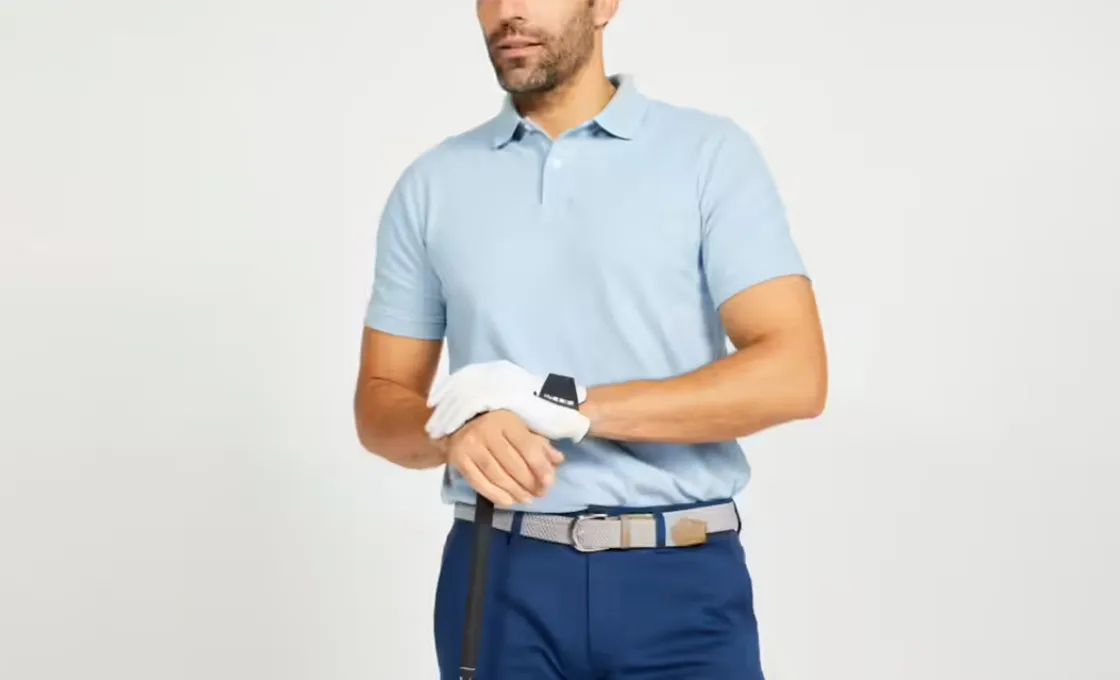
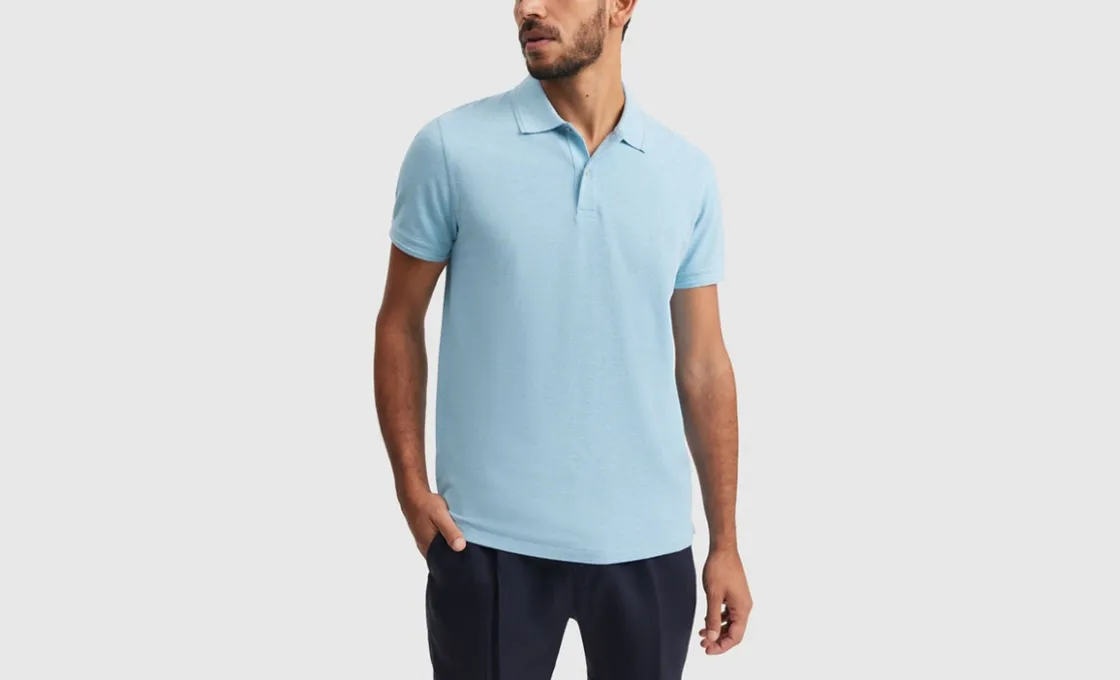
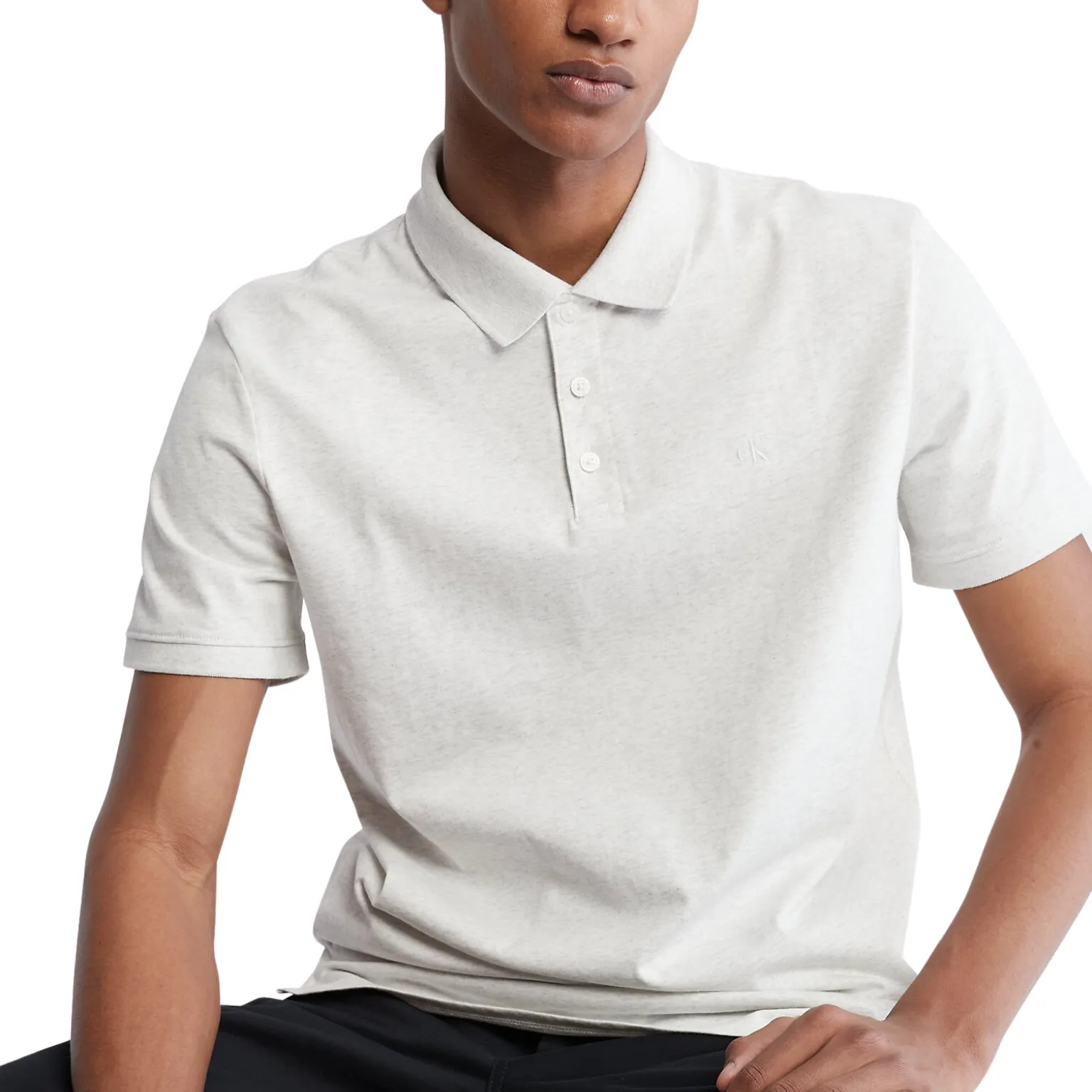
A T-shirt is often perceived as one of the simplest garments in apparel manufacturing, yet behind its simplicity lies a highly structured system that ensures consistency in fit, sizing, and production quality. Without a well-developed T-shirt size chart, even the most basic T-shirt can face significant challenges in fit accuracy and production stability.
1. Role of Size Charts in Apparel Manufacturing
Size charts play a fundamental role in ensuring consistency, accuracy, and efficiency throughout the apparel production process. For brands, they are essential in defining fit standards and maintaining a consistent customer experience across collections and markets. A well-developed size chart not only reflects the brand’s identity, whether slim, regular, or oversized, but also helps reduce return rates by enabling customers to choose the right size with confidence, especially in global e-commerce.
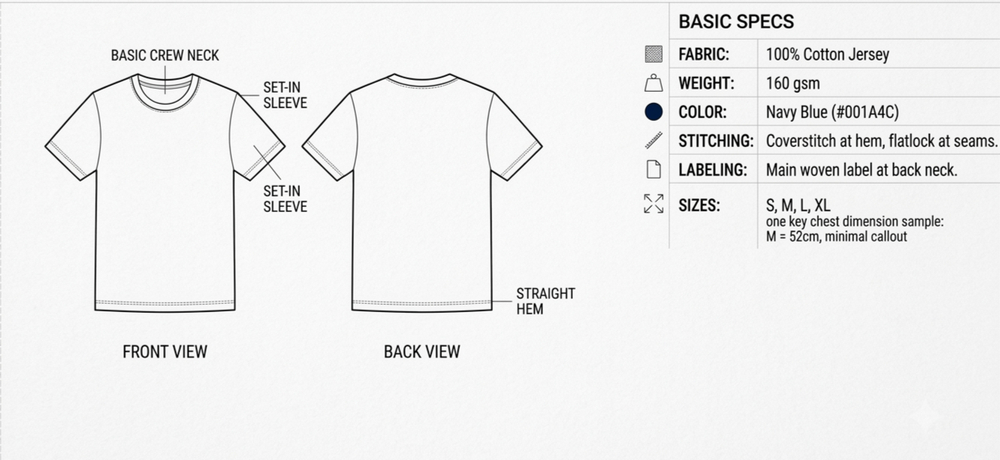
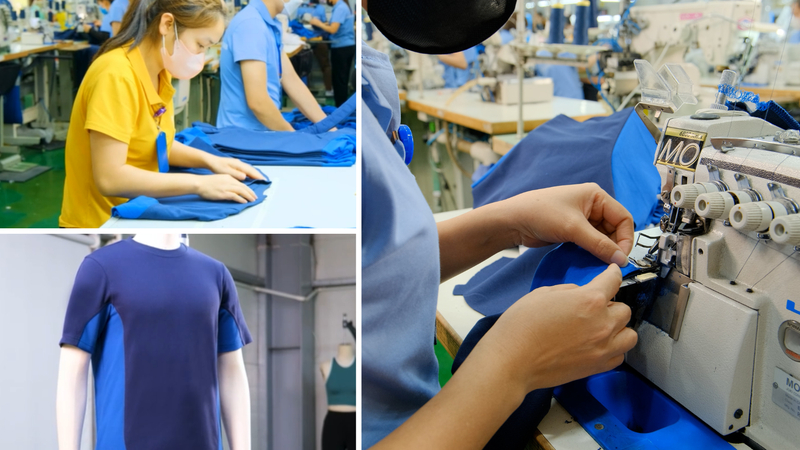
For manufacturers, size charts act as a technical foundation that guides pattern making, grading, and bulk production. They ensure that every garment is produced according to precise measurements, minimizing errors and maintaining uniformity across large quantities. Within the tech pack, the size chart serves as a key reference point that aligns all stakeholders, from designers to production teams. It defines critical measurements and acceptable tolerances, ensuring that samples and final products meet the intended specifications while streamlining communication and approval processes.
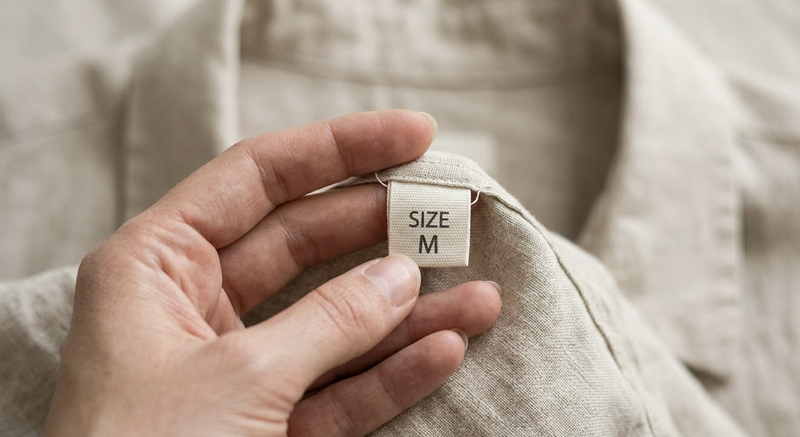
>> These technical documents are especially important in cut and sew manufacturing — a production method where fabric panels are precisely cut to pattern and assembled through specialized stitching, making accurate size charts essential for ensuring consistent fit and construction quality across all units. Brands can explore a curated list of cut and sew manufacturers to find experienced partners that can support size chart development and reliable bulk production.
2. Key Elements That Define an Accurate Size Chart
An accurate size chart is built on several technical elements that ensure consistency from development to bulk production. These components are not only essential for achieving the desired fit but also for aligning expectations between brands and manufacturers throughout the production process.
- Detailed Points of Measurement (POM): Points of Measurement define exactly where and how each part of the T-shirt is measured, such as chest width, body length, and sleeve length. Clear POM guidelines ensure consistency between sampling, production, and quality control.
- Grading Rules (Size Increments): Grading rules determine how measurements increase or decrease between sizes (e.g., from S to M to L). Proper grading ensures proportional scaling, maintaining the intended fit and silhouette across all sizes in the range.
- Measurement Tolerances: Tolerances specify the acceptable margin of variation in production, typically noted as ± values. They account for minor deviations during manufacturing while ensuring garments still meet quality standards and fit expectations.
- Body vs. Garment Measurements: Body measurements refer to the wearer’s physical dimensions, while garment measurements indicate the actual size of the finished T-shirt. Understanding the difference helps brands achieve the desired fit, whether close-fitting or relaxed.
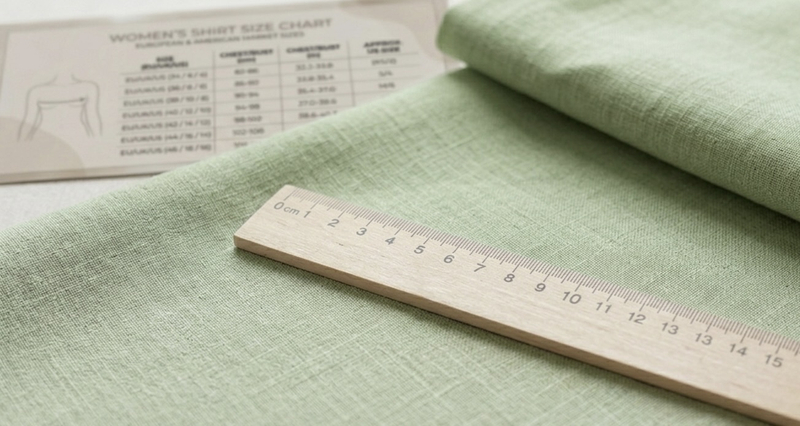
3. Men’s T-Shirt Sizing
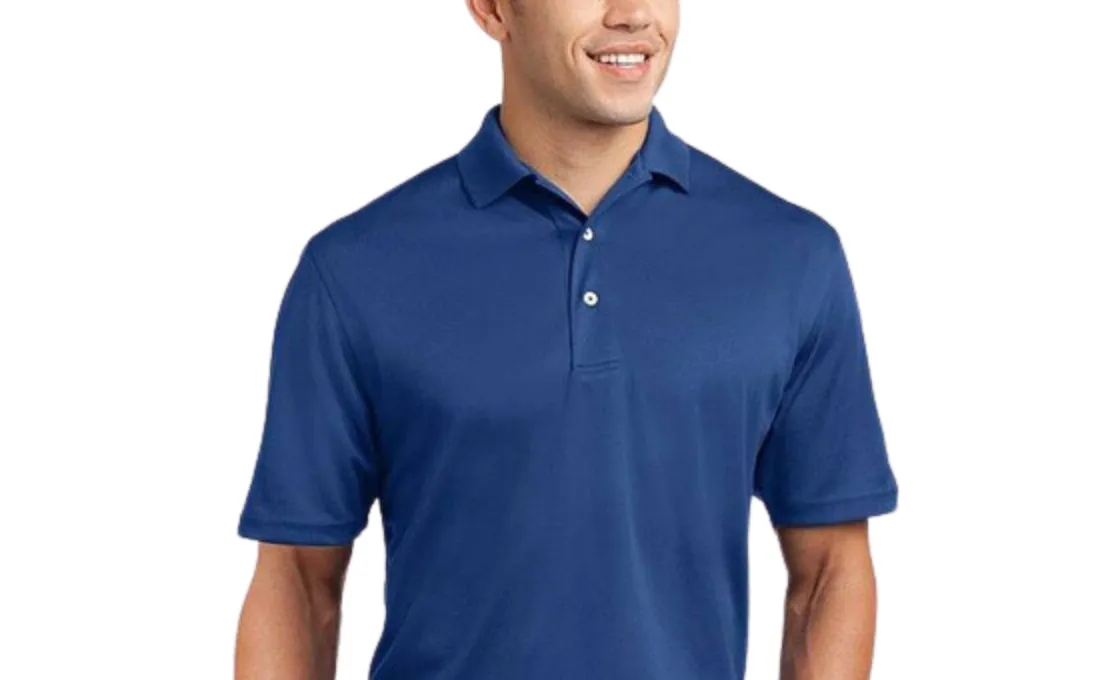
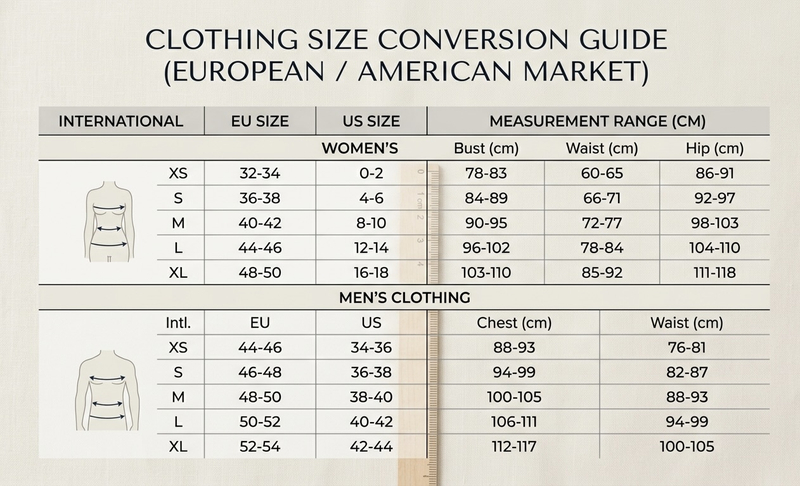
Men’s T-shirt sizing is typically built around a standard size range such as S, M, L, and XL, which most brands use as a base for their collections. However, even within this standard system, there are variations in cut and proportions depending on brand positioning, target market, and fashion trend. These differences make it important for size charts to clearly define not only the size labels but also the exact measurements behind each size.
The classic or relaxed fit is designed to provide more room in the chest and body, creating a looser and more comfortable silhouette that suits everyday wear. In contrast, the pro or narrow fit follows the body more closely, with reduced width and more tailored proportions for a sharper, more fitted look. Meanwhile, tall fits are developed specifically for taller individuals, offering extra body length while keeping the width proportionate, ensuring comfort without compromising style or balance.
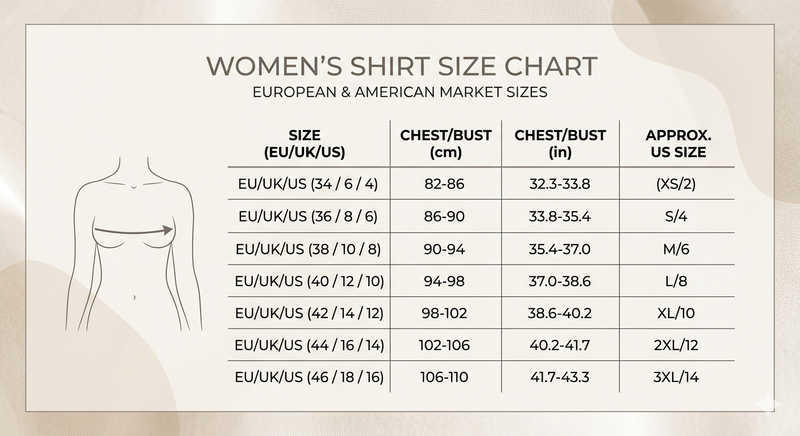
4. Women’s T-Shirt Sizing
Women’s T-shirt sizing often combines numeric sizing systems with different fit interpretations, making it more complex than standard unisex or men’s sizing. Many brands use common numeric references such as Size 6 (XS), Size 10 (M), Size 14 (XL), and Size 16 (XXL), which are then aligned with their own internal measurement standards. This system allows for more flexibility across different markets, but it also requires clear and consistent size charts to avoid confusion.
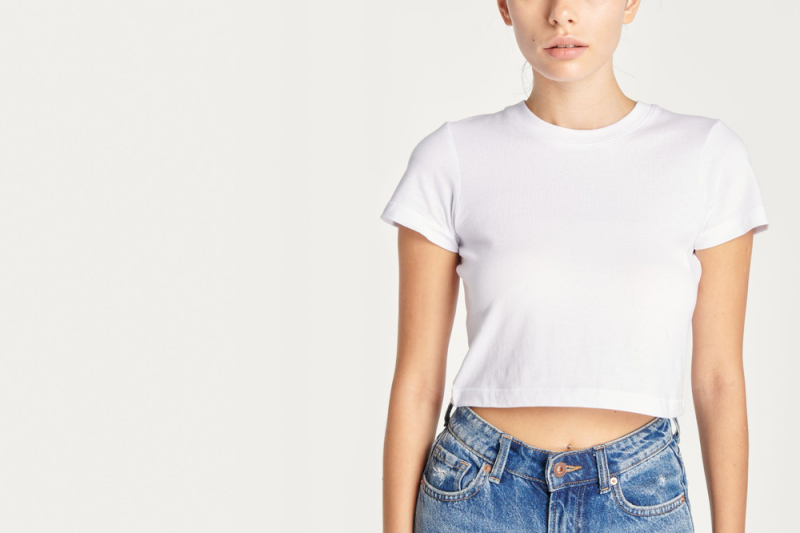
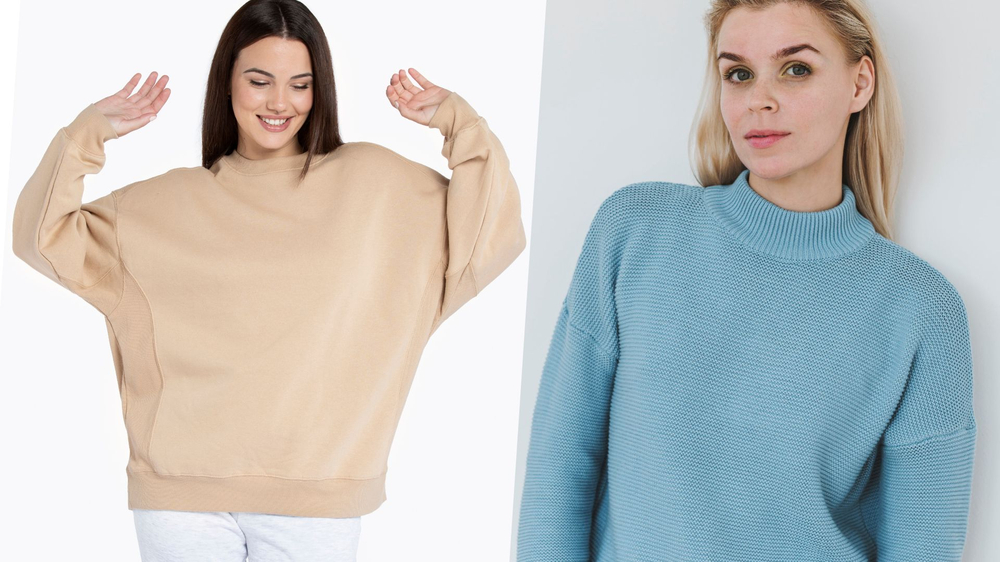
In addition to standard sizing, women’s T-shirts are developed in various fit variations depending on brand direction and target customer. Styles can range from regular fit to more fitted silhouettes that contour the body, or oversized designs that follow current fashion trends. On top of this, style differences also play a major role in sizing—cropped T-shirts, fitted tops, and tank styles can share the same size label but still have very different measurements in length, width, and proportions.
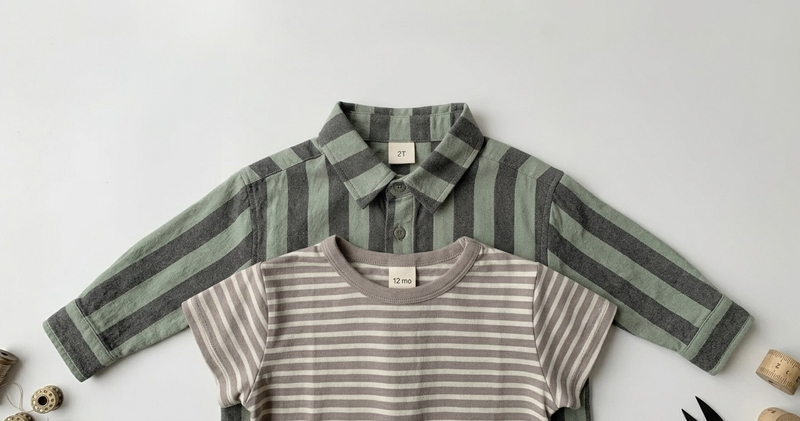
5. Kids & Youth T-Shirt Sizing
Children’s sizing is typically based on age ranges rather than precise body measurements, which makes it easier for parents to shop but also introduces variability. Common references include Youth XS for approximately 6-year-olds, Youth Small for ages 8-10, Youth Medium for ages 10-12, and Youth Large for ages 12-14. However, because children grow at different rates, age alone can often be an unreliable indicator of fit, especially across different regions and body types.
5. Key Tips When Using T-Shirt Size Charts
- Market Alignment: Clearly defining the target market is essential because EU, US, and Asian sizing systems differ significantly in both measurements and fit expectations. Without regional alignment, the same size label can result in inconsistent fit across markets. Brands should always adapt or convert size charts based on the intended sales region.
- Fit Consistency: Aligning the size chart with the intended fit type, whether regular, slim, or oversized, ensures design consistency from concept to final product. Each fit requires different baseline measurements and proportions, so the size chart must reflect the design intention accurately to avoid distortion during production.
- Grading Logic: Accurate grading logic is critical to maintaining proportional balance across all sizes. Each size step must follow a consistent and logical increment; otherwise, the garment may lose its intended silhouette when scaled up or down.
- Size Scaling Control: Paying attention to size grading jumps in manufacturing helps prevent uneven transitions between sizes. Inconsistent grading increments can lead to noticeable fit issues, especially in bulk production where variations become more apparent.
- Fabric Behavior: Fabric behavior such as stretch, recovery, and shrinkage should always be considered when defining measurements. Different materials react differently after washing or wear, which directly impacts final fit. >> For brands developing performance or athletic T-shirts where fabric behavior is especially critical, partnering with experienced athletic clothing manufacturers ensures access to technical fabric expertise and size grading knowledge specific to stretch and performance materials. A curated list of athletic clothing manufacturers is available for brands comparing production partners across different markets.
- Sample Validation: Finally, validating size charts through fit samples before bulk production is essential to minimize production risks. This step ensures that all measurements, grading, and fit expectations are correctly translated into real garments before scaling up.
6. Thygesen Textile Vietnam – Reliable Clothing Manufacturer in Vietnam
With over 90 years of experience in the textile and garment industry and long-term partnerships with international brands, Thygesen Textile Vietnam understands that sizing is not just about measurements, but about translating fit intent into consistent, scalable standards across all sizes. >> Brands evaluating production partners for their T-shirt collections can also explore a comprehensive list of experienced t-shirt manufacturers across different markets to compare capabilities, MOQs, certifications, and fit development expertise before committing to a long-term partner.
Our product development, technical teams, and experienced sample makers carefully review each garment in terms of fit, proportions, construction details, and overall balance. While staying aligned with customer requirements, we proactively suggest improvements based on our expertise to achieve the best possible result.
To ensure accuracy, we develop fit using Alvanon dummies that cover international size standards for both adults and children. We can also create custom dummies based on your brand’s size charts for more precise fitting. In addition, garments are tested on real bodies to evaluate actual wear, allowing us to identify and correct any fit issues. Size grading samples are also developed and reviewed to ensure consistency across all sizes before bulk production.
In conclusion, in T-shirt manufacturing, a well-developed size chart is more than just a set of measurements – it is the foundation for achieving consistent fit, efficient production, and reliable product quality at scale. If you are looking for an experienced apparel manufacturer that can support and advise on size chart development, Thygesen Textile Vietnam is ready to be your trusted partner. For inquiries, please contact us at sale@thygesen.com.vn or visit our website at thygesenapparel.com.vn.
> Beyond T-shirts, Thygesen also serves as a dedicated pajama manufacturer, applying the same rigorous size chart development, fit testing, and full-package production approach to sleepwear collections — ensuring comfort, safety, and sizing consistency for brands developing premium pajama lines.
For brands developing fleece or outerwear lines that require similarly precise sizing and fit development, exploring a curated list of hoodie manufacturer partners can help identify a production partner experienced in size grading for heavier, structured garments.