T-shirt printing plays a key role in apparel production, and understanding how t-shirts are printed helps explain how plain garments are transformed into branded, functional, or creative products. Depending on fabric type, design complexity, and production scale, different printing methods are applied for both bulk manufacturing and custom orders.
1. Popular T-Shirt Printing Methods
Different printing methods serve different production needs. The right choice depends on volume, fabric, design complexity, and budget.
1.1. Screen Printing
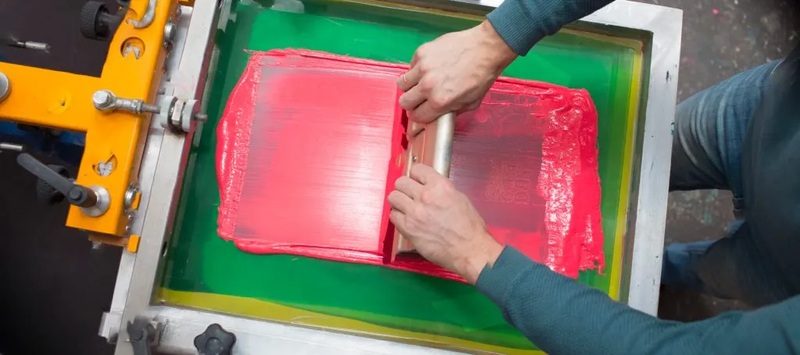
Screen printing is one of the most widely used methods in t-shirt production, especially for bulk orders. The technique involves pushing ink through a mesh screen onto the fabric, with each color requiring a separate screen. It is highly valued for its strong color vibrancy, durability, and cost efficiency in large-scale production.
One of its key strengths is the ability to produce bold, long-lasting prints that withstand repeated washing, making it ideal for logos and simple graphic designs. However, screen printing is less suitable for highly detailed or multi-color designs, and the setup process can be time-consuming and costly for small quantities.
In addition, screen printing is most efficient when production volumes are high, as the initial setup cost is distributed across large batches. This makes it a preferred choice for uniforms, promotional t-shirts, and commercial branding where consistency and durability are key priorities. Brands developing printed fleece pieces can also explore a curated list of experienced hoodie manufacturer partners to compare printing capabilities and production scale.
1.2. Direct-to-Garment (DTG)
Direct-to-Garment (DTG) printing works like an inkjet printer, applying ink directly onto the fabric surface. It is best suited for 100% cotton garments, where ink absorption delivers the best print quality.
DTG enables highly detailed, photo-quality prints with unlimited color options, making it ideal for complex and creative designs. With minimal setup required, this method is especially efficient for small orders, sample runs, or one-off customized pieces.
However, DTG is generally less cost-effective for large-scale production and may show reduced durability compared to traditional methods like screen printing, particularly after multiple washes depending on fabric and care conditions.
1.3. Direct-to-Film (DTF)
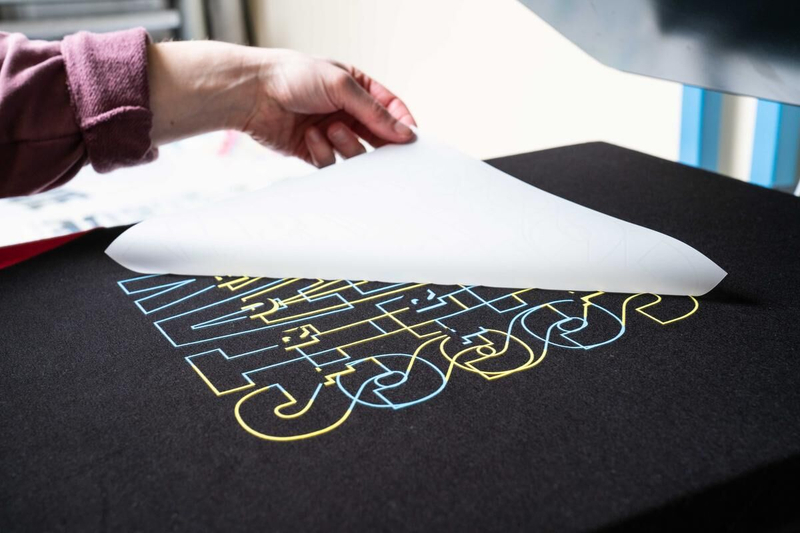
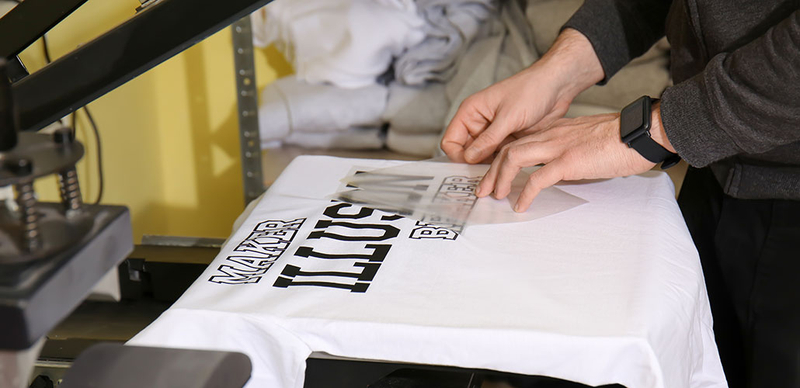
Direct-to-Film (DTF) printing involves printing a design onto a PET film, which is then heat-pressed onto the T-shirt. This method works well on a wide range of fabrics, including cotton, polyester, and blends, making it highly versatile.
DTF delivers vibrant colors, strong detail, and good durability without the need for fabric pre-treatment. It is also efficient for producing complex, multi-color designs while maintaining consistent print quality.
Thanks to its flexibility and relatively low setup requirements, DTF is becoming increasingly popular for both small and mid-scale production runs.
1.4. Dye Sublimation
Dye sublimation is a printing method that uses heat to convert ink into gas, allowing it to bond directly with fabric fibers. It is most effective on light-colored, 100% polyester fabrics to achieve optimal print clarity and color performance.
Because the ink becomes part of the fabric itself, the result is a soft, breathable, and highly durable finish that will not crack or peel over time. This makes it especially suitable for all-over printing (AOP) designs and performance apparel.
However, its application is limited to synthetic materials, which means it is not suitable for natural fibers like cotton or linen.
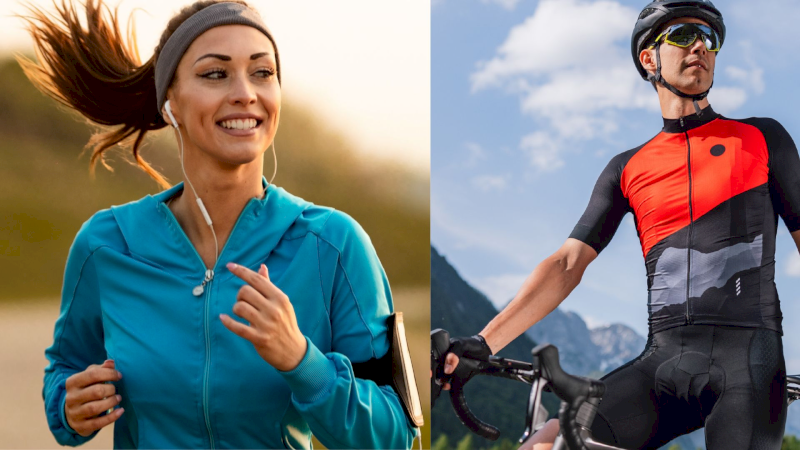
>> For brands developing sublimation-printed performance collections, partnering with experienced athletic clothing manufacturers ensures access to the right technical fabric knowledge, printing expertise, and scalable production capabilities. A curated list of athletic clothing manufacturers is available for brands comparing options across different markets and specializations.
1.5. Heat Transfer Vinyl (HTV)
Heat Transfer Vinyl (HTV) is a method where designs are cut from colored vinyl sheets and then applied to garments using heat and pressure. It is commonly used for names, numbers, and simple logos, particularly in small production runs or customized orders.
This technique has a relatively low setup cost, making it an accessible option for personalized or on-demand printing. It also allows for quick turnaround times and clean, solid-color designs.
However, HTV is not suitable for highly detailed artwork or large-scale production, as it can become time-consuming and less efficient when applied to high-volume orders.
| Printing Method | How It Works | Best For | Advantages | Limitations |
| Screen Printing | Ink is pushed through a mesh screen onto fabric, with each color requiring a separate screen | Bulk orders, logos, simple designs | Durable, vibrant colors, cost-effective for large runs | High setup cost, not suitable for complex or multi-color designs |
| Direct-to-Garment (DTG) | Ink is printed directly onto the fabric like an inkjet printer | Small batches, complex or photo-like designs | High detail, unlimited colors, minimal setup | Less cost-efficient for large orders, lower durability than some methods |
| Direct-to-Film (DTF) | Design is printed on a film and heat-transferred onto fabric | Small to mid-scale production, versatile fabric types | Works on many fabrics, vibrant prints, good durability | Slightly less breathable feel, added transfer process |
| Dye Sublimation | Ink turns into gas and bonds with polyester fibers using heat | AOP designs, sportswear, polyester garments | Soft feel, permanent print, no cracking | Only works on polyester/light fabrics, limited material use |
| Heat Transfer Vinyl (HTV) | Designs are cut from vinyl sheets and heat-pressed onto garments | Names, numbers, simple custom designs | Low setup cost, good for personalization | Not suitable for detailed or large-scale production |
2. Step-by-Step Process of T-Shirt Printing (Example: Screen Printing)
While each printing method has its own variations, the overall workflow can be clearly illustrated through the screen printing process:
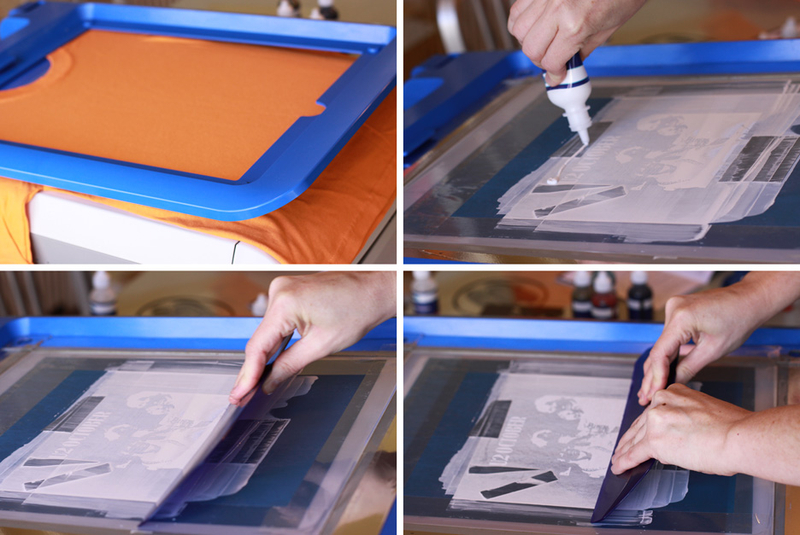
- Gather materials: Prepare all necessary tools and materials, including screens, inks, squeegees, and blank T-shirts. Proper preparation ensures a smooth workflow and helps avoid interruptions during production.
- Set up stencil: Create and apply a stencil or emulsion on the screen to define the exact design areas. This step is crucial for achieving sharp edges and accurate design reproduction.
- Align the design: Position the screen carefully on the garment to ensure correct placement. Proper alignment helps maintain consistency, especially in bulk production.
- Print application: Apply ink onto the screen and use a squeegee to pull it evenly across the surface, transferring the design onto the fabric with controlled pressure.
- Clean equipment: Immediately clean screens, squeegees, and related tools after printing to prevent ink drying and ensure equipment durability for future use.
- Cure the print: Use heat curing methods such as a tunnel dryer or heat press to permanently set the ink, ensuring durability and resistance to washing.
3. Key Considerations When Printing T-Shirts
Choosing the right printing method requires evaluating several key factors that directly affect print quality, production efficiency, and overall garment performance:
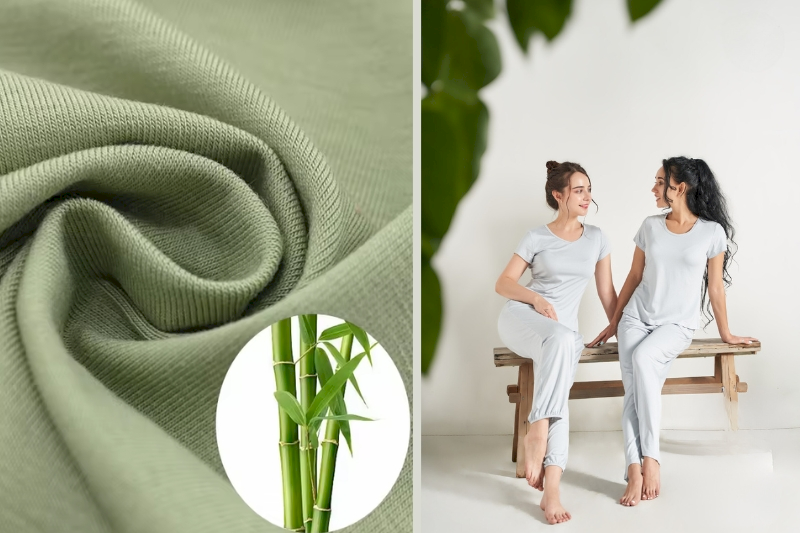
- Fabric type: Each printing technique reacts differently depending on fabric composition. For example, cotton absorbs ink well for DTG printing, polyester works best with sublimation, while blends may require more flexible methods like DTF. Understanding fabric compatibility helps ensure better color output, durability, and overall print stability. >> Brands interested in sustainable natural fibers beyond cotton can also explore bamboo-based fabrics, which are gaining traction in eco-conscious apparel including sleepwear. A curated list of experienced bamboo pajama manufacturers is available for brands looking to expand their sustainable product range alongside their T-shirt collections.
- Design complexity: The level of detail, color range, and style of the artwork strongly influence the printing method selection. Simple logos and bold graphics are well-suited for screen printing, while highly detailed, multi-color, or photo-like designs often require DTG or DTF to achieve accurate reproduction.
- Production volume: Order quantity plays a major role in cost efficiency and method selection. Screen printing is highly cost-effective for large-scale production due to lower unit cost at high volumes, while DTG and HTV are more suitable for small batches, samples, or customized orders where flexibility is more important than scale.
- Durability & end use: The intended use of the garment determines the required print performance. Workwear, uniforms, or frequently washed items need high durability and wash resistance, while fashion or promotional pieces may prioritize visual impact and design flexibility over long-term wear resistance.
4. Thygesen Textile Vietnam: Your Trusted Partner in T-Shirt Manufacturing
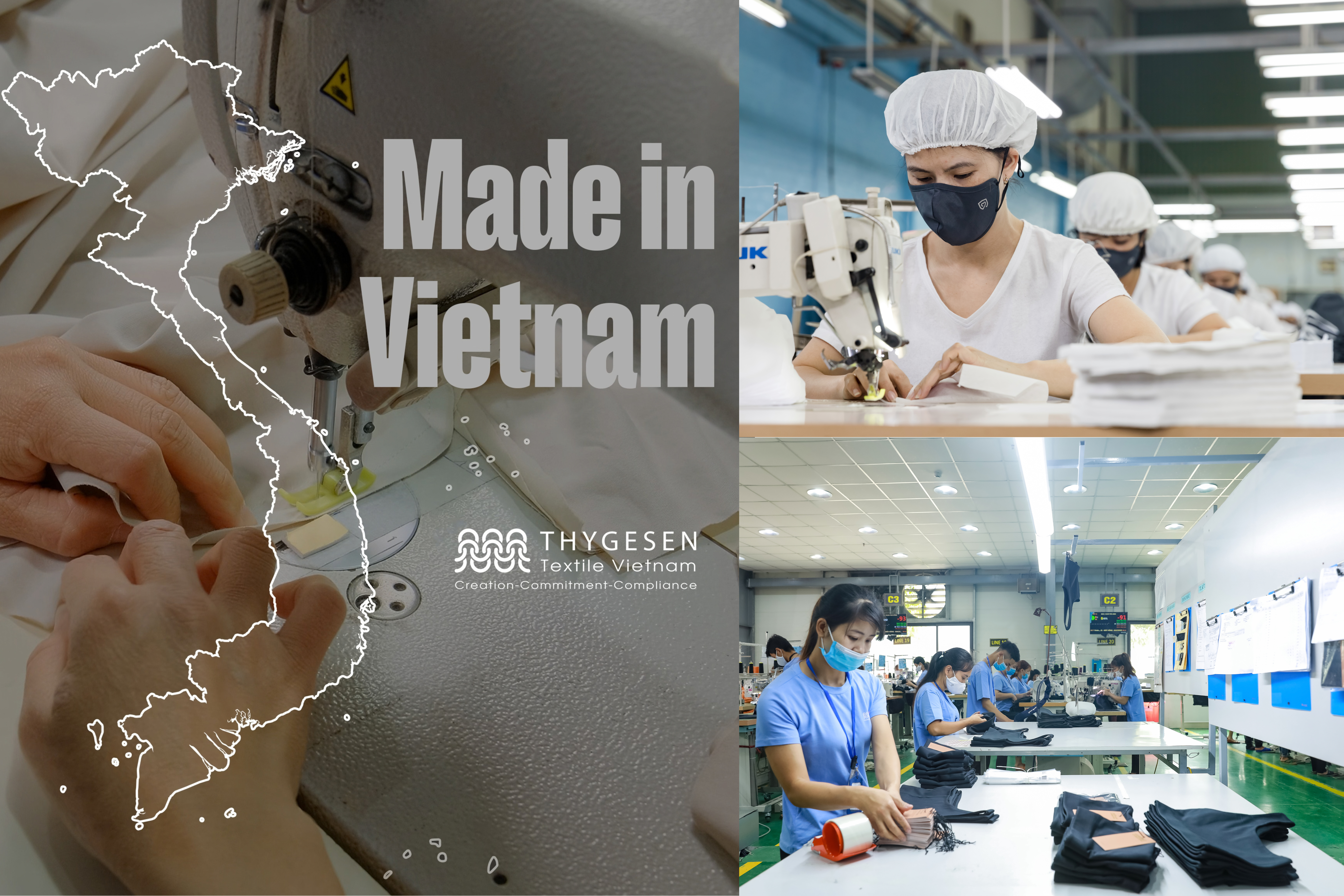
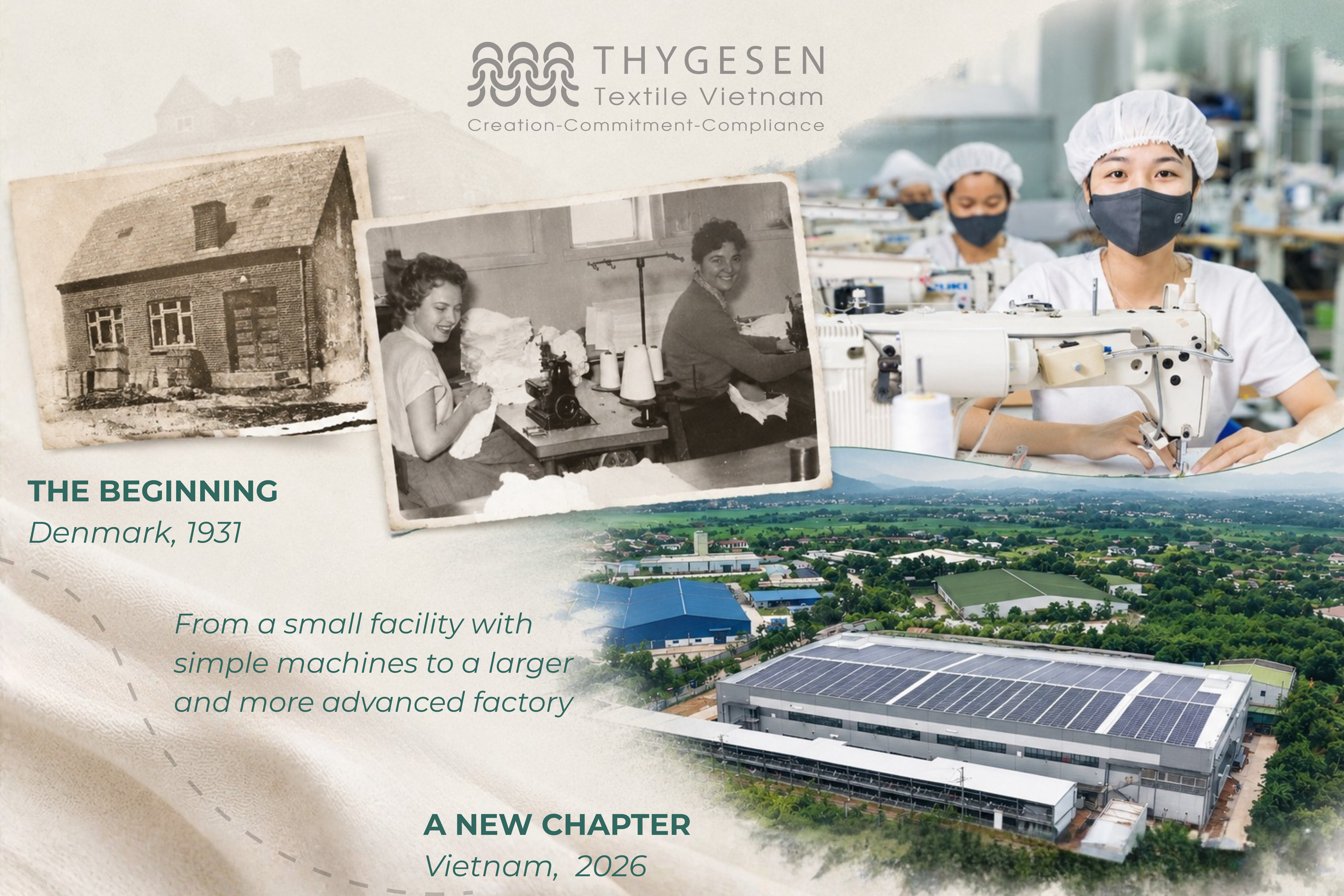
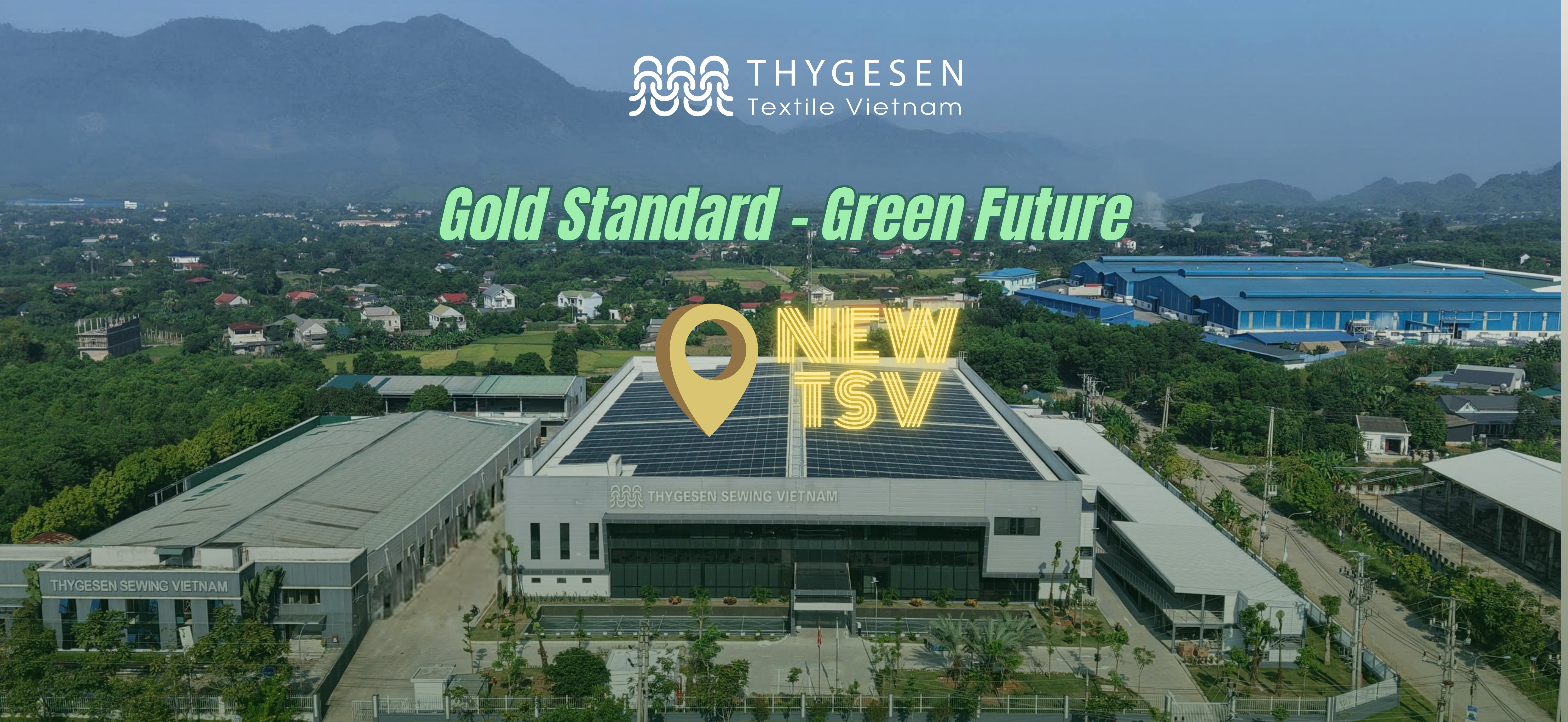
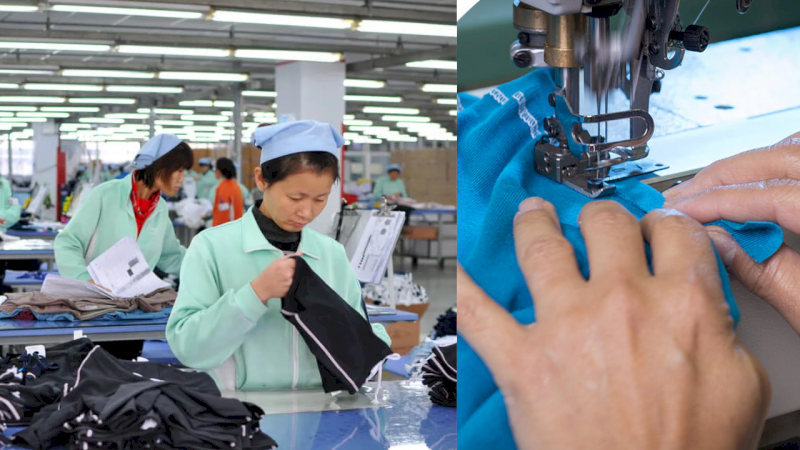
Thygesen Textile Vietnam is a trusted clothing manufacturer in Vietnam, providing full-package OEM/ODM solutions for global apparel brands. With strong expertise in garment development and production, we support clients from fabric sourcing, pattern making, sample development to bulk production and final shipment, ensuring consistency in quality, fit, and delivery across every stage. >> This end-to-end approach follows the cut and sew manufacturing model — where fabric panels are precisely cut to pattern and assembled through specialized stitching, giving brands full control over construction quality, fit consistency, and finishing standards. Brands evaluating production partners can explore a curated list of cut and sew manufacturers to compare capabilities across different markets and product specializations.
T-shirts are one of our core product strengths, where we apply both technical knowledge and manufacturing experience. From basic everyday essentials to more detailed or fashion-driven designs, we are able to support a wide range of requirements depending on each brand’s direction. >> Brands building or scaling their T-shirt collections can also explore a comprehensive list of experienced t-shirt manufacturers across different markets to compare production capabilities, MOQs, certifications, and specializations before selecting a long-term partner.
For printing and decoration, we work with trusted and technologically equipped partners to offer multiple solutions. Depending on fabric type and design complexity, techniques such as screen printing, digital printing, heat transfer, and sublimation are applied to ensure clear, consistent, and durable print results across production.
In conclusion, understanding different T-shirt printing methods such as screen printing, DTG, DTF, sublimation, and heat transfer helps brands select the most suitable solution based on fabric type, design complexity, and production scale to achieve the best balance of quality, durability, and efficiency.
For more information or to discuss your T-shirt development and manufacturing needs, please contact Thygesen Textile Vietnam at sale@thygesen.com.vn or visit thygesenapparel.com.