To create truly comfortable underwear, you need a solid understanding of the different types of underwear fabric. Brands often choose materials like cotton, modal, bamboo, microfiber, or nylon for their superior softness, breathability, and flexibility. Get a closer look at each fabric in the full guide below.
1. Best 10 Types Fabric for Underwear Manufacturing
Below is a breakdown of the most common types of underwear fabric, along with their benefits, typical weights, and popular blend options used in the industry.
1.1 Cotton
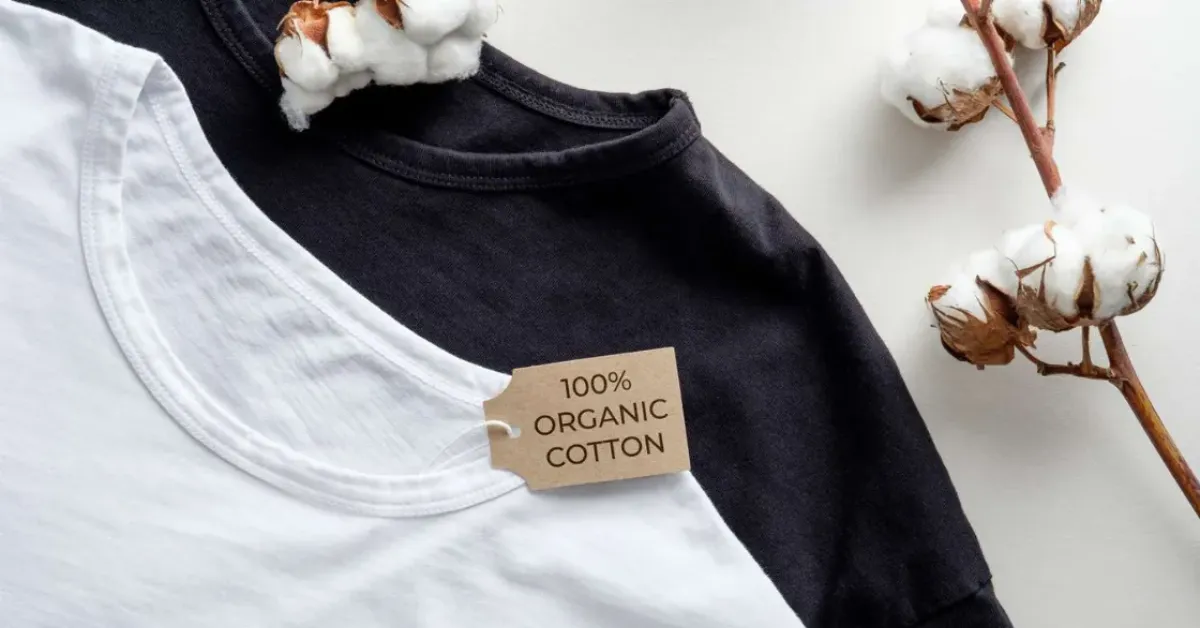
Cotton remains a classic choice for underwear thanks to its natural softness, breathability, and skin-friendly properties. It absorbs moisture well and provides everyday comfort. Underwear fabrics typically range 140-200 gsm. Cotton is often blended with 5–10% spandex to improve stretch and recovery. Some brands use cotton/polyester blends (60/40 or 50/50) for better durability and shrink resistance. It’s ideal for consumers seeking natural, hypoallergenic comfort. 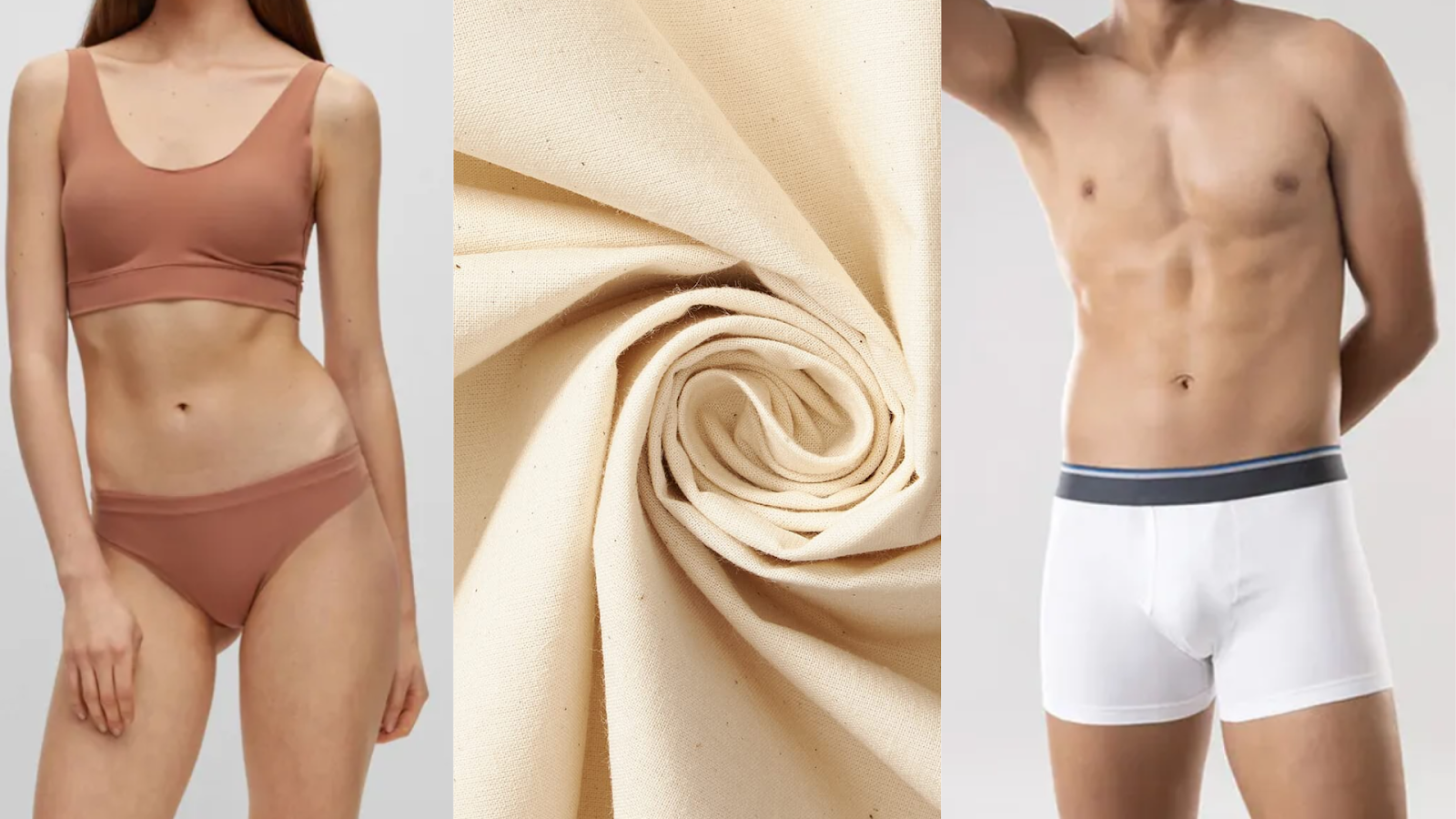 To create comfortable underwear, brands typically choose from common types of underwear fabric like cotton, modal, bamboo, microfiber, or nylon for their softness, breathability, and flexibility
1.2 Bamboo
Bamboo offers a silky handfeel, excellent breathability, and natural antibacterial benefits. It regulates temperature effectively, making it suitable for both warm and cool climates. Bamboo jerseys for underwear are usually 160-220 gsm. Common blends include 95/5 or 92/8 bamboo–spandex, providing softness with enough elasticity. Sometimes blended with cotton (70/30) for added structure. Great for sensitive skin and eco-minded brands.
1.3 Nylon
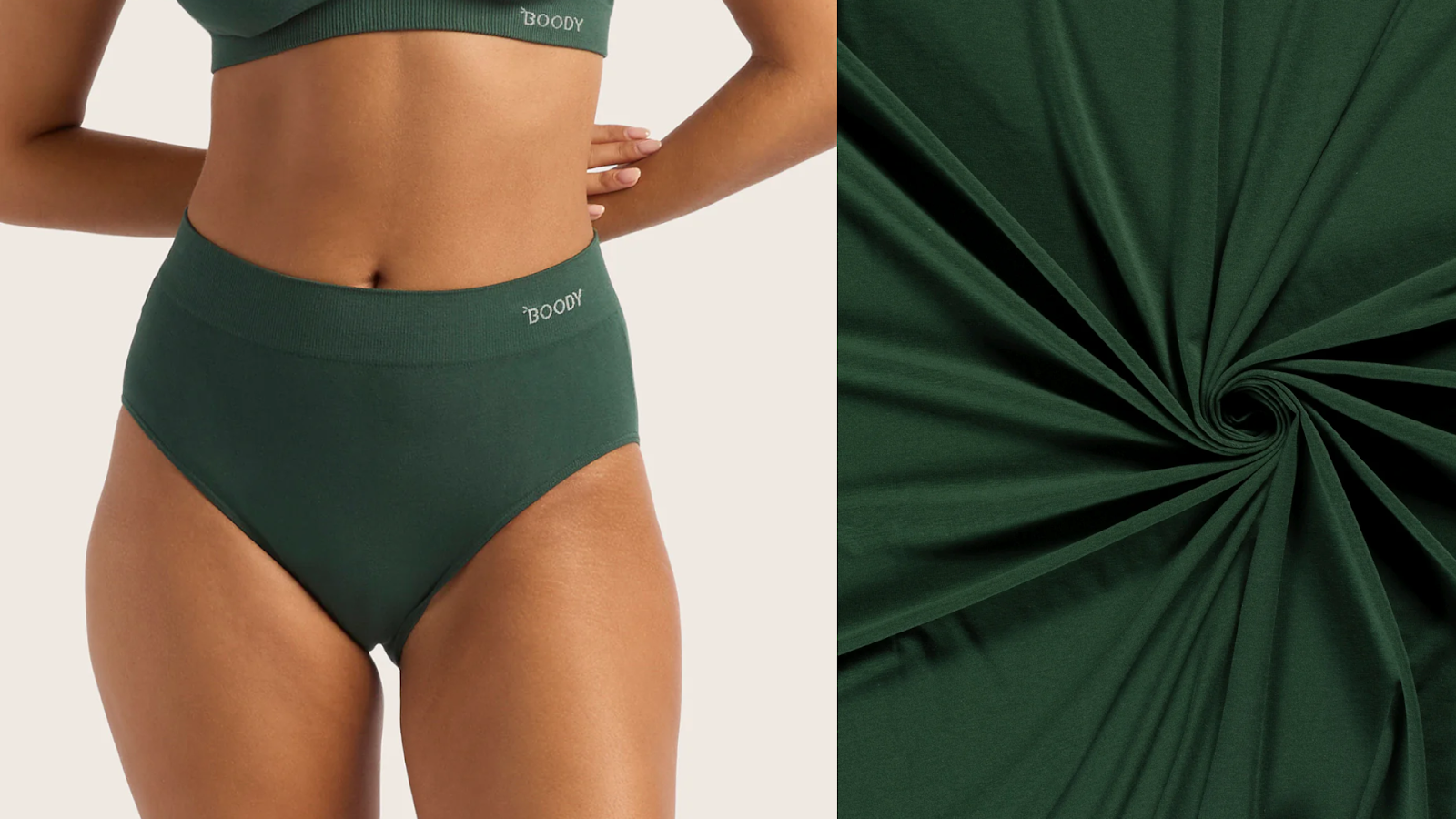
Nylon is valued for outstanding stretch, durability, and a smooth, lightweight feel. It dries quickly and retains shape well, making it perfect for seamless and performance underwear. Typical weight is 120-180 gsm. Standard blends include 85/15 or 90/10 nylon–spandex, optimized for high elasticity. Some performance lines use nylon/poly blends (80/20) to enhance stability. Ideal for sporty and lingerie styles.
This same stretch-and-recovery profile is also why nylon is a go-to fabric across the broader activewear category – if you’re sourcing beyond underwear, our list of trusted athletic apparel manufacturers is worth checking out.
1.4 Polyester
Polyester provides durability, moisture-wicking ability, and colorfastness. It resists shrinking and creasing, helping underwear maintain its shape over time. Fabric weights range 130–180 gsm. Polyester is commonly blended with 10-15% spandex for stretch, or poly/cotton (65/35) for breathability and comfort. Suitable for active and quick-dry underwear designs.
1.5 Modal
Modal is known for its luxurious softness, excellent moisture absorption, and smooth feel. It’s durable yet breathable, making it ideal for comfort-driven collections. Underwear fabrics typically fall between 150-200 gsm. Modal is usually blended with 5-10% spandex, or modal/cotton (50/50 or 60/40) for added structure. A premium choice for soft, high-comfort underwear.
1.6 Microfiber
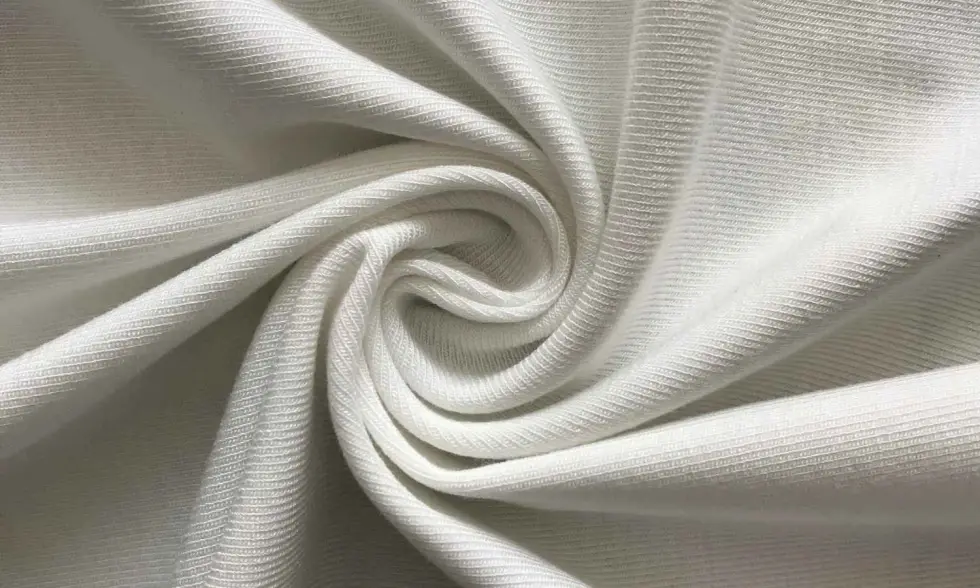
Microfiber provides a silky, lightweight feel with excellent moisture-wicking performance. Its ultra-fine fibers create a smooth, barely-there sensation. Typical underwear weights are 120-160 gsm. Microfiber blends often include 10-15% spandex to increase stretch. Some seamless tech uses microfiber/nylon combos (70/30 or 80/20) for a clean, smooth fit. Great for body-hugging styles.
1.7 Recycled Polyester
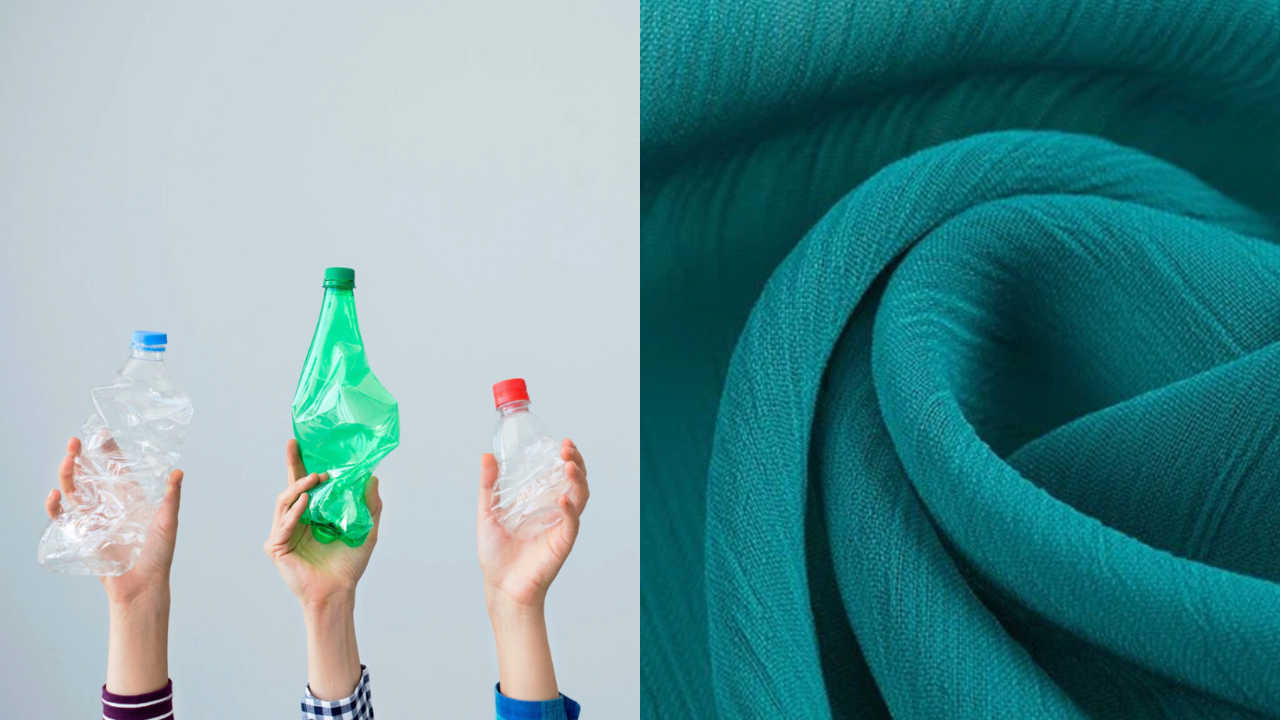
Recycled polyester delivers durability and quick-dry performance while reducing environmental impact. It mirrors the functionality of virgin polyester but with a sustainable footprint. Fabric weights range 130-180 gsm. Common blends include recycled poly/spandex (85/15 or 88/12) for elasticity, and recycled poly/nylon blends (70/30) for technical performance. Ideal for eco-friendly active underwear.
1.8 Silk
Silk stands out for its luxurious softness, natural temperature regulation, and hypoallergenic nature. It feels cool yet keeps warmth close to the skin. Underwear typically uses lightweight 70-120 gsm silk. It can be blended with 5-8% spandex for stretch, though many premium pieces remain 100% silk. Best suited for luxury and delicate lingerie.
1.9 Tencel™ Lyocell
Tencel Lyocell offers exceptional softness, moisture management, and sustainable production. It drapes well and stays breathable all day. Fabric weights usually range 150-200 gsm. Common blends include Tencel/spandex (95/5 or 92/8) for stretch, or Tencel/cotton (60/40) for improved stability. A strong sustainable alternative to modal and bamboo. You may also like: What Is Lyocell Fabric? How it’s Made, Common Uses, and Fabric Guide
1.10 Merino Wool (Ultra-fine)
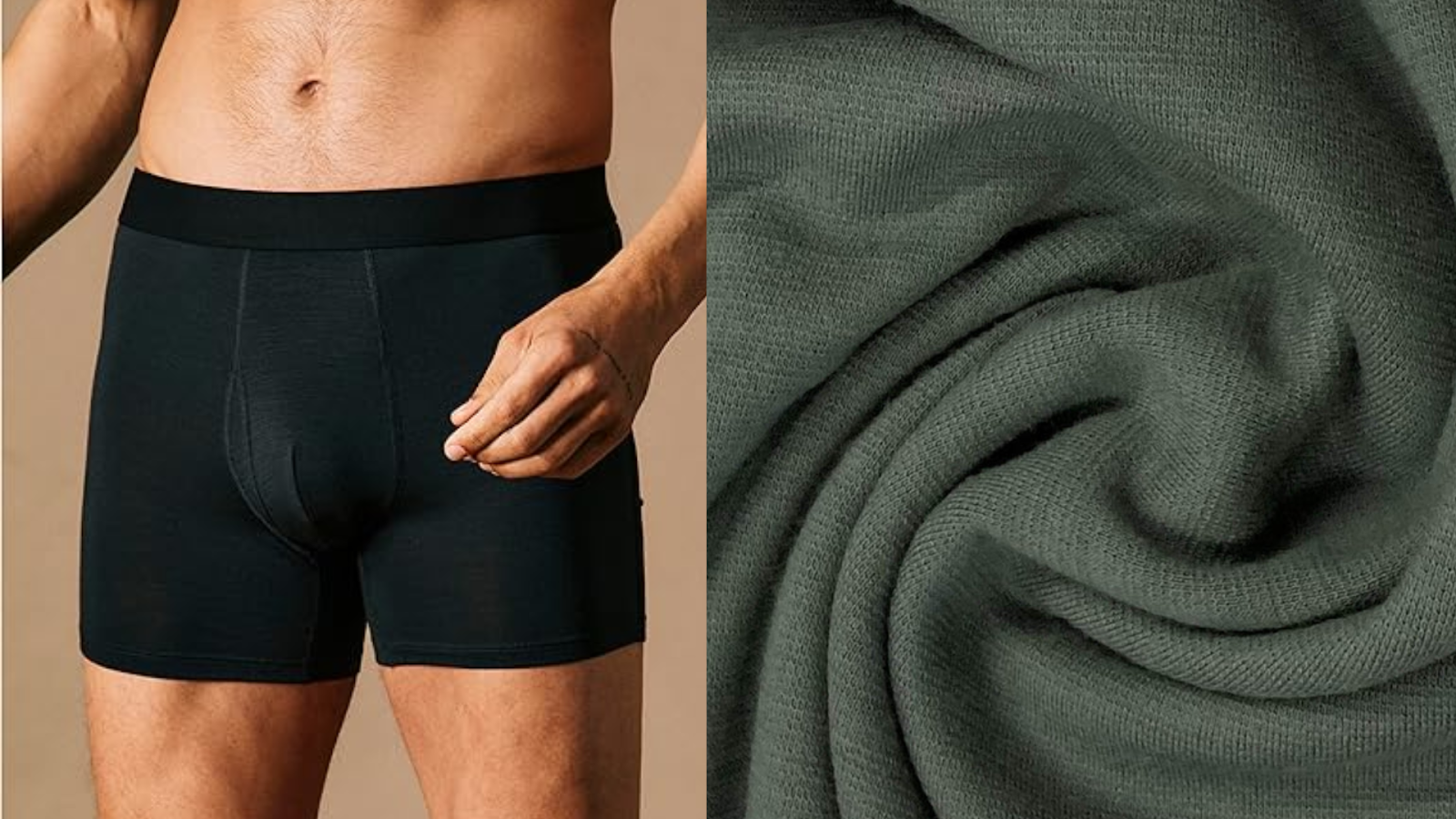
Ultra-fine Merino wool (≈17.5 microns or finer) is surprisingly suitable for underwear thanks to its thermoregulation, odor resistance, and softness. Underwear fabrics range 140-180 gsm. Common blends include merino/nylon (80/20 or 90/10) to enhance durability, and merino/spandex (95/5) for elasticity. Ideal for outdoor, travel, and performance underwear.
2. Value-Added Factors in Underwear Fabric Selection
Beyond basic comfort and breathability, several value-added factors can significantly enhance the performance, durability, and overall user experience of underwear. These elements help brands differentiate their products and ensure each fabric meets both functional and market expectations.
- Moisture-wicking and quick-dry performance: Fabrics that pull sweat away from the skin and dry quickly help reduce clamminess and irritation, making them ideal for everyday and active underwear. Polyester, microfiber and nylon with micro-denier yarns or engineered knits offer strong wicking, and finishes can speed up evaporation significantly. Typical blends use 85-95% synthetic fibers with 5-15% elastane for added stretch.
- Stretch, recovery and fit stability: Good elasticity ensures a consistent fit and prevents sagging after repeated wear. Most underwear fabrics blend 5-10% elastane with cotton, modal, nylon or polyester, while body-hugging styles may go up to 12-15%. Testing stretch, recovery and waistband stability helps maintain long-term comfort.
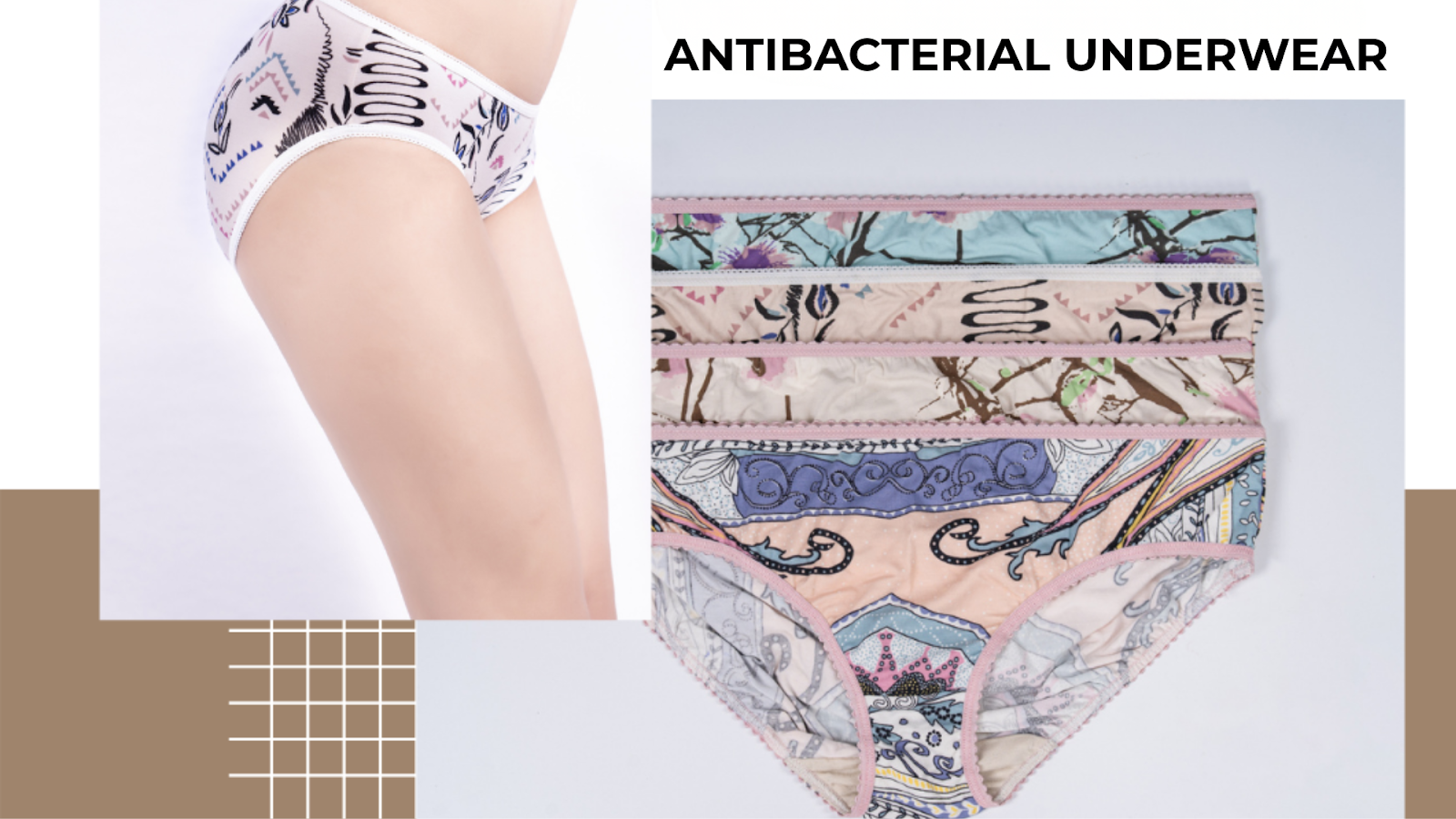
- Odor control and antibacterial properties: Keeping bacteria growth low helps underwear stay fresher for longer. Bamboo, Tencel™ and Merino naturally resist odor, while synthetics often use durable anti-odor finishes such as silver or carbon treatments. Brands usually consider performance after 20-50 washes to ensure durability.
- Thermoregulation and microclimate comfort: Fabrics that regulate temperature enhance comfort across hot and cool conditions. Bamboo, modal, silk and merino insulate naturally and stay breathable, while engineered polyester knits can increase airflow using mesh or lightweight structures. GSM typically ranges from 120-150 for warm climates and 150-200 for cooler use.
- Durability, abrasion and pilling resistance: Long-lasting smoothness and fabric integrity improve user experience and garment life. Nylon and polyester blends with filament yarns resist abrasion and pilling better than low-twist naturals; cotton/poly 60/40 or similar blends often improve stability without losing softness.
- Sustainability and material traceability: Eco-focused materials like recycled polyester, Tencel Lyocell and certified viscose offer lower impact when backed by trusted certifications. GRS, RCS and OEKO-TEX are the most common standards, and brands often highlight exact blend percentages to ensure transparency.
3. Few Notes for Choosing Underwear Fabrics
Below are key points to consider when choosing fabrics for your underwear collection:
- Comfort and Fit Come First: The foundation of any underwear is how it feels and fits. Prioritize fabrics that are soft, breathable, and stretch appropriately to support movement and body shape throughout the day.
- Insist on Maximum Color and Wash Durability: Since underwear is laundered frequently, demand the highest standards for color fastness from your mill, as maintaining vibrant color and preventing fading or bleeding is non-negotiable for quality and repeat purchases.
- Don’t Put All Your Eggs in One Material Basket: Relying on a single raw material, such as 100% cotton, can make brands more vulnerable to price fluctuations and supply disruptions. For those wondering what are natural fabrics, they are textiles made from fibers obtained from plant or animal sources, including cotton, bamboo, silk, and merino wool. Combining these materials with suitable synthetic fibers can improve stretch, durability, recovery, and supply-chain flexibility.
- Align Material Choice with Your Brand Promise: Do not source fabric based on price alone; the chosen material must directly reinforce your brand’s core claim (e.g., if you sell performance wear, use technical synthetics; if you focus on luxury, use Micro-Modal or silk blends).
Fabric selection is only one part of developing a successful underwear collection. Working with an experienced cut and sew manufacturer helps brands evaluate how fabric weight, stretch, recovery, shrinkage, and surface stability affect pattern development, cutting accuracy, seam construction, waistband attachment, and final garment fit. Early testing and sampling can reduce production risks before bulk manufacturing.
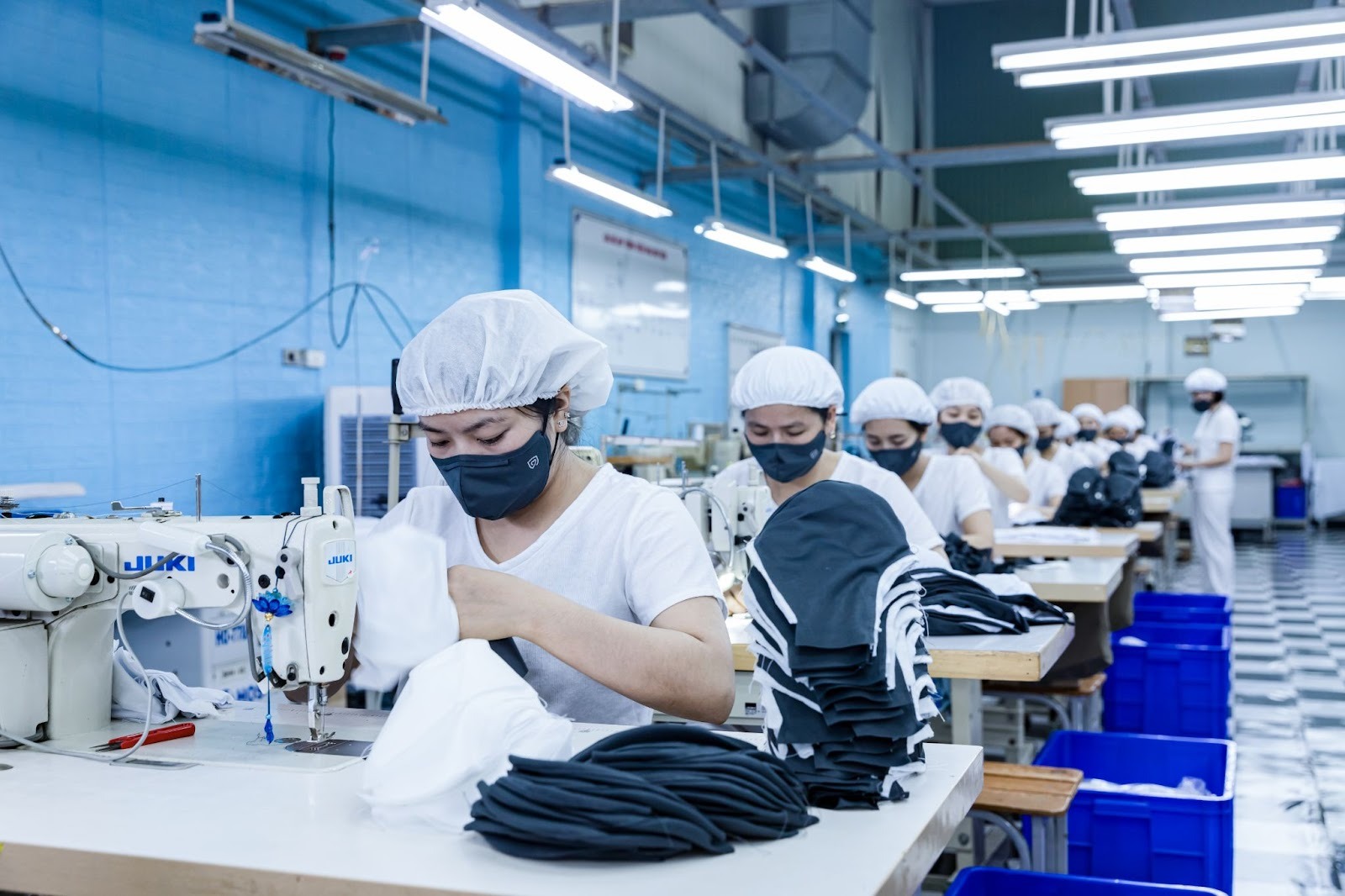
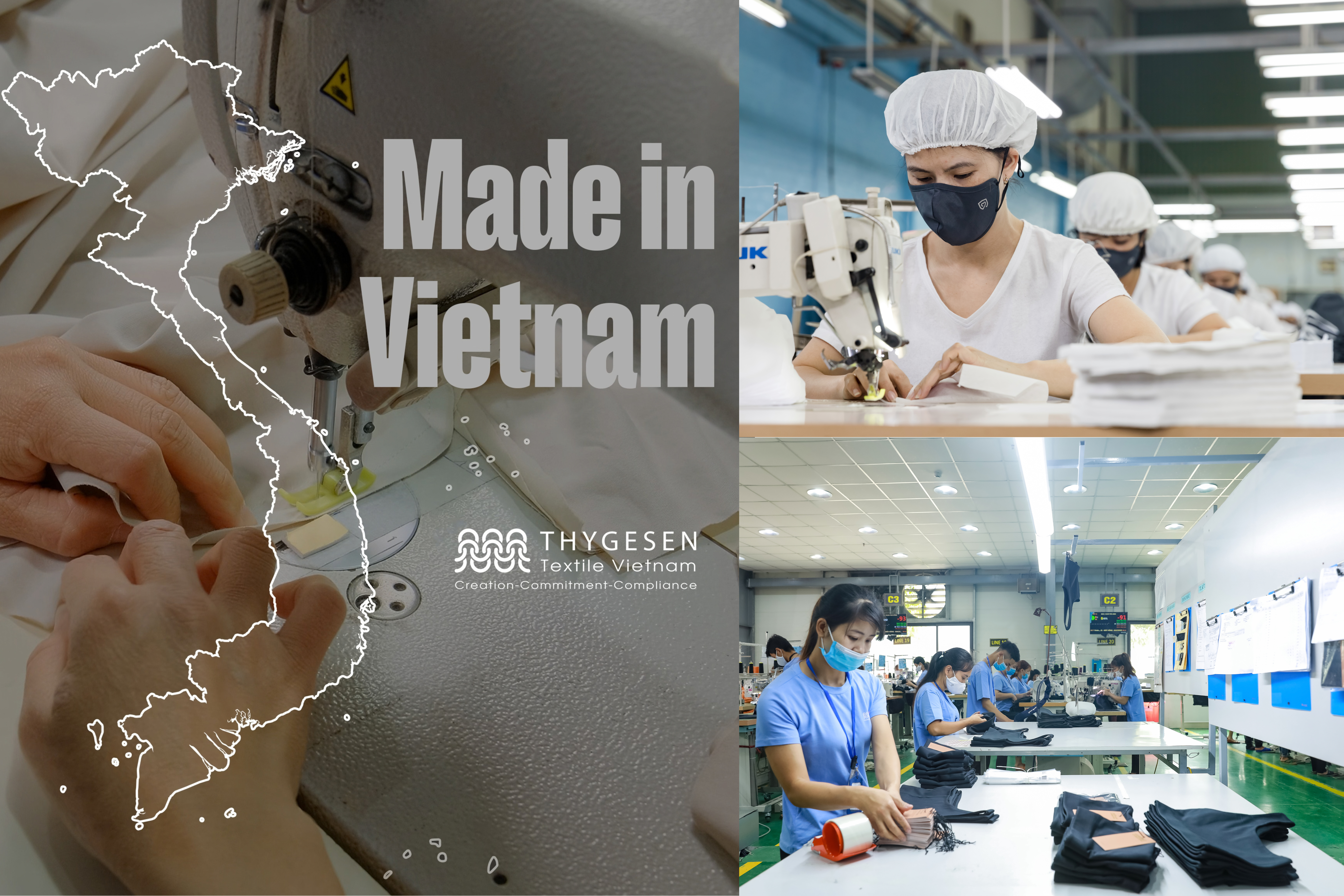
Thygesen advises brands when choosing fabric for underwear: As an experienced underwear manufacturer, Thygesen has supported a wide range of global brands in developing high-quality underwear collections. Drawing on decades of experience in fabric sourcing, product development, fit optimization, and bulk production, we recommend that brands consider the following factors when selecting underwear fabrics:
|
In conclusion, the most common types of underwear fabric include cotton, bamboo, modal, nylon, polyester, microfiber, silk, and recycled or sustainable blends, each offering unique comfort, durability, and performance. At Thygesen, we do more than sewing, we provide expert fabric sourcing and guidance to bring your underwear collection to life – and our capabilities extend well beyond underwear, from everyday basics to categories like hoodies. If you’re expanding into loungewear or streetwear, our guide to a reliable hoodie manufacturer can help. Visit thygesenapparel.com or email sale@thygesen.com.vn for more information.