With sustainability becoming a top priority in the textile industry, certifications like GOTS and OCS have gained significant importance. However, it’s easy to get confused about what each certification really means and how they differ. In this writing, we’ll explore the requirements, benefits, and key differences between GOTS vs OCS.
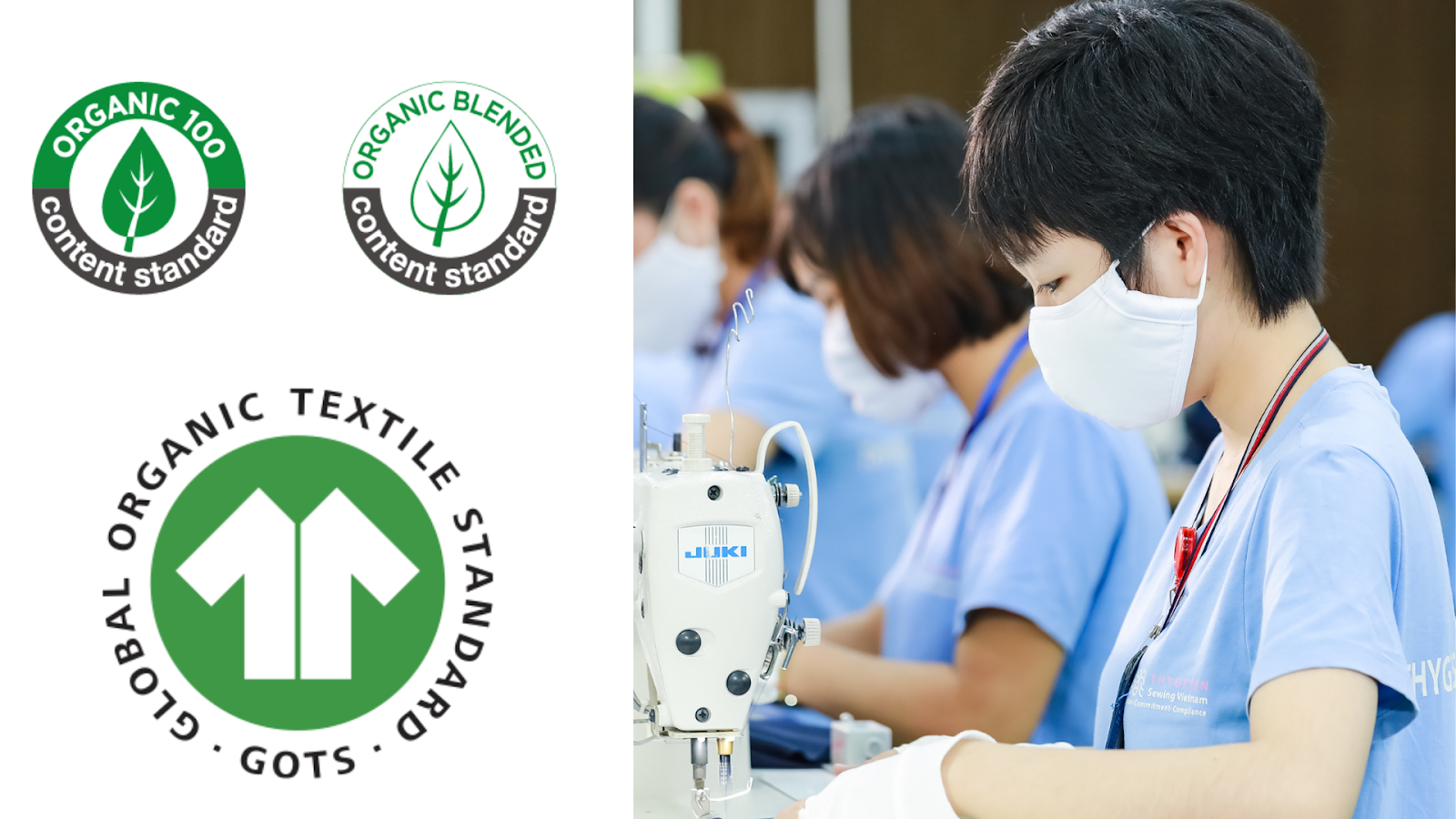
GOTS and OCS are two key certifications in sustainable textiles. While they share some similarities, they also have important differences, let’s take a closer look.
1.1. Similarities
While GOTS and OCS have distinct purposes, they also share several fundamental similarities that make them both valuable in sustainable textile production:
- Organic Content Verification: Both GOTS and OCS are designed to rigorously confirm and quantify the exact percentage of certified organic fibers present in the final product. This is crucial for consumer confidence, ensuring that the finished garment matches the organic content claimed on the label (e.g., OCS 100 vs. GOTS 95%).
- Traceability (Chain of Custody – CoC): Both certifications mandate a stringent Chain of Custody system. This requirement ensures that organic materials are continuously tracked, documented, and segregated from conventional fibers at every stage of processing, from the farm (for organic raw material) through spinning, weaving, and finishing, to prevent contamination or accidental mixing.
- Independent Certification and Auditing: To guarantee integrity and global acceptance, both standards rely on accredited, independent third-party certification bodies to perform annual audits. This external verification process confirms that all certified entities are compliant with the established rules, ensuring the credibility of the entire supply chain.
- Shared Sustainability Intent: Fundamentally, both standards are driven by a commitment to sustainability. They contribute significantly to higher supply chain transparency by providing verifiable data and promoting responsible sourcing practices, ultimately helping brands and consumers choose products with a reduced environmental footprint.
Expanding beyond traditional organic materials, the use of grs fabric is becoming increasingly popular for brands committed to further reducing their environmental footprint by incorporating certified recycled content.
GOTS is the most comprehensive standard, covering both environmental and social criteria, whereas OCS strictly focuses on verifying the organic content and traceability.
| Aspect | GOTS (Global Organic Textile Standard) | OCS (Organic Content Standard) |
| What it Covers | Whole supply chain + environmental & social rules (Most comprehensive) | Only checks % of organic fibers in the product (Content-focused) |
| Environmental & Social Standards | Yes – Includes strict rules on chemicals, wastewater treatment, workers’ rights, etc. | No – Only organic content is verified; no requirements for environmental or social processing. |
| Certification | Third-party certification needed at all production stages (from processing onwards) | Third-party verification mainly for the organic fiber content and its tracking. |
| Traceability | Full tracking (Chain of Custody) from farm to finished product (Highly strict). | Tracks organic fibers, but the CoC requirements are generally less strict and focused than GOTS. |
| Label | Can use the GOTS logo if fully certified (implies ethical and environmental processing). | Can use the OCS logo with the verified percentage of organic content (e.g., OCS 100 or OCS Blended). |
| Focus | Complete sustainability: environment + social + organic integrity. | Just organic content and chain of custody integrity. |
2. Product Categories That Commonly Require Organic Certifications
Certain product categories are in close contact with the skin or are used daily, making organic certifications particularly important. These certifications help ensure safety, comfort, and environmental responsibility.
- Baby & Children’s Wear: Babies and young children have extremely sensitive skin. Using certified organic fabrics reduces exposure to harmful chemicals, pesticides, and synthetic dyes, ensuring both comfort and safety.
- Underwear & Sleepwear: These garments touch the skin directly for extended periods. Organic certification guarantees softer, breathable fabrics that minimize irritation and allergic reactions.
- Activewear: Sports and fitness clothing involves sweat and friction. Organic fibres reduce the risk of skin issues while supporting environmentally friendly production practices. For brands looking to produce sustainable sportswear, partnering with experienced athletic apparel manufacturers ensures both performance and eco-conscious production.
- Home Textiles & Bedding: Items like sheets, pillowcases, and towels stay in prolonged contact with the skin. Certified organic materials ensure a healthier environment, free from toxic substances, and provide peace of mind for daily use.
For brands prioritizing ethical sourcing and reduced environmental impact, choosing a GRS certified clothing manufacturer ensures products are made with recycled materials verified by a third party, aligning with global sustainability goals.

Additionally, we also manufacture other product lines, such as legging manufacturer, and hoodie manufacturer among many more apparel categories.
Organic certifications like GOTS and OCS don’t just benefit consumers, they also offer significant advantages for brands. Here’s what these certifications mean for your business.
3.1. Credibility & Trust
Certifications like GOTS and OCS provide verifiable proof that a product is genuinely organic and responsibly produced. In a market where “green” or “eco-friendly” claims are often unverified, having a recognized certification helps brands differentiate themselves and build consumer confidence. This transparency not only reassures end-users but also strengthens the brand’s reputation among retailers and partners, showing a clear commitment to quality and sustainability.

GOTS- or OCS-certified products align with the regulatory requirements and consumer expectations in key markets such as the EU, UK, and North America. This opens doors for brands to access premium retail channels and establish partnerships with environmentally conscious buyers. Certification can also serve as a marketing tool, allowing brands to highlight sustainability credentials, appeal to conscious consumers, and position themselves ahead of competitors who lack verified organic claims.
3.3. Risk Mitigation
- Chemical Risks: GOTS strictly bans over 100 harmful chemicals, helping brands minimize the risk of product recalls or regulatory penalties in key markets, while OCS focuses on verifying the organic content of fibres, reducing the risk of misleading labeling claims and reinforcing consumer trust in the authenticity of the product.
- Labour & Ethical Risks: GOTS enforces comprehensive social standards, covering worker safety, fair wages, and the prohibition of child labor, which helps brands prevent potential PR crises or reputational damage linked to unethical practices in the supply chain. OCS, while not including social criteria, ensures full traceability of organic fibres, supporting brand transparency and demonstrating a commitment to responsible sourcing and environmental accountability.
4. Thygesen Vietnam – GOTS and OCS Certified Clothing Manufacturer
| Thygesen Vietnam is a trusted clothing manufacturer certified under both the Organic Content Standard (OCS) and the Global Organic Textile Standard (GOTS). These certifications reflect our strong commitment to sustainable, ethical, and responsible textile production. With OCS certification, Thygesen Vietnam ensures full transparency and verification of organic fibre content, delivering high-quality products that meet international organic standards and earning trust from partners and customers worldwide. The GOTS certification reinforces our dedication to holistic sustainability, covering not only organic fibre content but also strict environmental and social criteria throughout the supply chain. It highlights our rigorous quality controls, ethical labor practices, and focus on reducing environmental impact. In addition, we hold other internationally recognized certifications, including SA8000 and a WRAP-certified factory, and comply with ISO 9001:2015, GRS, OEKO-TEX STANDARD 100, and FSC, demonstrating our comprehensive commitment to quality, social responsibility, and environmental stewardship. To delve deeper into responsible material sourcing for non-textile components or cellulosic fibers, the resource FSC Certified Fabrics: Meaning, How This Benefits Brands & All You Need to Know offers comprehensive guidance. |