As sustainability moves from trend to expectation, understanding material certifications has become essential for fashion brands. Among them, GRS fabrics are gaining strong momentum for their ability to verify recycled content and responsible production. In this guide, we break down what GRS means and why it matters.
1. What Are GRS Fabrics?
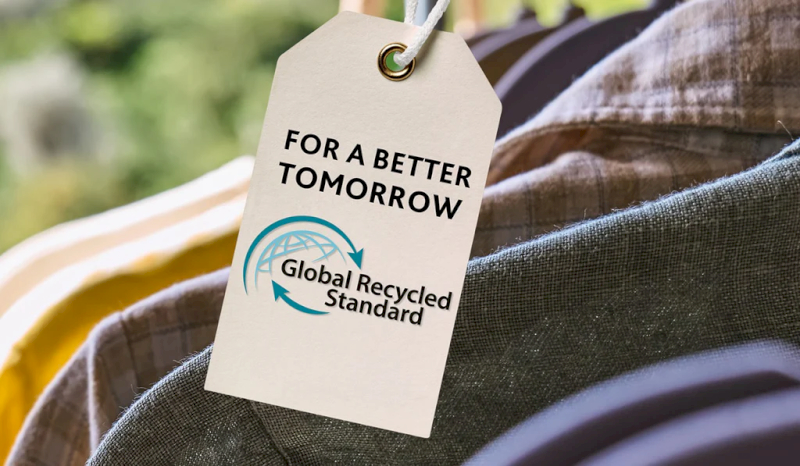
GRS fabrics are textiles made from recycled materials that are certified under the Global Recycled Standard (GRS). This means the recycled content, such as recycled polyester, nylon, or cotton, has been independently verified, not just claimed. The certification ensures that the materials truly come from post-consumer or post-industrial waste sources.
Beyond recycled content, GRS fabrics also meet strict requirements for responsible production. This includes traceability throughout the supply chain, controlled use of chemicals, and compliance with environmental and social standards. In simple terms, GRS fabrics help brands prove that their recycled textiles are genuinely sustainable and responsibly made.
2. What Fabrics Can Be GRS Certified?
GRS (Global Recycled Standard) certification applies to a wide range of textiles that contain at least 20% recycled content, with 50% required for product labeling. It covers synthetic and natural fibers such as polyester, cotton, nylon, and wool, ensuring verified recycled inputs, full supply chain traceability, responsible production practices, and restricted chemical use.
Below are some of the most commonly GRS-certified fabrics and what the certification means for each of them in real production and sourcing contexts.
2.1 Recycled Polyester (rPET)
Recycled polyester is typically made from post-consumer plastic waste such as PET bottles, making it one of the most widely adopted recycled fibers in the textile industry. It is commonly used in sportswear, swimwear, and outerwear thanks to its durability and performance properties.
GRS certification ensures that the recycled plastic content used in rPET fabrics is verified and traceable, rather than simply claimed. For brands, this adds credibility when using performance fabrics in activewear and technical apparel while supporting plastic waste reduction.
>>> For brands developing performance products, working with an experienced athletic clothing manufacturer ensures rPET fabrics are optimized for durability and comfort.

2.2 Recycled Cotton
Recycled cotton is produced from textile waste such as cutting scraps or used garments, helping reduce landfill waste and dependence on virgin cotton farming. It is widely used in casualwear, denim, kidswear, and home textiles where comfort and softness are essential.
With GRS certification, brands can ensure that the recycled content in cotton fabrics is authentically sourced and processed under responsible conditions. This strengthens sustainability claims in everyday apparel categories where natural fibers are expected.
>>> Read more: Responsible Recycled Materials Clothing Manufacturer
2.3 Recycled Nylon
Recycled nylon is typically sourced from industrial waste or post-consumer materials such as discarded fishing nets. It retains the strength and elasticity of conventional nylon, making it suitable for performance-driven products.
GRS helps verify the recycled origin of nylon used in leggings, swimwear, and activewear. This is particularly valuable for brands producing stretch or technical garments, where performance must be balanced with environmental responsibility.
>>> This is particularly valuable for brands producing stretch garments, especially when partnering with a specialized legging manufacturer for performance-driven collections.
2.4 Recycled Wool
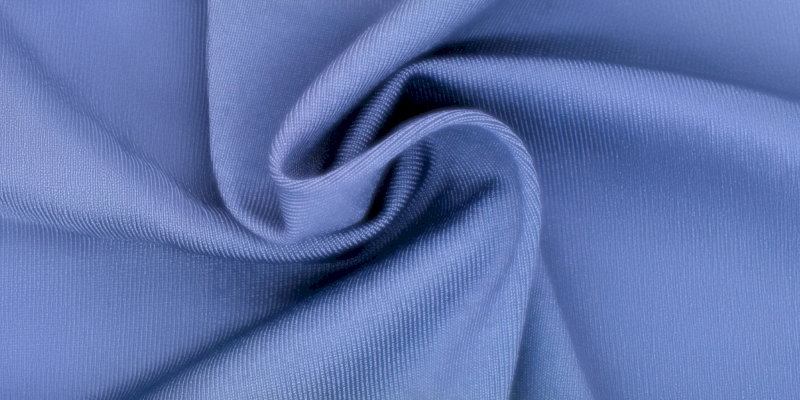
Recycled wool is made by reprocessing existing wool textiles into new fibers, extending the lifecycle of this natural material. It is commonly applied in outerwear, knitwear, and winter fashion.
GRS certification ensures that recycled wool is traceable and produced under controlled environmental and social conditions. This allows brands to maintain the premium feel of wool products while supporting circular material use.
2.5 Recycled Blended Fabrics
Blended fabrics combining recycled fibers with other materials are widely used in uniforms, workwear, and casual fashion. These blends help achieve specific performance characteristics such as durability or flexibility.
Through GRS certification, brands can validate the recycled portion within blended fabrics and ensure responsible processing. This makes it easier to integrate sustainability into functional product lines without compromising quality or cost balance.
>>> It is also increasingly adopted by brands working with a reliable hoodie manufacturer for sustainable fleece and outerwear programs.
3. Why GRS Fabrics Matter for Apparel Brands
As more consumers care about sustainability and transparency, the GRS has become an important certification for fashion brands. Using GRS-certified fabrics is not just about being eco-friendly, it helps brands prove that their recycled materials are real and responsibly made.
- Verified recycled content & traceability: GRS makes sure that recycled materials are genuinely recycled, not just claimed. It tracks the material through the whole production process from the recycling stage to the finished garment, giving brands confidence that their sustainability message is truthful.
- Responsible production, not just recycled fibers: GRS doesn’t only focus on the material itself. It also checks how the fabric is produced, including working conditions and environmental management. This helps ensure that sustainable products are not made at the cost of workers or the environment.
- Safer chemical use: GRS-certified fabrics must follow strict rules on chemical inputs. Harmful substances are restricted, making these fabrics a safer choice for both people and the planet, especially for clothing worn close to the skin.
- Building trust with consumers: Using GRS-certified fabrics helps brands avoid greenwashing and communicate their sustainability efforts more clearly. It strengthens brand credibility and shows customers that the commitment to sustainability is backed by real standards.
- Ready for future regulations: As global regulations increasingly focus on recycling and circular production, GRS helps brands stay ahead. It supports compliance with evolving sustainability requirements, especially in markets like the EU.
>>> Understanding the specific Importance of Certification for UK and EU Apparel Market helps brands navigate complex legal landscapes and meet consumer demands for transparency and ethical sourcing.
4. Thygesen Textile Vietnam – Your Reliable GRS Fabric Manufacturer
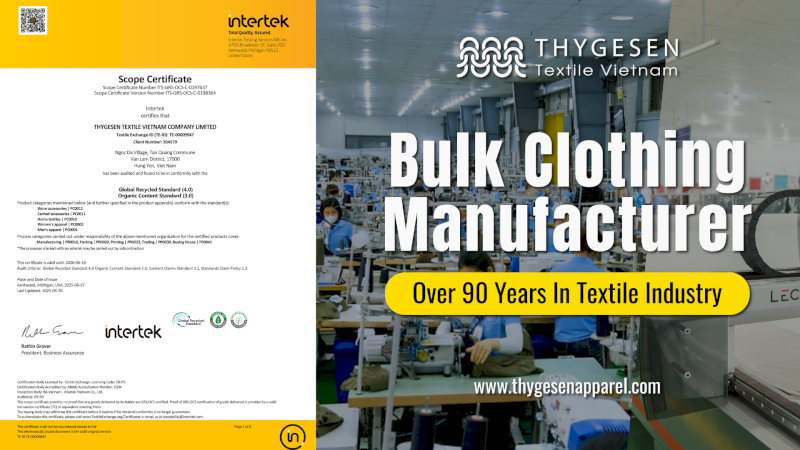
With over 90 years of expertise, as an ethical clothing manufacturer, we serve top global brands, including Tommy Hilfiger, DKNY, Calvin Klein, Fjällräven, Girlfriend Collective, Ninepine, and Boody. We understand the value of GRS certification for both our factory and our clients, ensuring verified recycled fabrics and responsible production.
>>> Beyond GRS, there are many other Clothing Manufacturer Certifications You Should Know to ensure a comprehensive approach to sustainability and ethical production.
Therefore, we have the capability to source a wide range of GRS-certified fabrics upon customer request from our trusted supplier network in Vietnam and overseas. >> Once GRS-certified fabrics are sourced, most sustainable garments are brought to life through a cut and sew manufacturing process — where fabrics are precisely cut to pattern and assembled through specialized stitching, ensuring full control over construction quality, material traceability, and compliance at every stage. Brands can explore a curated list of cut and sew manufacturers to find certified partners that align with their sustainability and production requirements.
In addition to GRS, we hold other certifications such as ISO 9001:2015, GOTS, OEKO-TEX STANDARD 100, FSC, OCS, SA8000, and WRAP. Combined with GRS, these standards guarantee high-quality, safe, and environmentally responsible fabrics while ensuring ethical labor practices.
>>> For brands working with wood-derived fibers, ensuring the supply chain includes fsc certified fabric verifies responsible forest management and sustainable sourcing, complementing other environmental certifications.
With these certifications and decades of experience, we aim to help our partners deliver sustainable, compliant, and eco-friendly products to the global market while building trust with consumers who care about ethical and transparent production.
5. FAQ
Will sourcing GRS fabrics affect the cost of production?
GRS-certified fabrics can be slightly higher in cost (5-10% higher) due to verified recycled content and traceable supply chains, but they help brands reduce risks, enhance credibility, and meet sustainability expectations, often providing long-term value that offsets initial costs.
Does using GRS fabrics help meet international regulations?
Yes, GRS ensures traceable recycled content, controlled chemicals, and responsible production practices, which supports compliance with global regulations on textile waste, chemical safety, and circularity, especially in markets like the EU and US.
Can I use the GRS logo on my packaging if only the fabric is certified?
To use the GRS logo on your final product, every partner in your supply chain, from the fabric mill to the garment factory (like Thygesen) must hold a valid Scope Certificate (SC). This ensures a “chain of custody.” We provide the necessary Transaction Certificates (TC) for each shipment to prove your final product is fully compliant and ready for GRS branding.
In conclusion, as recycled materials become a key pillar of responsible sourcing, brands are increasingly choosing GRS fabrics to ensure their sustainability claims are credible, traceable, and responsibly produced. Partnering with Thygesen Textile Vietnam gives brands access to high-quality, certified fabrics, ethical production, and a reliable supply chain. For inquiries and sourcing GRS fabrics, visit thygesenapparel.com or contact us at sale@thygesen.com.vn to learn how we can support your sustainable product goals.