When it comes to creating comfortable, safe, and durable sleepwear for children, choosing the right kids pajama fabric types is one of the most important decisions in the manufacturing process. The fabric not only affects how soft and breathable the pajamas feel but also impacts safety, longevity, and overall product value – making it a key factor for brands looking to deliver quality sleepwear that both parents trust and kids love.
1. Key Considerations When Choosing Fabric for Kids’ Pajamas
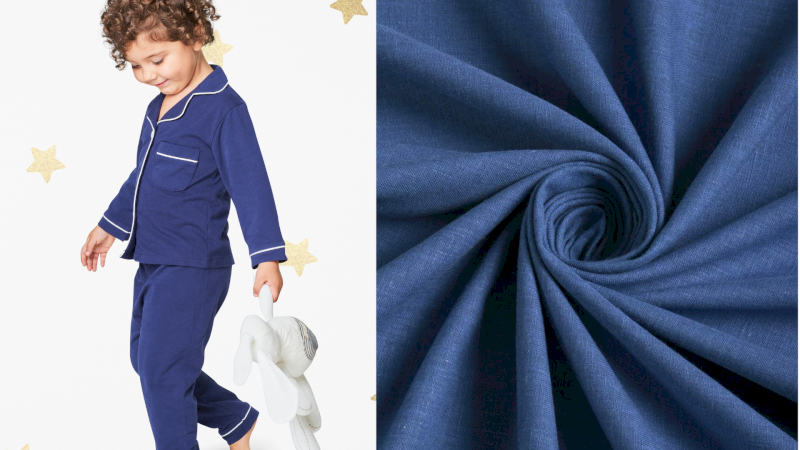
When manufacturing kids’ pajamas, choosing the right fabric doesn’t just affect the quality of the garment; it also impacts how well a child sleeps and how safe the pajamas are for their skin. Since children tend to get hot more easily and have more sensitive skin than adults, manufacturers should focus on fabrics that are breathable, gentle, and safe to use. Here are 5 important things to consider when selecting fabrics for children’s sleepwear:
- Breathability & Temperature Control: Kids often struggle to regulate their body temperature while sleeping. Breathable fabrics like cotton or bamboo help air circulate and absorb moisture, keeping children cool and reducing night sweats that can cause discomfort or skin irritation.
- Skin-Friendly & Safe Materials: Children’s skin is delicate and can react easily to chemicals. Using certified fabrics such as OEKO-TEX or GOTS helps ensure the material is free from harmful substances like harsh dyes or formaldehyde, making the pajamas safer for everyday wear.
- Softness for Comfort: Softness matters, especially for sleepwear. Fabrics like modal, Tencel, or organic cotton feel smooth against the skin and stay soft even after many washes, helping prevent itching or irritation.
- Flexibility for Movement: Children move a lot, even when they sleep. Fabrics with a bit of natural stretch or a small amount of spandex allow pajamas to move with the body without feeling tight, while also helping them keep their shape over time.
- Durability & Easy Care: Kids’ pajamas need frequent washing, so the fabric should be strong enough to handle it. High-quality fibers can resist shrinking, fading, and pilling, making the pajamas last longer even with regular washing and drying.
>>> To make informed decisions about material sourcing for kids’ sleepwear, delving deeper into the fundamental differences between fiber categories is crucial, as explored in Types Of Textile Fibers: The Different Between Natural Fibers Vs Manmade Fibers – Thygesen Textile Vietnam.
2. Main Kids Pajama Fabric Types for Manufacturing
Selecting the right fabric is the foundation of high-quality kids’ pajamas. Each type of textile brings unique benefits for comfort, skin health, and sleep quality. A reliable cut and sew manufacturers knows how to match fabric features to a child’s needs, ensuring pajamas are soft, safe, and durable enough for everyday use. Here are the main fabric types used in children’s sleepwear and why they work so well:
>>> Understanding the broader landscape of natural textiles can further inform your decisions; explore 10 Common Types of Natural Fabrics Used for Clothing Manufacturing to broaden your knowledge.
2.1. Cotton
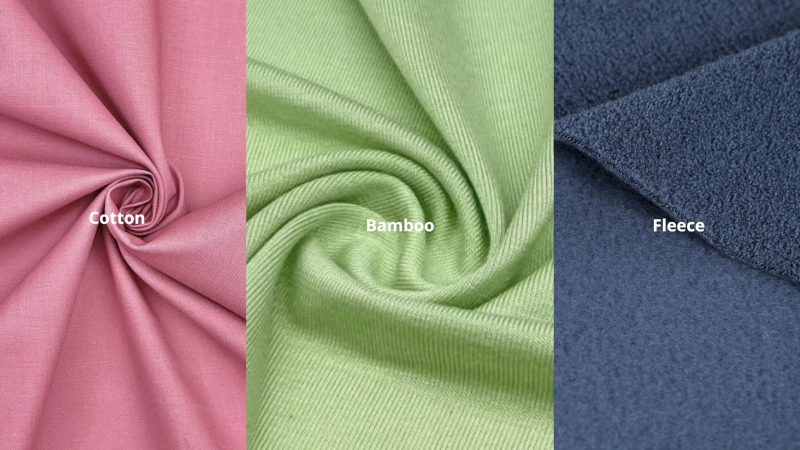
Cotton is the classic choice for kids pajamas because it’s soft, breathable, and hypoallergenic. It allows air to flow freely, keeping children cool in summer and comfortable all year round.
For manufacturers, cotton is easy to work with and very durable, it withstands frequent washing without losing softness. This makes it perfect for parents who need pajamas that stay cozy, clean, and reliable, wash after wash.
2.2. Organic Cotton
Organic cotton takes everything cotton offers and makes it even safer. Grown without pesticides or chemicals, it’s ideal for babies and children with sensitive skin. Pajamas made from organic cotton reduce the risk of irritation and create a non-toxic sleep environment.
It’s also popular with eco-conscious brands because it supports sustainable farming practices, giving pajamas a premium, environmentally friendly appeal that resonates with modern parents.
>>> Discover even more compelling reasons why this material is a superior choice for children’s wear by exploring the extensive Benefits of Organic Cotton Clothing That You May Not Know Yet.
2.3. Cotton Jersey
Cotton jersey is a soft, knitted fabric with natural stretch. This makes it excellent for pajamas that need to be moved with a child – no tight spots, no restriction. Its light weight and smooth texture make it comfortable for both sleep and play.
It’s also practical: cotton jersey resists wrinkles and holds prints well, making it a favorite for fun, colorful pajama designs that kids love. Its flexibility also allows snug fits that meet fire-safety guidelines in certain markets.
2.4. Bamboo Viscose (Bamboo Rayon)
Bamboo fabric is silky, smooth, and naturally temperature-regulating. It keeps kids cool in summer and warm in winter, while its moisture-wicking and antibacterial properties help reduce night sweats and skin irritation.
Manufacturers value bamboo for its luxurious feel and elegant drape, which elevates pajamas to a premium level. Plus, bamboo is eco-friendly and highly renewable, making it a smart choice for sustainable sleepwear lines.
>> For brands specifically developing bamboo-based sleepwear collections, exploring a curated list of experienced bamboo pajama manufacturers can help identify partners with the right fabric sourcing expertise, certification capabilities, and production experience to bring premium bamboo pajamas to market.
2.5. Modal
Modal is made from beech tree pulp and is incredibly soft — almost like a second skin. It’s highly breathable and absorbs more moisture than cotton, keeping children dry and comfortable all night.
It also keeps its shape, resists pilling, and retains bright colors even after many washes, making it ideal for long-lasting, high-quality pajamas that look and feel new for a long time.
2.6. Fleece
Fleece is perfect for winter sleepwear. Lightweight yet warm, it traps body heat to keep children cozy on cold nights. Its soft, brushed surface feels snug and comforting, making it a favorite for hooded pajamas or one-piece styles.
Fleece is also quick-drying and durable, standing up to repeated washing and active wear, which is essential for winter pajamas that need both warmth and practicality.
Brands interested in expanding this cozy, hooded silhouette into casualwear may also want to explore a list of experienced hoodie manufacturer options for fleece-based hoodies and loungewear.
3. Common Fabric Blends for Kids Pajama Manufacturing
Blending fabrics is essential in kids’ pajamas because it allows manufacturers to combine the best qualities of different materials. By mixing fibers, pajamas can be soft yet durable, breathable yet warm, and stretchy without losing shape – providing children with comfortable, safe sleepwear that can withstand frequent washing and active movement.
- Cotton/Spandex (95% Cotton/ 5% Spandex): This blend is ideal for snug-fit pajamas. Cotton gives softness and breathability, while a small amount of spandex provides stretch and shape retention, allowing kids to move freely without restriction.
- Cotton/Polyester (60-70% Cotton / 30-40% Polyester): Cotton adds comfort and breathability, and polyester enhances durability, wrinkle resistance, and quick drying. This blend is practical for everyday pajamas that need to survive frequent washing while staying soft.
- Bamboo Viscose/Cotton (70-80% Bamboo / 20-30% Cotton): Bamboo provides extreme softness, natural moisture-wicking, and temperature regulation, while cotton improves strength and durability. This blend is perfect for children with sensitive skin or prone to night sweats.
- Cotton/Modal (60-70% Cotton / 30-40% Modal): Modal gives a silky, smooth hand-feel and excellent drape, while cotton ensures breathability and resilience. The combination creates pajamas that feel luxurious yet maintain durability even after multiple washes.
- Cotton/Merino Wool (60-70% Cotton / 30-40% Merino Wool): Merino wool provides natural warmth and insulation, while cotton keeps the fabric soft and breathable. This blend works well for premium winter pajamas, offering coziness without overheating.
4. How Thygesen Helps Guide Fabric Selection for Kids Pajama Manufacturing
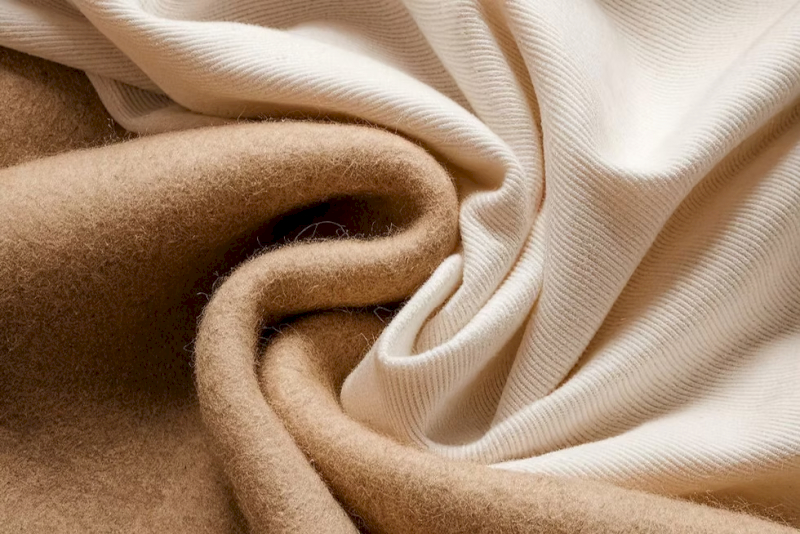
At Thygesen, we bring extensive experience in working with leading children’s sleepwear brands such as Little Sleepies, Alice & Ames, and Love to Dream. Over the years, we have developed a deep understanding of the strict standards and meticulous attention to detail required for kidswear manufacturing.
>> As a dedicated pajama manufacturer, Thygesen offers full-package OEM/ODM services for children’s sleepwear — from fabric consultation and sample development to certified bulk production — helping brands bring safe, comfortable, and market-ready pajama collections to life.
Our in-house R&D team provides proactive fabric consultation and sourcing, helping brands select materials that combine softness, breathability, and gentle-on-sensitive-skin comfort with practical performance features such as easy-care, quick-dry, antibacterial, and UV protection. We work across a wide range of fabrics, including Bamboo, Organic Cotton, Tencel, Modal, Viscose, and Recycled Polyester, ensuring each material meets both functional and safety requirements. >> Many of these same fabrics — particularly Recycled Polyester and Modal — are also widely used in activewear collections. Brands looking to expand beyond kidswear into performance apparel can explore a curated list of experienced athletic clothing manufacturers to find partners specializing in technical fabrics, functional construction, and scalable production for active lifestyle collections.
Additionally, upon request, we can source and certify materials according to international standards such as GOTS, OCS, GRS, OEKO-TEX Standard 100, and FSC, guaranteeing higher safety and quality standards for children’s pajamas.
With Thygesen, brands get not only premium materials but also expert guidance throughout the fabric selection and development process, ensuring every pajama is comfortable, safe, and perfectly suited for little ones.
In conclusion, selecting the right fabric can be the difference between ordinary pajamas and sleepwear that truly stands out in quality, comfort, and safety for children. Partnering with Thygesen ensures expert guidance, premium material choices, and strict adherence to international safety standards. Discover how we can help bring your kids pajama line to life: visit thygesenapparel.com or contact us directly at sale@thygesen.com.vn.