Selecting the right yoga legging manufacturer is a strategic decision that directly impacts product performance, brand reputation, and long-term profitability. From fabric innovation and stretch recovery to seam construction and ethical compliance, every detail influences the final product. In this buyer’s guide, we outline the key factors brands should evaluate when working with a yoga legging manufacturer, helping you ensure quality, functionality, and a smooth production process from development to delivery.
>>> Partner with an experienced yoga wear manufacturer to elevate your brand’s collection with superior quality and innovative designs.
1. Fabric Consultation & Development Capability of a Yoga Legging Manufacturer
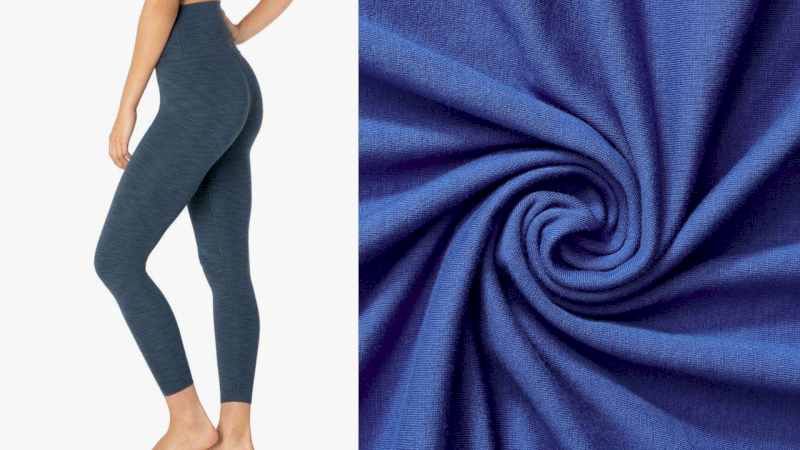
When choosing a yoga legging manufacturer, fabric consultation and development capability are essential. Even with an in-house design team, working with a manufacturer that provides guidance on fabric selection, sourcing, and development adds real value. As mass producers, they can identify performance and production issues early ensuring better quality, cost efficiency, and scalability.
1.1. Common Fabric Types Used in Yoga Leggings
Understanding common fabric types used in yoga leggings is essential for balancing comfort, performance, and durability. Each material offers different levels of stretch, breathability, moisture management, and support, directly influencing fit, functionality, and the overall wearer experience during low- to high-intensity movement.
- Nylon: Nylon is strong, durable, and abrasion-resistant, making it ideal for high-performance yoga leggings. It offers a smooth hand feel and excellent recovery. Suggested GSM: 200-280 GSM, suitable for intense yoga sessions and daily wear.
- Polyester: Lightweight, breathable, and moisture-wicking, polyester dries quickly and retains color well after repeated washing. Suggested GSM: 180-250 GSM, ideal for hot yoga and high-sweat activities.
- Cotton: Naturally soft and breathable, cotton provides comfort and ease of movement, making it perfect for low-impact or restorative yoga styles. Suggested GSM: 220-300 GSM, often slightly heavier to maintain opacity and durability.
1.2. Common Fabric Blends for Yoga Leggings
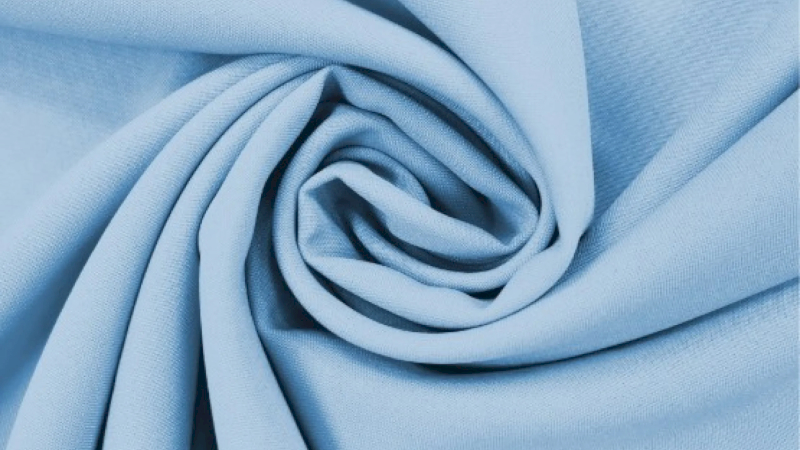
Fabric blends play a critical role in determining the performance and feel of yoga leggings. By combining different fibers, manufacturers can balance stretch, strength, breathability, and softness, creating materials that meet specific functional demands while maintaining comfort and long-term durability.
- Nylon & Spandex (Most Popular): Suggested blend: 80-90% Nylon/10-20% Spandex. This combination delivers superior stretch, recovery, and a smooth, sculpting fit. Nylon provides strength, durability, and abrasion resistance, while spandex ensures flexibility and shape retention. Ideal for high-performance and compression leggings.
- Polyester & Spandex: Suggested blend: 85-90% Polyester/10-15% Spandex. Polyester enhances moisture-wicking, quick-drying performance, and color retention, while spandex provides elasticity and comfort. Perfect for hot yoga, high-intensity workouts, and lightweight leggings.
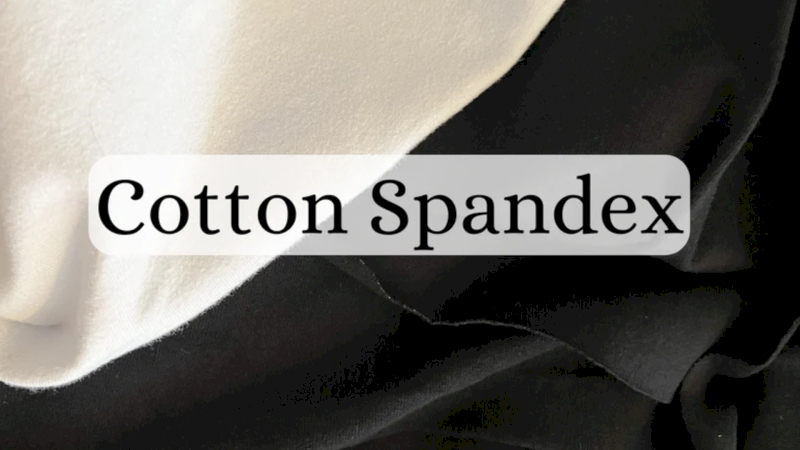
- Cotton & Spandex: Suggested blend: 90-95% Cotton/5-10% Spandex. Cotton offers natural softness and breathability, while spandex adds stretch and improved fit. Best suited for low-impact, restorative, or lifestyle yoga leggings where comfort is a priority.
- Bamboo & Spandex: Suggested blend: 90-95% Bamboo/ 5-10% Spandex. Bamboo fibers are naturally soft, breathable, and moisture-absorbent, while spandex provides stretch and recovery. This blend is ideal for eco-conscious brands or gentle, all-day wear leggings.
1.3. Sustainable Fabric Development Options
As sustainability becomes a core brand value rather than a marketing add-on, yoga legging manufacturers are increasingly investing in responsible fabric solutions. From recycled synthetics to bio-based fibers, sustainable fabric development focuses on reducing environmental impact without compromising stretch, durability, or performance.
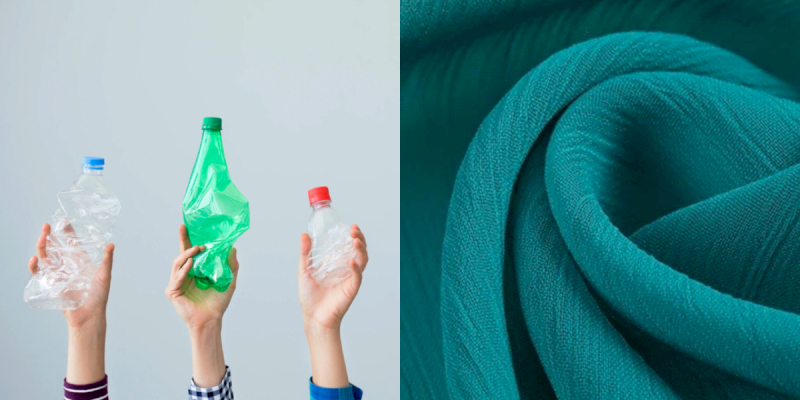
- Recycled Polyester (rPET): Made from post-consumer plastic bottles, recycled polyester reduces virgin petroleum use and diverts waste from landfills. It maintains strong moisture-wicking and durability properties, making it suitable for performance leggings. Common certifications: Global Recycled Standard (GRS), Recycled Claim Standard (RCS).
- Recycled Nylon: Often sourced from pre-or post-consumer waste such as fishing nets or fabric scraps, recycled nylon retains the strength and elasticity of conventional nylon. It is ideal for high-compression yoga leggings with reduced environmental footprint. Common certifications: Global Recycled Standard (GRS), OEKO-TEX Standard 100.
- Organic Cotton Blends: Organic cotton is grown without synthetic pesticides or fertilizers, supporting healthier soil and lower chemical input. When blended with elastane, it offers natural softness and flexibility for low-impact yoga styles. Common certifications: Global Organic Textile Standard (GOTS), Organic Content Standard (OCS).
- Bamboo (Viscose from Bamboo): Bamboo-based fibers are valued for softness, breathability, and moisture absorption. For more sustainable sourcing, brands should prioritize closed-loop processing methods. Common certifications: Forest Stewardship Council (FSC), OEKO-TEX Standard 100.
- Bio-Based or Regenerated Fibers (e.g., TENCEL™): Regenerated cellulose fibers such as Lenzing AG’s TENCEL™ fibers are produced in closed-loop systems that recycle water and solvents. They offer a smooth hand feel, breathability, and enhanced comfort for lifestyle-oriented yoga collections. Common certifications: EU Ecolabel, OEKO-TEX Standard 100.
1.4. Performance Features That Can Be Added During Fabric Development
Beyond fiber selection and fabric blends, performance enhancements can be integrated during fabric development to elevate functionality and user experience. These technical features help yoga leggings meet the demands of different practice intensities and environmental conditions.
- Moisture-Wicking & Quick-Dry Finishes: Engineered yarn structures or chemical treatments improve sweat absorption and evaporation, keeping the wearer dry during hot yoga or high-intensity sessions.
- Four-Way Stretch & Enhanced Recovery: Optimized knit construction and elastane ratios ensure multidirectional stretch with strong shape retention, preventing sagging after repeated movement and washing.
- Anti-Odor & Antimicrobial Treatments: Silver-based or bio-based finishes help reduce odor-causing bacteria, supporting freshness during prolonged wear and frequent workouts.
- UV Protection: Specialized yarns or treatments provide UPF protection, making leggings suitable for outdoor yoga and active lifestyles.
- Peach Finish or Brushed Surface: Mechanical brushing techniques create a soft, matte, “second-skin” feel that enhances comfort and premium positioning.
- Compression & Sculpting Technology: Controlled fabric density and elasticity improve muscle support and contouring, enhancing both performance and aesthetic appeal.
2. Pattern Development & Fit Engineering
For yoga leggings, pattern development and fit engineering are critical to achieving comfort, performance, and aesthetic appeal. Precise pattern construction ensures proper stretch distribution, contouring, and support, allowing the garment to move seamlessly with the body during dynamic and static poses.
2.1. Why Are Patterns and Fit Important for Leggings?
Unlike loose-fitting garments, yoga leggings function as performance wear that must contour closely to the body. Accurate pattern development ensures balanced stretch, proper compression, and smooth seam placement. A well-engineered fit enhances comfort, confidence, and freedom of movement in every pose.
Mistakes or inexperience can lead to common issues such as sagging at the knees, waistband rolling, uneven compression, seam popping, or sheerness when stretched. Poor fit not only affects wearer comfort but also increases product returns, damages brand credibility, and raises long-term production costs.

2.2. Why an Experienced Clothing Manufacturer Is Essential
An experienced manufacturer ensures technical precision throughout development, from initial sampling to bulk production, carefully evaluating fabric behavior, construction methods, and performance standards, including:
- Balanced Stretch Distribution: Adjusting patterns based on fabric elasticity to prevent distortion, over-stretching, or excessive tightness in key movement zones.
- Waistband Engineering: Designing waistbands with proper tension, elastic integration, or double-layer construction to prevent rolling and ensure secure support.
- Seam Placement & Construction: Strategically positioning seams to enhance contouring, reduce friction, and withstand repetitive stretching.
- Grading Across Sizes: Maintaining consistent fit, compression, and proportions from XS to plus sizes through accurate size grading.
- Movement & Wear Testing: Conducting fit trials and stretch tests to evaluate opacity, recovery, and comfort under real-use conditions.
- Fabric-Pattern Compatibility: Modifying patterns according to GSM, stretch ratio, and recovery rate to ensure performance consistency in bulk production.
3. Seam Construction & Sewing Technology
Seam quality plays a major role in the durability, comfort, and performance of yoga leggings. Because the garment stretches constantly during movement, the right sewing techniques and machinery are essential to prevent breakage, irritation, or deformation over time.
- Flatlock Seams: Flatlock stitching joins panels edge-to-edge, creating a seam that lies flat against the skin. This reduces friction and chafing during stretching and floor exercises. It is widely used in performance leggings for enhanced comfort and durability.
- Overlock (Serger) Seams: Overlock seams stitch and finish raw edges simultaneously, preventing fraying in stretch fabrics. They provide strong, flexible construction suitable for side seams and inner leg panels. Proper thread selection and tension control are essential to avoid seam popping.
- Coverstitch Seams: Coverstitch is commonly applied to hems and waistbands where stretch and recovery are required. It allows the fabric to expand without breaking stitches while maintaining a clean exterior appearance. Accurate machine calibration ensures even stitching and professional finishing.
- Reinforced Stress Points: High-tension areas such as the crotch intersection and waistband require additional reinforcement. Extra stitching or bar-tacking improves durability under repeated stretching. This reduces the risk of seam failure during intense movement.
- Four-Needle Six-Thread Stitching: This technique combines strength and elasticity, offering greater seam security than basic overlock stitching. It is ideal for high-performance yoga leggings requiring extra durability. Consistent stitch density is important to maintain flexibility without bulk.
- Seam Tension Control: Balanced thread tension prevents puckering, waviness, or fabric distortion. Proper adjustment ensures smooth seam appearance and long-lasting elasticity. Regular quality checks during production help maintain consistency in bulk manufacturing.
4. Seamless Manufacturing Capacity
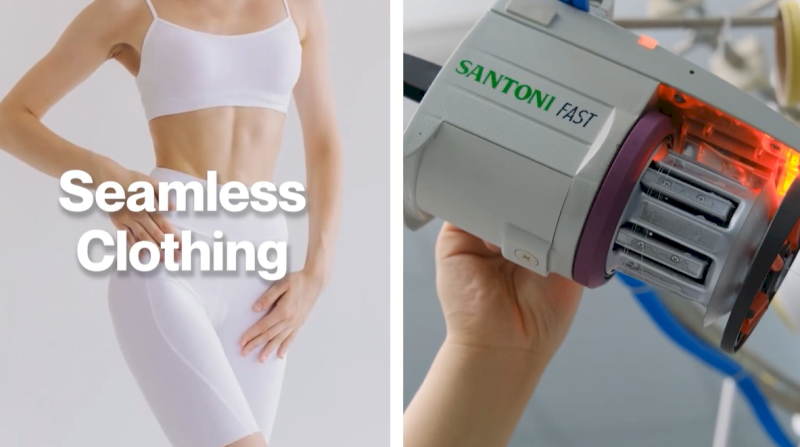
Seamless yoga leggings are garments produced using circular knitting technology that creates a near one-piece tubular structure. Instead of cutting and sewing multiple fabric panels together, the garment is knitted directly into shape on advanced computerized knitting machines.
This process requires specialized seamless knitting machines, programming software, and skilled technicians to control stitch density, compression zones, and body contouring. Seamless products differ from:
- Seam-free garments, which still use cut-and-sew panels but minimize visible seams. >> For brands not yet ready for seamless investment, traditional cut and sew manufacturing remains the most widely adopted production method — where fabric panels are precisely cut to pattern and assembled through specialized stitching operations, offering strong control over fit, construction quality, and cost efficiency. Brands can explore a curated list of cut and sew manufacturers to find experienced partners across different markets and production scales.
- Bonded products, which use adhesive or heat-sealing techniques instead of traditional stitching.
True seamless construction integrates structure, stretch, and ventilation directly into the knitted fabric, reducing bulk and improving comfort.
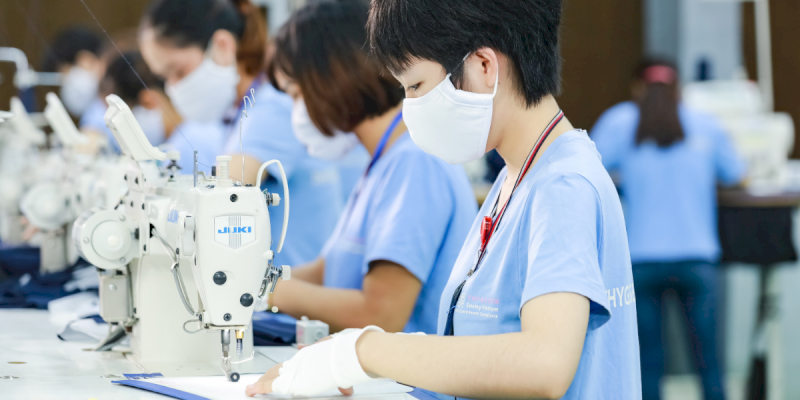
Seamless manufacturing is technically complex and highly equipment-dependent. It requires significant investment in modern knitting machinery and trained operators who understand programming, yarn behavior, and garment engineering.
Inexperienced factories may struggle with inconsistent compression, uneven tension, sizing instability, or high defect rates. An experienced seamless manufacturer ensures accurate machine calibration, efficient sampling, stable bulk production, and consistent performance across all sizes.
5. Types of Yoga Leggings Commonly Produced
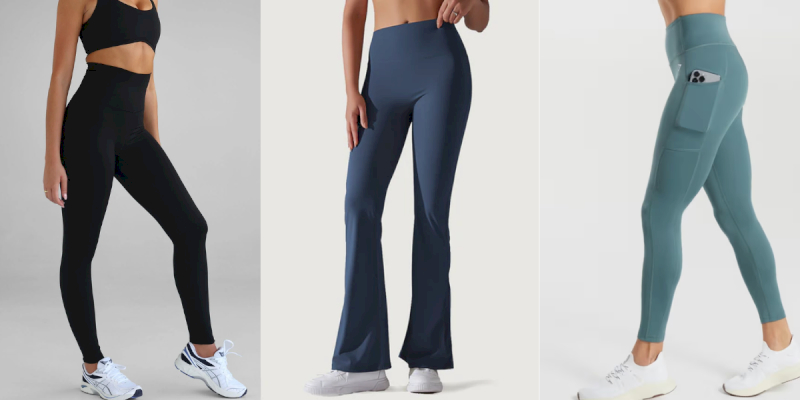
Yoga leggings come in various constructions and silhouettes to meet different practice styles, body preferences, and market positioning. From sculpting compression styles to lifestyle-oriented flared designs, each type requires specific fabric choices, pattern engineering, and manufacturing techniques to achieve optimal performance and fit.
5.1. High-Waist Yoga Leggings
High- waist yoga leggings feature an extended waistband that sits above the waist, offering light core support and a smooth, sculpted silhouette. They are widely favored in both performance and athleisure collections.
They are typically made from nylon- spandex or polyester- spandex blends (220- 280 GSM) for opacity and recovery. Double-layer waistbands and proper elastic tension are essential to prevent rolling and ensure stability during movement.
5.2. Compression Yoga Leggings
Compression yoga leggings are designed to provide firm muscle support and a sculpted fit for high-intensity movement. They typically use high-elasticity nylon- spandex blends with higher GSM (240- 300 GSM) to maintain strong recovery and opacity. Precise pattern grading is essential to ensure consistent compression across sizes. Reinforced seams, flatlock stitching, and controlled tension settings help prevent seam stress or distortion. Proper stretch testing is critical to avoid over-compression that may restrict flexibility or comfort.
5.3. Seamless Yoga Leggings
Seamless yoga leggings are knitted in tubular form using circular knitting machines, minimizing side seams for enhanced comfort. They commonly use nylon and elastane yarns engineered for stretch and recovery. Production requires technical programming to control stitch density, compression zones, and ventilation areas. Careful yarn selection, machine calibration, and shrinkage control are critical to ensure size stability, balanced elasticity, and consistent bulk production quality.
5.4. Flared/Bootcut Yoga Leggings
Flared or bootcut yoga leggings are fitted through the hips and thighs, gradually widening from the knee downward. They combine performance functionality with a fashion-forward silhouette. Medium-weight stretch fabrics (200- 260 GSM) with good draping are typically used. Precise pattern balance is essential to maintain symmetrical flare lines. Manufacturers must carefully control hem finishing, stretch recovery, and proportion grading to prevent distortion during movement.
5.5. Cropped/7-8 Yoga Leggings
Cropped or 7/8 yoga leggings end above the ankle, offering a lighter, more breathable alternative for warm conditions. They usually use mid-weight stretch fabrics (190- 250 GSM) with strong opacity and recovery. Accurate length grading across sizes is crucial to maintain consistent proportions. Proper coverstitch hems, seam reinforcement, and stretch testing help prevent hem flipping, tightness at the calf, or uneven appearance after washing.
5.6. Pocket Yoga Leggings
Pocket yoga leggings integrate functional side or hidden waistband pockets for small essentials. High-recovery nylon-spandex fabrics (220-280 GSM) are commonly used to prevent sagging. Production requires reinforced stitching around pocket openings and precise placement to maintain garment balance. Manufacturers must test pocket stretch capacity and seam durability to ensure the leggings remain stable, supportive, and comfortable during active movement.
6. Things to Evaluate in a Professional Yoga Legging Manufacturer Beyond Technical Expertise
Choosing a yoga legging manufacturer is not only about their cutting and sewing capability. A truly reliable partner should be able to support your business holistically, from product feasibility to operational efficiency and market readiness. Here are key aspects to evaluate beyond technical production skills:
- Strategic Consulting Capability: Beyond manufacturing, a strong partner should be able to provide well-rounded consultation from fabric selection and performance suitability to production optimization and potential risks. They should also understand market-specific considerations such as import-export regulations, compliance requirements, and logistics challenges. This helps brands avoid costly mistakes and make more informed product decisions early in the process.
- Efficient & Structured Workflow: A professional manufacturer should operate with a clear system that guides the journey from inquiry to bulk production. This includes streamlined communication, defined processes, and dedicated points of contact. An organized workflow not only improves efficiency but also reduces misunderstandings and delays throughout development and production.
- Strict Quality Control System: True professionalism is reflected in how quality is managed. A clothing manufacturer should have a strict quality control system, from raw fabric inspection to in-line monitoring and final product checks. This ensures consistency, minimizes defects, and protects your brand reputation in the market.
- Transparency & Business Ethics: Trust is essential in long-term partnerships. A reliable manufacturer should demonstrate transparency in costing, sourcing, and production processes, along with ethical business practices. This includes honest communication, responsible sourcing, and compliance with social and environmental standards.
As brands grow beyond a single product line, many choose to collaborate with a broader legging manufacturer that can support a full range of activewear bottoms, from yoga and gym leggings to training tights and athleisure collections. Expanding production with an experienced partner helps ensure consistency in fabric sourcing, fit development, and scalable manufacturing across multiple product categories. For brands looking to round out their collection with casualwear layers, browsing a list of trusted hoodie manufacturer options is also a useful step toward finding the right partner for that category.
>> For brands expanding into a full activewear collection beyond bottoms, partnering with experienced athletic clothing manufacturers provides access to technical fabric expertise, performance construction know-how, and scalable production across tops, outerwear, and accessories. A curated list of athletic clothing manufacturers is available for brands comparing partners across different markets and capabilities.
>>> Consider the capabilities of running apparel manufacturers for specialized technical fabrics and designs to meet the demands of high-performance athletes.
In conclusion, a reliable yoga leggings manufacturer impacts product performance, durability, and brand success. If you need a manufacturing partner with technical expertise, efficient processes, and long-term support, Thygesen Vietnam is ready to help develop and produce your yoga leggings. Get in touch with us at sale@thygesen.com.vn – our team is ready to provide expert support.
>> Beyond yoga leggings, Thygesen also serves as a trusted pajama manufacturer, applying the same full-package expertise — from sustainable fabric sourcing and sample development to certified bulk production — to help brands develop premium sleepwear collections with the same standards of quality and compliance.
>>> For diverse athletic wear needs beyond yoga, Thygesen Vietnam – Your Reliable Tennis Clothing Manufacturer also offers specialized production solutions.