The UK and EU represent high-value apparel markets defined by strict standards in quality, safety, and ethical sourcing. Success requires more than just excellent production; it demands certified compliance and demonstrable sustainability. This guide details the essential Certification for UK and EU markets covering both mandatory requirements for legal entry and value-add standards for competitive advantage. Partnering with a certified manufacturer is crucial for accelerating your brand’s success in these demanding regions.
1. Why UK & EU Standards Are So Strict
UK and EU consumers are arguably the most informed and demanding globally, making accountability a primary purchasing factor. They expect complete transparency regarding what is in their product and how it was made.
These stringent regulations are not just bureaucratic hurdles; they are fundamentally designed to:
- Manage High Legal Liability: Strict laws exist to protect consumers from product defects, especially in sensitive categories like children’s wear.
- Protect Brand Reputation: The intense scrutiny from public, media, and NGOs regarding ethical sourcing and environmental impact means unverified claims quickly lead to devastating financial and reputational damage.
- Ensure Fair Trade: Regulations like the upcoming Corporate Sustainability Due Diligence Directive (CSDDD) are forcing brands to verify human rights and environmental protection across the entire supply chain.
Your brand needs certified compliance not just to enter the market, but to maintain consumer trust and prevent the costly fallout of a compliance failure.

2. Basic Certifications for UK & EU Market Access
Compliance is the absolute entry point – the non-negotiable price of admission. Before any garment can be legally sold in the UK or EU, your products must meet these fundamental legal and safety requirements. We detail the essential standards below.
2.1. UKCA and CE Marking: Understanding the Product Safety Gates
The CE marking (Conformité Européenne) confirms product conformity with EU health, safety, and environmental protection standards. It is a mandatory declaration by the manufacturer that the product meets all relevant EU requirements.
Post-Brexit, the UKCA marking (UK Conformity Assessed) is the equivalent required for specific regulated goods sold in Great Britain.
For technical textiles (like Personal Protective Equipment—PPE, or certain children’s wear), both marks are essential. Understanding when and how to apply them prevents costly customs issues, border detentions, and mandatory product recalls that can cripple a product launch.
2.2. REACH Regulation: Controlling Chemical Use in Textiles
REACH (Registration, Evaluation, Authorisation and Restriction of Chemicals) is the EU’s flagship chemical regulation, controlling thousands of restricted substances (e.g., heavy metals, specific dyes, flame retardants) used in textile production.
Compliance with REACH is mandatory across the entire supply chain, down to the chemical inputs used in dyeing and finishing. Meeting these strict chemical limits is a fundamental requirement for consumer safety and legal market access, with enforcement agencies conducting regular checks at import. Non-compliance is met with severe financial penalties and destruction of goods.
2.3. General Product Safety Directive (GPSD) / Product Safety and Metrology Regulations
These are the crucial catch-all rules ensuring that all textile products placed on the market are safe for consumers throughout their lifecycle.
This includes fundamental safety requirements such as:
- Testing for flammability.
- Specific design rules for drawstrings and cords on children’s garments to eliminate strangulation hazards.
- Ensuring no hidden mechanical or chemical hazards exist.
These regulations shift the responsibility onto the brand to conduct continuous risk assessments, thereby protecting both your customers and your brand reputation from liability claims.
3. Certifications That Build Brand Trust and Value
While mandatory compliance opens the door, competitive advantage in the UK and EU relies on meeting high consumer expectations for ethics and sustainability. These voluntary, third-party certifications transform your offering from just compliant to genuinely competitive and trustworthy, often acting as a filtering requirement for major European retailers.
3.1. Sustainability & Environmental Certifications
Environmental responsibility is a core purchasing driver for UK/EU consumers. Having these certifications on your garment tags communicates immediate, verifiable proof of your eco-commitment.
3.1.1. OEKO-TEX Standard 100
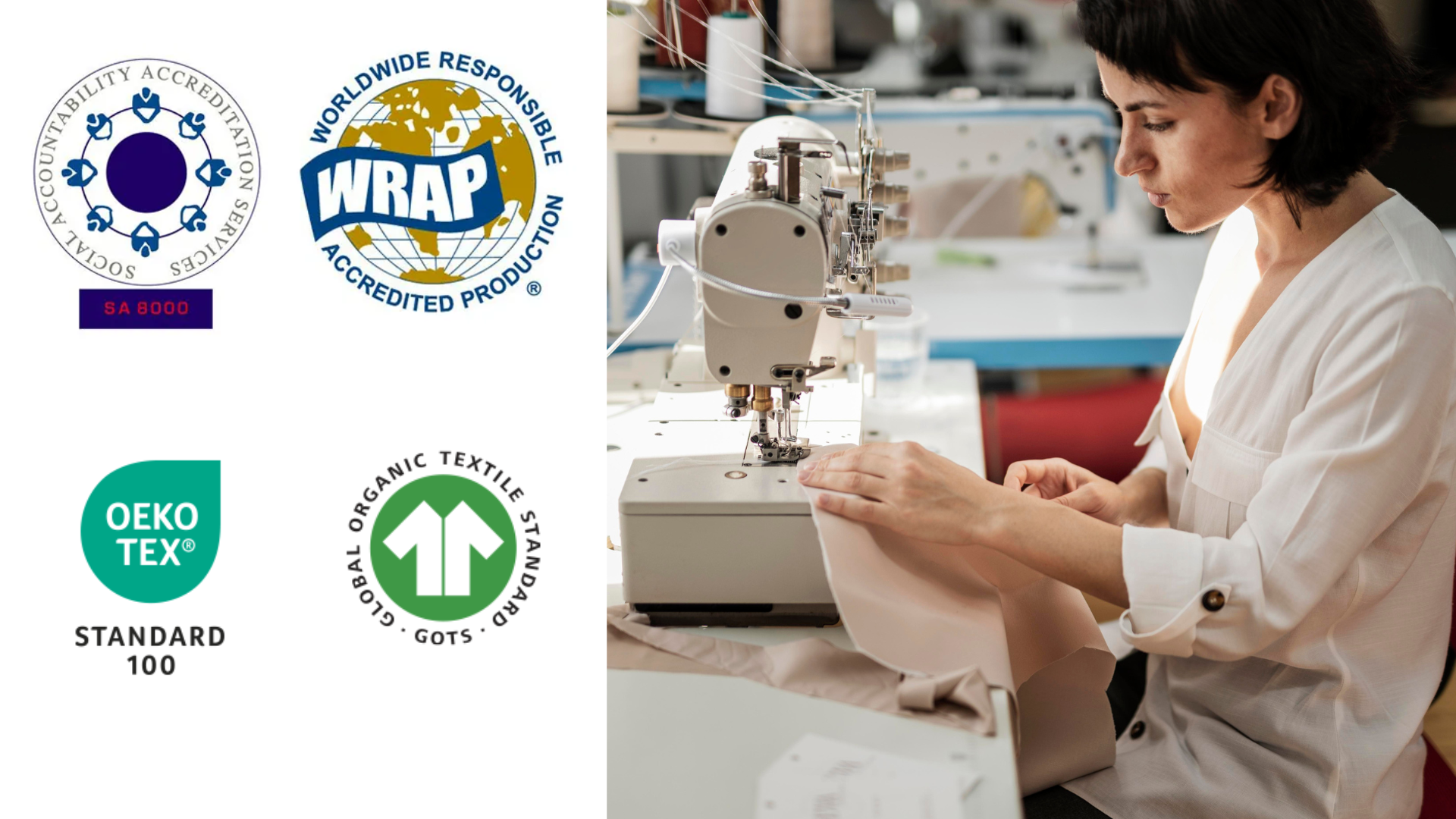
OEKO-TEX 100 is the world’s leading label for textiles tested for harmful substances. It confirms that the final product is free from harmful concentrations of over 100 known toxic substances. For sensitive products (babywear, intimate apparel, activewear), this is often an expectation, not just an advantage, with major UK/EU retailers demanding this standard to ensure consumer health and safety compliance. This is especially true for activewear brands sourcing from Vietnam – if you’re evaluating suppliers in this category, our list of leading athletic clothing manufacturers is a useful starting point.
3.1.2. GOTS (Global Organic Textile Standard) / OCS (Organic Content Standard)
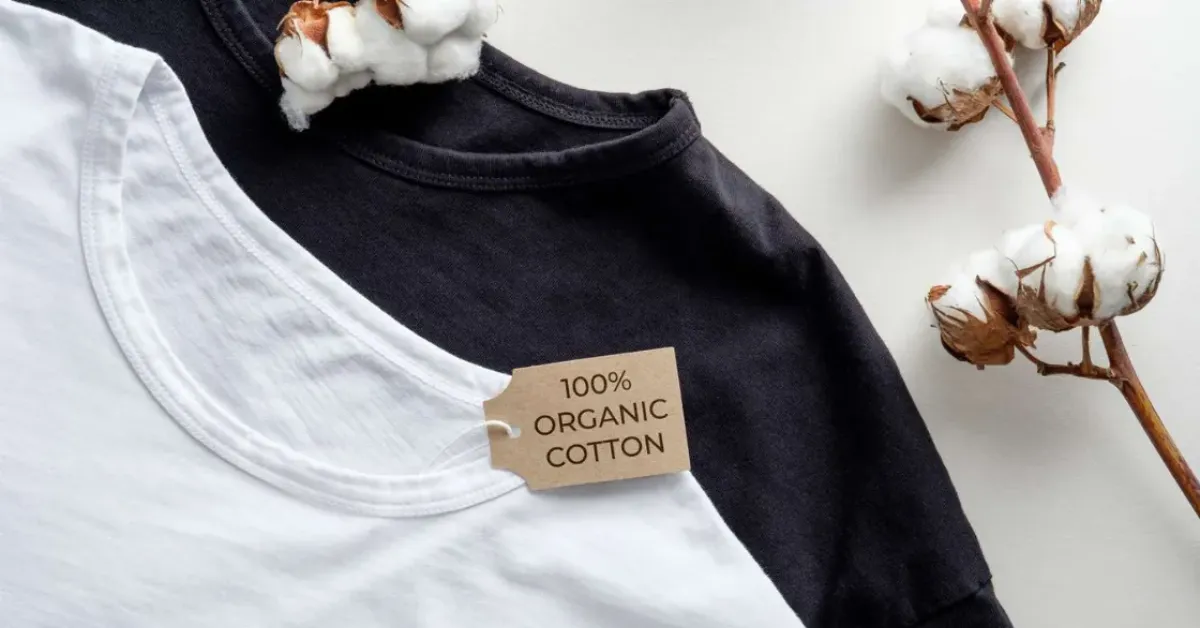
For brands committed to the organic apparel market, GOTS is the most respected standard. It mandates strict environmental criteria for the entire organic textile supply chain, covering ecological and social criteria from farming to manufacturing. OCS is used to verify the precise amount of organic content within a blended material, offering transparency when GOTS requirements (minimum 70% organic fiber) are not fully met.
3.1.3. Global Recycled Standard (GRS) / Recycled Content Standard (RCS)
As brands increasingly rely on recycled fibers (like rPET or recycled cotton), GRS and RCS are essential. They provide third-party verification of the exact recycled material content and ensure responsible social and environmental practices are maintained throughout the material recycling process. GRS is more comprehensive, covering both product content and the social/environmental practices during recycling.
3.2. Social & Ethical Certifications
Ethical sourcing is heavily scrutinized by UK/EU media and NGOs. Proving fair labor, safety, and ethical governance is vital to mitigate risk and demonstrate your commitment to human rights under mounting legislative pressure.
3.2.1. Sedex / SMETA Audit
Sedex membership and the accompanying SMETA (Sedex Members Ethical Trade Audit) are widely required by major UK and European retailers (e.g., in the UK supermarket and department store sector). SMETA is one of the most used ethical audit formats globally, covering four key pillars: Labor Standards, Health & Safety, Environment, and Business Ethics. This audit is an essential tool to demonstrate compliance and transparency across your manufacturing facilities.
3.2.2. WRAP (Worldwide Responsible Accredited Production)
WRAP is a globally recognized program that independently certifies facilities based on 12 principles covering human resources, health and safety, environmental compliance, and security. Achieving this certification signals a high commitment to lawful, humane, and ethical manufacturing practices, providing significant leverage in sourcing negotiations, particularly in the competitive US and European markets.
3.2.3. SA8000 (Social Accountability)
SA8000 is a globally recognized, auditable certification standard that verifies ethical labor practices. It goes beyond national laws by mandating robust criteria across nine key areas, including: Child Labor, Forced Labor, Health & Safety, Freedom of Association, Discrimination, Disciplinary Practices, Working Hours, Remuneration, and Management Systems. Achieving SA8000 demonstrates the highest level of social accountability and is a powerful tool for building brand trust and meeting the due diligence requirements of European governance.
4. Choosing the Right Partner: Thygesen’s Certification Commitment
Achieving and maintaining these complex, multi-layered certifications demands significant time, specialized knowledge, and capital investment. Partnering with a fully certified manufacturer simplifies your market entry, mitigating critical risk and dramatically accelerating your timeline. You are essentially outsourcing the bulk of the compliance workload.
Thygesen Textile Vietnam (TGS) understands that certification is not a one-time event, but an ongoing commitment to quality and ethics required to serve the demanding UK and EU markets. We ensure continuous compliance across our facilities to give your brand immediate market access and competitive confidence.

4.1. TGS’s Certifications for European Market Success:
| Certification Type | TGS’s Commitment | Value to Your Brand |
| Chemical Safety | OEKO-TEX Standard 100 | Guaranteed final product safety, meeting retailer expectations for babywear and sensitive garments. |
| Sustainability & Content | GOTS, OCS, GRS, RCS | Verifiable Chain of Custody (CoC) for Organic and Recycled claims, essential for Greenwashing defense. |
| Social & Ethical | SA8000, WRAP | Immediate proof of compliance with international labor and ethical standards, reducing your brand’s supply chain audit burden. |
| Quality & Systems | ISO 9001 | Assurance of consistent production quality and reliable management systems, reducing defect rates. |
4.2. Thygesen Textile Vietnam: Your Certified Gateway to UK & EU Markets
Thygesen Vietnam doesn’t just produce garments; we deliver market-ready compliance. By choosing TGS, you gain a partner whose established certifications are the groundwork for your brand’s smooth entry into Europe. Whether you’re launching a streetwear line or scaling up basics, hoodies remain one of the highest-demand categories in the UK and EU – if you’re sourcing this category, check out our curated list of hoodie manufacturer options. We are committed to maintaining the highest social and environmental standards, ensuring your brand is protected and positioned for success.”
5. Conclusion: Certify Your Path to Competitive Advantage
In the UK and EU apparel landscape, certification is the language of trust and compliance. While basic certifications like REACH and CE/UKCA are the mandatory prerequisites, value-add standards like OEKO-TEX, GRS, and SMETA are the differentiators that secure shelf space and earn consumer loyalty.
→ Don’t let compliance complexity slow your growth. Partner with Thygesen Textile Vietnam today to leverage our comprehensive certification portfolio, mitigate risk, and confidently expand your brand into the high-value UK and EU markets.