If you’re looking to make your brand more eco-friendly, starting with FSC certified fabrics is a great move. It’s an easy way to show your customers that you care about where your materials come from. Read on to find out how this certification works and how it can help your brand stand out.
1. What Are FSC Certified Fabrics?
FSC certified fabrics are textiles made from wood-based fibers such as viscose, rayon, modal, or lyocell that come from responsibly managed forests. These forests follow strict environmental and social standards to protect biodiversity, prevent deforestation, and respect local communities.
The certification is issued by the Forest Stewardship Council (FSC). It includes a “chain of custody” system, meaning the material is tracked from the forest all the way to the final garment. This ensures the fiber does not come from illegal logging or endangered forests.
2. What Fabrics Can Be FSC Certified?
Most FSC fabrics are made from wood pulp, and sometimes bamboo. They are typically biodegradable and considered a more sustainable alternative to conventional materials, helping brands reduce environmental impact and support responsible forest management.
2.1. Viscose
Viscose is a semi-synthetic fabric made from wood pulp, usually sourced from trees like beech, pine, or eucalyptus. It is known for its soft hand feel, breathable structure, and fluid drape, which makes it feel similar to silk but at a more affordable cost.
When viscose is FSC certified, it means the wood pulp comes from responsibly managed forests verified by the Forest Stewardship Council. This ensures the fiber does not contribute to illegal logging or deforestation and that the supply chain is traceable from forest to finished garment.
Viscose is commonly used for dresses, blouses, skirts, linings, wide-leg pants, and lightweight tops thanks to its smooth texture and elegant drape.
2.2. Modal
Modal is a type of regenerated cellulose fiber, typically made from beech tree pulp. Compared to regular viscose, modal is softer, stronger, and more resistant to shrinkage. It has a smooth surface and excellent moisture absorption, making it comfortable for everyday wear.
FSC certification for modal means the beech wood used to produce the fiber comes from responsibly managed forests. The certification guarantees transparency and responsible sourcing throughout the supply chain, reducing environmental risks linked to forest exploitation.
Modal is widely used in underwear, loungewear, T-shirts, pajamas, base layers, and fitted tops because of its softness, stretch performance, and durability.
2.3. Lyocell
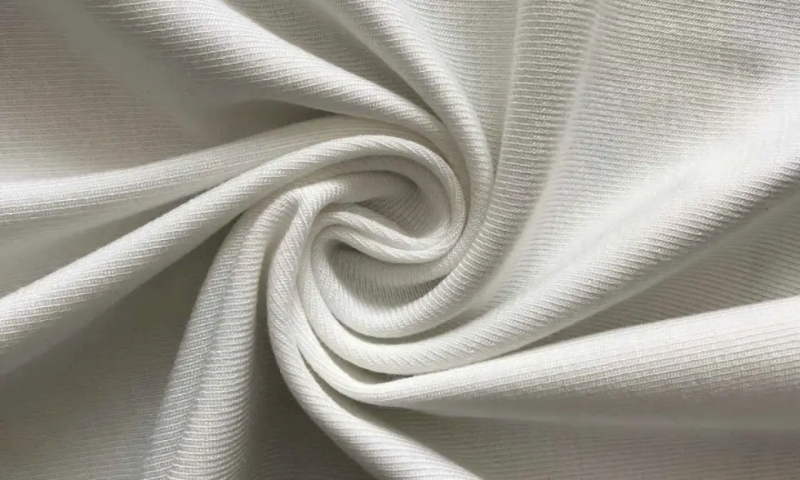
Lyocell is another regenerated cellulose fiber made from wood pulp, often from eucalyptus trees. It is known for its smooth surface, strength, breathability, and moisture management. Lyocell is produced using a more advanced, closed-loop process that recycles most of the solvents used during manufacturing.
When lyocell is FSC certified, it confirms that the raw wood material comes from responsibly managed forests. This adds an extra layer of sustainability by ensuring forest protection alongside a more environmentally conscious production method.
Lyocell is commonly used for shirts, dresses, denim blends, activewear, soft tailoring, and premium basics due to its durability and clean, refined appearance.
For brands developing sustainable activewear using FSC-certified lyocell or similar eco-conscious fabrics, partnering with experienced athletic clothing manufacturers ensures access to the right technical expertise in performance fabric sourcing, construction, and certification compliance. A curated list of athletic clothing manufacturers is available for brands comparing options across different markets and sustainability credentials.
2.4. Bamboo Viscose
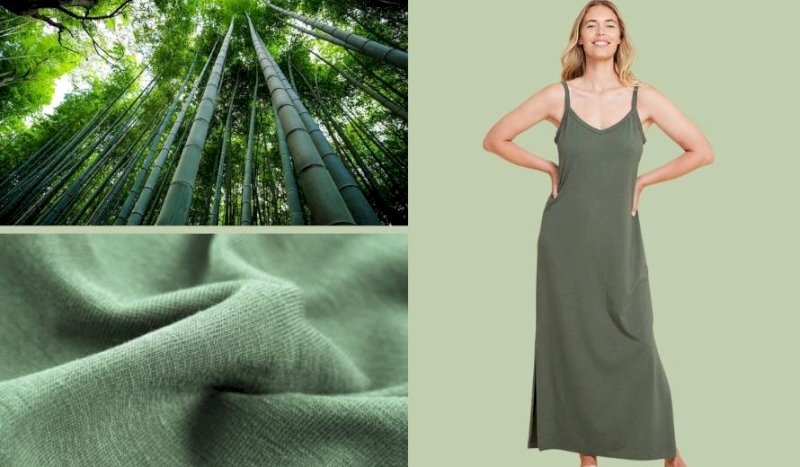
Bamboo viscose is made from bamboo pulp that is processed into regenerated cellulose fiber. It is appreciated for its soft touch, breathability, and smooth finish. Despite the bamboo origin, the fabric goes through a similar chemical process as regular viscose.
If bamboo viscose carries FSC certification, it means the bamboo source is responsibly managed and traceable. This is important because not all bamboo farming is automatically sustainable. FSC ensures proper forest management and prevents irresponsible land use.
Bamboo viscose is often used for babywear, underwear, pajamas, T-shirts, socks, and lightweight loungewear thanks to its softness and comfort against the skin. Bamboo viscose is also increasingly used in casual outerwear and hoodie collections, where softness and eco-credentials are equally valued. Brands exploring this direction can find a curated list of experienced hoodie manufacturers specializing in sustainable fabric options, flexible MOQs, and private-label production to support their collection development.
If bamboo viscose comfort is what you’re after, explore Thygesen’s full-service manufacturing – your go-to t-shirt manufacturer, pajama manufacturer and legging manufacturer.
3. Why FSC Certified Fabrics Matter for Apparel Brands
Moving beyond just “being green,” choosing FSC-certified materials is a strategic move that aligns your business with the future of global retail. Here is how this certification actually moves the needle for your brand:
- Prevents deforestation and protects biodiversity: FSC certification ensures that wood-based fibers like viscose, modal, and lyocell are not sourced from ancient or endangered forests. It requires responsible forest management that protects biodiversity, maintains ecological balance, and prevents long-term forest degradation while contributing to climate change mitigation.
- Ensures full supply chain transparency: The Forest Stewardship Council provides a strict Chain of Custody system that tracks materials from the forest to the finished garment. This reduces the risk of illegal logging, unethical sourcing, and uncertified MMCF entering the apparel supply chain.
- Strengthens brand credibility and consumer trust: The FSC label is widely recognized by global consumers and signals verified sustainability claims. Using FSC-certified fabrics helps brands demonstrate real environmental commitment and minimize the risk of greenwashing accusations.
- Supports social responsibility and human rights: FSC standards protect the legal and cultural rights of Indigenous peoples and local communities. They also require fair wages, safe working conditions, and responsible labor practices throughout the forestry supply chain.
- Aligns with global sustainability and CSR goals: FSC certification supports corporate responsible sourcing strategies and long-term sustainability targets. It provides a recognized framework for meeting environmental, social, and circular economy objectives within the fashion industry.
Recognizing the Importance of Certification for UK and EU Apparel Market can significantly boost a brand’s competitive edge and consumer appeal in these regions.

4. FSC vs Other Textile Certifications
FSC certification focuses on responsible forest sourcing, but apparel brands often combine it with other textile certifications to cover organic content, recycled materials, and product safety. The table below highlights the differences and key benefits of each certification.
| Certification | Focus / Scope | Key Benefits | Typical Use in Apparel |
| FSC | Responsible forest management, traceability of wood-based fibers (viscose, modal, lyocell) | Prevents deforestation, protects biodiversity, ensures ethical sourcing | Cellulose-based fabrics, sustainable fashion lines |
| GOTS (Global Organic Textile Standard) | Organic fiber content, chemical processing | Verifies organic inputs, controls chemical use | Organic cotton, blended organic fabrics |
| OCS (Organic Content Standard) | Presence and percentage of organic material | Confirms organic content claims | Fibers or yarns used in apparel |
| OEKO-TEX STANDARD 100 | Product safety, harmful substances | Ensures garments are safe for consumers | Finished garments, babywear, underwear |
| GRS (Global Recycled Standard) | Recycled content and responsible production | Verifies recycled material, ensures ethical practices | Recycled fibers, sustainable activewear or casualwear |
Understanding the full scope of various Clothing Manufacturer Certifications You Should Know is crucial for building a truly sustainable and credible apparel brand.
5. Thygesen Texle Vietnam – Your Reliable FSC Certified Apparel Manufacturer
At Thygesen Textile Vietnam, we are a clothing manufacturer with over 90 years of experience and trusted by global brands such as Tommy Hilfiger, DKNY, Calvin Klein, Fjällräven, Girlfriend Collective, Ninepine, and Boody.
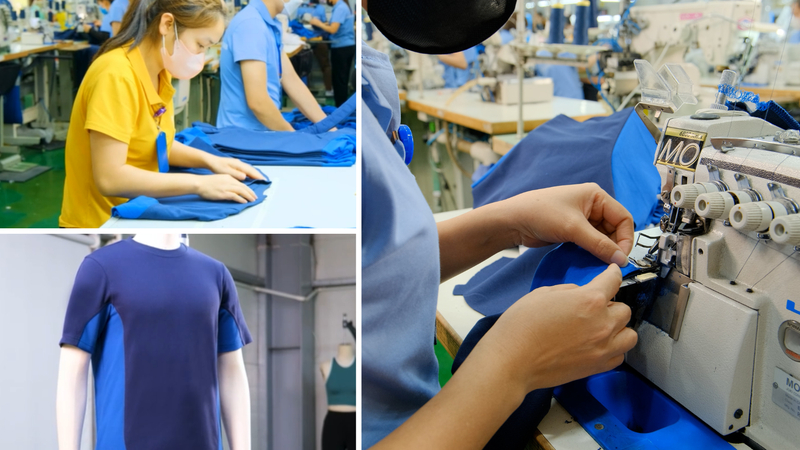
>> Most FSC-certified apparel is produced through a cut and sew manufacturing process – where fabric panels are precisely cut to pattern and assembled through specialized stitching, giving brands full control over material traceability, construction quality, and compliance at every stage. Brands exploring this production model can find a curated list of cut and sew manufacturers across different regions and certifications to identify partners that align with their sustainability standards.
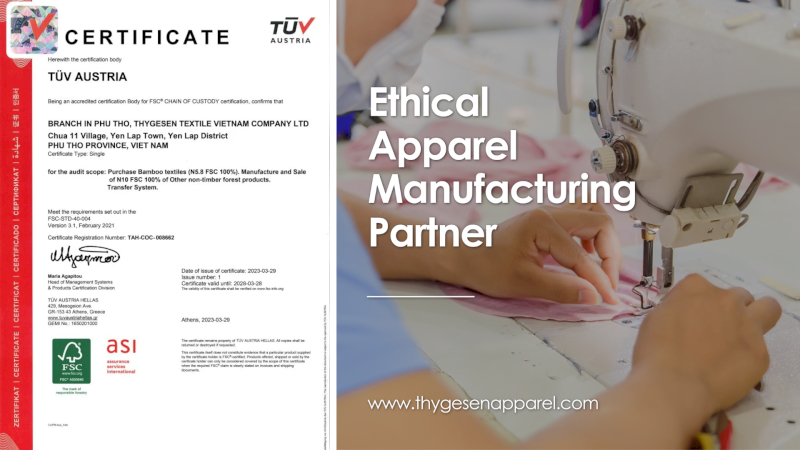
We are FSC-certified by the Forest Stewardship Council, ensuring responsible sourcing and traceability of wood-based fibers. Depending on our customers’ needs, we can also provide additional certifications such as GOTS, OCS, GRS, OEKO-TEX® STANDARD 100, OEKO-TEX® STeP, and ISO standards (ISO 9001:2015 and ISO 13485:2016), guaranteeing sustainability, product safety, and quality management.
For a deeper dive into quality and safety management, refer to the full guide on ISO Clothing Standards: Meaning, How This Benefits Brands & All You Need to Know.
Our factories are SA8000 and WRAP certified, reinforcing our commitment to ethical labor practices, safe working conditions, and responsible manufacturing.
6. FAQs
Does FSC certification affect the cost of my garments?
Yes, FSC-certified fabrics may be slightly higher in price due to responsible sourcing and traceability requirements, but they add value by supporting sustainability and meeting consumer expectations.
Can we print the FSC label on our products?
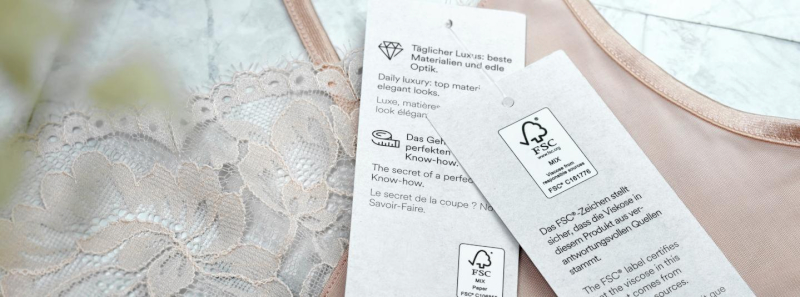
Absolutely. You can use the FSC logo on garments or packaging if the material is FSC-certified, helping communicate your brand’s verified commitment to responsible sourcing.
Does FSC apply only to fabrics or also trims and accessories?
Primarily FSC applies to wood- or plant-based materials, so paper tags, packaging, or wood buttons can also be FSC-certified.
In conclusion, FSC-certified fabrics help apparel brands produce sustainable, transparent, and ethically sourced garments while meeting consumer expectations and protecting forests. To explore our full range of certified fabrics and apparel manufacturing and learn how we can support your brand, visit thygesenapparel.com or contact us at sale@thygesen.com.vn.