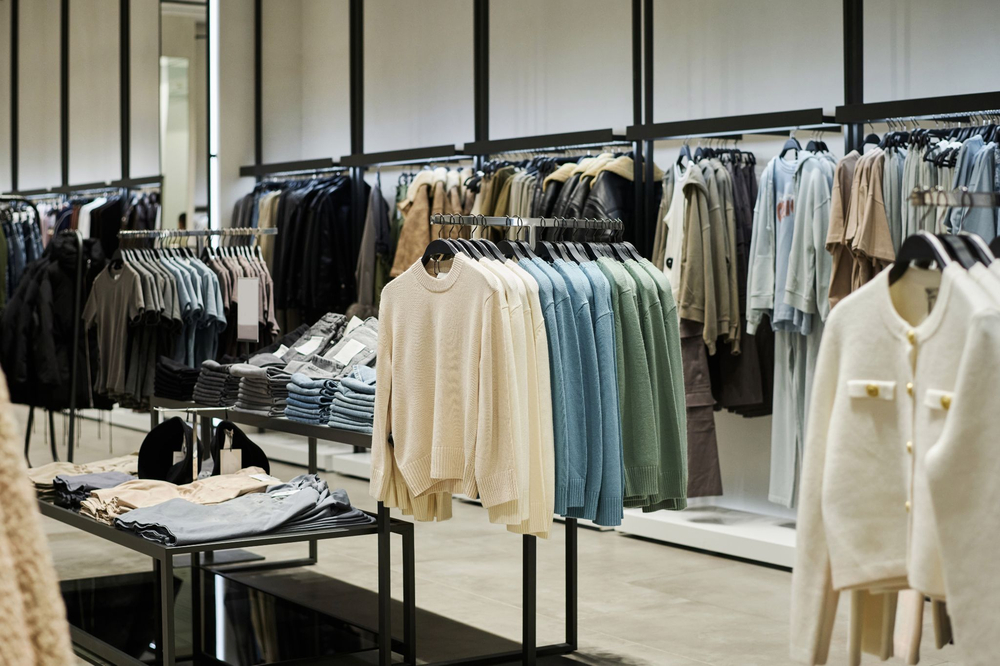
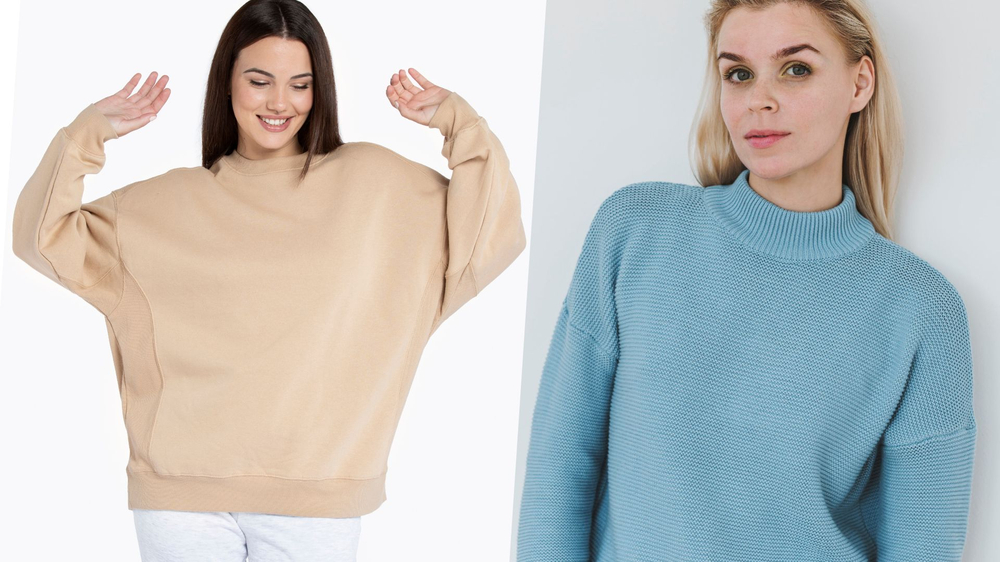
Where Are Hoodies Made? The answer goes beyond geography. Production decisions depend on fabric expertise, labor costs, manufacturing capacity, and supply chain reliability. Brands carefully weigh these factors to ensure quality, durability, and pricing align with their target market.
1. What Influences Where Hoodies Are Made?
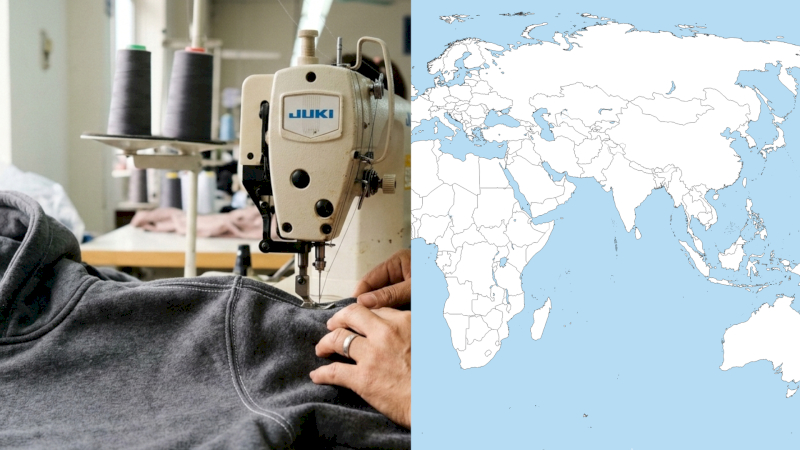
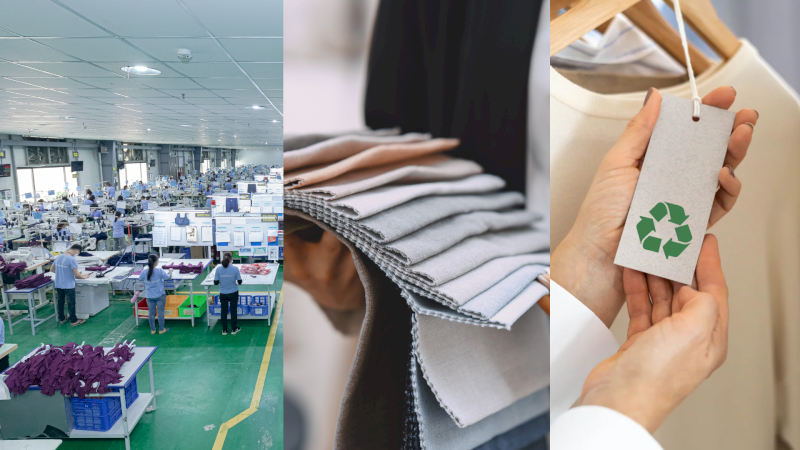
Deciding where to produce hoodies is rarely random. Multiple factors, from material sourcing to labor and sustainability, shape brand choices and impact cost, quality, and delivery timelines. Understanding these elements provides insight into why certain countries are favored in the global apparel industry.
- Raw Material Proximity: Proximity to raw materials can significantly affect production efficiency and cost. When fabrics, yarns, or trims are readily available nearby, brands can reduce lead times, minimize shipping costs, and maintain more flexible production schedules. This often leads to faster response to market trends and seasonal demand.
- Trade Agreements & Tariffs: International trade policies influence manufacturing decisions by affecting the overall cost of importing and exporting garments. Favorable trade agreements and lower tariffs make certain regions more attractive, allowing brands to remain price-competitive while avoiding additional customs delays or expenses.
- Sustainability & Compliance: Increasingly, brands prioritize regions that meet environmental standards and ethical labor regulations. Sustainable production and compliance with certifications not only protect a brand’s reputation but also ensure long-term operational stability, especially as consumers and retailers demand more transparency.
- Minimum Order Quantity (MOQ) vs. Scalability: Factories often impose minimum order quantities, which can impact where brands choose to produce. Regions or suppliers that allow flexible order sizes enable brands to scale production gradually, test new designs, or adapt quickly to changing demand without overcommitting resources.
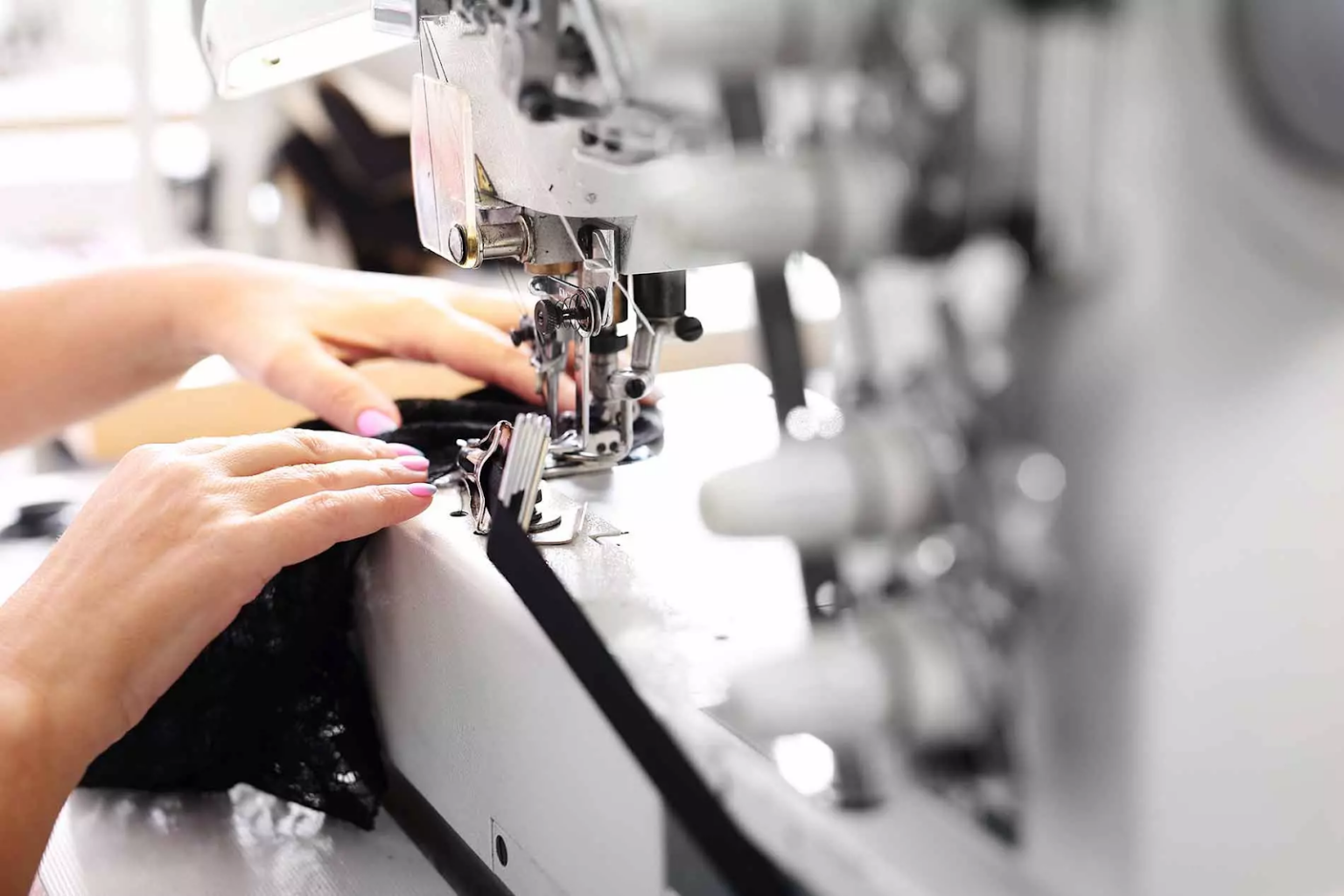
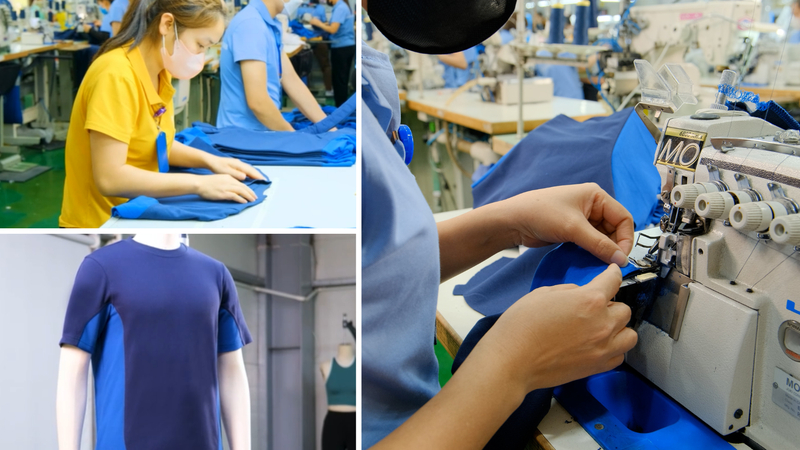
- Manufacturing Capabilities and Infrastructure: The technical know-how, machinery, and infrastructure of a factory determine what styles, fabrics, and finishes can be produced efficiently. Advanced capabilities allow for higher-quality products and innovation, influencing brands to select locations where factories can handle specific requirements. >> Most quality hoodies are produced through cut and sew manufacturing — a method where fabrics are precisely cut to pattern and stitched into finished garments, allowing for maximum control over fit and construction.
>>> When selecting a manufacturing partner, consider their expertise in various apparel, including the specific types of jackets that align with your brand’s vision.
- Labor Costs and Efficiency: Labor remains a key factor in cost calculation. However, efficiency, skill level, and reliability are just as important as wages. Regions with experienced, productive workforces can offer better value, combining competitive costs with consistent quality and faster turnaround times.
2. Major Hoodie Manufacturing Countries
Hoodies are primarily manufactured in Asia and parts of Europe. Each region offers different strengths depending on the target market.
1.1. China
When it comes to sheer variety and availability of components, China is usually the first place manufacturers look.
- Core Strengths: China is the world’s premier “one-stop-shop” for apparel. It boasts an unparalleled supply chain where everything, from raw cotton and advanced fleece fabrics to specialized zippers, aglets, and high-tech printing machinery, is available within a small geographic radius. Their ability to execute complex designs like heavy embroidery, acid washes, or 3D puff prints is unmatched in speed and precision.
- Why Brands Choose China: Companies opt for China when they need massive scale, technical versatility, and lightning-fast turnaround. It is the go-to destination for brands that require intricate technical details and a “plug-and-play” manufacturing ecosystem that handles everything from fabric sourcing to final packaging.
- Key Manufacturers: Shenzhou International (major supplier for Nike/Adidas), Sino Finetex, Ningbo Shenzhou.
>>> Brands researching reliable suppliers can explore China Clothing Manufacturers: Where to Find and Top 10 to Work With to discover trusted factories, sourcing platforms, and key partners in China’s apparel ecosystem.
1.2. Vietnam
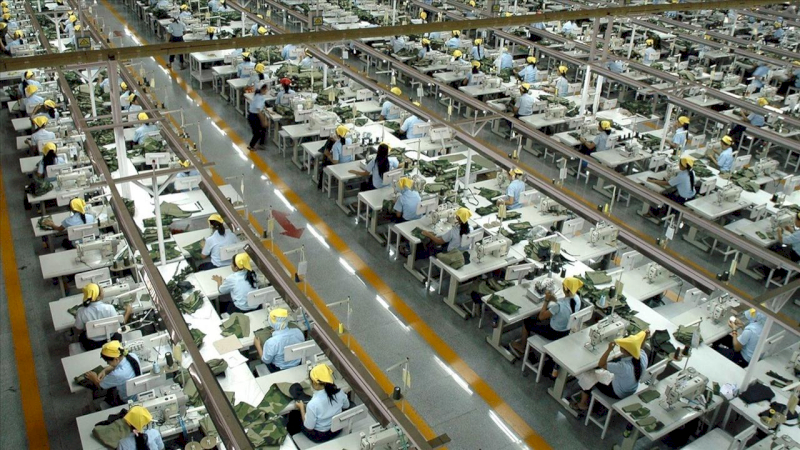
Vietnam has become a favorite for brands that want high-quality sewing and very reliable production standards.
- Core Strengths: Vietnam is renowned for its high-quality workmanship and exceptional attention to detail. While it handles large volumes, its true strength lies in mid-to-high-end performance hoodies and technical sportswear. Vietnamese factories are highly skilled in specialized stitching (like flatlock seams) and working with synthetic blends. Additionally, favorable trade agreements (like the CPTPP and EVFTA) provide significant tariff advantages for exports to Europe and the Pacific.
>>> Understanding what are compression leggings and their unique manufacturing requirements for specialized stitching and synthetic blends is key for brands focusing on performance wear.
- Why Brands Choose Vietnam: Brands choose Vietnam to achieve a balance between premium quality and cost-efficiency. It is often seen as the most reliable alternative to China for brands that want to maintain high construction standards and ethical transparency while benefiting from competitive labor rates. Furthermore, the country’s consistent political stability offers a low-risk environment for long-term manufacturing partnerships, ensuring that production schedules are rarely disrupted by domestic unrest.
>> For brands building performance-driven collections beyond hoodies, partnering with experienced athletic clothing manufacturers can provide access to specialized technical fabrics, functional construction expertise, and scalable sportswear production.
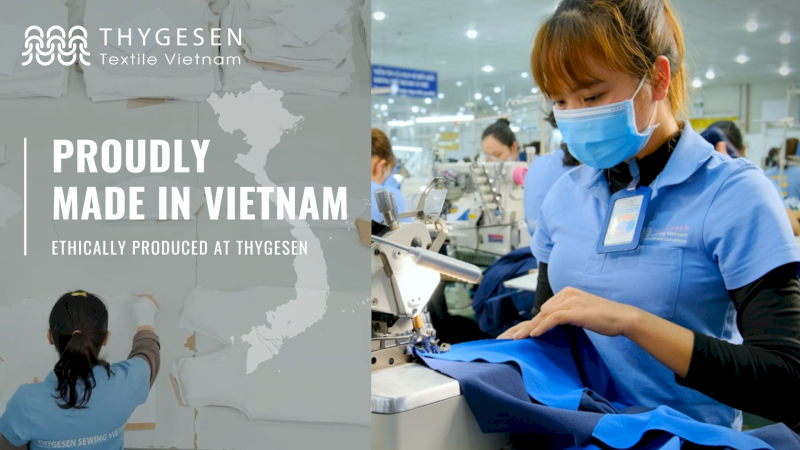
Thygesen Textile Vietnam is an ethical apparel manufacturer in Vietnam trusted by many fashion brands around the world such as Tommy Hilfiger, DKNY, Calvin Klein, Fjällräven, etc, offering full package from fabric sourcing to design consultation, sample development, bulk s manufacturing, custom labels, hang tags, prints, etc and logistics.
>>> Brands that want to develop hoodie collections can explore Thygesen’s capabilities as a hoodie manufacturer, where the company explains its custom hoodie production process, material options, and private-label solutions designed for fashion brands and apparel startups.
1.3. Bangladesh
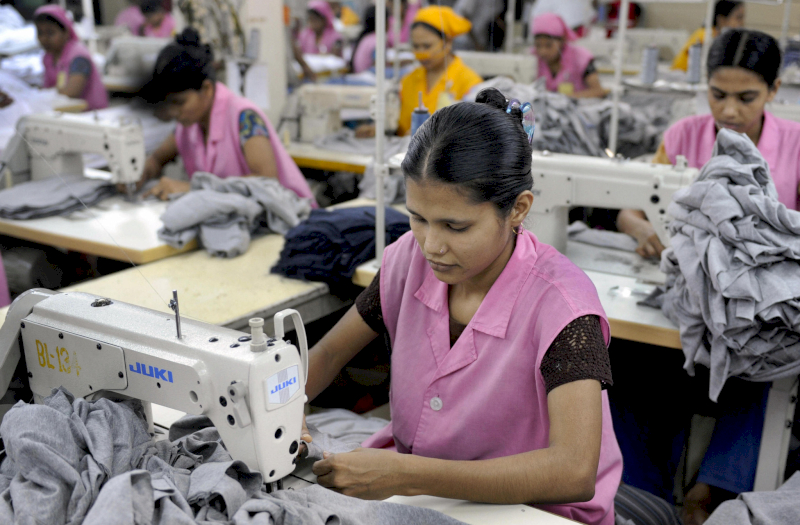
If the main goal is to produce huge quantities of hoodies at the best possible price, Bangladesh is the clear leader.
- Core Strengths: Bangladesh is the global leader in high-volume, low-cost production. It houses some of the world’s largest vertical factories dedicated almost exclusively to basic knitwear like hoodies and sweatshirts. Because of the massive scale and low labor costs, Bangladesh offers the most competitive FOB (Free On Board) prices globally, supported by duty-free access to many Western markets under “Least Developed Country” status.
>>> For brands looking to explore a wide range of designs and styles, Your Comprehensive Guide to 20+ Types of T-shirts can offer valuable insights for mass-market production in countries like Bangladesh.
- Why Brands Choose Bangladesh: This is the primary destination for mass-market retailers and fast-fashion giants. If a brand needs to produce millions of units of a “basic” hoodie at the lowest possible price point, Bangladesh is the undisputed choice due to its sheer capacity and cost-saving advantages.
- Key Manufacturers: Ha-Meem Group, Pacific Jeans, SiATEX Bangladesh.
1.4. Turkey
Turkey is a great option for brands that need high-quality cotton fabrics and fast delivery to the European market.
- Core Strengths: Turkey is a powerhouse for high-quality cotton and French Terry fabrics. Its greatest advantage is its proximity to Europe, allowing for “near-shoring”—shipping goods via truck in just a few days. Turkish manufacturers are also famous for their flexibility with Lower MOQs (Minimum Order Quantities) and their expertise in trendy garment-dyeing and washing techniques.
- Why Brands Choose Turkey: European premium brands choose Turkey when they need high-quality fabric and speed-to-market. It allows brands to react quickly to fashion trends, restocking popular hoodie styles within weeks rather than months, all while maintaining a “High Street” quality feel.
- Key Manufacturers: Brosan Textile, Pand Textile, Sun Tekstil.
>>> Brands exploring Turkish sourcing options can learn more from Top 10 Clothing Manufacturers in Turkey: Sourcing for the Optimal Balance of Quality, Cost and Speed, which highlights leading factories and explains why Turkey has become a strategic apparel manufacturing hub for European brands.
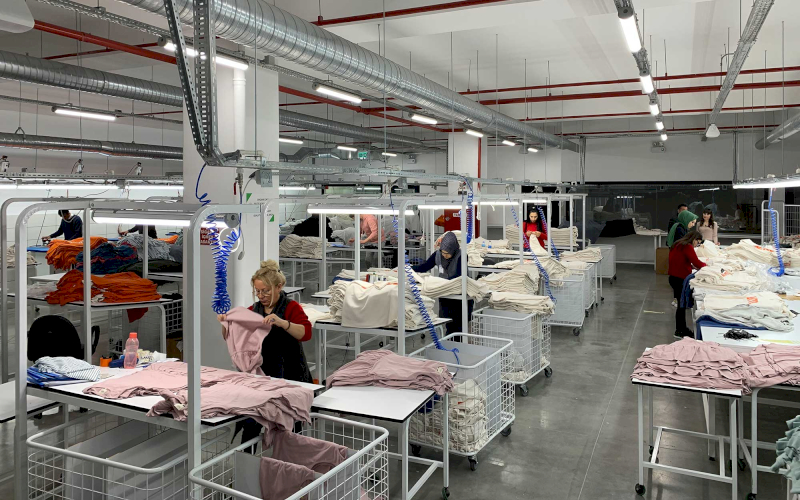
1.5. Portugal
For high-end labels that care about premium materials and ethical work conditions, Portugal is often the top pick.
- Core Strengths: Portugal is the “gold standard” for luxury and sustainable hoodie production in Europe. The factories here focus heavily on eco-friendly practices, using organic cotton, recycled polyester, and non-toxic dyes. Portuguese fleece is world-famous for its heavy weight, durability, and soft “hand-feel.” The “Made in Portugal” label is often associated with high-end streetwear and designer labels.
- Why Brands Choose Portugal: Brands choose Portugal for prestige, sustainability, and craftsmanship. It is the top choice for luxury streetwear startups and established designer houses that prioritize ethical manufacturing and want to market a premium, long-lasting product to conscious consumers.
- Key Manufacturers: ASBX, Portugal Clothing Factory, S.G.S. – Sociedade de Gestão de Stock.
>>> Brands considering Portugal as a premium sourcing destination can explore Top 10 Clothing Manufacturers in Portugal: Investing in “Made in Portugal” Quality and EU Compliance, which highlights leading factories known for luxury craftsmanship, sustainable materials, and strict European manufacturing standards.
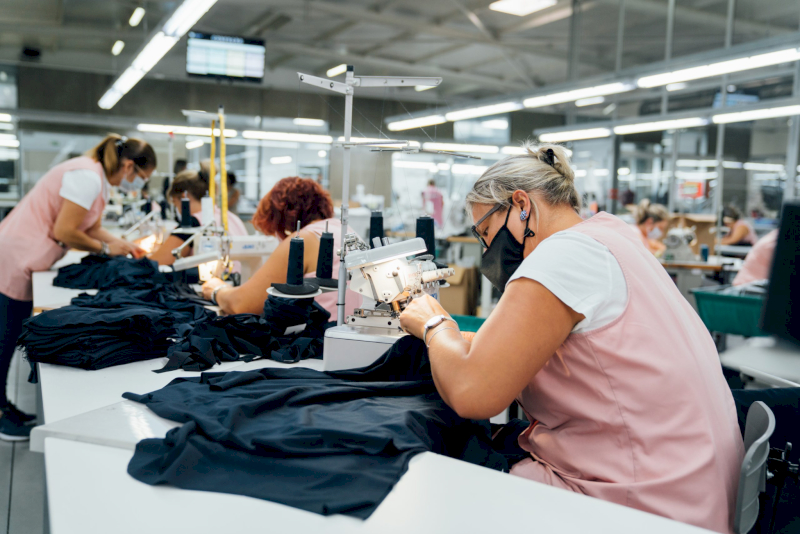
| Country | Key Highlights | Best For |
| China | Largest apparel hub with advanced fabrics and tech; excels in complex designs. | Massive scale, fast turnaround, intricate details. |
| Vietnam | Skilled workmanship, technical stitching, stable politics and cost-efficient. | Mid-to-high-end hoodies with reliable quality, focus on ethical manufacturing. |
| Bangladesh | Low-cost, high-volume production; duty-free access to Western markets. | Mass-market, fast-fashion basics. |
| Turkey | High-quality cotton/French Terry; nearshore to Europe; flexible MOQs. | European brands need fast delivery and trendy styles. |
| Portugal | Luxury, sustainable production; soft, durable fleece; ethical practices. | Premium/luxury hoodies with focus on craftsmanship. |
>> Brands drawn to sustainable fiber innovation can also explore bamboo-based apparel, a growing category in eco-conscious fashion. A list of experienced bamboo pajama manufacturers offers a useful starting point for brands looking to expand into sustainable sleepwear alongside their outerwear collections.
3. Strategic Recommendation for US Brands
According to the latest OTEXA data and early 2026 trade reports, China remains the top supplier of textiles and apparel to the U.S., but its market share has dropped sharply (below 15% by the end of 2025) due to high tariffs (25-50%), prompting U.S. brands to seek more stable sourcing options.
Meanwhile, U.S. imports from Vietnam rose to nearly $9.5 billion in the first seven months of 2025, a 17.5% increase compared to the same period in 2024, while imports from China fell 21% to $6.9 billion. This shift makes sense for brands focusing on sustainability and supply chain reliability. Vietnam’s political stability ensures consistent production schedules, minimizing risks of strikes or border closures and helping optimize cash flow and marketing plans.
However, each country still plays a unique role: Bangladesh is ideal for high-volume basic hoodies, while Mexico or certain European countries are better for fast deliveries, nearshoring, and quick weekly “drop” shipments to reduce shipping costs. So, for a smart sourcing strategy, brands need to identify one or a few key priorities, because no single country can meet all requirements perfectly.
In conclusion, hoodie production is shaped by a mix of expertise, cost, capacity, and supply chain factors, with each country offering unique strengths; for a smart sourcing strategy, brands must prioritize their key needs, as no single location can perfectly fulfill all requirements.
If you are looking for a reliable hoodie manufacturer in Vietnam, check out thygesenapparel.com or email sale@thygesen.com.vn to inquire and see how we can support your brand.