From casual bombers to structured blazers, jackets come in countless styles, each with its own design purpose. Our guide covers 20+ types of jackets, detailing their features, fabric choices, and styling possibilities, making it an essential resource for fashion brands and designers looking to innovate their collections.
>>> For brands aiming to set new trends in urban fashion, partnering with an experienced streetwear manufacturer is essential for bringing innovative jacket designs to life. Thygesen supports design teams in developing diverse outerwear lines, ensuring each piece reflects contemporary aesthetics and market appeal. This collaboration prioritizes creative vision and production excellence to deliver sought-after collections.
1. By Style & Purpose
The style and intended purpose of a jacket play a major role in its design and appeal. By examining jackets according to these factors, brands and designers can identify which types fit casual, professional, or specialized needs, making informed decisions for their collections.
1.1. Bomber Jacket
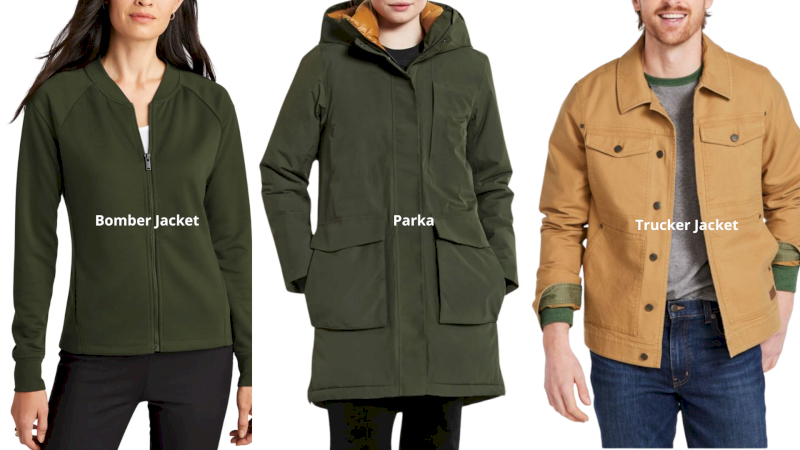
Bomber jackets are defined by ribbed cuffs, waistband, and collar, offering a snug fit while maintaining mobility. Originally designed for military pilots, they are now a staple in streetwear and casual fashion. Typical fabrics include nylon for a lightweight, weather-resistant finish, cotton twill for durability, or faux leather for a fashion-forward look. From a manufacturing perspective, careful ribbing, seam strength, and fabric weight determine comfort, durability, and the jacket’s drape. Bomber jackets are versatile for urban collections, casual wear, and transitional seasonal lines.
1.2. Denim Jacket
Denim jackets are made from durable cotton twill, designed for everyday wear with a balance of strength and comfort. Variations in washing, fading, and distressing techniques greatly influence both brand positioning and production costs. They are ideal for casual, lifestyle, and unisex collections. Manufacturing considerations include stitching consistency, color fastness, and reinforcement at stress points like pockets and seams to maintain longevity despite frequent wear.
1.3. Trucker Jacket
Trucker jackets are a more structured version of denim jackets, featuring chest pockets, button closures, and a slightly tailored silhouette. Suitable for men’s, women’s, and unisex collections, they offer a rugged yet stylish look. Cotton twill is the most common material, though blends or stretch denim can enhance comfort. Production focus includes precise panel alignment, reinforced pocket stitching, and maintaining shoulder structure to prevent sagging over time.
1.4. Trench Coat
Trench coats are long, belted jackets, traditionally made from twill or gabardine, designed for transitional seasons like spring and autumn. They combine protection from light rain with elegant drape and movement. Pattern precision is critical to maintain balance and shape, especially in pleats and shoulder construction. Typical linings, like cotton or polyester blends, enhance comfort, while belt attachment and button positioning affect wearability and durability.
1.5. Parka
Parkas are longer-length jackets, often insulated and featuring a hood, designed for cold climates or urban winter collections. Fabrics range from water-resistant nylon to cotton blends with down or synthetic fillings. Weight distribution, seam reinforcement, and zipper quality are essential to ensure functionality, warmth, and comfort. Manufacturing challenges include even insulation fill, hood attachment, and functional pocket placement for both aesthetic and practical use.
>> While the focus might be on outerwear, brands often require a unified approach to their entire apparel range. For those seeking a versatile t shirt manufacturer alongside specialized jacket production, Thygesen offers comprehensive solutions that ensure consistency and quality across product categories. This integrated capability allows for streamlined sourcing and efficient development of complete wardrobe offerings.
>>> For brands looking to create high-performance apparel, understanding what are compression leggings and how to manufacture them effectively is key to a versatile activewear collection.
>>> To broaden your product range beyond jackets, a thorough guide on the various types of t-shirts can help you create a diverse and appealing collection for your customers.
1.6. Leather Jacket
Leather jackets are short, fitted outerwear, crafted from genuine leather or PU alternatives. They are iconic for streetwear, lifestyle, and moto-inspired collections due to their edgy aesthetic. From a manufacturing standpoint, leather quality, panel placement, and seam construction are crucial to prevent cracking, warping, or surface peeling. PU leather requires precise stitching and backing for durability, while genuine leather benefits from careful conditioning and lining selection to enhance longevity.
1.7. Blazer
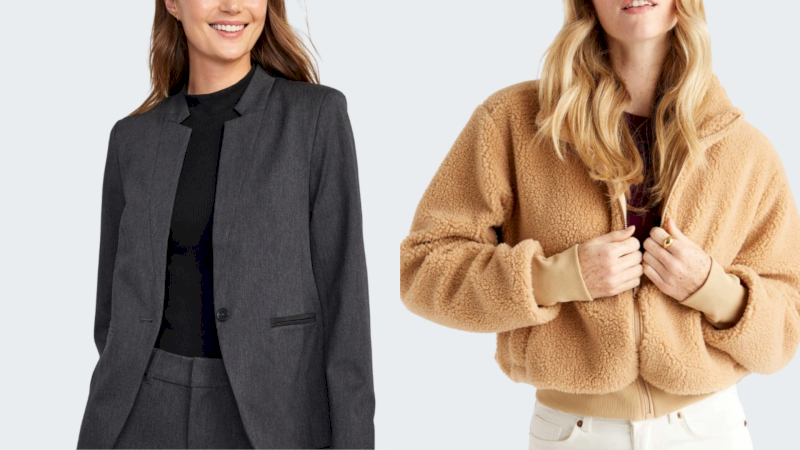
Blazers are tailored jackets that bridge casual and formal wear, often layered over shirts or knitwear. Common fabrics include wool, polyester blends, or cotton for lighter options. Internal structure – interlining, shoulder pads, and canvas – determines shape retention, drape, and comfort. Brands must balance structure with mobility to ensure the blazer looks sharp but allows movement, making it suitable for corporate, smart-casual, or lifestyle collections.
1.8. Peacoat
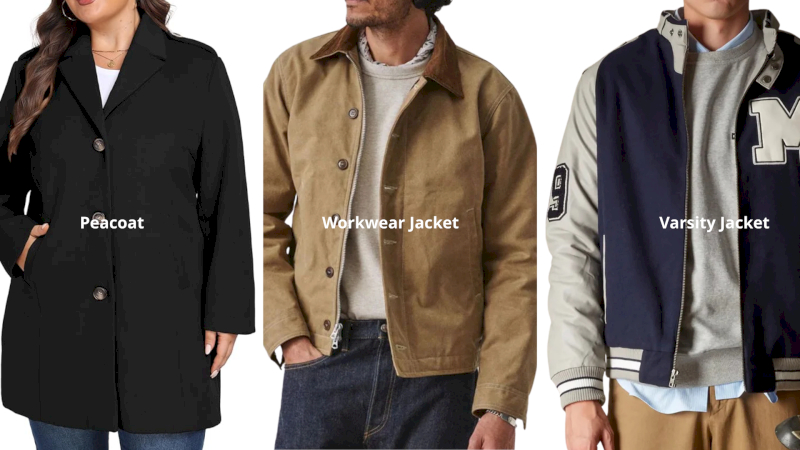
Peacoats are double-breasted wool jackets with wide lapels and structured silhouettes. They are traditionally warm, wind-resistant, and ideal for premium outerwear lines in cooler seasons. Wool thickness, lining choice, and button positioning directly impact warmth and comfort. Reinforced button stands are critical, as peacoats often face chest tension during movement. Tailoring precision ensures the coat maintains elegance while being functional for daily wear.
1.9. Varsity Jacket
Varsity jackets, also called letterman jackets, combine a wool or fleece body with leather or PU sleeves. They carry heritage, collegiate, and streetwear connotations. Mixed materials require attention to color consistency, sleeve thickness, and stitch tension. Ribbed trims, chenille patches, and embroidery must be coordinated carefully to ensure durability and maintain aesthetic balance. These jackets are ideal for seasonal lifestyle collections, university-inspired lines, or casual outerwear.
1.10. Workwear Jacket
Workwear jackets are functional, durable outerwear designed for heavy-duty use, often in industrial or utility-inspired fashion collections. Typical fabrics include heavy cotton twill, canvas, or duck cloth. Key features include reinforced stitching, multiple pockets, and durable hardware like metal buttons or zippers. From a manufacturing perspective, seam strength, abrasion resistance, and fabric weight are critical to ensure the jacket withstands demanding wear while maintaining structure and comfort.
>>> The intricate construction of many jacket types necessitates precise and skilled cut and sew manufacturing. Thygesen’s advanced facilities and technical expertise ensure every garment is crafted with meticulous attention to detail, from pattern accuracy to seam integrity. This commitment to precision guarantees the durability and performance expected from premium outerwear.
2. By Weather Protection
From spring breezes to harsh winter storms, jackets serve as both fashion statements and protective gear. This guide explores jacket types by weather protection, highlighting how materials, lining, and insulation are carefully chosen to ensure optimal performance and comfort in any condition.
2.1. Windbreaker
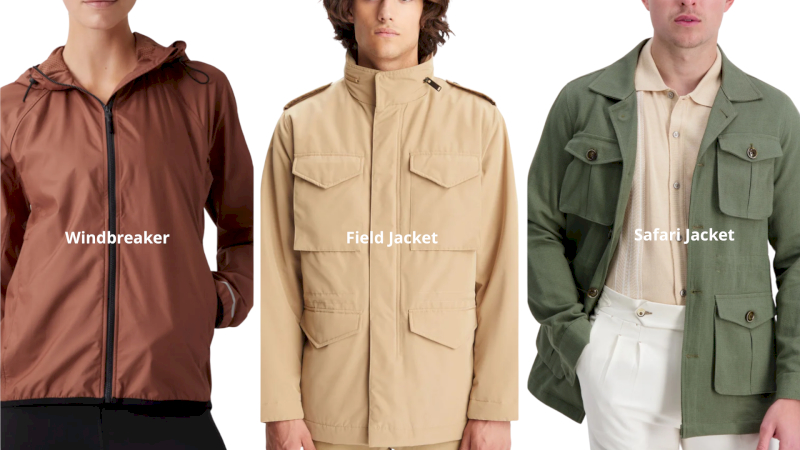
Windbreakers are lightweight, packable jackets designed primarily to block wind while offering minimal insulation. Common fabrics include nylon, polyester, or micro-ripstop, often treated with water-repellent coatings for light drizzle protection. They are ideal for running, hiking, cycling, or promotional/outdoor sports apparel.
Design details such as adjustable hoods, elastic or drawcord cuffs, and hem toggles enhance wind resistance. From a manufacturing standpoint, careful seam reinforcement, quality zippers, and waterproof coatings ensure durability and functional performance. Lightweight lining or mesh inserts can improve breathability and comfort during high-activity use.
2.2. Rain Jacket
Rain jackets are made from waterproof or water-resistant fabrics like PU-coated polyester, Gore-Tex, or laminated nylon. Sealed or taped seams, storm flaps, and water-resistant zippers are critical to prevent leakage.
These jackets are suitable for hiking, commuting, or outdoor events in wet weather. Breathability is achieved through ventilation zippers, mesh linings, or moisture-wicking layers, while adjustable hoods, cuffs, and drawstrings enhance fit and protection. Manufacturing challenges include precise seam sealing, ensuring zippers function smoothly under wet conditions, and balancing waterproof coatings with fabric softness.
2.3 Waterproof Shell
Waterproof shells are technical outer layers designed for extreme weather or outdoor activities like mountaineering, skiing, or trekking. Fabrics often feature multi-layer laminates, membranes, or PU coatings for full water and wind protection. They are generally worn over base and mid-layers for insulation layering.
Functional details include fully taped seams, adjustable storm hoods, reinforced high-stress points, ventilation zippers, and durable water-repellent finishes. Manufacturing requires precision in seam taping, alignment of panels, and coating application to maintain waterproof integrity while ensuring mobility and lightweight performance.
2.4. Field Jacket
Field jackets are utility-inspired, multi-pocketed jackets originally designed for military use but now adapted for casual and outdoor wear. Fabrics include cotton twill, canvas, or water-resistant blends. Reinforced bar-tacks at stress points, double-stitching, and durable hardware prevent tearing under heavy load.
Functional details include epaulets, adjustable cuffs, storm flaps, and sometimes removable hoods or linings. Ideal for urban outdoor activities, hiking, or travel, they balance durability with style. Production challenges involve maintaining pocket placement symmetry, stitching reinforcement, and combining rugged fabrics with comfort linings.
2.5. Safari Jacket
Safari jackets are lightweight, belted, and designed with multiple pockets for convenience. Fabrics such as cotton twill, linen blends, or lightweight polyester are used to balance structure with softness, making them suitable for travel, resort wear, and casual outdoor activities.
Functional features include adjustable belts, buttoned or zippered pockets, shoulder epaulets, and sometimes removable linings for warmer or cooler climates. Manufacturing requires careful handling of lightweight fabrics to prevent distortion, precise construction of pockets and belts, and sometimes integration of hidden ventilation panels for breathability.
>>> Meeting the contemporary demand for comfortable and versatile casualwear requires a production partner focused on both style and ethical practices. As a dedicated hoodie manufacturer, Thygesen emphasizes sustainable material sourcing and transparent production processes. This approach enables brands to offer high-quality, responsibly made products that resonate with conscious consumers.
3. By Insulation & Warmth Level
When temperatures drop, the right jacket can make all the difference between comfort and cold. Exploring jackets by insulation and warmth level reveals how materials, padding, and construction work together to retain heat while maintaining mobility and style.
3.1. Fleece Jacket
Fleece jackets are soft, lightweight, and breathable, providing moderate warmth while allowing freedom of movement. Common fabrics include polyester microfleece, polar fleece, or recycled synthetic blends.
They are perfect for outdoor layering, hiking, casual wear, or athleisure collections. Key manufacturing considerations include pilling control, seam stability, and stretch management to maintain a premium look over time. Functional details like zippered pockets, adjustable hems, and thumbholes enhance usability, while high-quality finishing ensures durability and consistent insulation performance.
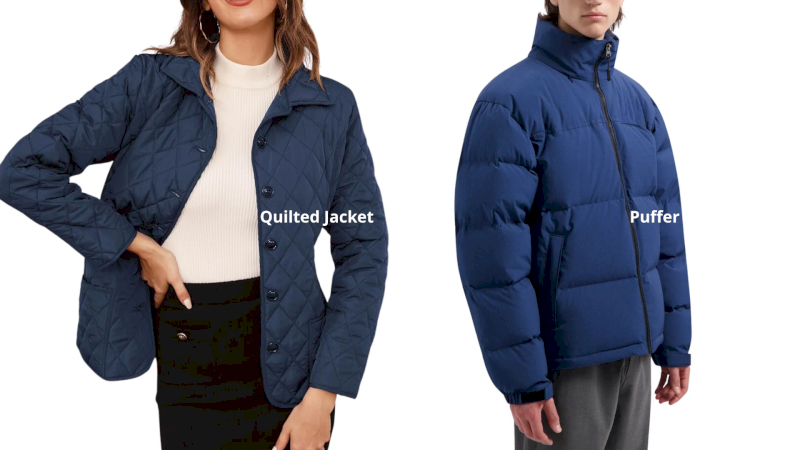
3.2. Puffer/Quilted Jacket
Puffer jackets feature down or synthetic fillings held in place by stitched quilt channels, designed to retain warmth efficiently. Fabrics often include water-repellent nylon, polyester taffeta, or ripstop materials.
Quilting patterns, stitch density, and fill distribution are crucial to prevent clumping and uneven insulation. Ideal for winter collections, urban outerwear, and alpine activities, puffers can include features like adjustable hoods, elastic cuffs, hem drawcords, and reinforced zipper plackets. Manufacturing challenges include precise fill measurement, consistent quilting, and seam sealing to maintain warmth and lightweight performance.
3.3. Down Jacket
Down jackets are naturally warm, highly compressible, and lightweight, making them excellent for cold climates. Fabrics include nylon or polyester shells with water-resistant coatings, while insulation ranges from goose down to duck down or blends. Critical design considerations include baffle construction, moisture protection, and careful sourcing of ethically certified down.
Many brands opt for synthetic alternatives for improved washability and allergy considerations. Additional features include adjustable hoods, storm cuffs, packable designs, and high-quality linings to maximize thermal efficiency while maintaining comfort and style.
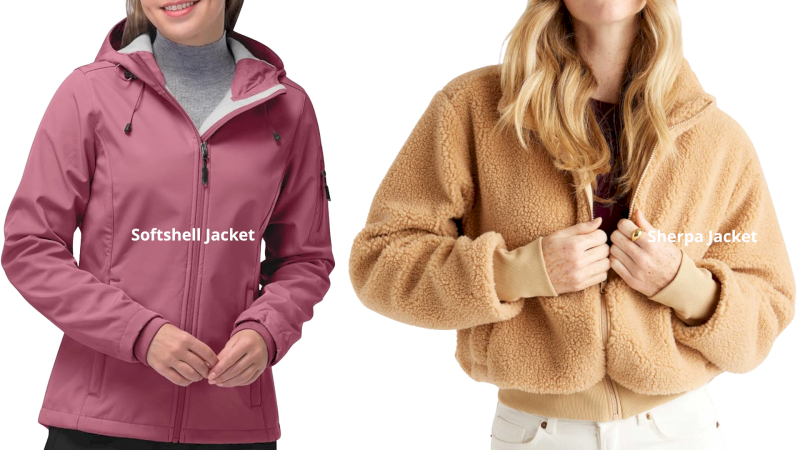
3.4. Softshell Jacket
Softshell jackets are stretchy, mid-weight layers that balance warmth, breathability, and mobility. Fabrics typically combine woven polyester or nylon with elastane, often featuring wind-resistant and water-repellent finishes. They are popular for activewear, hiking, climbing, and outdoor sports where flexibility is key.
Functional design features include articulated sleeves, adjustable hoods, ventilation zippers, and reinforced shoulders or elbows. Manufacturing focus includes stretch fabric cutting, seam reinforcement, and durable DWR (durable water-repellent) coating application to ensure longevity and comfort.
3.5. Sherpa Jacket
Sherpa jackets feature a soft, textured fleece that mimics sheepskin, providing warmth without bulk. Common materials include polyester or polyester-blend fleece, sometimes with a smooth lining for comfort and ease of layering. They are suitable for casual, lifestyle, and outdoor fall/winter collections.
Design features include full or half zips, pockets, high collars, and elastic or ribbed cuffs. Manufacturing considerations include controlling pile density, seam integrity, and trimming to prevent matting or shedding, while linings and reinforcement panels enhance durability and comfort.
4. By Closure
One of the most straightforward ways to classify jackets is by their construction and closure. From buttoned and zipped designs to more unique fastening methods, understanding these categories can guide fashion brands and designers in creating versatile and stylish outerwear.
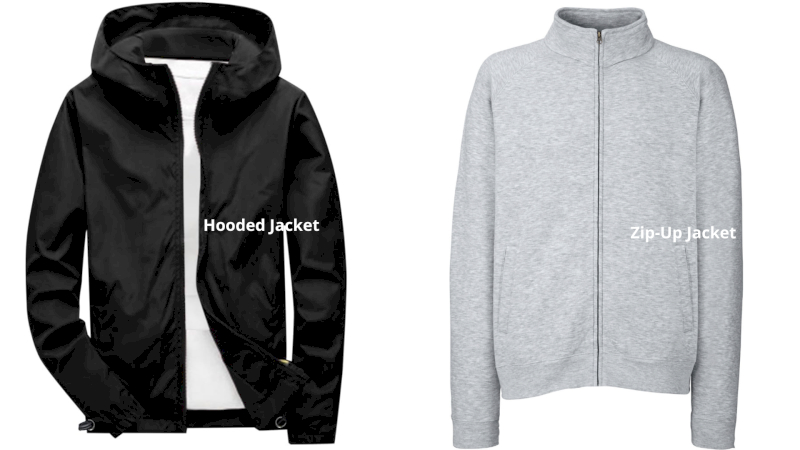
4.1. Zip-Up Jacket
Zip-up jackets feature a full or partial front zipper that allows easy wearing and adjustable ventilation, making them highly versatile for layering. Common fabrics include cotton blends, polyester fleece, softshells, or lightweight nylon.
They are ideal for lifestyle, travel, athleisure, and sportswear collections. Key manufacturing considerations include zipper quality, slider/puller durability, and stitching strength, as repeated opening and closing can lead to failure if not reinforced.
Additional functional details such as storm flaps, protective chin guards, lining along the zipper, and elastic or ribbed hems improve comfort, weather protection, and aesthetic appeal.
4.2. Button/Snap Jacket
Buttoned or snap-front jackets create a more structured, classic look compared to zippers. They are commonly found in workwear, denim, casual, and heritage-inspired designs. Fabrics range from cotton twill, denim, canvas, or blended synthetics, depending on the intended durability and style.
Reinforcing button stands, bar-tacks, and stitch reinforcement are crucial to prevent loosening or tearing over time. Additional design features such as storm flaps behind the buttons, lined collars, adjustable cuffs, and decorative stitching enhance both functionality and aesthetics. Snap closures may include metal or plastic options, each requiring precise attachment and quality control for longevity.
4.3. Hooded Jacket
Hooded jackets combine weather protection with casual and sporty appeal, making them highly versatile across athleisure, outdoor, and lifestyle collections. Fabrics include polyester fleece, softshell, cotton blends, and water-resistant synthetics.
Hood design is critical: depth, shape, drawcord placement, and lining influence comfort, visibility, and safety. Lining materials (such as mesh or soft fleece) improve breathability and tactile comfort.
Additional functional features include adjustable drawstrings, toggles, reinforced seam points, and structured brims or hoods for wind and rain protection. Manufacturing precision is required to ensure balanced hood placement, secure stitching, and durability of attachments under repeated wear.
Factors to Consider When Choosing the Right Type of Jacket for Your Collection
Every jacket in a collection serves a purpose, whether for fashion, comfort, or performance. Considering elements like climate, activity, material, and construction helps brands select designs that meet consumer needs while maintaining quality and brand identity.
- Intended use: Decide whether the jacket is for lifestyle, outdoor, workwear, travel, or fashion – function should drive the design.
- Climate & season: Match insulation and lining to temperature, wind, and rain instead of only thinking about style.
- Fabric performance: Choose materials that suit the purpose – breathability, water resistance, stretch, and durability all matter.
- Insulation & lining: Balance warmth and weight; too much feels bulky, too little makes the jacket uncomfortable in cold weather.
- Fit & mobility: Ensure room for movement and layering, especially at shoulders, sleeves, and armholes.
- Durability needs: Reinforce seams, zippers, and snaps based on how frequently the jacket will be worn and washed.
- Price point & positioning: Align materials, trims, and construction complexity with your target market and retail price.
- Sustainability: Consider recycled fibers, responsible insulation, and long-lasting construction to reduce waste.
- Decoration compatibility: Plan ahead if printing, embroidery, or patches are required so fabrics don’t crack, distort, or pucker.
- Comfort in wear: Prioritize breathability, lining softness, collar feel, and overall weight so customers enjoy wearing it.
Thygesen Textile Vietnam – Reliable Jacket Manufacturer
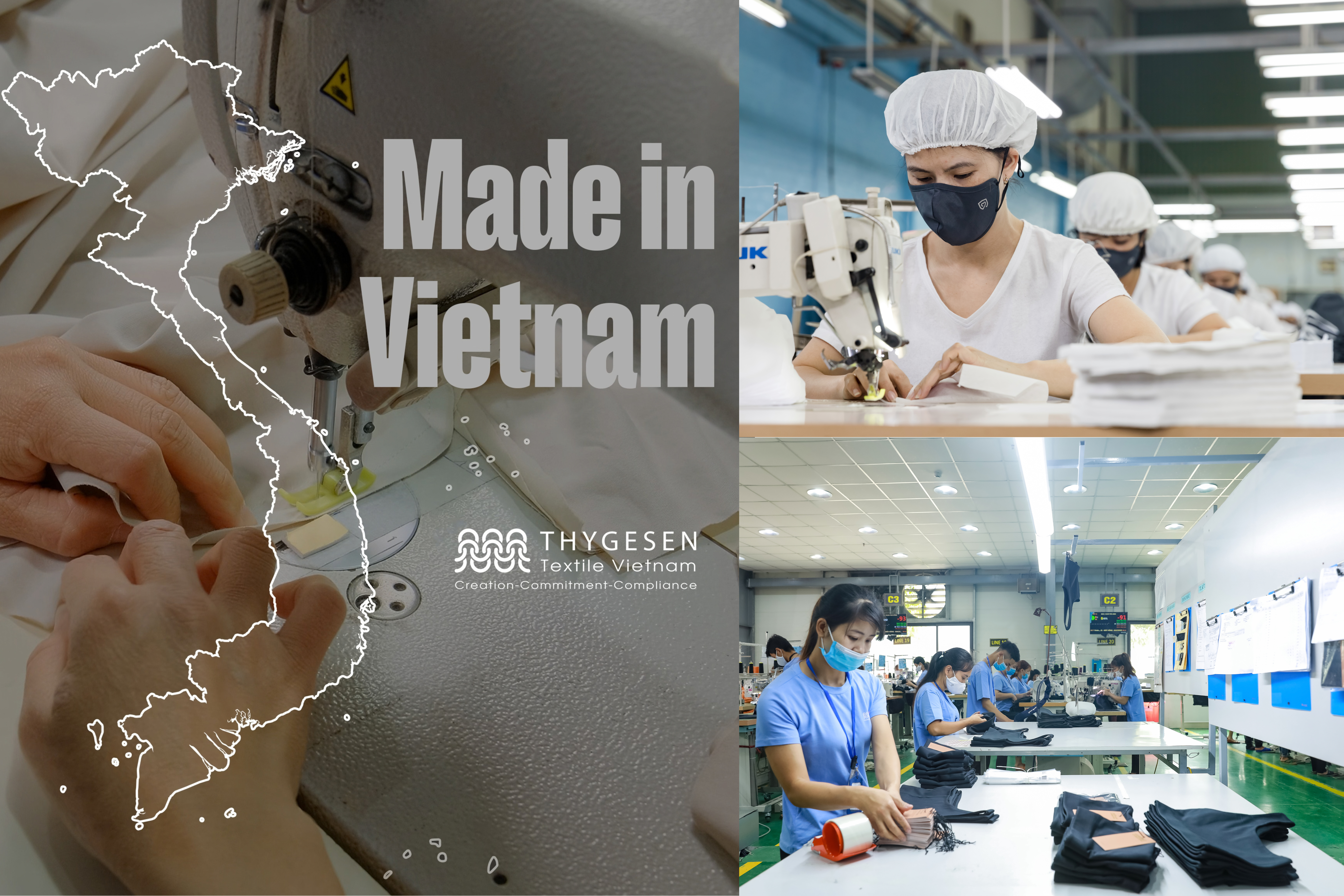
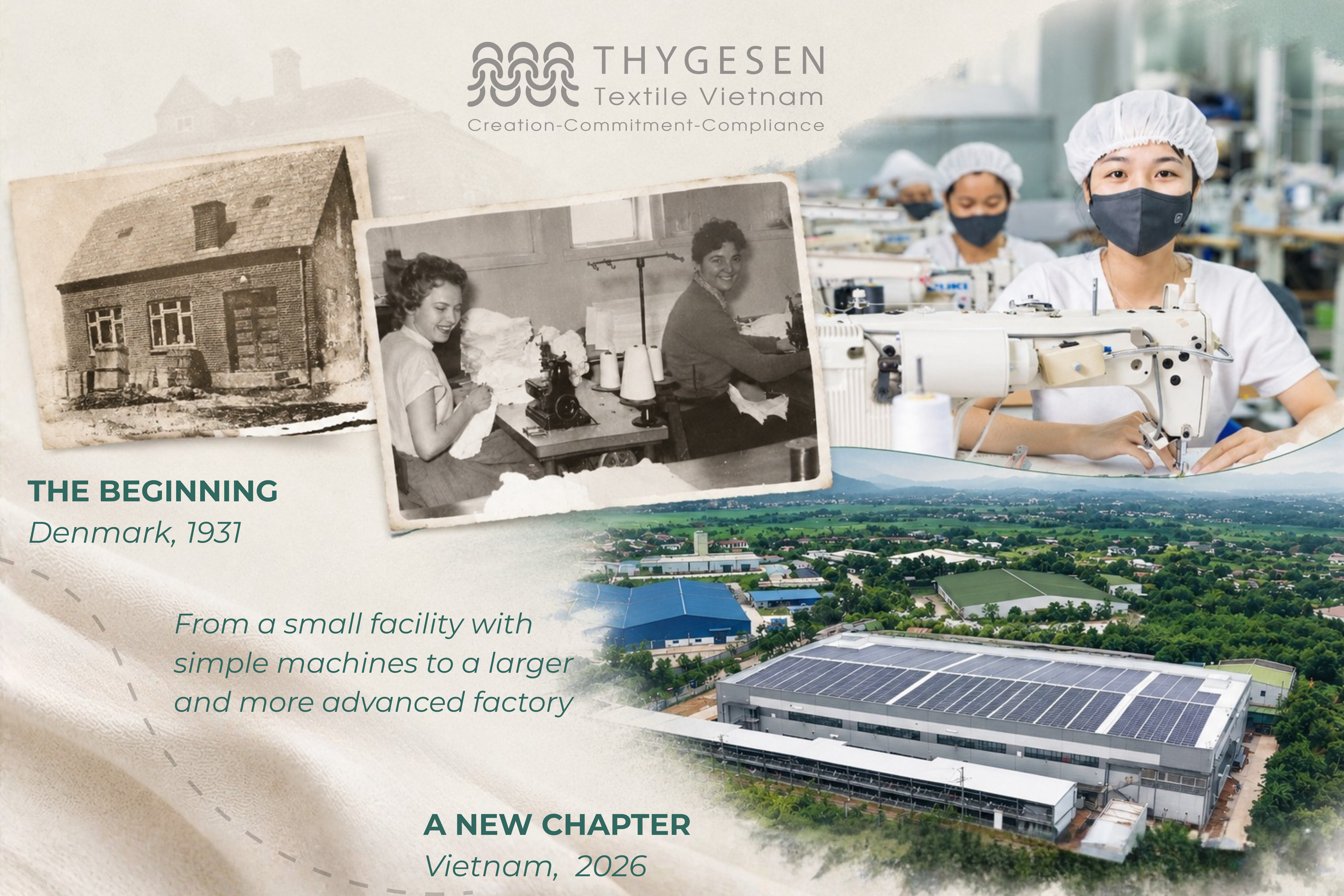
Thygesen Textile Vietnam is a trusted jacket manufacturer with decades of experience in the textile industry. We offer full OEM/ODM services and have the capability to produce a wide range of jacket types from casual streetwear and fashion jackets to technical, insulated, and weatherproof outerwear – meeting the needs of global fashion brands.
>>> Beyond outerwear, Thygesen also specializes in various innerwear, and we encourage you to check out our resource on Exploring 20+ Styles of Boxers You Should Know to diversify your brand’s offerings.
Why choose us:
- In-House R&D Expertise: At Thygesen, we have a dedicated R&D team that works closely with clients to develop jackets from concept to final product. We provide expert advice on material selection, fabric performance, design features, insulation, closures, and construction techniques. Our team also addresses all technical and practical aspects of jacket manufacturing, ensuring that each product meets both aesthetic and functional standards.
- Comprehensive Customization: We understand that every brand has unique requirements. Thygesen offers full customization across all aspects of jacket production, including fabric choices, linings, insulation types, closures, trims, labels, embroidery, and packaging. This ensures your collection reflects your brand identity while delivering high-quality, market-ready outerwear.
- Transparency & Accountability: Whether jackets are manufactured in our own facilities or through carefully selected subcontractors, we maintain full transparency at every step of the production process. We take complete responsibility for product quality, ensuring consistency, compliance with specifications, and timely delivery. This approach gives brands confidence in both the process and the final product.
- International Certifications & Standards: Thygesen operates under globally recognized standards such as SA8000, WRAP, ISO 9001, and follows sustainable practices including OEKO-TEX®, GOTS, and GRS certifications. These certifications guarantee that our jackets are produced ethically, safely, and with respect for the environment, meeting the expectations of international clients and modern consumers.
- Experience & Global Reach: With decades of experience in apparel manufacturing, Thygesen has collaborated with international brands across the US, EU, UK, Australia, and Japan. This experience has given us a deep understanding of working with clients remotely, managing cross-border communication, and navigating complex import-export regulations and taxation requirements. We are also well-versed in international sustainability standards and requirements, enabling us to guide brands on eco-friendly practices, certifications, and compliance throughout the production process.

In conclusion Jackets can be classified in many ways: by construction, style, weather protection, insulation, or closure, helping brands choose the right type for their collection. For high-quality, customizable jacket manufacturing, visit thygesenapparel.com or contact us directly at sale@thygesen.com.vn.